Wiring burning smell from outlet
A burning smell from an outlet is a stop-now electrical warning. Learn the safest first checks, when an outlet itself is the likely problem, and when to call an electrician immediately.
Find the outlet symptom that matches what is happening before you replace a receptacle, reset a breaker, or open the box.
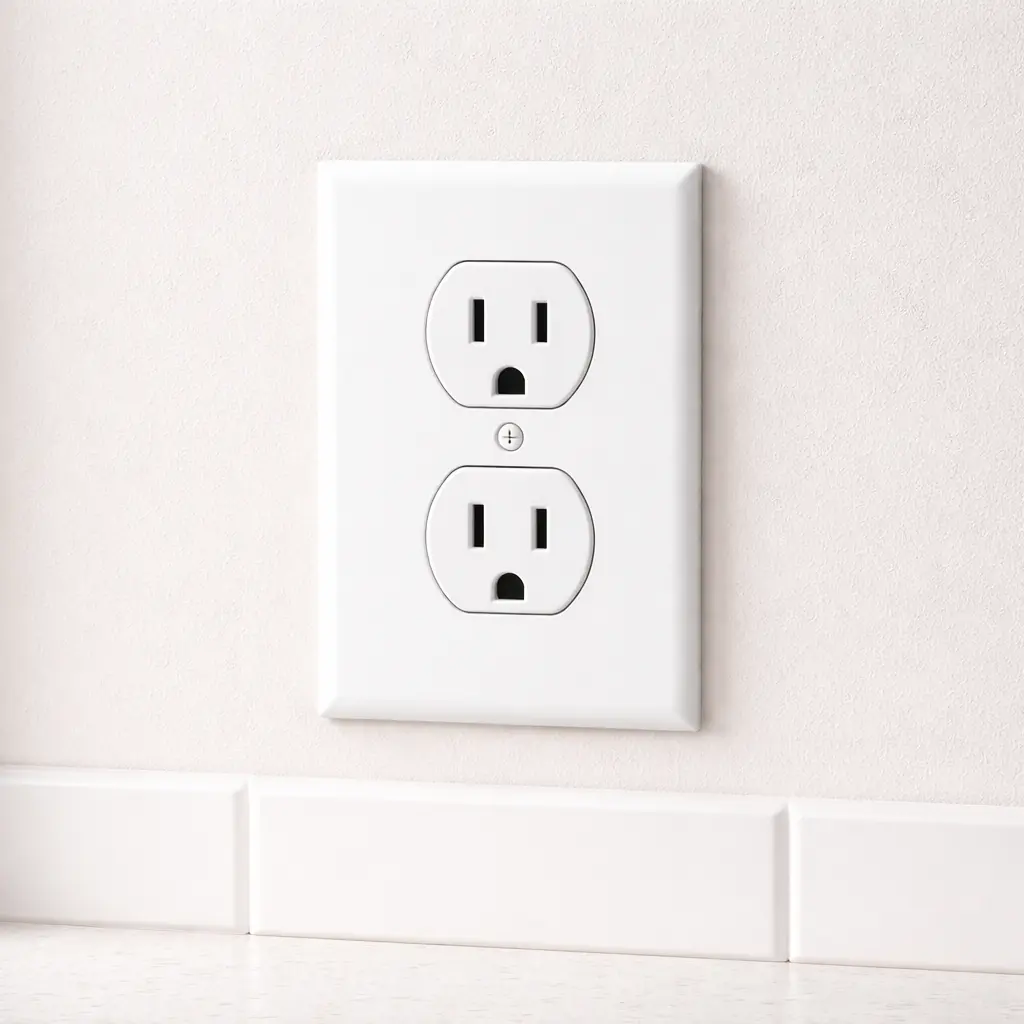
A burning smell from an outlet is a stop-now electrical warning. Learn the safest first checks, when an outlet itself is the likely problem, and when to call an electrician immediately.
Find out whether only the wall plate is cracked or the outlet itself is damaged. See when to replace the plate and when to call an electrician.
An electrical smell near an outlet usually points to overheating, arcing, or a damaged receptacle. Shut power off, separate the warning signs, and know when to stop and call an electrician.
Half-hot outlet not working? Test both halves with the same lamp, check the wall switch, reset nearby GFCIs and breaker once, then inspect power-off.
If one side of an outlet sparks, stop using it and check for a loose plug fit, damaged receptacle contacts, heat, smell, or upstream wiring trouble before replacing the outlet.
If an outdoor outlet cover is holding water, stop using it until you know whether the problem is the cover, box position, missing gasket, or a wet receptacle. Start with safe visual checks.
If an outlet arcs when a switch turns on, stop using it and check whether the spark is at the plug, the outlet face, or inside the wall. Loose outlet connections, a worn receptacle, or a switch-controlled outlet are the usual causes.
A burnt outlet slot usually means heat from a loose plug fit, worn receptacle contacts, or a damaged connection. Shut power off, stop using it, and confirm whether the outlet itself is the problem or the wiring behind it.
A loose outlet box usually means the box is not anchored well or the wall around it has broken down. Start with power off, check for movement, and stop early if you see heat, arcing, or damaged wiring.
If an outlet buzzes when an LED lamp is plugged in, start by separating lamp noise from outlet noise. Check for heat, looseness, dimmer issues, and signs of a failing receptacle before replacing parts.
A buzzing outlet can mean a loose connection, overloaded plug, failing receptacle, or upstream electrical problem. Start with safe checks and stop early for heat, sparking, or burning smells.
A buzzing outlet after running a space heater usually points to heat damage, a loose connection, or a failing receptacle. Stop using it, check for heat or odor, and know when to call an electrician.
If an outlet is crackling, treat it like a loose or arcing connection until proven otherwise. Cut power, unplug devices, and do not keep using the receptacle.
If an outlet dies after rain, start with water exposure, a tripped GFCI, and breaker checks before replacing the outlet. Stop for heat, smell, or visible moisture.
If an outlet tests live but your device still will not run, first separate a bad device, a switched half-hot outlet, weak contact, or a loose receptacle. Stop early for heat, buzzing, scorch marks, or sparking.
If an outlet feels hot, stop using it and check for overload, loose plug fit, or a failing receptacle. Escalate fast for burning smell, buzzing, sparks, or heat with no load.
If an outlet hums when something is plugged in, stop and check for heat, loose plug fit, device-related noise, or a failing receptacle. A humming outlet can point to a loose connection and should not be ignored.
If an outlet keeps getting loose in the wall box, start with the faceplate and mounting screws, then check for a damaged box, stripped ears, or movement in the wall. Stop right away for heat, sparking, or burned wiring.
If an outlet buzzes, crackles, or gets warm when a space heater is plugged in, stop using it and check for loose connection, worn receptacle, or overloaded circuit before it turns into a burned outlet.
If outlets stopped working in one room, start with the breaker, nearby GFCI outlets, and any switched outlet setup before suspecting a bad receptacle or loose wiring.
Outlet not working? Check the plugged-in device, wall switch, split outlet, nearby GFCI, and breaker before replacing the receptacle.
If a plug slips out of an outlet, the receptacle contacts are usually worn. Check for heat, sparking, looseness, or a damaged faceplate first, then replace the outlet if the branch is safe and confirmed.
If an outlet works off and on, start with heat, buzzing, GFCI, breaker, and plug fit clues before replacing the receptacle. Loose connections need fast attention.
If an outlet shocks you when plugging something in, stop using it and check for loose plugs, damaged cords, moisture, or a worn receptacle. Escalate fast for sparks, heat, burning smell, or repeated shocks.