Ceiling light flickers near leak
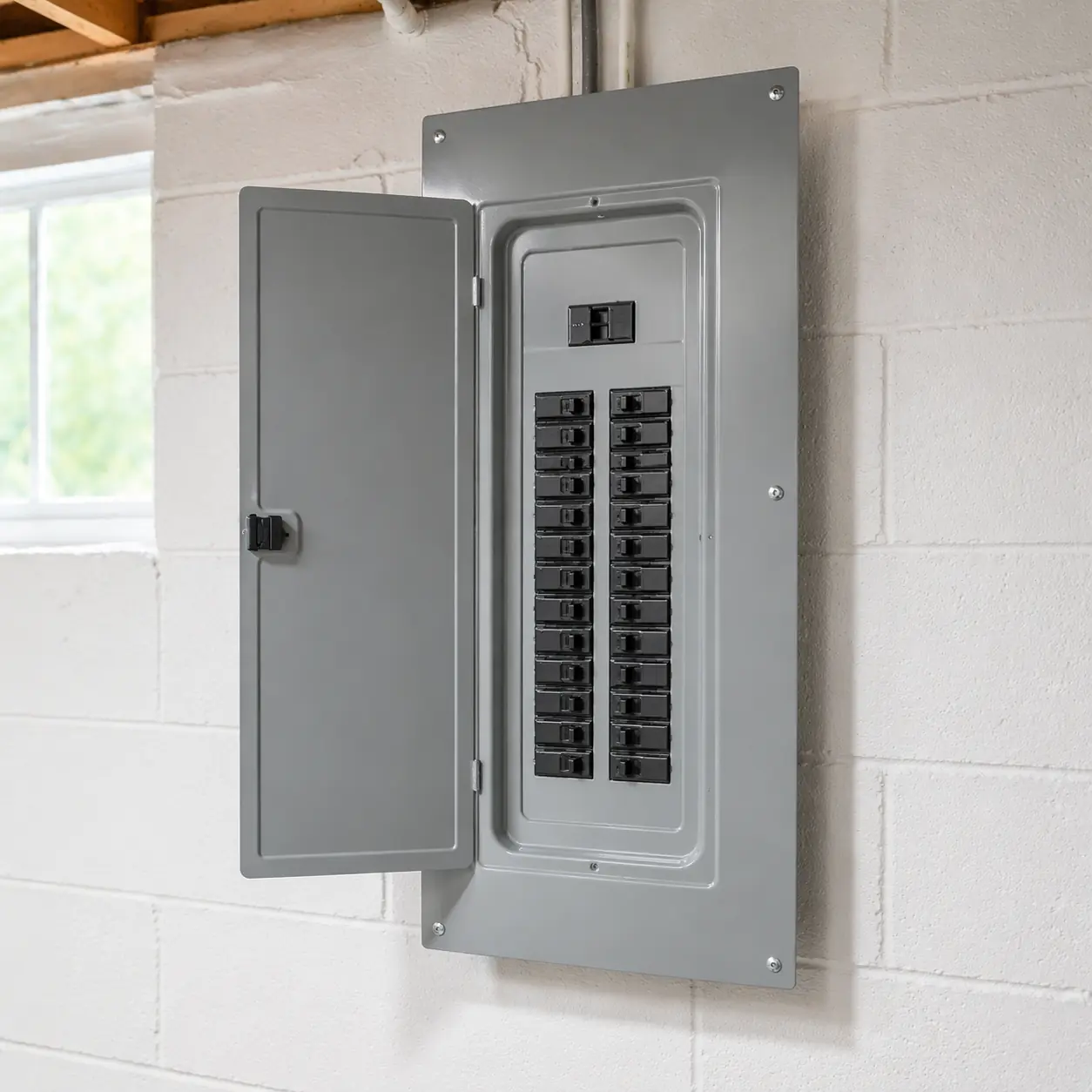
If a ceiling light flickers near a leak, treat it as a water-and-electricity hazard first. Shut power off, check for active moisture, and do not open the fixture until the area is dry and safe.
Start with what the fixture is doing: flickering, dead, buzzing, tripping a breaker, or showing heat or wiring symptoms.
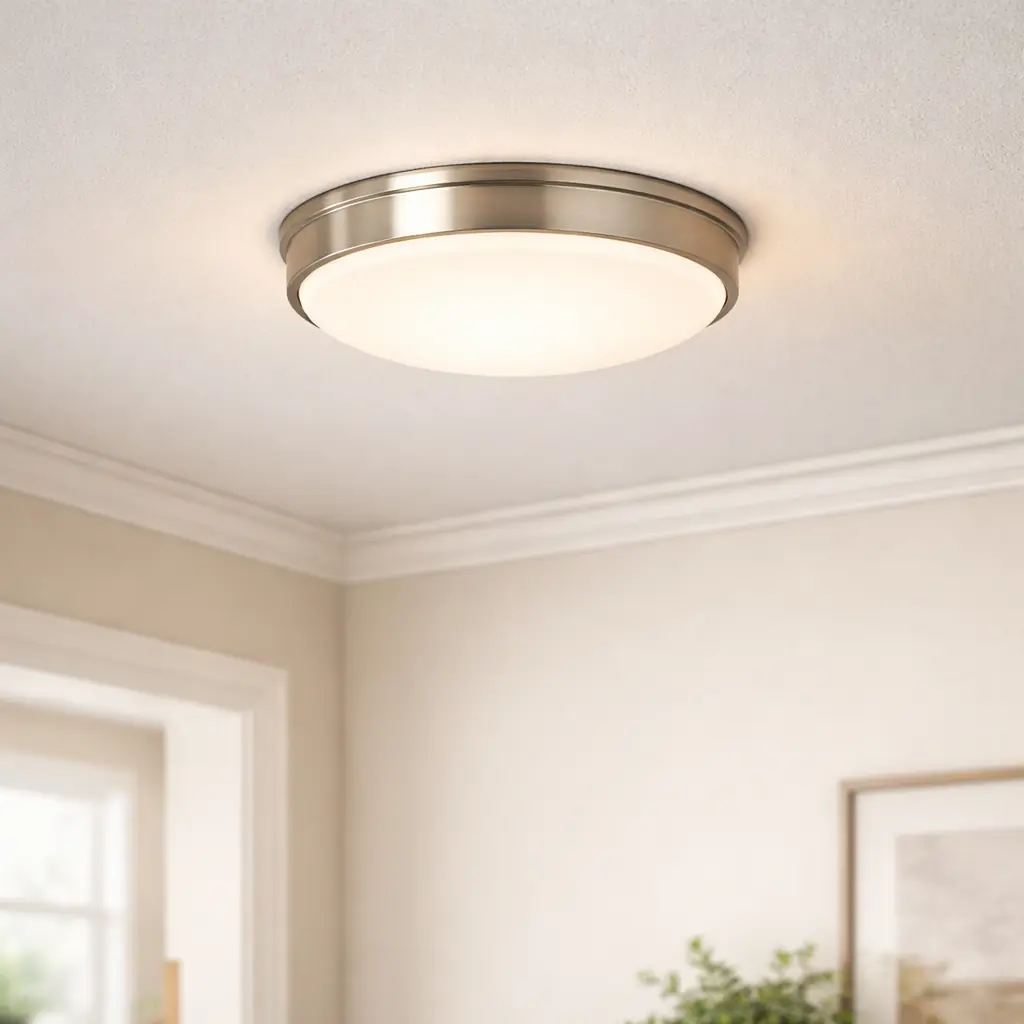
If a ceiling light flickers near a leak, treat it as a water-and-electricity hazard first. Shut power off, check for active moisture, and do not open the fixture until the area is dry and safe.
A ceiling light sagging away from the box usually means loose mounting hardware, a damaged fixture strap, or a ceiling box that is not holding securely. Start safe and know when to stop.
Find out why an LED light fixture flickers, starting with the bulb, dimmer, and loose connection clues. Know when to stop and call an electrician.
If light bulbs keep burning out, start with bulb type, fixture rating, heat buildup, and loose socket clues before blaming the fixture. Stop early for burning smell, sparking, or heat.
If a light fixture arcs or sparks when switched on, stop using it and check for a bad bulb, loose lamp socket, or damaged fixture wiring before power is restored.
If a light fixture bulb keeps burning out, start with the bulb type, wattage, heat buildup, and socket condition before blaming the wiring. Watch for heat, arcing, or a loose center contact.
Find out why a light fixture is buzzing, humming, or crackling. Start with the bulb and dimmer clues, then stop early for heat, burning smell, or loose-connection signs.
A dim light fixture is usually a weak bulb, wrong dimmer setup, low power on the circuit, or a failing fixture socket or LED driver. Start with the safe checks before opening anything.
If a light fixture quit after a storm, first check the breaker, any nearby GFCI, and whether the problem is just the bulb or the whole circuit. Stop early for burning smell, water, or loose-connection signs.
Find out why a light fixture is filling with condensation, when it points to indoor humidity versus a roof or exterior leak, and when to stop and call an electrician.
If a light fixture flashes once or briefly lights and then goes out, start with the bulb, heat buildup, and loose connection clues before opening anything. Stop early for burning smell, heat, or sparking.
Find out why a light fixture flickers by separating bulb, dimmer, switch, and loose-connection clues first, and know when to stop and call an electrician.
A light fixture that feels too hot usually points to the wrong bulb, trapped heat, or a failing socket. Start with safe checks and stop early for burning smell, discoloration, or buzzing.
A light fixture that hums on a dimmer is usually a bulb and dimmer mismatch, a loose lamp part, or an aging fixture component. Start with safe checks before opening anything.
Check the bulb, wall switch, breaker, and GFCI first, then look for fixture-specific failures like a bad socket or failed LED driver before replacing parts.
If a light fixture smells hot, stop using it and check for the common causes first: wrong bulb wattage, enclosed heat buildup, scorched socket parts, or a loose connection. Burning odor, discoloration, buzzing, or repeated heat means it is time to shut power off and call an electrician.
A burning smell from a light fixture can mean an overheated bulb, scorched socket, failing driver or ballast, or a loose wire. Start safe, shut power off, and know when to stop and call an electrician.
If a light fixture trips the breaker, start with the bulb, trim, and visible damage before opening anything. Burning smell, heat, or repeat trips point to a short or unsafe wiring issue.
Water inside a light fixture globe usually means a roof, plumbing, or condensation problem above the fixture. Shut power off first, dry nothing while energized, and check for the source before replacing fixture parts.
If mice chewed an exterior light wire, treat it as a shock and fire risk first. Learn how to shut power off, check for fixture-only damage, and know when to call an electrician.
If mice chewed wiring at a light fixture, treat it as a shock and fire risk. Start by shutting power off, checking for visible damage, and deciding whether the fixture can be repaired or needs an electrician.
If a mouse chewed a ceiling light wire, treat it as a shock and fire risk first. Learn what to check safely, when to stop, and when fixture replacement makes sense.
If rats chewed an exterior light wire, treat it as a shock and fire risk first. Learn how to make it safe, tell fixture damage from branch-circuit damage, and know when to call an electrician.
If rats chewed a light fixture wire, treat it as a shock and fire risk first. Learn what to shut off, what you can safely inspect, and when the fixture or wiring needs a pro.