Does the same lamp or charger work in another outlet?
If not, the device or cord is the problem. If it works elsewhere, keep checking this outlet and its circuit.
Start with the safe outside checks. Test the device somewhere else, try both halves of the outlet, flip nearby switches, reset likely GFCIs, then reset the breaker once. Buy a receptacle only after those checks point back to that outlet.
Usual causes are switch control, a tripped GFCI, a tripped breaker, or a worn receptacle that no longer holds a plug firmly.
Sort the pattern first: one dead outlet, half an outlet, a switched outlet, or several dead outlets in the same area.
Don’t start with: Do not remove the cover, bypass a switch, or touch wiring while power may be on. Warmth, buzzing, scorch marks, burning smell, moisture, or a breaker that trips again means stop and call an electrician.
If not, the device or cord is the problem. If it works elsewhere, keep checking this outlet and its circuit.
Try nearby switches. A split outlet may be designed so one half is switched and the other stays hot.
Check the breaker and nearby GFCIs first. A group outage usually points upstream of the dead receptacle.
The receptacle was likely downstream of protection. Do not replace it unless it is also loose, damaged, or intermittent.
Stop using it. If a plug wiggles, the face feels warm, or power cuts in and out, look for a worn receptacle or failed connection. It needs power-off inspection or an electrician.
Leave it off. If it trips again after one reset, that test result points to an active fault or overload, not a part-shopping clue.
A dead outlet can be normal switch behavior, a tripped protective device, or a failed receptacle. These photos show the safe checks that come before cover removal.
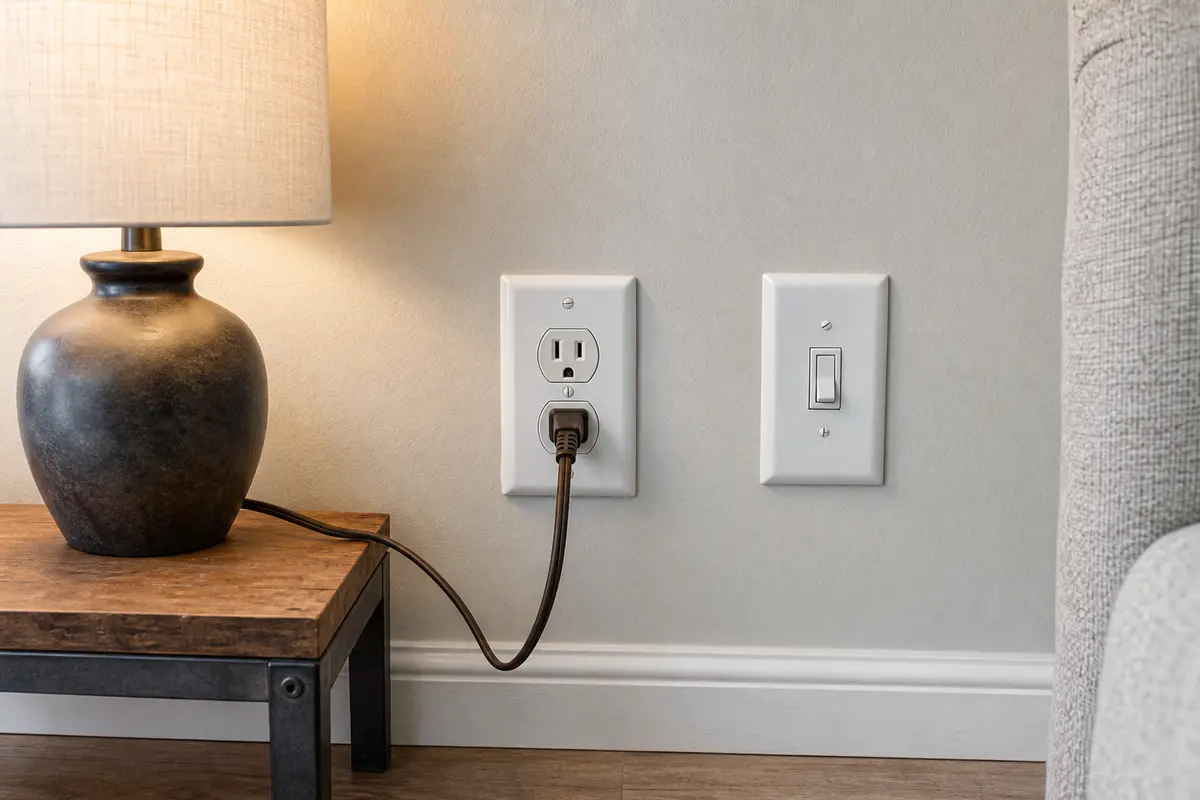
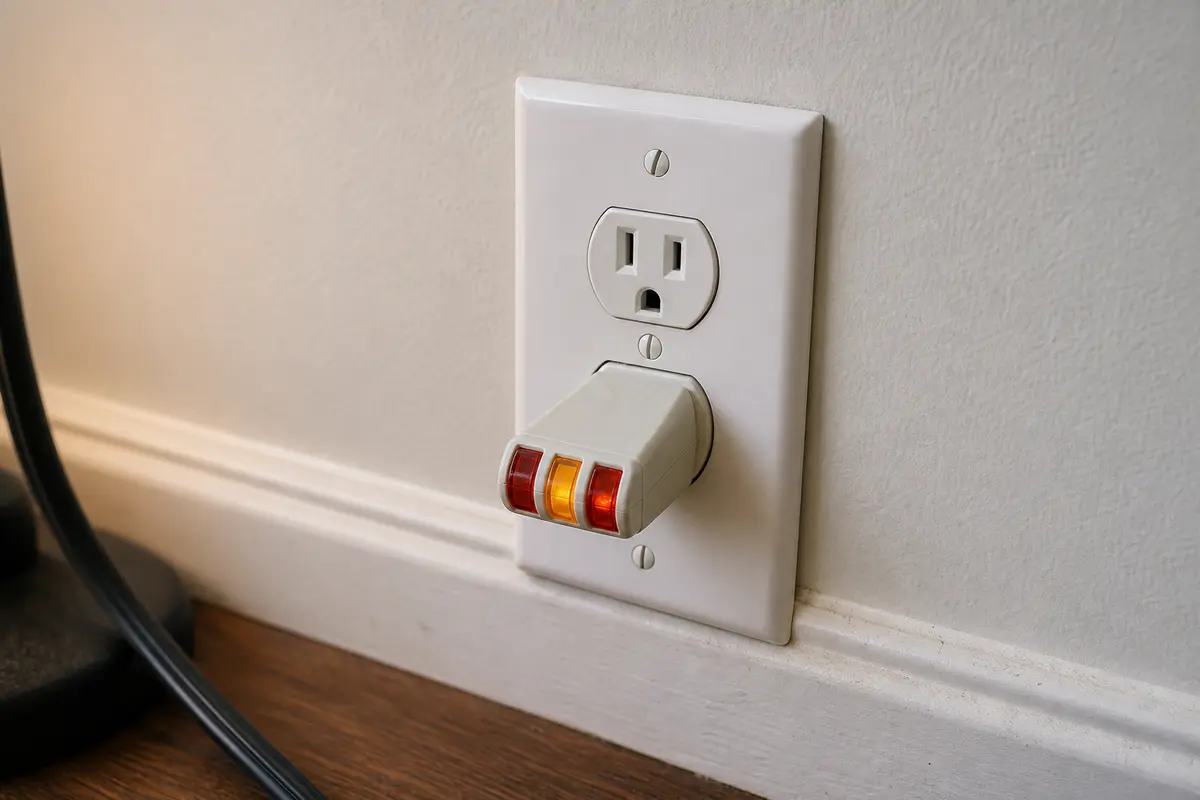
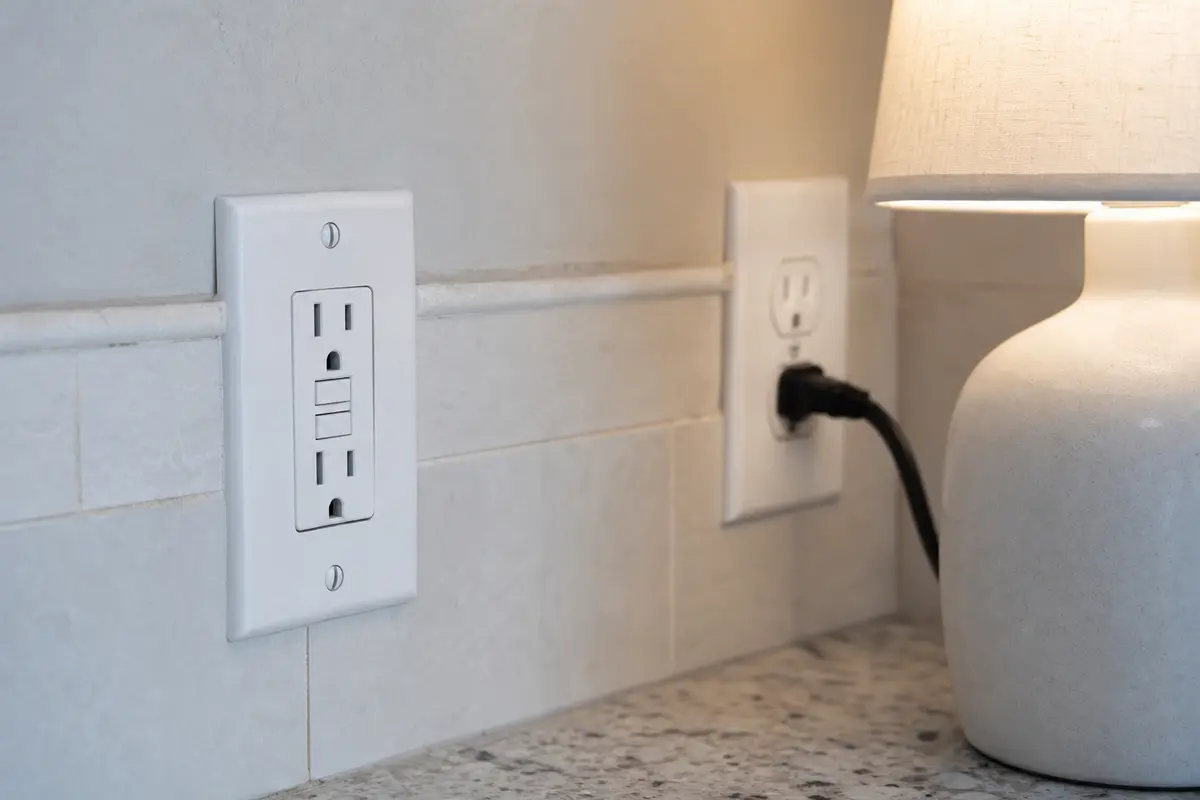
Do not buy an outlet from the symptom alone. First test the exact pattern with a known-good lamp: failed device, switched half, tripped GFCI, tripped breaker, or a loose, warm, or scorched outlet face. Match the receptacle type, amperage, GFCI/split wiring, and location rating only after those checks lead back to that device.
Most dead outlets are not solved by grabbing a new receptacle first. The pattern tells you whether power was lost upstream or the outlet itself is failing.
Work from outside the wall inward. Every check here can be done without touching bare conductors.
A dead outlet invites parts guessing. The risky shortcuts are also the ones that hide the real clue.
Match the tester or lamp result to the row below before buying anything; a GFCI reset, wall switch, or breaker clue can clear the outlet itself.
| What you find | What it usually means | Next move |
|---|---|---|
| Lamp works when a wall switch is on | Switched outlet or split receptacle behavior is likely. | Use it as designed. Ask an electrician about reconfiguration if the room needs always-hot power. |
| Power returns after a GFCI reset | The outlet is downstream of GFCI protection. | Test the GFCI. If it trips again, diagnose the load or moisture before replacing parts. |
| Several outlets come back after breaker reset | The breaker had tripped or was partly tripped. | Reduce heavy loads and watch for another trip. Stop if it trips again. |
| Only this outlet stays dead after resets | A worn receptacle or failed connection at this box becomes more likely. | Turn power off, verify dead, then inspect or call an electrician. |
| Plug wiggles, power flickers, or face feels warm | Loose contact tension or a failing connection can create heat. | Stop using the outlet and replace or repair only after safe power-off verification. |
| Tester result says open neutral or changes between tries | The circuit may have a loose or failed conductor connection. | Stop DIY if you are not trained to trace wiring safely with power off. |
These tools support the safe outside checks and power-off verification. Skip any tool path that would require live wiring work.
Paid links. As an Amazon Associate I earn from qualifying purchases. Repair Riot may earn a commission at no extra cost to you.
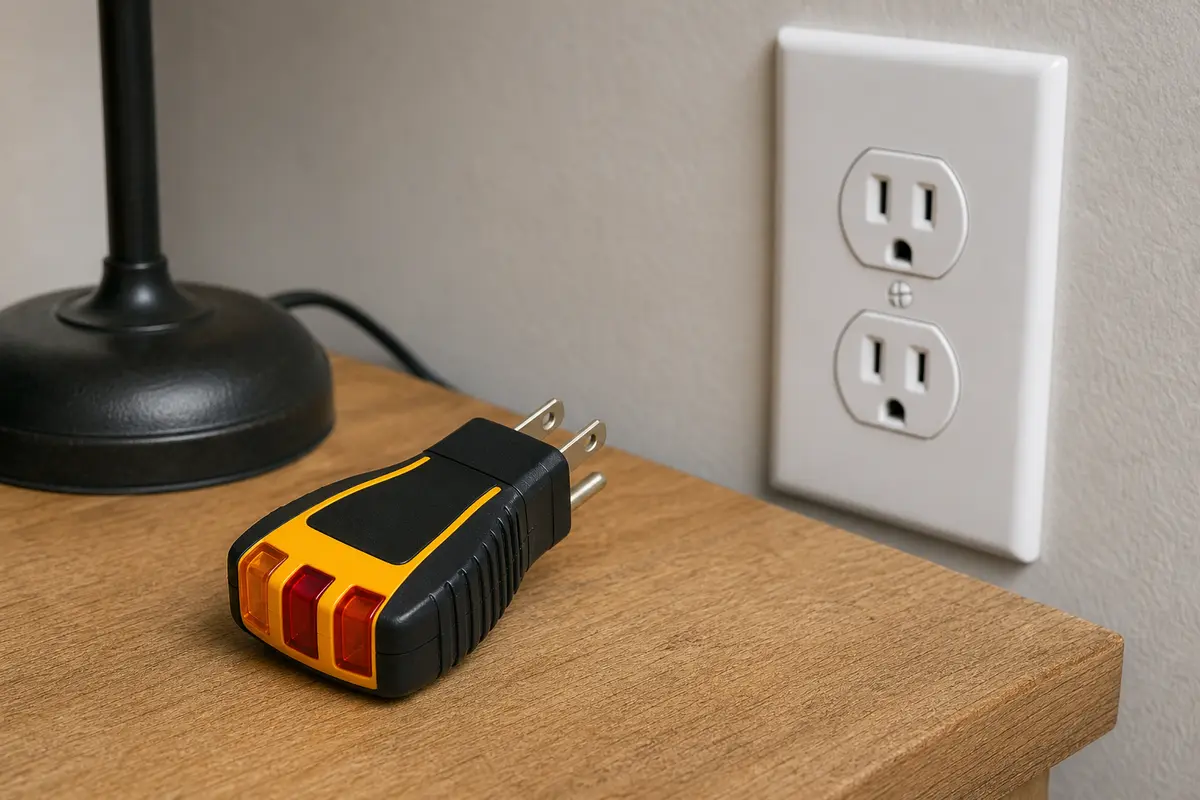
Helps when: Use it to compare both halves of the outlet and check whether power returns after a GFCI or breaker reset.
Skip it when: Skip tester interpretation when the outlet is warm, damaged, wet, or the reading changes as the plug moves.
Compare plug-in outlet testers on Amazon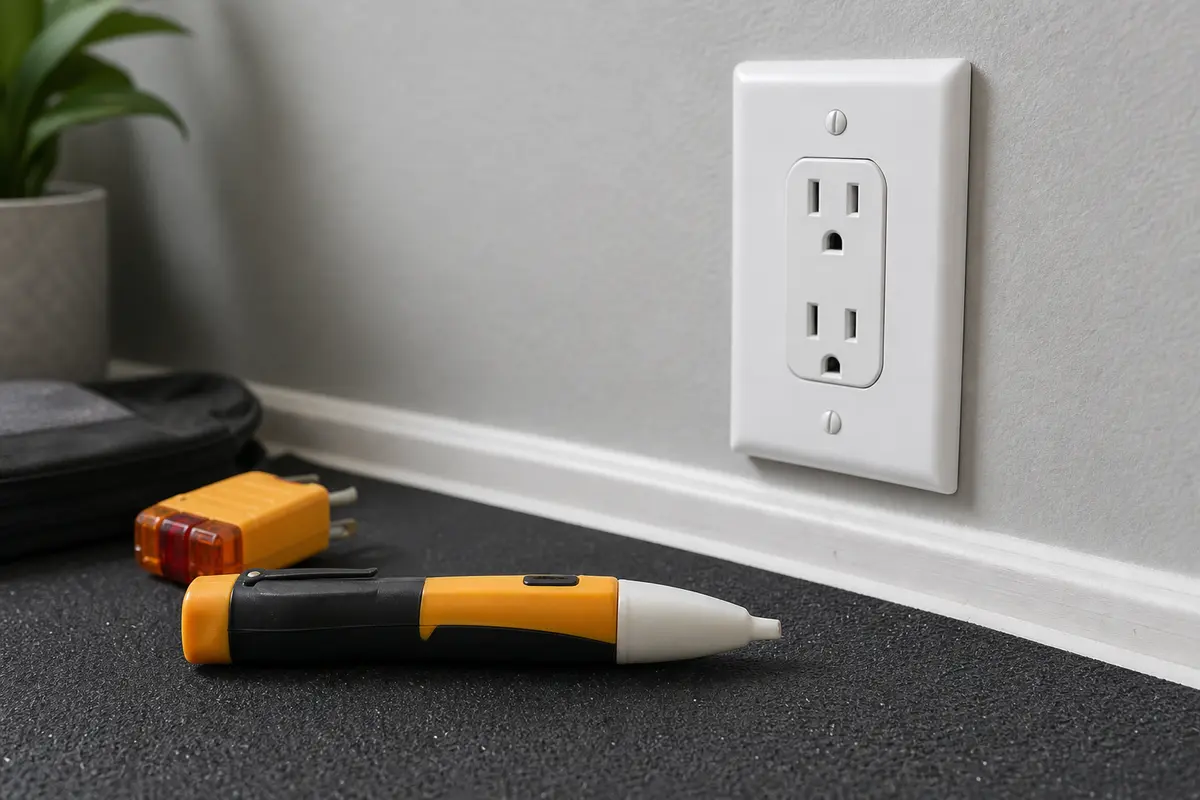
Helps when: Use it as one check before cover removal after the breaker is off, then confirm with a load or plug-in tester when possible.
Skip it when: Do not rely on one tester alone if you are unsure which breaker controls the outlet.
Compare non-contact voltage testers on Amazon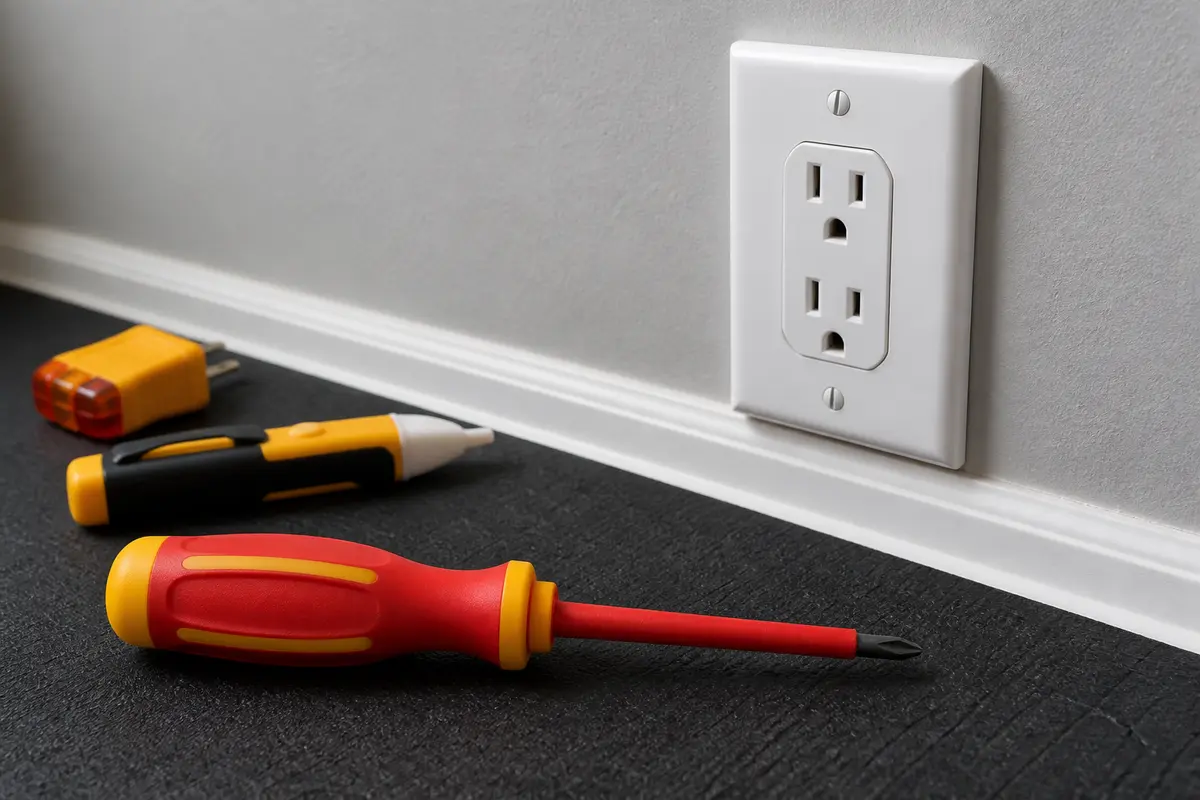
Helps when: Use it only after the circuit is off and verified dead to remove the faceplate or receptacle mounting screws.
Skip it when: Do not open the outlet if the wiring setup is split, crowded, damaged, aluminum, or confusing.
Compare insulated screwdrivers on AmazonA receptacle belongs in the cart only when outside checks point back to that device: it stays dead after GFCI, breaker, and switch checks, or it is loose, cracked, warm, or damaged. Match the existing outlet type and rating instead of changing protection or wiring style casually.
Paid links. As an Amazon Associate I earn from qualifying purchases. Repair Riot may earn a commission at no extra cost to you.
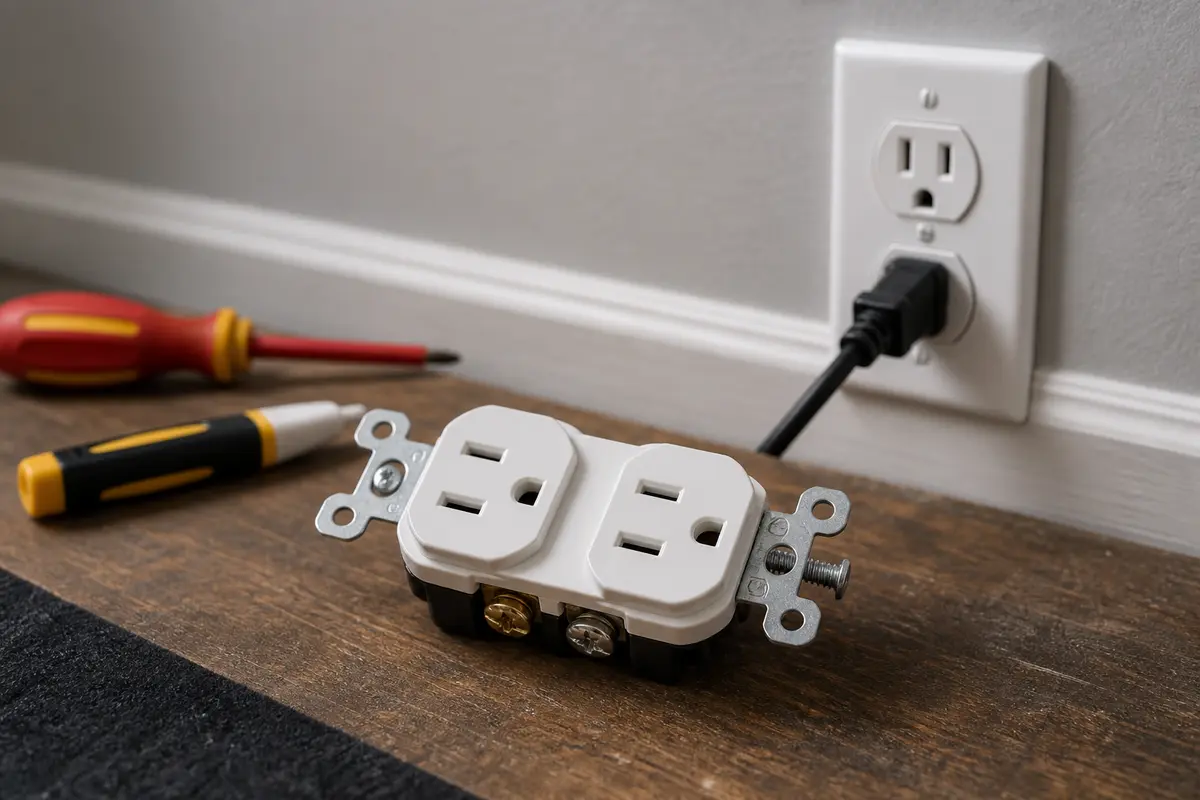
Helps when: Use this when the existing standard outlet is confirmed worn, damaged, or unable to hold a plug firmly.
Skip it when: Skip it when a GFCI or breaker reset restores power and the outlet is tight, cool, and undamaged.
Compare duplex outlet receptacles on Amazon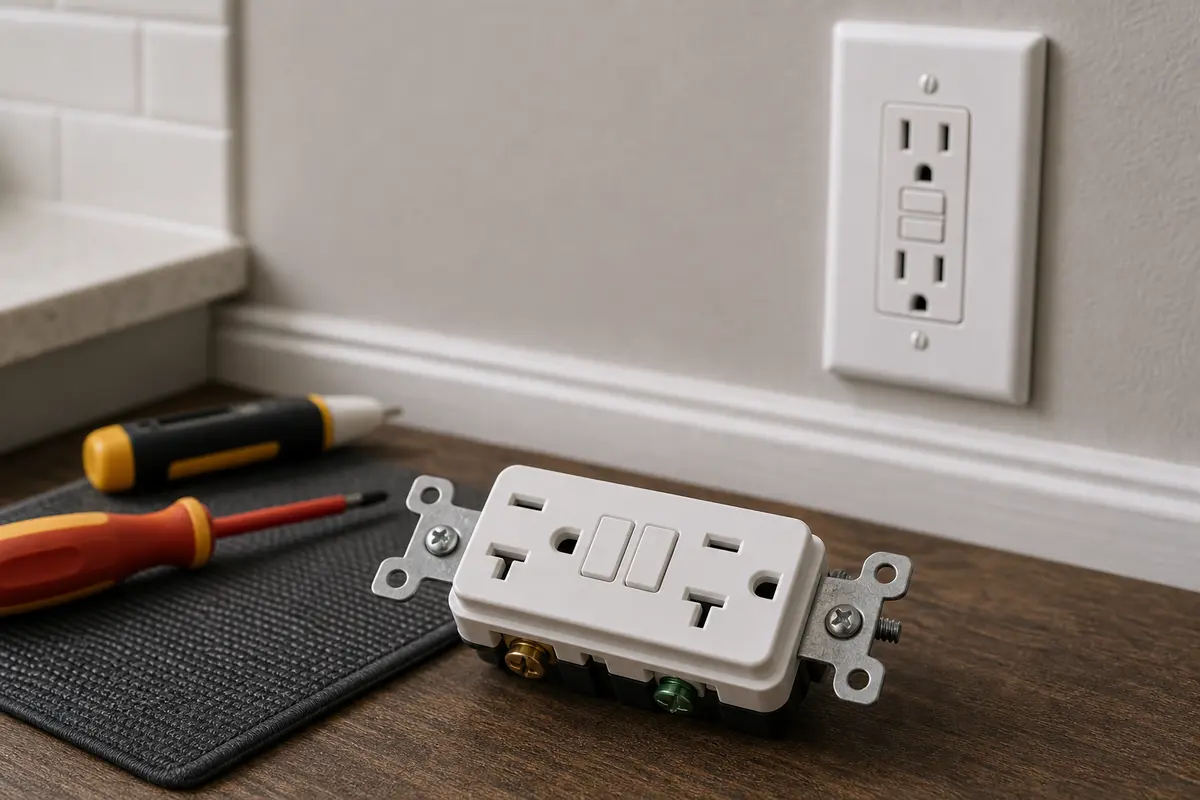
Helps when: Use this when the failed device is itself a GFCI that will not reset or pass power after other circuit issues are ruled out.
Skip it when: Skip it for a standard downstream outlet that simply lost power from a different tripped GFCI.
Compare GFCI outlet receptacles on AmazonA single dead outlet can come from a tripped upstream GFCI, a switched or split outlet, or a failed connection at that receptacle or an earlier one. Test a known-good lamp in both halves, try nearby switches, and look for a loose, warm, or scorched face before opening anything. The breaker can be on while that outlet still has no usable power.
Yes. Bathrooms, garages, kitchens, basements, laundry rooms, exterior outlets, and utility areas can have a GFCI that protects standard-looking outlets elsewhere. Reset likely GFCIs before replacing the dead outlet.
It may be a split outlet where one half is controlled by a wall switch. Test both halves with nearby switches on and off. If the behavior is new, flickers, or comes with looseness or heat, stop using it until it is checked.
No. Check the device, both halves of the outlet, nearby switches, GFCIs, and the breaker first. Replacing the receptacle first can miss the real upstream problem.
Only if you can turn off the correct breaker, verify the outlet is de-energized, understand the wiring, and replace the same type and rating. Stop for heat damage, aluminum wiring, split wiring you do not understand, moisture, or any uncertainty.
Leave it off. If the breaker or GFCI trips again after one reset, treat that repeat trip as the clue. Keep the circuit off and check for overload, moisture, or a damaged device.
No. A tester can show a basic condition, but readings like open neutral, open hot, or changing results do not name a part by themselves. Use the result to decide whether to stop, reset protection, or call for wiring diagnosis.
Treat warmth, buzzing, sparking, scorch marks, cracks, moisture, burnt smell, or a plug that barely holds as urgent. Stop using the outlet and shut off the circuit if you can do that safely.
Yes. Some outlets feed power onward to other receptacles. A failed connection at one box can make downstream outlets go dead even though the breaker stays on.
Repair Riot keeps dead-outlet advice diagnosis-first: switch behavior, GFCI protection, breaker reset, visible damage, then same-type receptacle replacement only when the checks point there.