Flicker started after LED bulbs?
Bulb compatibility, wattage, base fit, or dimming path is likely.
A ceiling fan light flickering is usually a bulb, socket, dimmer, remote receiver, or loose light-kit connection issue. Start with the easiest split: fan motor steady but light flickers, light flickers only when dimmed, or both fan and light blink together.
Good clues are flicker after changing to LED bulbs, flicker only on low dim, one loose bulb that changes when reseated, or blinking that follows a remote receiver or wall control.
Use the flicker pattern to separate a simple bulb mismatch from an unsafe power or wiring clue.
Don’t start with: Do not open the canopy or buy a new light kit before checking bulb type, wattage limit, socket fit, and the control setup.
Bulb compatibility, wattage, base fit, or dimming path is likely.
Dimmer, receiver, or bulb dimming compatibility moves up.
Bulb, socket tab, shade vibration, or loose fit path.
Power feed, switch, receiver, canopy connection, or circuit path.
Turn it off and call for electrical help.
The bulb style, socket fit, and control path usually identify whether this is a simple light-kit issue or a stop-use electrical clue.
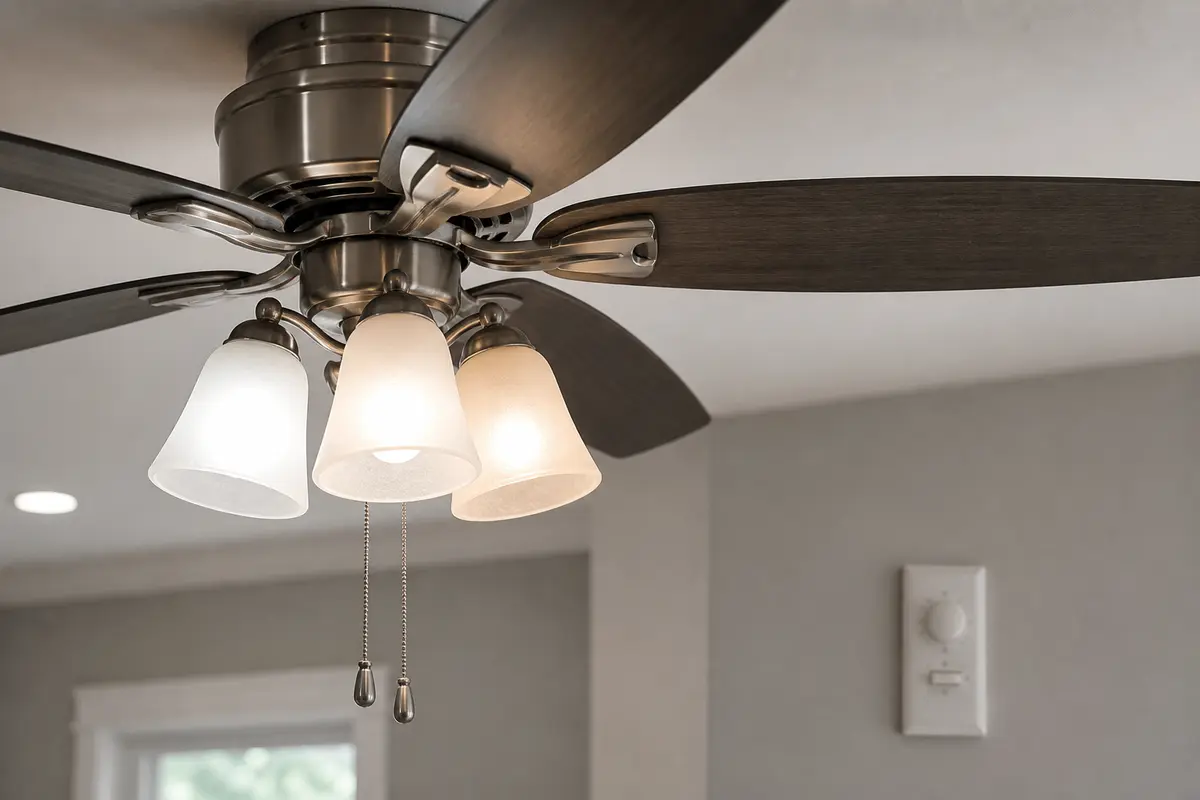
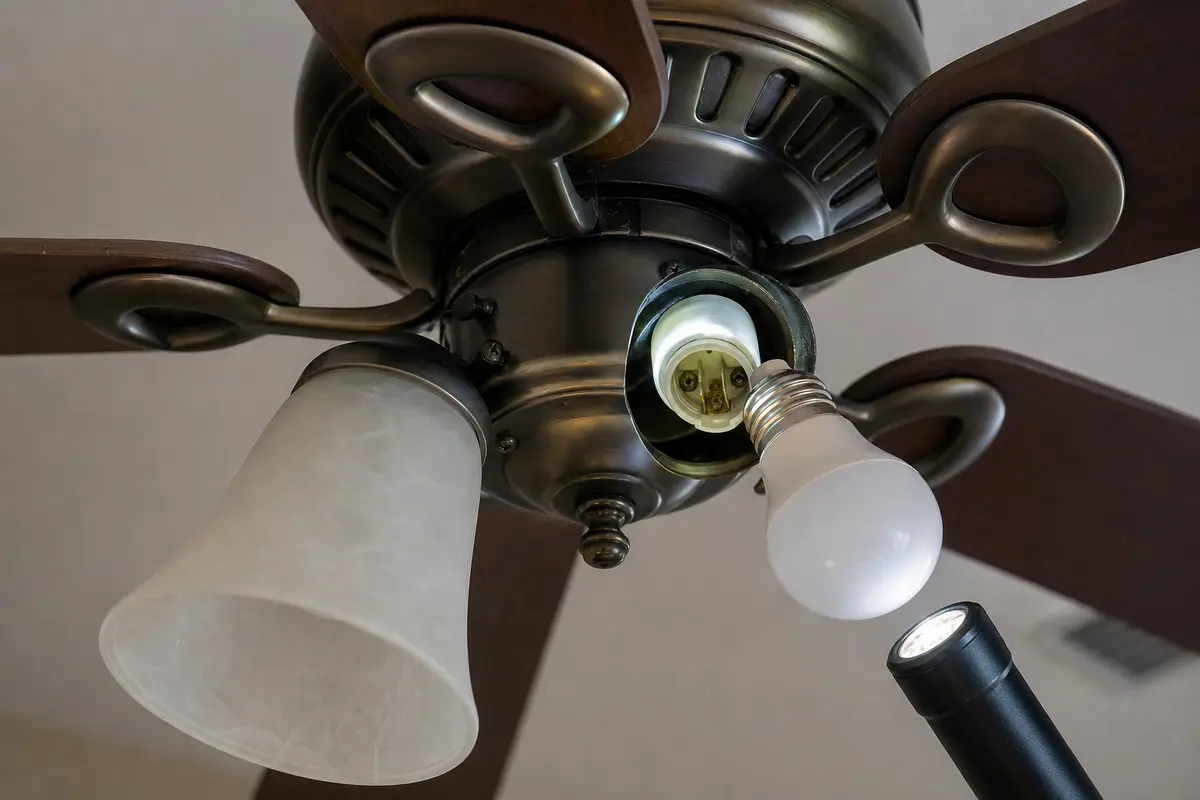
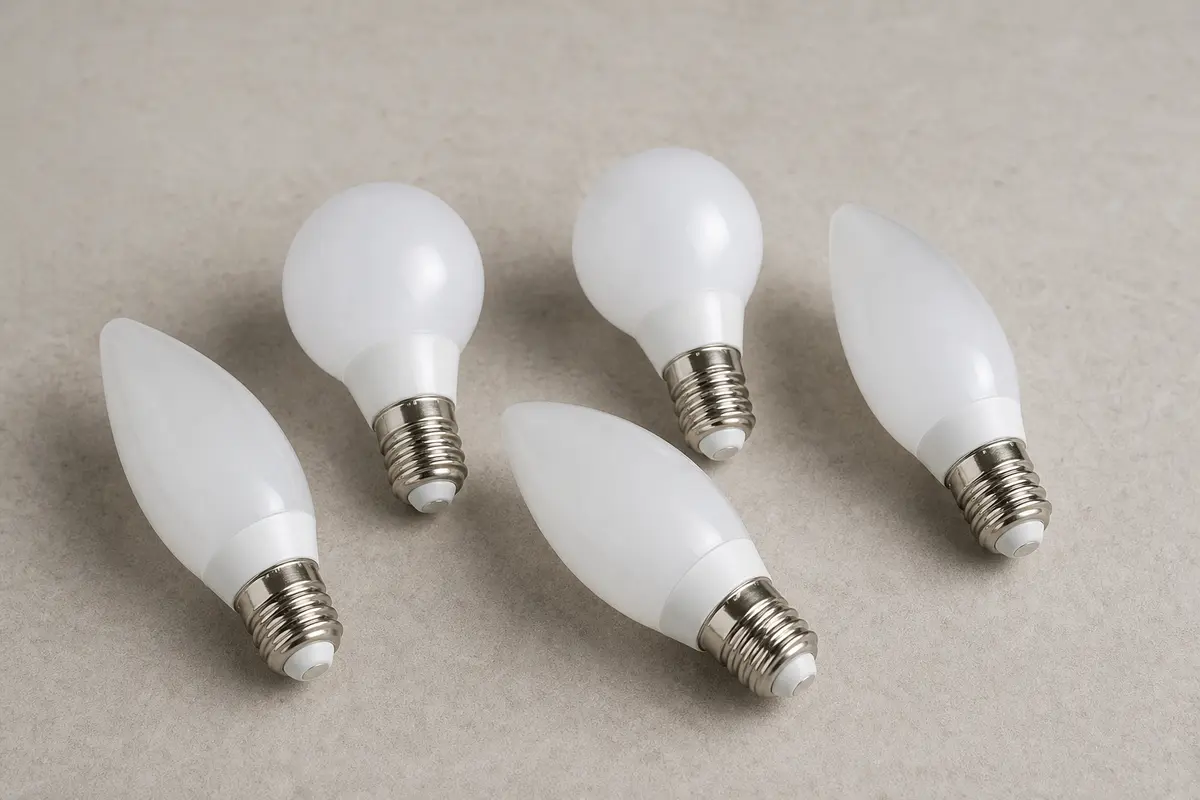
Confirm whether the flicker is bulb compatibility, loose socket fit, shade vibration, dimmer mismatch, receiver trouble, or whole-fixture power loss. Match the exact fan model, bulb base, control setup, symptom pattern, measurements, and confirmed diagnosis before ordering anything.
A light-only flicker is usually on the light side. In practice, whole-fan blinking changes the risk because the fan may be losing supply power instead of only fighting a bulb or dimmer mismatch.
The usual mistake is buying a new fan or light kit before proving the bulb and control setup. Good clue: flicker that disappears at full bright is often a compatibility clue, not a bad motor.
Use the exact flicker pattern. Full-bright, dimmed, one-bulb, and whole-fixture blink patterns point to different fixes.
| Pattern | Likely path | Next move |
|---|---|---|
| Only with LED bulbs | Bulb compatibility | Try fan-compatible dimmable bulbs. |
| Only when dimmed | Dimmer or receiver mismatch | Use fan-approved controls. |
| One bulb flickers | Bulb, socket, or shade movement | Reseat and inspect with power off. |
| Fan and light blink | Power feed or receiver | Stop and trace power safely. |
| Heat, smell, trip | Unsafe electrical clue | Leave it off. |
Most safe checks happen with power off and cool bulbs. Good clue: if one bulb changes when reseated, the problem is local to that socket or bulb before the whole fan is blamed.
A ceiling fan light can be controlled by a wall switch, wall dimmer, remote receiver, pull chain, or built-in module. The wrong control can make a good bulb look bad.
These tools support safe power-off light-kit checks and control screening before any wiring access.
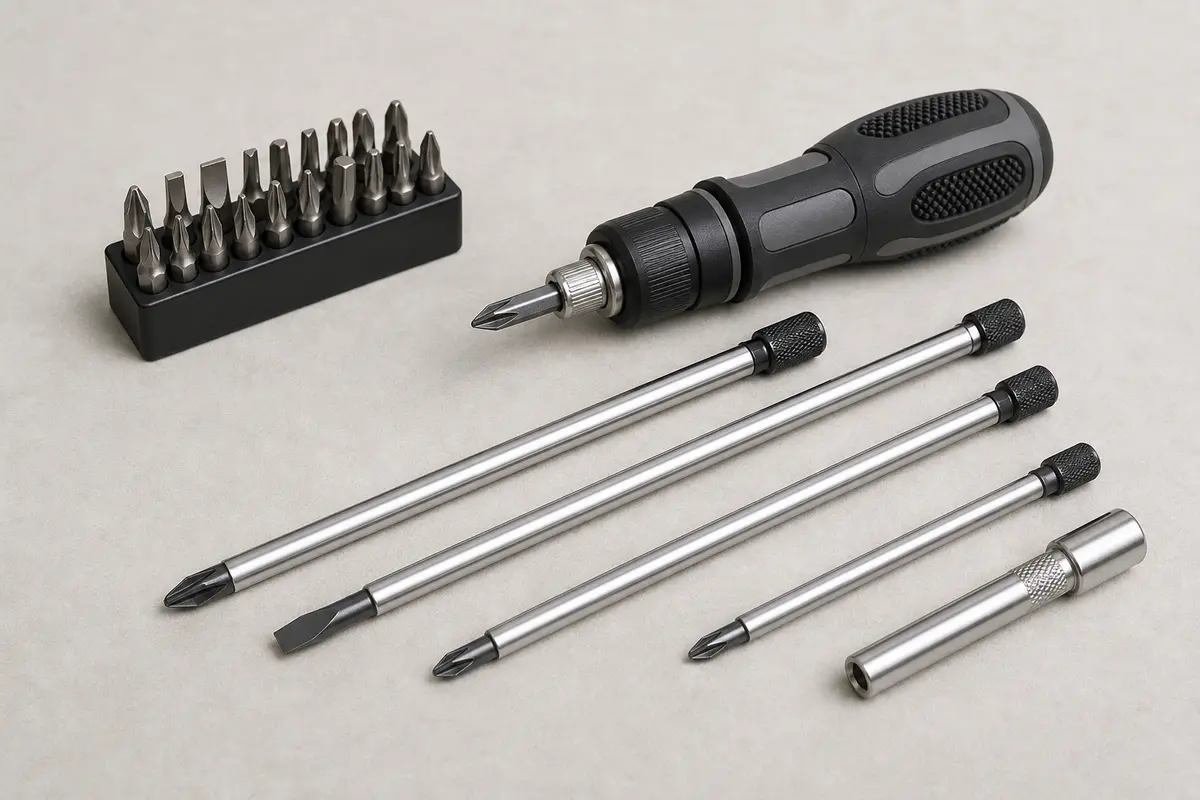
Helps when: Tightens shade screws, blade arms, light-kit screws, canopy screws, and switch-housing screws without stripping hardware.
Skip it when: Skip tightening if the fan is moving at the box, the ladder position is unsafe, or the screw head is damaged.
Compare screwdriver sets on Amazon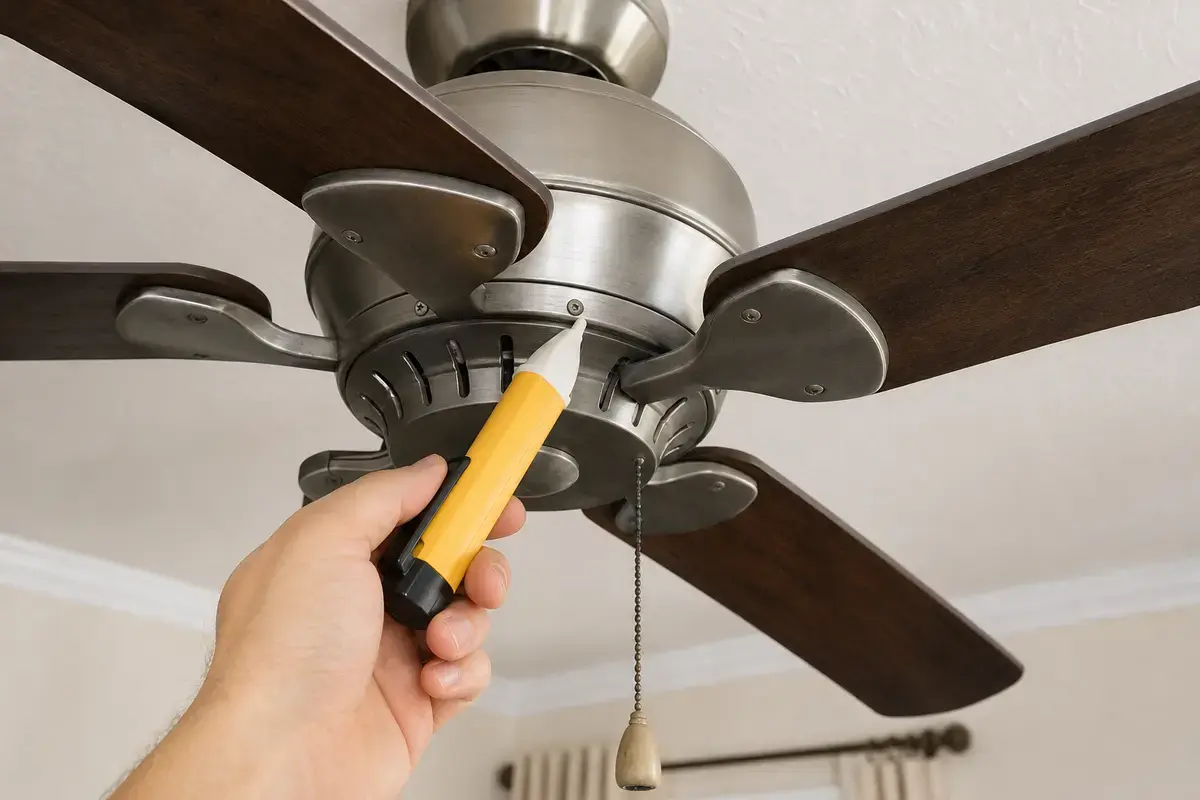
Helps when: Screens for power after the breaker is off before opening a canopy, light kit, switch housing, wall control, or receiver area.
Skip it when: Skip DIY electrical checks if readings are confusing, the breaker trips again, or the fan wiring is unfamiliar.
Compare voltage testers on AmazonAs an Amazon Associate I earn from qualifying purchases. Repair Riot may earn a commission at no extra cost to you.
Bulbs belong in the cart only after base, shape, wattage, dimming, and heat clues point there.
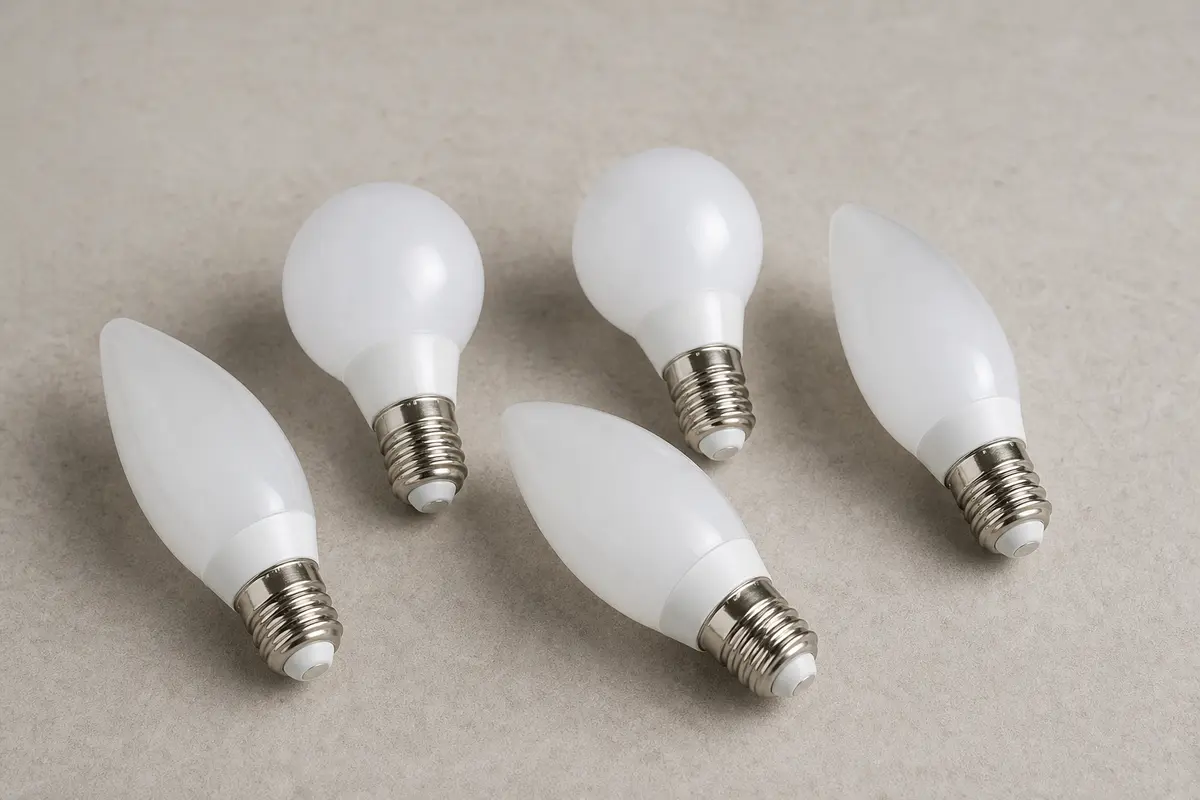
Helps when: Fits flicker or no-light symptoms after the old bulb, socket fit, wattage limit, and control compatibility are checked.
Skip it when: Skip it if the socket is discolored, the breaker trips, the light kit smells hot, or the fan manual calls for a different bulb type.
Compare ceiling fan LED bulbs on AmazonAs an Amazon Associate I earn from qualifying purchases. Repair Riot may earn a commission at no extra cost to you.
That usually points to the light side: bulb compatibility, loose socket fit, a vibrating shade, a dimmer mismatch, or the receiver light circuit.
Yes. LED flicker is common when the bulb is not dimmable, the base or shape is wrong, or the fan control is not compatible with that bulb.
It can be. Bulb mismatch is common, but flicker with buzzing, heat, burning smell, discoloration, popping, or breaker trips is a stop-use condition.
Usually no. Check bulb type, socket fit, shade movement, and the control path first. Whole-fan replacement is rarely the first correct move.
Yes. Flicker that appears only at low brightness is a strong dimmer or bulb compatibility clue.
Treat that as a power-feed, switch, receiver, canopy, or circuit clue. Stop if there is heat, smell, buzzing, or a repeat breaker trip.
It can make a bulb vibrate or lose contact briefly. Check shade screws and bulb seating with power off and the bulb cool.
Use the fan manual or light-kit label for base type, shape, wattage limit, and dimming compatibility. Do not guess from size alone.
Repair Riot reviewed this page around ceiling fan light flicker, LED bulb compatibility, socket fit, light-kit vibration, fan-rated controls, power-off checks, and electrician stop points. The source links support home electrical safety and general ceiling-fan context; the diagnostic sequence is original guidance.