Asphalt driveway soft spots
Find out why an asphalt driveway feels soft, spongy, or sinks underfoot. Check for heat-softened asphalt, poor base support, trapped water, and spots that need patching or a pro repair.
Use cracks, potholes, settling, drainage, surface damage, and edge problems to decide what repair path fits the driveway.
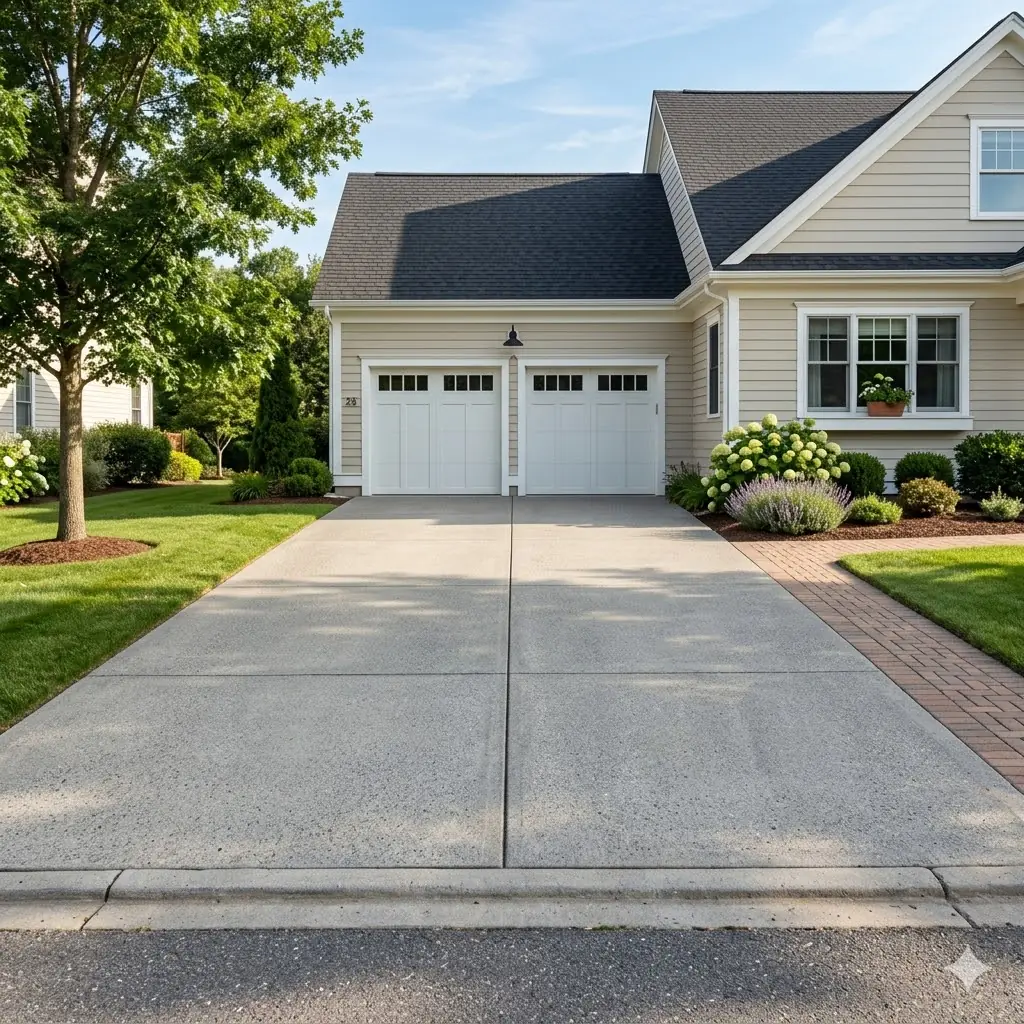
Find out why an asphalt driveway feels soft, spongy, or sinks underfoot. Check for heat-softened asphalt, poor base support, trapped water, and spots that need patching or a pro repair.
Figure out whether your asphalt driveway is just losing surface aggregate, drying out, or failing from water and base damage. Start with simple checks before patching.
Figure out whether driveway alligator cracking is a surface-level asphalt failure, a weak base problem, or a drainage issue before you patch the wrong thing.
Figure out whether driveway apron cracking is a simple surface repair, a joint problem, or a settling issue that needs a bigger fix before you patch it.
Figure out whether a driveway concrete joint is just missing filler, opening from slab movement, or breaking apart from edge damage so you can make the right repair and avoid a short-lived patch.
Figure out why a driveway crack is widening, whether it is a simple surface repair or a movement problem, and when patching will just fail again.
Driveway cracked? Check crack width, slab offset, water clues, and edge damage before buying filler or concrete patch.
Figure out whether cold-weather driveway cracks are simple surface shrinkage, freeze-thaw damage, edge failure, or a bigger base problem, and choose the right repair path.
Figure out whether freeze-thaw driveway cracks are simple surface damage, joint failure, edge breakup, or a deeper base problem, and choose the right repair path.
Figure out why driveway cracks are spreading, widening, or sinking. Start with drainage, movement, and crack pattern checks before patching or calling for slab repair.
A driveway low spot after heavy rain usually points to washed-out base, edge erosion, or drainage concentrating under the slab or asphalt. Check the pattern first, then decide whether to patch, monitor, or call for base repair.
Figure out why your driveway drains slowly by checking for surface blockage, settled low spots, edge buildup, or a downstream drain problem before you patch anything.
Figure out why your driveway edge is breaking off and whether a simple patch will hold or the base and drainage need bigger repair.
Find out why a driveway edge is sinking near the gutter, separate washout from surface damage, and decide whether patching is enough or the base needs a pro repair.
Find out why driveway edges break down, how to tell minor edge loss from base failure, and when a simple patch will hold versus when drainage or support problems need a bigger fix.
Figure out whether a driveway frost heave bump is a temporary winter lift, a drainage problem, or permanent base damage, and choose the right repair path.
Figure out why a driveway lifts near the garage in winter, separate frost heave from slab settlement and drainage trouble, and know when a simple patch will not hold.
Figure out why a driveway lifts in winter, whether it is frost heave or a failing base, and what you can safely do now versus what needs a pro.
If the same patch of your driveway keeps icing over, the usual cause is water feeding that spot from runoff, a low area, or a crack holding water. Start with where the water comes from before patching anything.
Find out why the same spot on your driveway keeps icing over. Check runoff, low spots, cracks, and hidden seepage before patching or calling for drainage work.
Figure out why your driveway is shedding stone or sand, tell normal surface wear from deeper failure, and choose the right repair before you patch anything.
Figure out whether a driveway low spot is a small surface dip you can patch or a sign of base failure, washout, or drainage trouble that needs a bigger repair.
Find out why mud is squeezing up through a driveway crack, what you can safely patch, and when the slab or base has moved enough to call a pro.
Find out why water sits on your driveway after rain. Check whether the problem is a low spot, blocked drainage path, settled edge, or failing asphalt before you patch anything.