Carpenter ant damage to deck board
Carpenter ant damage to a deck board? Block off soft spots, look for frass, probe the joist, and decide whether one board or framing needs repair.
Use loose boards, soft spots, post movement, stair issues, rail problems, and fastener clues to find the right deck repair.
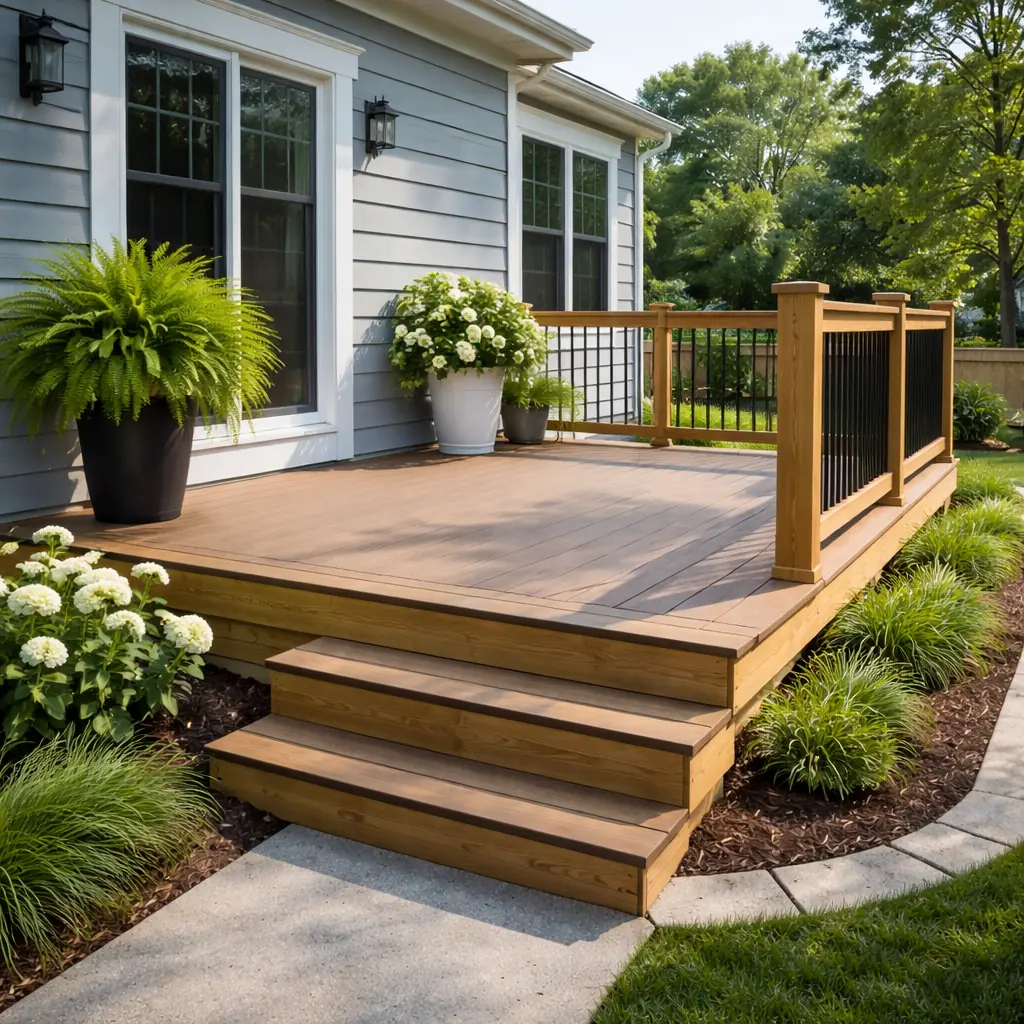
Carpenter ant damage to a deck board? Block off soft spots, look for frass, probe the joist, and decide whether one board or framing needs repair.
Figure out whether a deck post has superficial carpenter ant activity or real structural damage, and know when to brace it, repair it, or call a pro.
Find out whether carpenter ant damage in a deck railing is surface-level or a structural problem. Check for frass, soft wood, loose balusters, and when to repair or call a pro.
Figure out whether a porch post has surface carpenter ant activity, hidden rot, or structural damage, and know when to reinforce, repair, or call a pro.
Figure out whether carpenter bees only drilled a few shallow holes or whether your deck post has enough damage, moisture, or looseness to need structural repair or replacement.
Figure out whether carpenter bee holes in a deck post cap are shallow nuisance damage, moisture-softened wood, or a cap that needs replacement before the post starts taking water.
Find out whether carpenter bees only bored a few surface holes in your deck railing or whether the rail has softened, split, or loosened enough to need repair or replacement.
Find out whether carpenter bee holes in a deck stair railing are mostly cosmetic, need localized repair, or mean the railing is no longer safe to trust.
Find out whether carpenter bee holes in a deck trim board are cosmetic, localized, or a sign the trim is too soft to keep. Start with simple checks, repair the right area, and know when to replace the board or call a pro.
Find out whether holes in a mailbox post are active carpenter bee damage, old surface damage, or deeper rot, and decide when a simple repair is enough or the post needs structural work.
Find out whether carpenter bee holes in a pergola beam are mostly cosmetic, need localized repair, or mean the beam has softened enough to need a carpenter or pest pro.
Find out whether carpenter bee holes in a pergola post are mostly cosmetic, need filling, or mean the post has softened enough to repair or replace. Start with the safest checks first.
Figure out whether carpenter bee holes in a porch beam are mostly cosmetic, need localized repair, or point to deeper wood damage that should be rebuilt by a pro.
Figure out whether carpenter bees only drilled a few shallow holes or your porch post has real structural damage. Check for active tunnels, soft wood, and when to repair or call a pro.
Find out whether the holes in your deck post are active carpenter bee damage, old exit holes, or rot-related damage, and decide when filling is enough and when the post needs structural repair.
Find out whether the holes in your deck post cap are active carpenter bee damage, old tunnels, or rot-softened wood, and choose the right repair without making the cap or post worse.
Find out whether the holes in your deck railing are active carpenter bee damage, old exit holes, or rot-related damage, and decide when spot repair is enough and when railing parts need replacement.
Find out whether the holes in your deck stair railing are active carpenter bee tunnels, old damage, or rot-softened wood, and decide whether to patch, reinforce, or replace the damaged railing section.
Find out whether the holes in your mailbox post are active carpenter bee damage, old tunnels, or rot, then make the right repair and prevention call without guessing.
Figure out whether the holes in your pergola beam are active carpenter bee damage, old exit holes, or rot-related damage, and decide when patching is enough and when the beam needs structural repair.
Find out whether the holes in your pergola post are active carpenter bee damage, old tunnels, or rot, and decide when filling, reinforcing, or replacing the post makes sense.
Figure out whether the holes in your porch beam are active carpenter bee damage, old exit holes, or rot that needs structural repair. Start with safe checks, then patch only after the bees are gone.
Find out whether holes in a porch post are active carpenter bee damage, old tunnels, or rot-related damage, then choose the right repair and prevention steps.
Deck beam cracked? Check sag, rot, support movement, and whether the crack is surface checking before adding hardware or buying parts.