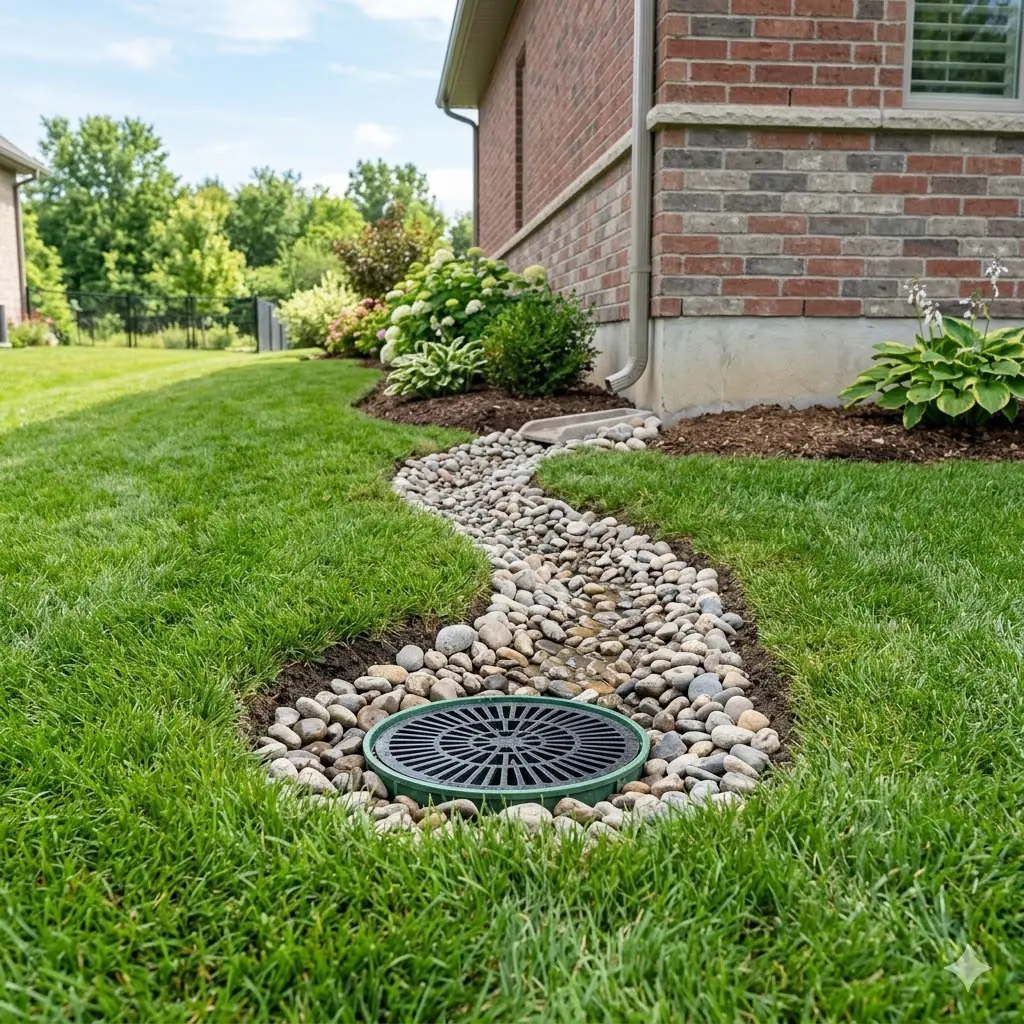
Carpenter ant damage to fence board
Figure out whether a fence board has real carpenter ant damage, surface weathering, or rot, then decide if you can reinforce, replace the board, or call for pest treatment.
Start with the visible fence problem: sagging gates, loose posts, broken panels, latch trouble, leaning sections, or damaged trim.
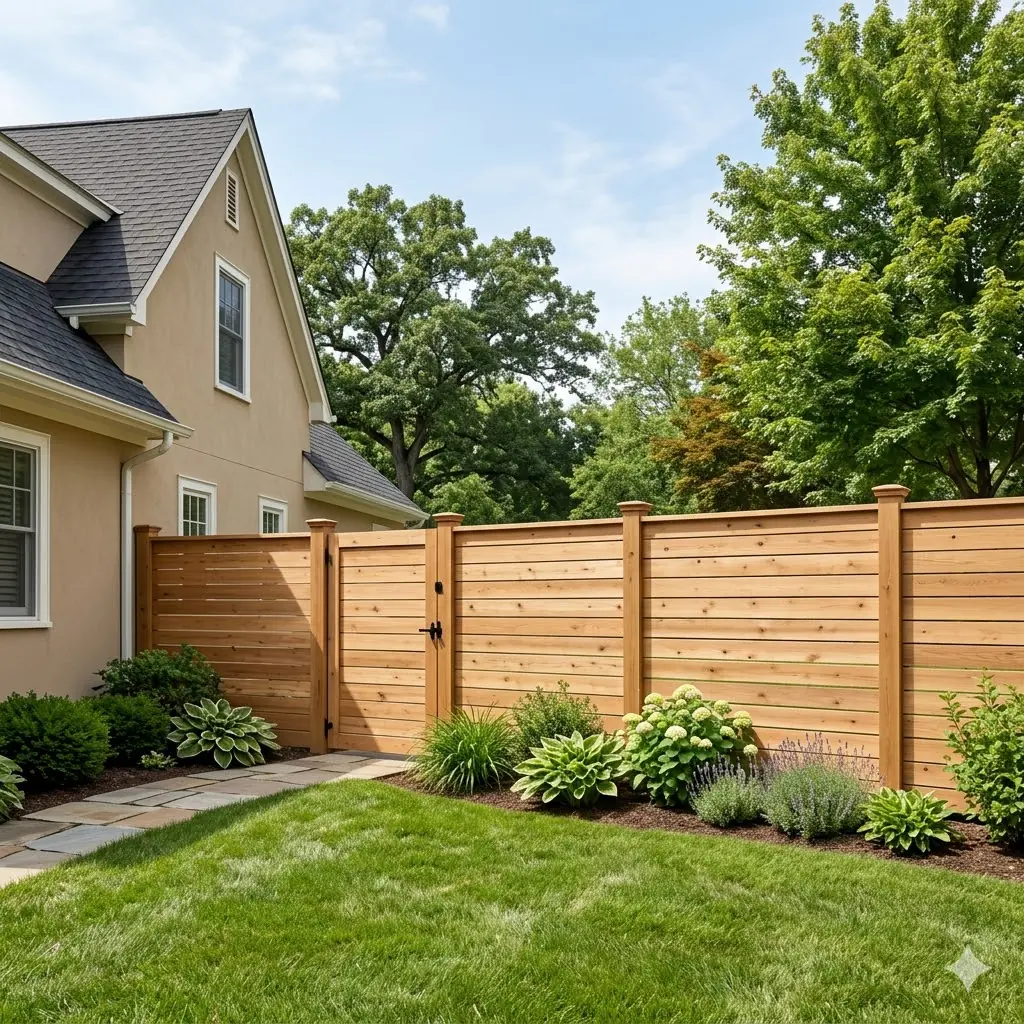
Figure out whether a fence board has real carpenter ant damage, surface weathering, or rot, then decide if you can reinforce, replace the board, or call for pest treatment.
Find out whether a fence post has surface carpenter ant activity or real structural damage, and decide when to dry it out, reinforce it, or replace it.
Figure out whether carpenter ants have only roughened the gate frame or hollowed it enough to weaken hinges and latch points, then choose the right repair path.
Find out whether holes in a cedar fence are active carpenter bee damage, old nesting holes, or rot-related damage, and choose the right repair before boards weaken further.
Find out whether the holes in your fence board are active carpenter bee damage, old damage, or another pest issue, and decide whether to patch, reinforce, or replace the board.
Find out whether carpenter bees are only drilling shallow galleries in a fence post or the post is already weakened by rot and repeat nesting. Start with hole pattern, sawdust, and firmness before deciding on repair.
Figure out whether your gate frame has active carpenter bee damage, old exit holes, or deeper rot, then repair the right fence parts without guessing.
Figure out whether your gate trim has active carpenter bee damage, old holes, or deeper rot, then choose the right repair before the trim loosens or splits.
Find out whether the holes in your cedar fence are active carpenter bee tunnels, old damage, or another pest issue, then decide whether to patch, replace a fence board, or call for help.
Find out whether round holes in a fence board are active carpenter bee damage, old damage, or rot-related failure, and decide whether to patch, replace, or call for pest treatment.
Figure out whether the holes in your fence post are active carpenter bee tunnels, old damage, or rot that needs a bigger repair. Start with simple checks, then patch or replace the damaged fence wood only when it makes sense.
Find out whether the holes in your gate frame are active carpenter bee tunnels, old damage, or a lookalike problem, and decide whether to patch, reinforce, or replace the damaged gate frame piece.
Find out whether the holes in your gate trim are active carpenter bee tunnels, old damage, or rot-softened wood, and choose the right repair before the trim gets weaker.
Carpenter bee holes in a fence rail? Check fresh sawdust, hole shape, and rail firmness before patching the wood or replacing the damaged rail.
Figure out whether a chewed fence board edge can be sanded, patched, reinforced, or needs full board replacement. Start with splinters, depth, looseness, and rot before buying parts.
Figure out whether a dog-chewed or scratched fence board can be reinforced, patched, or needs replacement, and check for hidden looseness before it spreads.
Figure out whether your fence gate needs a latch fix, hinge repair, frame reinforcement, or panel replacement after dog damage. Start with the safest checks first.
Figure out whether a dog only tore the fence post wrap or damaged the post underneath. Start with loose trim, bite marks, and moisture checks before replacing anything.
Figure out whether a dog only chewed the gate latch trim or loosened the latch, screws, or gate edge too. Start with alignment and fastener checks before replacing fence gate latch parts.
Figure out whether your deck gate just has surface claw marks or needs hinge, latch, or gate panel repair. Start with the scratches, then check for looseness and structural damage.
Figure out whether a dog-scratched fence board needs sanding, reinforcement, or full board replacement. Start with depth, looseness, and rot before buying parts.
Figure out whether your fence gate trim only needs sanding and touch-up, needs a trim board replacement, or points to a loose gate problem that keeps getting worse.
Figure out whether your fence lattice just needs fastening, a small section patch, or full panel replacement after dog damage. Start with the safest checks and avoid making the opening worse.
Figure out whether a dog-scratched fence picket needs sanding, reinforcement, or full replacement. Start with depth, looseness, and rot before buying parts.