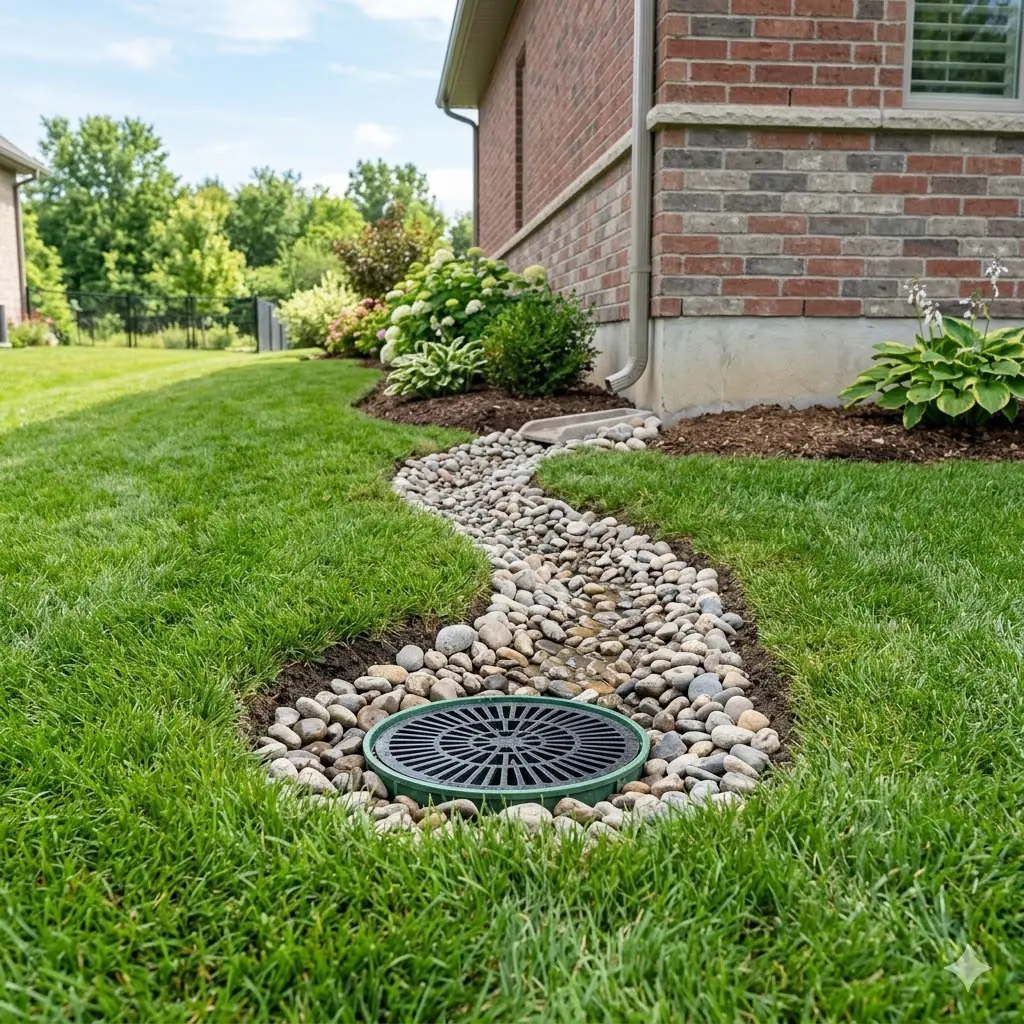
Downspout buried extension backs up in winter
Figure out why a buried downspout extension backs up in winter. Check for outlet ice, low spots, clogs, and crushed sections before replacing parts.
Use outlet location, clog symptoms, split elbows, washout marks, and buried extension clues to find the right drainage repair.
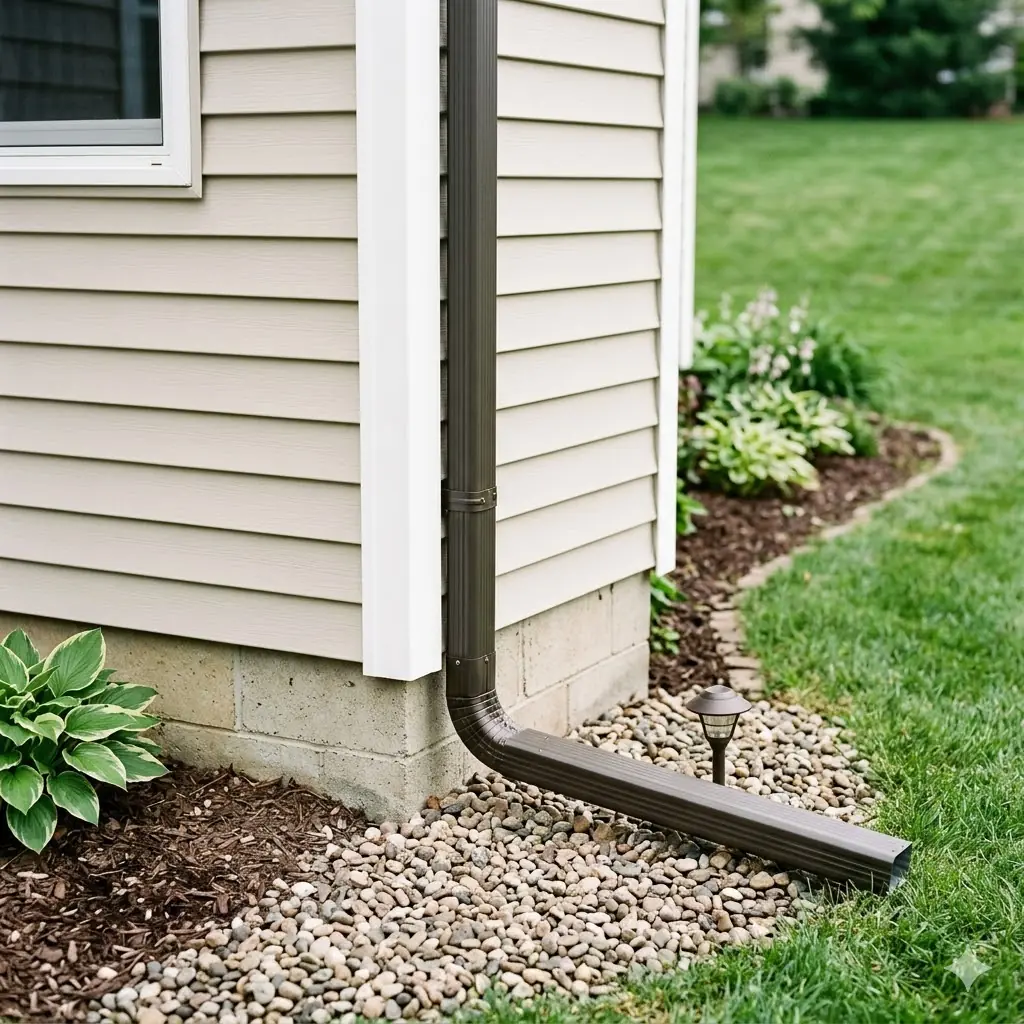
Figure out why a buried downspout extension backs up in winter. Check for outlet ice, low spots, clogs, and crushed sections before replacing parts.
Find out whether a buried downspout is clogged in the vertical run, at the elbow, or near the outlet, and clear the blockage without tearing up more than you need to.
Find out whether a buried downspout outlet is blocked at the pop-up emitter, crushed near the end, or backed up farther underground, and take the right next step without guessing.
Figure out why a downspout came apart, whether it just needs to be resecured or a section is bent or split, and what to fix before the next rain.
Figure out whether a dog-chewed downspout extension needs reshaping, reconnecting, or replacement, and stop water from dumping at the foundation.
Find out why a downspout backs up after hail by checking for dented elbows, packed debris, crushed extensions, or a blocked buried outlet before buying parts.
Find out why a downspout backs up into the gutter, starting with the outlet, elbows, and extension. Check the simplest blockage points first before replacing downspout parts.
Find out why a downspout backs up during heavy rain. Check for outlet clogs, crushed extensions, undersized runs, and loose joints before replacing parts.
Find out why a downspout bangs in wind, from loose straps to a free-swinging extension or elbow. Start with simple checks and fix the right part.
Figure out whether your downspout is frozen at the elbow, packed with debris and ice, or blocked at the extension or buried outlet, and fix the right part without making winter damage worse.
Figure out whether a frozen buried downspout line is just an ice plug, a bad outlet slope problem, or a damaged section. Start with safe checks before digging or replacing parts.
Find out whether roots are blocking the buried downspout line, the outlet is plugged, or the pipe has failed. Start with safe checks before digging or replacing parts.
Find out whether a clogged downspout is blocked at the top, elbow, lower section, or extension, and clear it without damaging the downspout or flooding the foundation.
Find out why a downspout connection is leaking at the gutter. Check for clogs, loose joints, bad alignment, and split downspout parts before you buy anything.
Figure out whether a buried downspout line is crushed, clogged, or disconnected, and decide whether you can repair a short section or need a pro to excavate and replace it.
Find out why a downspout keeps getting crushed by snow, ice, or sliding roof loads, and fix the weak point before it folds again next winter.
Find out whether your buried downspout connection has simply pulled apart, crushed, or clogged, and fix the right section before water starts soaking the foundation area.
Find out why a downspout joint drips during rain. Check for clogs, loose seams, bad overlap, and damaged elbows before you replace parts.
Find out why a downspout seam drips during rain. Check for clogs, backward joints, loose straps, and split sections before replacing parts.
Figure out whether a cracked downspout elbow needs reseating, support, or replacement, and check for backup or freeze damage before you buy parts.
Downspout extension clogged? Isolate the extension, elbow, vertical run, and outlet before buying replacement downspout parts.
Find out why a downspout extension cracks in cold weather, how to tell freeze damage from impact or blockage, and when to replace the extension, connector, or elbow.
If your downspout extension sends water back toward the foundation, start with slope, outlet direction, and crushed or loose sections before replacing parts.
A kinked downspout extension usually chokes flow at one crushed bend, low spot, or bad connection. Check the shape first, then decide whether to straighten, re-route, or replace the extension.