Quick answer
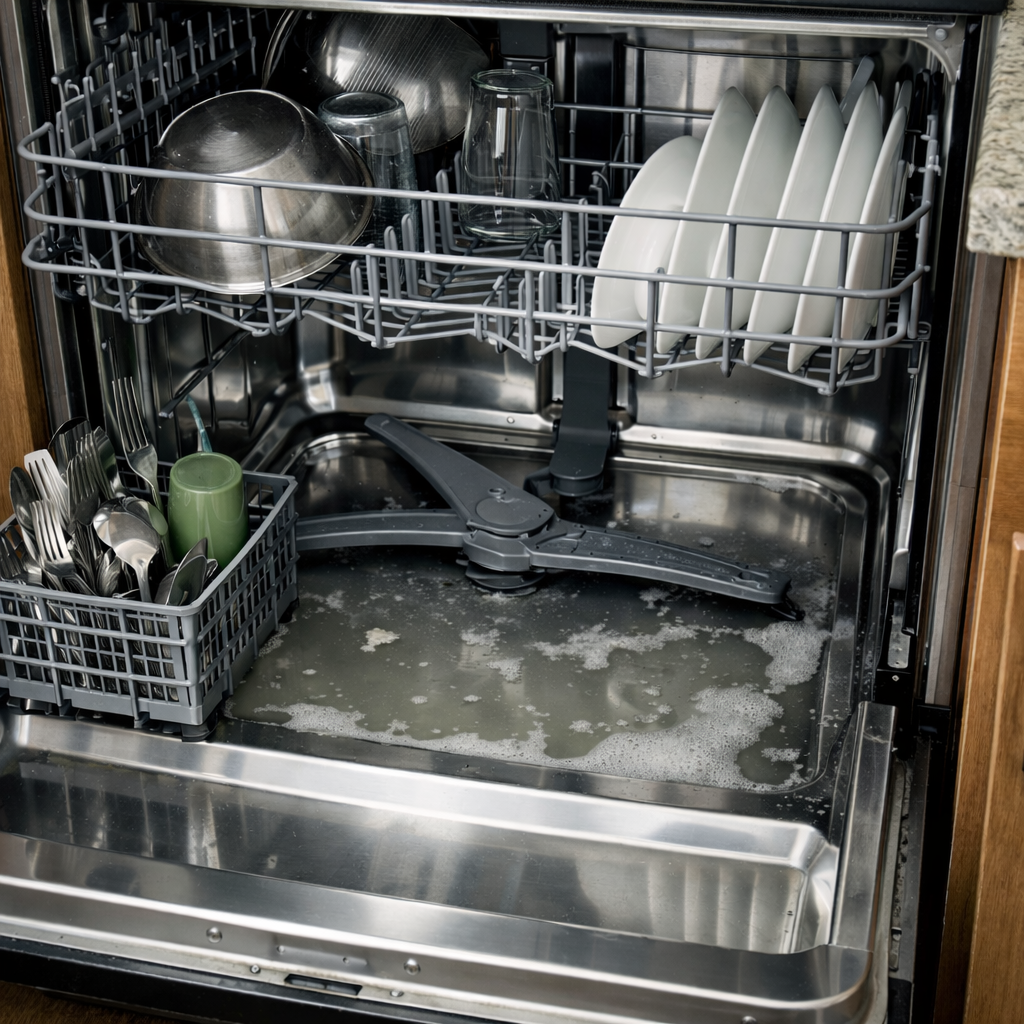
A grinding noise in your dishwasher is often caused by a clogged filter or damaged motor. Turn off power, check the filter and drain pump, and replace parts if necessary.
Confirm the symptom
- Grinding or rumbling noise during wash cycle
- Noise increases with water flow
- Dishes not draining properly
- Unusual vibration or shaking
Tools and prep
- Screwdriver (flathead and Phillips)
- Flashlight
- Plumber's putty or silicone sealant
- Replacement parts (filter, motor, pump)
- Work gloves
- Bucket for water collection
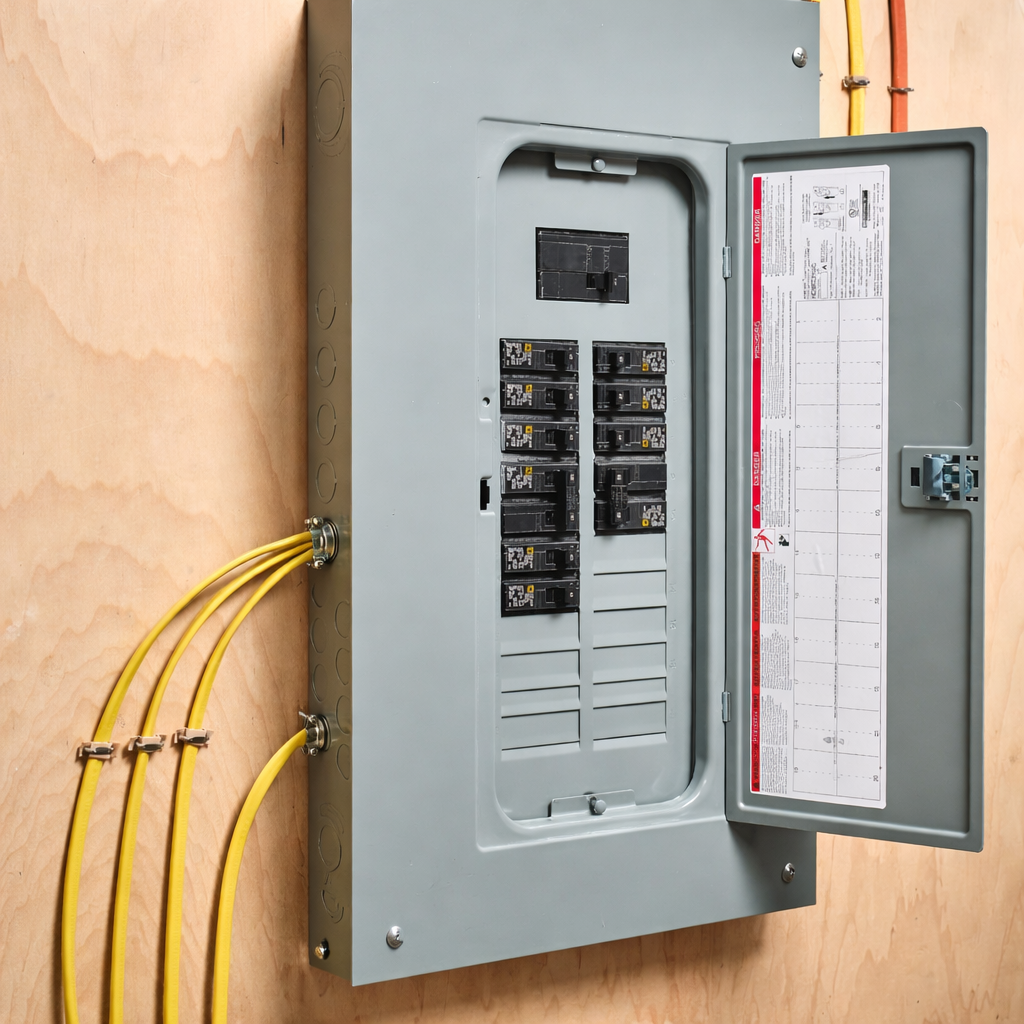
- Turn off power at circuit breaker
- Shut off water supply
Step-by-step troubleshooting
- Inspect the FilterDo: Remove and clean the dishwasher filter under the bottom rack.Observe: Debris or food particles clogging the filter.Means: Clogged filter causing noise and drainage issues.Next: Clean the filter thoroughly and reinstall.
- Check the Drain PumpDo: Locate the drain pump (usually at the bottom of the dishwasher) and inspect for blockages.Observe: Obstructed pump or damaged impeller.Means: Blocked pump restricts drainage and causes grinding.Next: Clear debris or replace the pump if damaged.
- Examine the MotorDo: Listen for grinding sounds near the motor while running the dishwasher on a short cycle.Observe: Loud grinding or vibration from the motor area.Means: Worn motor bearings or a failing motor.Next: Replace the motor if damaged.
- Inspect the Agitator ArmDo: Check the rotating agitator arm for obstructions or damage.Observe: Blocked or bent agitator arm.Means: Obstruction causes uneven water flow and noise.Next: Clear blockage or replace the agitator arm.
- Check for Loose PartsDo: Look for loose or broken components inside the dishwasher.Observe: Loose parts vibrating or grinding against each other.Means: Loose hardware can create noise during operation.Next: Secure or replace any loose parts.
- Test the DishwasherDo: Reconnect power and water supply, then run a test cycle.Observe: Whether the grinding noise returns.Means: Noise indicates unresolved issue requiring further action.Next: If noise persists, consider professional repair.
Common causes
| Cause | Likelihood | Difficulty | Part often needed |
|---|---|---|---|
| Clogged Filter Food debris blocks water flow and causes strain on the pump. | Common | Easy | Dishwasher Filter |
| Blocked Drain Pump Debris in the pump restricts drainage and creates noise. | Common | Easy–Medium | Drain Pump |
| Failing Motor Worn bearings or motor components cause grinding sounds. | Sometimes | Medium | Motor Assembly |
| Broken Agitator Arm Obstruction or damage to the agitator disrupts water flow. | Sometimes | Easy | Agitator Arm |
| Loose Components Vibrating parts can rub or grind during operation. | Sometimes | Easy | Hardware Kit |
| Faulty Water Inlet Valve Improper water flow can cause unusual noises. | Rare | Medium | Water Inlet Valve |
Parts matching
Common replacement parts for a grinding dishwasher include:
- Dishwasher Filter
- Drain Pump Assembly
- Motor Assembly
- Agitator Arm
- Hardware Kit for loose parts
- Water Inlet Valve
Match part numbers to your dishwasher model for compatibility.
When to call a professional
- Grinding noise persists after replacing all accessible parts
- Dishwasher leaks water or doesn't drain properly
- Unusual electrical smells or sparks
- Motor makes loud noises but doesn't spin
- Warranty is still valid and covers parts/labor
- You're unsure about electrical or mechanical repairs
FAQ
How do I know if the motor is bad?
A bad motor often produces loud grinding or humming noises and may fail to spin. Check for unusual smells or sparks.
Can I clean the filter myself?
Yes, the filter is usually accessible under the bottom rack and can be cleaned with warm water and a brush.
Why does my dishwasher vibrate so much?
Excessive vibration can be due to an unlevel appliance, loose parts, or a failing motor.
How often should I clean the dishwasher filter?
Clean the filter every 1–2 months to prevent clogs and maintain performance.
Is a grinding noise always a serious problem?
Not always; it can be a clogged filter or pump. But if it's coming from the motor, it may require professional attention.