Gas odor, smoke, alarm, or illness?
Leave the area and call emergency help.
Turn the HVAC system off for hot, sweet, electrical, irritating, or gas odor. Leave and call emergency help for gas odor or symptoms; otherwise check return-air rooms, the filter slot, and nearby product containers after shutdown.
A good clue is where the odor is strongest. If it is strongest at a return, check that room, garage door, attic access, or utility area before opening equipment.
Chemical vent odor needs source control first because the HVAC system can spread fumes it did not create.
Don’t start with: Do not buy duct sprays, ozone devices, blower motors, boards, refrigerant products, or air purifiers from a chemical odor alone.
Leave the area and call emergency help.
Keep cooling off and call HVAC service.
Remove the source and ventilate with outdoor air.
Install the exact supported filter.
Stop before hidden compartments and schedule service.
Start with source location, filter evidence, and outside-cabinet clues before buying odor products.
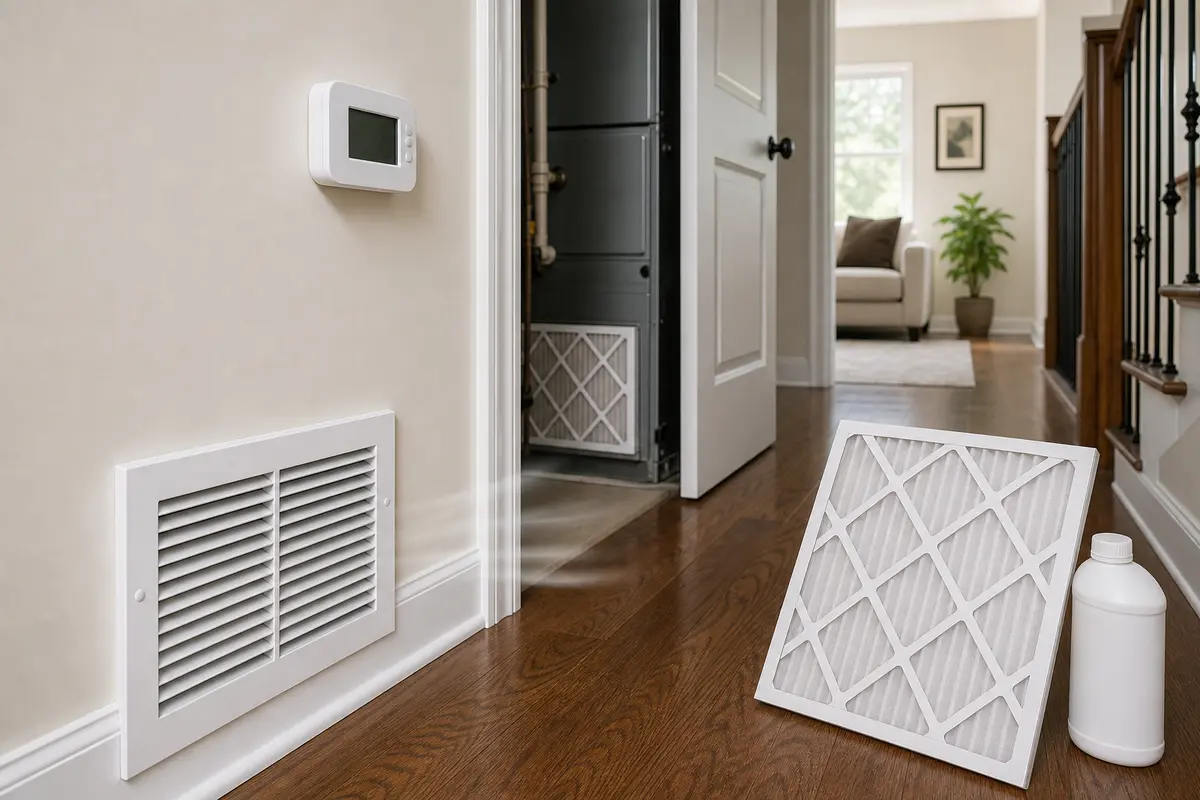
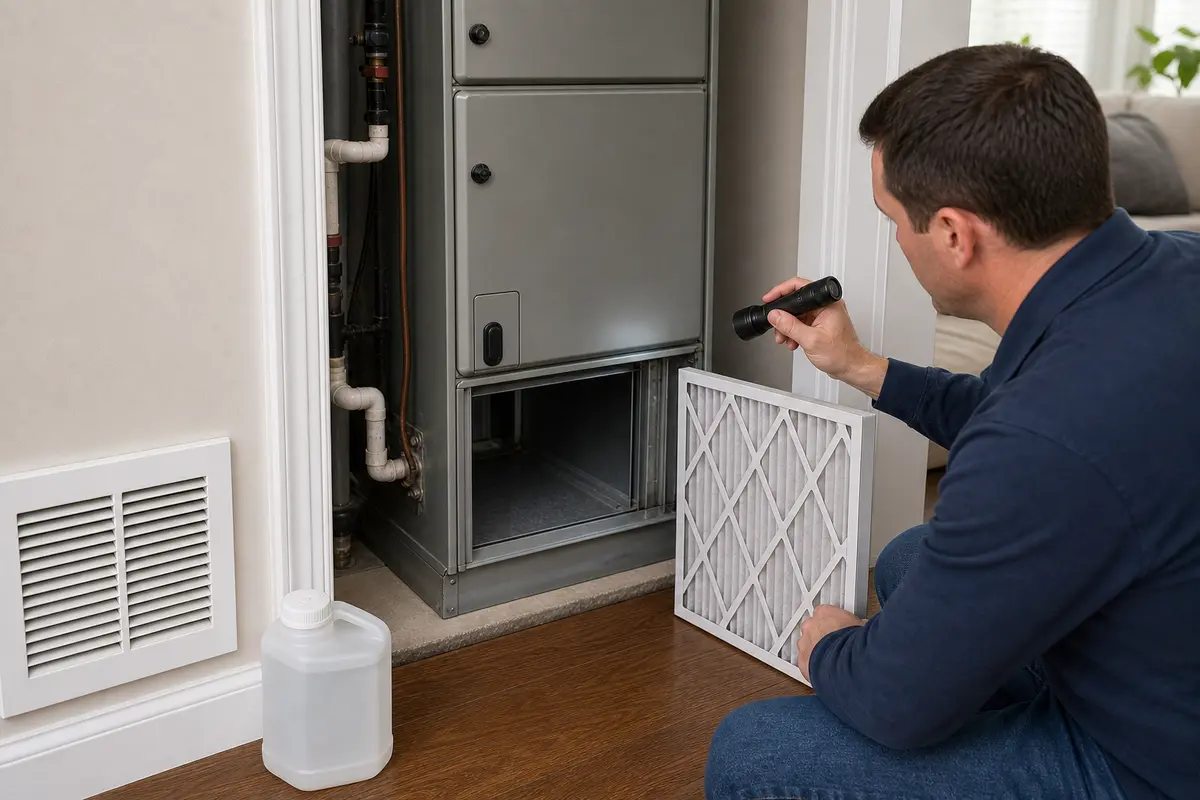
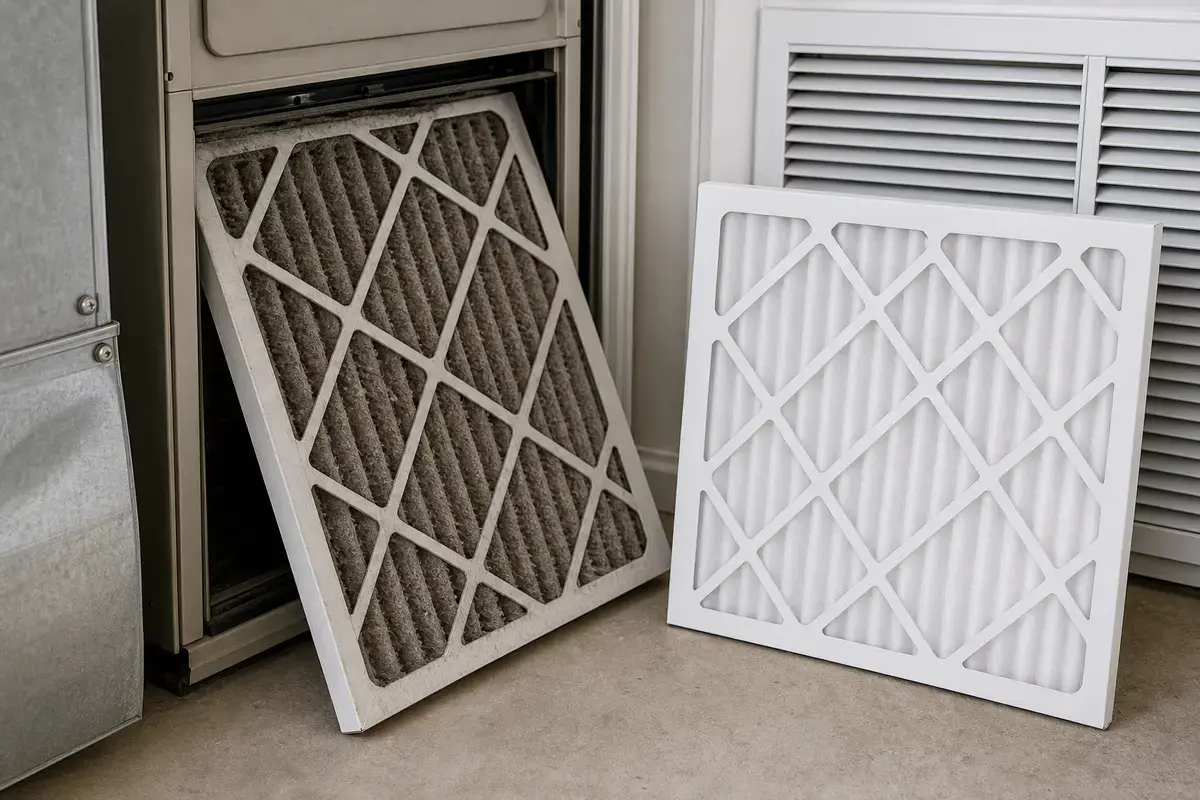
Buy supplies only after the source is visible. A filter is reasonable when the installed filter is dirty, damp, collapsed, missing, or smells like the odor. A flashlight or vacuum brush is useful for reachable return and filter-slot checks. Match the exact size, airflow arrow, tool purpose, location, model when applicable, and diagnosis before ordering. If the odor is hot, sweet, gas-like, smoky, irritating, or tied to poor cooling, call service before buying duct sprays, ozone devices, blower parts, controls, refrigerant products, or air purifiers.
Chemical odor from vents usually means the blower is moving fumes from another source.
Avoid buying odor products or hidden parts until the visible clues support them.
Use this table after the system is off and any urgent odor clue is handled.
| Clue | Most likely cause | Next move |
|---|---|---|
| Gas odor, smoke, alarm, or illness | Emergency condition | Leave the area and call emergency help. |
| Sweet odor with weak cooling, ice, or hissing | Possible refrigerant or equipment problem | Keep cooling off and call service. |
| Recent product near a return | Return-air pickup | Remove source and ventilate the room. |
| Filter holds the odor | Odor-loaded filter | Install exact supported filter. |
| Cabinet odor or repeated return | Equipment or hidden air-path issue | Stop before internal work. |
These checks keep the diagnosis tied to what you can see, smell safely, or measure without opening risky compartments.
Keep the cart narrow and buy only when the evidence points to that exact item.
These support visible checks, cleanup, measurement, and documentation before service work.
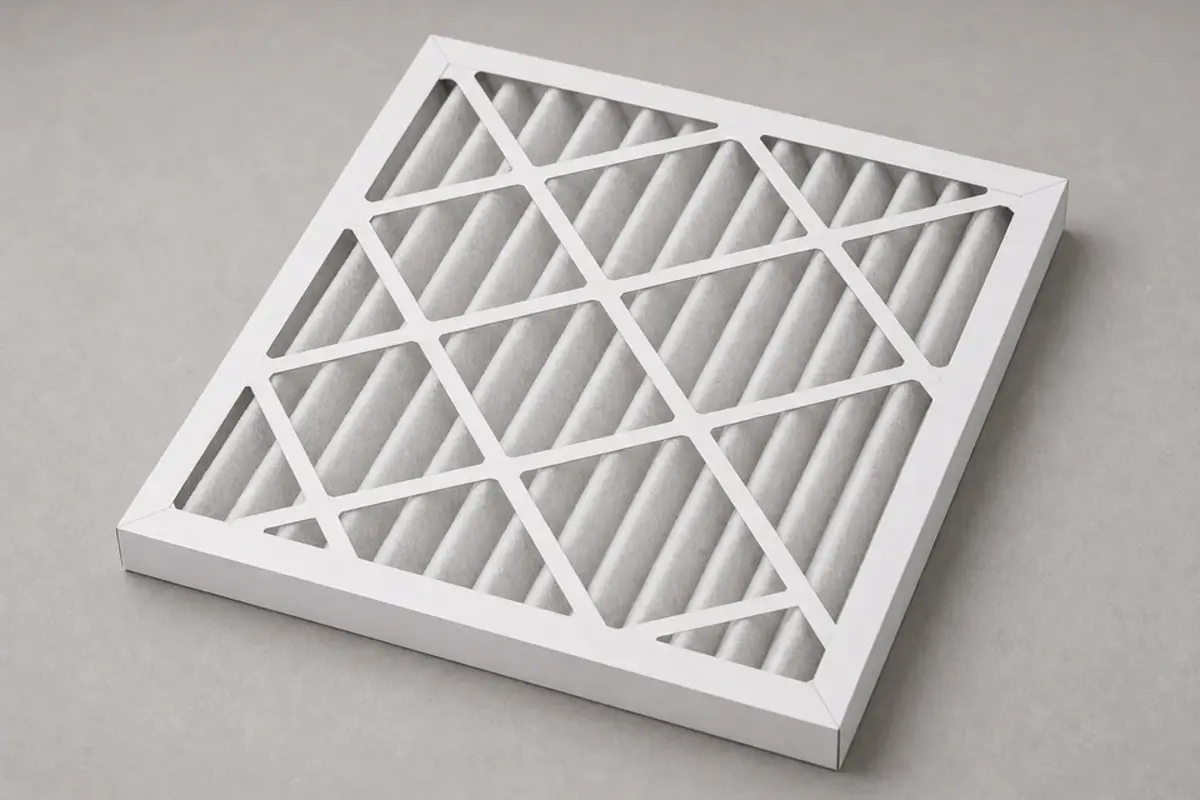
Helps when: Use a correct-size HVAC filter when the installed filter is dirty, damp, collapsed, missing, wrong size, or smells like the chemical odor.
Skip it when: Skip filters that do not match the printed size, thickness, airflow arrow, and supported restriction range.
Compare HVAC filters by size on Amazon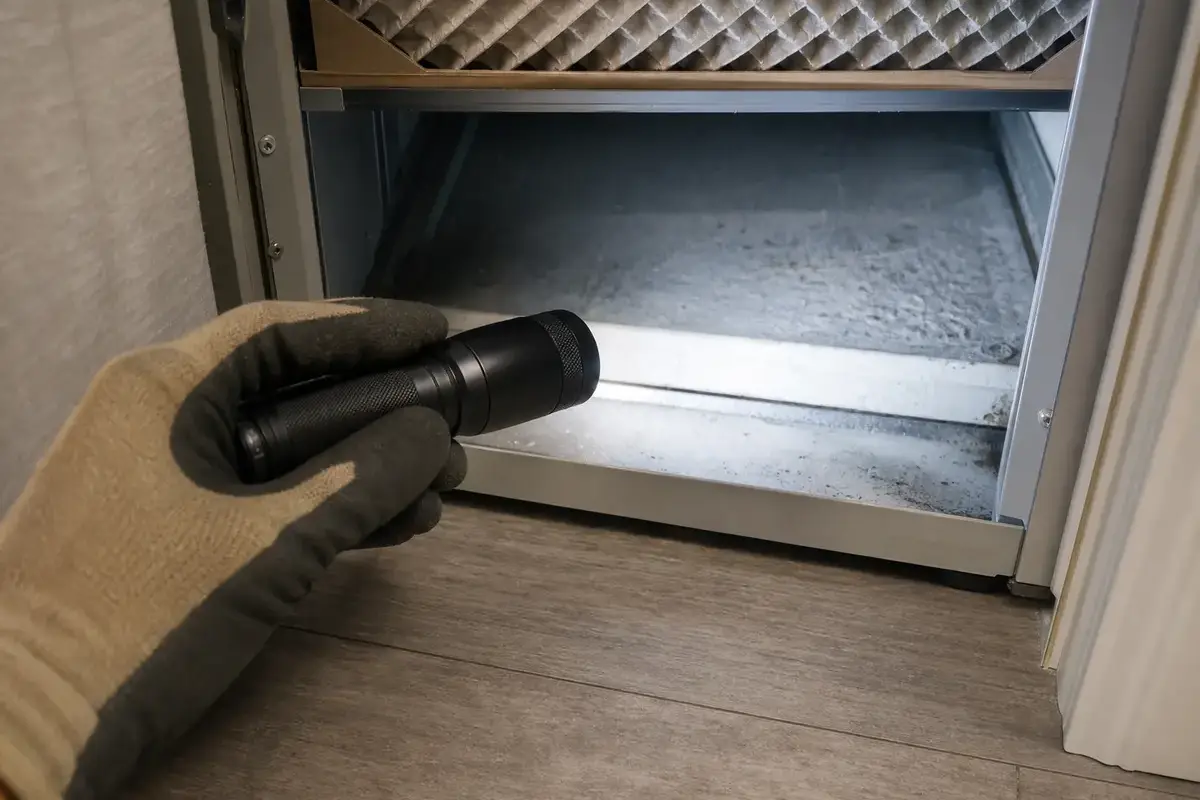
Helps when: Use an inspection flashlight to inspect return grilles, the filter slot, cabinet base, and nearby product sources without opening service compartments.
Skip it when: Skip checks that require removing electrical covers, reaching into the cabinet, or working near water and controls.
Compare inspection flashlights on Amazon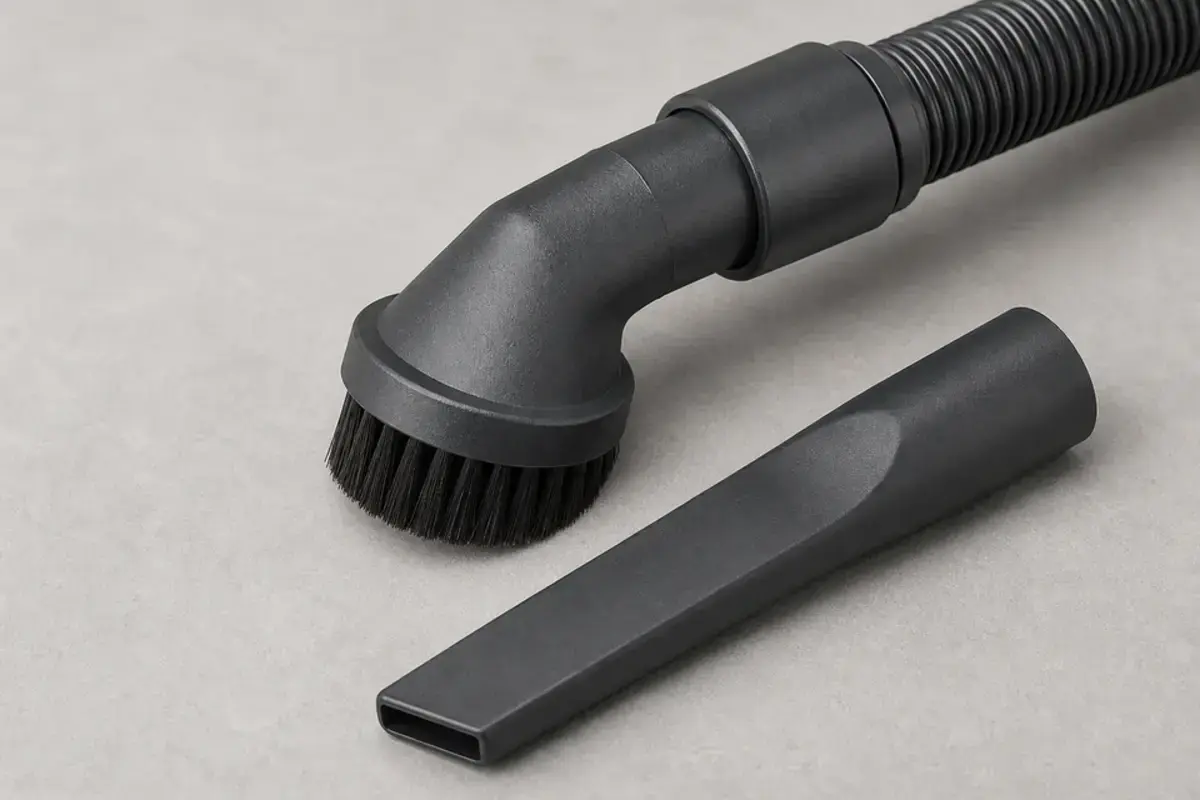
Helps when: Use a vacuum brush attachment only for loose dry dust on reachable grille faces after the odor source is understood.
Skip it when: Skip pushing debris into ductwork or cleaning anything past a reachable grille face, return cover, or filter slot.
Compare vacuum brush attachments on AmazonAs an Amazon Associate I earn from qualifying purchases. Repair Riot may earn a commission at no extra cost to you.
The blower may be carrying fumes from paint, cleaners, adhesive, pest treatment, garage air, stored chemicals, an odor-loaded filter, or an equipment fault.
No. If the odor is sharp, sweet, hot, smoky, irritating, or a gas odor, turn the system off, get fresh air, and call emergency help for gas odor or symptoms.
It can hold and release fumes. Replace it when it smells like the odor or is dirty, damp, collapsed, missing, or wrong size.
It can when cooling is weak, lines ice, or you hear hissing. Keep cooling off and call HVAC service.
No. Find the source first and do not spray fragrances or harsh cleaners into vents or the air handler.
Call for cabinet odor, repeated odor every cycle, weak cooling, ice, hissing, breaker trips, hot smell, smoke, gas odor, or symptoms in the home.
Look for recent paint, cleaners, adhesives, pest treatment, stored fuel, treated surfaces, or garage air paths close to the return.
Not as the first fix. Find and remove the source before buying air purifiers, odor products, or duct treatments.
Repair Riot built this page around visible odor clues: source location, filter condition, moisture, airflow, weather, and stop points before hidden work.