Are hot and cold both weak?
Check the spout and diverter, then compare other fixtures.
Low bathtub water pressure is usually a flow restriction at the spout, diverter, cartridge, or local shutoff. Start by timing a fill and comparing hot, cold, and nearby fixtures so you know whether this is tub-only or house-wide.
Gradual tub-only weakness usually points to mineral buildup at the spout or cartridge.
A tub should move more water than a sink, so a simple timed fill makes the weak-flow clue clear.
Don’t start with: Do not open the wall or buy a trim kit before checking the spout outlet and hot-versus-cold pattern.
Check the spout and diverter, then compare other fixtures.
A cartridge or local stop is more likely.
Debris may be in the cartridge or spout.
Use a house-pressure path.
Mineral buildup at the outlet is a strong clue.
The right first test is controlled and visible: a timed fill, a spout outlet check, and the exact valve part only after those clues line up.
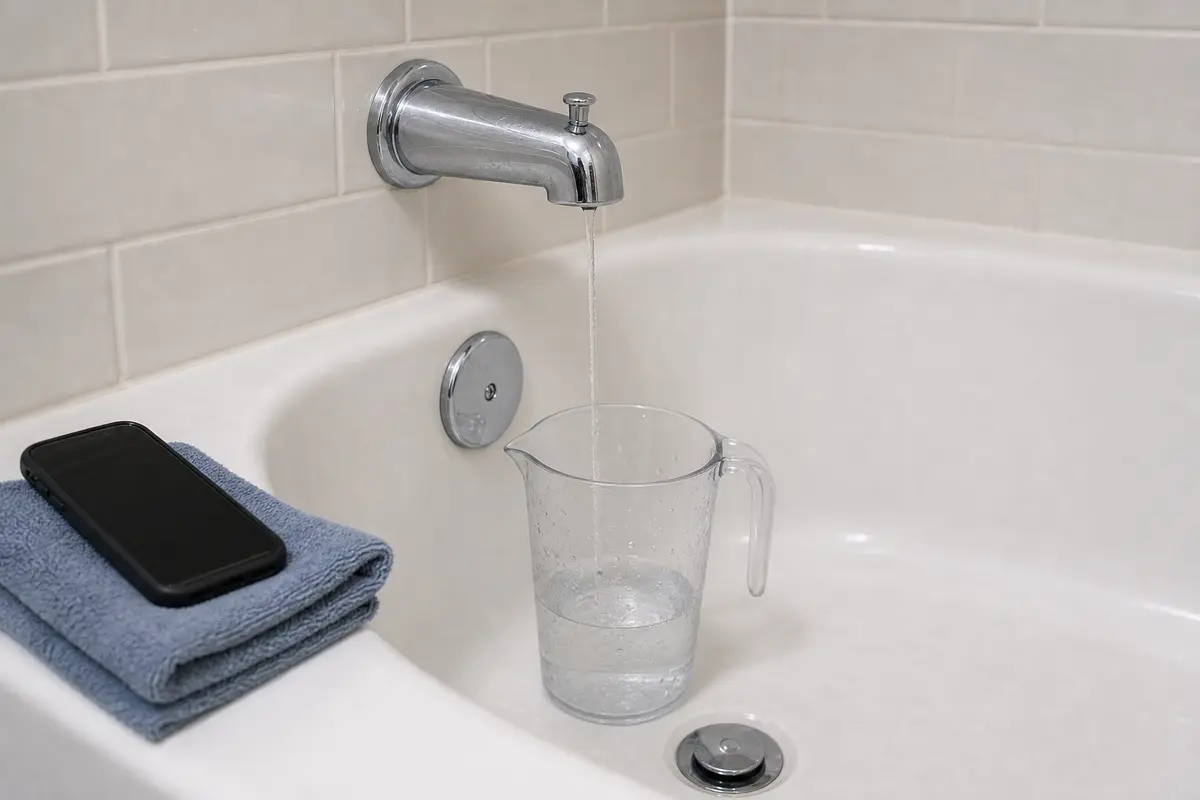
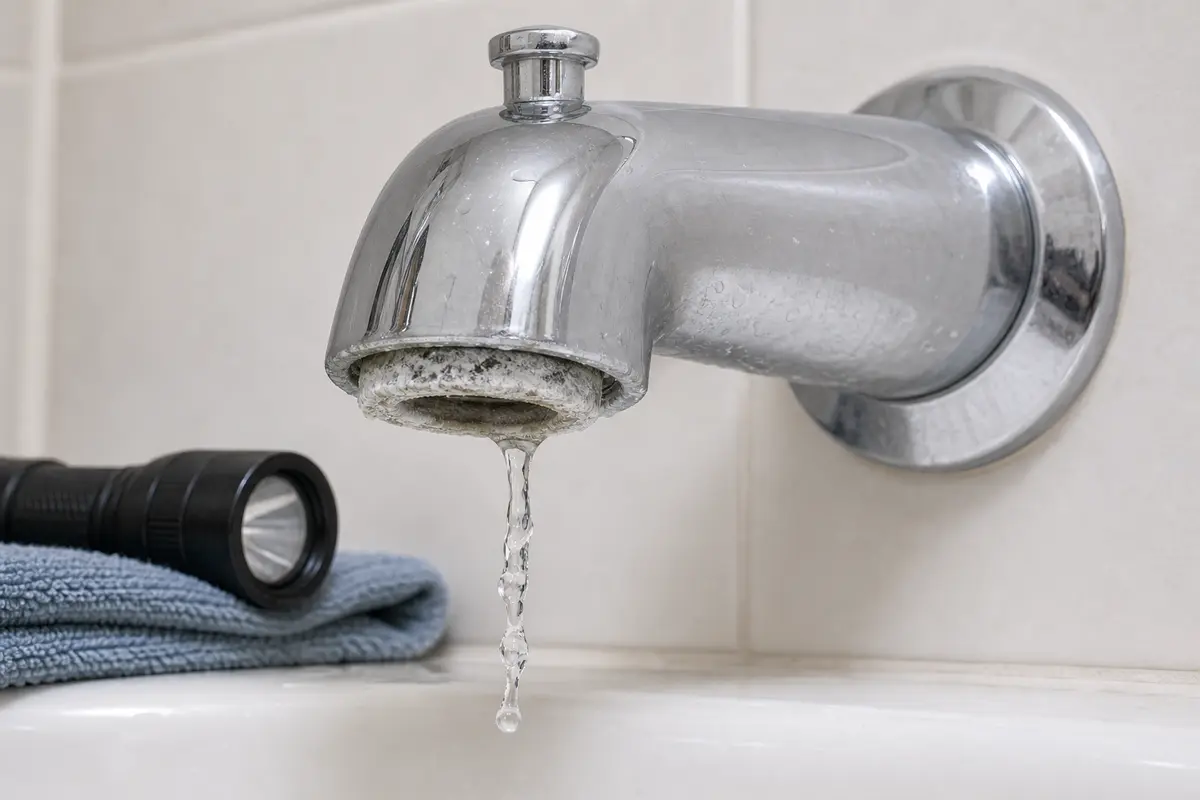
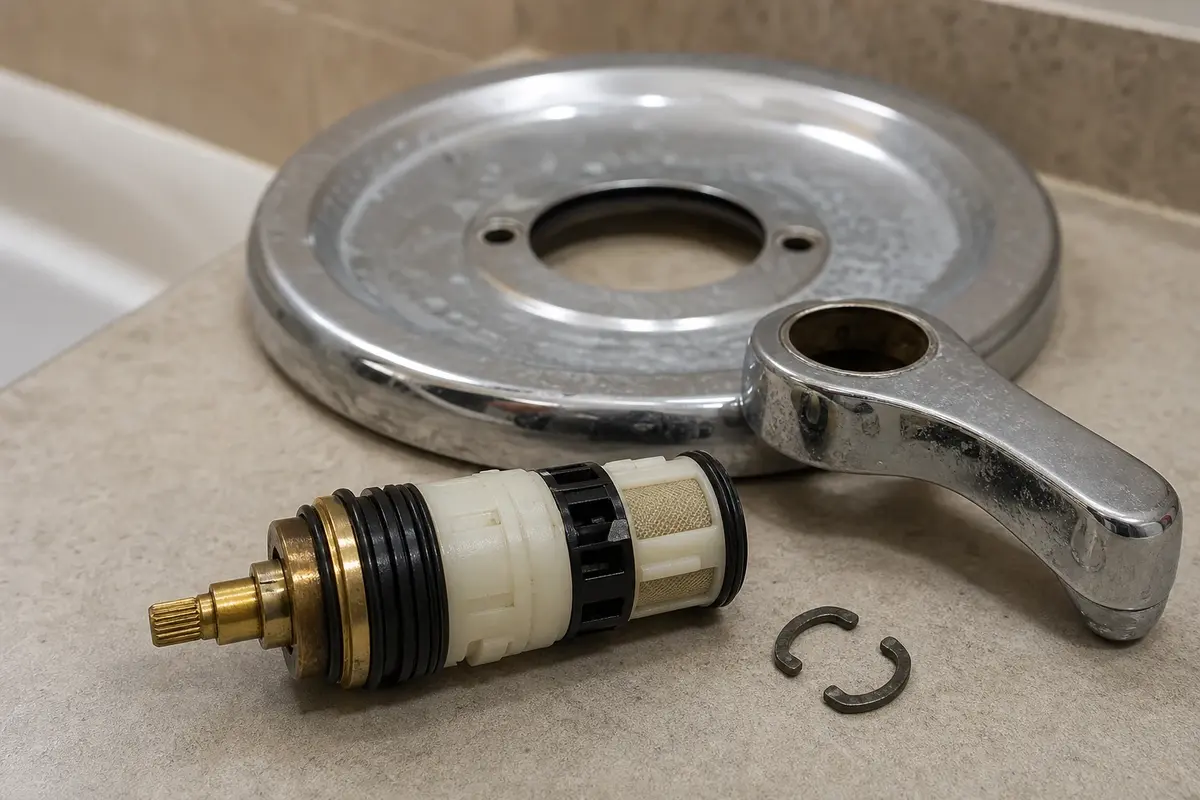
Confirm whether low pressure is tub-only, one-side-only, or house-wide. Match the exact diagnosis, fixture style, and model or material before ordering.
Low tub flow is a location problem first. The practical check is whether the weak stream belongs to the spout, one temperature side, both sides, or the whole house.
Low flow rewards comparison, not demolition.
Time the tub fill, compare hot and cold, then check nearby fixtures. The result chooses the next repair path.
| Test result | Likely source | Next move |
|---|---|---|
| Tub only, both sides weak | Spout, diverter, or cartridge | Inspect spout outlet and diverter. |
| Hot only weak | Hot-side valve or cartridge | Check local stop and cartridge. |
| Weak after plumbing work | Debris in valve or spout | Inspect cartridge path. |
| Several fixtures weak | House pressure or supply | Use gauge/supply diagnosis. |
A distorted, narrow, or sideways stream is a strong surface clue before valve work.
A good cartridge clue is one-sided weakness, rough handle movement, or a sudden flow drop after line debris moved through the valve.
These tools support measured flow testing and careful spout or valve inspection. Skip house-pressure tools for a tub-only symptom.
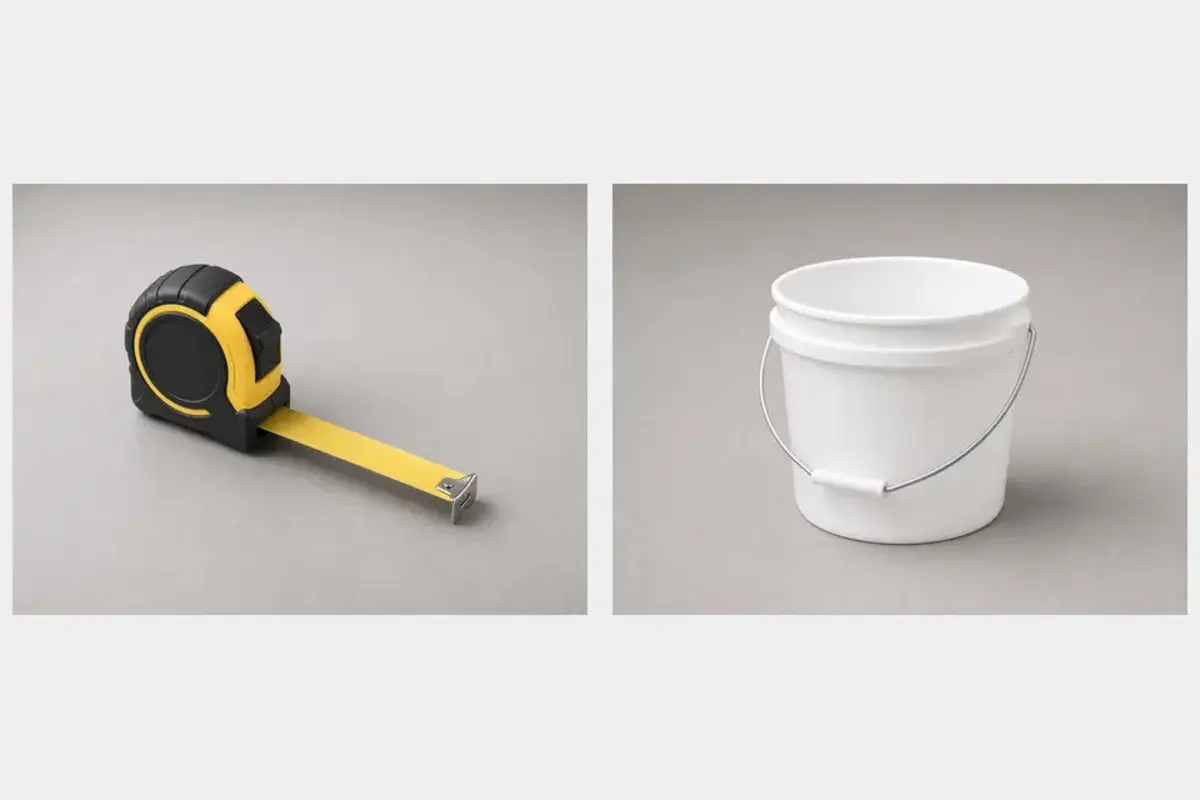
Helps when: Use a timed fill test to compare the bathtub with a nearby fixture instead of judging the stream by eye.
Skip it when: Skip large fill tests when the tub is leaking at the spout or wall.
Compare measuring buckets on Amazon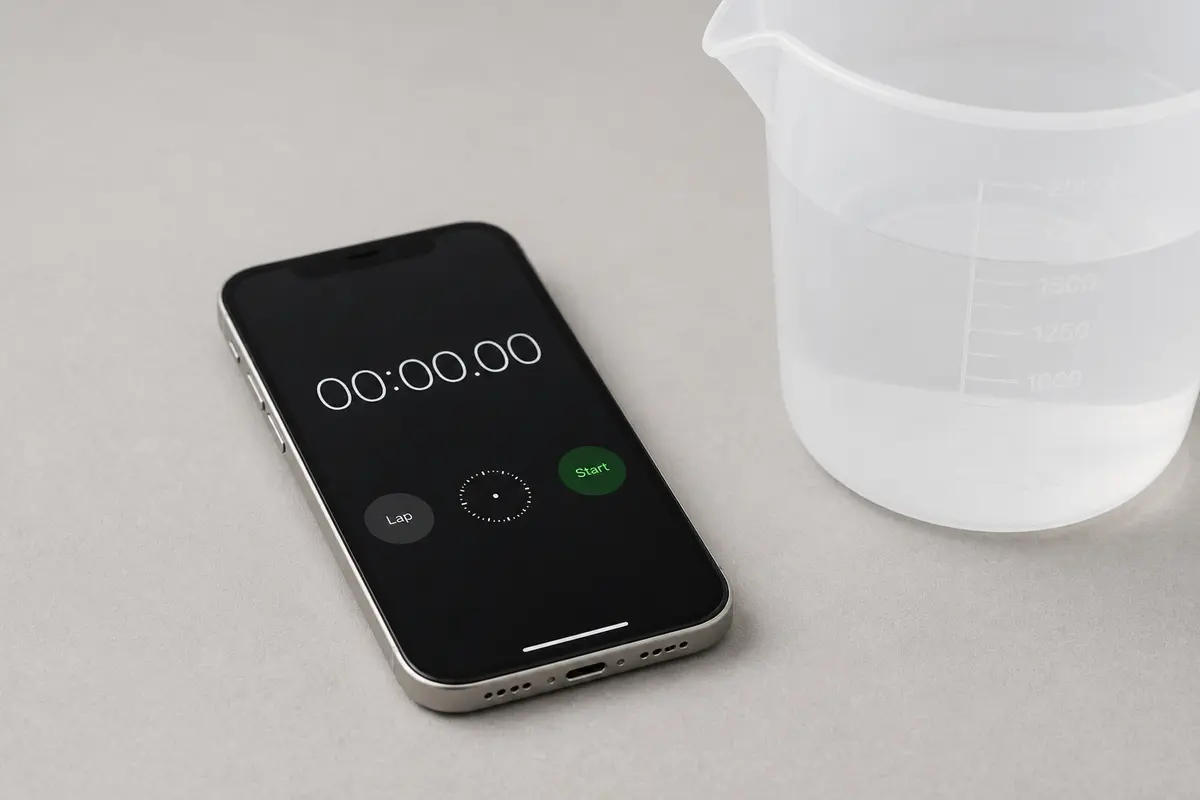
Helps when: Pair it with a container to confirm whether the tub flow is actually slower after cleaning or adjustment.
Skip it when: Skip timing if the problem is obvious at several fixtures and needs supply diagnosis.
Compare phone stopwatch timers on Amazon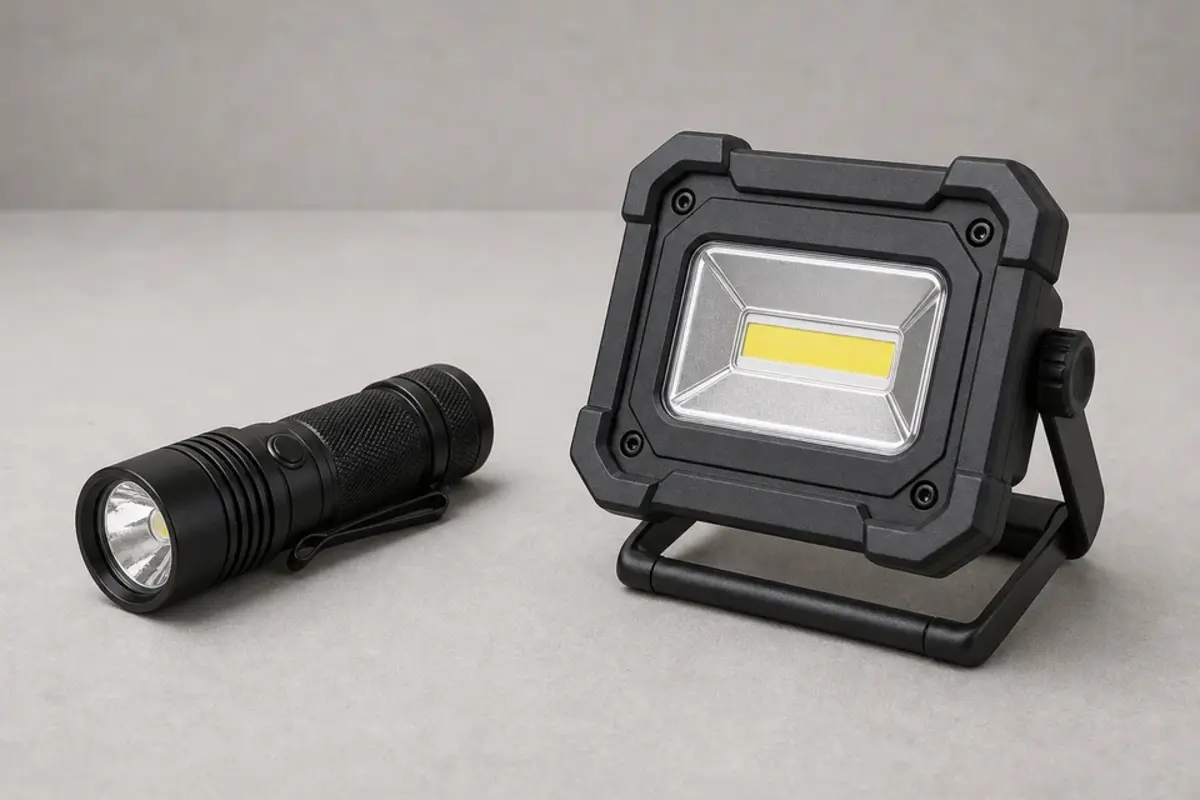
Helps when: Use side light to inspect mineral buildup at the spout outlet and diverter opening.
Skip it when: Skip assuming hidden pipe trouble until the spout outlet is clean and visible.
Compare inspection flashlight on Amazon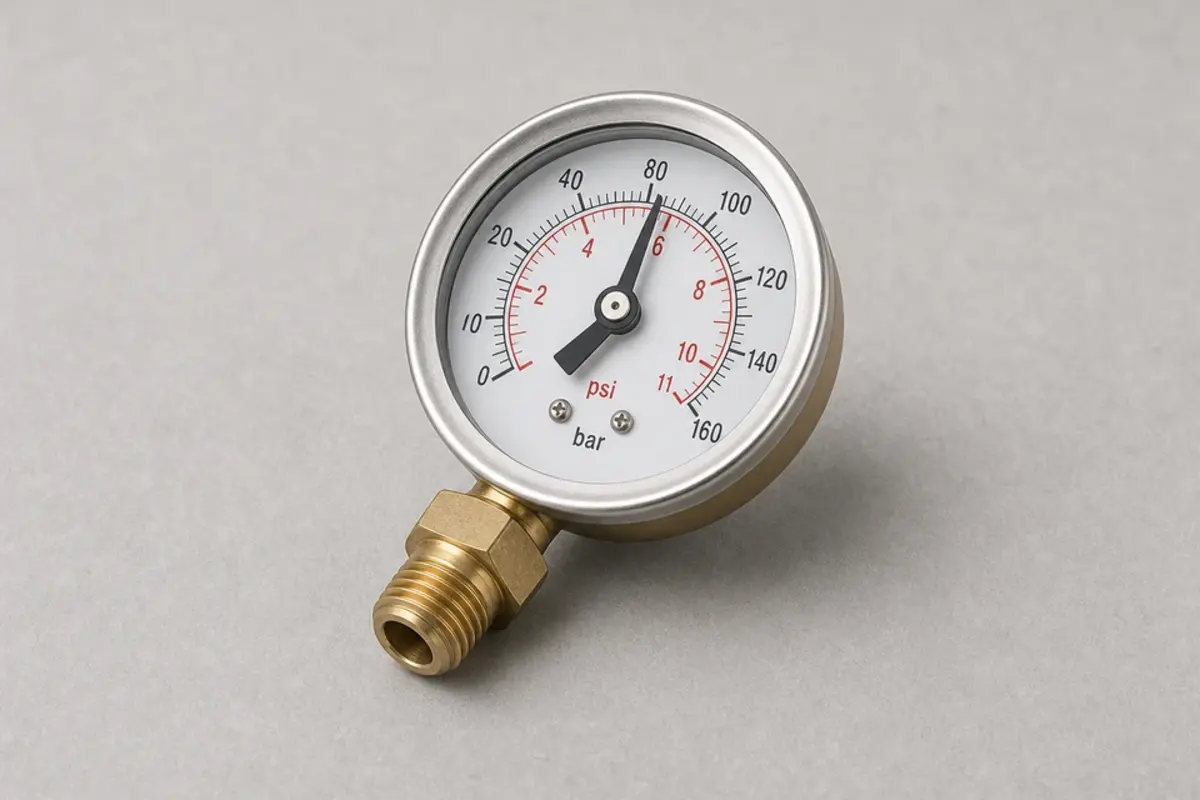
Helps when: Use at a hose-thread fixture only when several fixtures are weak and the issue may be house-side pressure.
Skip it when: Skip it for a tub-only weak stream; a gauge cannot test the tub spout directly.
Compare hose-thread water pressure gauges on Amazon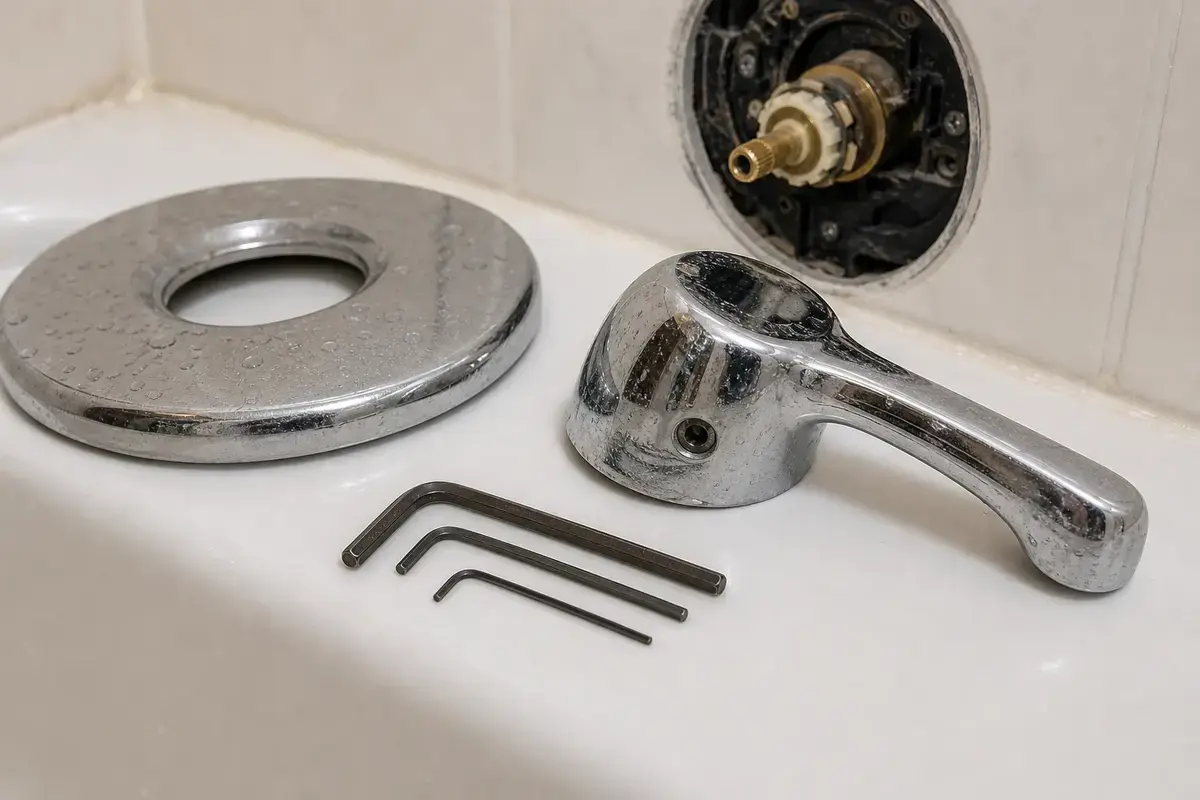
Helps when: Choose this if a slip-on spout or handle set screw must be loosened after the weak-flow path is confirmed.
Skip it when: Skip tool work until the hot-only, cold-only, or both-sides pattern is clear.
Compare allen key set on AmazonAs an Amazon Associate I earn from qualifying purchases. Repair Riot may earn a commission at no extra cost to you.
Buy parts only after the timed fill and hot/cold pattern prove the source.
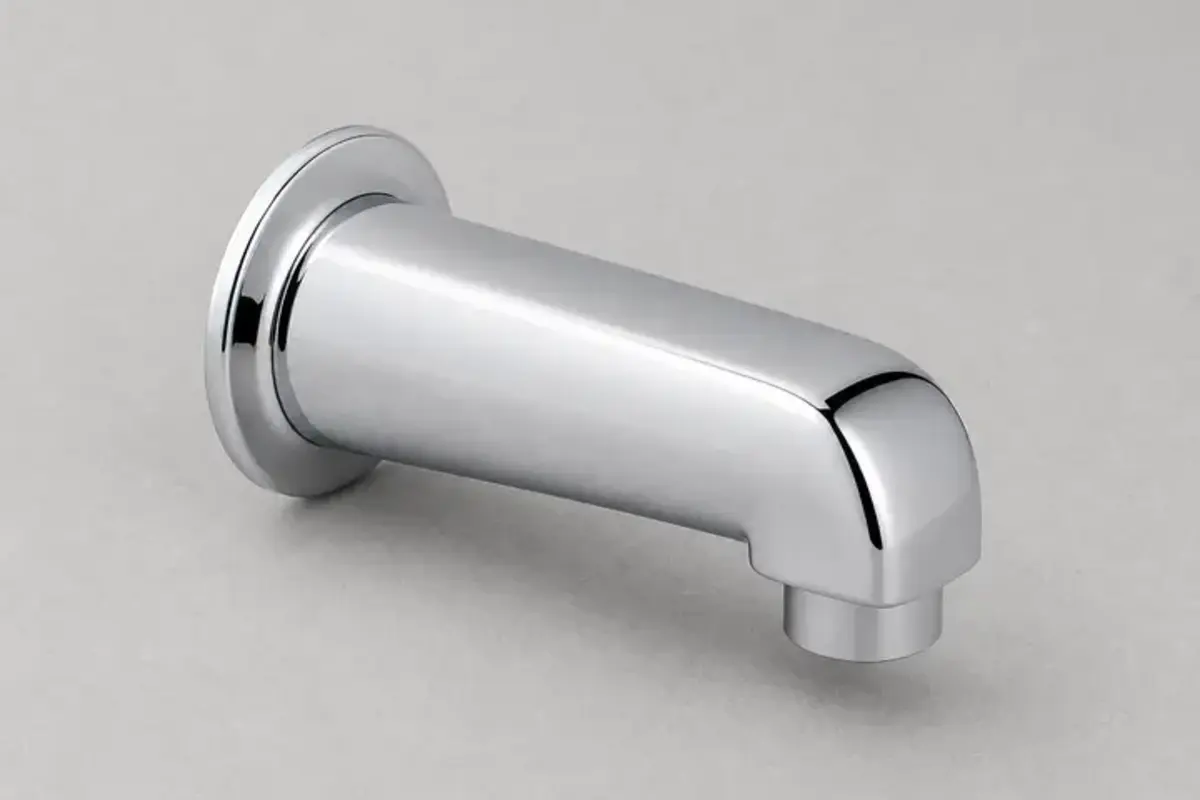
Helps when: Buy this when the spout outlet, body, or internal restriction is the proven reason the tub fills slowly.
Skip it when: Skip it when the weak flow is only on one temperature side.
Compare bathtub spout on Amazon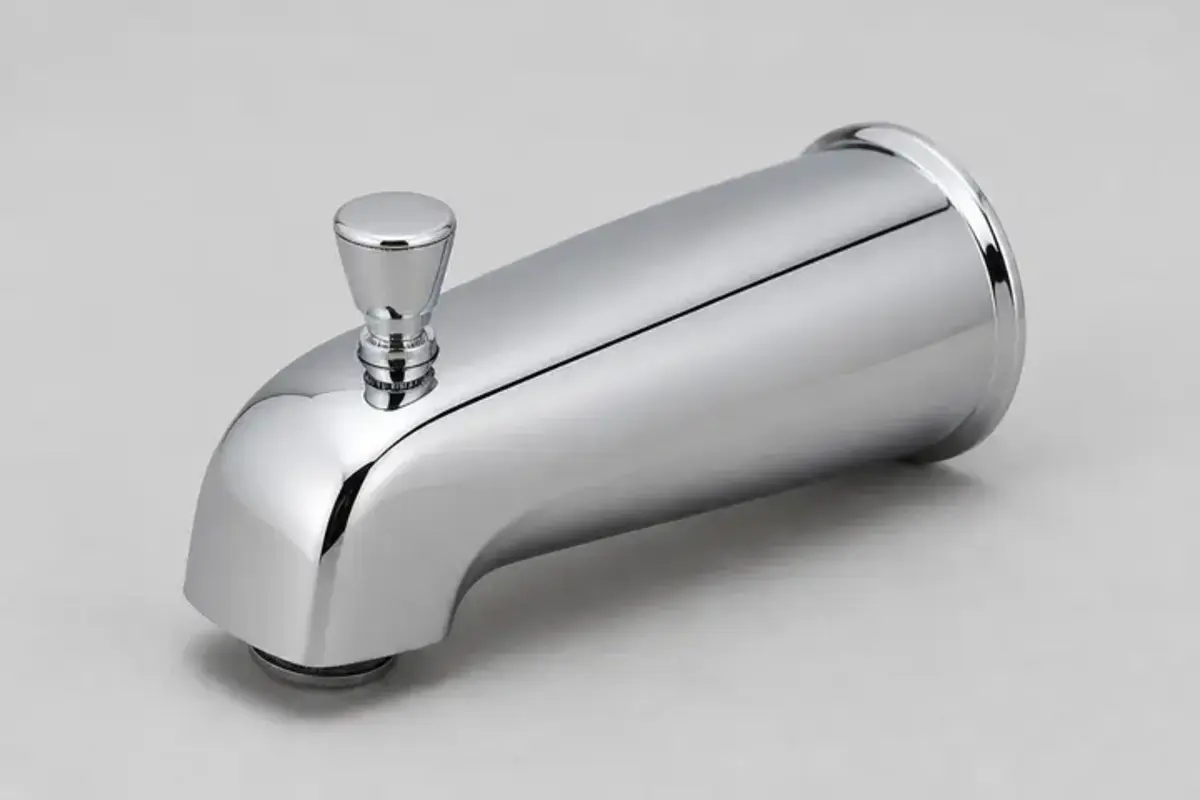
Helps when: Choose this when a stuck diverter is holding water back from the tub outlet or splitting flow to the shower.
Skip it when: Skip diverter spouts on tubs that use a wall diverter valve.
Compare diverter tub spout on AmazonHelps when: Use this when one side is weak or the handle feels gritty after shutoffs and the spout outlet are ruled out.
Skip it when: Skip cartridge shopping until the valve model and fit are confirmed.
Compare tub/shower valve cartridge on Amazon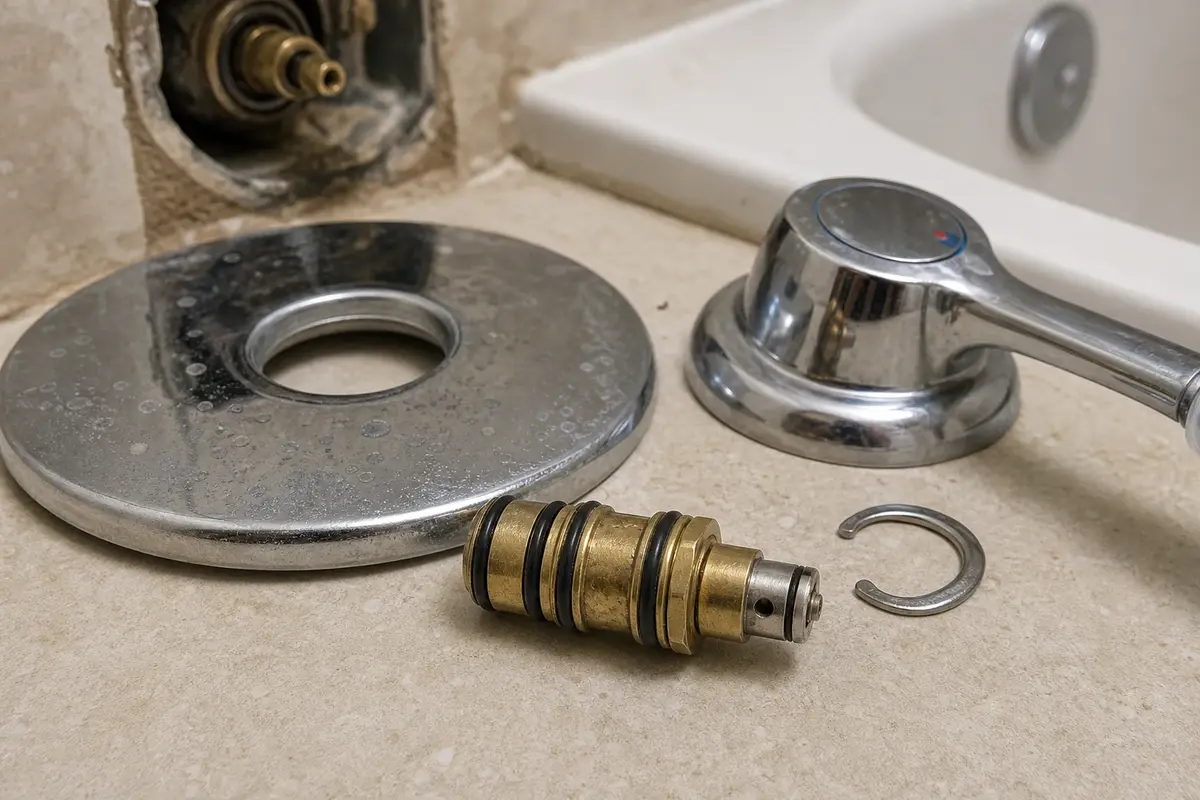
Helps when: Use for compatible single-handle valves when pressure-balance behavior restricts one side or both sides.
Skip it when: Skip it when the house pressure is low at every fixture.
Compare pressure-balance cartridge on AmazonAs an Amazon Associate I earn from qualifying purchases. Repair Riot may earn a commission at no extra cost to you.
Common causes are mineral buildup at the spout, a stuck diverter, a restricted cartridge, or house pressure trouble.
That points toward a hot-side stop, cartridge, or debris in the valve.
Yes. Mineral buildup or a stuck diverter can restrict tub flow.
Use one only when multiple fixtures are weak and you have a proper hose-thread connection.
Yes, especially on a single-handle tub/shower valve.
Not first. Identify the spout, diverter, cartridge, or supply issue.
Recent shutoff or plumbing work can move debris into the cartridge or spout.
Call if several fixtures are weak, shutoffs leak, or the valve body moves.
Repair Riot reviewed this page around timed-fill behavior, hot/cold comparison, spout mineral clues, diverter position, cartridge symptoms, and whole-home pressure boundaries. Source links support leak and water-use context; the diagnostic sequence is original guidance.