Does the outlet drip with the handle fully off?
That points behind the handle at the cartridge, stem, or seat.
A bathtub spout leak can mean two different repairs. Water dripping from the spout outlet with the handle off usually points to the valve cartridge or stem; water starting at the back of the spout points to the spout connection, pipe stub, or spout body.
The good clue is the first wet point: spout outlet, wall ring, valve trim, or shower split flow.
Dry the spout and wall, run one short test, then watch where the first water appears.
Don’t start with: Do not twist the spout off before checking for a set screw and proving whether the valve is actually shutting off.
That points behind the handle at the cartridge, stem, or seat.
The spout connection, pipe stub, or spout body is the lead.
Add the diverter spout branch before buying a plain spout.
Treat it as a slip-on spout and loosen the screw before twisting.
Stop. Hidden piping may be loose inside the wall.
Use a dry towel or tissue to mark the first wet point. The outlet and wall connection lead to different repairs.

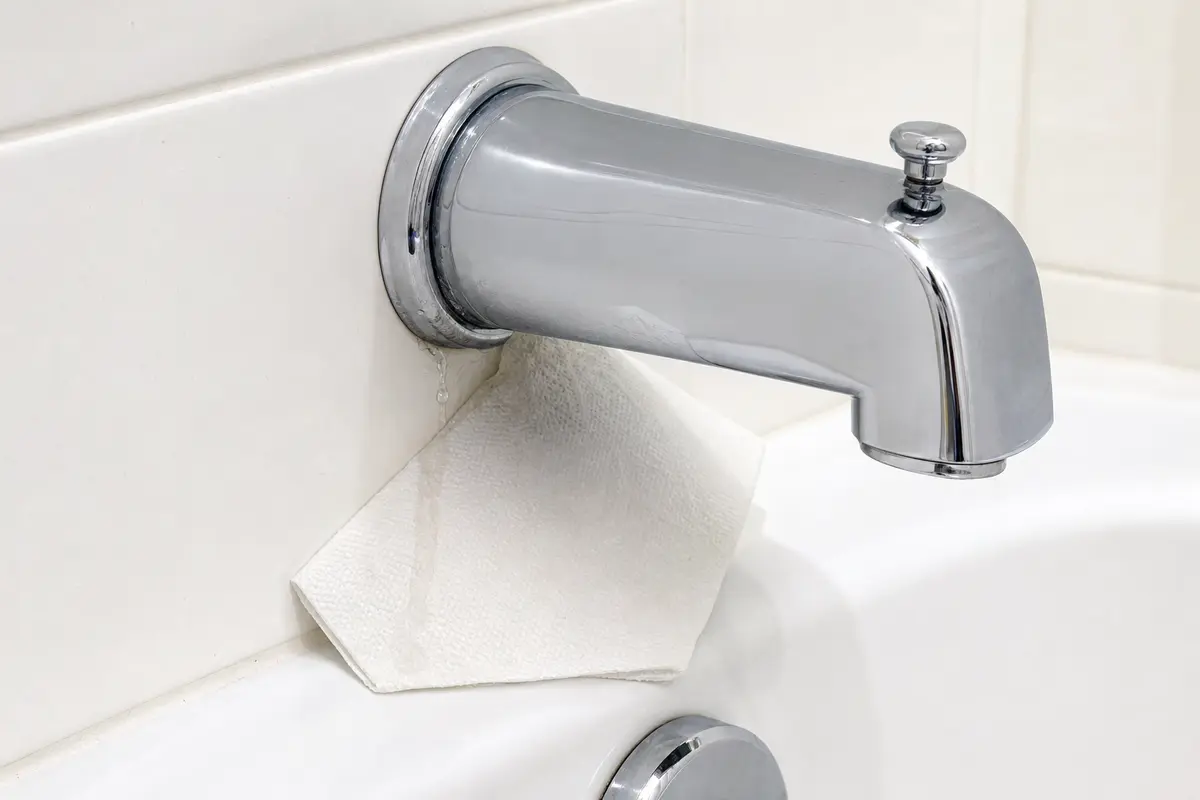
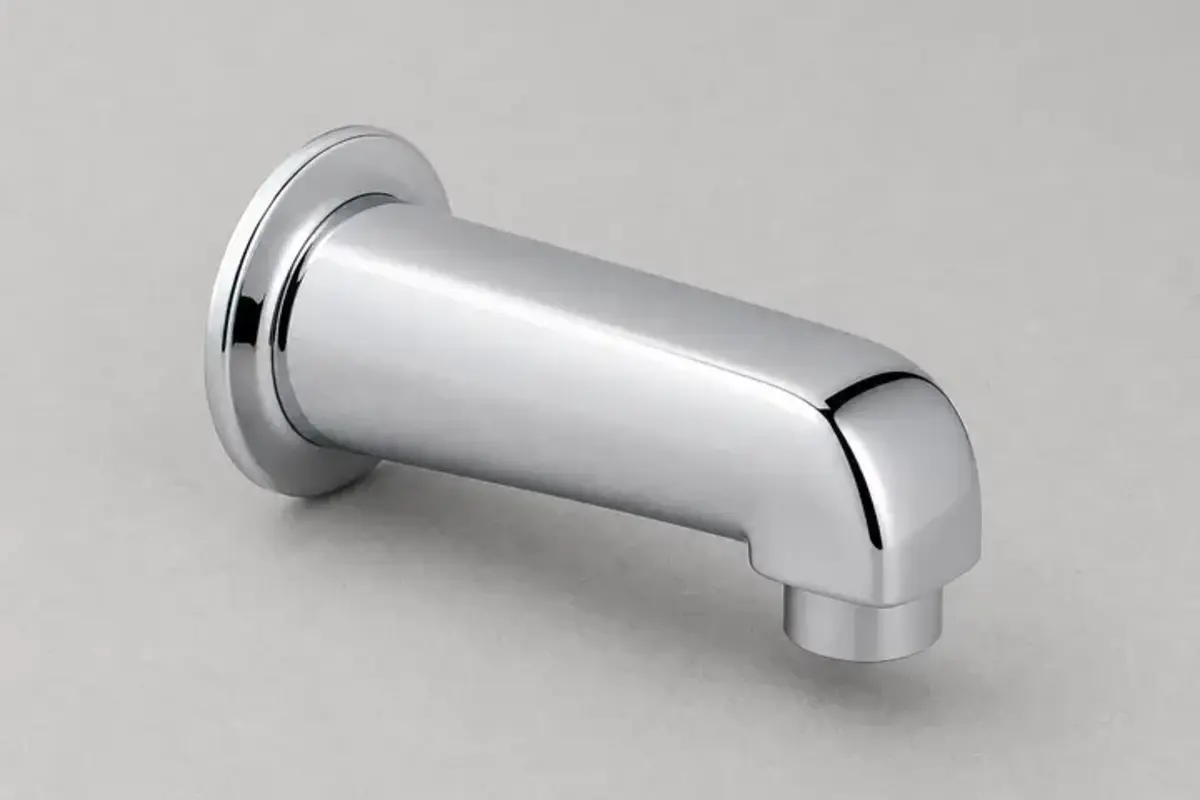
Decide whether the leak starts at the outlet, back of the spout, valve trim, or diverter path. The wrong spout will not fix a valve that keeps passing water. Match the exact diagnosis, fixture style, and model or valve family before ordering.
A spout leak is either a shutoff problem or a connection problem. The first wet point separates those paths before parts get expensive.
Twisting the spout too soon can damage the pipe stub or tub wall. The test should come before force.
Dry the spout, run a short test, shut the handle off, and watch the first wet edge. That result determines the part family.
| First wet point | Likely source | Next move |
|---|---|---|
| Outlet drips with handle off | Valve cartridge, stem, or seat | Inspect the valve branch, not the spout body. |
| Back of spout gets wet | Spout connection or pipe stub | Match slip-on versus threaded spout. |
| Water splits to shower | Diverter spout or diverter valve | Use the diverter branch. |
| Valve trim gets wet | Valve trim or internal valve leak | Stop spout removal and inspect trim. |
Bathtub spouts usually remove as either slip-on set-screw spouts or threaded spouts. Matching that style prevents damaged pipe stubs.
A new spout cannot stop water that is passing through the valve. The good clue is a drip from the outlet after the handle is fully off and the wall connection stays dry.
These tools match a careful spout test and style check. Skip removal tools if the leak clearly comes from the valve cartridge.
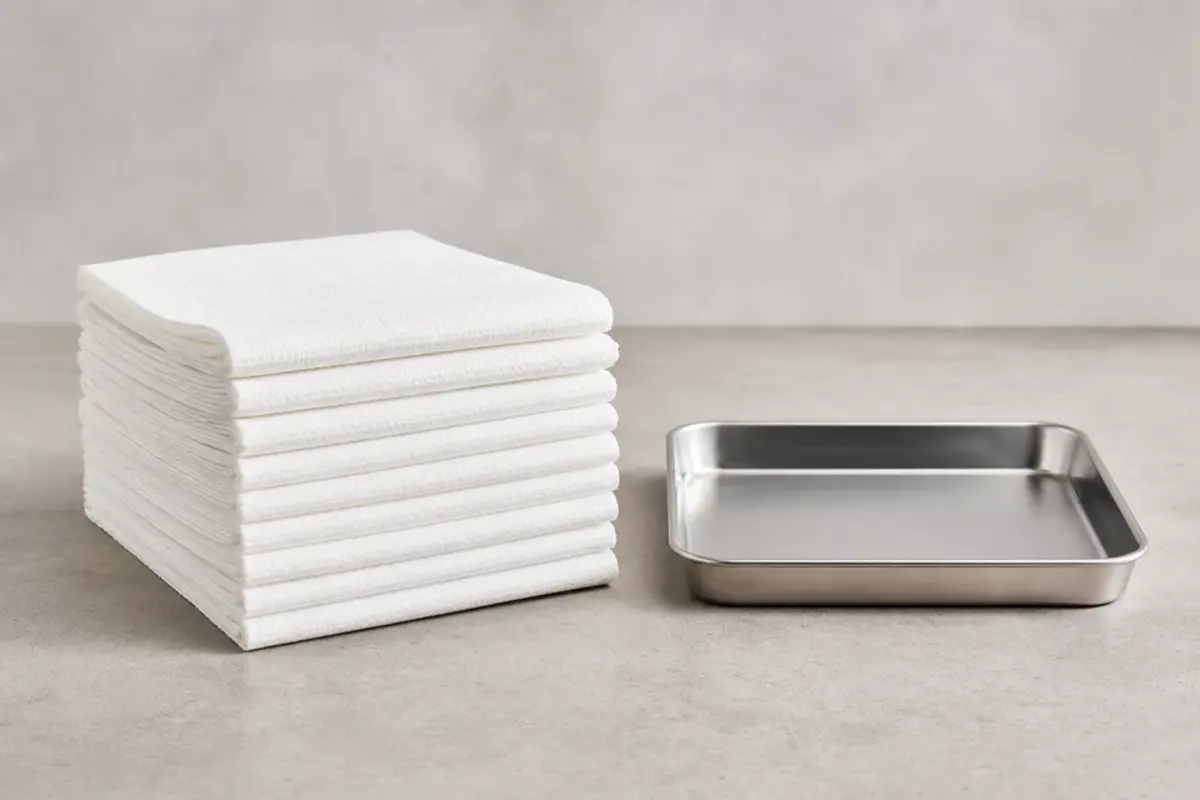
Helps when: Set dry towels below the spout so a valve drip, wall seep, or test splash is easy to separate.
Skip it when: Skip long water runs if the wall behind the spout is getting wet.
Compare absorbent towels on Amazon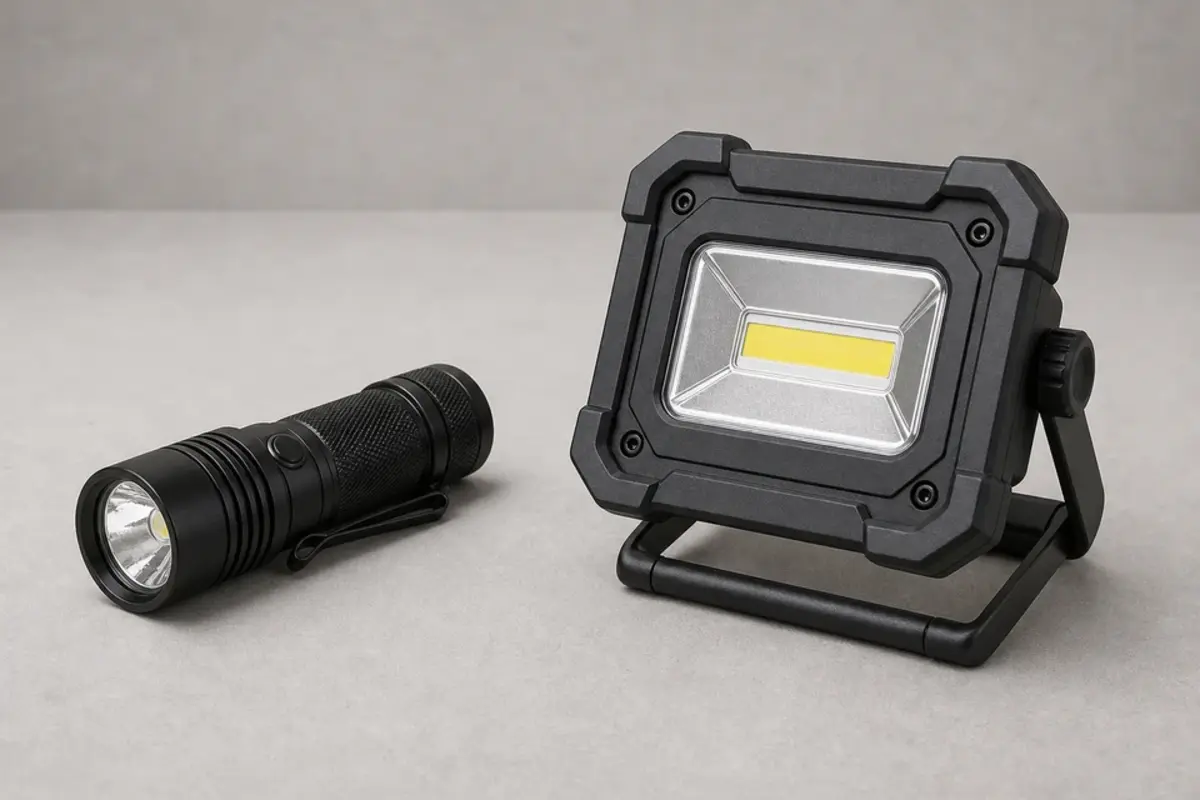
Helps when: Use side lighting to see whether water starts at the spout outlet, back ring, or valve trim.
Skip it when: Skip relying on overhead light when chrome glare hides the wet edge.
Compare inspection flashlight on Amazon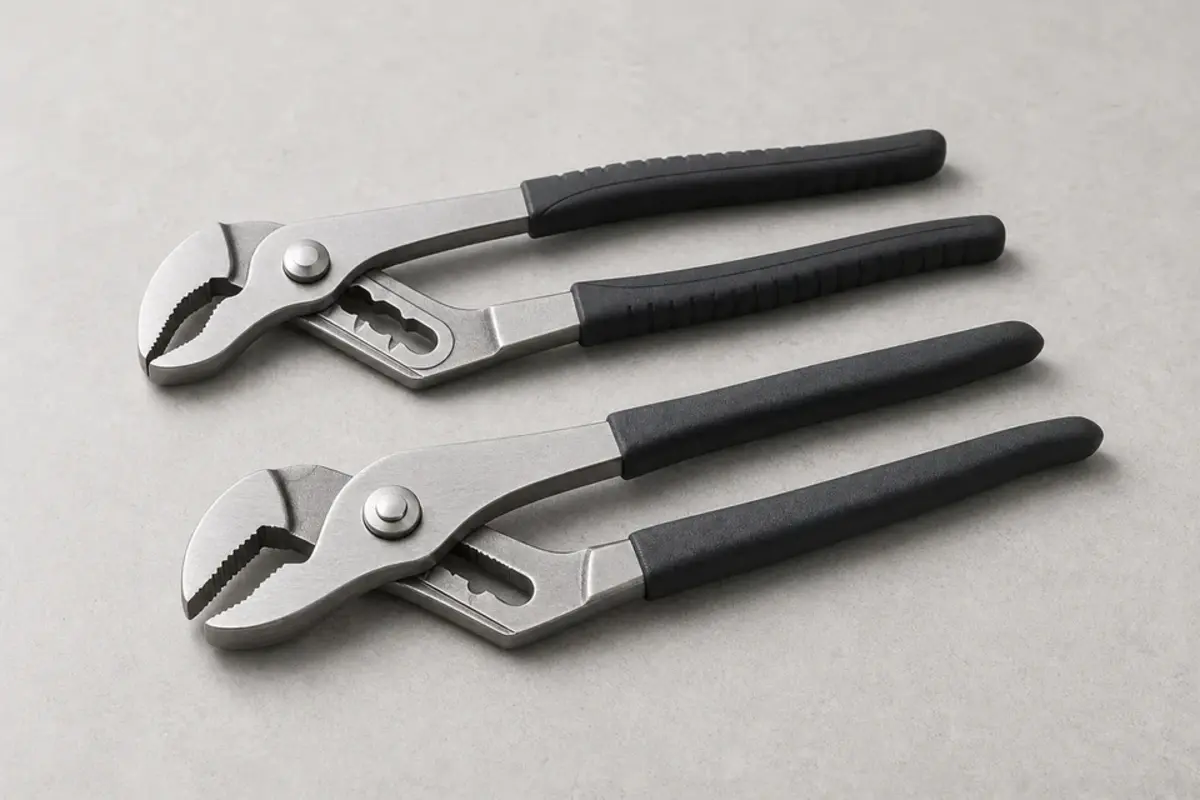
Helps when: Use padded pliers only after the spout type is known and the finish can be protected.
Skip it when: Skip bare jaws on chrome or any spout that does not move with gentle pressure.
Compare adjustable pliers on Amazon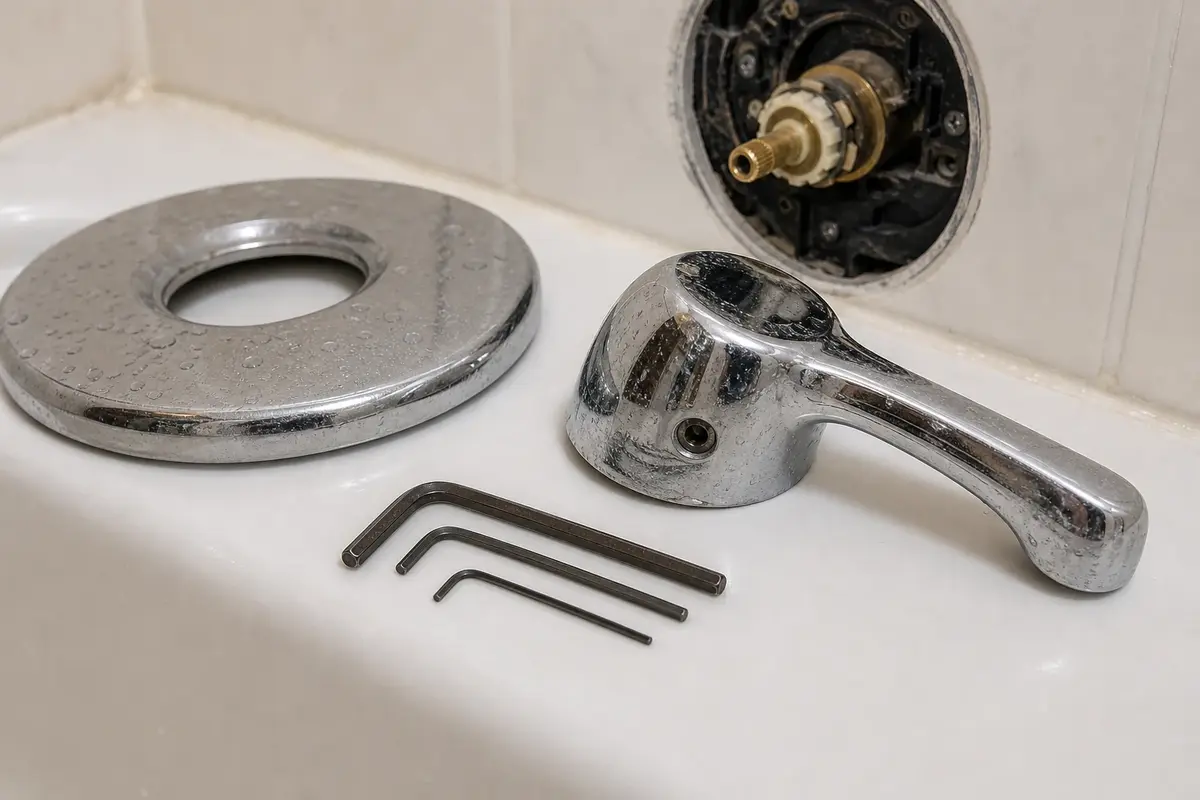
Helps when: Choose this when a slip-on spout has a small set screw underneath or near the back.
Skip it when: Skip twisting the spout before checking for a hidden set screw.
Compare allen key set on Amazon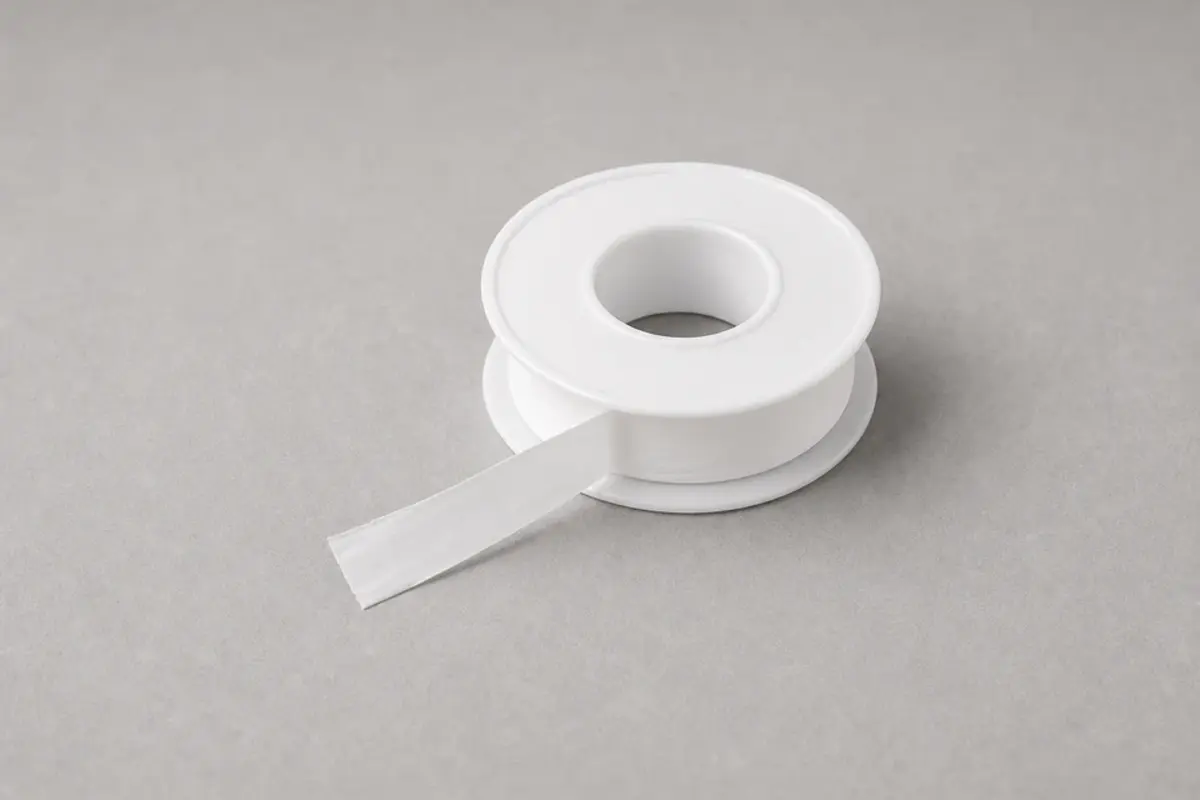
Helps when: Keep this for threaded spouts only after the old spout type and pipe stub are confirmed.
Skip it when: Skip tape on slip-on spouts or as a cover for a leak coming through the valve.
Compare thread seal tape on AmazonAs an Amazon Associate I earn from qualifying purchases. Repair Riot may earn a commission at no extra cost to you.
Choose the part that matches the first wet point. A spout, diverter spout, valve cartridge, and pressure-balance cartridge solve different symptoms.
Helps when: Buy this when the spout body, wall connection, or damaged nose is the proven leak point.
Skip it when: Skip it when water continues from the spout because the valve will not shut off.
Compare bathtub spout on Amazon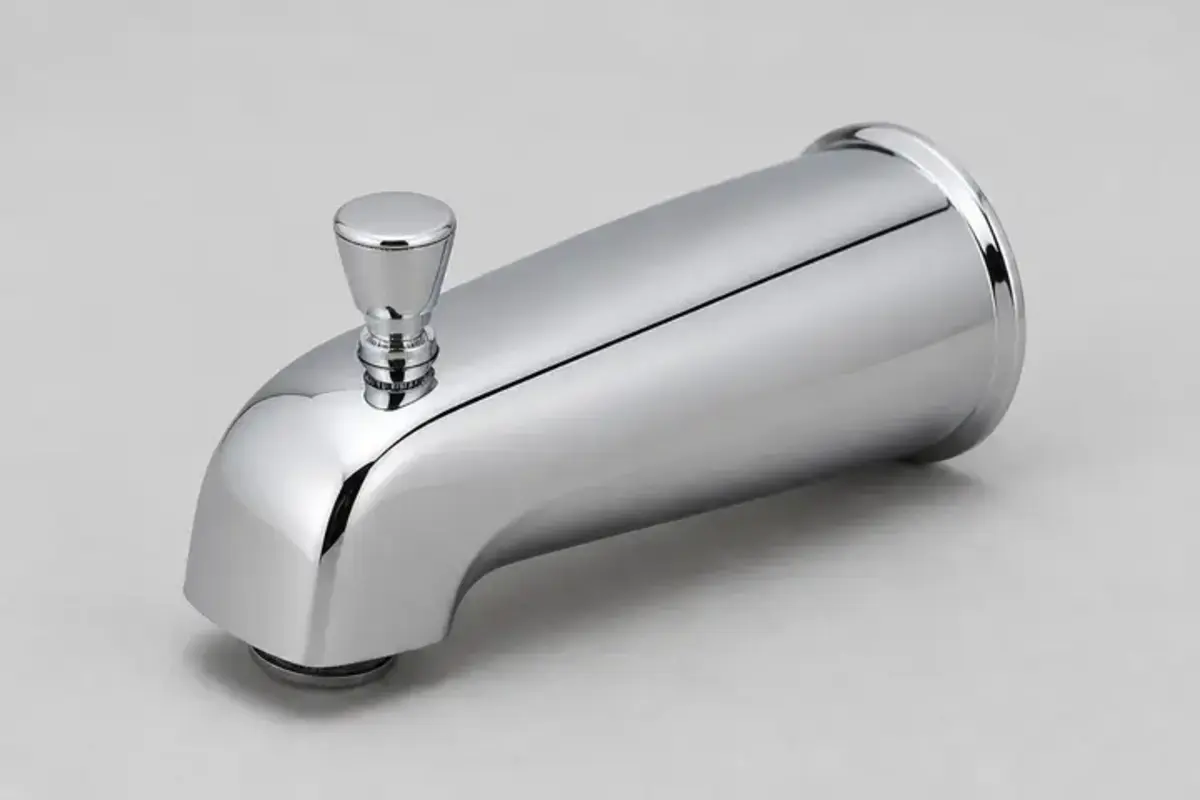
Helps when: Use this when the leaking spout also has a failed pull-up diverter or shower split-flow symptom.
Skip it when: Skip diverter spouts on tubs that use a separate wall diverter valve.
Compare diverter tub spout on Amazon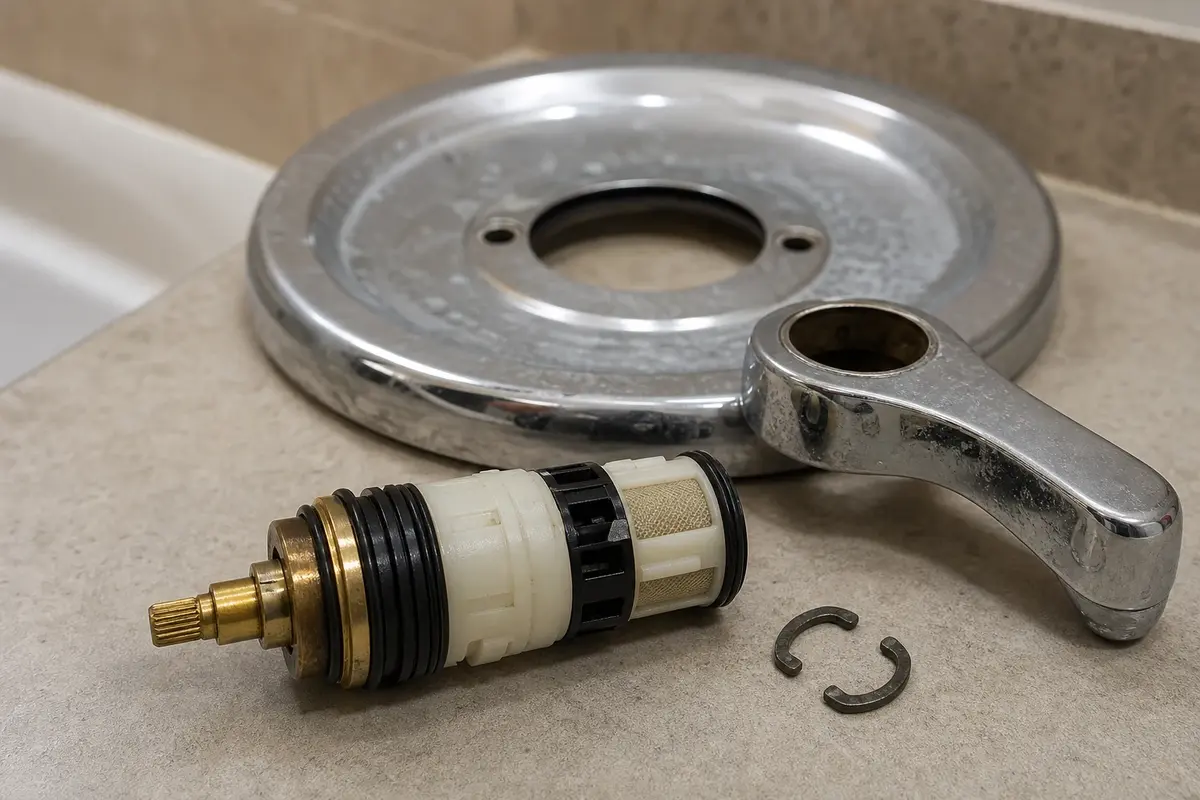
Helps when: Choose this if water keeps dripping from the spout with the handle fully off and the spout connection is dry.
Skip it when: Skip cartridge parts when the leak starts only at the spout wall connection.
Compare tub/shower valve cartridge on Amazon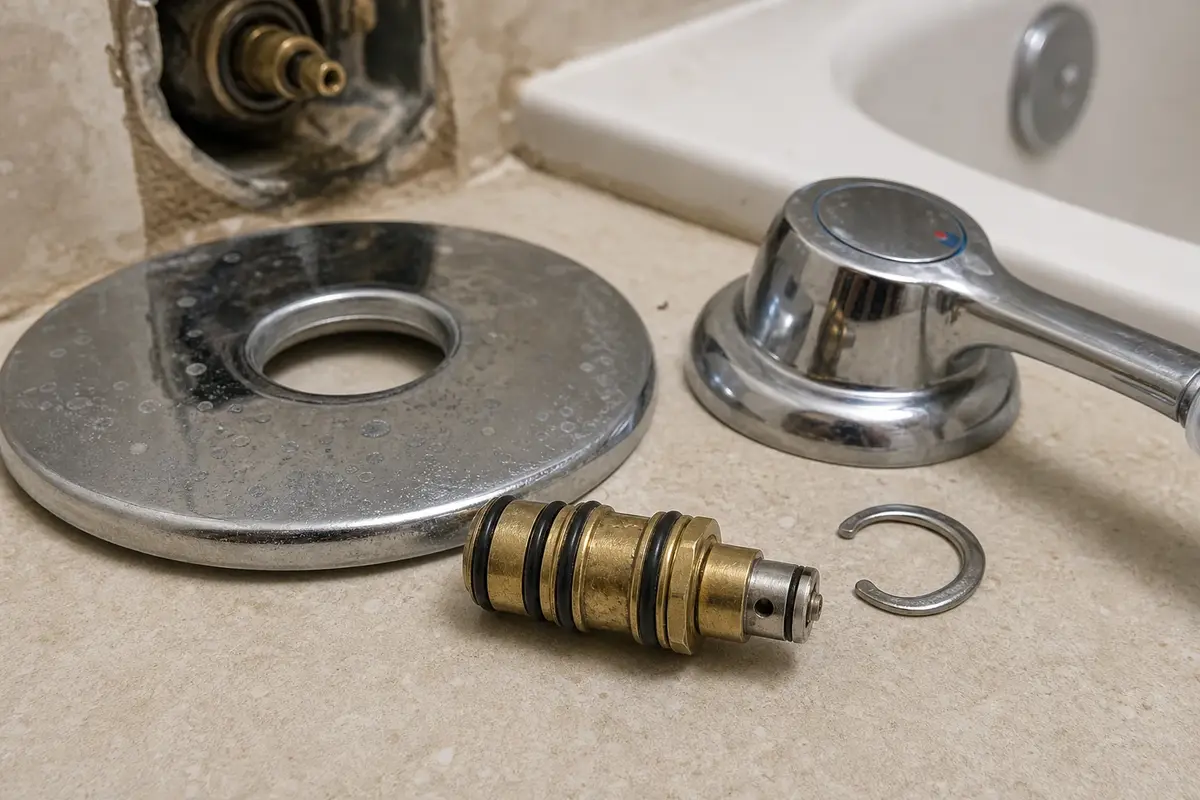
Helps when: Use this for compatible single-handle valves when shutoff, temperature, or pressure balance symptoms point behind the handle.
Skip it when: Skip it until the valve brand and cartridge style match the existing valve.
Compare pressure-balance cartridge on AmazonAs an Amazon Associate I earn from qualifying purchases. Repair Riot may earn a commission at no extra cost to you.
That usually means the valve cartridge, stem, or seat is letting water pass. The spout shell is not the first suspect.
That points to the spout connection, pipe stub, or spout body. Dry the wall and confirm the first wet point before removal.
No. Caulk can hide water entering the wall and does not fix a leaking connection or valve.
Look underneath or near the back of the spout. A small recessed screw usually means it is a slip-on spout.
Only if your existing spout has a pull-up diverter or water splits between the shower and tub spout.
Stop. The pipe stub or connection inside the wall may be loose and needs careful repair.
Yes. A repeated drip should be fixed after the source is identified.
Call if the water will not shut off, the wall gets wet, the pipe stub moves, or the valve cartridge is stuck.
Repair Riot reviewed this page around visible spout clues: outlet drip after shutoff, wall-ring wetness, set-screw style, pipe-stub movement, valve-trim wetness, and diverter split flow. The source links support leak urgency and shower-flow context; the diagnosis sequence is original guidance.