Does a nearby sink get hot?
If yes, the tub valve branch is the stronger lead.
If only the bathtub has no hot water, the first suspect is the tub/shower valve: an anti-scald limit stop, stuck cartridge, or pressure-balance cartridge can block the hot side. If nearby sinks also lack hot water, start at the water heater or whole-home supply instead.
The strongest clue is a nearby sink getting hot while the tub stays cold or lukewarm.
Measure temperature first, then decide whether the problem is whole-home hot water or the bathtub valve.
Don’t start with: Do not replace a water heater or cartridge until you compare the tub with another hot fixture.
If yes, the tub valve branch is the stronger lead.
The anti-scald limit stop may be set too low or damaged.
A stuck cartridge or blocked hot side may be involved.
Start at water heater or supply, not the tub valve.
A pressure-balance cartridge can block or restrict the hot side.
The best first check is comparison. If the sink is hot and the tub is cold, the tub valve becomes the target.
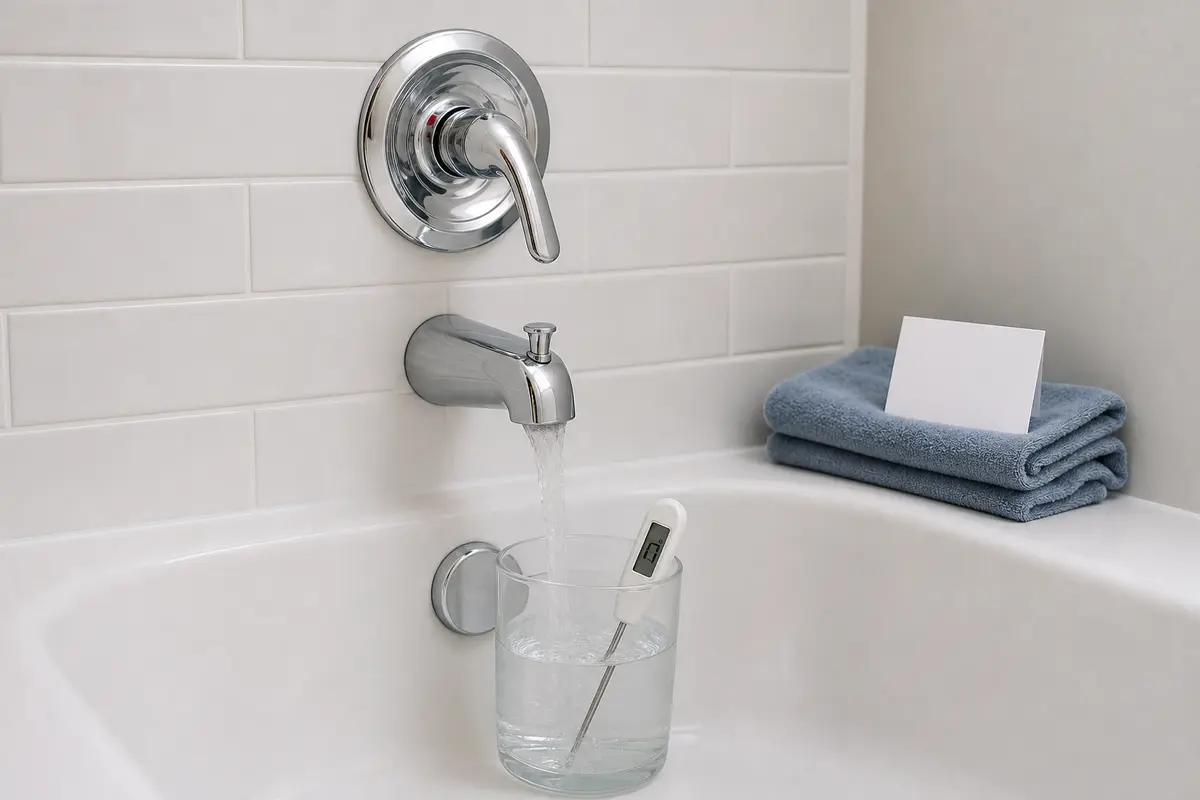
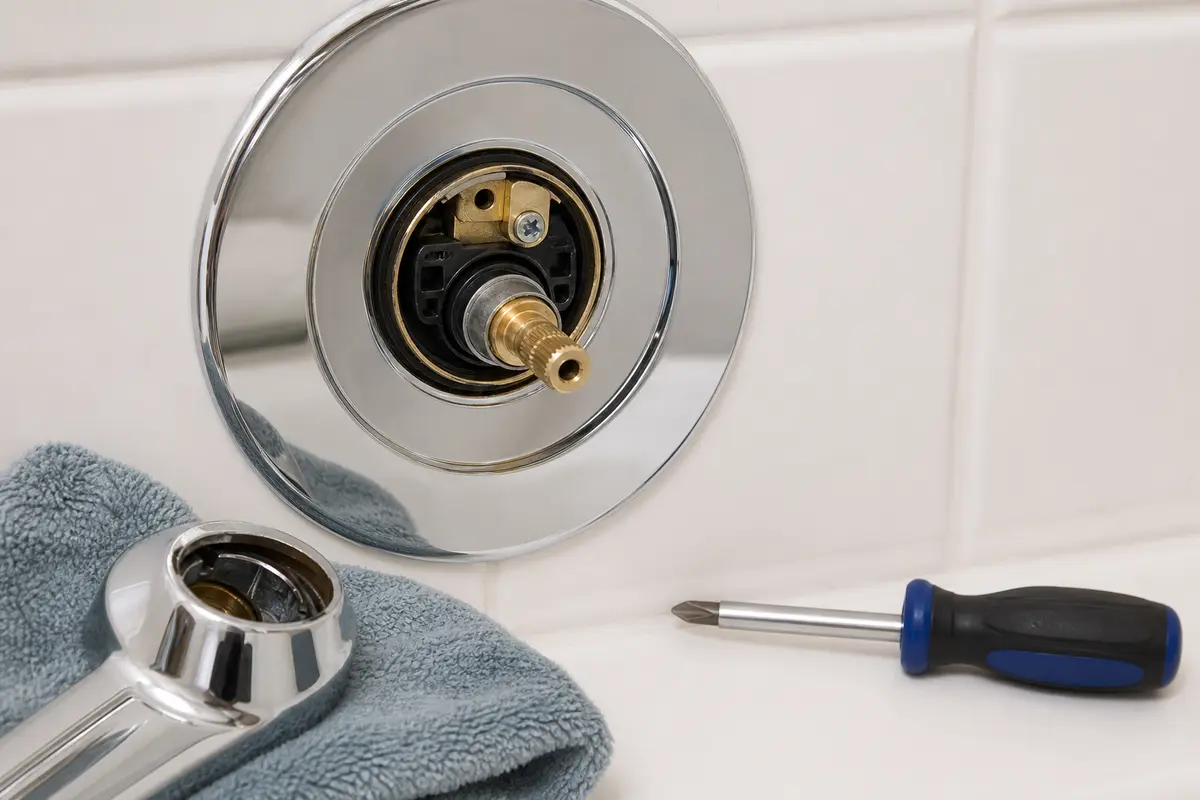
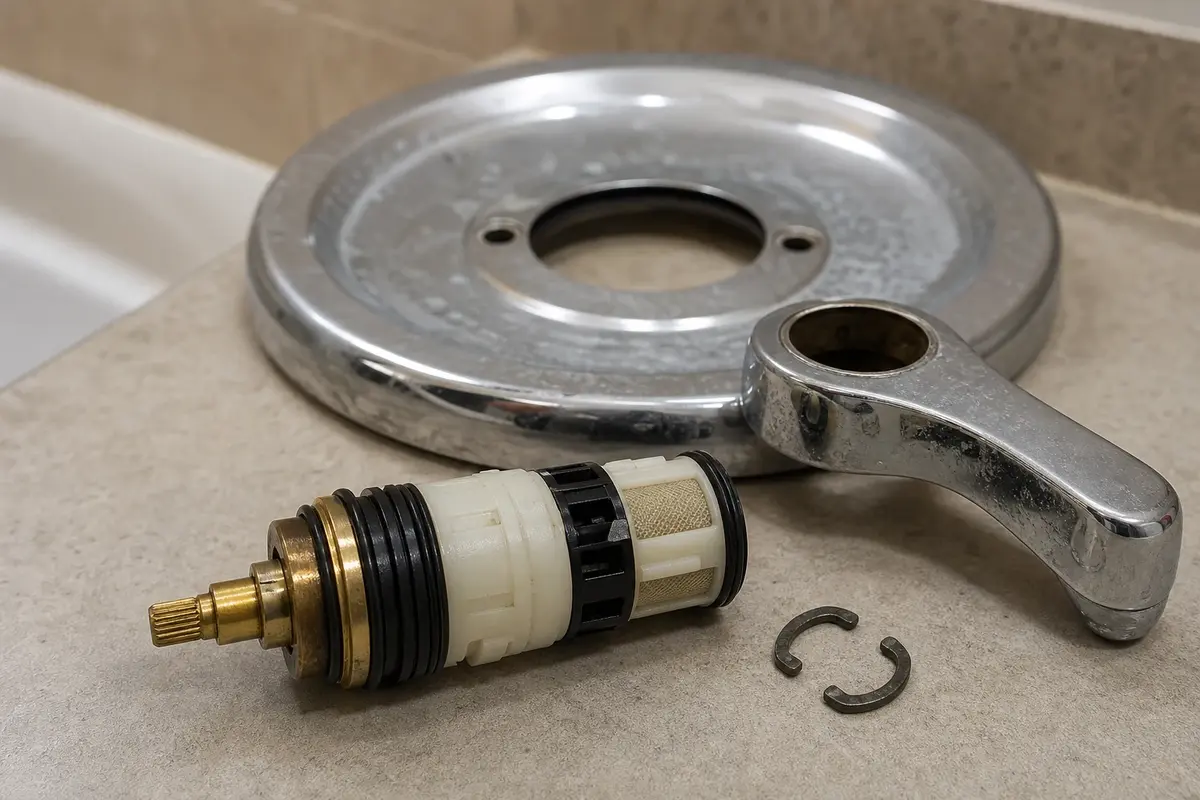
Compare the tub with a nearby sink and record the temperature clue. A limit stop, cartridge, and pressure-balance cartridge are tub-valve parts, not whole-home hot-water fixes. Match the exact diagnosis, fixture style, and model or valve family before ordering.
A bathtub with no hot water is often a local valve problem, but only if other fixtures still get hot. The first homeowner check is a measured comparison: run a nearby sink hot, then test the tub at its hottest setting and note whether the tub is cold, lukewarm, or slow to warm.
The most expensive wrong move is replacing parts before comparing fixtures. Start with evidence you can see and measure.
Run a short tub test and nearby sink test. The result tells you whether to stay at the bathtub valve or leave the bathroom.
| What you see | What it usually means | Next move |
|---|---|---|
| Sink hot, tub cold | Tub valve, limit stop, or cartridge | Inspect behind the tub handle. |
| Sink and tub both cold | Water heater or whole-home supply | Skip tub trim and diagnose hot-water supply. |
| Tub lukewarm only | Limit stop set low or damaged | Check anti-scald stop before cartridge replacement. |
| Hot-side pressure weak or blocked | Cartridge or pressure-balance issue | Match the valve cartridge carefully. |
Many tub-shower valves have an anti-scald stop behind the handle. If it is set low, the handle cannot rotate far enough toward hot.
If more than one hot fixture is cold, the bathtub valve is not the starting point. A tub-only page should not send you into water-heater work unless the comparison proves it.
These tools support measurement and careful valve-trim inspection. Skip cartridge tools until the tub is proven as the isolated fixture.
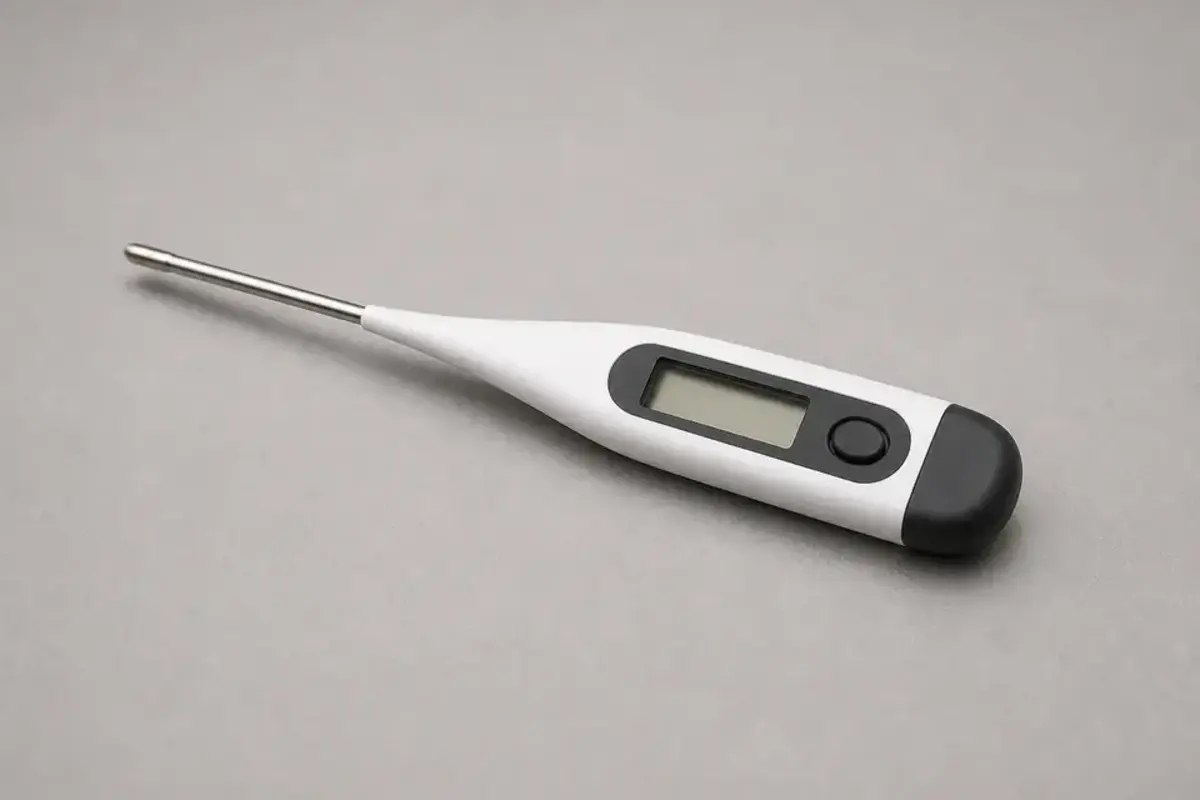
Helps when: Use a thermometer to compare tub temperature with a nearby sink before opening the valve trim.
Skip it when: Skip judging by hand feel alone when the tub is only lukewarm.
Compare bath thermometer on Amazon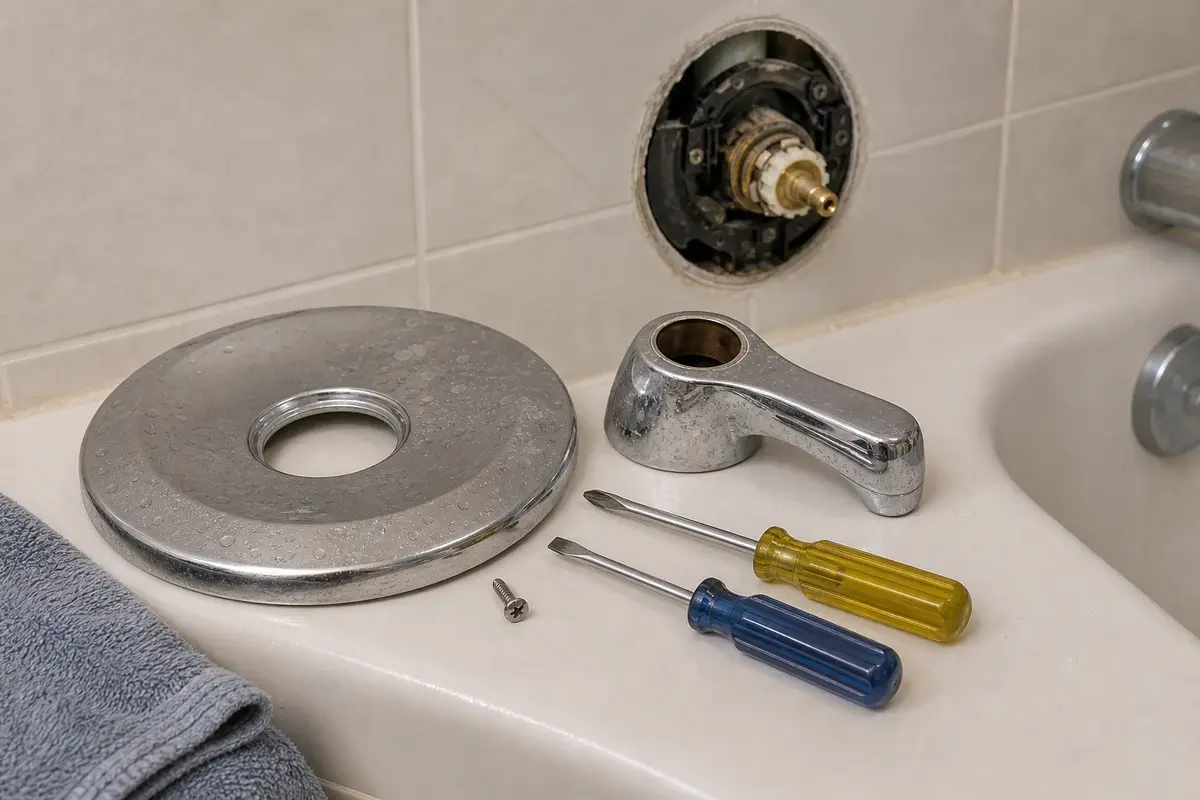
Helps when: Use a hand screwdriver only after the tub is confirmed as the isolated no-hot-water fixture.
Skip it when: Skip trim removal if the whole house has no hot water.
Compare screwdriver set on Amazon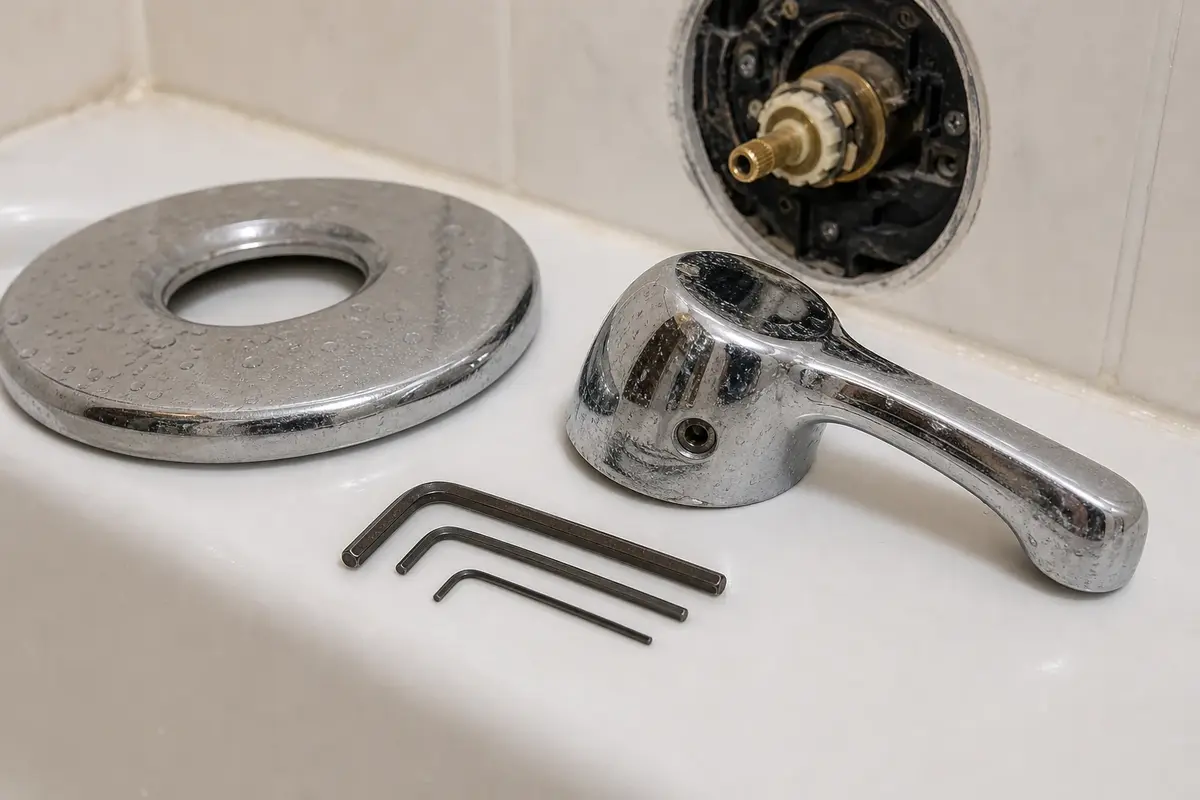
Helps when: Choose this when the handle has a small set screw that must loosen before the limit stop is visible.
Skip it when: Skip forcing a handle that is still held by a set screw.
Compare allen key set on Amazon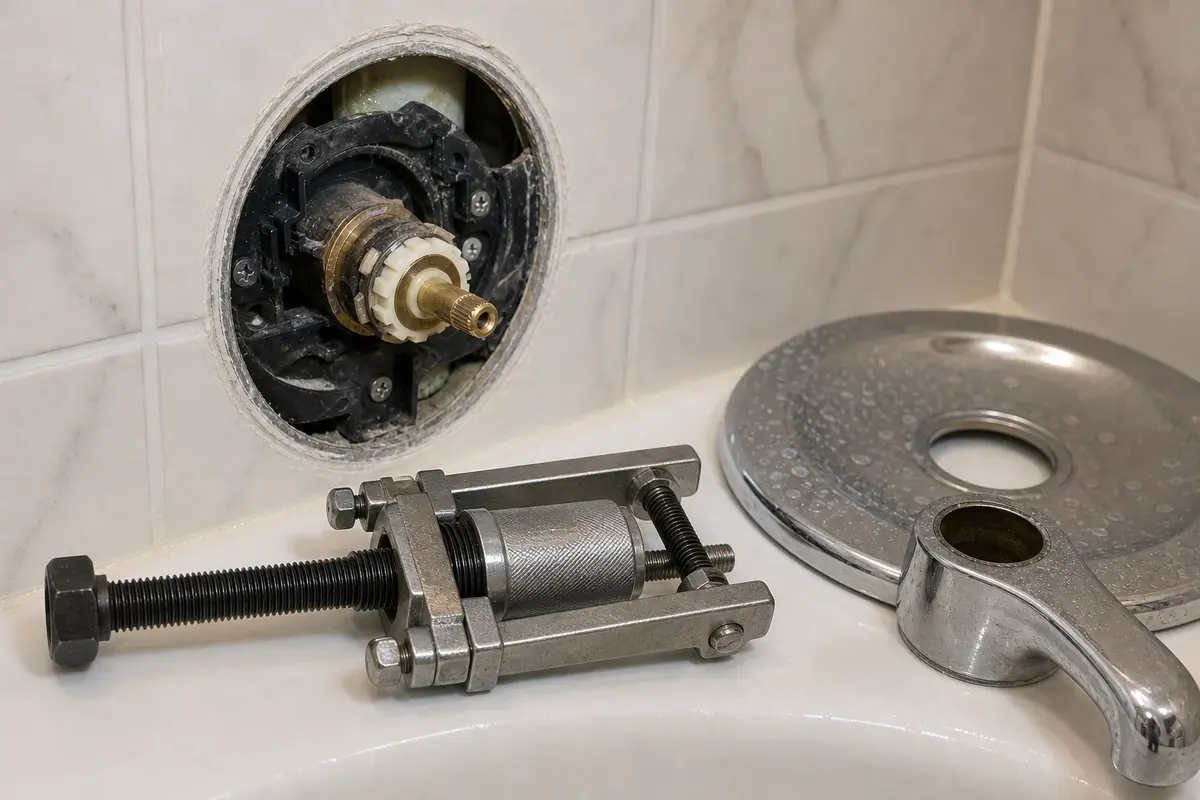
Helps when: Keep this for a confirmed stuck cartridge on a compatible valve after the trim and shutoff plan are clear.
Skip it when: Skip a puller for a simple temperature-limit adjustment.
Compare cartridge puller on Amazon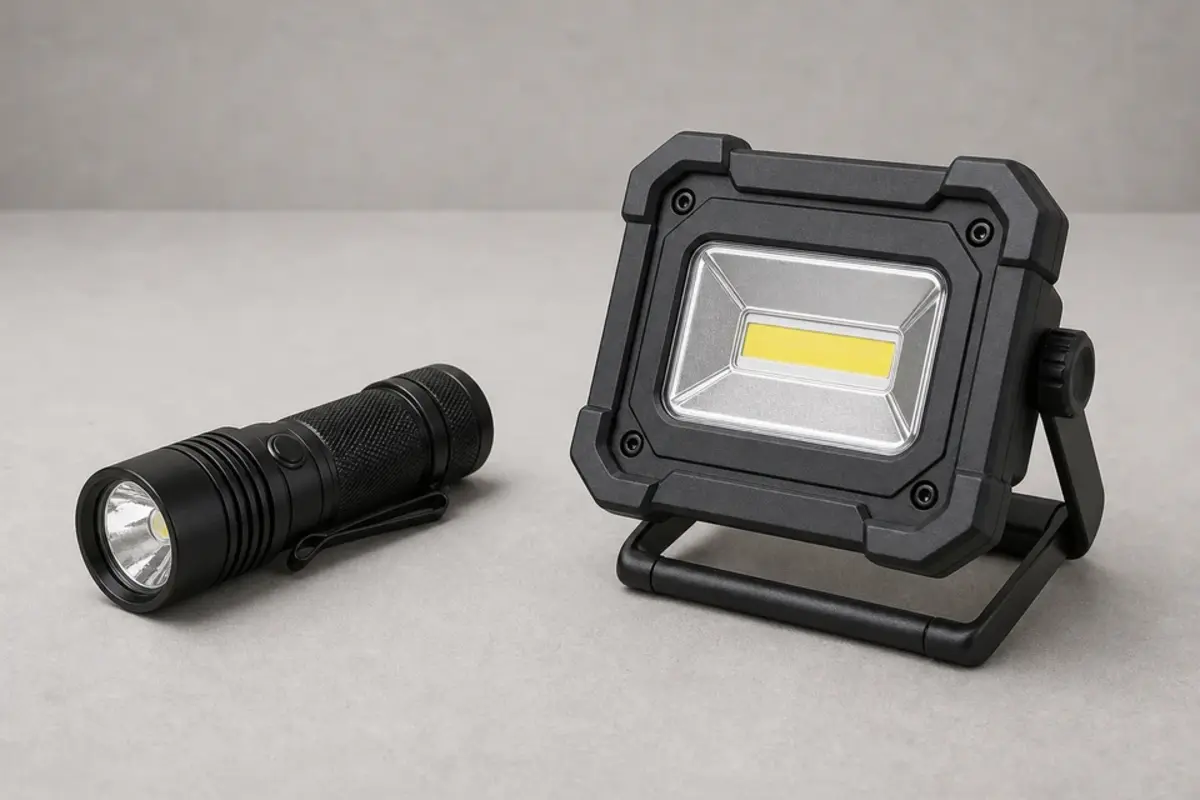
Helps when: Use light behind the handle to see the limit stop, retaining clip, brand marks, and corrosion clues.
Skip it when: Skip working inside the valve if you cannot identify shutoffs or the retaining parts.
Compare inspection flashlight on AmazonAs an Amazon Associate I earn from qualifying purchases. Repair Riot may earn a commission at no extra cost to you.
These parts match a tub-only no-hot-water branch: limit stop, valve cartridge, or pressure-balance cartridge. Do not buy them for a whole-home water-heater problem.
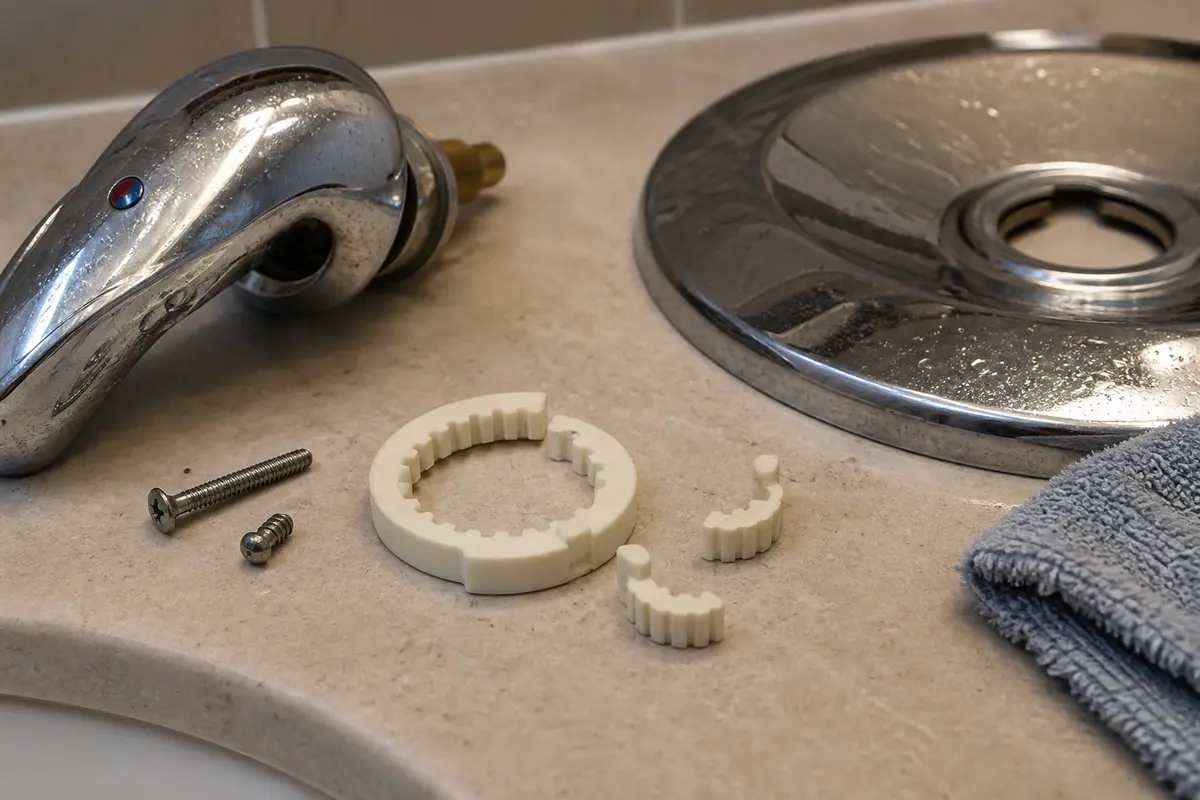
Helps when: Buy this only when the handle limit stop is damaged, missing, or cannot hold the corrected hot setting.
Skip it when: Skip it when the no-hot symptom is caused by the water heater or a stuck cartridge.
Compare anti-scald limit stop kit on AmazonHelps when: Choose this when the tub alone stays cold and the cartridge is stuck, clogged, or not moving hot-side water.
Skip it when: Skip cartridge replacement before comparing the tub with a nearby hot sink.
Compare tub/shower valve cartridge on Amazon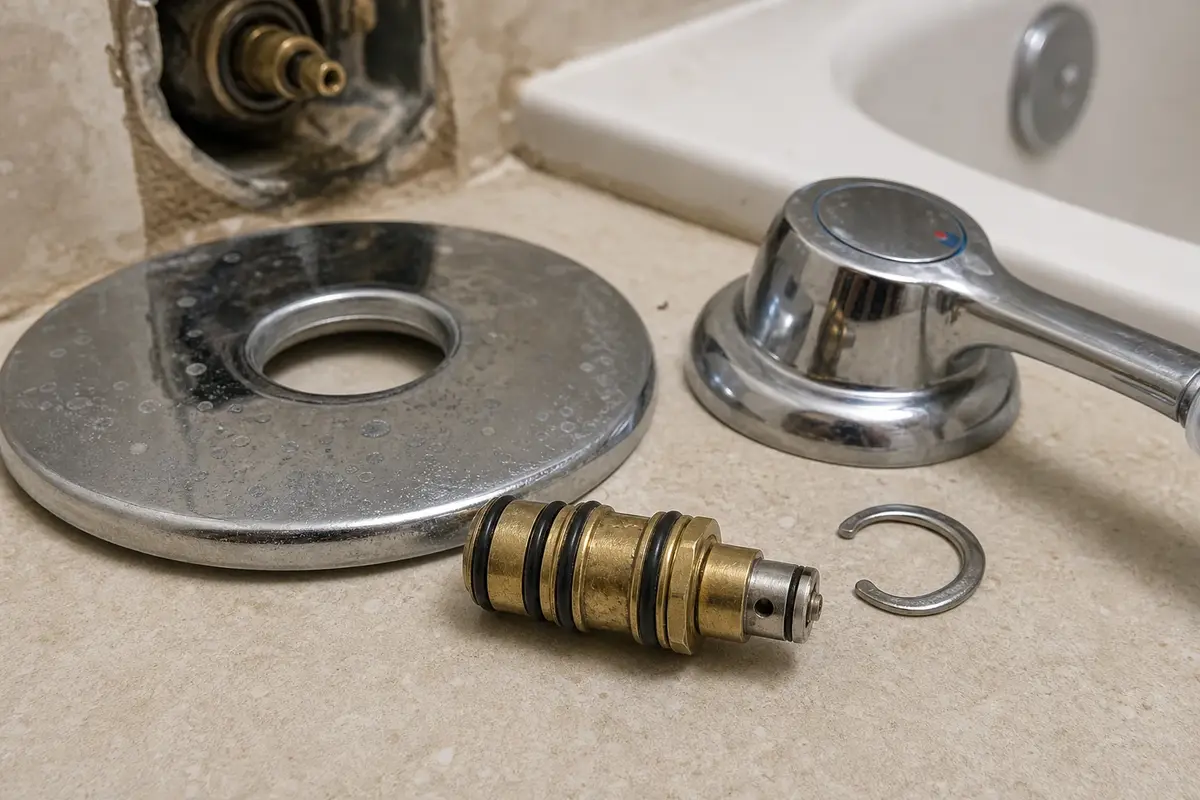
Helps when: Use this for compatible single-handle valves when pressure-balancing behavior blocks the hot side.
Skip it when: Skip it until the exact valve model and cartridge shape are confirmed.
Compare pressure-balance cartridge on AmazonAs an Amazon Associate I earn from qualifying purchases. Repair Riot may earn a commission at no extra cost to you.
That points to the tub/shower valve, usually the limit stop, cartridge, or pressure-balance cartridge.
A limit stop set too low can prevent the handle from rotating far enough toward hot.
Not if nearby fixtures still get hot. A tub-only symptom starts at the tub valve.
Yes. A stuck, clogged, or failed cartridge can restrict hot water while cold still flows.
It is a valve part that balances hot and cold pressure. If it sticks, it can reduce or block hot-side flow.
A thermometer is useful because it proves whether the tub is cold, lukewarm, or simply slower to warm.
Stop if the valve leaks, the cartridge is stuck, the retaining clip is corroded, or you cannot shut water off.
Often yes, but mark the original position, move gradually, and retest carefully to avoid unsafe hot water.
Repair Riot reviewed this page around tub-only hot-water clues: nearby fixture comparison, measured temperature, limit-stop position, cartridge movement, pressure-balance behavior, and whole-home supply boundaries. The source links support water-heating context and leak safety; the troubleshooting sequence is original guidance.