Does the stopper lift fully and stay open?
If not, work on the stopper or trip lever before treating the pipe as clogged. A closed stopper can look exactly like a blocked drain.
If your bathtub is not draining, start with the stopper and the first few inches below the drain. Look for visible hair, gray soap film, or a stopper that does not lift clear, then check whether the nearby sink or toilet reacts when the tub drains.
Start at the visible drain: open the stopper, clear reachable hair, then see whether the sink or toilet reacts when water drains.
Two clues matter first: whether the stopper is open, and whether the sink or toilet reacts. Those checks separate tub-side clogs from drain-line trouble.
Don’t start with: Do not start with chemical drain cleaner, a new drain flange, or force on finished trim. Those moves can make the repair messier and still miss the real clog.
If not, work on the stopper or trip lever before treating the pipe as clogged. A closed stopper can look exactly like a blocked drain.
Clear that reachable buildup first with gloves and a gentle plastic tool. A top-side hair clog is the common tub-only fix.
A normal sink points back to this bathtub. Gurgling or slow flow at the sink means the clue has moved beyond bathtub parts.
Stop the DIY drain clearing if you see the toilet bubble, rise, or make the tub gurgle. Limit water use and treat that as a deeper bathroom drain issue, not a stopper or drain flange purchase.
Check the trip lever and linkage gently. Loose, bent, or jammed linkage can keep the stopper from opening enough.
Use the tub view first. The drain opening, stopper movement, overflow plate, and nearby fixtures tell you whether this is a simple tub clog or a deeper drain problem.
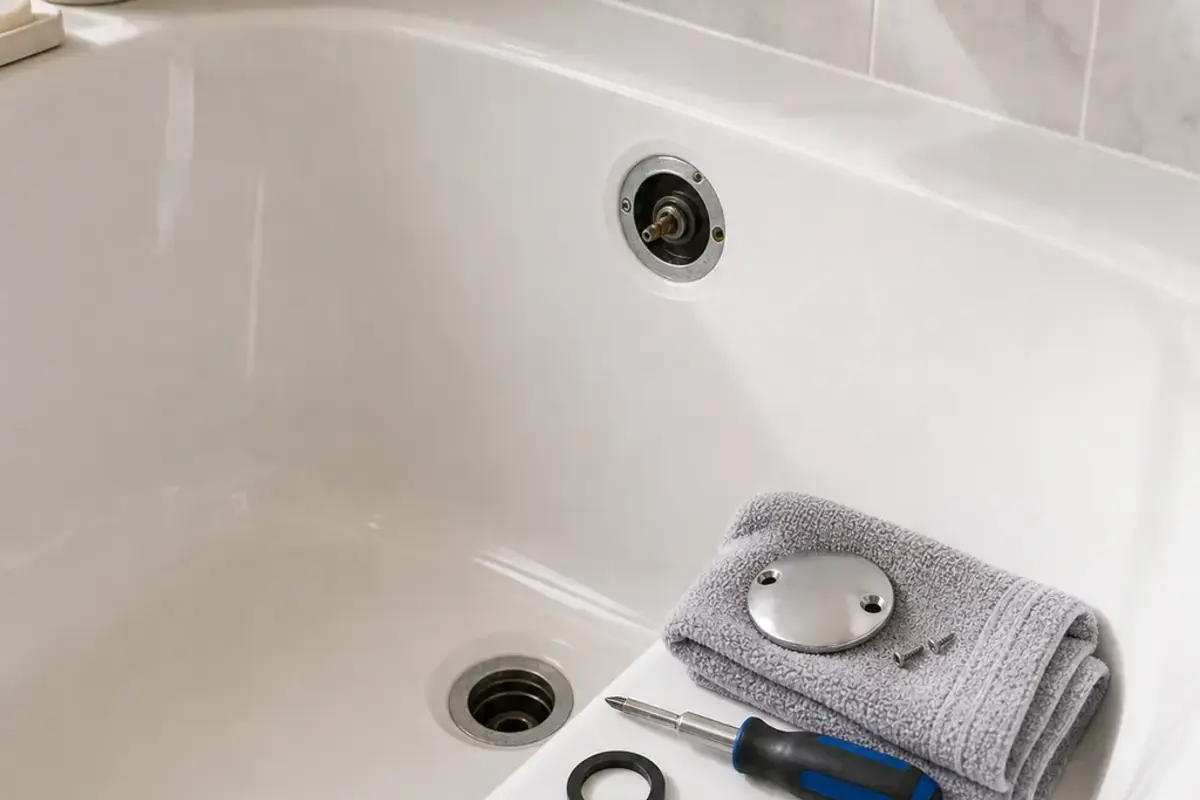
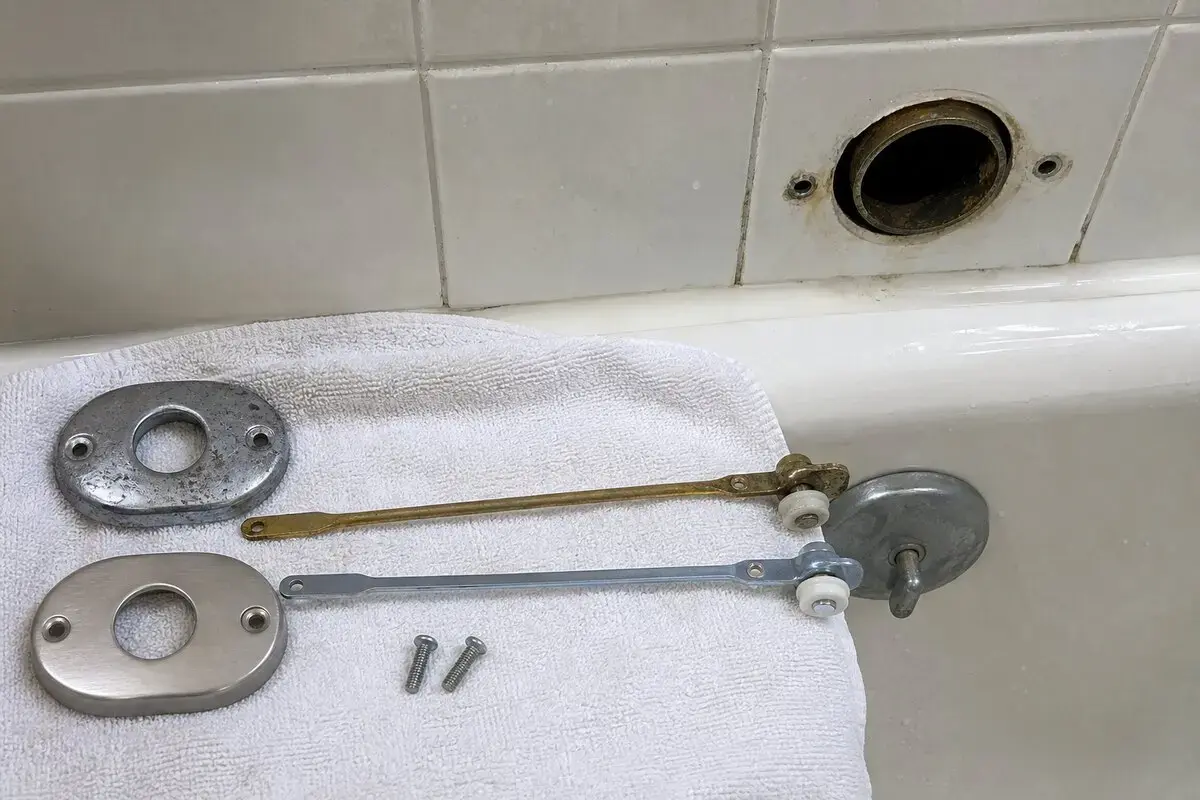
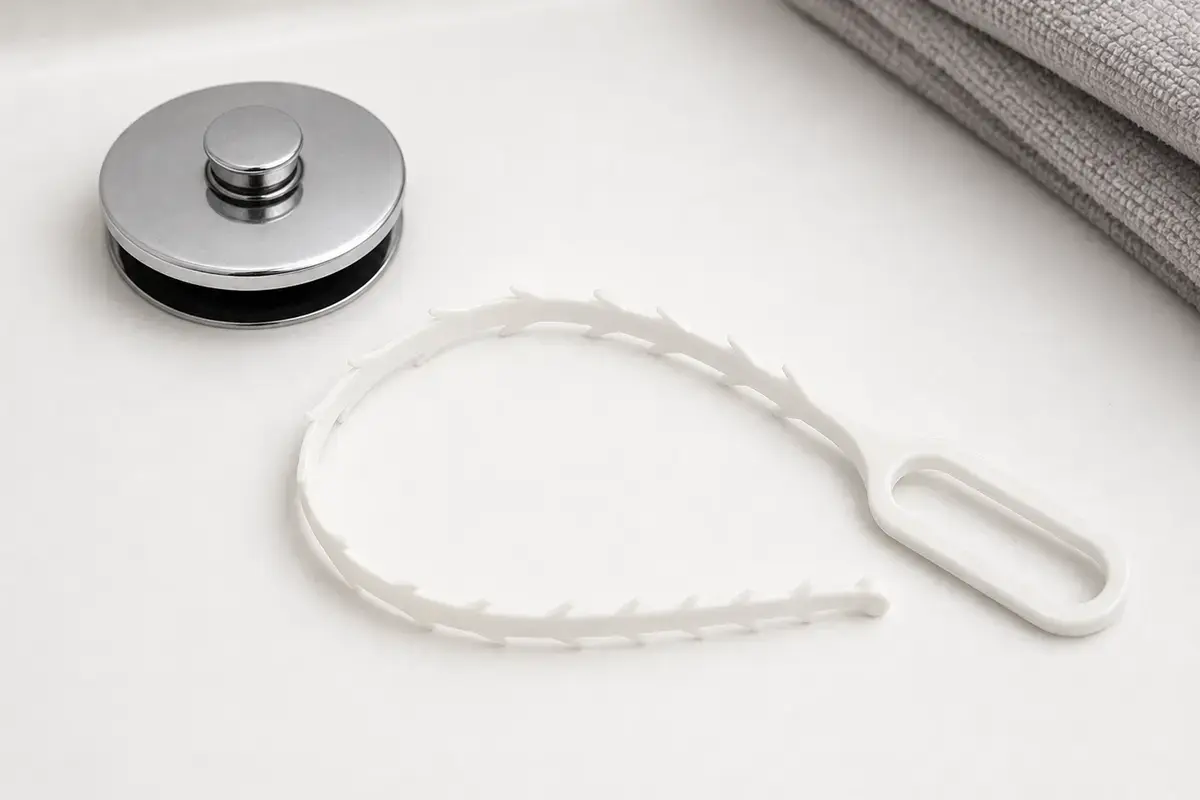
A slow tub rarely needs a drain flange first. Match the exact stopper style, overflow linkage, finish, and drain size only after the clue points there: the stopper will not open, the linkage binds, or the flange is damaged.
A bathtub that will not drain usually points to one of three places. Look at the stopper first, then check for hair and soap packed near the drain opening before you suspect a clog farther down the bathroom drain line.
The fastest wrong turns are harsh cleaner, force, and parts shopping. Keep the first pass mechanical and visible so the next clue is clean.
Remove enough standing water to see the drain, then work through these checks in order. Each result changes the next move.
| What you see | What it usually means | Next move |
|---|---|---|
| Stopper will not lift or drops closed | Water cannot enter the drain freely. | Inspect the stopper style or trip lever before clearing the pipe. |
| Hair and gray sludge at the opening | The clog is near the top of the tub drain. | Pull reachable debris gently, then rinse with hot tap water. |
| Drain opening is clear but tub is still slow | The clog may be past the visible drain or trap area. | Check the sink and toilet before using a hand snake. |
| Sink gurgles or toilet water rises | The issue likely involves the bathroom drain line. | Stop running water and call a plumber when the clue repeats. |
| Water leaks below the tub during testing | The repair has moved beyond a simple clog. | Stop testing and get the leak located before more water is added. |
Most homeowner-level tub clearing happens at the stopper and the first few inches of drain. That is enough to solve many slow drains without opening walls or buying parts.
Trip-lever tubs can act clogged even when the pipe is open. The linkage behind the overflow plate can bind, disconnect, corrode, or hold the stopper too low.
A hand snake is a later step, not the opener. Use it only after the stopper opens, the visible drain is clean, and nearby fixtures are not showing a shared backup.
These tools support the safe homeowner checks on this page. Skip the tool if chemical cleaner is in the drain, another fixture is backing up, or the next move requires force.
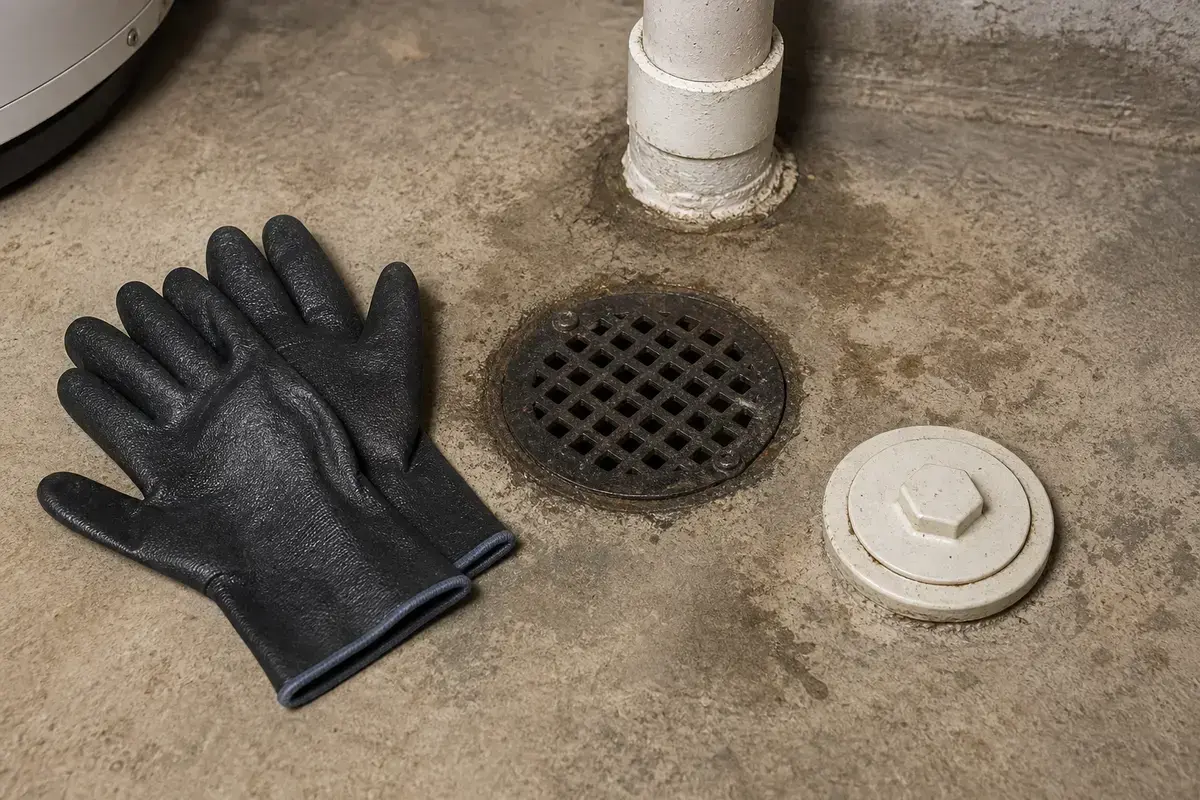
Helps when: Protects your hands while pulling hair, soap sludge, and hidden sharp debris from the drain opening.
Skip it when: You are dealing with sewage-like backup or chemical drain cleaner in the tub.
Compare waterproof gloves on AmazonHelps when: Pulls reachable hair and soap buildup from the first few inches of the bathtub drain without taking piping apart.
Skip it when: The tool snags hard, the drain has chemical cleaner in it, or the clog appears to involve other fixtures.
Compare plastic drain tools on Amazon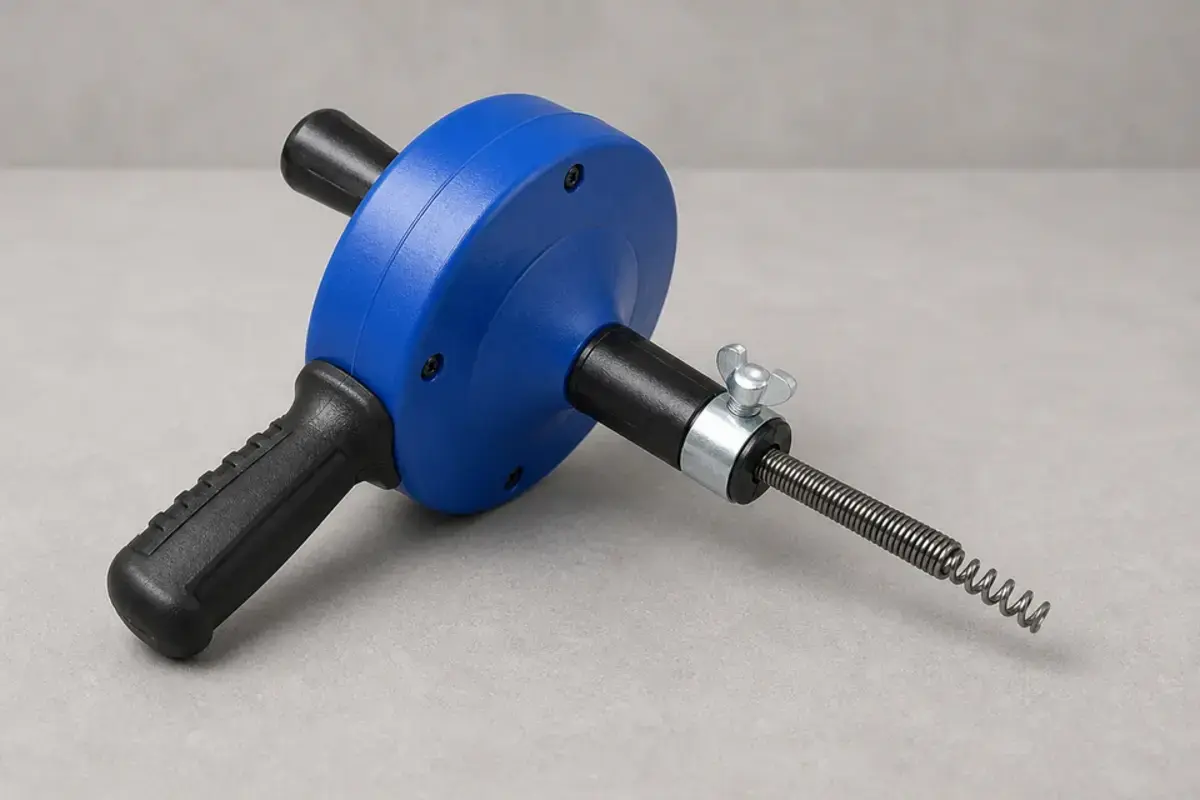
Helps when: Reaches farther into a bathtub drain after the stopper opens and the visible opening is already clean.
Skip it when: The sink or toilet also backs up, the cable binds, or you are unsure which opening is safe for your tub style.
Compare hand drain snakes on AmazonAs an Amazon Associate I earn from qualifying purchases. Repair Riot may earn a commission at no extra cost to you.
Parts belong in the cart only after the failure points to that part. Match the old style, finish, linkage, threads, and drain size; bathtub drain parts that look close can still fit wrong.
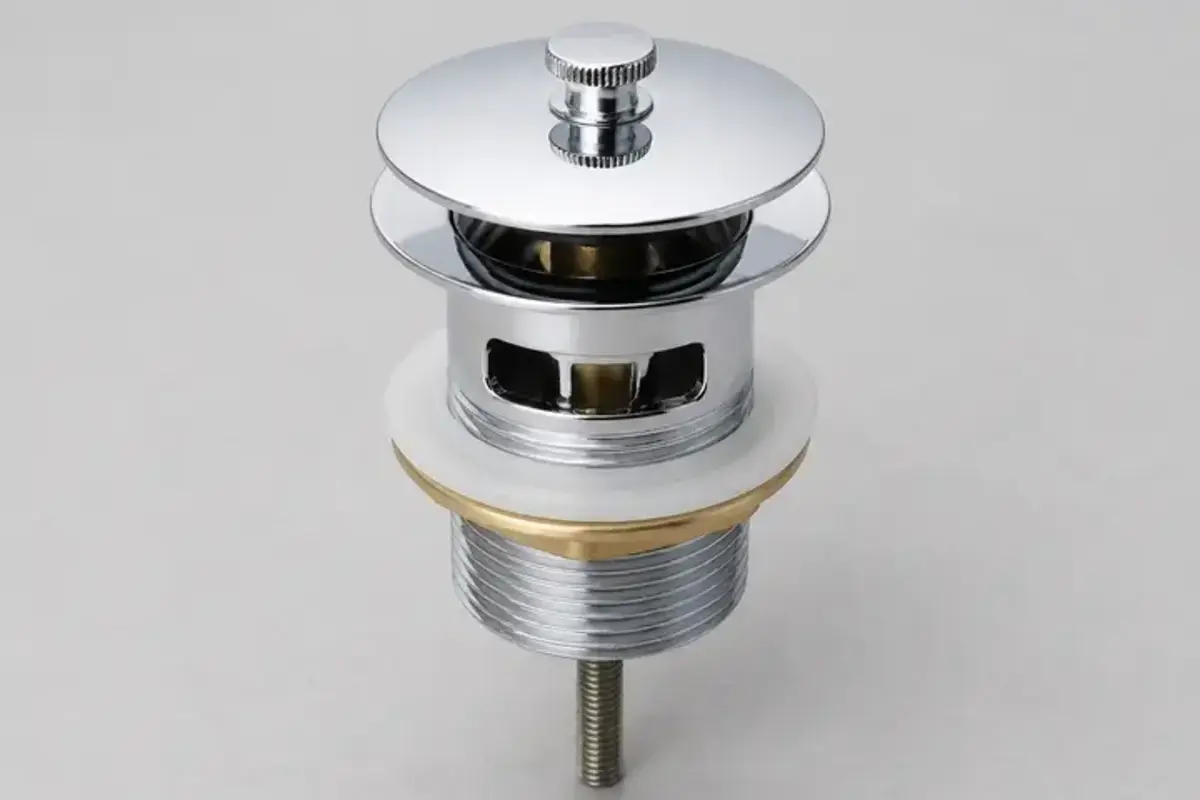
Helps when: The stopper is broken, missing pieces, jammed, or will not stay open after cleaning and adjustment.
Skip it when: The stopper opens fully and the tub is still slow, or nearby fixtures show the same drainage problem.
Compare bathtub stoppers on AmazonHelps when: A trip-lever tub has damaged visible control hardware or linkage that keeps the stopper from moving correctly.
Skip it when: Your tub does not use a trip lever, or the overflow control moves normally and the clog is farther down the drain.
Compare overflow plates on Amazon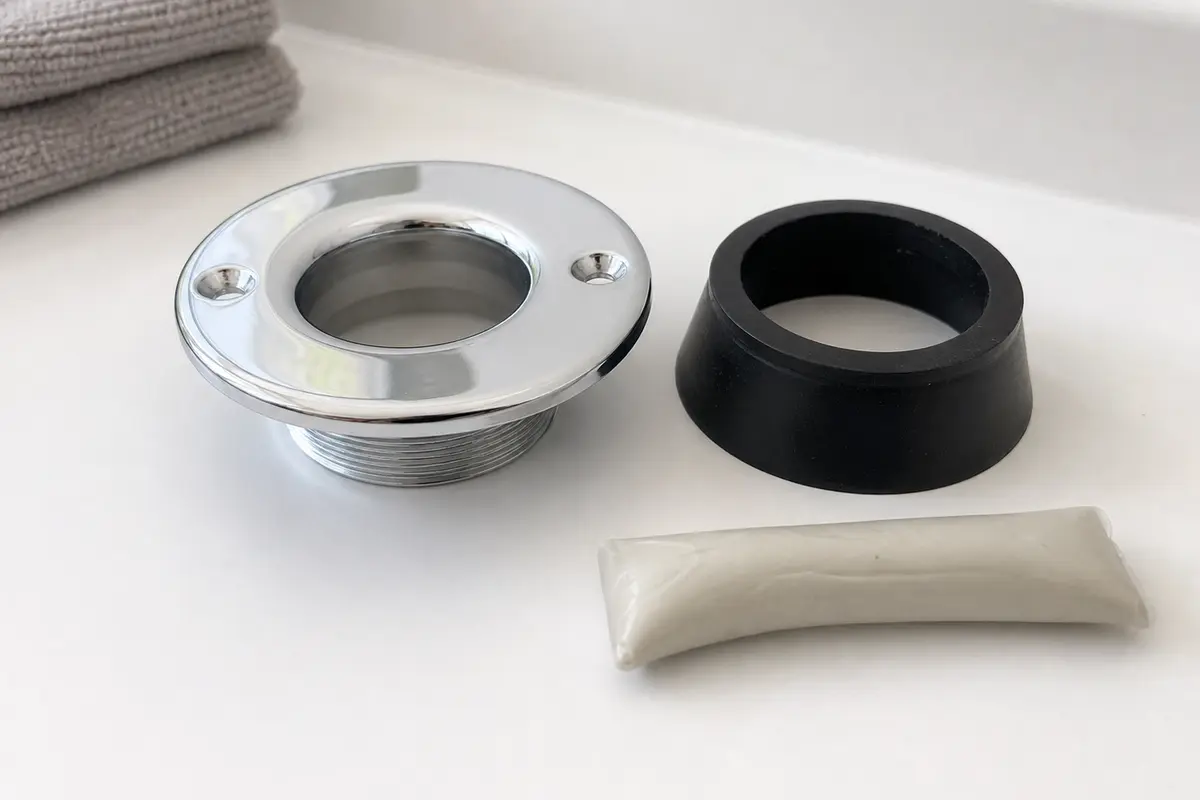
Helps when: The flange is cracked, badly corroded, leaking, or cannot be reused after a confirmed drain repair.
Skip it when: The only symptom is slow drainage. A flange does not clear hair, soap buildup, or a deeper clog.
Compare bathtub drain flanges on AmazonAs an Amazon Associate I earn from qualifying purchases. Repair Riot may earn a commission at no extra cost to you.
That usually points to a tub-only clog or a stopper problem. Look for hair, soap film, or a stopper that is not lifting clear before you chase a larger drain-line issue.
Yes. If the stopper does not lift high enough or drops closed, water cannot enter the drain normally even when the pipe is mostly clear.
Usually no. Look for standing water, then pull reachable hair and soap buildup from the top first. If chemical cleaner fails, it can leave harsh liquid in the tub or drain for the next repair step.
If the sink, toilet, or another nearby fixture also drains slowly, gurgles, bubbles, or backs up, stop treating it like a tub-part problem. The clue points farther down the bathroom drain line.
Not unless the flange is damaged, badly corroded, leaking, or removed during another repair. A new flange will not clear hair, soap buildup, or a deeper clog.
Remove enough water with a cup or small container to see the drain and stopper. Do not keep adding water if another fixture backs up or the toilet starts to rise.
A small hand snake can make sense after the stopper opens, the visible drain is clean, and nearby fixtures are normal. Stop if the cable binds hard or dirty water backs up elsewhere.
That clue points away from a simple stopper issue. The bathroom drain line may be restricted or venting poorly, so stop replacing tub parts and consider professional drain diagnosis.
Repair Riot reviewed this page around visible bathtub drain clues: stopper movement, reachable hair and soap buildup, overflow-linkage behavior, nearby fixture reaction, backup, and leakage. The source links support drain-system and leak-safety boundaries; the repair sequence is original guidance.