Do you hear indoor airflow but the outdoor unit is off?
Set the thermostat fan from On to Auto. If only the blower was running, troubleshoot fan settings before treating this as a cooling failure.
Start with the split that changes the repair path: is only the indoor blower running, or is the outdoor condenser running while the house stays warm? Check fan mode, the filter, return airflow, condenser debris, and ice before buying parts.
A fan set to On, a clogged filter, blocked return air, or a dirty condenser explains many long-run complaints. Weak cooling after those checks points toward service.
Use one simple cooling call to sort fan settings, airflow, heat load, and pro-only cooling faults.
Don’t start with: Do not open electrical compartments, troubleshoot high-voltage wiring, replace capacitors or contactors, or add refrigerant. Those are licensed-pro diagnostics, not first homeowner checks.
Set the thermostat fan from On to Auto. If only the blower was running, troubleshoot fan settings before treating this as a cooling failure.
Use Cool mode, Fan Auto, and a reasonable set temperature. Temporary holds, schedules, and smart recovery can keep a system running longer than expected.
Turn cooling off at the thermostat, inspect the filter, open main supply registers, and clear furniture or rugs from return grilles.
Shut power off, remove loose debris, keep the cabinet clear, and rinse gently from a safe angle without opening electrical covers.
Long afternoon run time can be normal if supply air is cool, humidity drops, and the thermostat is eventually satisfied.
Stop the AC and schedule service. Those signs point beyond safe homeowner filter, vent, and condenser cleaning.
The useful clues are visible without opening electrical panels: return filter, condenser fins, and supply vent temperature.
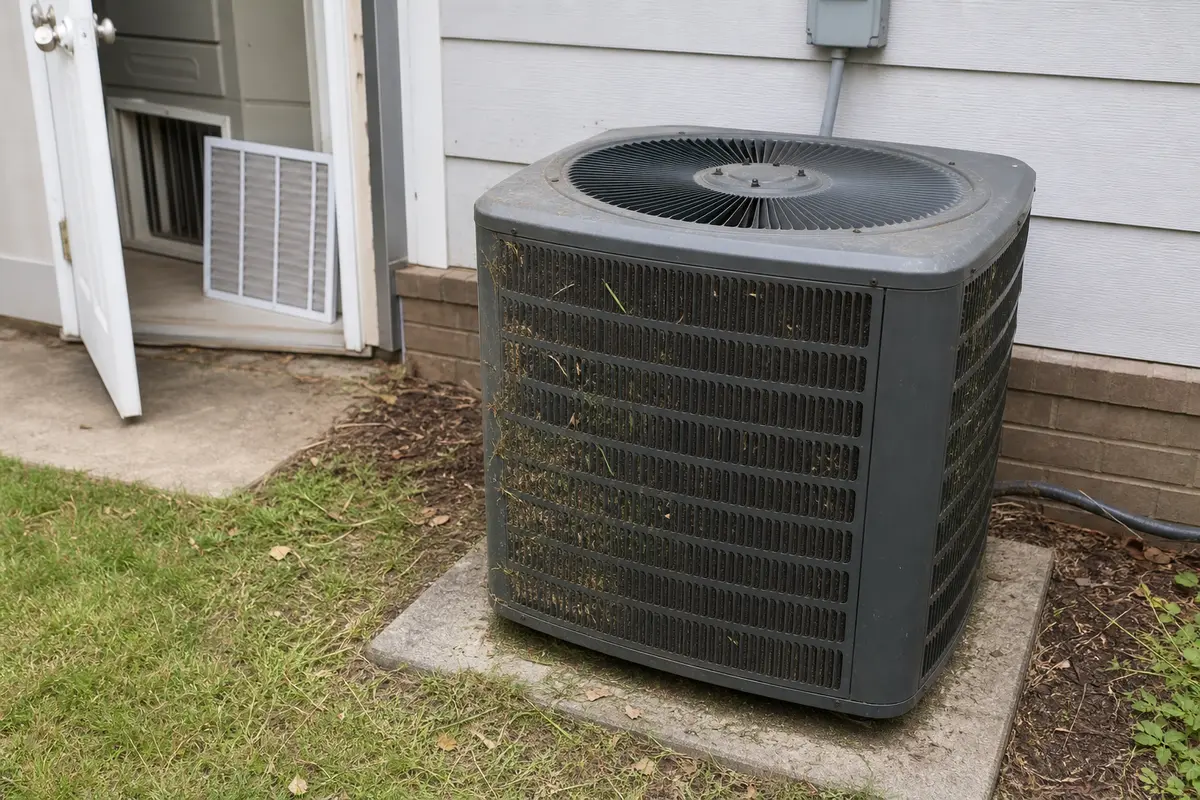
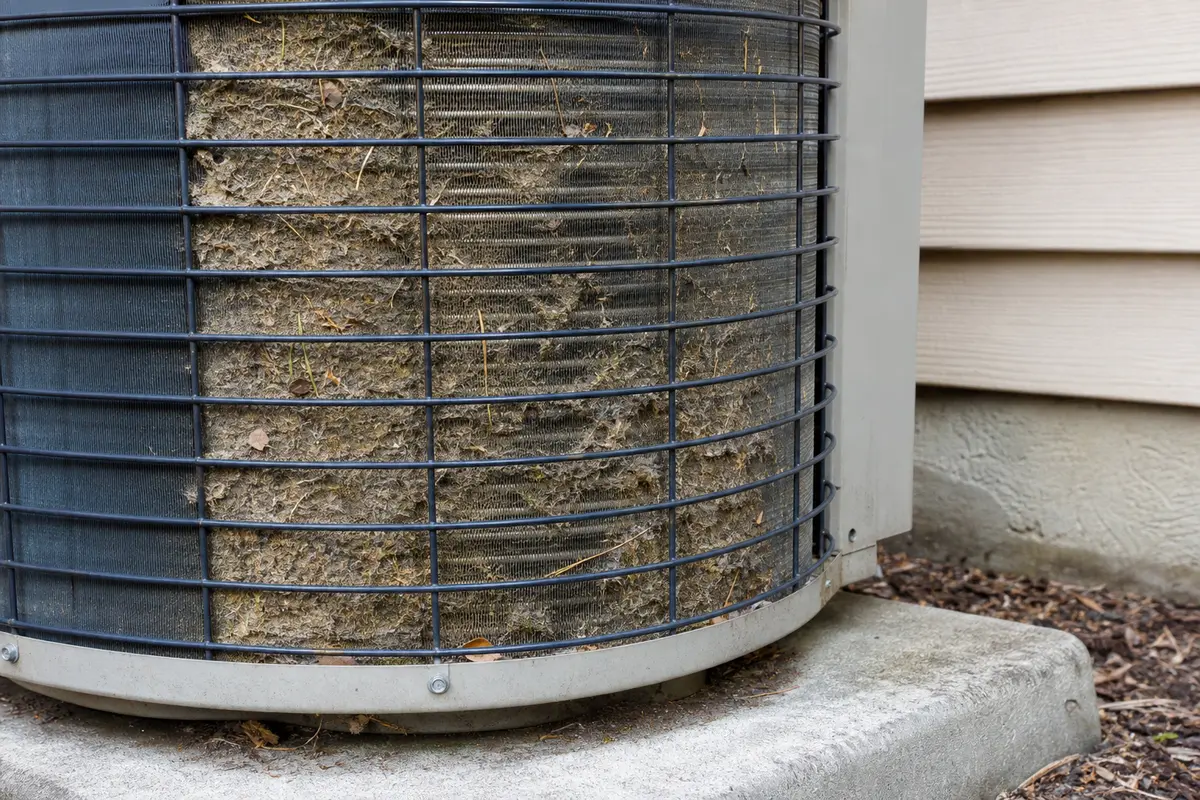
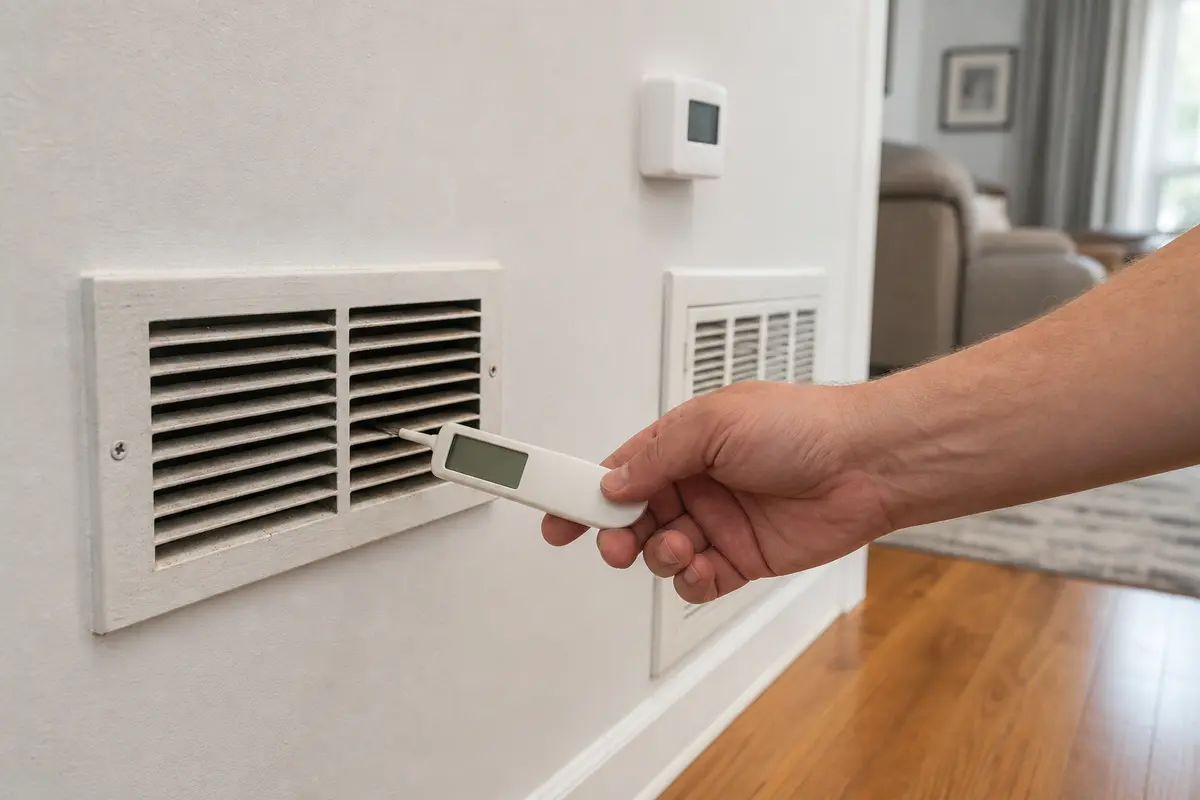
The filter is the only sensible first purchase, and only when the old one is dirty, wet, collapsed, or overdue. Match the exact printed size, depth, and airflow arrow. Skip capacitors, contactors, fan motors, refrigerant kits, and compressors until a licensed diagnosis points there.
Watch one normal cooling call before naming a part. The usual splits are fan setting, restricted airflow, dirty outdoor coil, or weak cooling after those checks.
Long run time is not proof of a bad compressor, thermostat, capacitor, or low refrigerant. The wrong first move can add risk and still miss the real clue.
Set Cool with Fan Auto, then watch the outdoor unit, supply vent, filter, and condenser. Those clues decide whether the safe checks solved it or service should take over.
| What you find | What it usually means | Next move |
|---|---|---|
| Indoor blower runs but outdoor unit is off | Fan mode, circulate mode, or blower control may be making the AC sound nonstop. | Use Fan Auto and sort thermostat settings before buying parts. |
| Filter is dirty, wet, collapsed, or overdue | The indoor side may not be moving enough air through the system. | Replace the exact-size filter and retest cooling before looking deeper. |
| Return grille is blocked or supply registers are closed | The AC cannot move enough house air to satisfy the thermostat. | Open registers and clear returns, then judge airflow again. |
| Condenser fins are packed with lint, grass, or cottonwood | The outdoor unit is struggling to reject heat. | Shut power off, clear debris, rinse gently, and keep the cabinet open to airflow. |
| Supply air feels cool and the house catches up later | The system may be running long because the heat load is high. | Reduce heat gain and watch the next hot afternoon. |
| Supply air is barely cooler, ice appears, or humidity stays high | Cooling output is weak after the easy restrictions are ruled out. | Stop at homeowner checks and schedule HVAC service. |
Start inside: set Fan Auto, listen for the outdoor condenser, and pull the filter. Those checks tell you whether the nonstop sound is fan mode or weak cooling.
The condenser can only cool the house if it can throw heat outdoors. Dirt on the coil is one of the few outdoor problems a homeowner can address without opening the unit.
A properly working AC can run for long stretches in hot weather. Watch the next cooling call for progress: cooler supply air, falling humidity, and the thermostat moving toward the set temperature.
These tools support safe observation, filter work, and exterior cleaning. Skip any tool that would require removing electrical covers or reaching into moving equipment.
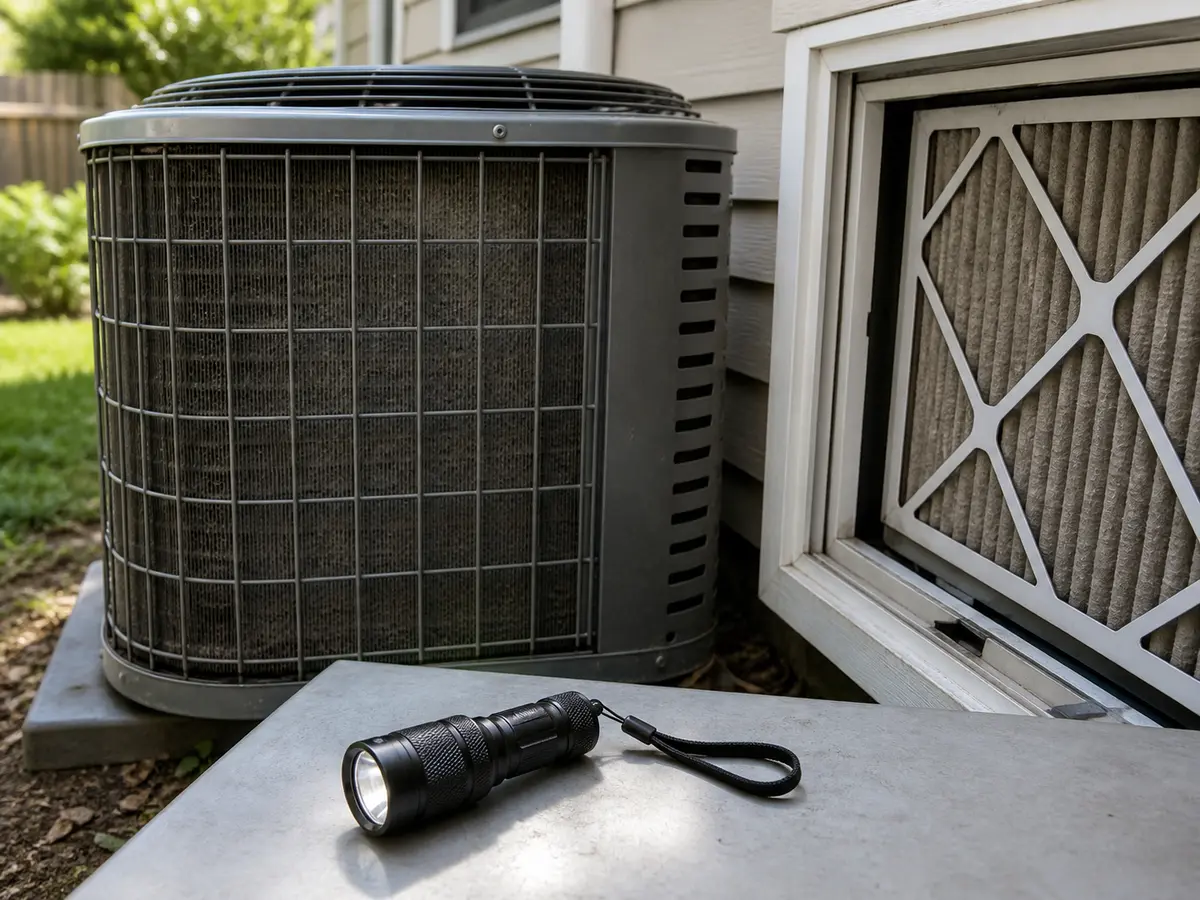
Helps when: Use it to spot dust in the filter slot, return grille blockage, condenser debris, and visible ice on refrigerant tubing.
Skip it when: Skip it when the next step would require opening an electrical compartment or reaching past the fan guard.
Compare inspection flashlights on Amazon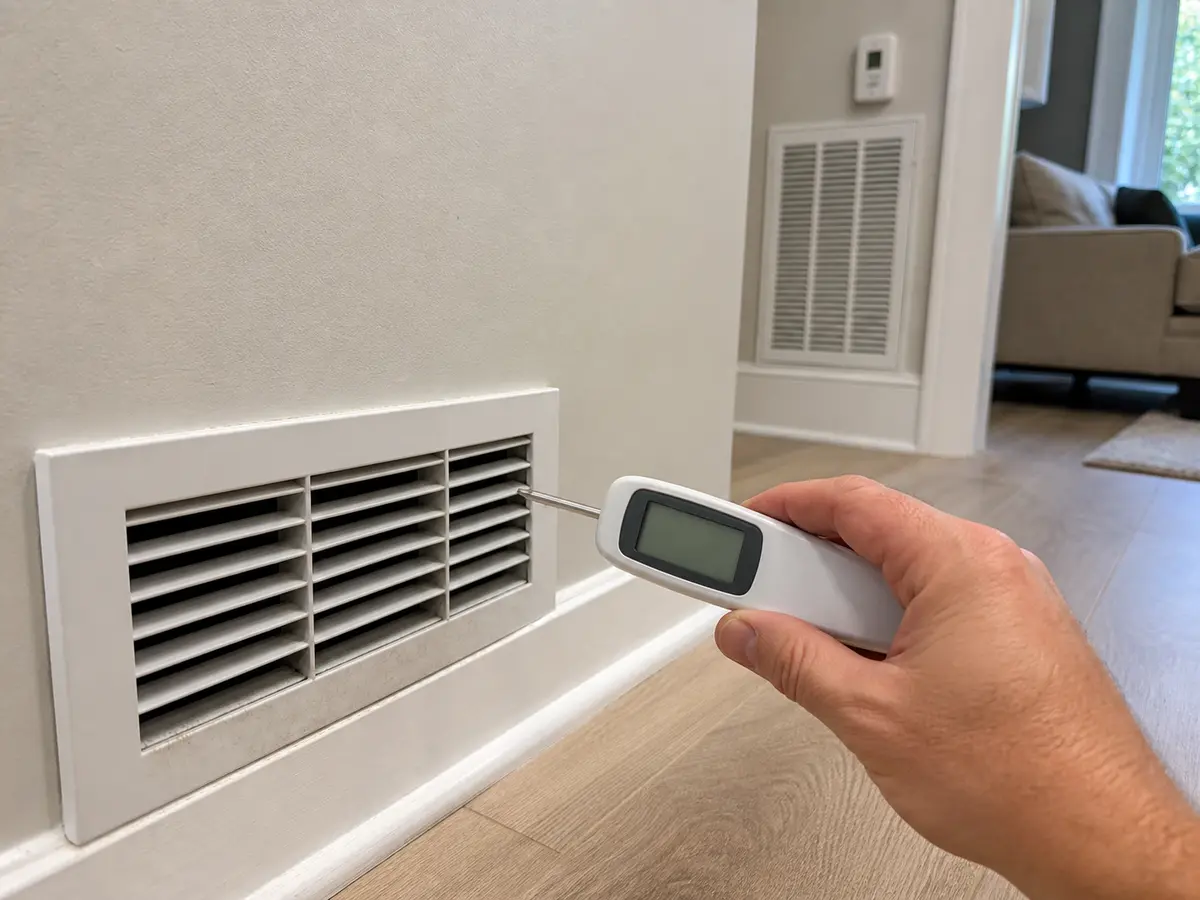
Helps when: Use it to compare room air with nearby supply air after the system has run long enough to stabilize.
Skip it when: Skip temperature testing when the AC is buzzing, icing, tripping a breaker, or blowing warm air after airflow checks.
Compare digital thermometers on Amazon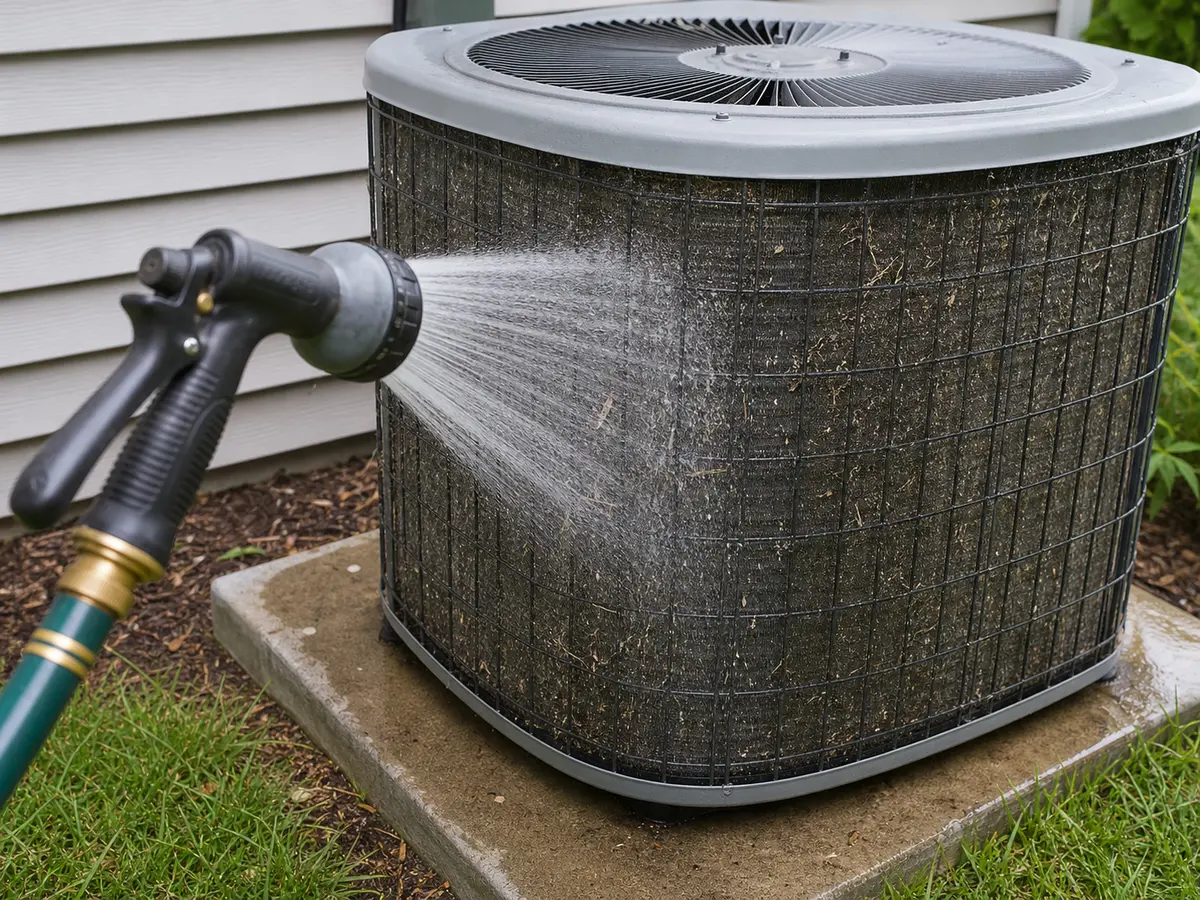
Helps when: Use it to rinse loose dirt from condenser fins after outdoor power is shut off.
Skip it when: Skip it when fins are crushed, wiring looks damaged, the ground is unsafe, or outdoor power cannot be shut off confidently.
Compare hose spray nozzles on AmazonAs an Amazon Associate I earn from qualifying purchases. Repair Riot may earn a commission at no extra cost to you.
Parts come after the clue. Look at the old filter and the thermostat behavior before shopping. A good parts decision has a visible symptom, a check that points there, and an exact fit condition.

Helps when: Use one when the existing filter is dirty, wet, collapsed, overdue, or pulled out of shape and the replacement matches the printed size.
Skip it when: Skip it when the filter is clean and seated flat, or the real clue is ice, warm air, breaker trips, or a stalled outdoor fan.
Compare AC filters on Amazon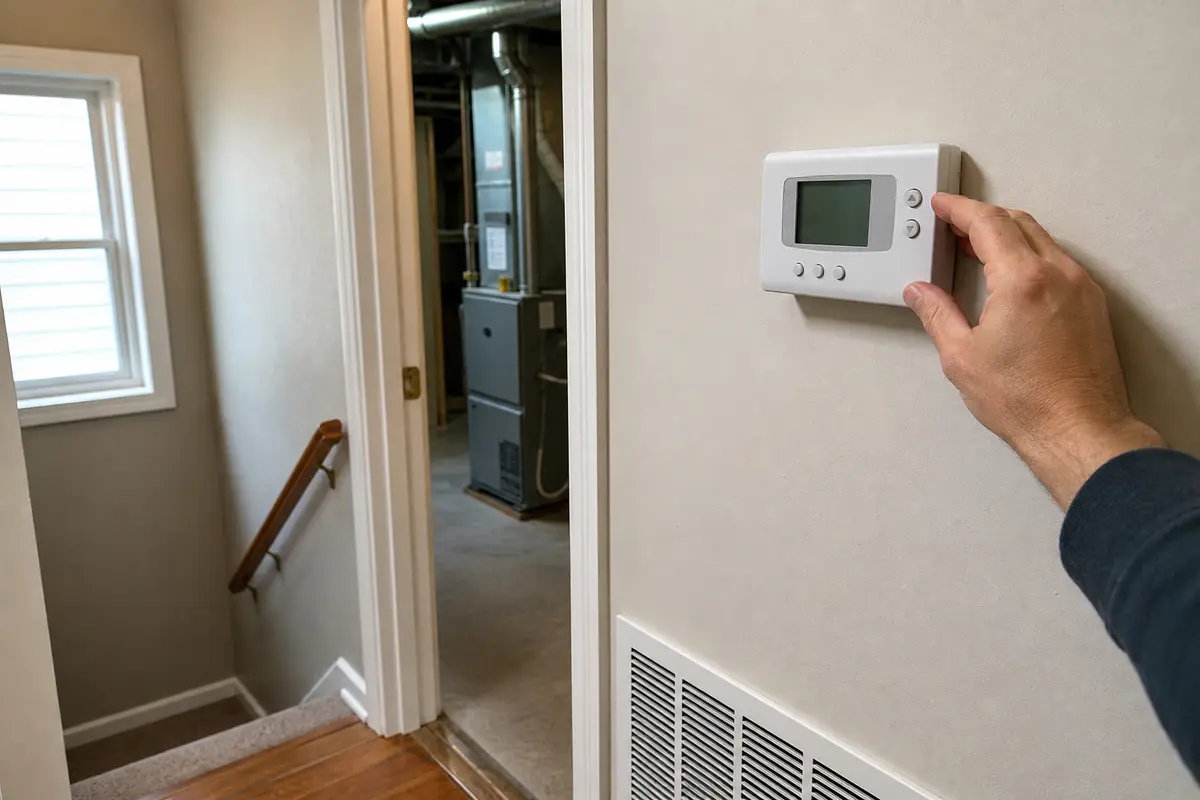
Helps when: Consider one when settings and power are correct, but the thermostat misreads room temperature or keeps commanding fan or cooling incorrectly.
Skip it when: Skip it when cooling is weak, airflow is restricted, the outdoor unit has a fault sign, or the wiring type is uncertain.
Compare compatible thermostats on AmazonAs an Amazon Associate I earn from qualifying purchases. Repair Riot may earn a commission at no extra cost to you.
Sometimes. During very hot weather, an AC may run for long stretches. It should still make cool supply air, reduce humidity, and eventually satisfy the thermostat when the heat load eases. If it never catches up after the filter, return, and condenser checks, schedule service.
Pull the filter, open main registers, clear return grilles, and look at the outdoor condenser. A clogged filter, blocked return, closed register, or dirty condenser can stretch run time. Ice, warm supply air, water near indoor equipment, or repeated breaker trips point to service.
Yes. Pull the filter and hold it to light. If it is dirty, wet, collapsed, or overdue, replace it with the exact printed size and airflow direction. Then judge whether airflow and cooling improve.
The thermostat fan setting may be On instead of Auto. Fan On runs the indoor blower for circulation even when the outdoor condenser is not cooling. Set it to Auto before assuming the whole AC is stuck on.
No. Compare the room temperature with the setpoint first. If the AC is already calling for cooling, a much lower setting does not make the supply air colder. Use a normal setpoint, then check the filter, returns, condenser, and supply-air feel.
Only when the evidence points there. Check Fan Auto, schedules, batteries, setpoint, and whether cooling itself is strong. If the thermostat is misreading room temperature or still commanding fan or cooling incorrectly, then replacement becomes more reasonable.
You can clear loose debris and gently rinse dirty fins after power to the outdoor unit is shut off. Do not remove service covers, straighten badly crushed fins, use a pressure washer, or work around wiring.
Call a licensed HVAC technician if the filter, return, supply registers, and condenser are clear but cooling is still weak. Also call right away for ice, water leaks near HVAC equipment, repeated breaker trips, hot electrical odor, harsh buzzing, or an outdoor fan that will not run normally.
Repair Riot built this page around homeowner-safe observations: fan mode, filter condition, return airflow, condenser debris, supply-air cooling, and stop points for electrical or refrigerant work. The links below support the maintenance and certification boundaries; the troubleshooting sequence is original.