Filter packed, wet, or wrong size?
Replace the exact filter and retest only after the coil thaws.
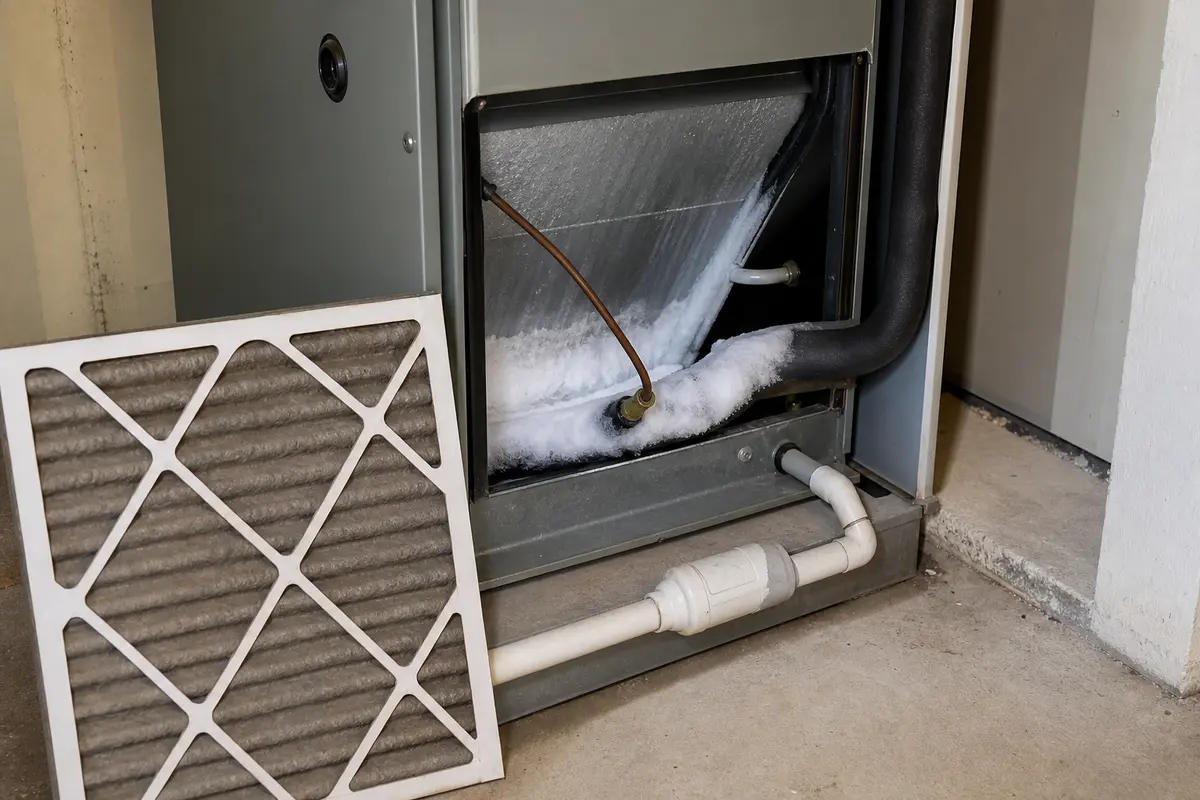
If the evaporator coil is freezing up, turn cooling off and let the coil thaw before judging parts. Most homeowner-fixable causes start with low airflow: dirty filter, blocked returns, closed vents, weak blower airflow, or a dirty coil face.
Good clue: a dirty filter, weak supply airflow, or blocked return points to airflow; repeat ice with strong airflow points toward service-only refrigerant or metering diagnosis.
A frozen coil is a symptom. The goal is to restore airflow, manage meltwater, and stop before sealed refrigerant work.
Don’t start with: Do not chip ice off the coil, add refrigerant, or keep running cooling while the coil is frozen.
Replace the exact filter and retest only after the coil thaws.
Restore airflow before restarting cooling.
Stop and schedule blower-side diagnosis.
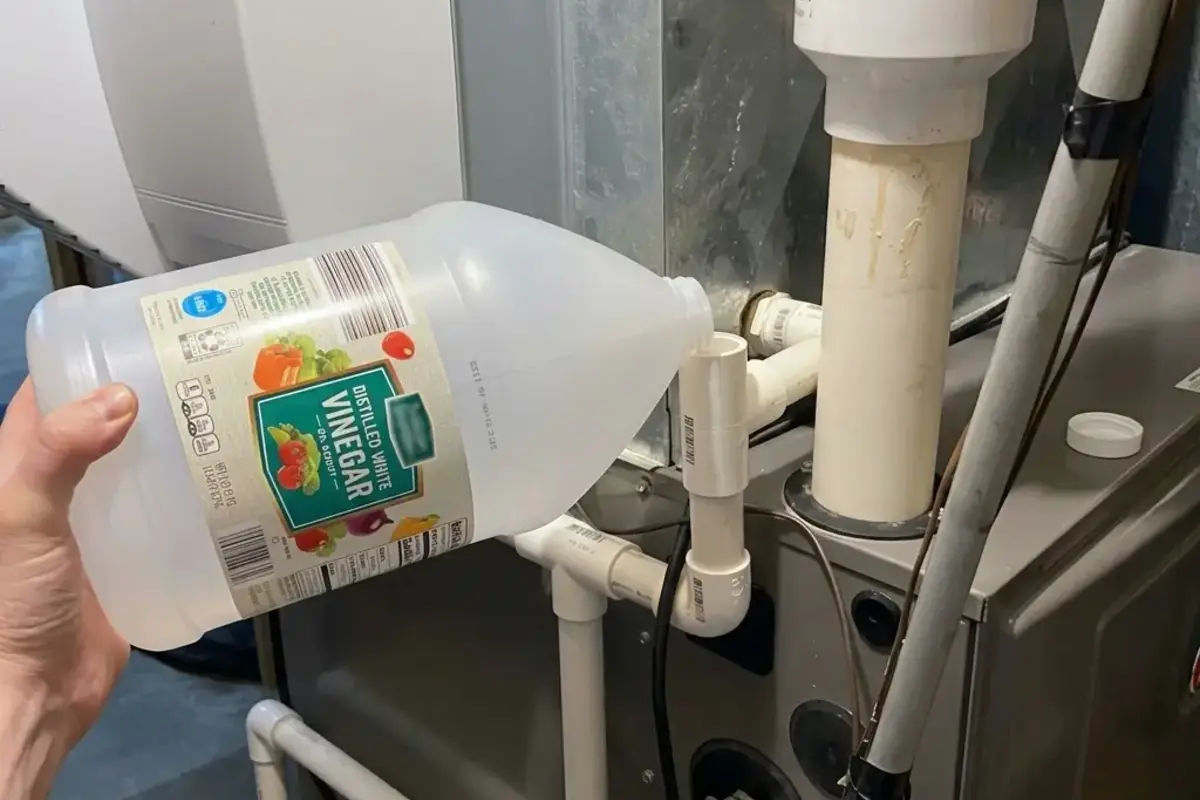
Manage the condensate path and call if overflow continues.
Stop cooling and schedule refrigerant or coil diagnosis.
The right first move is thawing and airflow, not refrigerant guesses.
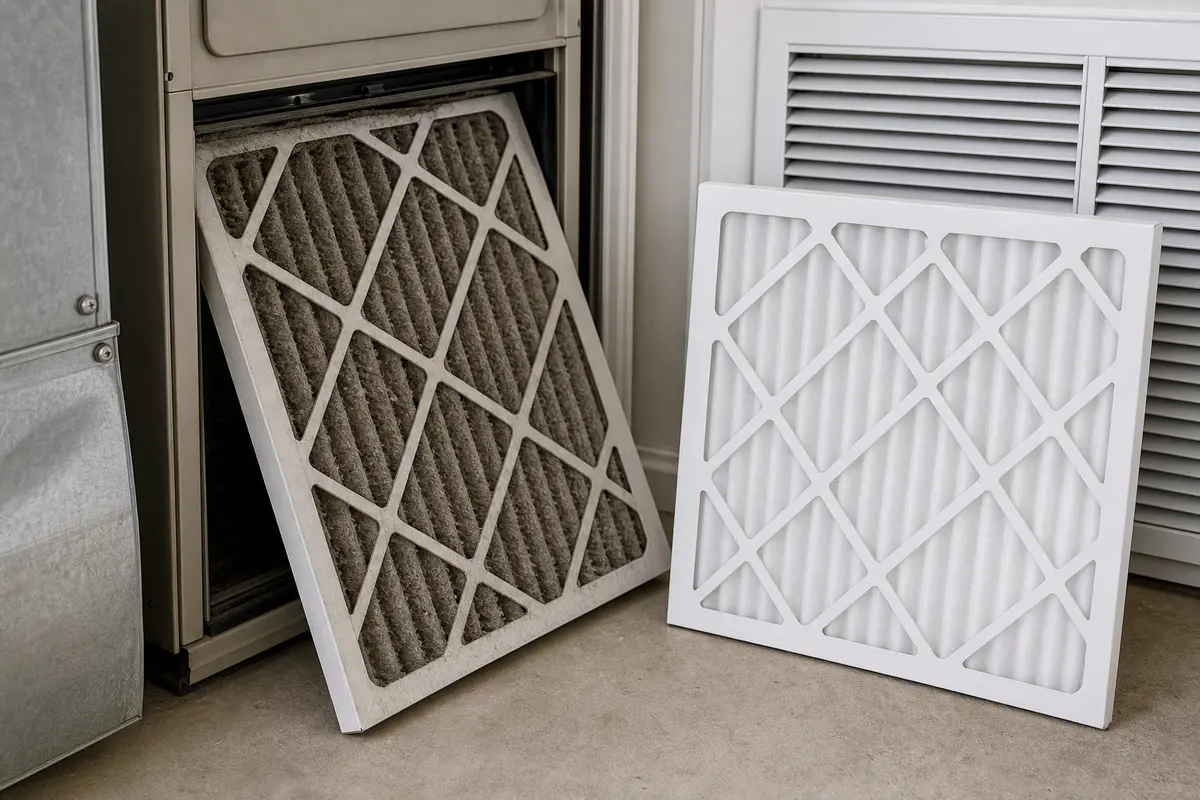
Buy only when the airflow clue is clear: the filter is dirty, wet, collapsed, missing, wrong size, backward, or too restrictive for the system. Refrigerant, metering, coil, blower motor, and control parts need tested service diagnosis. Match the exact model, filter size, airflow rating, and confirmed diagnosis before ordering anything.
The coil freezes when it gets too cold for the airflow and refrigerant conditions around it.
Avoid the expensive shortcut until the visible clues support it.
Use this table after one controlled check and any normal startup delay.
| Clue | Most likely cause | Next move |
|---|---|---|
| Dirty or wrong-size filter | Low airflow across the coil | Replace with the exact supported filter after thawing. |
| Blocked returns or closed vents | Reduced house airflow | Open the air path and retest once. |
| Blower weak or silent | Indoor fan or control issue | Stop and call service before restarting cooling. |
| Water fills pan during thaw | Drain path cannot handle meltwater | Clear accessible drain outlet or call service. |
| Ice returns with strong airflow | Refrigerant, metering, or deep coil issue | Keep cooling off and schedule HVAC diagnosis. |
These checks keep the diagnosis tied to what you can see or safely test.
Keep the cart narrow and buy only when the evidence points to that exact item.
These support safe visible checks, cleanup, and documentation.
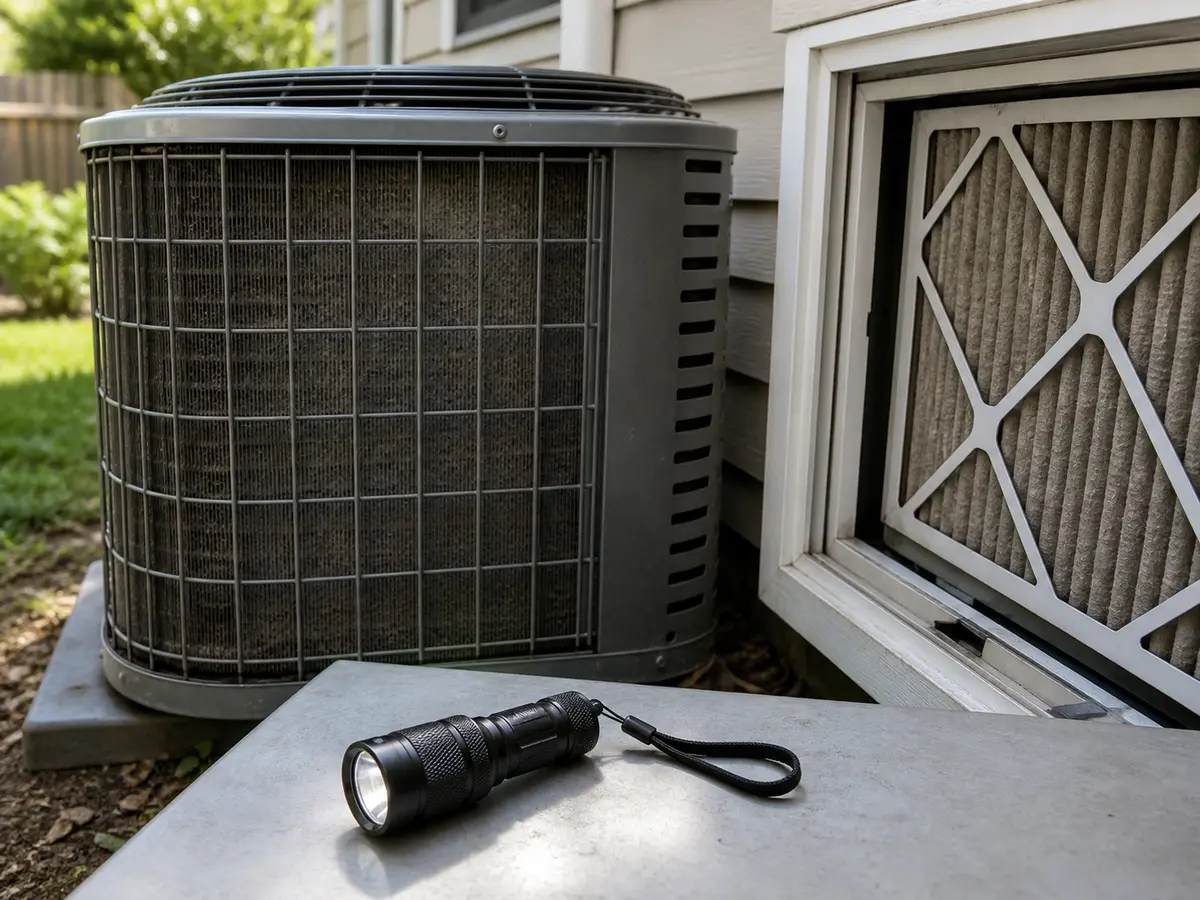
Helps when: Use it to inspect filter fit, return grilles, visible ice, meltwater, and the drain area without opening sealed panels.
Skip it when: Skip checks that require sealed coil-panel removal, reaching into the blower cabinet, or touching wiring.
Compare inspection flashlights on Amazon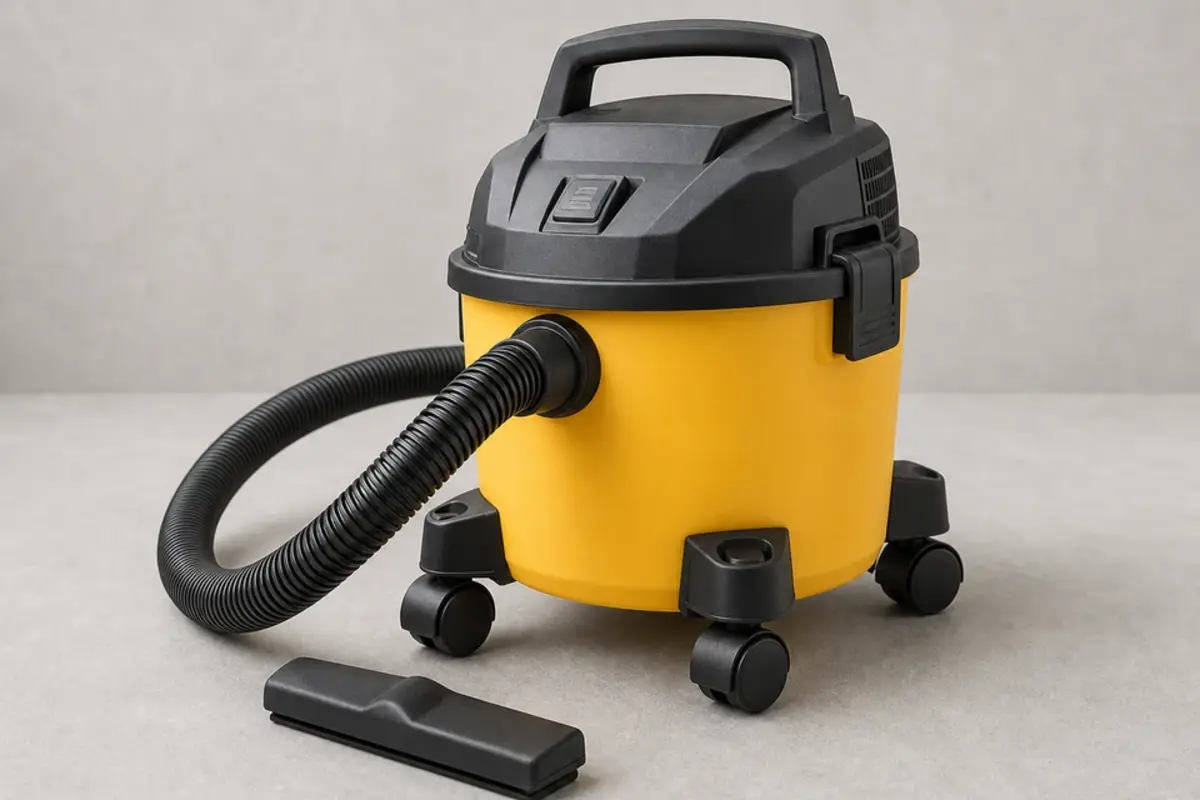
Helps when: Use it at an accessible condensate outlet only when thaw water backs up and the drain path is identifiable.
Skip it when: Skip it when water is near electrical controls, the drain is hidden, or overflow is entering a finished ceiling.
Compare wet-dry vacuums on AmazonAs an Amazon Associate I earn from qualifying purchases. Repair Riot may earn a commission at no extra cost to you.
These are the only buy-first parts that fit the visible homeowner clues.
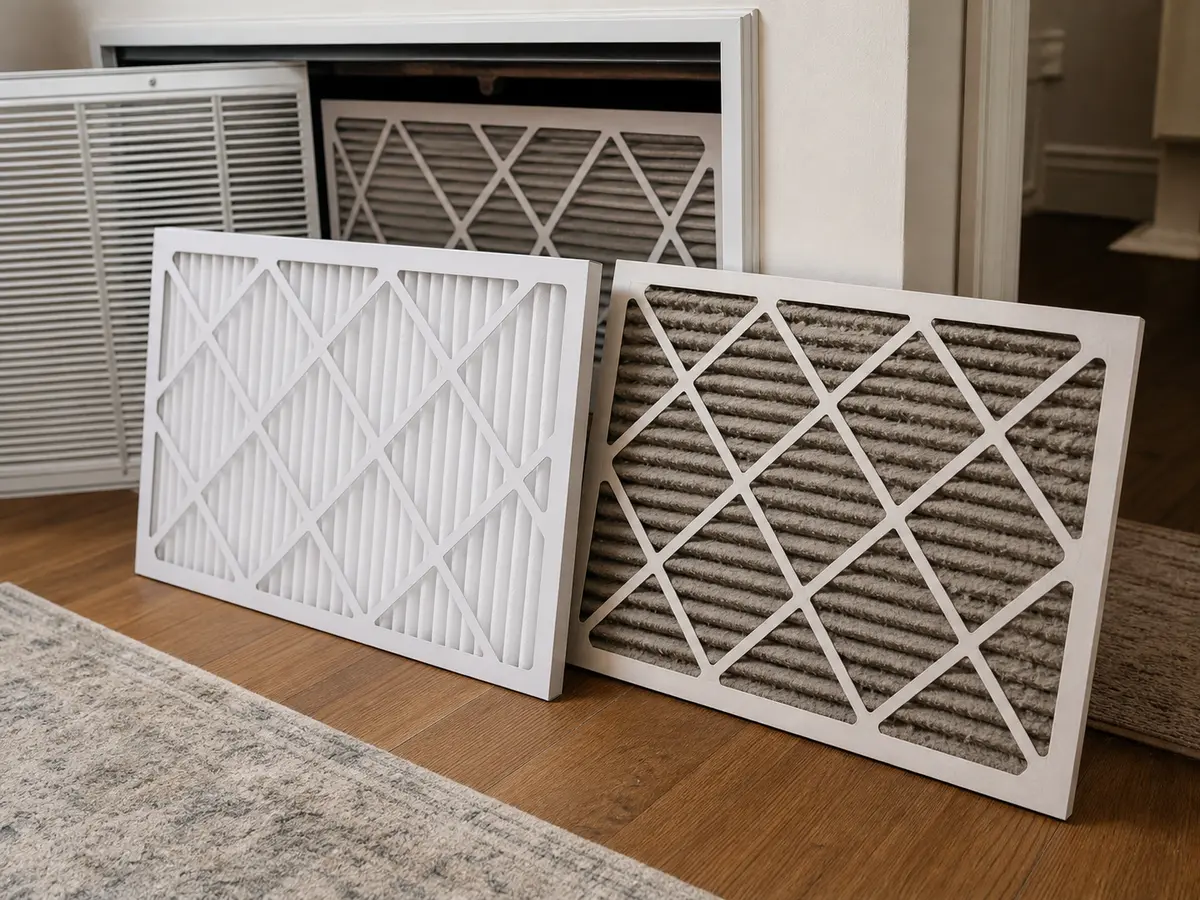
Helps when: Replace the filter when it is dirty, wet, collapsed, missing, backward, too restrictive, or the wrong size.
Skip it when: Skip filters that do not match the printed length, width, thickness, airflow arrow, and supported MERV range.
Compare AC filters on AmazonAs an Amazon Associate I earn from qualifying purchases. Repair Riot may earn a commission at no extra cost to you.
Turn cooling off, use fan-only mode if the blower runs, protect against meltwater, and wait for the coil to thaw.
Yes. Restricted airflow is one of the most common homeowner-checkable causes of coil icing.
It can take several hours depending on the amount of ice, airflow, and room conditions.
No. Chipping can damage coil fins and tubing. Let the ice melt.
Yes, but refrigerant diagnosis and charging require certified service after airflow checks are clear.
Protect the area and check the condensate drain. Call service if the pan overflows or water reaches finished spaces.
Only after the coil is fully thawed and airflow is restored. Stop if ice returns.
Call if the blower will not run, ice returns with a clean filter and open returns, or the drain cannot handle thaw water.
Repair Riot built this page around safe homeowner checks: thermostat demand, airflow, filter condition, visible water, condenser behavior, condensate safety, and clear stop points before internal electrical or refrigerant work.