Thermostat recently changed?
Wait through the delay and confirm Cool mode, Fan Auto, and setpoint.
If the AC compressor is not turning on, start by checking the thermostat delay, indoor power, breaker, outdoor disconnect, filter airflow, and condensate float switch. Stop when the condenser clicks, hums, trips, or stays silent after those checks.
Good clue: indoor blower running with a silent outdoor unit points to outdoor power, drain safety, or condenser no-start; nothing running points upstream to thermostat or indoor power.
Compressor no-start is a symptom with several safe checks and several hard stop points. Use the power and safety split first.
Don’t start with: Do not buy a capacitor, contactor, compressor, or refrigerant kit before the accessible power and safety checks are clear.
Wait through the delay and confirm Cool mode, Fan Auto, and setpoint.
Check thermostat batteries, indoor service switch, blower door, and HVAC breaker.
Check outdoor disconnect, condenser breaker, condensate safety, and no-start clues.
Stop after safe checks; internal diagnosis belongs to service.
Clear the condensate problem before replacing the switch.
The compressor can stay off because of delay, power, thermostat call, airflow, drain safety, or condenser no-start failure.
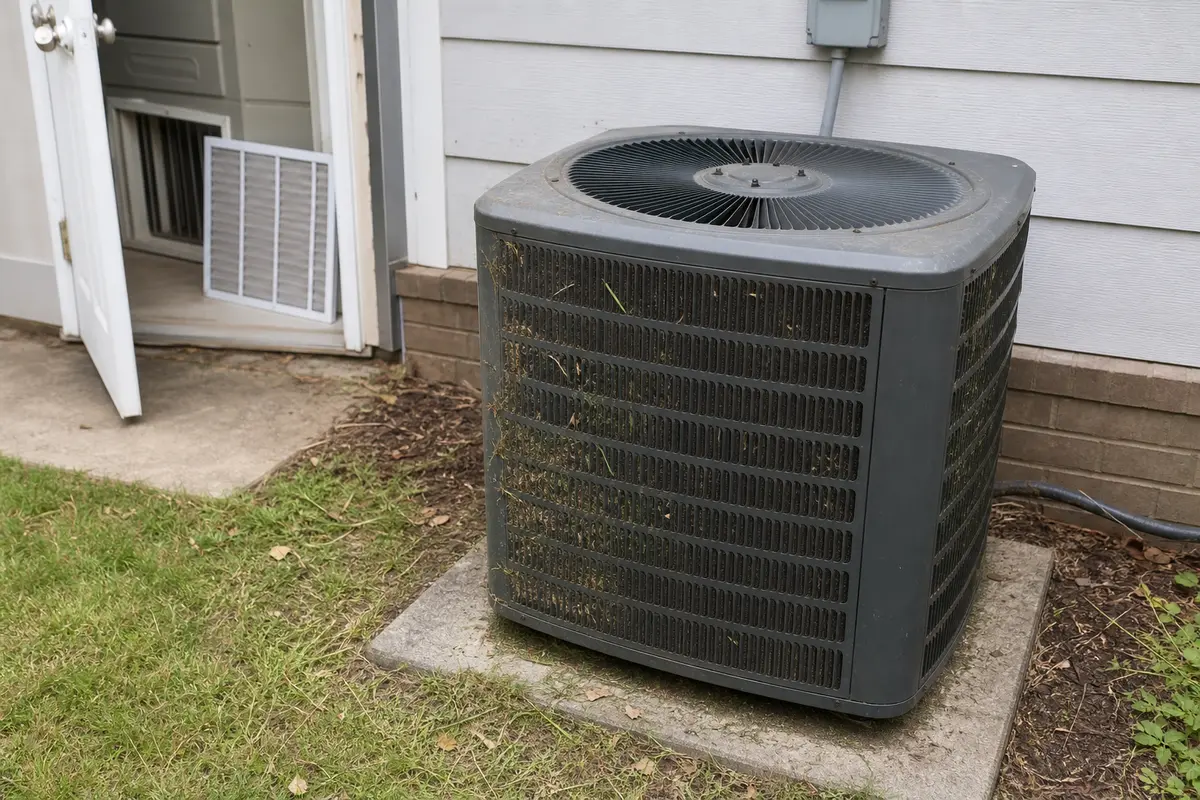
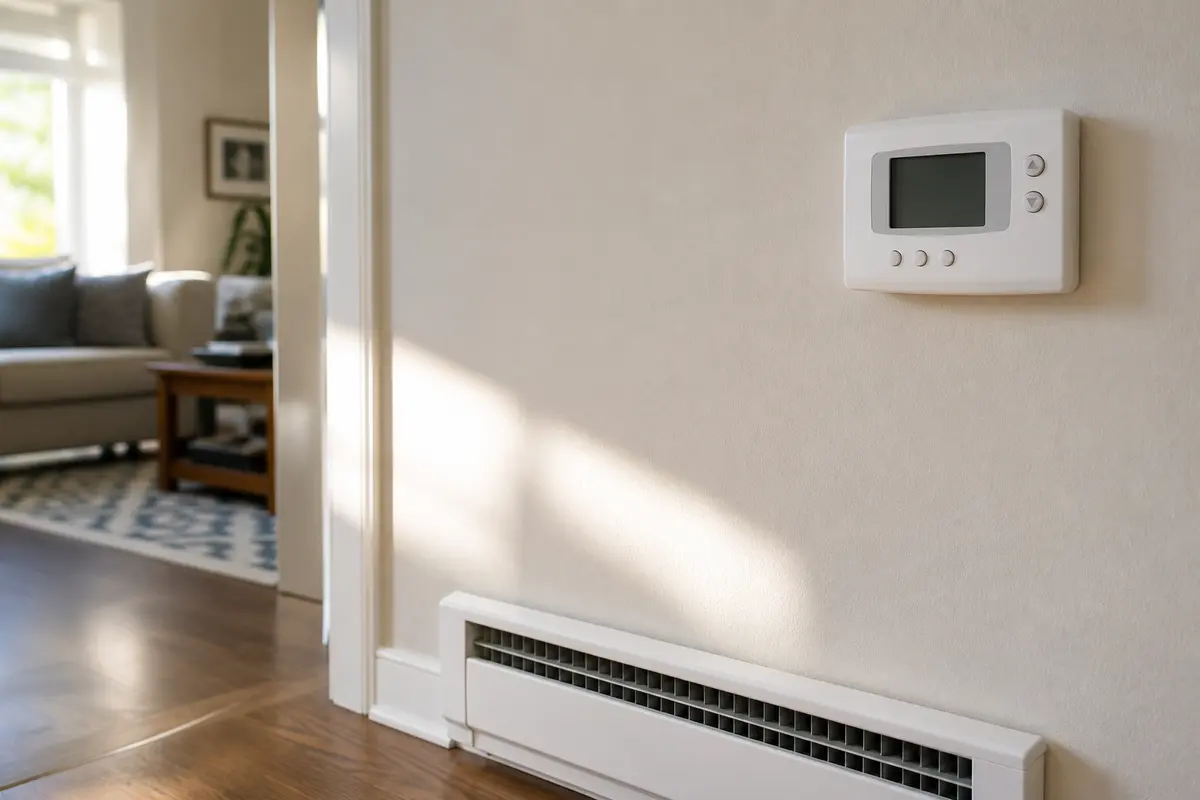
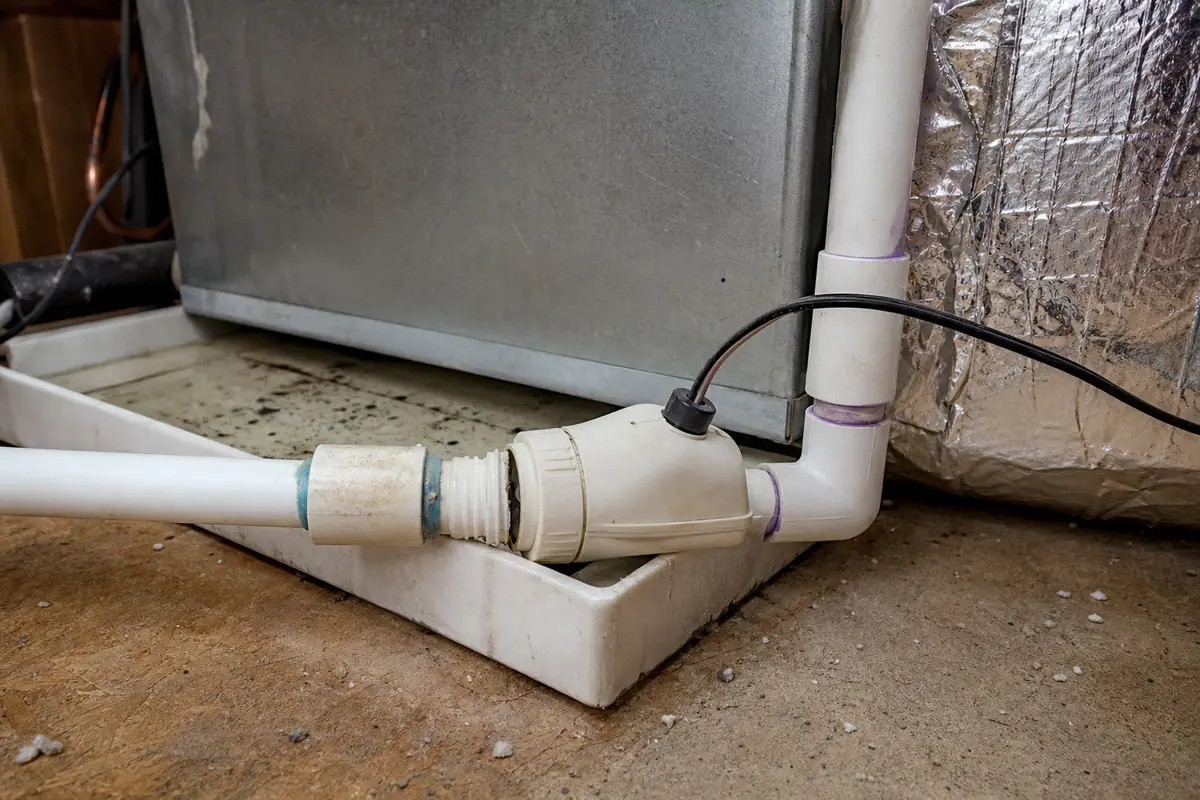
A filter buy fits when the existing filter is dirty, collapsed, wet, missing, or wrong-size. A float switch buy fits only after the drain is clear and the visible switch will not reset. Match the exact model, filter size, switch style, and diagnosis before ordering anything. Capacitor, contactor, compressor, board, and refrigerant purchases need measured service diagnosis.
The compressor may be the part that is not running, but the cause can be upstream.
Compressor symptoms make expensive parts tempting. Avoid that shortcut.
Use this after a clean cooling call and the normal compressor delay.
| Clue | Most likely branch | Next move |
|---|---|---|
| Nothing runs | Thermostat, indoor power, blower door, or breaker | Check thermostat basics and indoor power path. |
| Indoor blower runs, outdoor unit silent | Outdoor disconnect, breaker, float switch, or condenser control issue | Check accessible power and drain safety. |
| Outdoor fan runs, compressor silent | Compressor circuit or internal condenser issue | Stop before internal testing. |
| Condenser clicks or hums | No-start component or compressor-load issue | Schedule service. |
| Water in pan | Condensate safety interruption | Clear drain and pan issue first. |
These explain many compressor no-start calls without touching condenser internals.
A system may keep the compressor off to protect equipment or the house.
Keep the buy list tied to visible evidence.
These help with visible checks and labeling, not internal condenser repair.
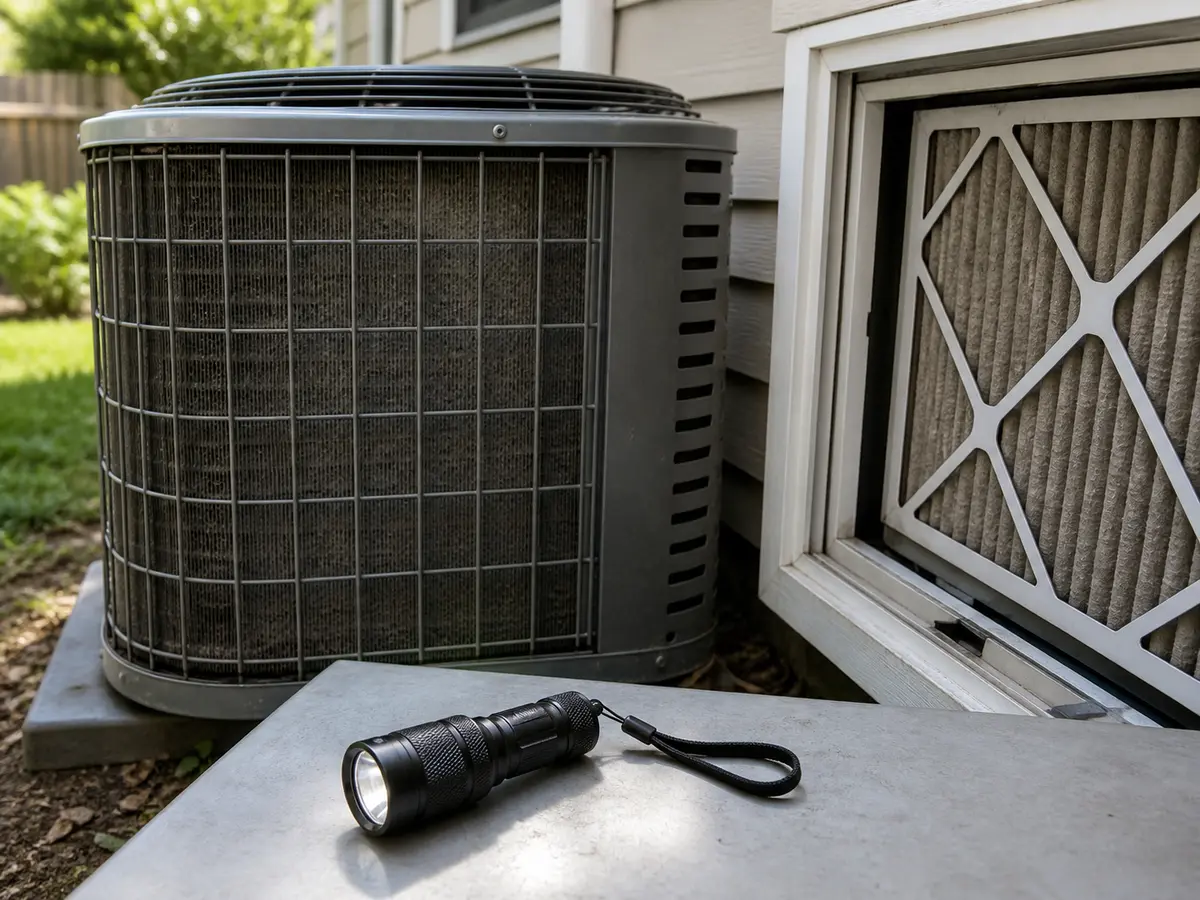
Helps when: Use it to inspect thermostat display, filter slot, drain pan, float switch, breaker labels, and outdoor disconnect.
Skip it when: Skip any inspection that requires opening condenser covers.
Compare inspection flashlights on Amazon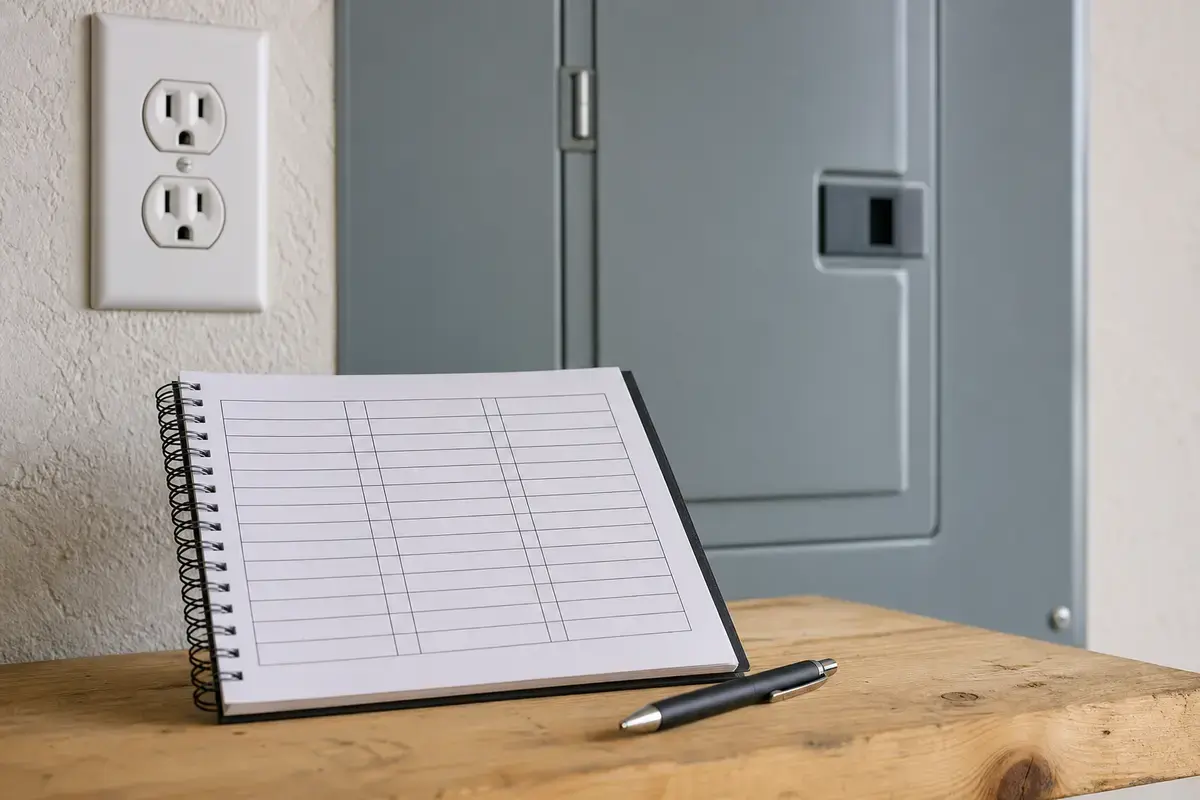
Helps when: Use it to identify the AC circuit after you confirm the correct breaker.
Skip it when: Skip panel work if labels are unclear, the panel is hot, or a breaker trips again.
Compare breaker label kits on Amazon
Helps when: Use fresh batteries when the thermostat display is dim, intermittent, or slow.
Skip it when: Skip them when the thermostat is hardwired and stable or the condenser is clicking or humming.
Compare thermostat batteries on AmazonAs an Amazon Associate I earn from qualifying purchases. Repair Riot may earn a commission at no extra cost to you.
The safe homeowner replacement list is short unless a technician has tested the condenser.
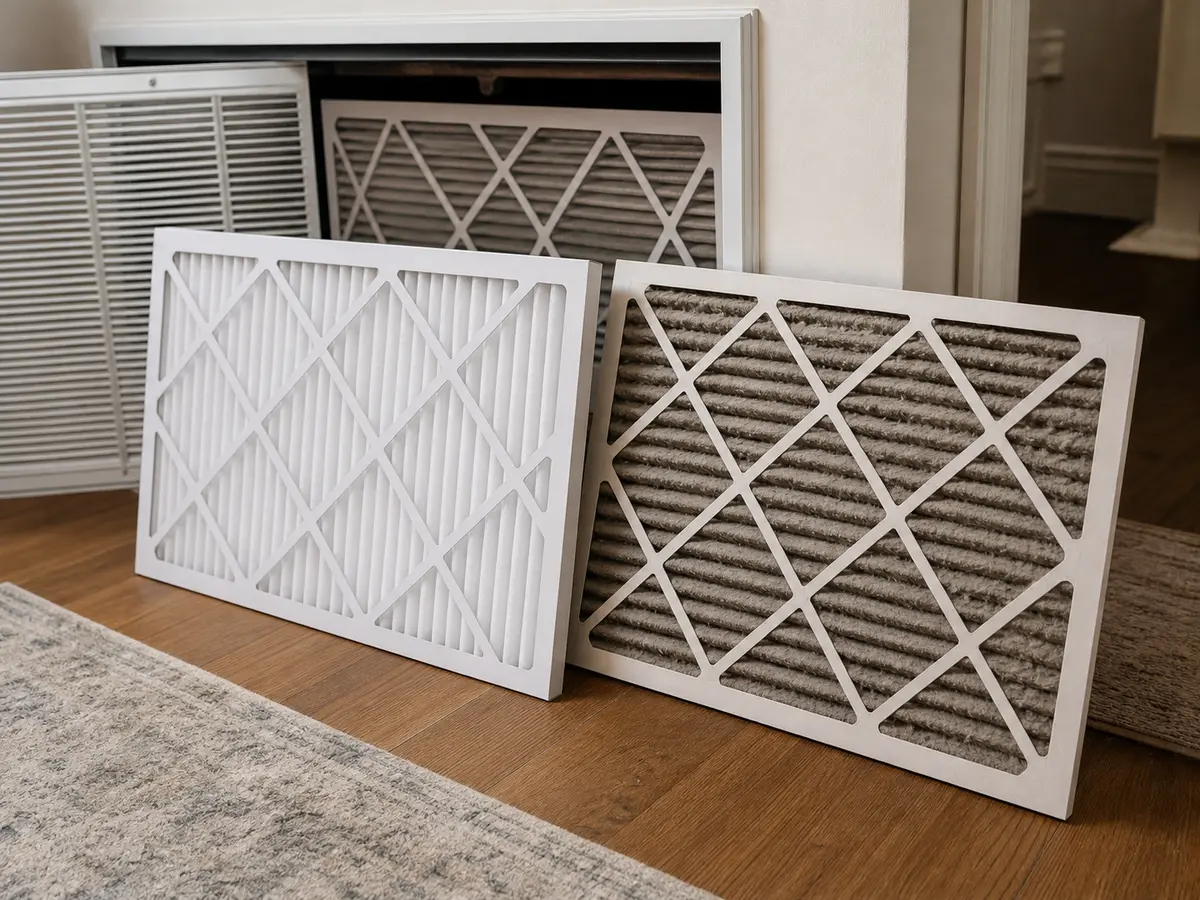
Helps when: Replace a restricted filter that may contribute to ice, safety shutdown, or poor cooling.
Skip it when: Skip filters that do not match the printed size, thickness, and airflow direction.
Compare AC filters on Amazon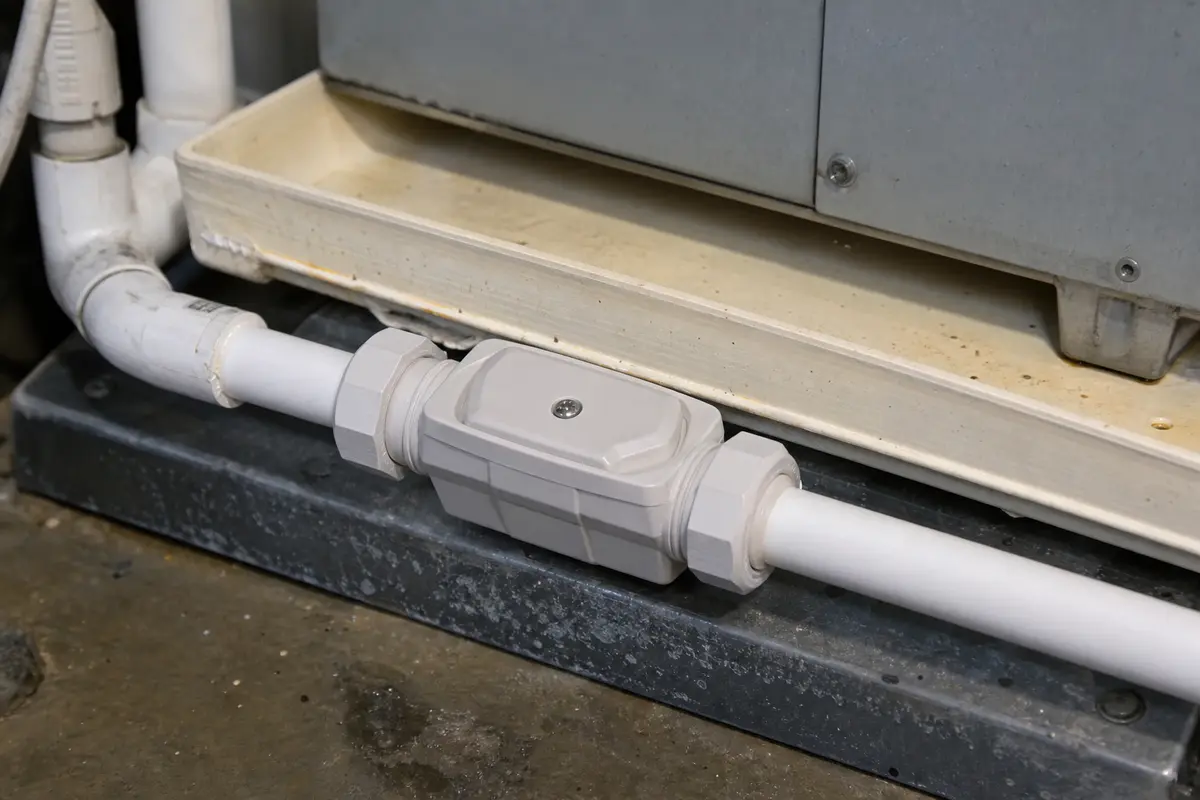
Helps when: Use this only when the drain is clear and the visible switch stays open, sticks, or will not reset.
Skip it when: Skip it when pan water or a clogged drain is still lifting a working safety switch.
Compare AC condensate float switches on AmazonAs an Amazon Associate I earn from qualifying purchases. Repair Riot may earn a commission at no extra cost to you.
It may be delayed, blocked by thermostat or power trouble, stopped by a breaker or disconnect, interrupted by condensate safety, or failing to start inside the condenser.
Wait up to five minutes after changing the thermostat. Many systems delay compressor restart to protect the equipment.
Check the outdoor disconnect, condenser breaker, condensate float switch, and no-start clues. Stop if the condenser clicks, hums, or trips.
It can contribute indirectly through ice, airflow problems, or safety shutdown behavior. Replace a dirty or wrong-size filter before deeper diagnosis.
Yes. Many systems interrupt cooling when the drain pan fills or a condensate line backs up.
Not from a no-start symptom alone. Capacitors must be tested and matched, and condenser electrical work is a service task.
No. Thermostat delay, power, disconnect, breaker, drain safety, and control issues can all keep it off.
Call if the breaker trips again, the condenser clicks or hums, the outdoor fan runs without the compressor, the compressor stays off after safe checks, or ice returns.
Repair Riot built this page around safe homeowner checks: thermostat demand, airflow, filter condition, outdoor condenser behavior, condensate safety, and clear stop points before internal electrical or refrigerant work.