Does water drop with the stopper closed and no visible leak?
Start with the stopper seal, drain seat, and trip-lever adjustment.
If your bathtub is not holding water, the first suspect is the stopper seal or linkage, not the whole drain. Fill only a few inches, mark the water level, and watch whether water leaves through the drain with the stopper closed.
A worn stopper gasket, misadjusted trip lever, dirty drain seat, or mismatched replacement stopper is the usual cause.
The key clue is whether water drops quietly through the drain while the stopper is closed, or escapes somewhere else.
Don’t start with: Do not remove the drain flange or caulk around the stopper before proving the exact leak path. Those repairs can make a simple stopper issue larger.
Start with the stopper seal, drain seat, and trip-lever adjustment.
Clean the drain seat and match the stopper style before buying a new assembly.
Inspect the overflow linkage gently. A misadjusted plunger can leave the drain partly open.
Stop filling and treat this as a bathtub leak, not just a stopper problem.
Check thread, diameter, stopper style, gasket shape, and drain seat condition before ordering another one.
A holding-water problem is usually visible at the stopper, drain seat, or overflow linkage. Test gently and stop if water shows up outside the tub.
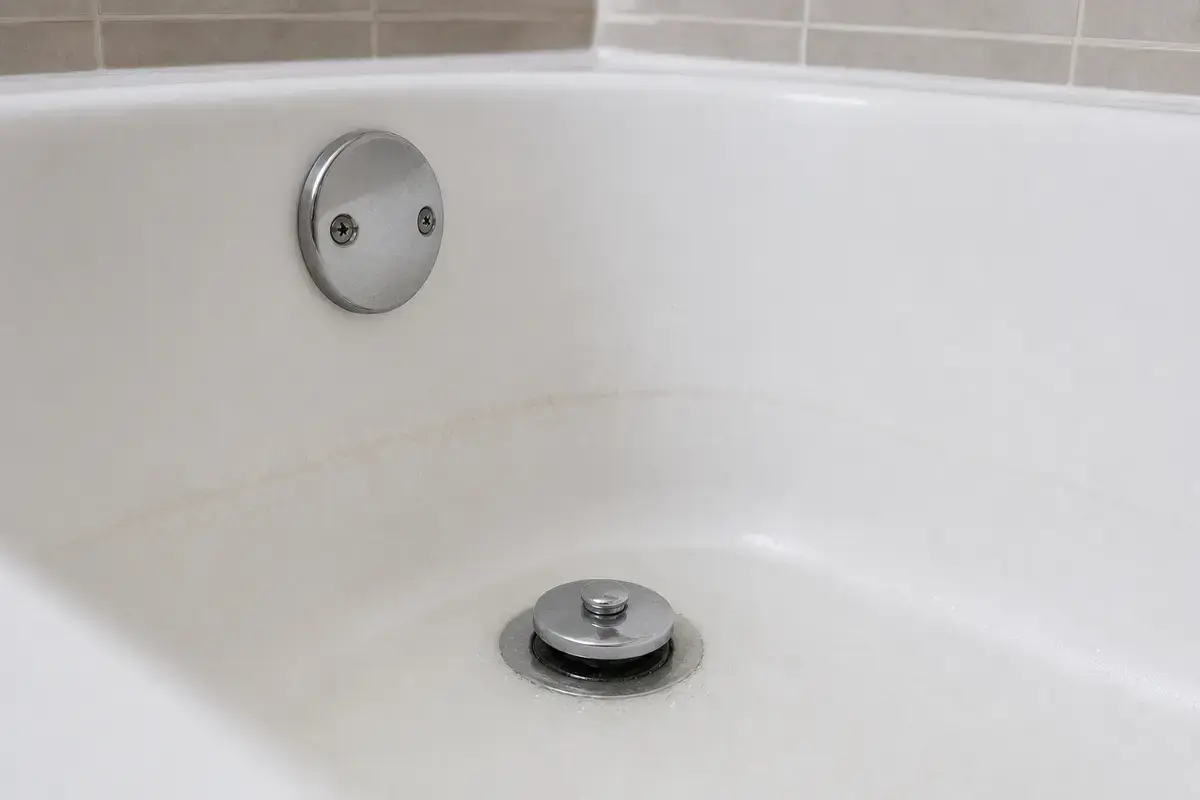
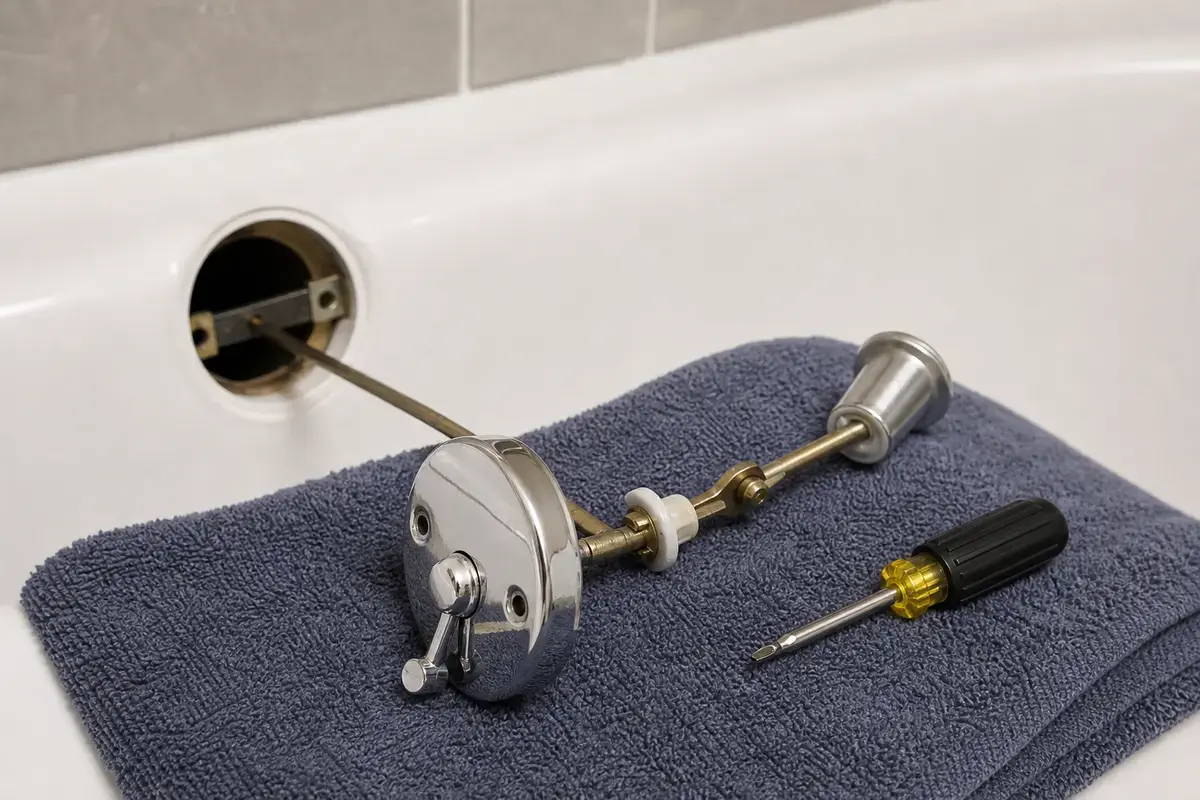
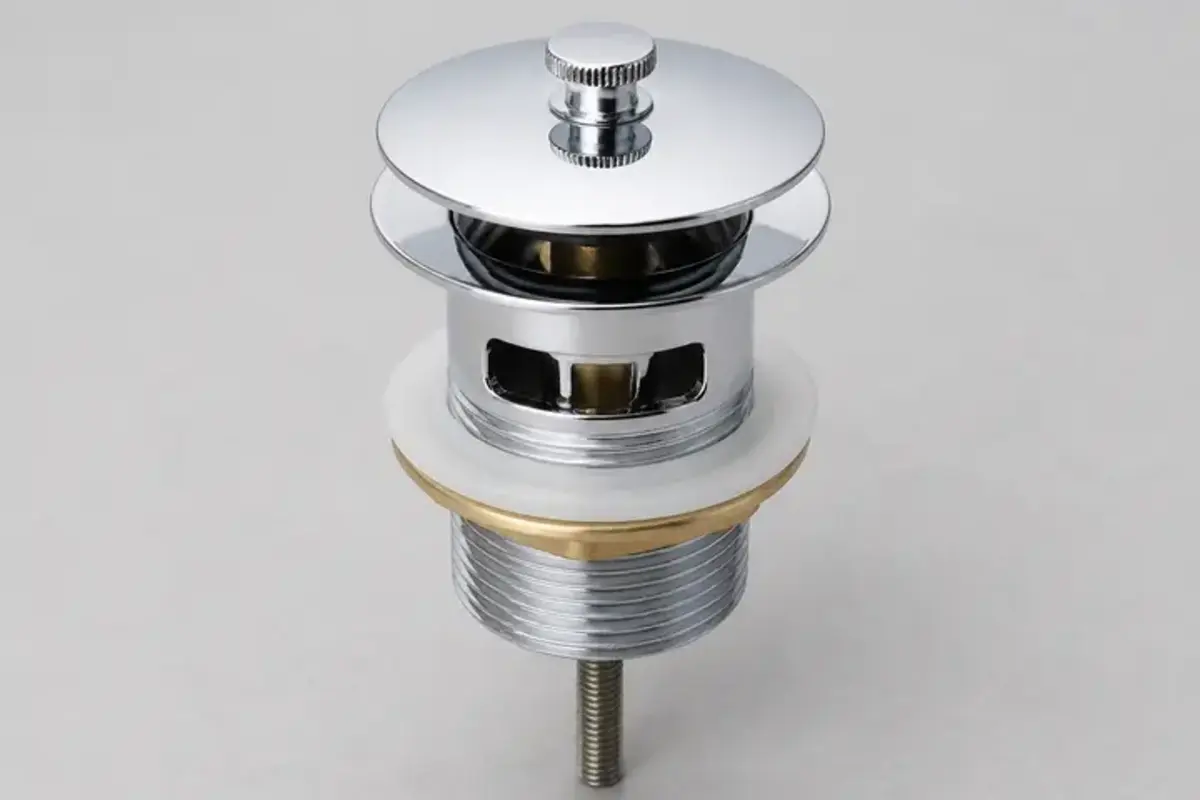
Confirm the exact diagnosis before buying a stopper, overflow kit, or drain flange. A bathtub not holding water is usually a seal or linkage problem unless water appears outside the tub.
A tub that will not hold water is usually losing it through the drain path. The first check is a shallow fill with the stopper closed; a quiet water-level drop with no wet ceiling below keeps the diagnosis on the stopper seal, drain seat, or overflow linkage.
Do not turn a stopper issue into a drain rebuild. Keep the first test small and reversible.
Mark a shallow water level and watch what changes. The result separates stopper fit from actual leakage.
| What you see | What it usually means | Next move |
|---|---|---|
| Water level drops with no outside leak | Stopper seal or linkage is not closing | Clean, adjust, or match the stopper. |
| Stopper rocks or sits crooked | Wrong style, worn gasket, or dirty drain seat | Clean the seat and compare stopper style. |
| Trip lever feels loose or too tight | Overflow linkage may be misadjusted | Inspect linkage carefully without forcing it. |
| Water appears below the tub | This is an active leak, not only a holding-water problem | Stop testing and trace the wet point. |
The cheapest fix is often cleaning the contact surface that the stopper seals against.
A trip-lever tub may not hold water because the linkage is holding the hidden stopper open.
A good fix holds water and leaves the area below the tub dry.
These tools support gentle stopper and overflow checks. Skip tool work when a ceiling or floor leak is active.
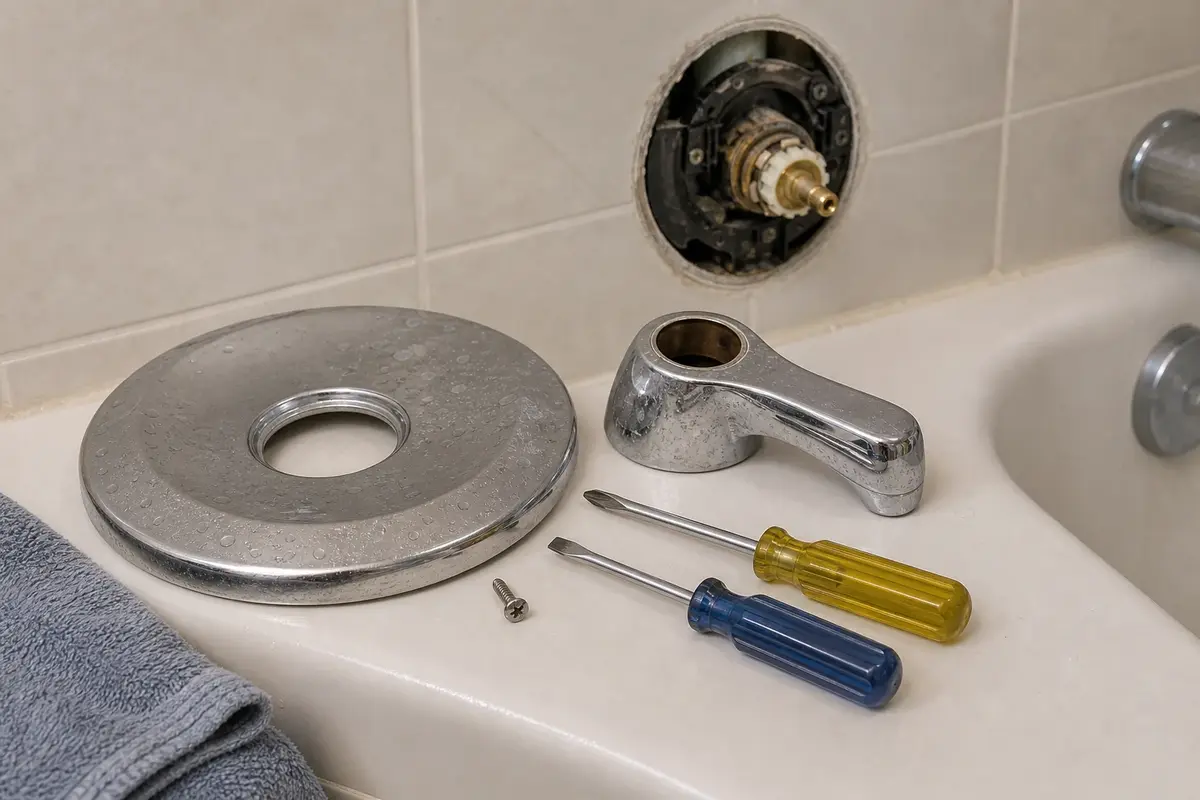
Helps when: Use only for normal overflow plate, trim, or stopper screws after the holding-water test identifies the hardware to inspect.
Skip it when: Skip prying against finished tub surfaces or forcing corroded screws.
Compare screwdriver sets on Amazon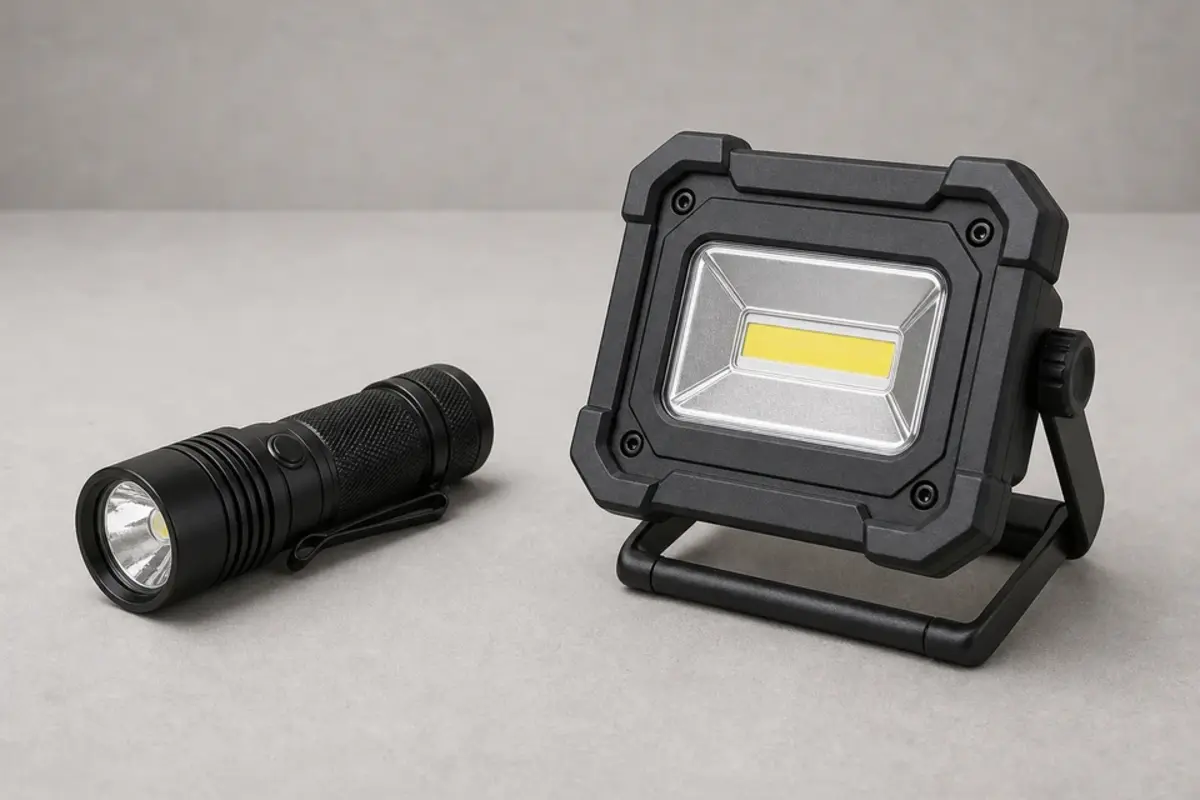
Helps when: Use to see the drain lip, overflow opening, trim gaps, and underside clues during the holding-water test.
Skip it when: Skip relying on bathroom ceiling light when the wet point is under trim or in a shadowed access area.
Compare inspection flashlights on Amazon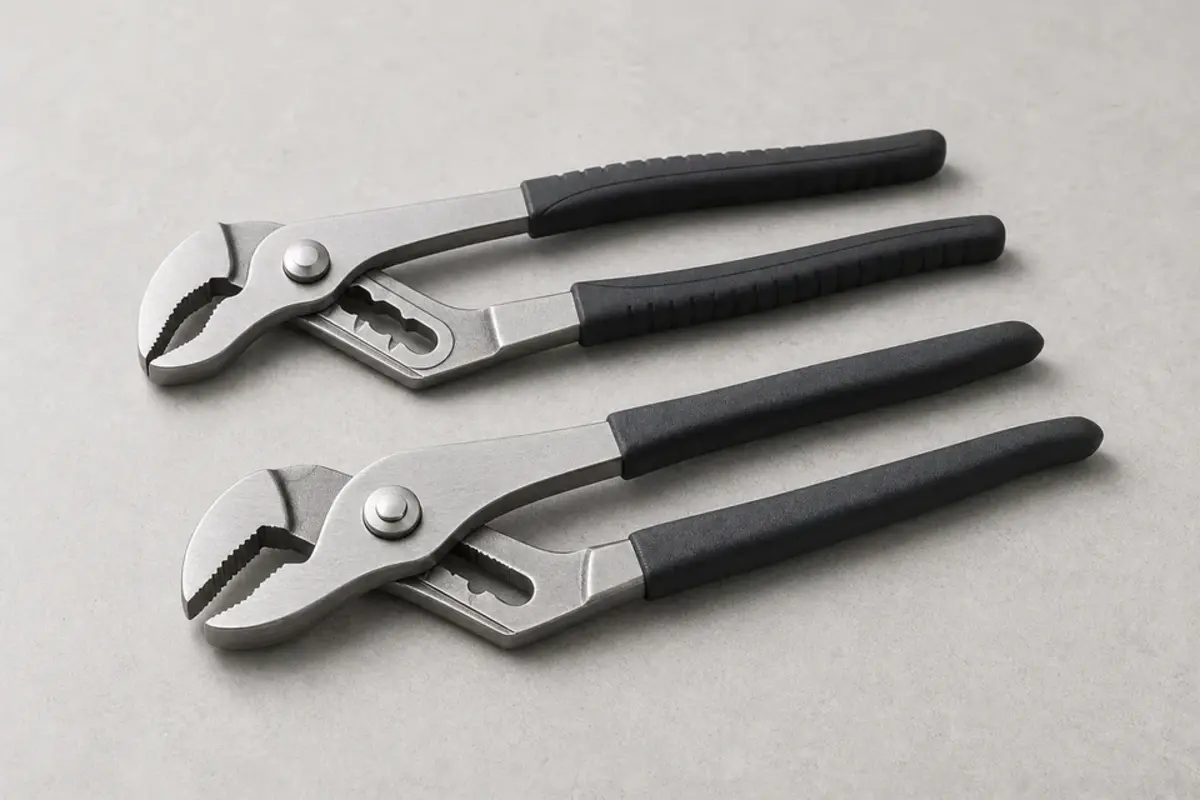
Helps when: Use lightly when the holding-water test confirms a sound nut or small trim part needs support.
Skip it when: Skip extra force on brittle plastic, corroded trim, or a drain body that moves with the tool.
Compare adjustable pliers on Amazon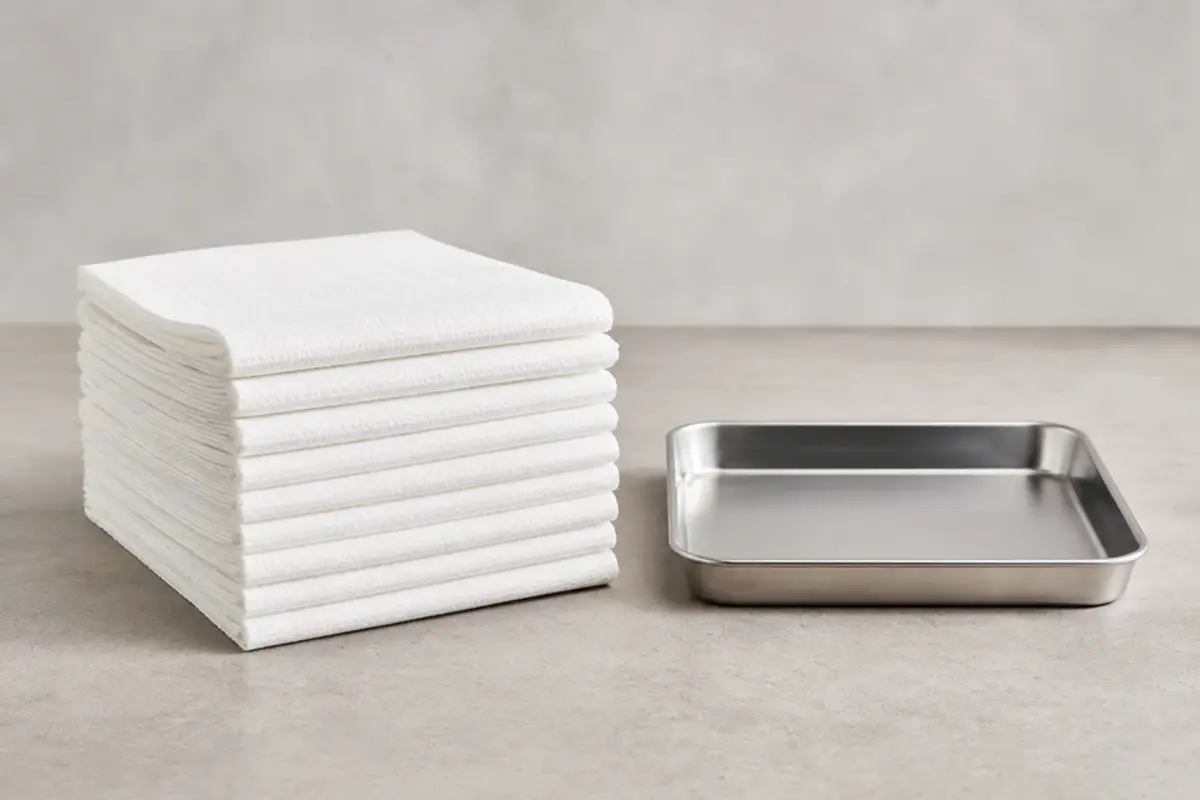
Helps when: Use to keep test water controlled while the holding-water test reveals the first wet point.
Skip it when: Skip testing with a full tub if water is already staining the ceiling or floor below.
Compare absorbent towels on AmazonAs an Amazon Associate I earn from qualifying purchases. Repair Riot may earn a commission at no extra cost to you.
Buy only the part that matches the exact failure: stopper seal, full stopper assembly, overflow linkage, or drain flange leak.
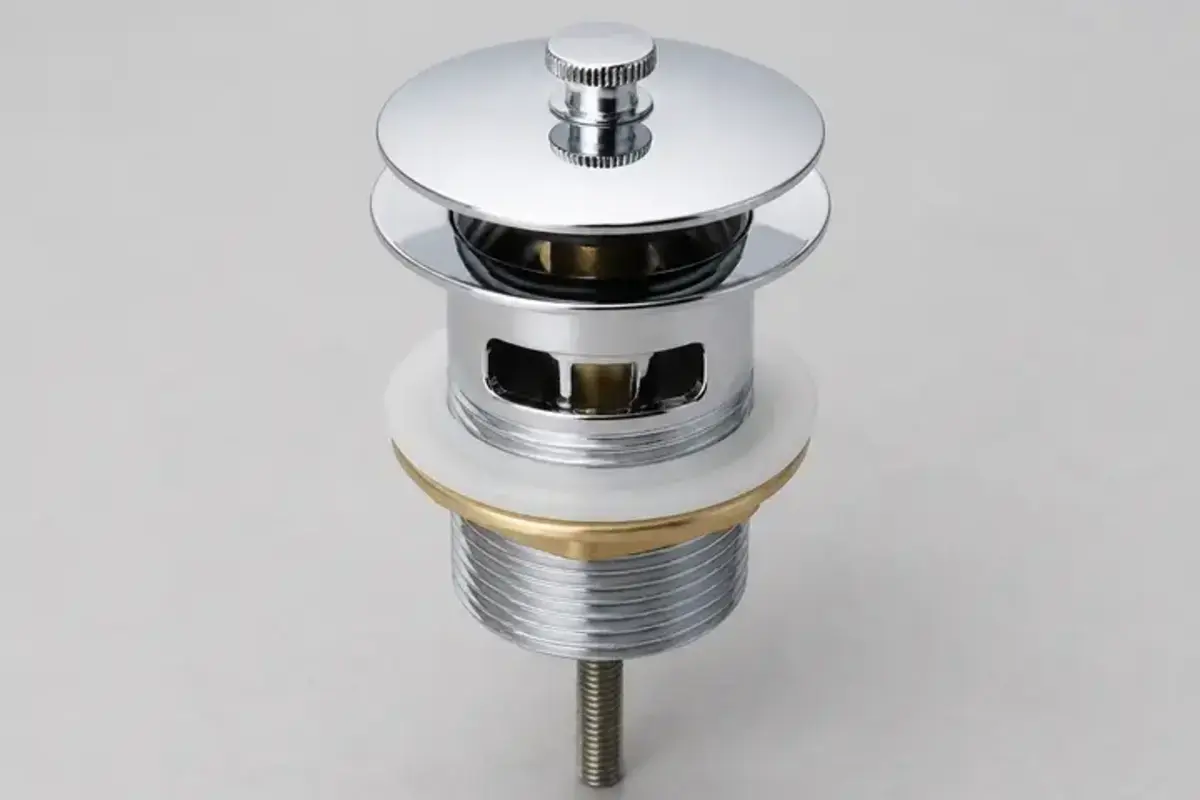
Helps when: Use when the holding-water test proves the stopper is worn, jammed, missing pieces, or will not seal or open correctly.
Skip it when: Skip replacing it when cleaning or adjustment restores normal movement and sealing.
Compare bathtub stoppers on AmazonHelps when: Use when the holding-water test confirms the stopper style and linkage cannot be restored with cleaning or adjustment.
Skip it when: Skip universal-looking kits until you match the old stopper style, thread, finish, and linkage.
Compare bathtub stopper assemblies on Amazon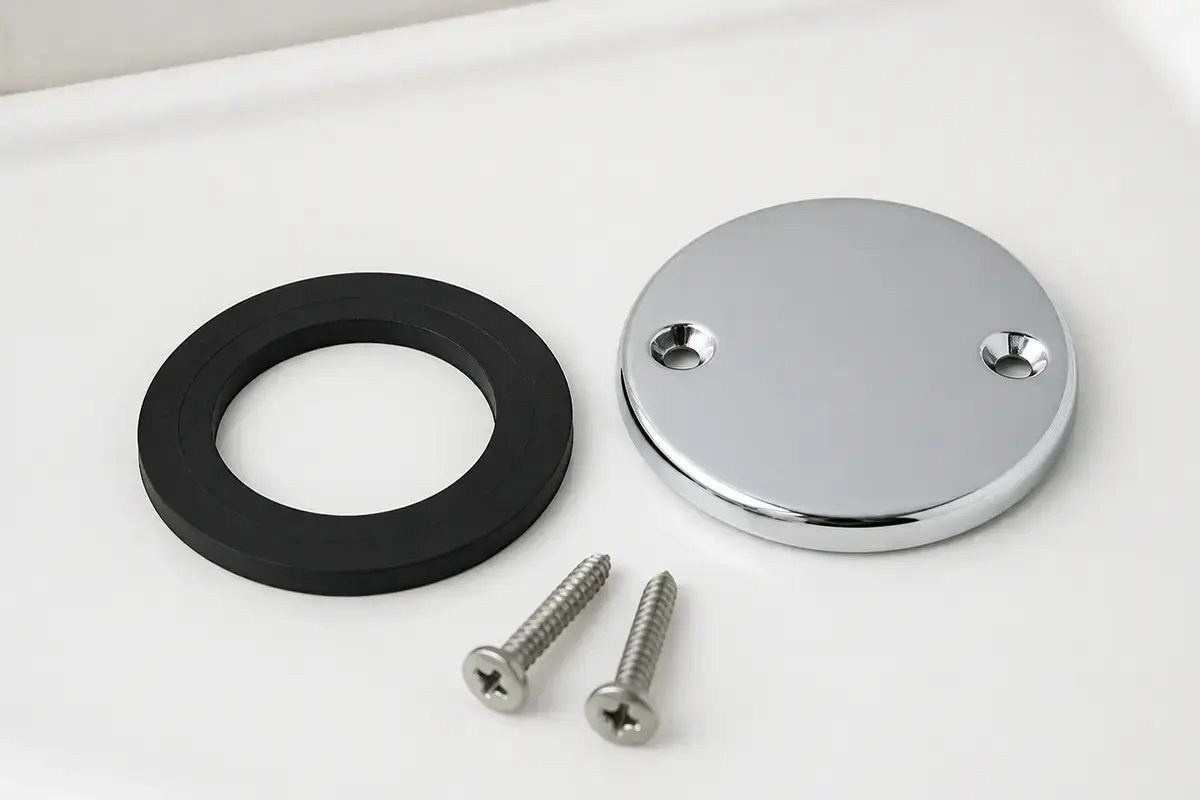
Helps when: Use when the holding-water test proves water starts at the overflow opening, gasket, or trip-lever plate.
Skip it when: Skip replacing overflow parts when the drain flange, spout, or tub surround is the first wet point.
Compare bathtub overflow gasket kits on Amazon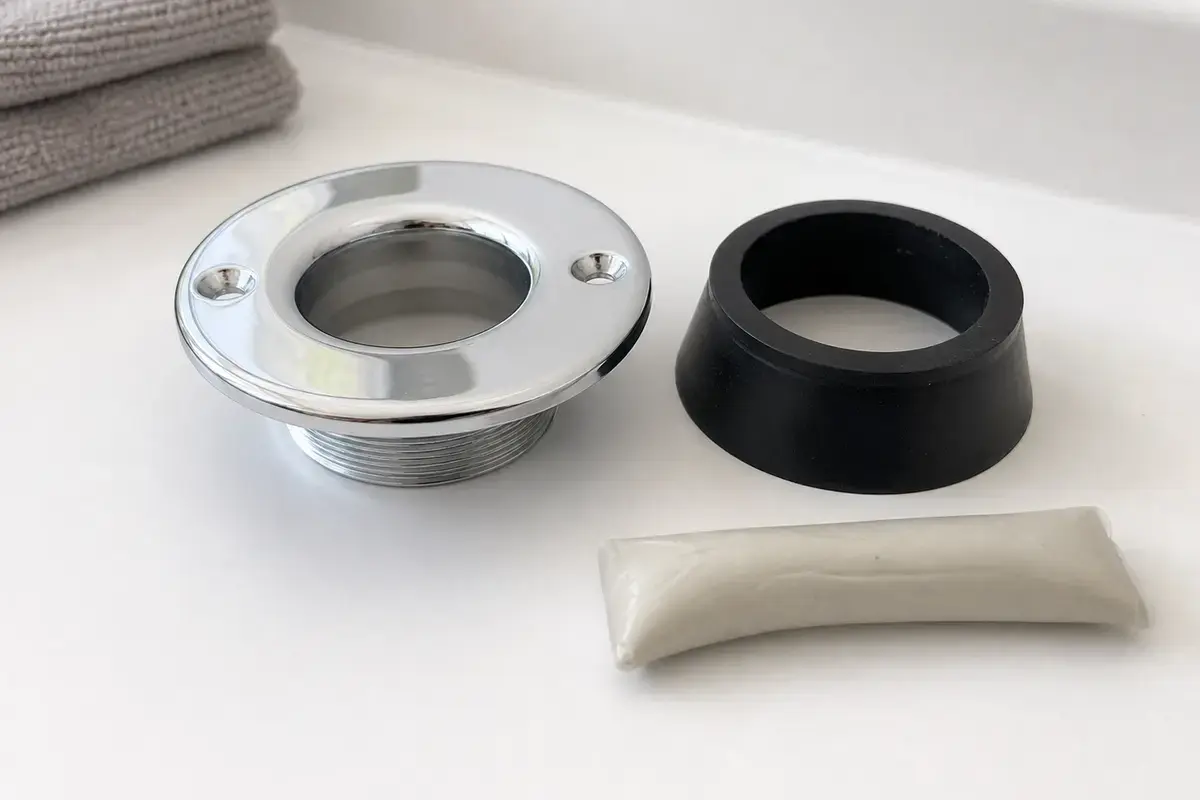
Helps when: Use when the holding-water test proves water starts at the drain flange or drain shoe gasket during a controlled test.
Skip it when: Skip this part if the first wet point is the overflow, spout, wall tile, or tub apron.
Compare bathtub drain flange kits on AmazonAs an Amazon Associate I earn from qualifying purchases. Repair Riot may earn a commission at no extra cost to you.
The stopper may be dirty, worn, mismatched, or not closing fully. On trip-lever tubs, the overflow linkage may also be holding the drain partly open.
Often yes. Clean the stopper gasket and drain seat first, then replace the stopper only if it is worn, cracked, or the wrong style.
Not necessarily. If water disappears but nothing is wet below, the stopper path is more likely. If water stains the ceiling or floor, stop and trace a leak.
Only if the trip lever, plate, linkage, or overflow gasket is confirmed as the reason the stopper does not close or water leaks at the overflow.
Universal stoppers still have diameter, thread, height, and gasket limits. Match the old stopper and drain style closely.
No. Caulk around the stopper hides the problem and can block normal service. Fix the stopper or linkage instead.
Use only a few inches. That is enough to see whether the level drops without creating unnecessary leak damage below the tub.
Clean the drain seat and stopper gasket, then repeat a marked shallow-fill test. A slow overnight drop still points to a stopper seal or linkage issue unless water appears below.
Repair Riot built this page around visible water-holding clues: stopper seal condition, drain-seat buildup, trip-lever movement, overflow linkage behavior, and whether water appears below the tub. The source links support drain-care and leak-safety context; the diagnosis sequence is original guidance.