Did the tub slow down over weeks?
That points to hair and soap buildup at the stopper or drain opening. Start with visible cleaning.
A bathtub slow drain after a bath is usually hair and soap film collecting at the stopper, drain crossbars, or the first few inches below the opening. Start by checking the stopper movement and visible buildup, then compare the sink and toilet before using a hand snake.
The strongest first clue is gradual slowdown after normal bathing. That usually points to reachable hair and soap buildup, not a new drain flange.
Work from visible evidence: water behavior after a bath, stopper movement, drain lip buildup, and whether nearby fixtures react.
Don’t start with: Do not start with chemical drain cleaner, boiling water, or a drain flange replacement. Those moves can damage finishes or hide the actual clog.
That points to hair and soap buildup at the stopper or drain opening. Start with visible cleaning.
A partly closed stopper can make a clean pipe act slow. Confirm movement before clearing deeper.
Pull reachable debris gently and retest with a small amount of water.
That moves the diagnosis beyond a simple tub clog. Stop buying bathtub parts.
The clog may be farther down or the stopper is still catching debris. Avoid repeating chemicals.
Look for the difference between shallow water that slowly swirls away, visible hair at the stopper, and a drain that stays slow after the top is clean.
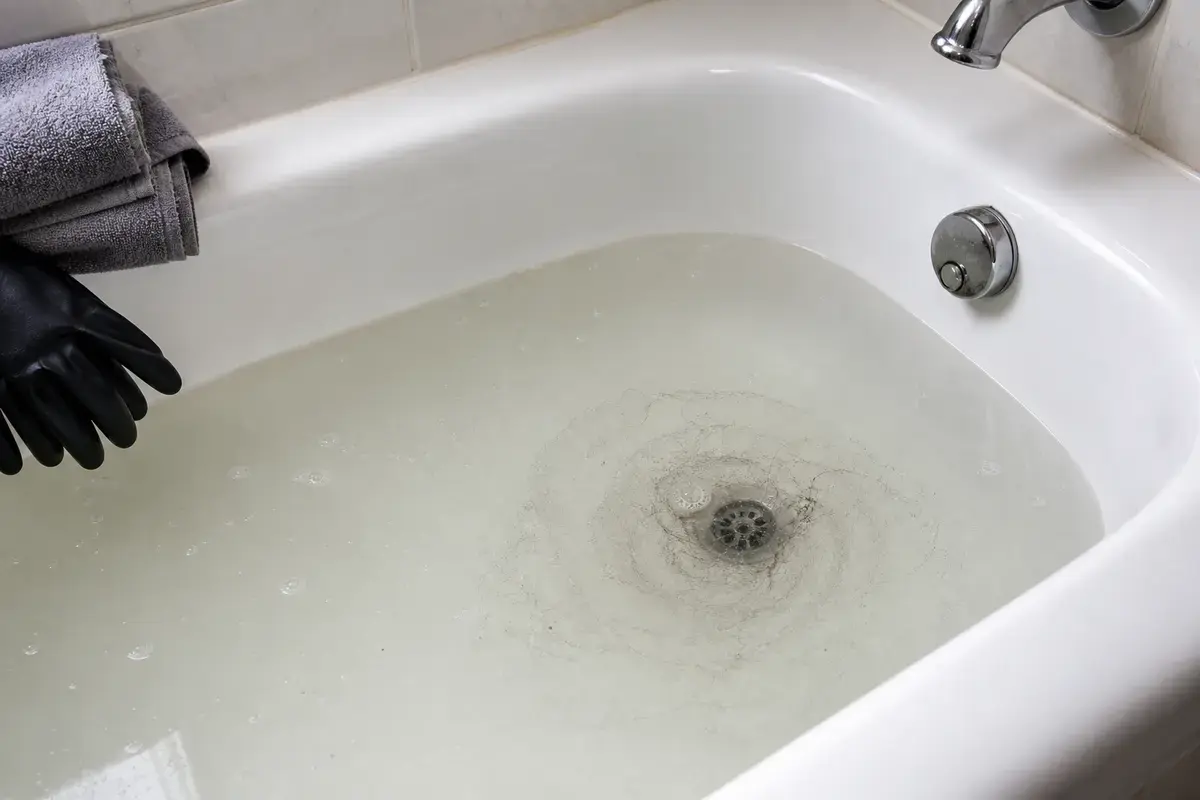
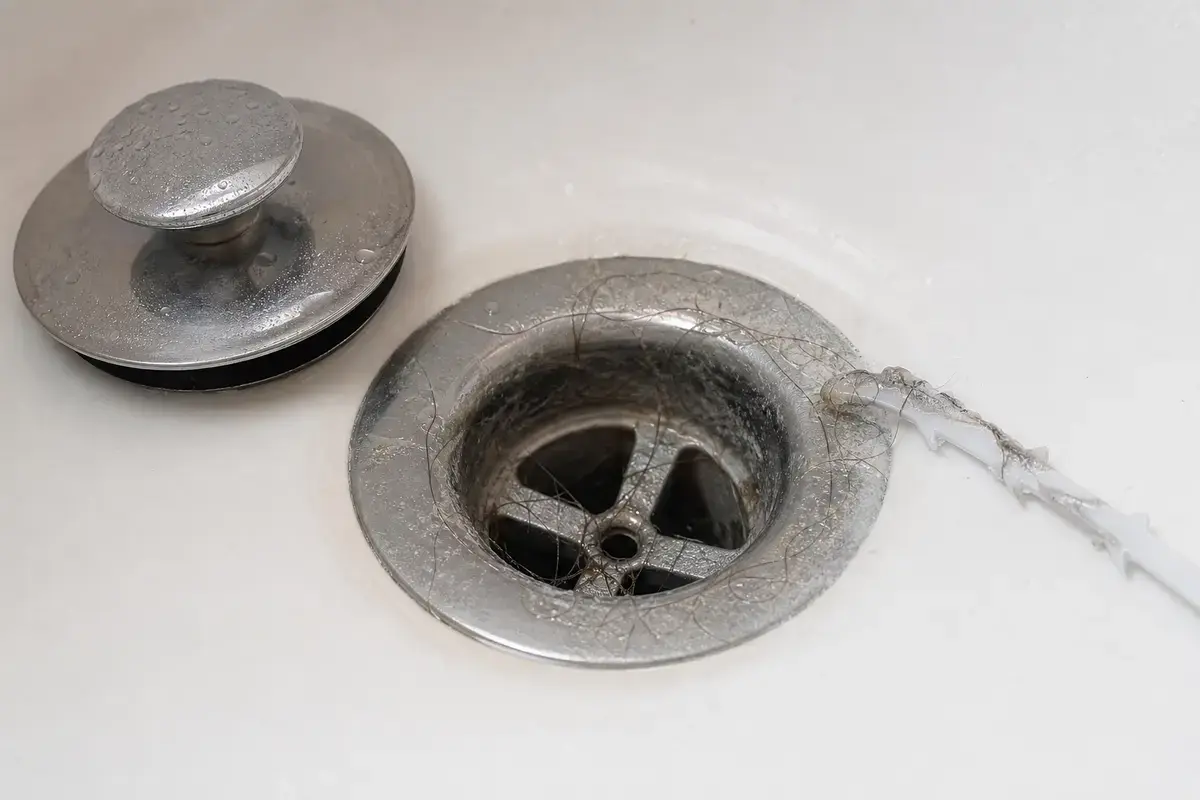
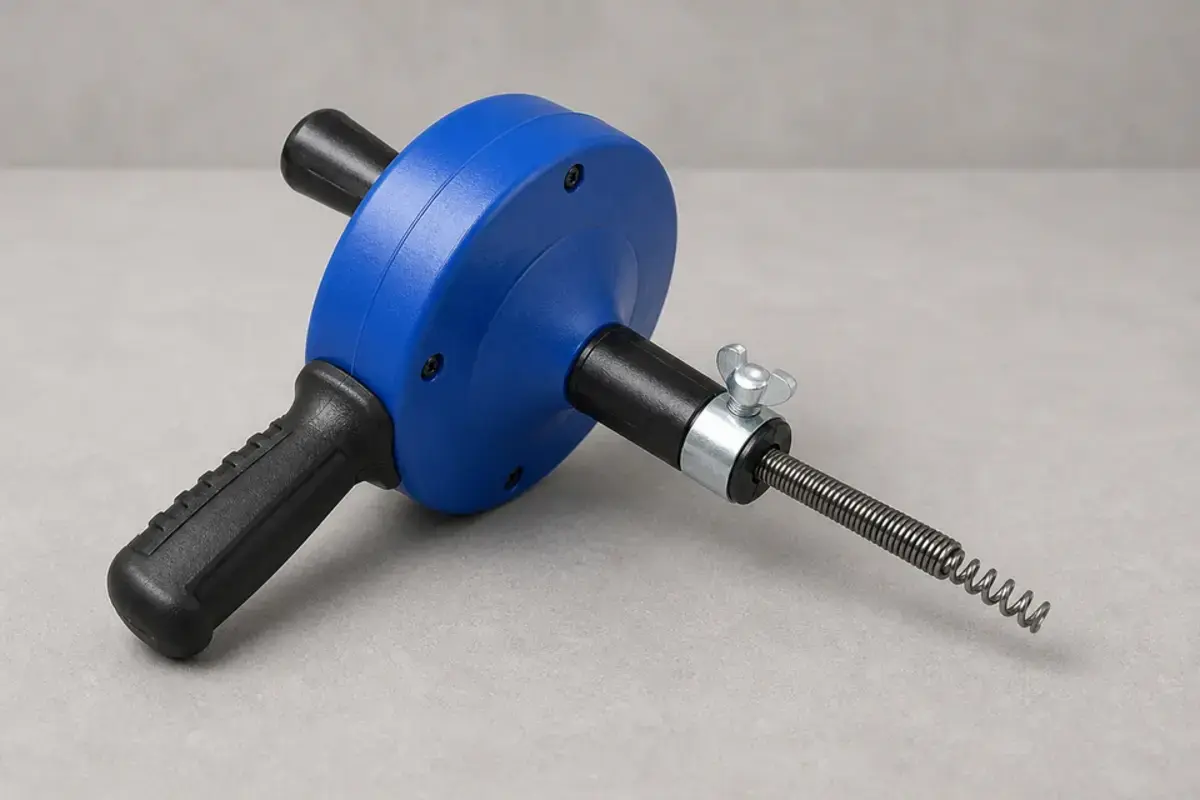
Confirm the exact diagnosis before buying a stopper, hand snake, drain flange, or overflow kit. Slow drainage after a bath usually means hair and soap buildup unless the stopper or nearby fixture clues prove otherwise.
A slow drain after a bath usually means the tub still drains, but water has to squeeze past hair and soap film. The exact diagnosis starts at the top of the drain.
A slow bathtub drain rewards patient visible cleaning. Chemicals and parts shopping make the next step harder to read.
Use a small water run after each change. The result tells you whether to clean, adjust, stop, or call.
| What you see | What it usually means | Next move |
|---|---|---|
| Water slowly swirls away after a bath | Partial hair and soap restriction near the top | Clean the stopper and drain opening. |
| Stopper barely lifts or drops closed | The drain is mechanically restricted | Adjust or repair the stopper before snaking. |
| Drain is clear but water still creeps away | The restriction may be past the visible opening | Check sink and toilet before using a hand snake. |
| Sink gurgles or toilet bubbles | The problem is not just this bathtub | Stop testing and call a plumber if the clue repeats. |
Most slow-after-bath calls improve when the stopper and first few inches of drain are cleaned without damaging the finish.
Move deeper only after the stopper is open, the visible drain is clean, and nearby fixtures are normal. A good clue for this step is water that still creeps away after the drain lip is clean; the next check is a small water run while listening for sink or toilet gurgling.
The finished check should show a normal drain rate and no new leak clues around the tub.
These tools match a visible, tub-only slow drain after a bath. Skip them when multiple fixtures react or a chemical cleaner was already used.
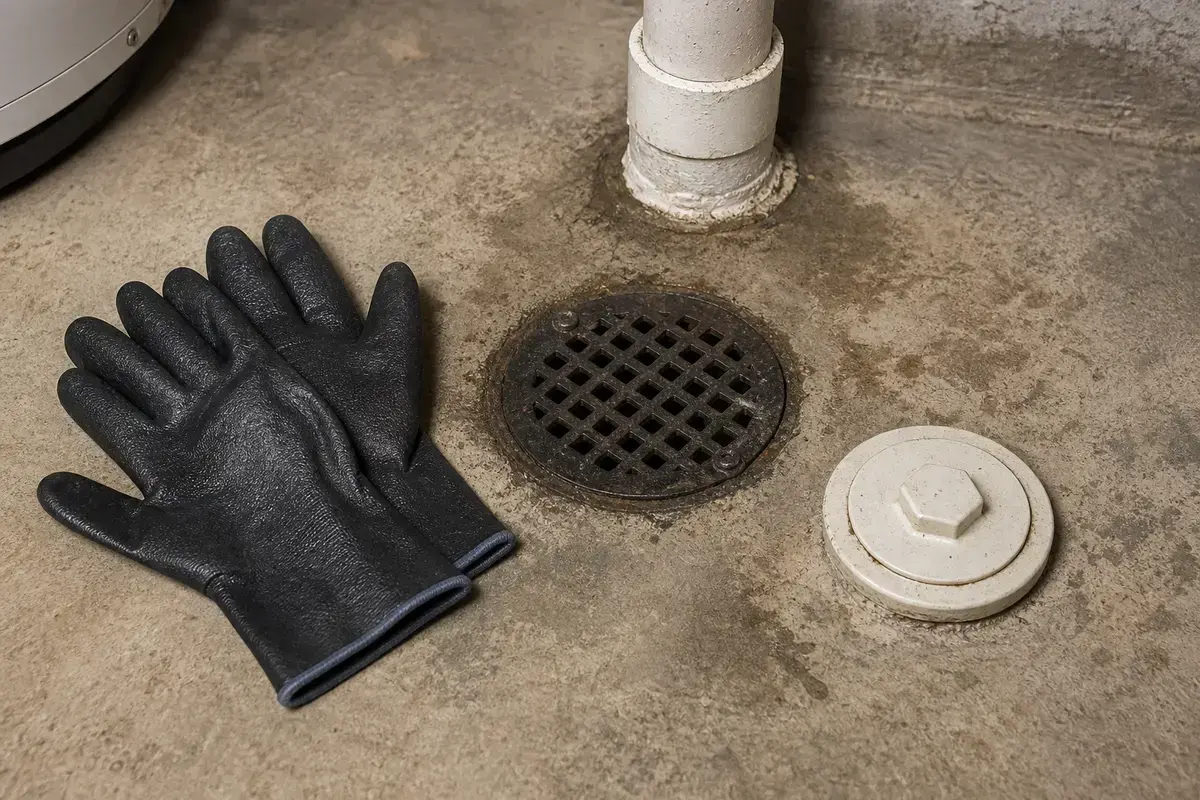
Helps when: Use when the slow-drain check puts your hands near hair, soap sludge, old drain water, or sharp drain edges.
Skip it when: Skip bare-hand cleaning around old drain trim or dirty standing water.
Compare waterproof gloves on Amazon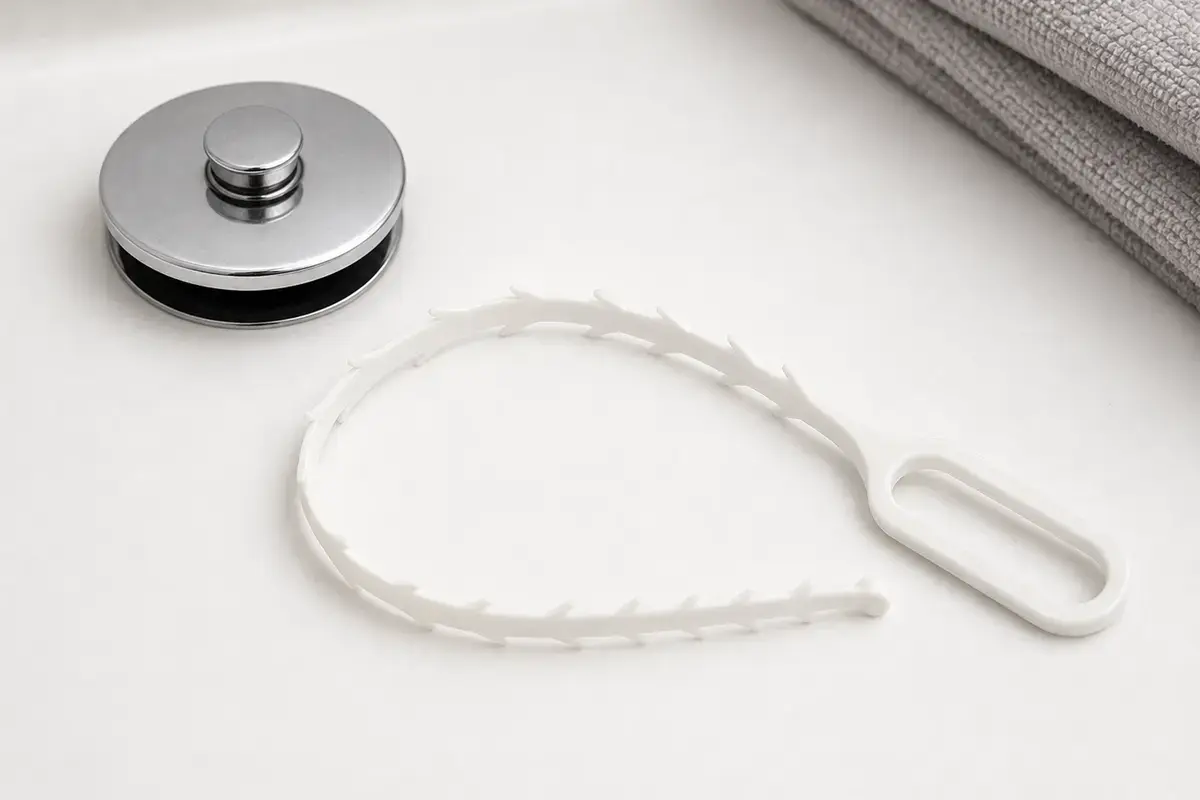
Helps when: Use when the slow-drain check points to reachable hair and soap film at the bathtub drain opening.
Skip it when: Skip forcing it past hard resistance, hidden trim, or any drain that may contain chemical cleaner.
Compare plastic drain tools on AmazonHelps when: Use only after the slow-drain check proves the stopper and visible drain are clear and nearby fixtures behave normally.
Skip it when: Skip snaking when the toilet bubbles, another fixture backs up, or the cable binds hard.
Compare hand drain snakes on Amazon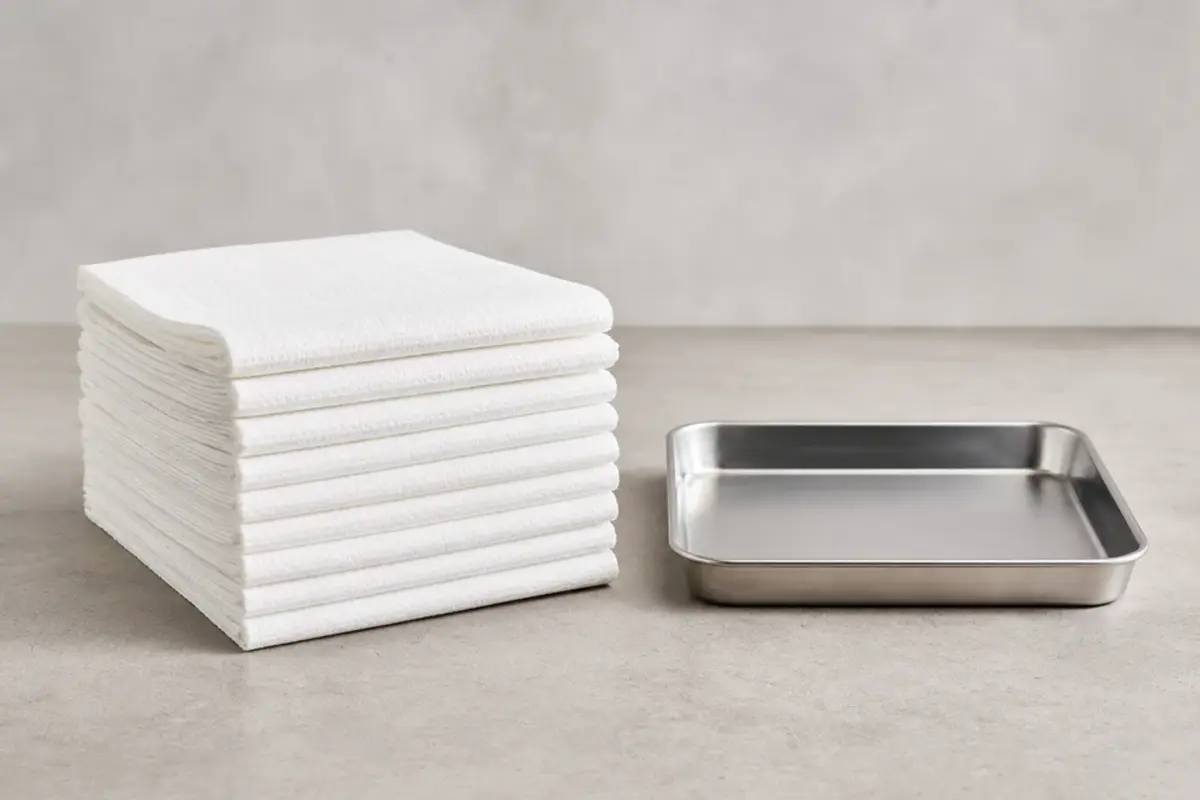
Helps when: Use to keep test water controlled while a small water retest reveals the first wet point.
Skip it when: Skip testing with a full tub if water is already staining the ceiling or floor below.
Compare absorbent towels on AmazonAs an Amazon Associate I earn from qualifying purchases. Repair Riot may earn a commission at no extra cost to you.
Parts come after the exact diagnosis. A slow drain is usually cleaned, not rebuilt.
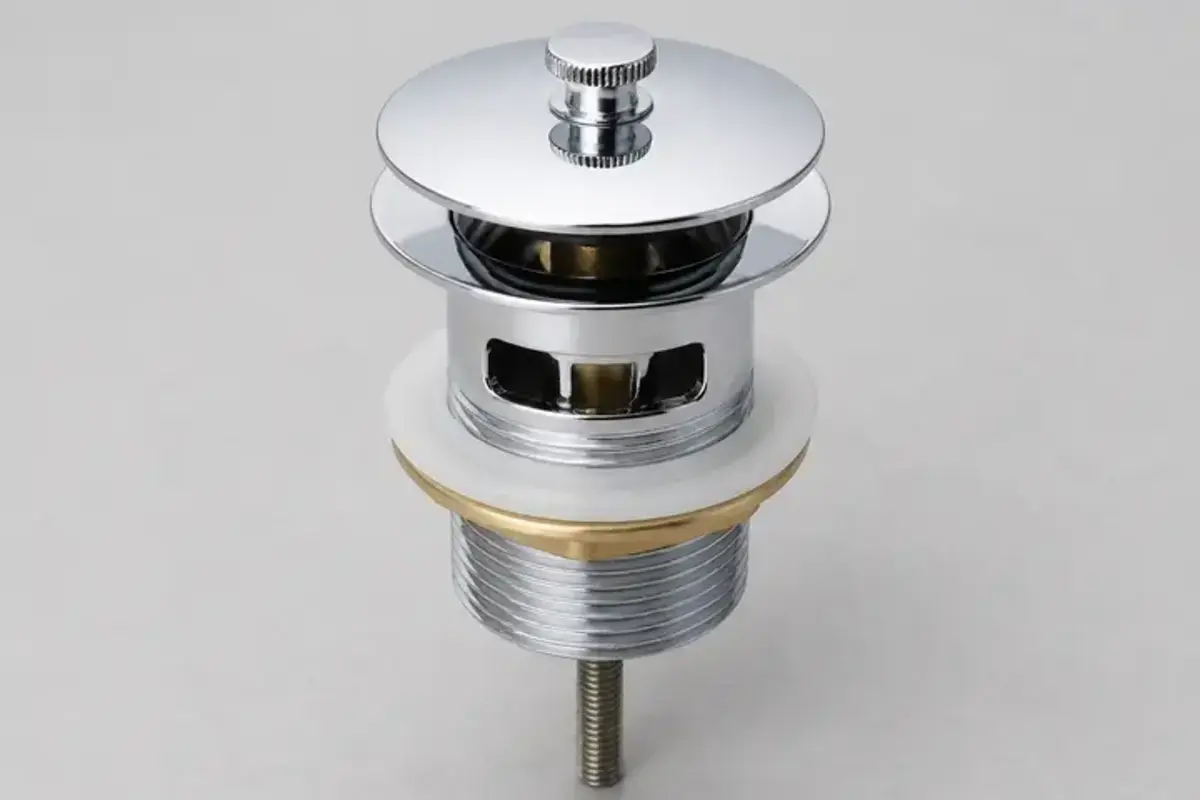
Helps when: Use when the slow-drain check proves the stopper is worn, jammed, missing pieces, or will not seal or open correctly.
Skip it when: Skip replacing it when cleaning or adjustment restores normal movement and sealing.
Compare bathtub stoppers on Amazon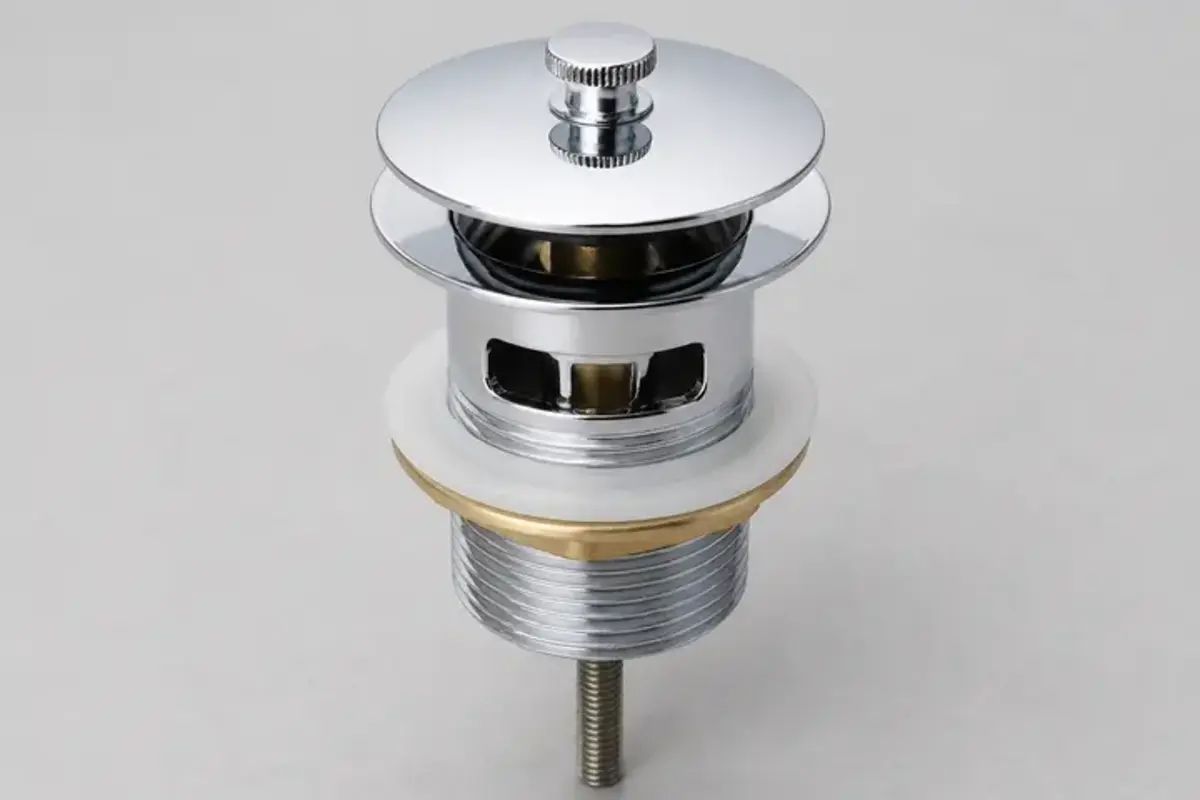
Helps when: Use when the slow-drain check confirms the stopper style and linkage cannot be restored with cleaning or adjustment.
Skip it when: Skip universal-looking kits until you match the old stopper style, thread, finish, and linkage.
Compare bathtub stopper assemblies on Amazon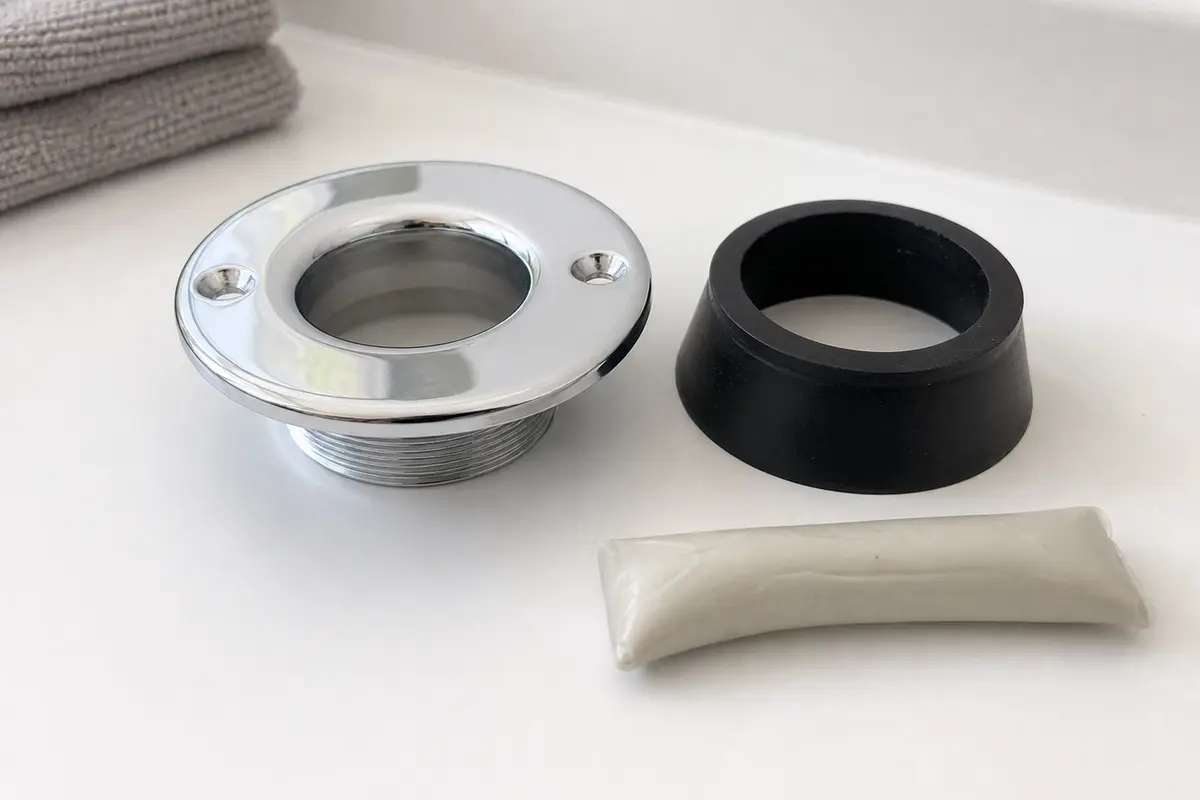
Helps when: Use when the slow-drain check proves the flange is cracked, corroded, leaking, or must be removed for a real repair.
Skip it when: Skip buying a flange for slow drainage alone; a flange does not remove hair or soap buildup.
Compare bathtub drain flanges on Amazon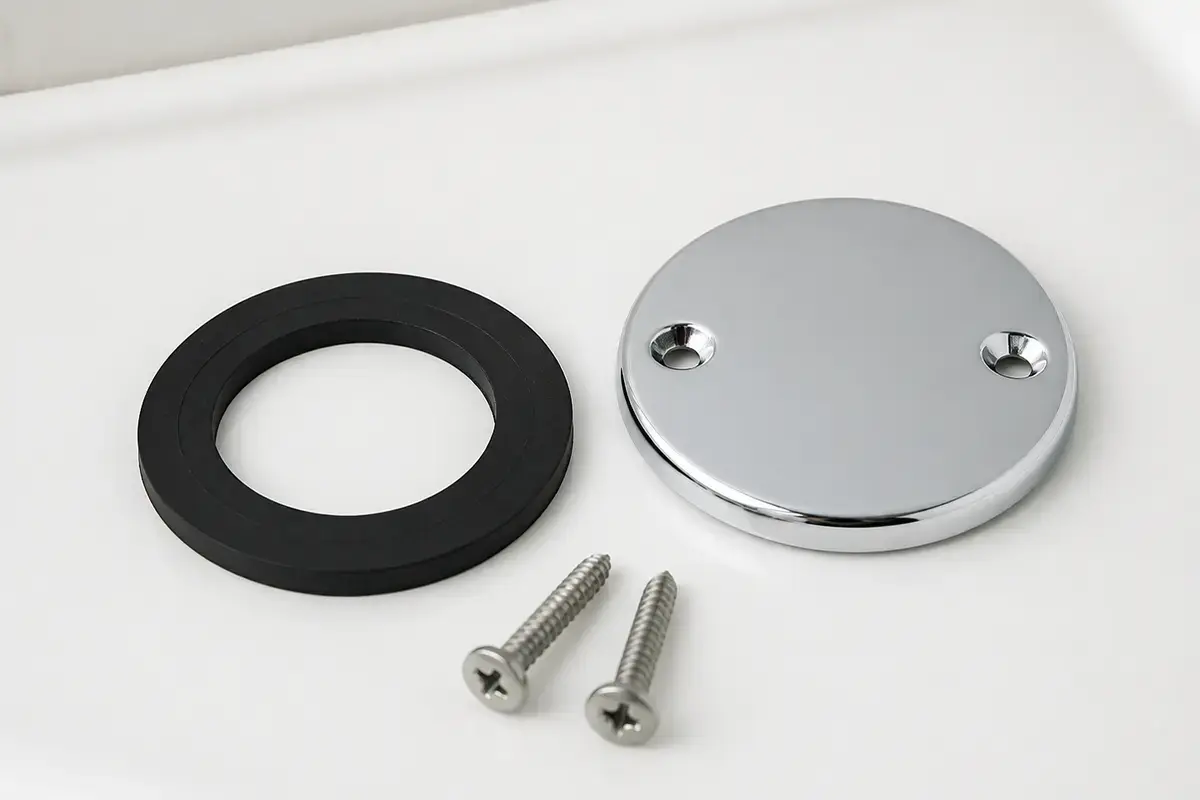
Helps when: Use when the slow-drain check proves water starts at the overflow opening, gasket, or trip-lever plate.
Skip it when: Skip replacing overflow parts when the drain flange, spout, or tub surround is the first wet point.
Compare bathtub overflow gasket kits on AmazonAs an Amazon Associate I earn from qualifying purchases. Repair Riot may earn a commission at no extra cost to you.
Most often, hair and soap film are collecting at the stopper or drain opening. Start there before buying parts.
Yes. If the stopper does not lift fully or drops closed, the tub drains slowly even if the pipe is not fully blocked.
Avoid it as the first move. Physical cleaning keeps the clog visible and avoids leaving harsh liquid for the next repair step.
Use one only after the stopper and visible drain are clean, nearby fixtures are normal, and the cable feeds without hard resistance.
Usually no. A flange is a leak or damage part, not a clog-clearing part.
Some buildup may remain farther down, or the stopper may still be catching hair. If it returns quickly after careful cleaning, the line may need professional clearing.
Long baths loosen hair and soap film that can settle back around the stopper as the tub empties. Clean the stopper and drain lip before going deeper.
It can be, but do not start there. First check the stopper, visible buildup, and nearby fixture reaction. Gurgling at other fixtures makes venting or drain-line diagnosis more likely.
Repair Riot built this page around visible slow-drain clues: shallow water after a bath, stopper movement, hair and soap buildup, nearby fixture reaction, and leak boundaries. The source links support drain-care and leak-safety context; the diagnosis sequence is original guidance.