Do other fixtures get hot normally?
Stay local to this sink: hot stop, supply line, aerator, and faucet inlet.
A bathroom sink with no hot water may be a local hot-side restriction or a whole-home hot-water issue. First compare other fixtures, then check the hot stop, supply line, aerator, and cartridge.
Most often, a one-sink hot-water problem comes from a partly closed hot stop, kinked hot supply line, debris in the faucet inlet, or a plugged aerator.
Good clue: only this sink is affected, so the first checks stay under this vanity and at the faucet.
Don’t start with: Do not start by replacing the faucet or changing water-heater settings until you know whether other fixtures get hot normally.
Stay local to this sink: hot stop, supply line, aerator, and faucet inlet.
Move to the water heater or house hot-water side before buying sink parts.
The hot stop may be closed or restricted before water reaches the faucet.
Check the aerator, faucet inlet, or cartridge.
Do not disconnect the line; replace the valve safely or call a plumber.
Temperature testing, under-vanity hot-side inspection, and water-heater context keep local and whole-home problems separate.
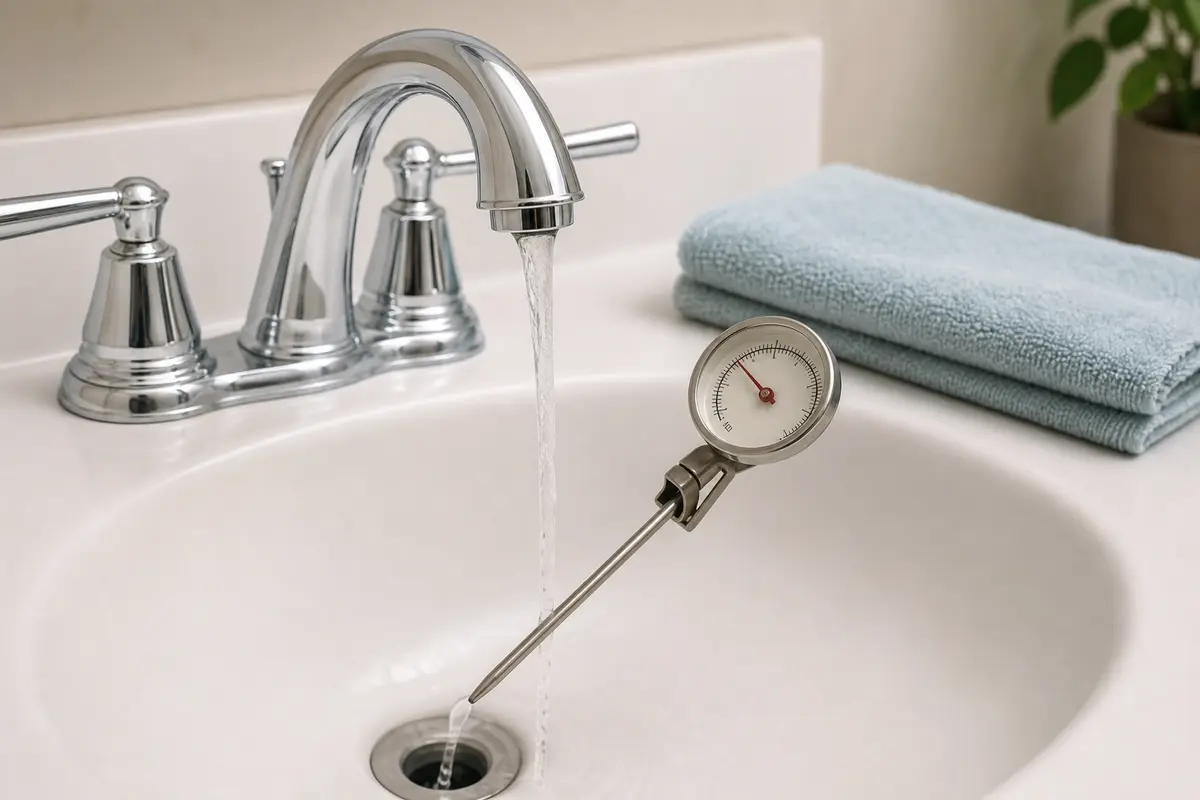
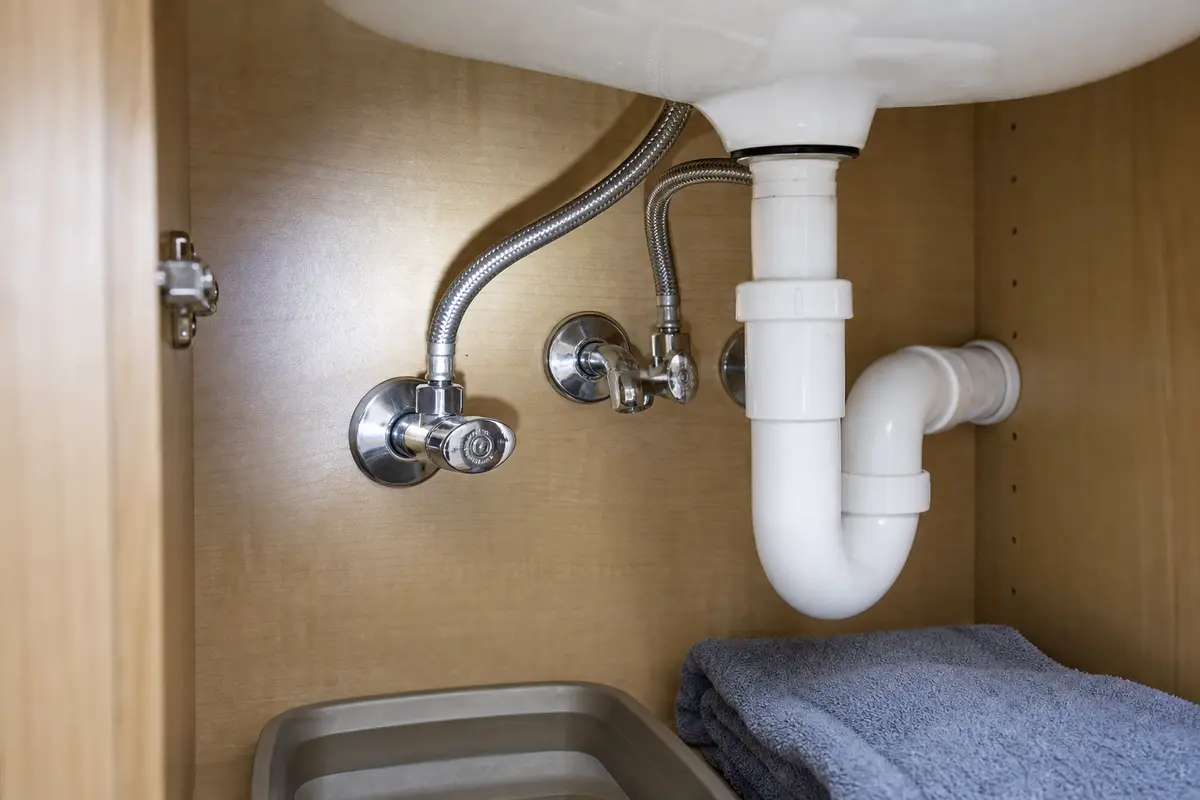
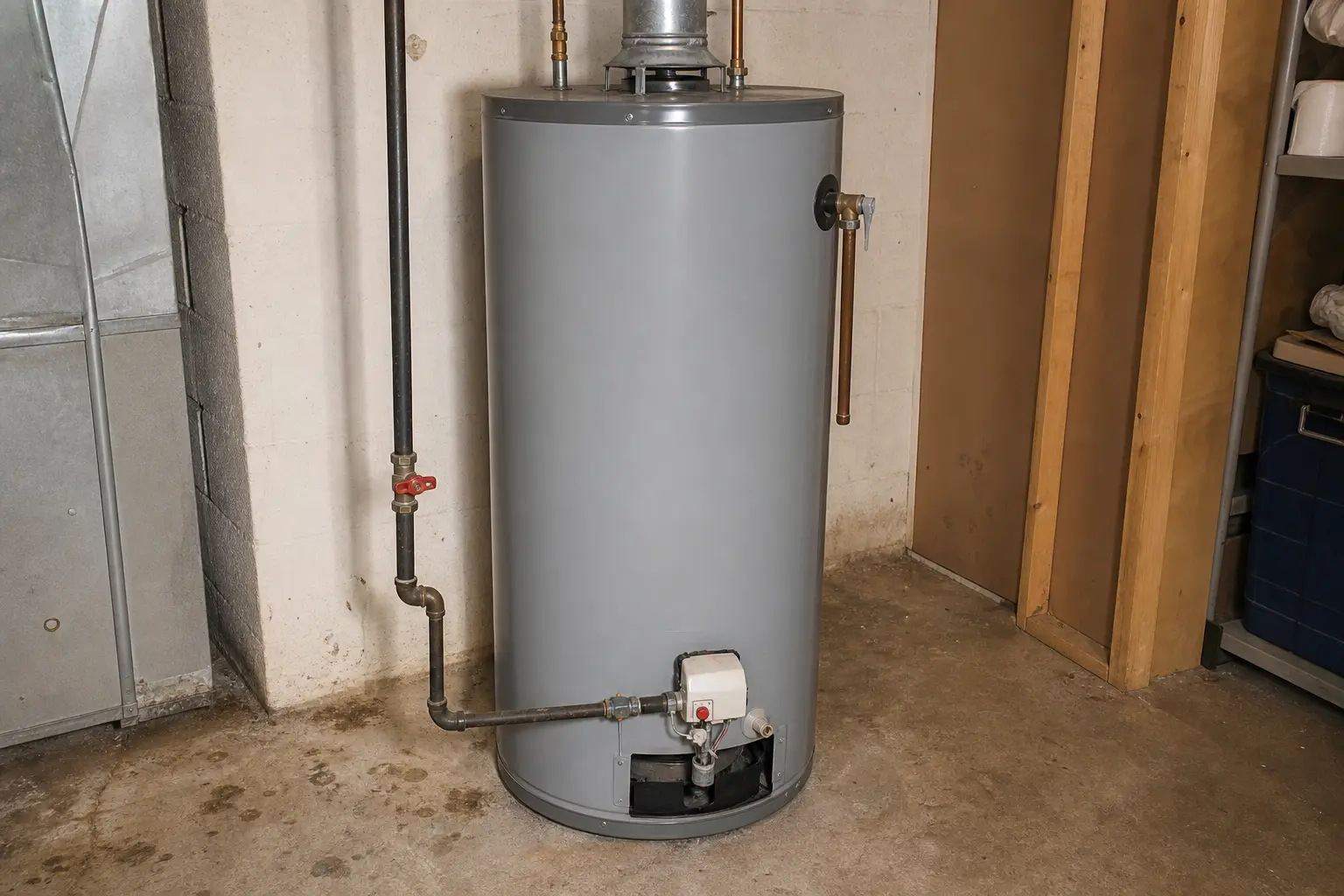
Do not buy a faucet, cartridge, hot supply line, shutoff valve, aerator, or water-heater part until the source map proves whether this is local to the bathroom sink. Match the exact diagnosis, faucet model, valve type, supply-line length, aerator thread, and water-heater symptom before ordering.
A bathroom sink with no hot water is either a local hot-side restriction or a house hot-water problem that the sink revealed first. Separate those before touching parts.
Do not assume the faucet or water heater has failed until you know whether the problem is one-sink-only.
Use fixture comparisons first, then work from the wall valve to the faucet.
| Check result | What it usually means | Next move |
|---|---|---|
| Only this sink lacks hot water | Local hot stop, supply line, aerator, or faucet restriction. | Stay under the vanity and at the faucet tip. |
| Nearby shower or another sink also stays cold | House hot-water problem. | Check the water heater or call for plumbing/HVAC service as appropriate. |
| Hot supply line under sink stays cool | Hot stop may be closed or restricted. | Open gently and test valve output if safe. |
| Hot supply line warms but faucet stays weak or cool | Restriction at faucet inlet, cartridge, or aerator. | Remove aerator and confirm faucet-side flow. |
| Hot eventually arrives but takes a long time | Distance, flow restriction, or recirculation/layout issue. | Confirm flow first before changing equipment. |
The same symptom at two fixtures is rarely a bathroom sink part problem.
For a one-sink problem, move from the wall to the faucet. The hot water has to pass each restriction before it reaches the spout.
Use these tools to test hot water without guessing from hand feel or soaking the vanity.
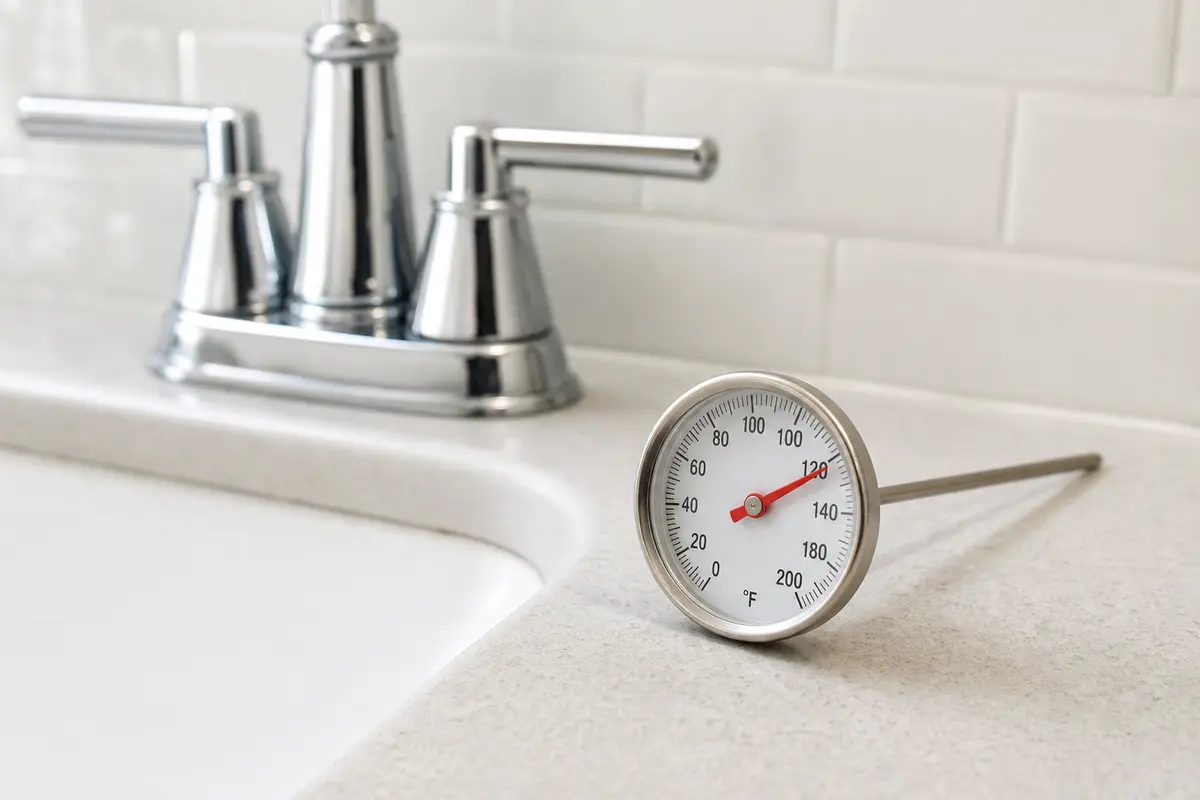
Helps when: Use a faucet thermometer to compare this sink temperature with nearby fixtures.
Skip it when: Skip guessing by feel when you need to separate lukewarm flow from no-hot-water flow.
Compare faucet thermometers on Amazon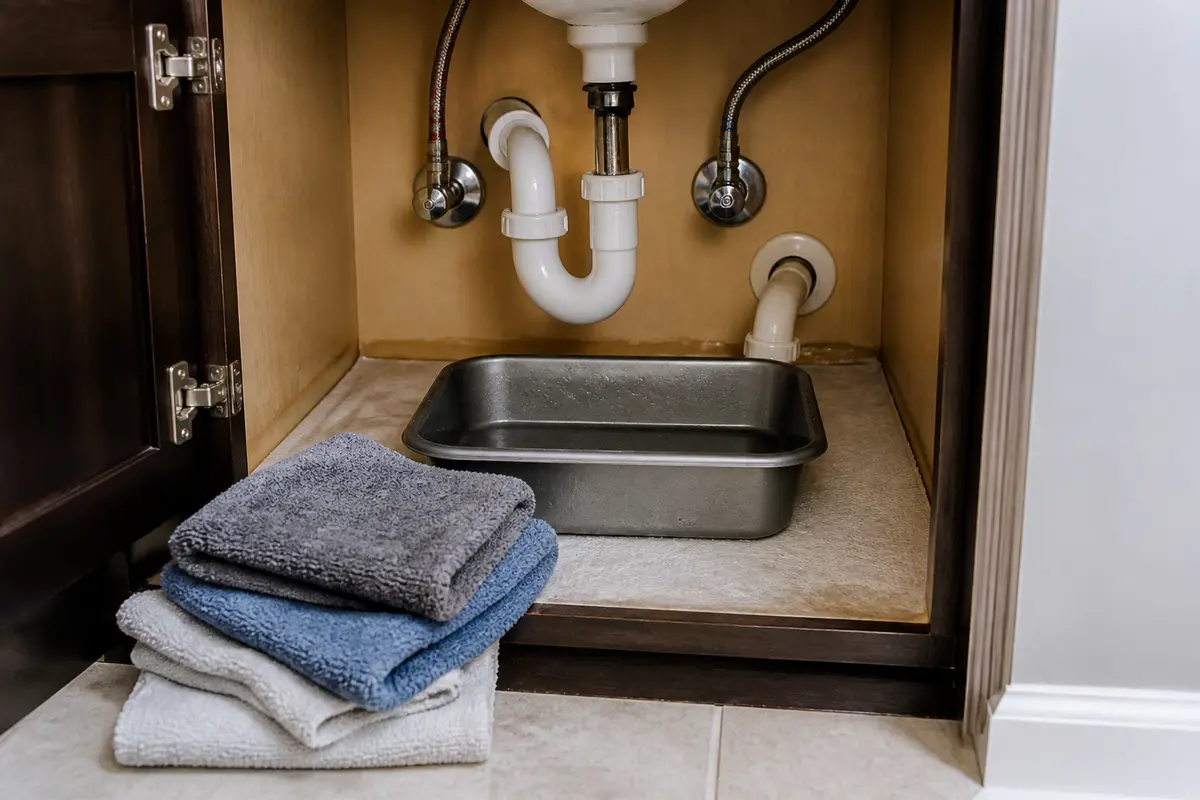
Helps when: Use a shallow pan and towels to catch water while checking supply, shutoff, trap, or drain joints.
Skip it when: Skip disassembly if water is active and you cannot shut it off or keep the cabinet safe.
Compare shallow pans and towels on Amazon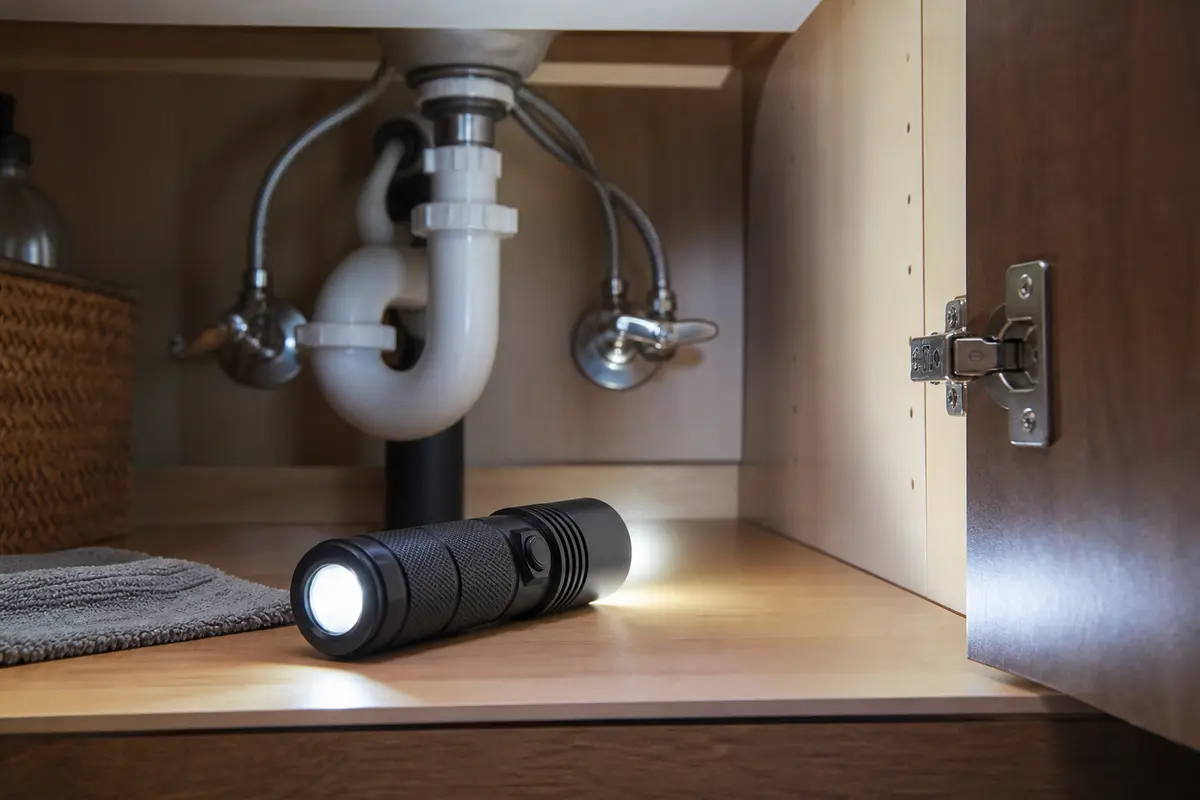
Helps when: Use an inspection flashlight to find the first wet point, valve position, trap condition, or wall-drain clue.
Skip it when: Skip working under the sink until stored items are removed and the cabinet is dry enough to inspect safely.
Compare inspection flashlights on Amazon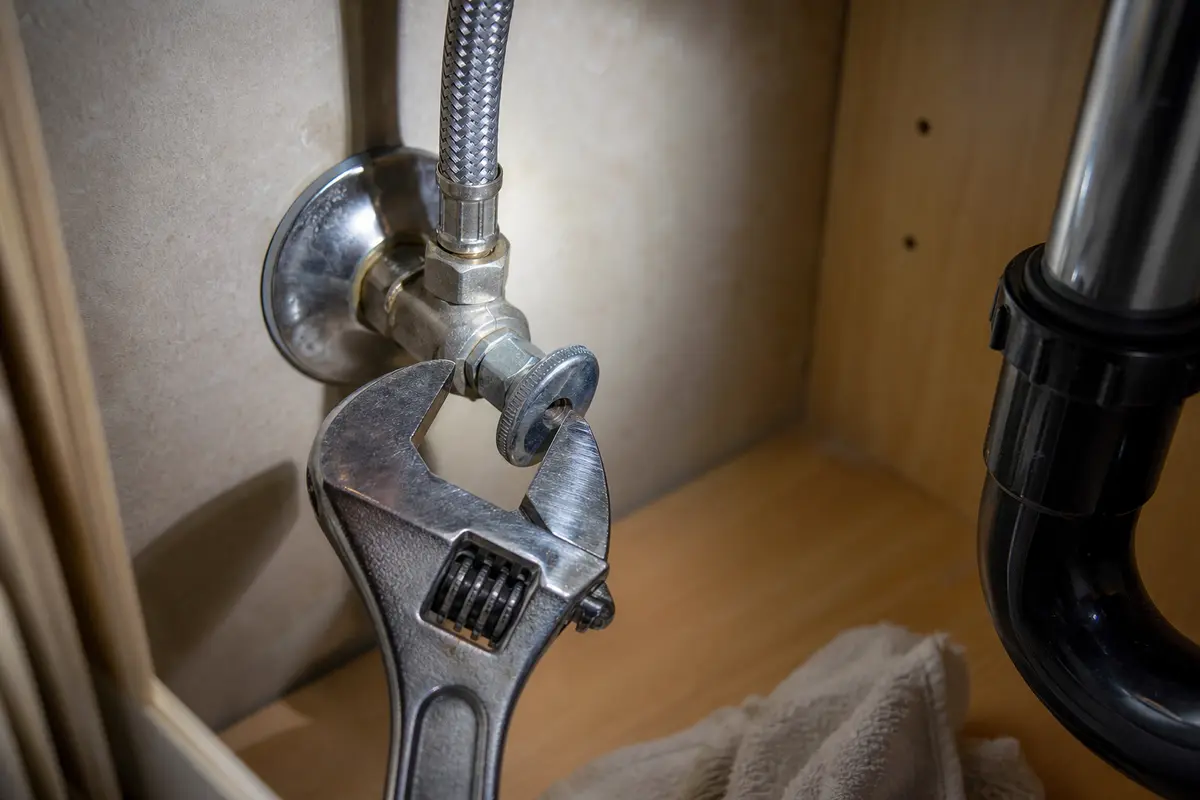
Helps when: Use a small adjustable wrench on metal supply nuts, faucet hardware, or shutoff connections that fit squarely.
Skip it when: Skip using it on plastic slip nuts where hand tightening or pliers are safer.
Compare small adjustable wrenches on AmazonAs an Amazon Associate I earn from qualifying purchases. Repair Riot may earn a commission at no extra cost to you.
Buy only if the local hot-side tests prove the part is restricted or leaking.
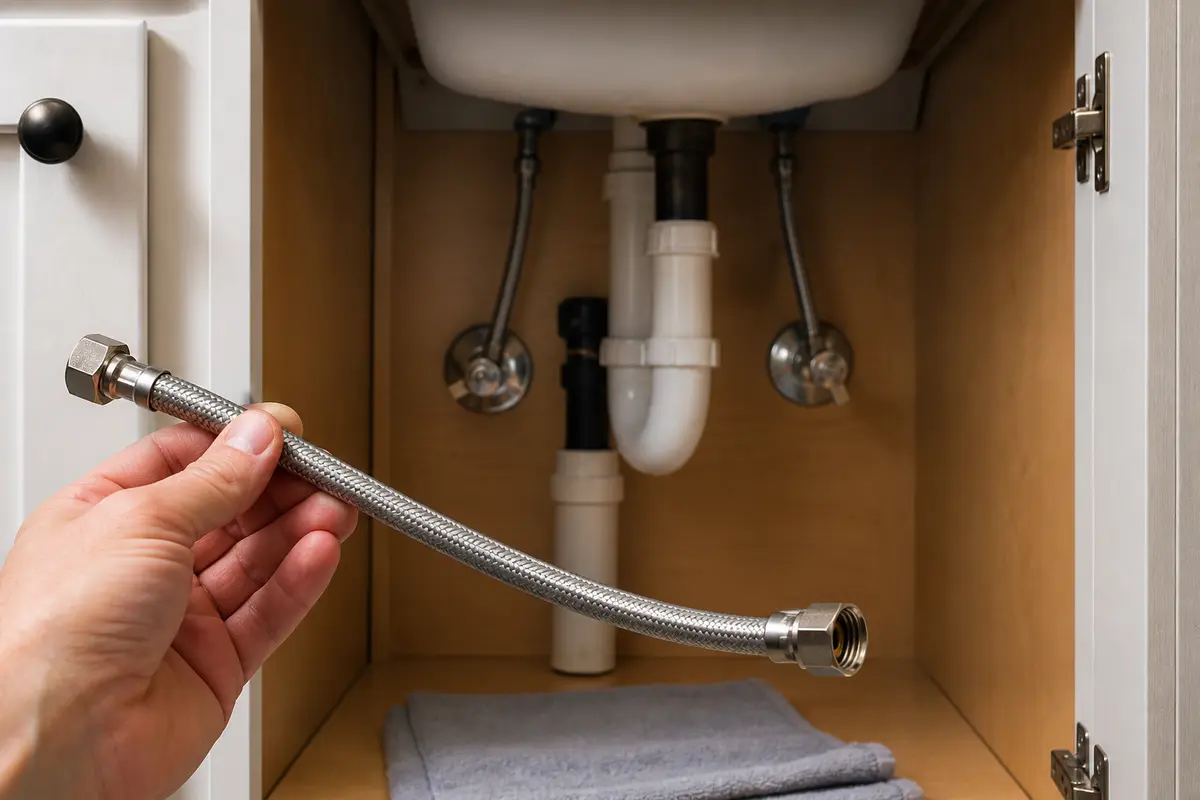
Helps when: Use a bathroom sink supply line when the line is kinked, clogged, corroded, or leaking at the connector.
Skip it when: Skip replacing the line until the stop is off and the connector size is verified.
Compare bathroom sink supply lines on Amazon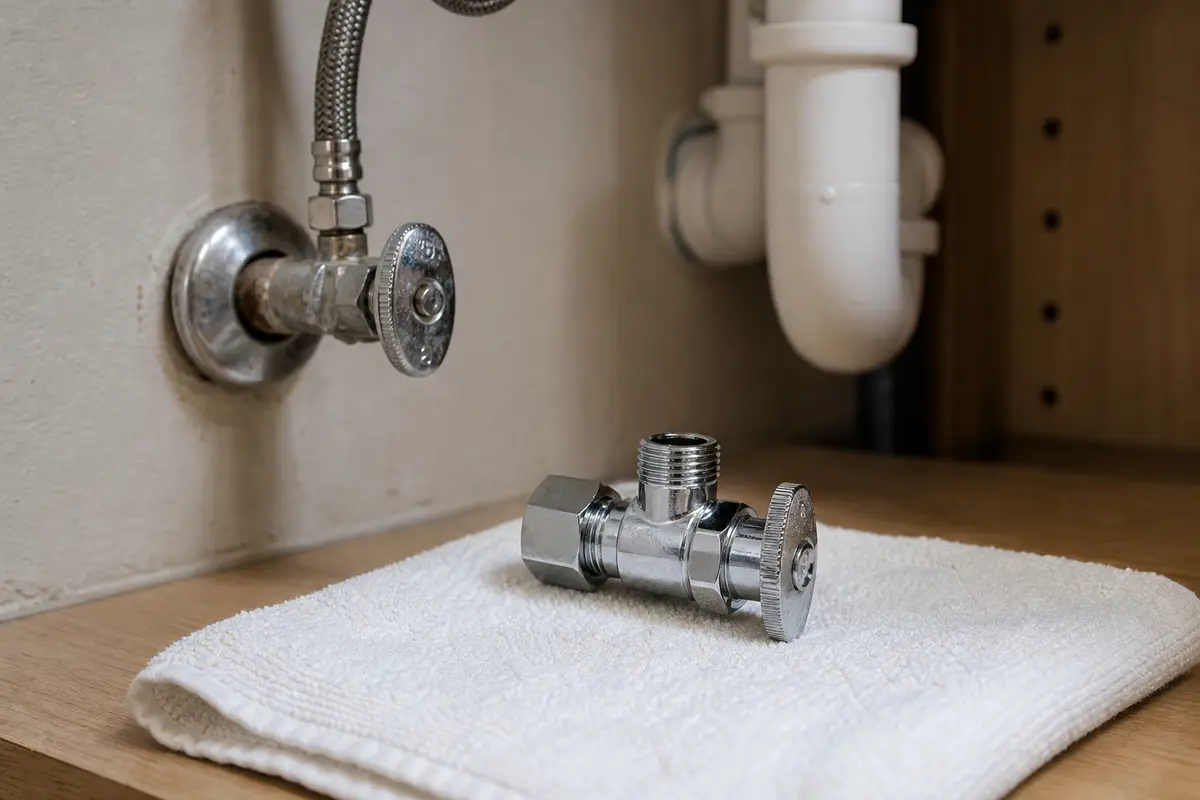
Helps when: Use a bathroom sink shutoff valve when the stop is seized, leaking, or not passing water after safe shutoff.
Skip it when: Skip valve replacement without a working upstream shutoff and the right fitting type.
Compare bathroom sink shutoff valves on Amazon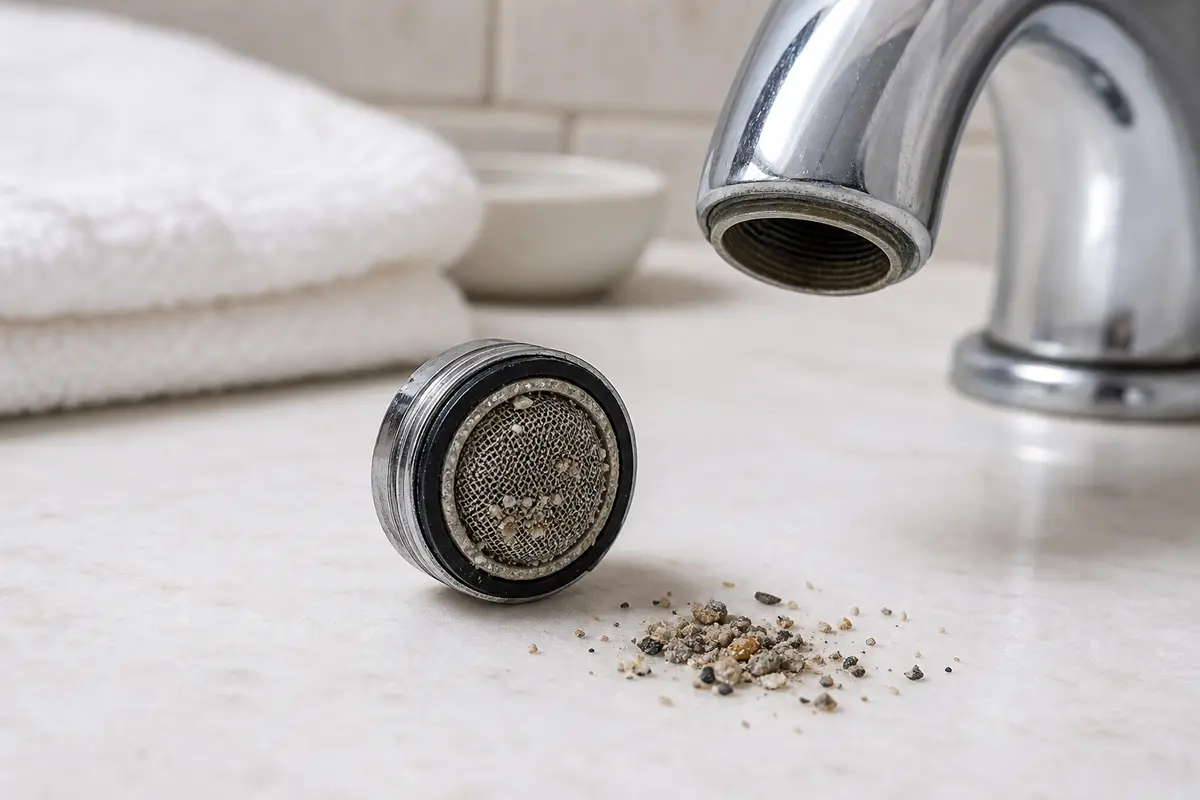
Helps when: Use a bathroom sink faucet aerator when cleaning confirms debris or damage at the aerator.
Skip it when: Skip replacing the faucet if the aerator is the only restricted part.
Compare bathroom sink faucet aerators on Amazon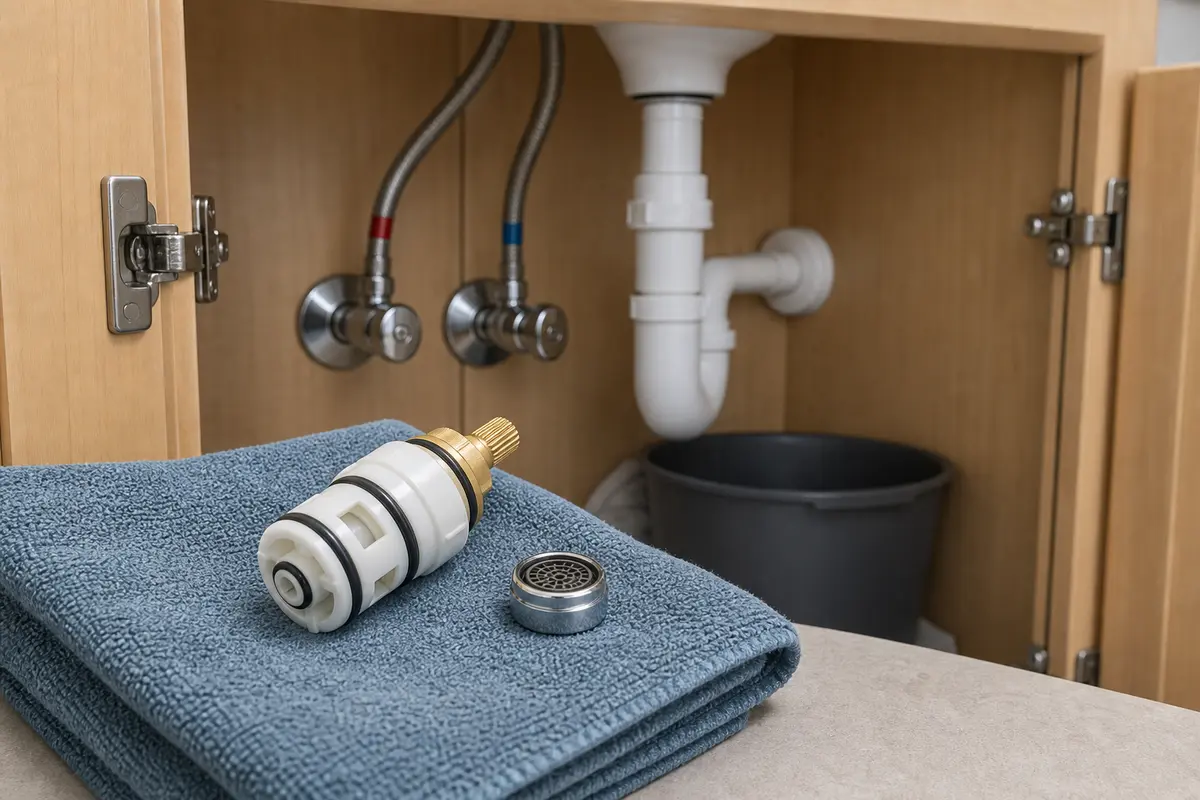
Helps when: Use a bathroom faucet cartridge only after aerator, stop, and supply-line checks point to debris inside the faucet.
Skip it when: Skip cartridge replacement if both hot and cold problems suggest a broader supply issue.
Compare bathroom faucet cartridges on AmazonAs an Amazon Associate I earn from qualifying purchases. Repair Riot may earn a commission at no extra cost to you.
When other fixtures get hot normally, the bathroom sink usually has a local hot-side restriction: hot shutoff valve, hot supply line, aerator, faucet inlet, or cartridge.
It can make the hot side seem weak or slow because flow is restricted at the outlet. Remove the aerator and test before buying larger parts.
Not first. Compare nearby fixtures, check the hot stop and supply line, and test with the aerator removed before blaming the faucet.
Then this is not a bathroom-sink-only issue. Check the water heater, house hot-water valves, or call the appropriate service professional.
Yes. Older stop valves can be internally restricted even when the handle turns open. A controlled output test tells you whether the valve is passing water.
Run it long enough to compare with nearby fixtures, usually up to about a minute. If every fixture is slow, the issue is not isolated to the sink.
Yes. A severe kink or internal restriction can reduce hot flow so much that hot water takes too long to reach the faucet or never arrives clearly hot.
Match the exact failed point: supply length and connector size, shutoff valve style, aerator thread, cartridge model, or water-heater diagnosis.
This guide starts with fixture comparison because no-hot-water symptoms can be local to one vanity or upstream at the whole-home hot-water system. The repair path changes completely after that split.