Is only this bathroom sink slow?
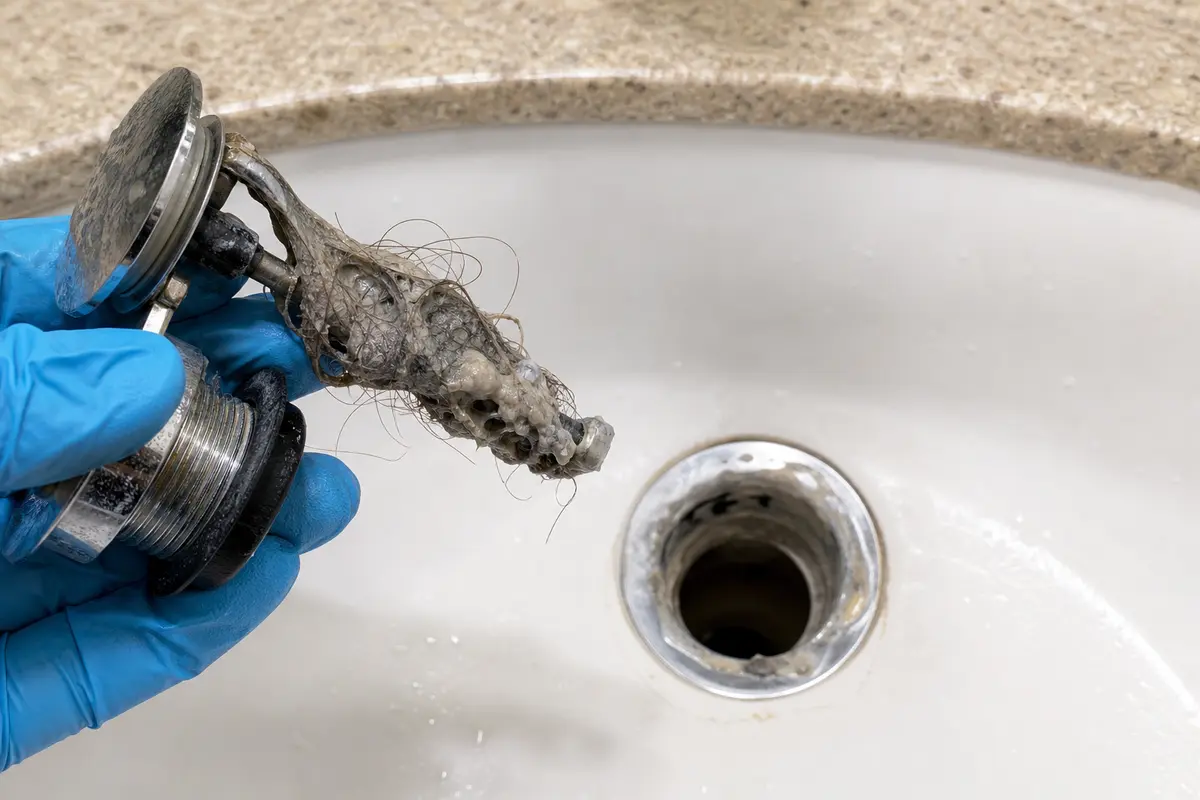
Start at the pop-up stopper and drain opening. Nearby fixtures draining normally usually keeps the problem local.
When a bathroom sink will not drain, start at the stopper, drain opening, P-trap, and wall-drain clue. Check the easy hair-clog points before chemicals or new parts.
A good clue: when the tub, toilet, and another sink drain normally, the clog is probably inside this sink's stopper, drain body, or P-trap.
Good clue: water held only in the basin points closer to the stopper or trap than the shared line.
Don’t start with: Do not pour chemical drain cleaner into standing water or buy a drain assembly first. Bail out the bowl, lift the stopper, and look for hair at the drain opening; chemicals make trap work riskier if the clog is still there.
Start at the pop-up stopper and drain opening. Nearby fixtures draining normally usually keeps the problem local.
Bail out enough water to work safely, then remove hair from the stopper area before loosening the trap.
Use hot tap water only if the drain is moving. If it stays slow, open the P-trap with a bucket ready.
A clean trap with fast backup points toward the wall drain. Do not buy a new sink drain assembly for that clue.
Stop sink-level repair and call a licensed plumber. That can be a larger drain-line problem.
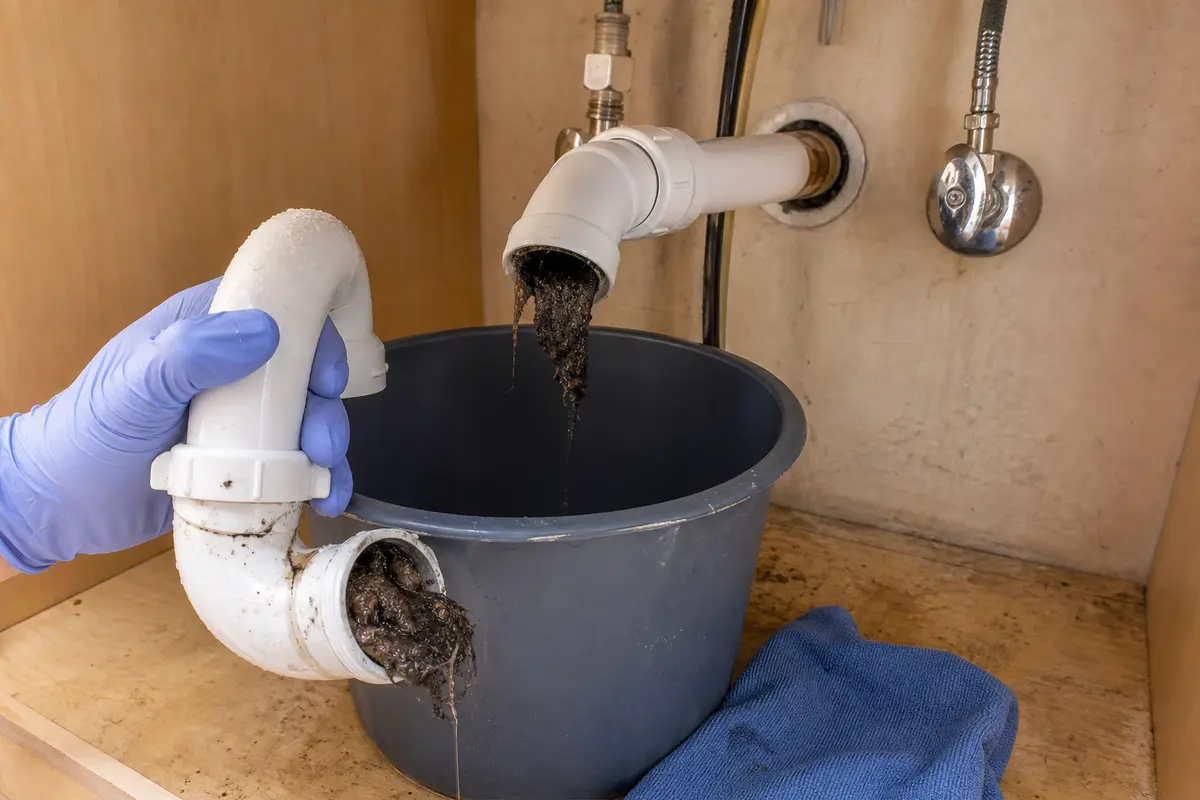
Start with the whole sink area, then look at the stopper for a hair mat, then check what comes out of the P-trap. If the trap dumps sludge into the bucket, clean and reseat it; keep replacement parts out of the cart until a cracked, corroded, or non-working piece proves it failed.
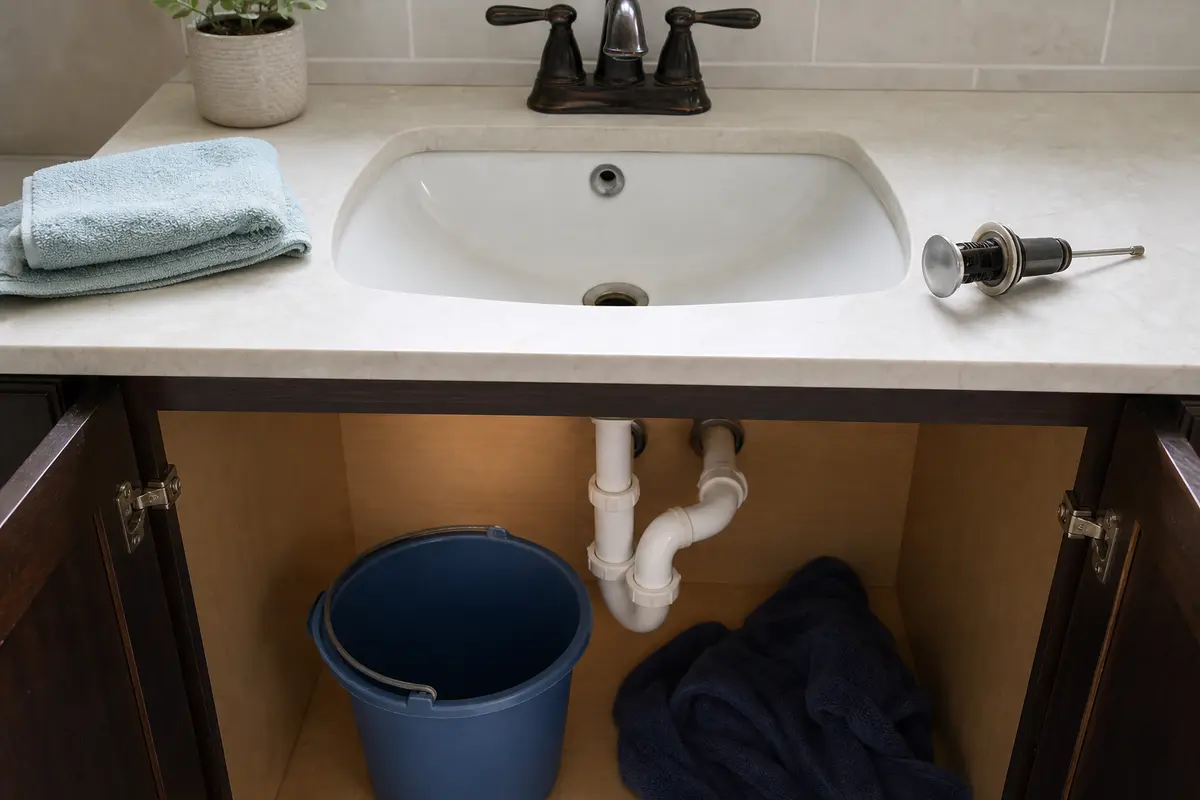
Do not buy a pop-up stopper, P-trap kit, slip-joint washer, hand auger, or full drain assembly until the exact diagnosis points there. Match plumbing parts by pipe diameter, washer shape, trap layout, wall reach, overflow style, and the part that actually failed.
Most bathroom sink clogs start where the flow narrows: the pop-up stopper, the drain throat, or the P-trap. A good clue is whether the tub and toilet nearby still drain normally.
Clean and inspect before shopping. If hair comes up at the stopper, stay at the top of the drain. If sludge is in the trap, reseat the trap after cleaning. If the trap is clear and water still stalls, look toward the wall drain before buying parts.
Most of the time, this is the repair. Work from the top of the sink while the job is still clean and the clog is easy to see.
Soft residue can remain after the hair plug is out. A good clue is slow but steady movement; a fully blocked bowl just leaves you with hot dirty water.
When the top of the drain is clean and the sink is still slow, open the P-trap carefully. What comes out of the trap tells you whether this is still a sink-local repair.
| What you see | What it usually means | Next move |
|---|---|---|
| Trap is packed with hair, gray sludge, or a dropped cap | The clog was still under the vanity. | Clean the trap, reseat the washers, and retest with a small water run. |
| Trap is mostly clean but the sink backs up fast | The wall drain is more likely than the visible sink parts. | Stop using the sink if water comes from the wall opening; call a plumber if needed. |
| Trap joint drips after cleaning | A washer is crooked, split, flattened, or the trap is misaligned. | Realign the trap and replace only the washer or trap piece that failed. |
| Trap, slip nut, or wall stub-out cracks or moves | The repair is no longer a simple cleanout. | Stop before the pipe breaks and call a licensed plumber. |
A good repair drains the bowl and leaves the cabinet dry. Watch the first full run before stored items go back under the sink.
These tools support visible, low-risk sink-drain work. Skip tool work when old drain parts are glued, corroded, or moving at the wall.
Paid links. As an Amazon Associate I earn from qualifying purchases. Repair Riot may earn a commission at no extra cost to you.
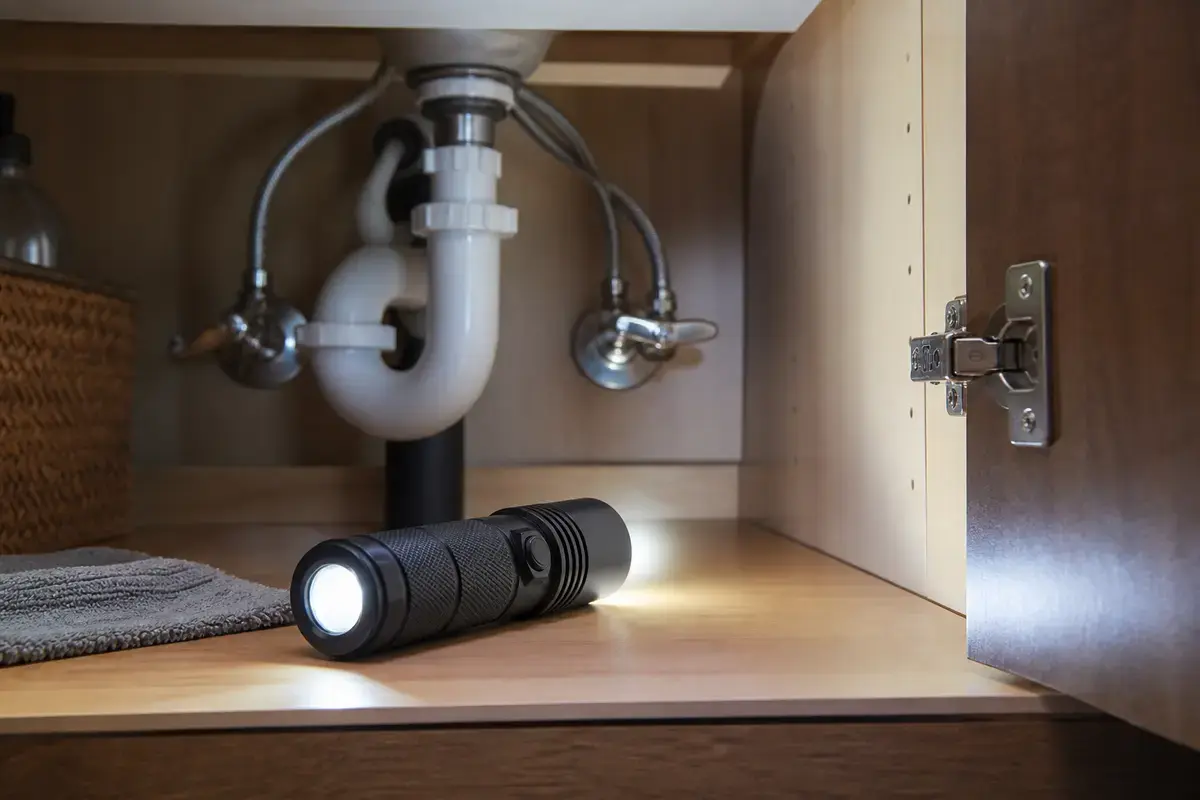
Helps when: Use an inspection flashlight to find the first wet point, valve position, trap condition, or wall-drain clue.
Skip it when: Skip working under the sink until stored items are removed and the cabinet is dry enough to inspect safely.
Compare inspection flashlights on Amazon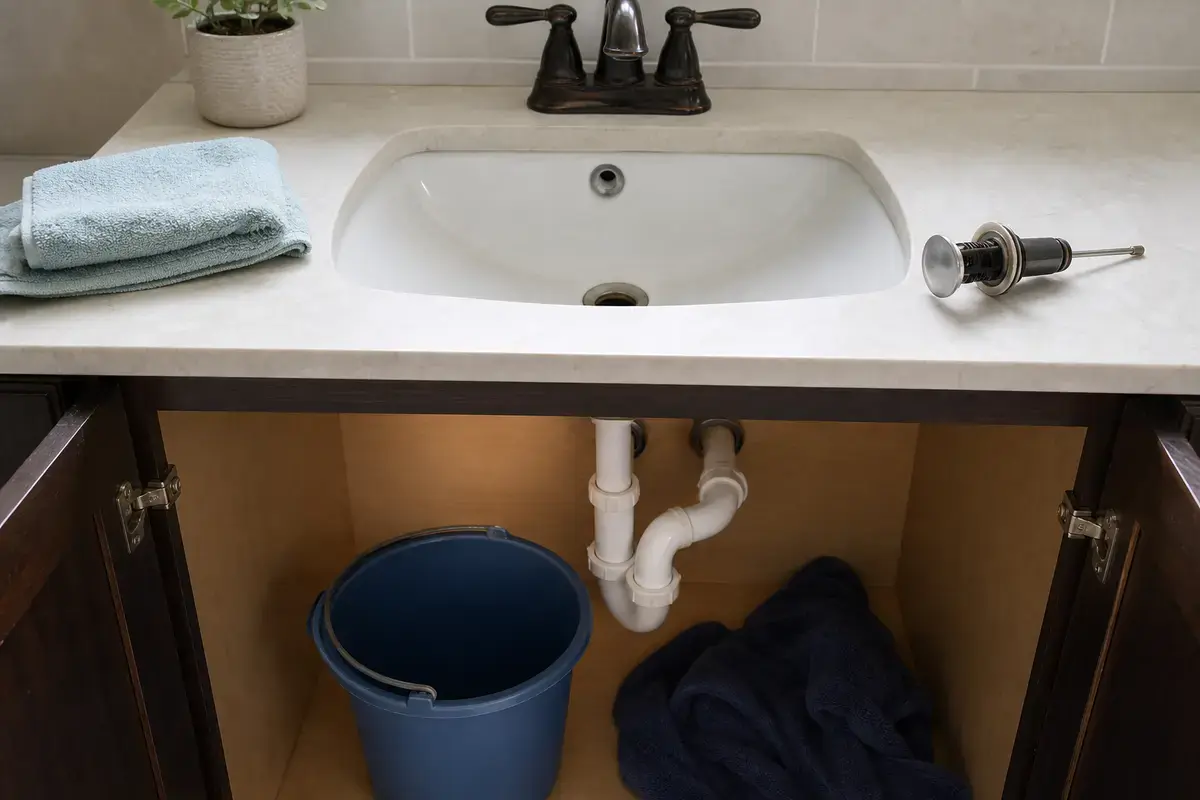
Helps when: Use a bucket and towel under the P-trap before opening slip joints or catching backed-up water.
Skip it when: Skip opening the trap if water may be sewage-contaminated or multiple fixtures are backing up. Stop and treat that as a drain-line problem.
Compare buckets and towels on Amazon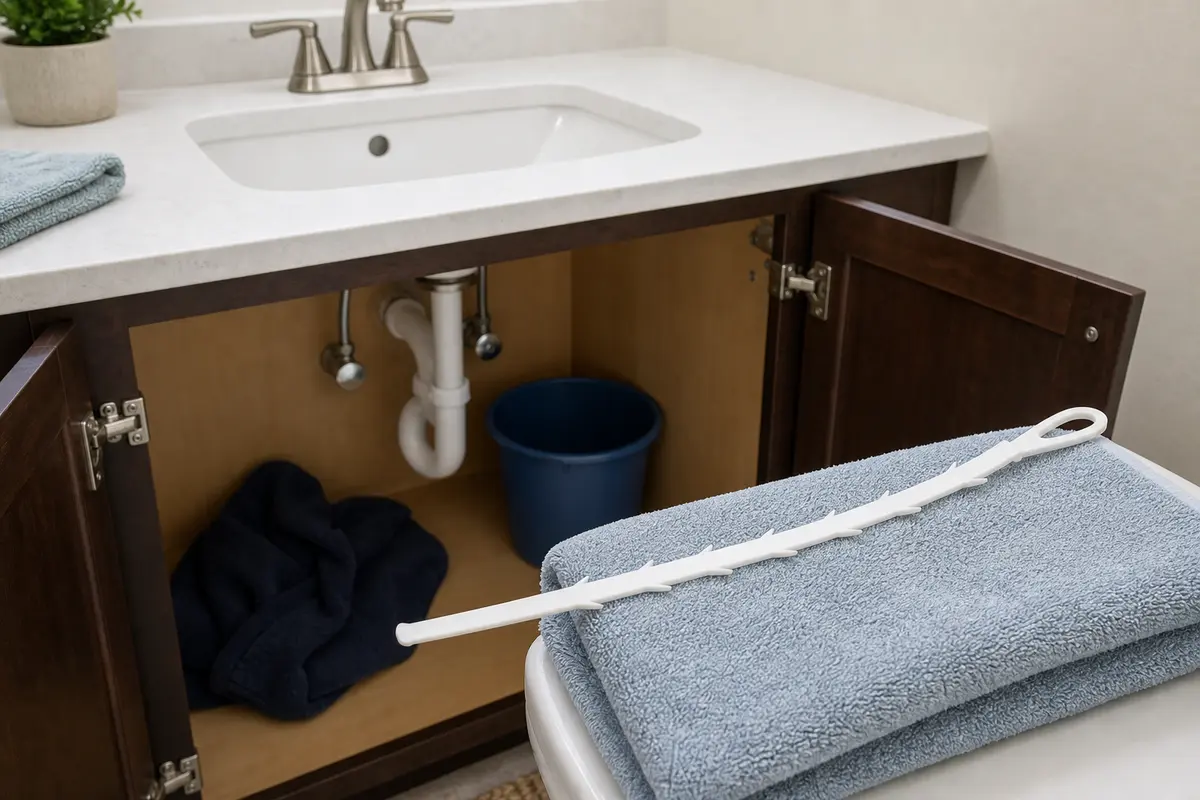
Helps when: Use a plastic drain cleaning tool for hair at the stopper or near the drain opening.
Skip it when: Skip forcing it into the wall drain; use the right tool if the clog is beyond the trap.
Compare plastic drain cleaning tools on Amazon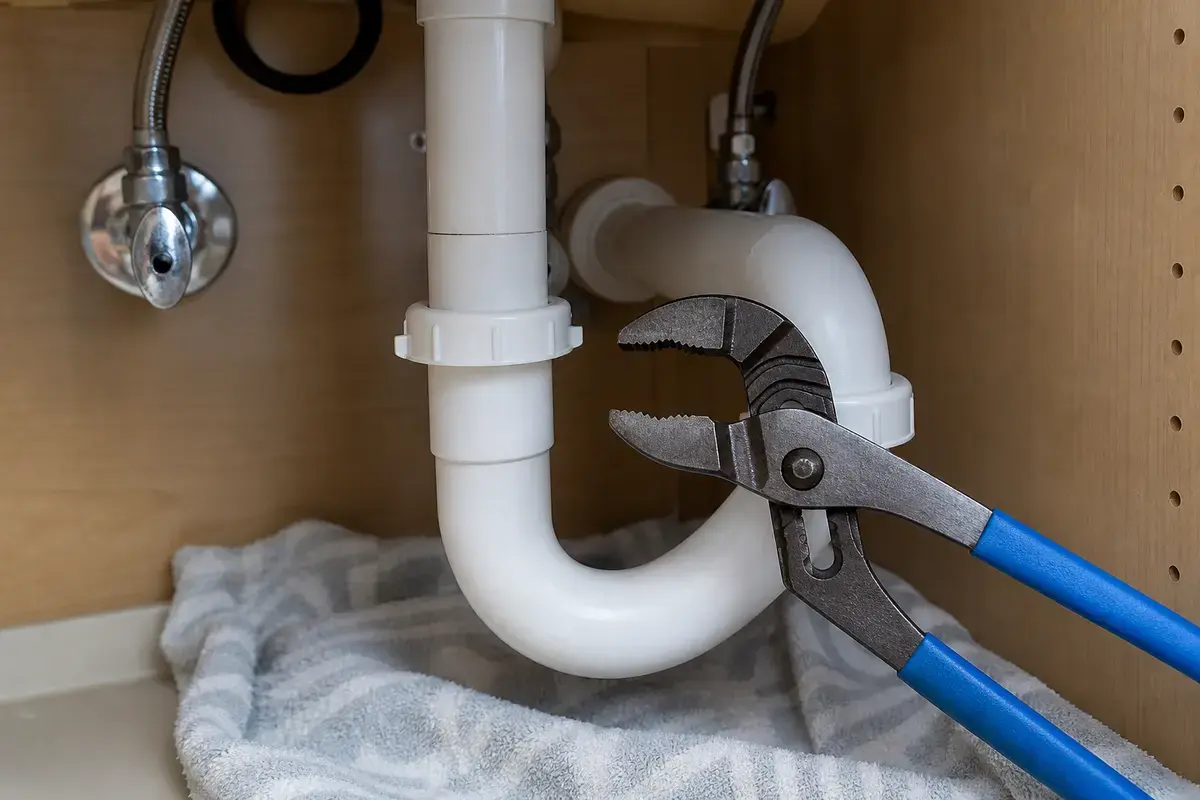
Helps when: Use tongue-and-groove pliers to loosen accessible slip nuts while supporting plastic fittings by hand.
Skip it when: Skip overtightening plastic drain parts because it can deform washers and cause leaks.
Compare tongue-and-groove pliers on Amazon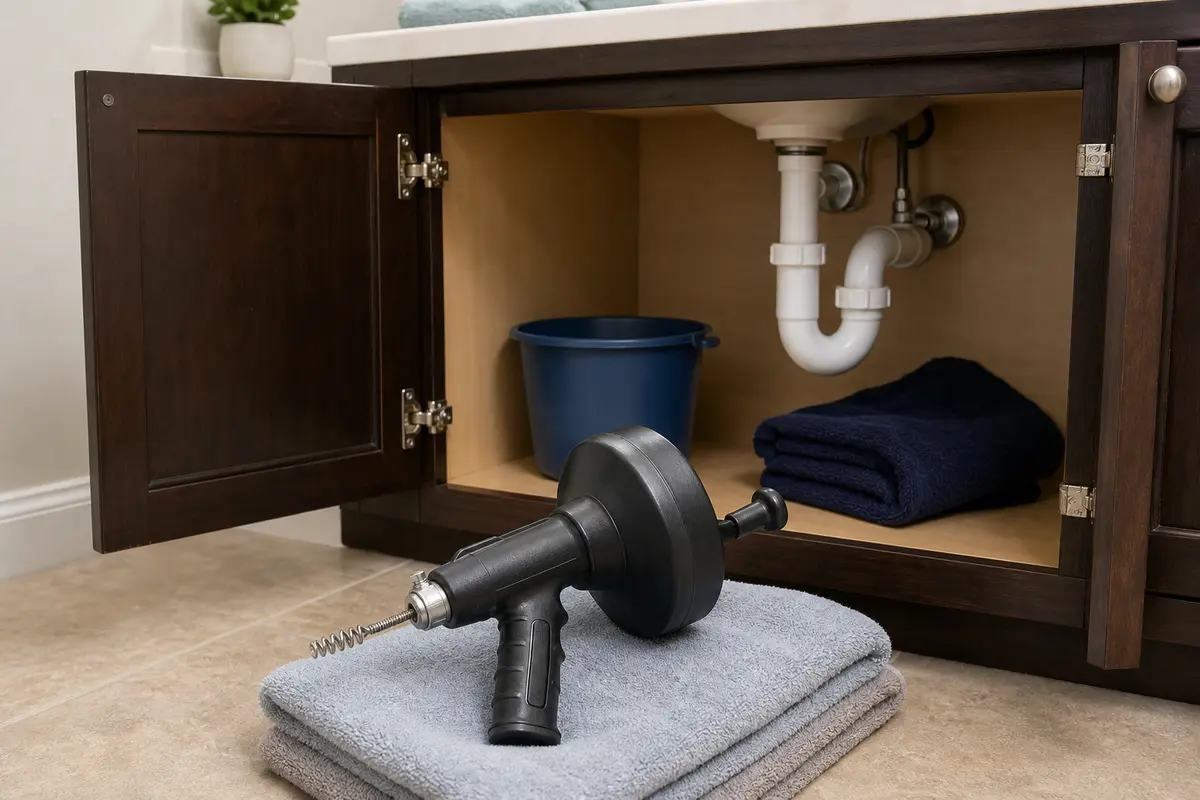
Helps when: Use a small hand auger only when the clog appears beyond the trap and pop-up parts are protected.
Skip it when: Skip augering through delicate pop-up parts or if multiple fixtures suggest a shared drain issue.
Compare small hand augers on AmazonBuy parts only after the clog is cleared enough to reveal a failed piece. Most bathroom sink no-drain calls end with cleaning, not a new drain assembly.
Paid links. As an Amazon Associate I earn from qualifying purchases. Repair Riot may earn a commission at no extra cost to you.
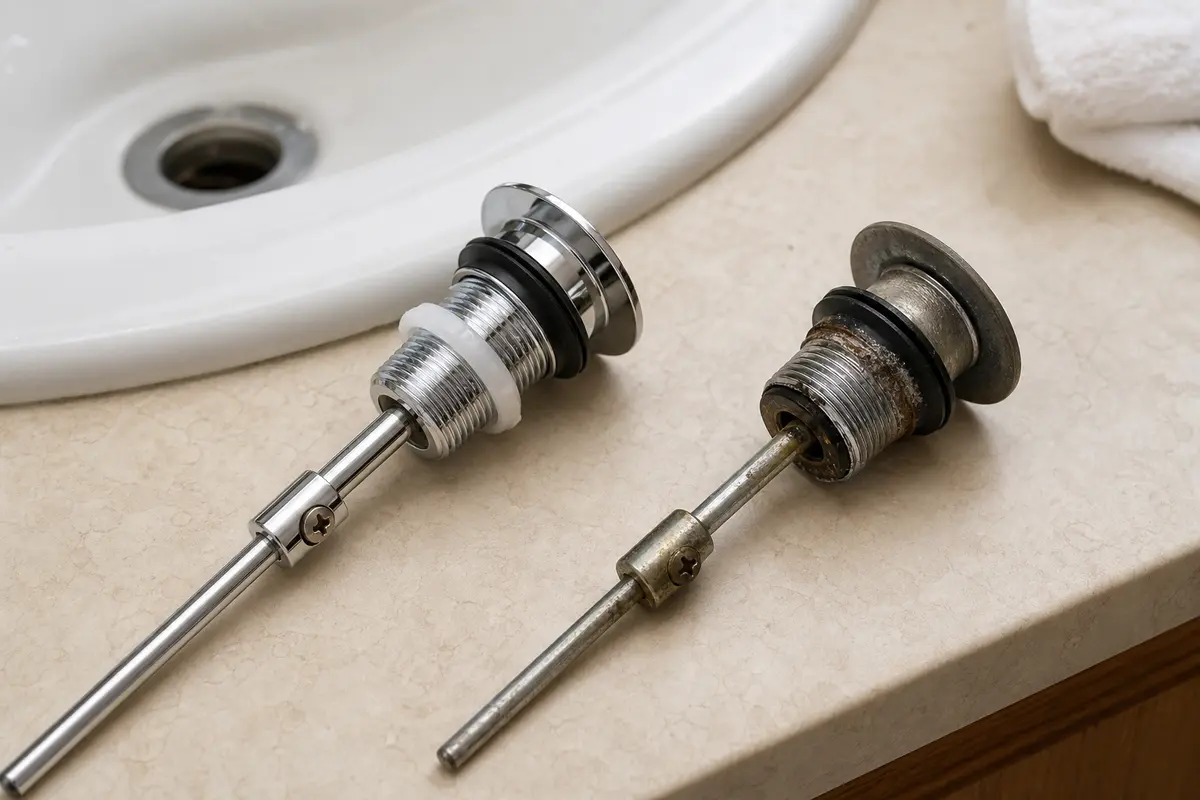
Helps when: Use a bathroom sink pop-up stopper when the old stopper is damaged, jammed, or collecting debris after cleaning.
Skip it when: Skip replacing it if water is returning from the wall drain or another fixture is causing backup.
Compare bathroom sink pop-up stoppers on Amazon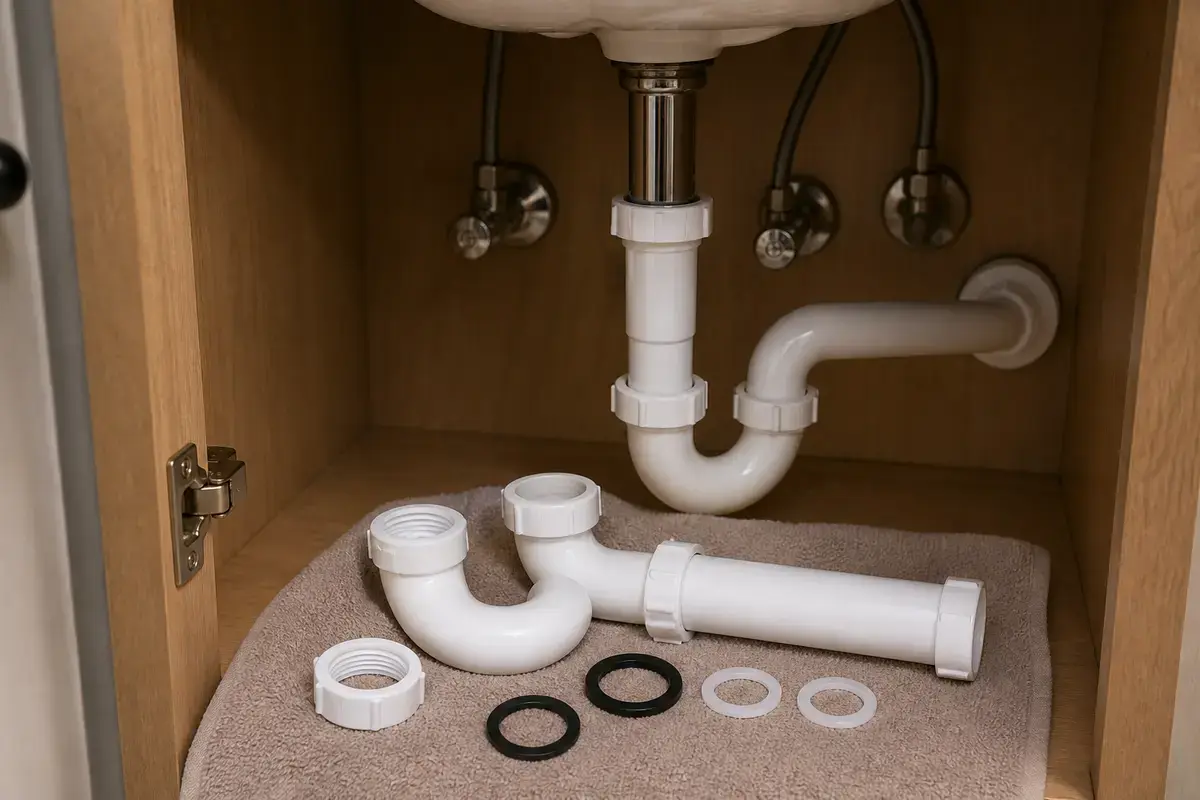
Helps when: Use a bathroom sink P-trap kit when the trap is cracked, corroded, misaligned, or leaking after washer replacement.
Skip it when: Skip trap replacement if the leak or clog starts higher at the drain flange or pop-up pivot.
Compare bathroom sink P-trap kits on Amazon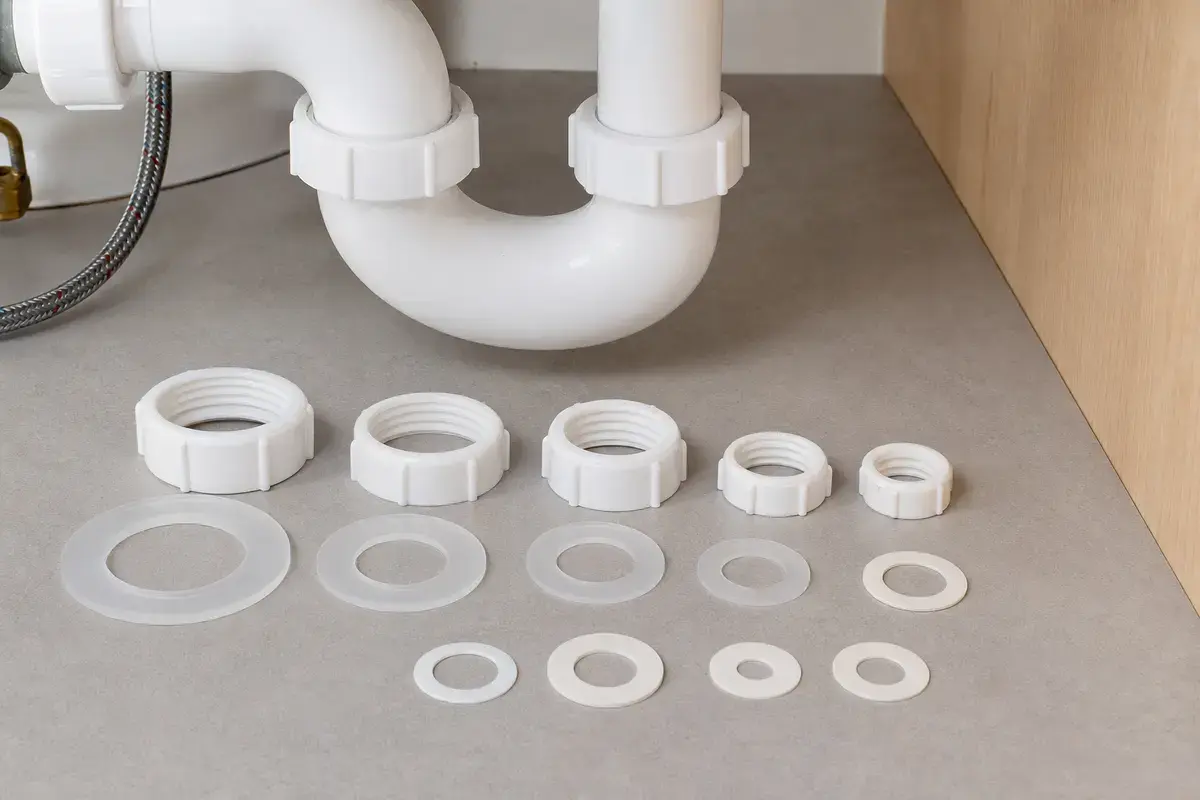
Helps when: Use a slip-joint washer assortment when a trap or tailpiece joint leaks but the pipe parts are sound.
Skip it when: Skip stacking old and new washers or overtightening to compensate for misalignment.
Compare slip-joint washer assortments on Amazon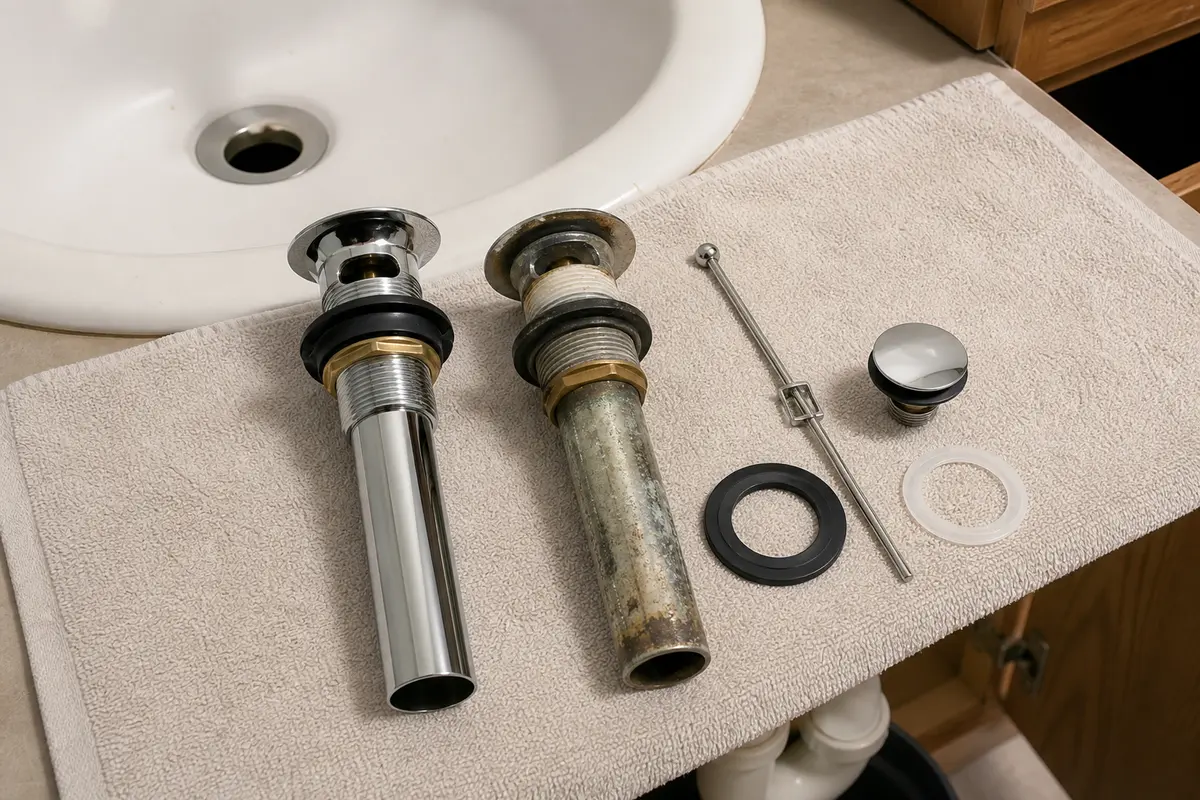
Helps when: Use a bathroom sink drain assembly when the flange or body is damaged and the highest wet point proves it.
Skip it when: Skip replacing the full assembly when only a pivot seal, trap washer, or tailpiece joint is wet.
Compare bathroom sink drain assemblies on AmazonIf the tub is fine, the clog is probably local to this sink. Lift the pop-up stopper and look for hair or gray sludge at the drain opening, then check the P-trap before assuming a larger plumbing problem.
Yes. Hair mixes with soap film, toothpaste, and skin oils, then wraps around the stopper and catches more debris. A small mat can slow the whole drain.
Use physical cleaning first. Chemical drain cleaner can sit in standing water, splash when the trap is opened, and make a simple stopper or trap cleanout more hazardous.
A dirty stopper or visible hair at the drain opening points high. A clean stopper with continued slow drainage points lower, so the P-trap becomes the next place to inspect.
Do not replace the drain assembly just because the basin held water. Clean and adjust the stopper first. Replace the assembly only if you see a damaged or badly corroded drain body, missing pieces, or a pop-up mechanism that still will not work.
A small sink plunger can help with a soft local clog, but cover the overflow opening and use gentle pressure. Do not plunge after chemical drain cleaner has been added.
After a clean P-trap, the clog is probably past the exposed sink parts. Check with only a small water run. Stop if water comes from the wall pipe or nearby fixtures are also slow. Use a hand auger only when this sink is the only slow fixture and the cable feeds gently without hard resistance.
Some debris was left behind or the clog is farther down the line. Reclean the stopper and trap first. If both are clean and the backup returns quickly, the wall drain may need professional clearing.
Repair Riot built this page around visible sink clues: standing water, stopper movement, hair at the drain opening, trap contents, and whether nearby fixtures drain normally. The references below informed the chemical-drain and household fixture safety boundaries.