Smoke, hot electrical smell, or trip?
Keep it off and call service.
Shut the system down for stop signs. Hot smell, smoke, repeated breaker trips, sharp buzzing, or an unusually hot cabinet should stop the cycle. Watch for visible airflow restrictions after it is off: filter, returns, supply registers, and dust.
A good clue is restricted airflow. A packed filter, blocked return, or closed register can make the equipment run hot; persistent heat, electrical odor, or trips need service testing.
Overheating is a stop-and-sort symptom because airflow restrictions and electrical faults can look similar from the outside.
Don’t start with: If the cabinet stays hot after a clean filter, open returns, and one safe retest, call service before buying motors, controls, boards, relays, capacitors, or wiring parts.
Keep it off and call service.
Install the exact supported filter.
Clear airflow and retest one normal cycle only if there are no stop signs.
Stop before internal parts.
Document it and compare after airflow fixes.
The safe homeowner checks stay outside the cabinet: filter, return, register, and exterior cabinet evidence.
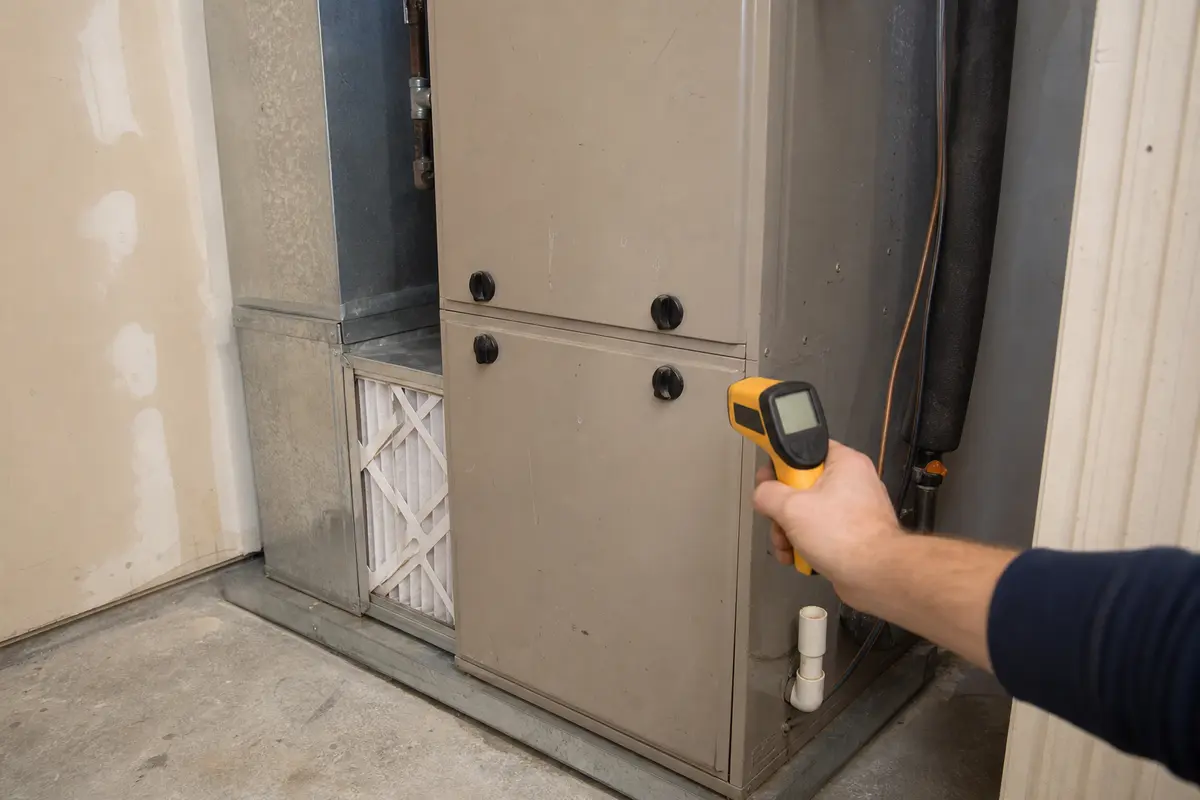
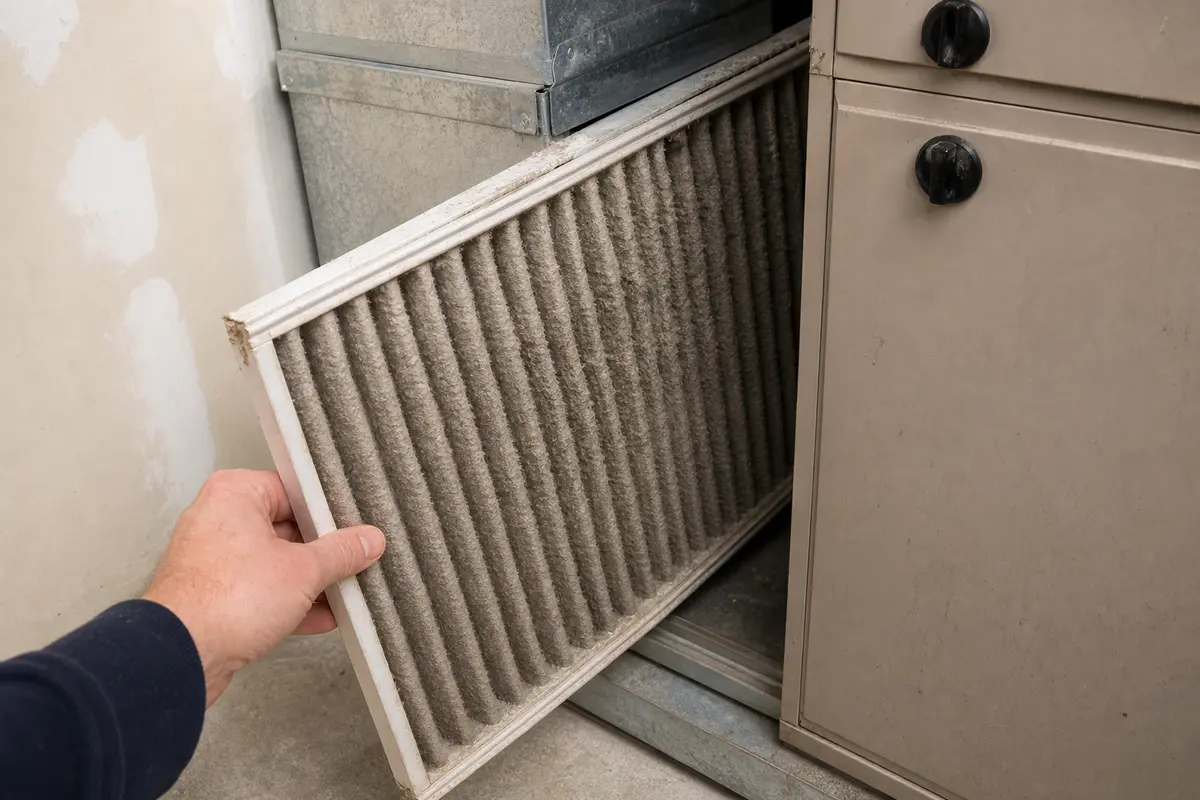
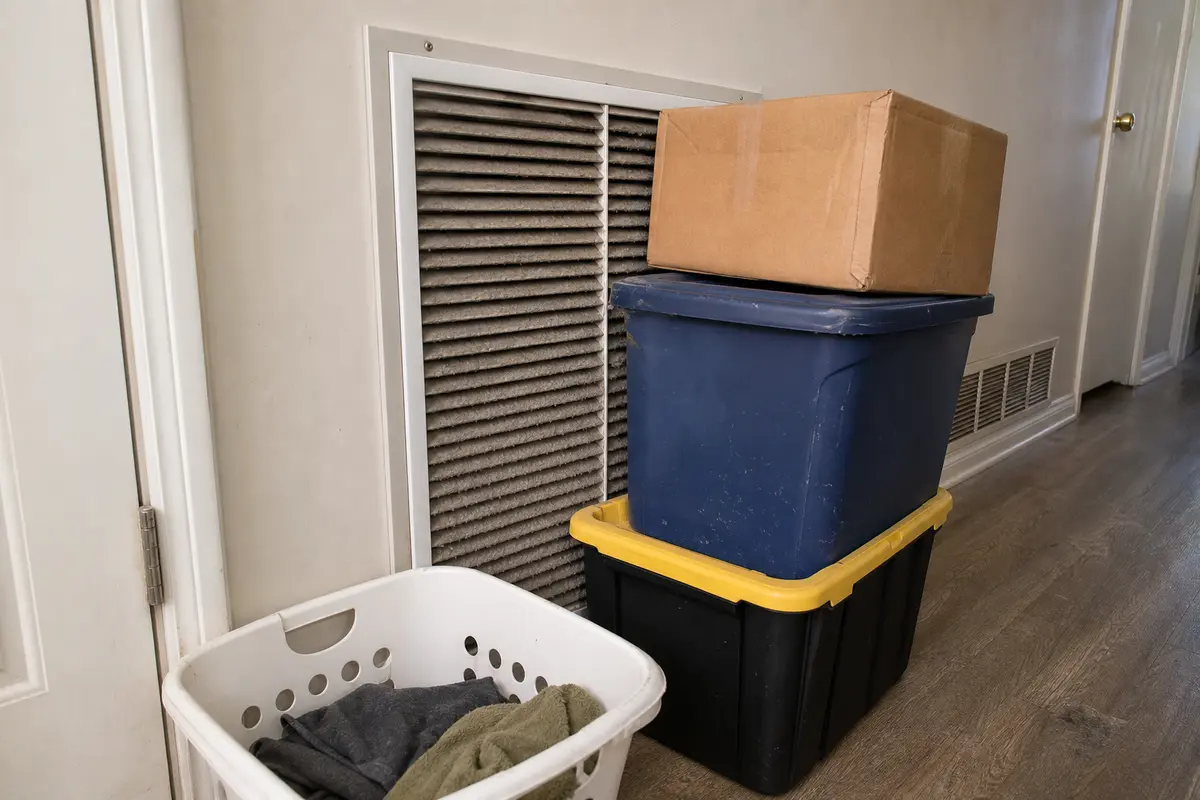
Buy only after the overheating clue is tied to visible airflow. A filter is reasonable when the installed filter is dirty, damp, collapsed, missing, or the wrong size. Match the exact filter size, airflow arrow, supported rating, and diagnosis before ordering. If heat, odor, breaker trips, sharp buzzing, or scraping repeats, schedule service testing before choosing any internal electrical, motor, limit, or control part.
Start by shutting the system down when heat comes with smell, smoke, trips, buzzing, or scraping.
Avoid buying internal parts until the visible clues support it.
Use this table after one controlled check and any normal startup delay.
| Clue | Most likely cause | Next move |
|---|---|---|
| Hot electrical smell, smoke, or trip | Electrical or motor risk | Keep off and call service. |
| Packed or wrong filter | Airflow restriction | Install exact supported filter. |
| Blocked return or closed registers | Airflow starvation | Clear path and retest once if safe. |
| Cabinet still unusually hot | Internal airflow, motor, limit, or control issue | Stop before parts. |
| Only a warm cabinet after long run | May be normal operating heat | Compare after filter and airflow checks. |
These checks keep the diagnosis tied to what you can see or safely test.
Keep the cart narrow and buy only when the evidence points to that exact item.
These support safe visible checks, cleanup, and documentation.
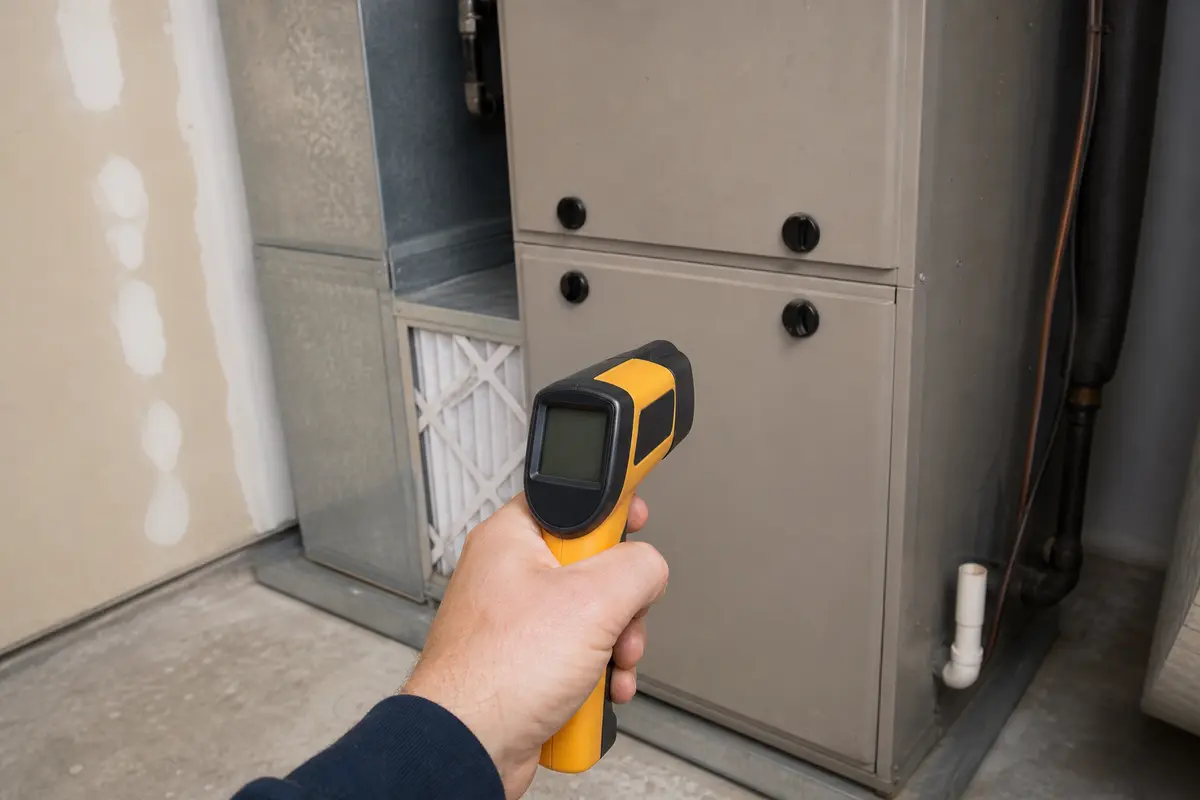
Helps when: Use it on exterior cabinet surfaces to document temperature before and after filter and airflow corrections.
Skip it when: Skip it as a reason to keep running a hot, buzzing, smoking, or repeatedly tripping system.
Compare infrared thermometers on Amazon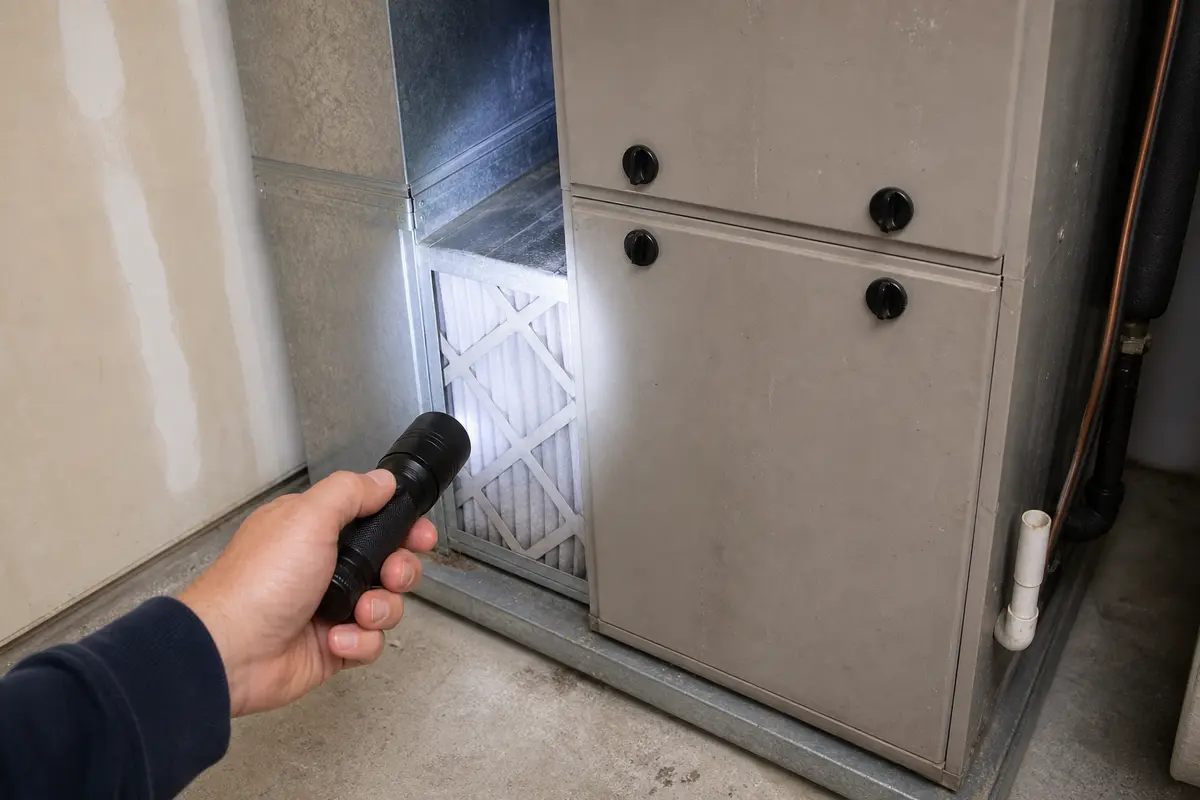
Helps when: Use it to inspect filter fit, return grilles, dust restriction, water, ice, and safe cabinet-area evidence.
Skip it when: Skip checks that require opening blower electrical compartments, reaching into the cabinet, or working near water and controls.
Compare inspection flashlights on Amazon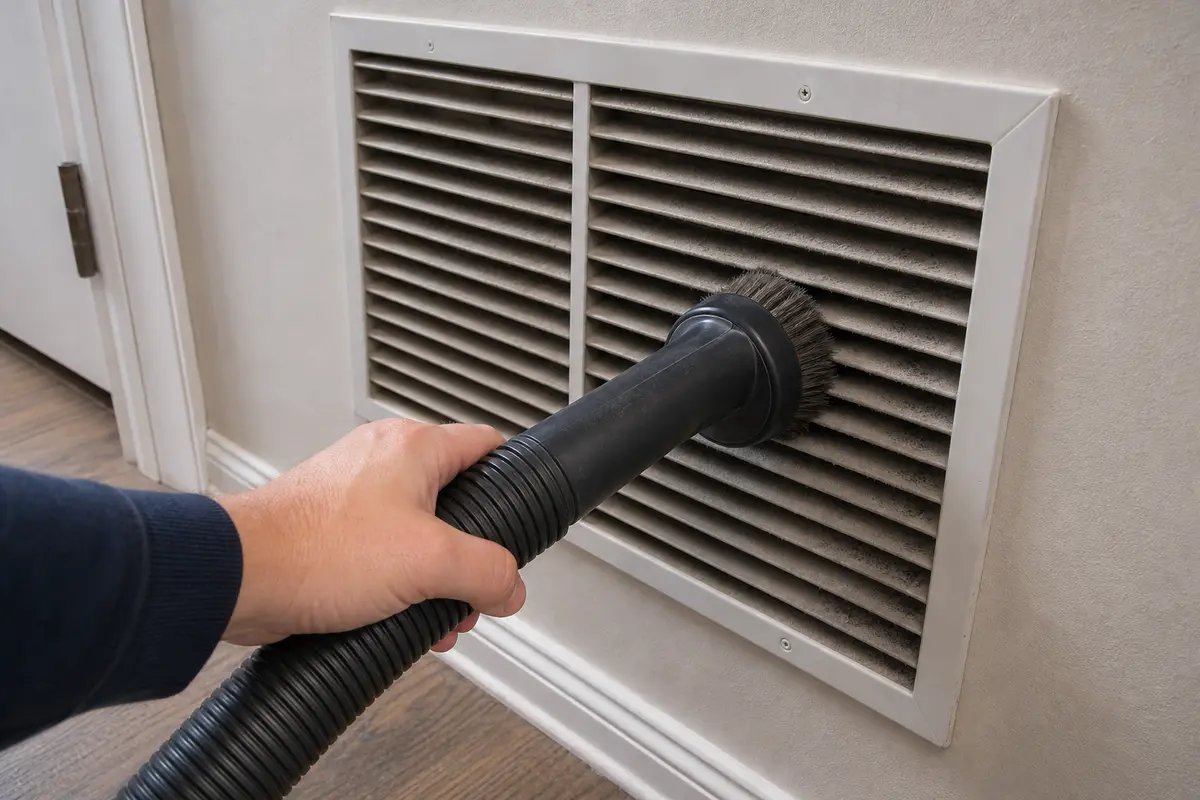
Helps when: Use it to clear loose dust from reachable return grilles and register faces without pushing debris into ducts.
Skip it when: Skip pushing debris into ductwork or cleaning anything past a reachable grille, register, or filter slot.
Compare vacuum brush attachments on AmazonAs an Amazon Associate I earn from qualifying purchases. Repair Riot may earn a commission at no extra cost to you.
These are the only buy-first parts that fit the visible homeowner clues.
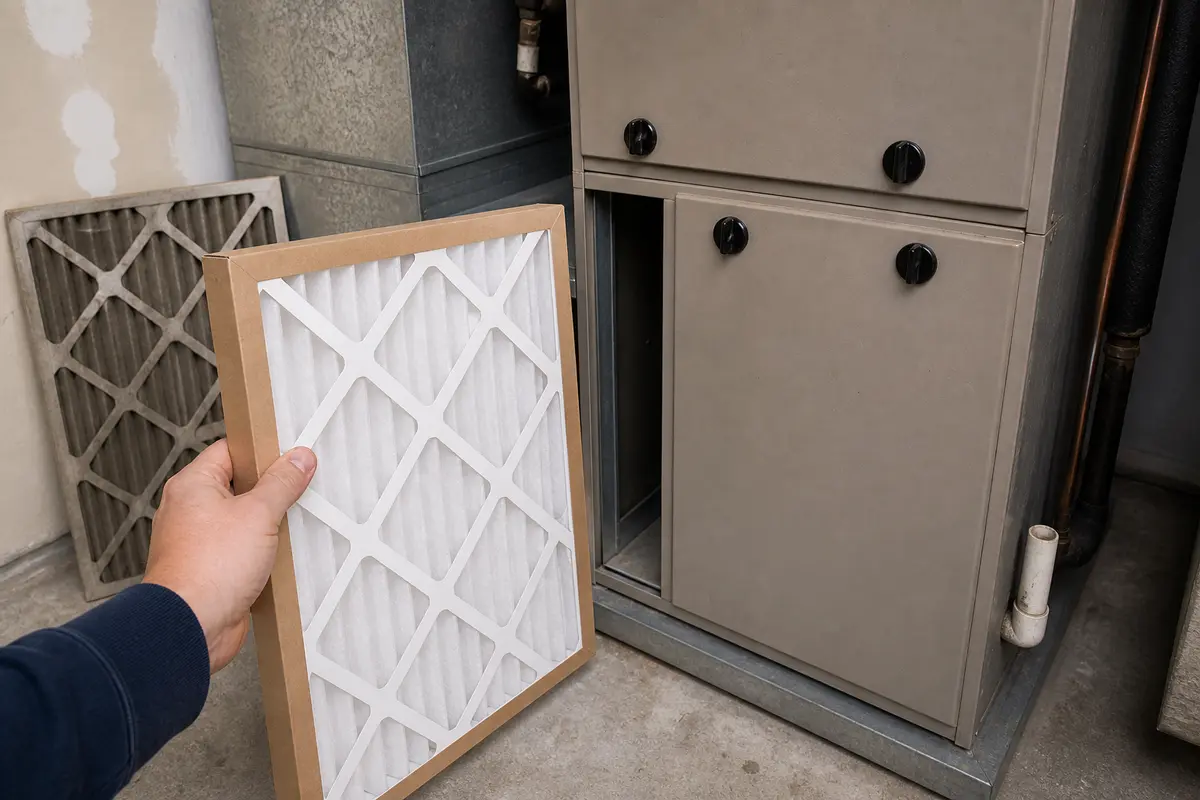
Helps when: Use a new filter only when the installed filter is dirty, damp, collapsed, missing, or the wrong size, and weak airflow or hot cabinet clues point back to restriction. Match the rack size, thickness, airflow arrow, and supported rating.
Skip it when: Skip filters that do not match the rack size, thickness, airflow arrow, and supported restriction range.
Compare air handler filters on AmazonAs an Amazon Associate I earn from qualifying purchases. Repair Riot may earn a commission at no extra cost to you.
Common visible clues are a packed filter, blocked returns, closed registers, long runtime, or an internal fault that needs testing.
No. Turn it off for hot smell, smoke, breaker trips, sharp buzzing, or scraping.
Yes. Restricted airflow can make the system run hotter and may contribute to shutdowns or comfort problems.
Yes. Starved return air can reduce airflow through the air handler.
No. It can document exterior temperature, but internal faults need service testing.
Only a correct-size filter when the installed filter is clearly dirty, damp, collapsed, missing, or wrong.
No. Motor and control parts need tested diagnosis and exact model matching.
Call for repeated heat, hot electrical smell, smoke, breaker trips, sharp buzzing, scraping, or overheating after airflow checks.
Repair Riot built this page around visible checks: thermostat command, airflow, moisture, odor, breaker clues, and stop points before hidden work.