Rattle changes when panel is seated?
Panel vibration or loose normal fastener is likely.
If the air handler is making noise, name the sound and make one safe outside check. Rattle or whistle belongs with panel fit, filter fit, and airflow; buzzing, squealing, grinding, scraping, hot smell, or breaker trips should stop internal work.
Use a simple panel test. A sound that changes when a normal access panel is seated is vibration or airflow; a sharp electrical buzz or metal scrape needs service.
Air-handler noises are easier to sort by sound type than by guessing parts.
Don’t start with: Leave blower wheels, motors, boards, relays, and hidden electrical parts for tested diagnosis after the filter and normal access panels are checked.
Panel vibration or loose normal fastener is likely.
Check filter size, door fit, and return restriction.
Stop before internal controls.
Keep the blower off and call service.
Move to duct and register checks, not air-handler parts.
The safe checks are outside the blower path: filter fit, cabinet panels, vibration, and reachable ducts.
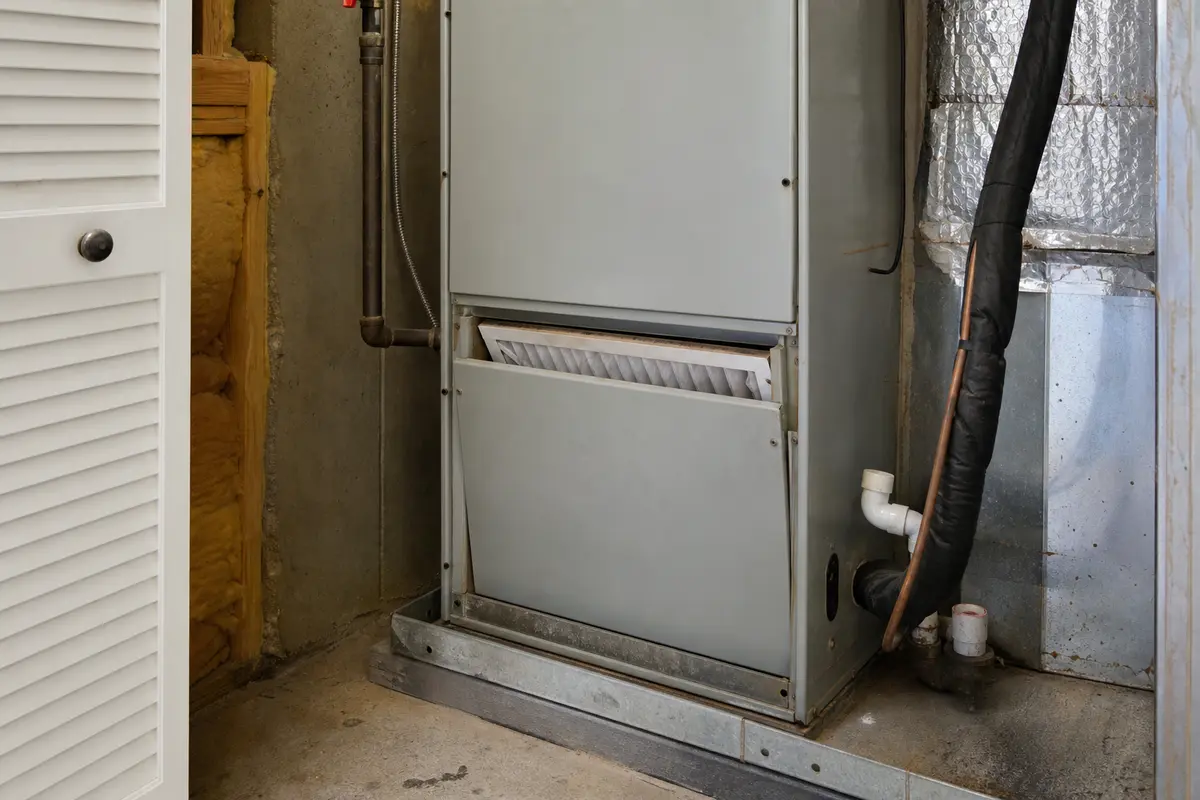
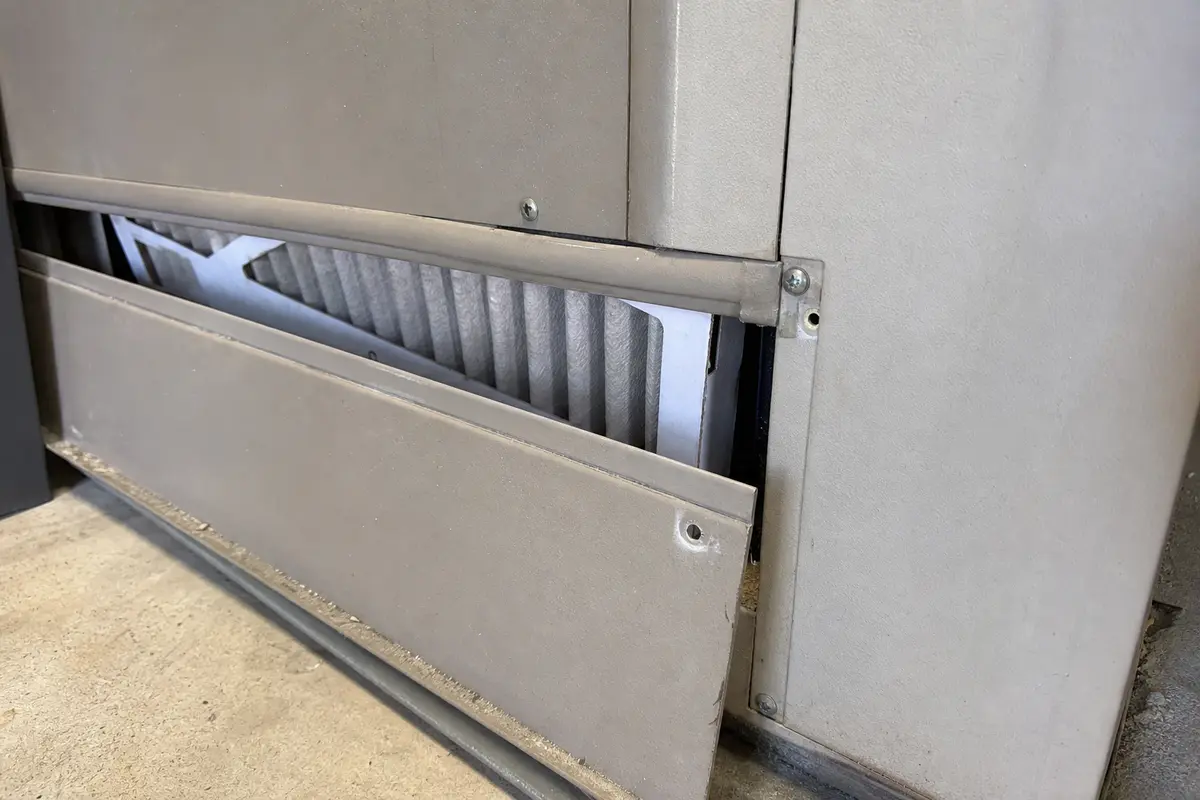
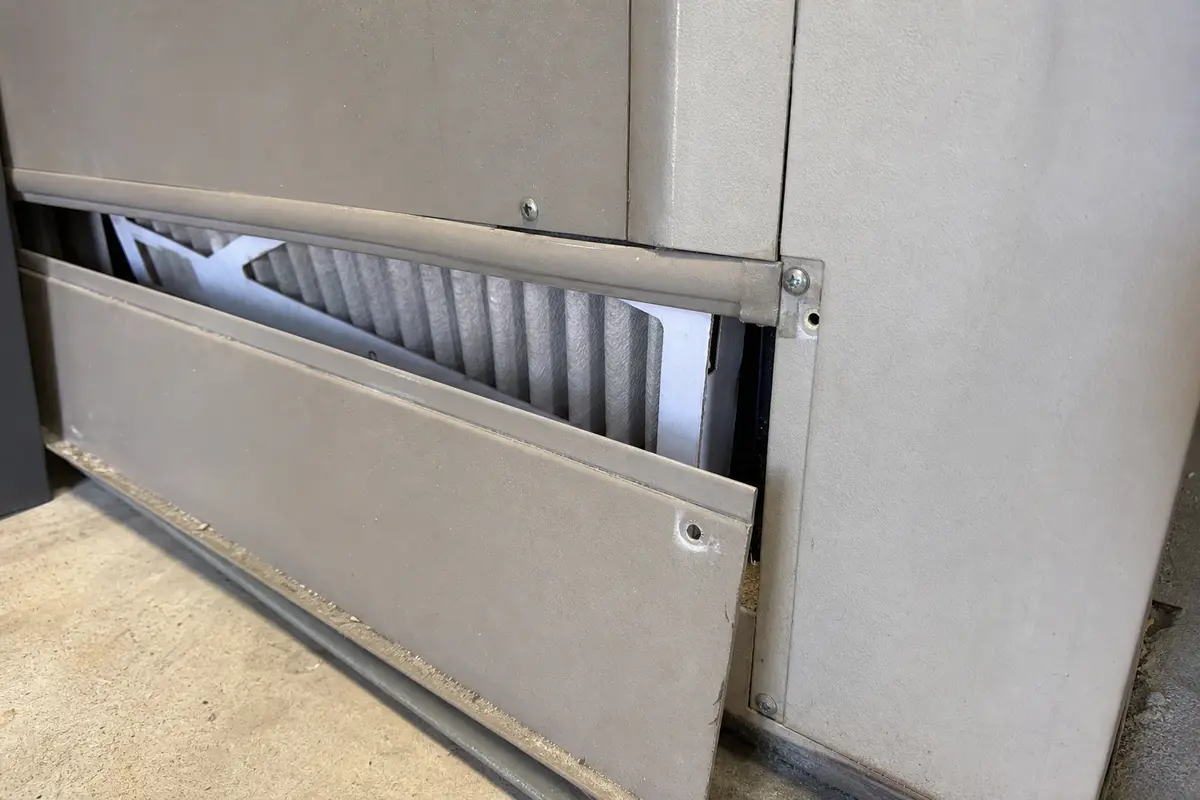
Buy only after the sound matches a visible clue. A filter is reasonable when the installed filter is dirty, loose, collapsed, damp, or the wrong size. Panel tools are for normal access fasteners only. Match the exact filter size, rack fit, and confirmed noise diagnosis before ordering anything.
Start by identifying rattle, whistle, buzz, squeal, scrape, or grind.
Avoid buying internal parts until the visible clues support it.
Use this table after one controlled check and any normal startup delay.
| Clue | Most likely cause | Next move |
|---|---|---|
| Panel rattle | Loose normal access panel or vibration | Power off and check panel fit. |
| Whistle | Filter gap or return restriction | Check filter size and return grilles. |
| Squeal or scrape | Blower belt, wheel, bearing, or contact issue | Keep off and call service. |
| Sharp buzzing | Internal electrical or control issue | Stop before covers. |
| Duct/register noise | Airflow path vibration | Check reachable registers and duct supports. |
These checks keep the diagnosis tied to what you can see or safely test.
Keep the cart narrow and buy only when the evidence points to that exact item.
These support safe visible checks, cleanup, and documentation.
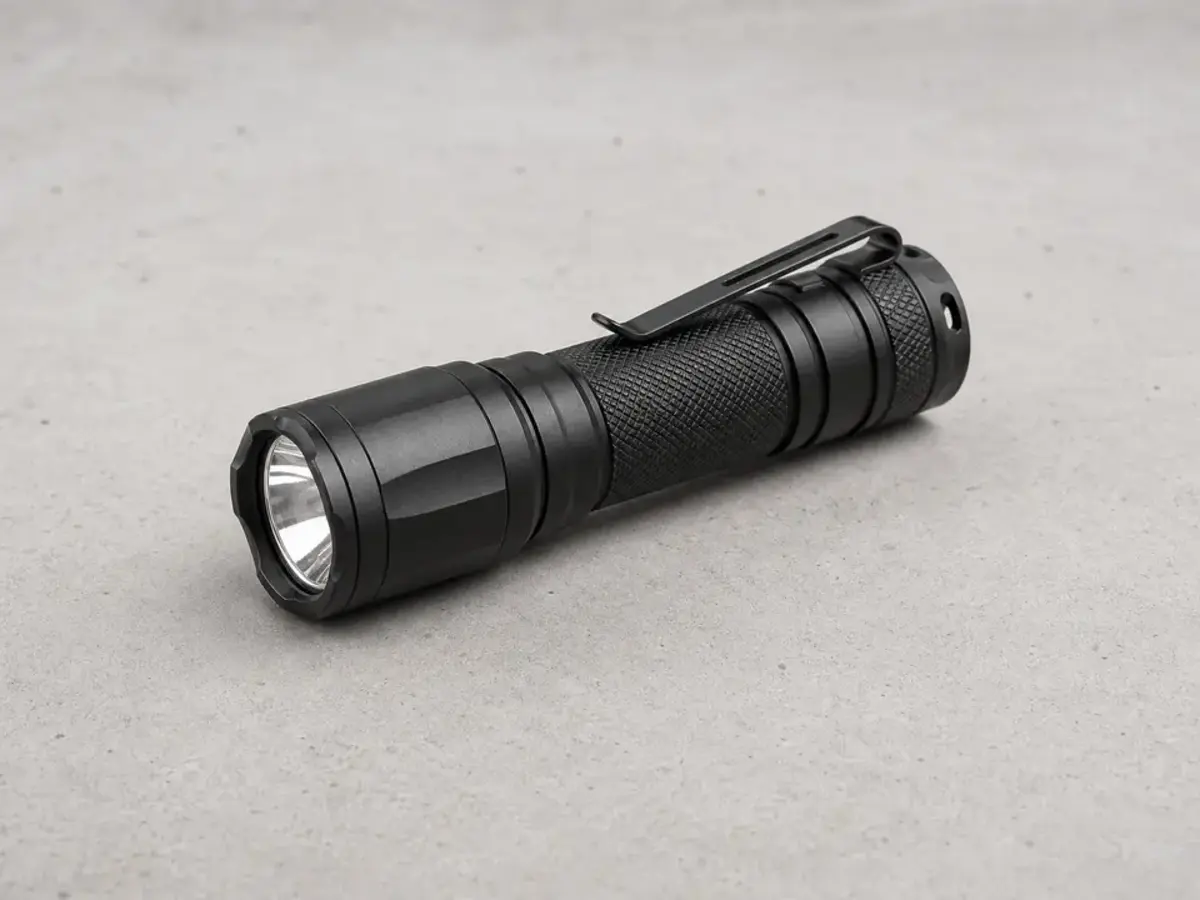
Helps when: Use it to inspect filter fit, panel contact, water, ice, and visible vibration clues.
Skip it when: Skip checks that require opening blower electrical compartments, reaching into the cabinet, or working near water and controls.
Compare inspection flashlights on Amazon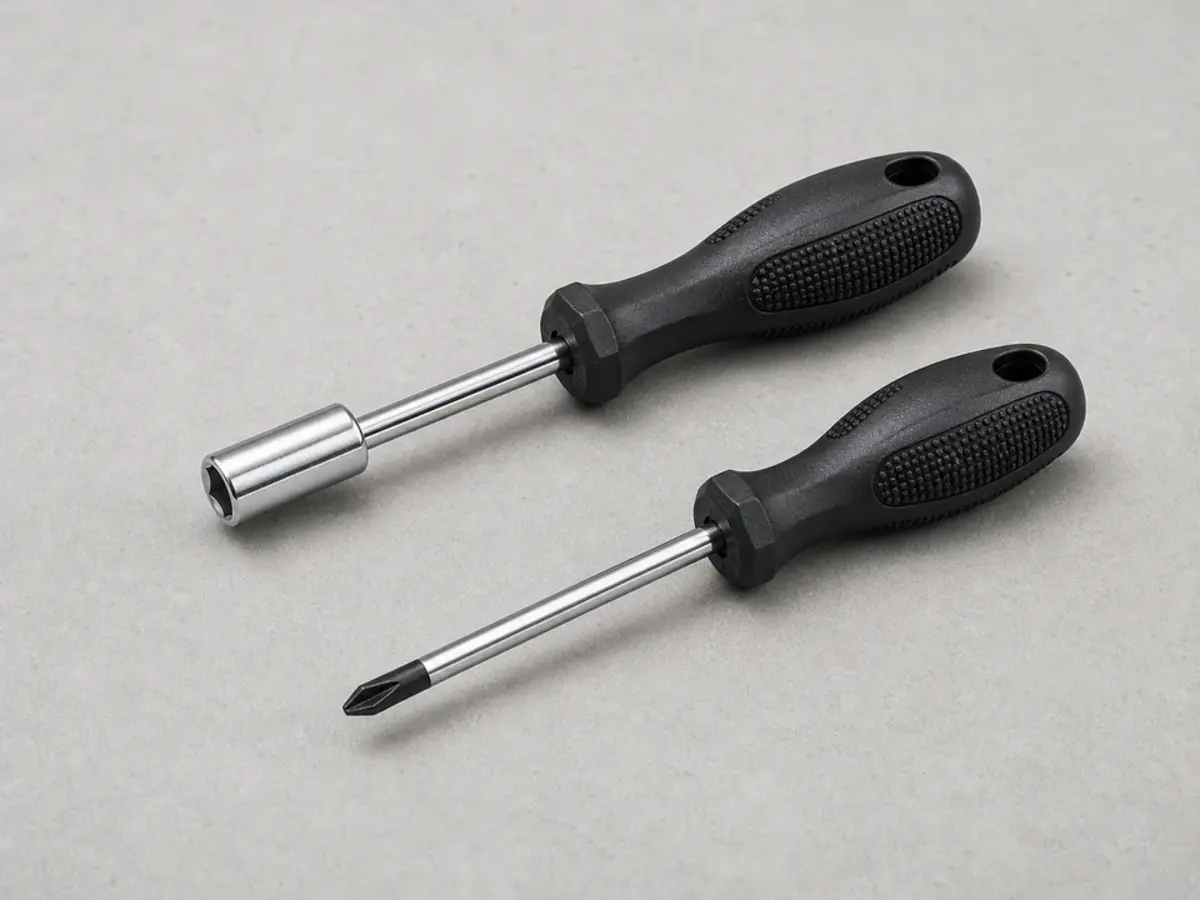
Helps when: Use it only on normal access-panel fasteners after air-handler power is off.
Skip it when: Skip electrical covers, sealed blower panels, damaged switches, or anything near exposed wiring.
Compare nut driver sets on Amazon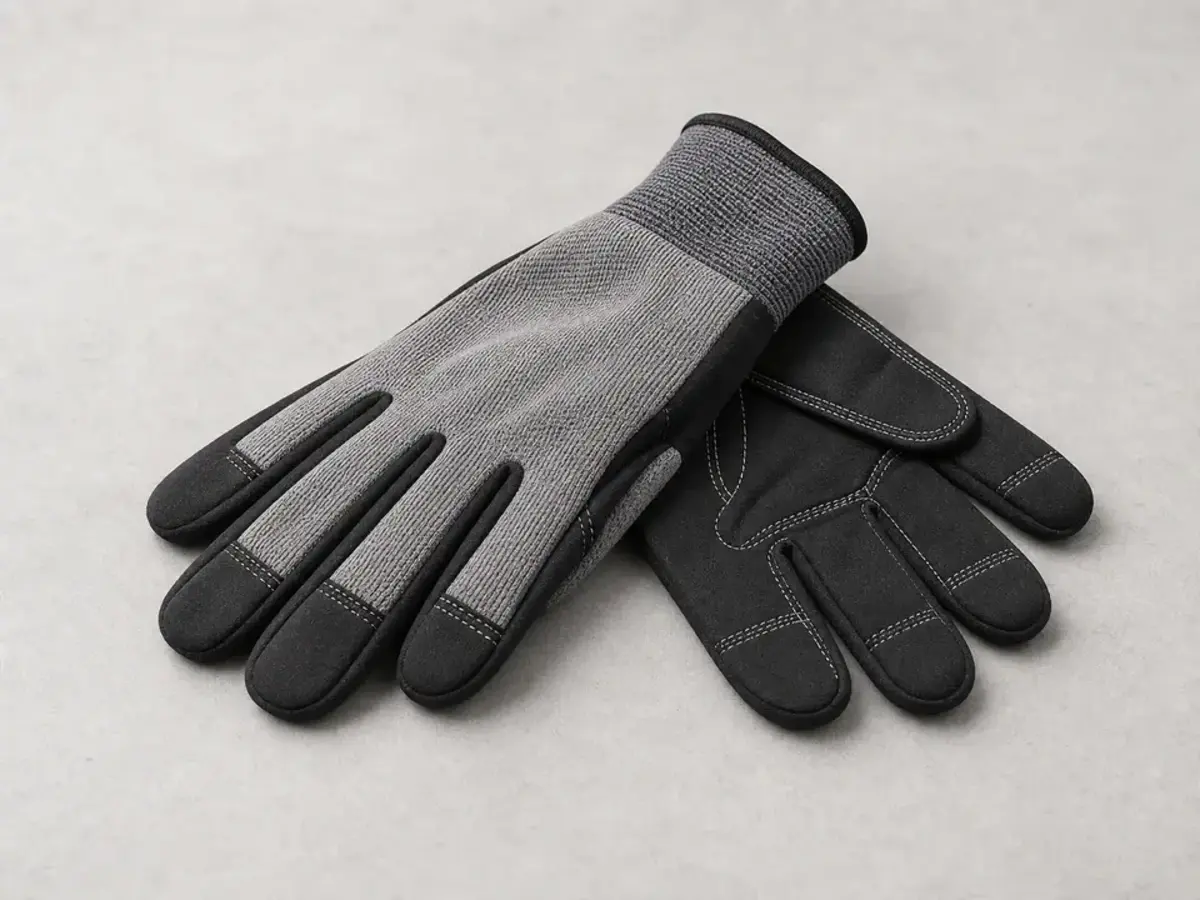
Helps when: Use them for sharp cabinet edges while handling normal access panels with the system off.
Skip it when: Skip gloves as a reason to reach into a blower wheel, motor area, or energized cabinet.
Compare work gloves on AmazonAs an Amazon Associate I earn from qualifying purchases. Repair Riot may earn a commission at no extra cost to you.
These are the only buy-first parts that fit the visible homeowner clues.
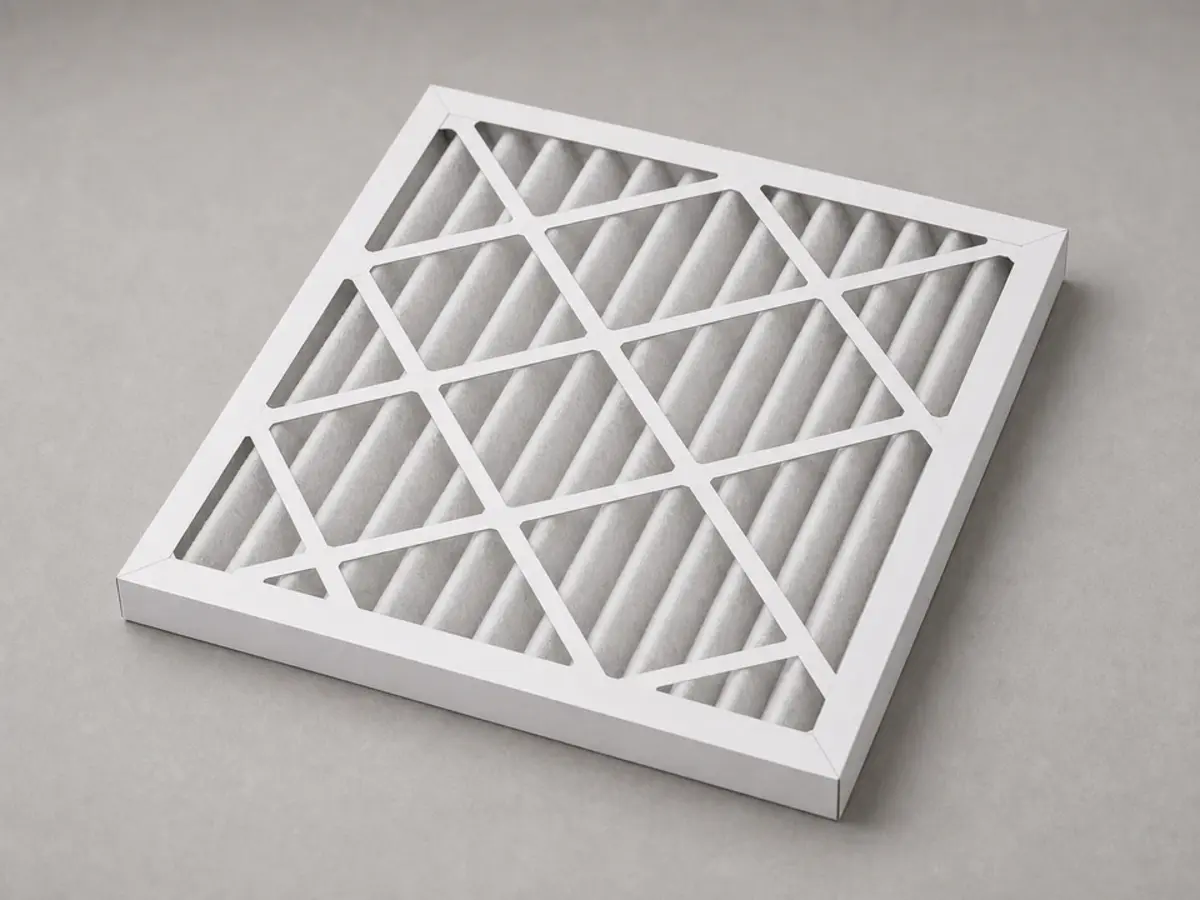
Helps when: Replace it when the installed filter is dirty, damp, collapsed, loose, missing, or the wrong size and the noise tracks with airflow.
Skip it when: Skip filters that do not match the rack size, thickness, airflow arrow, and supported restriction range.
Compare air handler filters on AmazonAs an Amazon Associate I earn from qualifying purchases. Repair Riot may earn a commission at no extra cost to you.
Common sources include panel vibration, filter restriction, blower trouble, duct vibration, drain issues, or internal electrical faults.
A light panel rattle may be simple, but grinding, scraping, hot smell, sharp buzzing, or breaker trips should stop DIY checks.
Yes. Restricted airflow can cause whistling, panel vibration, and return-air noise.
Only normal access-panel fasteners, with power off. Do not open electrical or blower covers.
No. Motor and wheel parts need tested diagnosis and exact model matching.
A correct-size filter, flashlight, nut driver, and work gloves are reasonable when the visible clue fits.
Call for repeated scraping, grinding, squealing, sharp buzzing, hot smell, breaker trips, or noise from inside the blower section.
Yes. Register and duct vibration can travel back to the air handler, so check the sound location before buying parts.
Repair Riot built this page around visible homeowner checks: thermostat command, filter condition, airflow path, water, ice, noise, breaker clues, and clear stop points before hidden blower, duct, refrigerant, or control work.