Buzz changes when the access panel is reseated?
Check normal panel fit, screws, filter door, and vibration points with power off.
If the air handler is buzzing, locate the buzz without opening electrical compartments. A light cabinet buzz can be loose panels, filter-door vibration, or line contact. A sharp buzz with hot smell, weak airflow, no blower, or breaker trip is a stop point.
Good clue: a buzz that changes when a normal access panel is reseated points to vibration; a buzz with weak or no airflow points to blower or control diagnosis.
The useful homeowner job is to separate harmless vibration from a blower or electrical problem that should stay off until serviced.
Don’t start with: Do not replace relays, capacitors, boards, or blower parts from a buzzing sound alone.
Check normal panel fit, screws, filter door, and vibration points with power off.
Check filter restriction, then stop before blower diagnosis.
Clear condensate clues before judging controls.
Keep the air handler off and call service.
Check filter, ice, and drain clues before blaming the blower.
Buzzing is useful only when you pair it with airflow, panel fit, water, and smell clues.
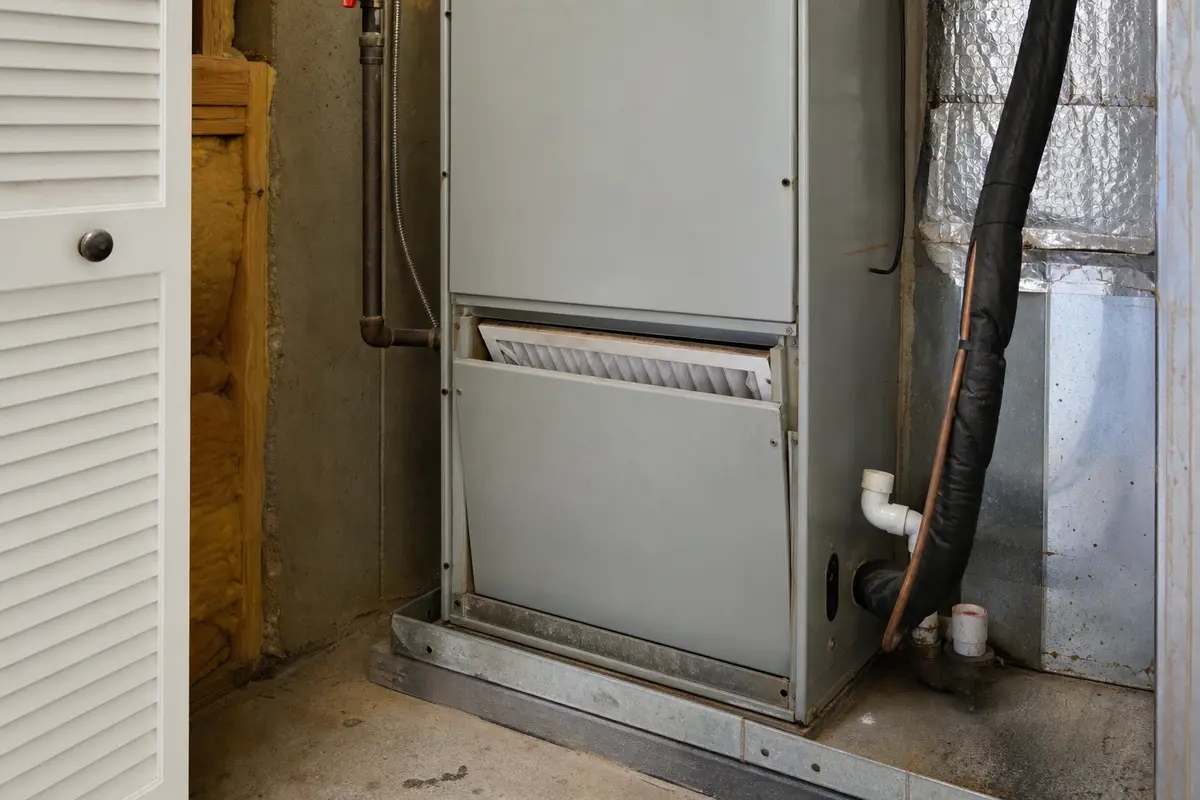
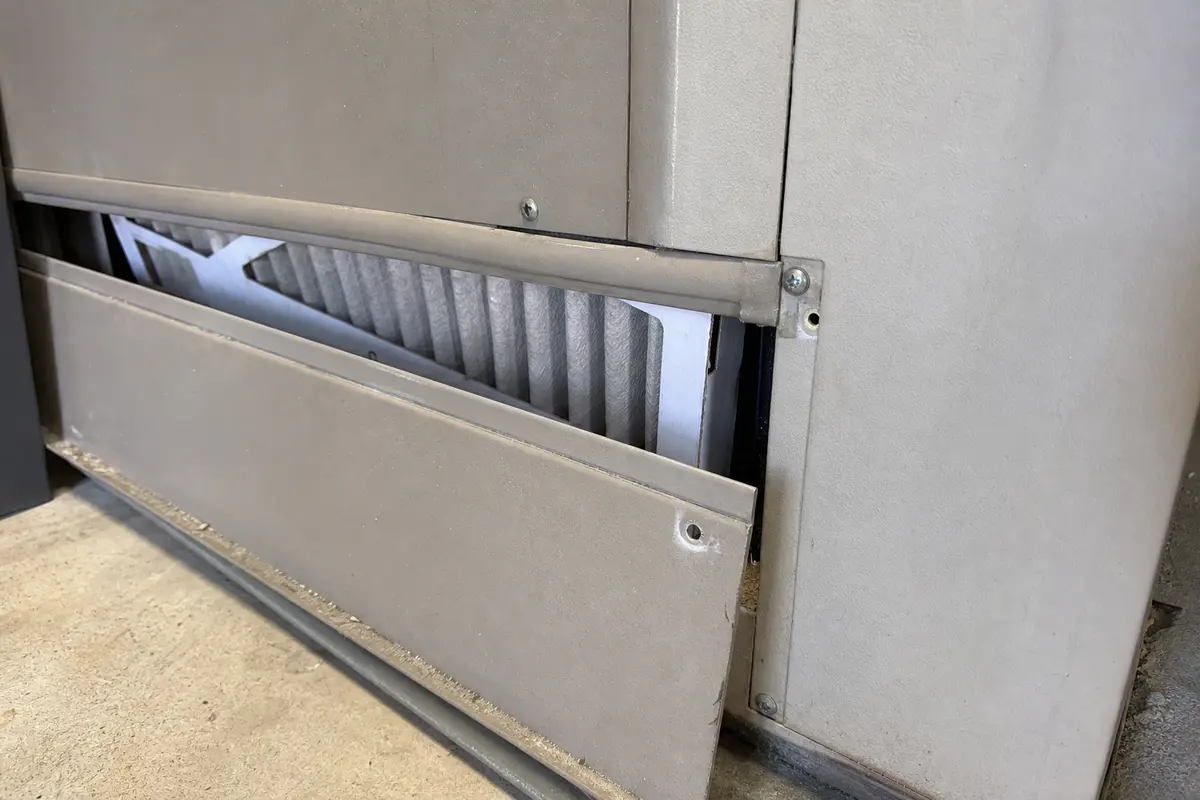
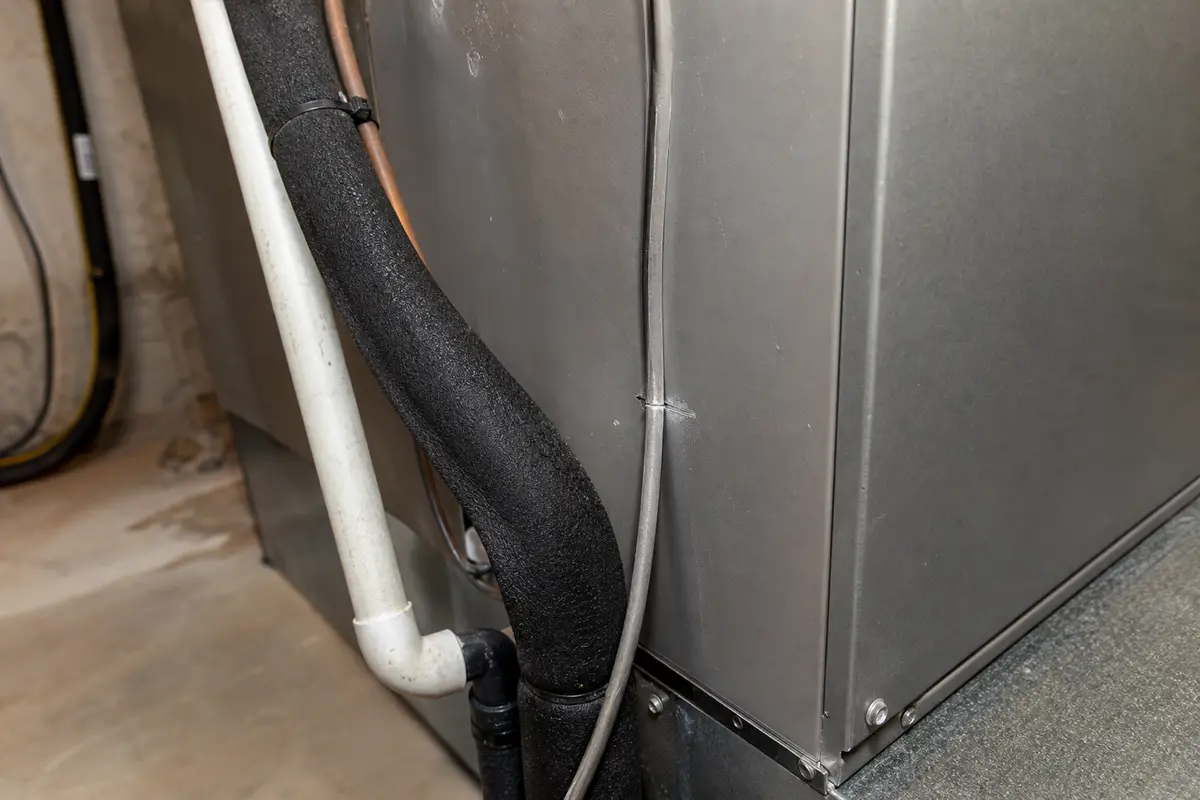
Buy only when the visible clue fits. A filter is reasonable when indoor airflow is weak and the filter is dirty, wet, bowed, or the wrong size. Motors, relays, boards, capacitors, and transformers need tested diagnosis. Match the exact model, rating, wiring, and confirmed diagnosis before ordering anything.
A buzz is not a part diagnosis by itself.
Avoid buying internal parts until the visible clues support it.
Use this table after one controlled check and any normal startup delay.
| Clue | Most likely cause | Next move |
|---|---|---|
| Buzz changes with panel fit | Cabinet or filter-door vibration | Power off, reseat normal access panels, and retest. |
| Buzz with weak airflow | Filter, blower, ice, or restriction | Check filter and return path first. |
| Buzz near wet pan | Condensate safety or water-related clue | Solve the water issue before parts. |
| Sharp buzz or hot smell | Electrical or motor fault | Keep the unit off and call service. |
| Buzz only in cooling | Cooling call, ice, drain, or blower load | Check filter, ice, and condensate clues. |
These checks keep the diagnosis tied to what you can see or safely test.
Keep the cart narrow and buy only when the evidence points to that exact item.
These support safe visible checks, cleanup, and documentation.
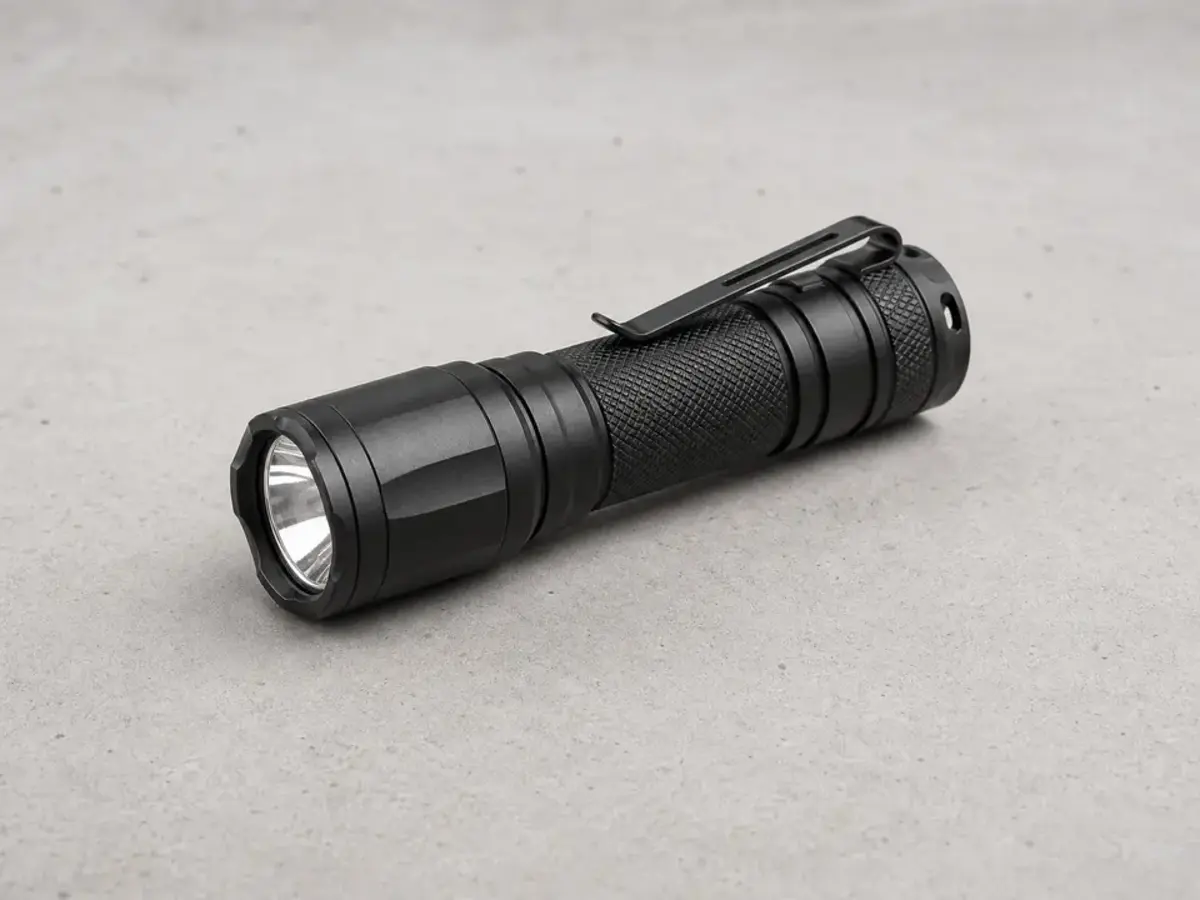
Helps when: Use it to inspect filter fit, panel gaps, water marks, and accessible vibration points.
Skip it when: Skip checks that require opening blower electrical compartments, reaching into the cabinet, or working near water and controls.
Compare inspection flashlights on Amazon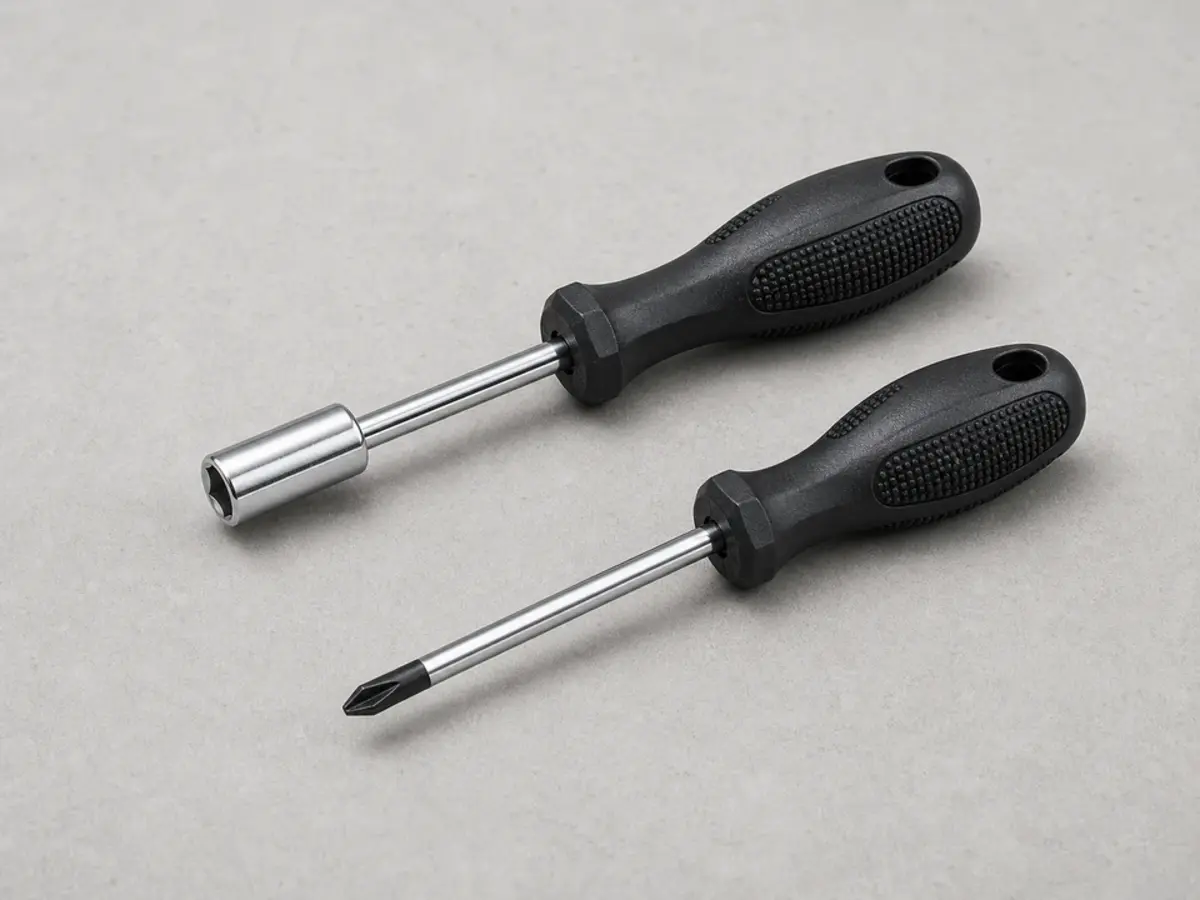
Helps when: Use it only for normal access-panel screws after air-handler power is off.
Skip it when: Skip electrical covers, sealed blower panels, damaged switches, or anything near exposed wiring.
Compare nut driver sets on AmazonAs an Amazon Associate I earn from qualifying purchases. Repair Riot may earn a commission at no extra cost to you.
These are the only buy-first parts that fit the visible homeowner clues.
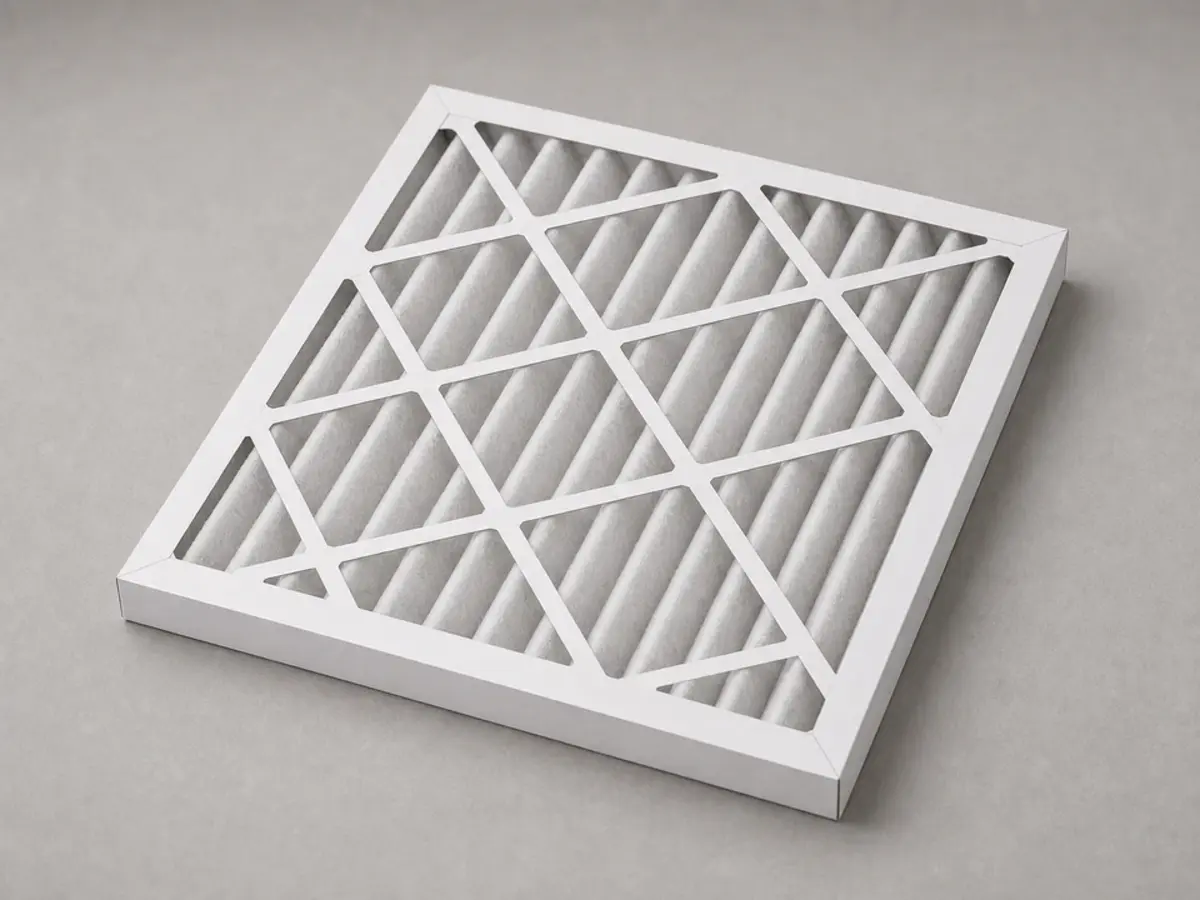
Helps when: Replace it only when the filter is dirty, wet, bowed, loose, collapsed, or the wrong size and airflow or vibration changed.
Skip it when: Skip filters that do not match the air-handler rack size, thickness, airflow arrow, and supported restriction range.
Compare air handler filters on AmazonAs an Amazon Associate I earn from qualifying purchases. Repair Riot may earn a commission at no extra cost to you.
It can be. Light panel vibration can be minor, but buzzing with hot smell, no airflow, or breaker trips is a stop point.
Yes. A restrictive or loose filter can make the cabinet or blower sound strained.
With power off, reseat normal access panels and check fasteners. Do not open electrical covers.
Turn the system off after filter checks and call service for blower or control diagnosis.
Water can trigger safety controls or change cabinet sounds, but fix the water source first.
No. Stored-charge parts and internal controls need tested diagnosis.
A flashlight, nut driver, and exact filter are reasonable only when the visible clues fit.
Call for sharp buzzing, hot smell, no airflow, repeat breaker trips, water near controls, or a buzz behind sealed panels.
Repair Riot built this page around safe homeowner checks: thermostat demand, airflow, filter condition, visible water, cabinet behavior, condensate safety, and clear stop points before internal electrical or refrigerant work.