One room weak?
Check that room register, furniture blockage, door gap, and branch path.
If upstairs airflow is weak, compare one upstairs register with a strong downstairs register, then check the air handler filter, return grilles, open registers, and any accessible balancing dampers. Do not assume the blower is bad from upstairs rooms alone.
Start with the room pattern. If one upstairs room is weak, open that register and clear the return path; if every upstairs room is weak, check the filter, returns, and accessible dampers.
Because upstairs duct runs are longer, check the filter, returns, and reachable registers before blaming the air handler.
Don’t start with: If clean-filter and open-register checks do not restore airflow, schedule airflow testing before choosing blower or duct parts.
Check that room register, furniture blockage, door gap, and branch path.
Check filter, return air, blower sound, and accessible dampers.
Install the exact supported filter.
Mark the starting point and adjust gently.
Stop before blower or duct redesign guesses.
A room-by-room airflow comparison tells you whether this is local, balance-related, or system-wide.
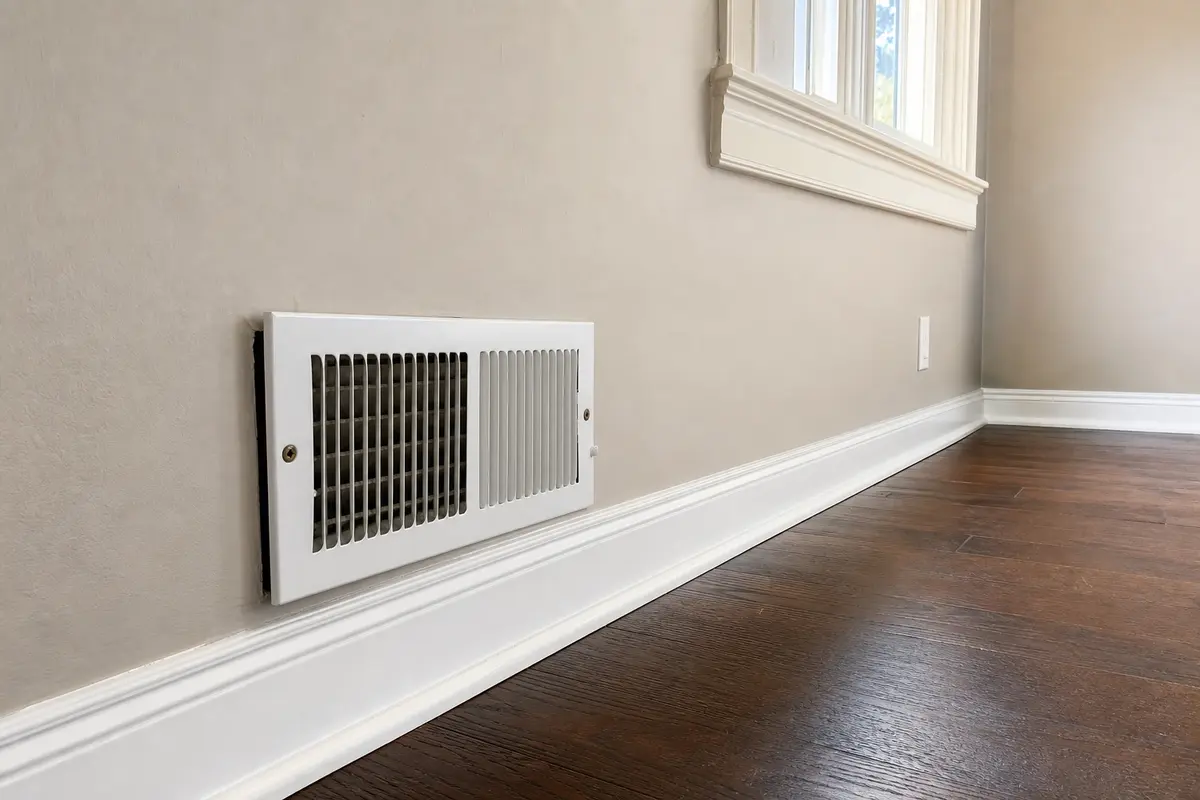
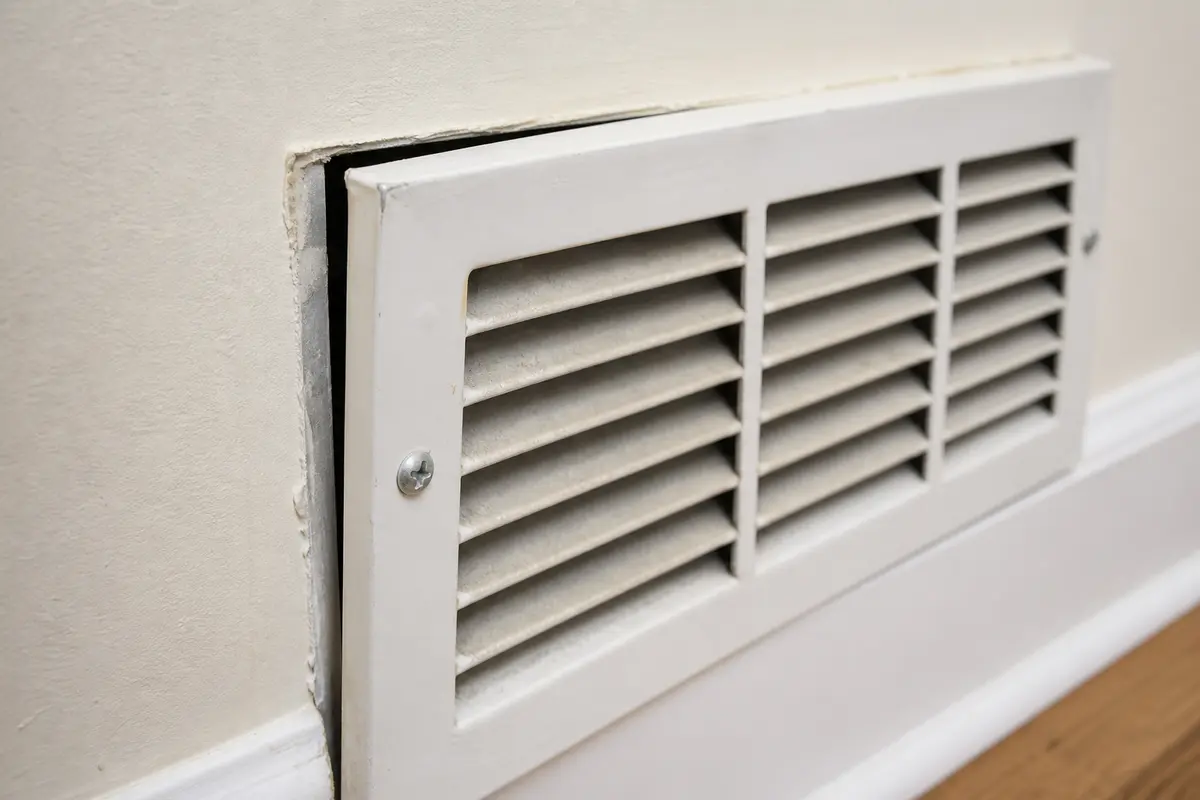
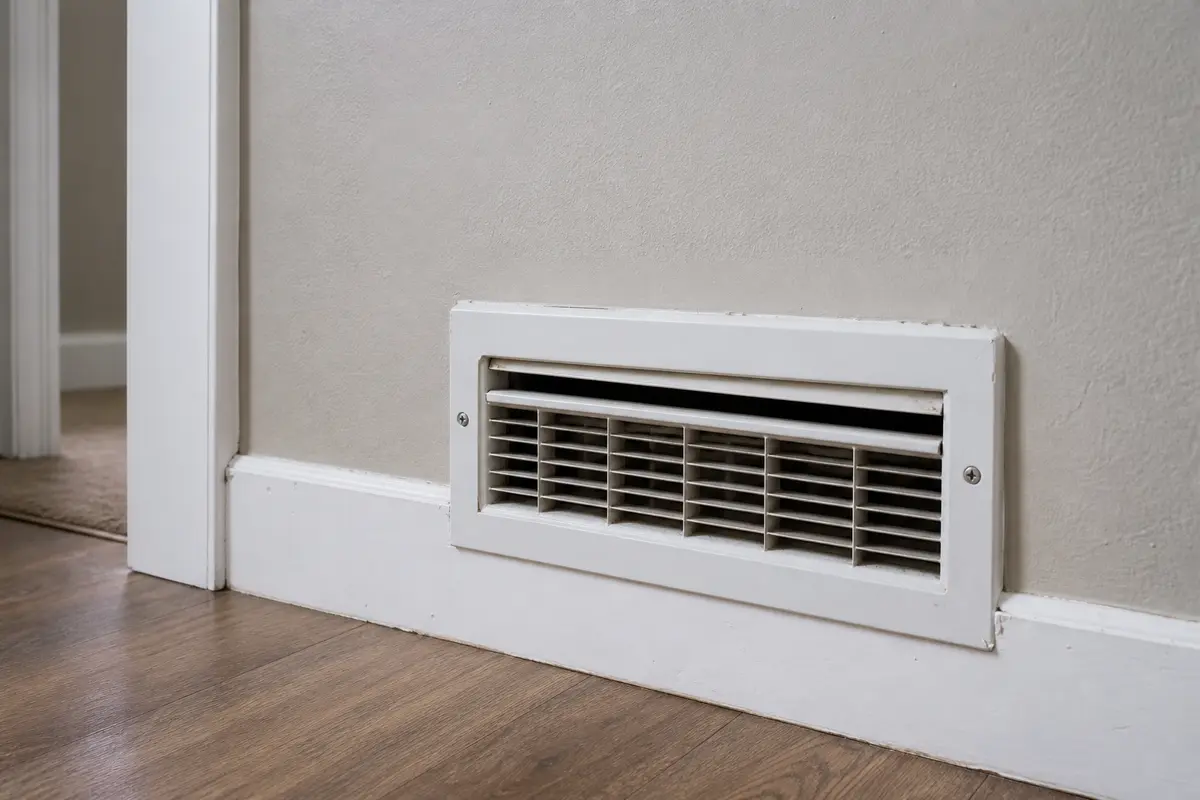
Buy only after the airflow split is visible. A filter is reasonable when the installed filter is dirty, damp, collapsed, missing, or the wrong size. A register or manual damper is reasonable only when that exact visible component is damaged, missing, stuck, or wrong for the opening. Match the exact size, mounting style, duct location, and confirmed diagnosis before ordering anything.
Start by deciding whether the problem is one room, the whole upstairs, or the whole house.
Avoid buying internal parts until the visible clues support it.
Use this table after one controlled check and any normal startup delay.
| Clue | Most likely cause | Next move |
|---|---|---|
| One upstairs room weak | Register, door, return, or branch issue | Clear the room path and inspect the register. |
| All upstairs weak | Filter, return, balance, or blower issue | Start at filter and accessible dampers. |
| Dirty or dense filter | Airflow restriction | Install exact supported filter. |
| Register damaged or stuck shut | Local supply restriction | Match and replace the same-size register. |
| Weak airflow everywhere | System airflow or blower issue | Stop before hidden blower work. |
These checks keep the diagnosis tied to what you can see or safely test.
Keep the cart narrow and buy only when the evidence points to that exact item.
These support safe visible checks, cleanup, and documentation.
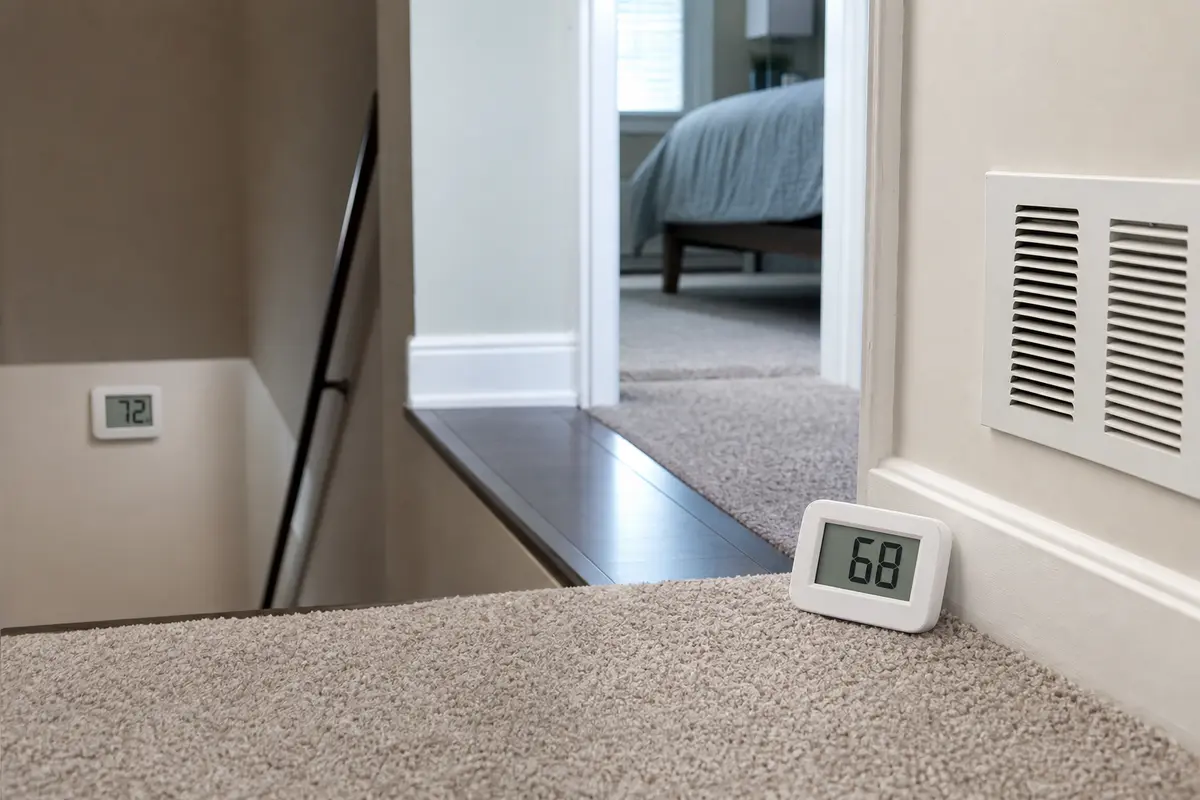
Helps when: Use it to compare upstairs and downstairs room temperatures while checking airflow.
Skip it when: Skip it when the complaint is breaker trips, hot smell, sharp buzzing, or equipment that should stay off.
Compare room thermometers on Amazon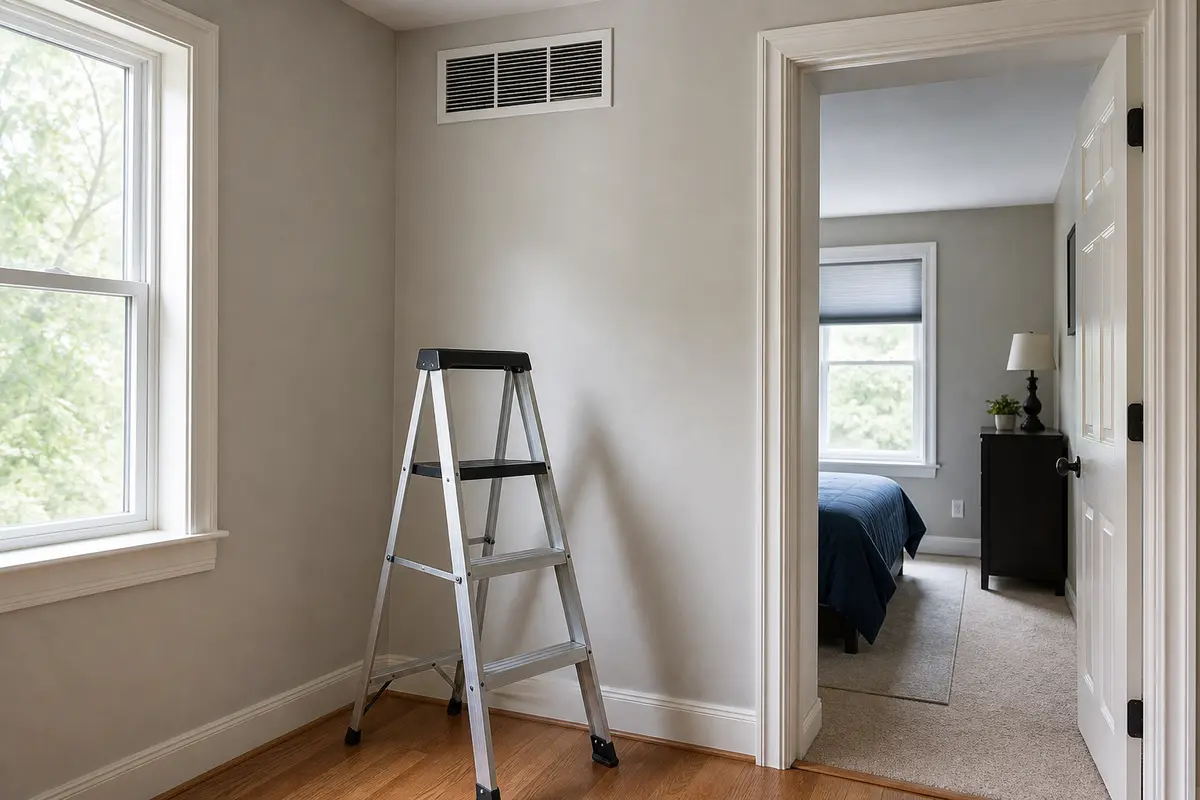
Helps when: Use it for reachable upper wall or ceiling registers without standing on furniture.
Skip it when: Skip ladder work near stairwells, wet floors, loose registers, or any ceiling opening you cannot reach safely.
Compare step ladders on Amazon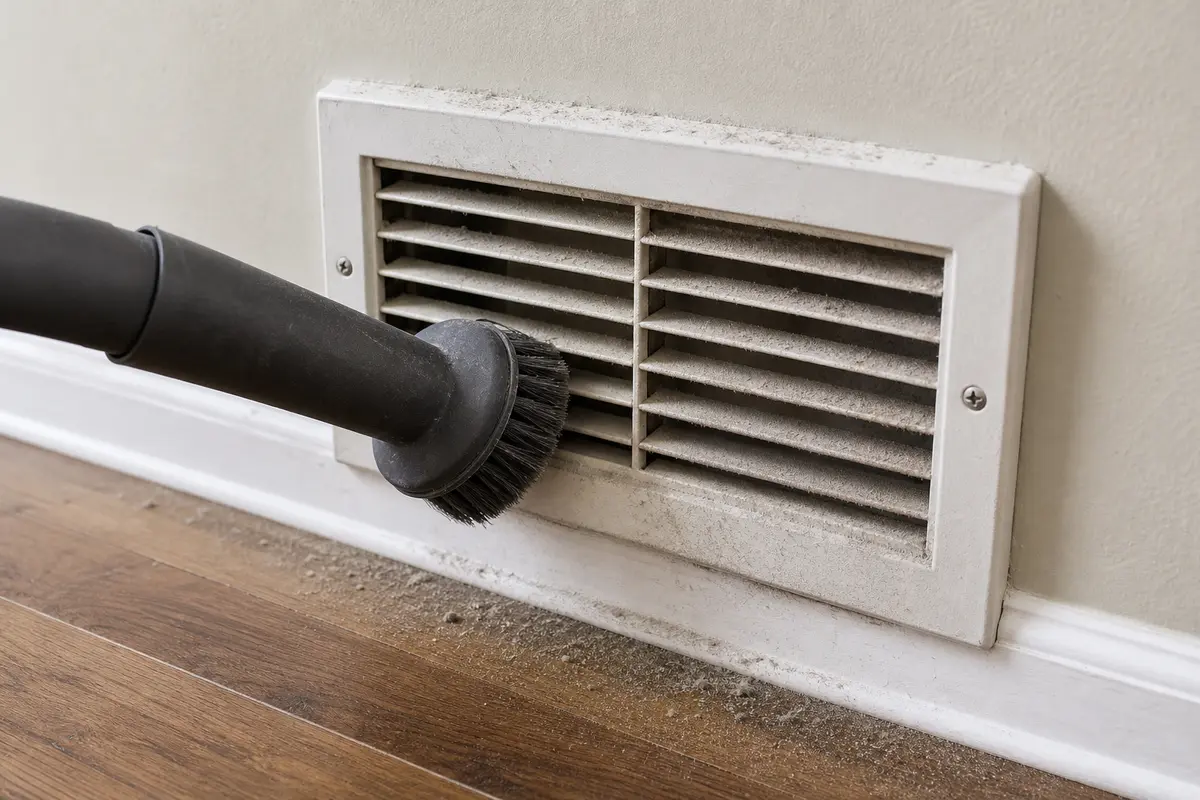
Helps when: Use it to remove loose dust from reachable grilles and register faces.
Skip it when: Skip pushing debris into the duct or cleaning anything past a reachable grille or register face.
Compare vacuum brush attachments on AmazonAs an Amazon Associate I earn from qualifying purchases. Repair Riot may earn a commission at no extra cost to you.
These are the only buy-first parts that fit the visible homeowner clues.
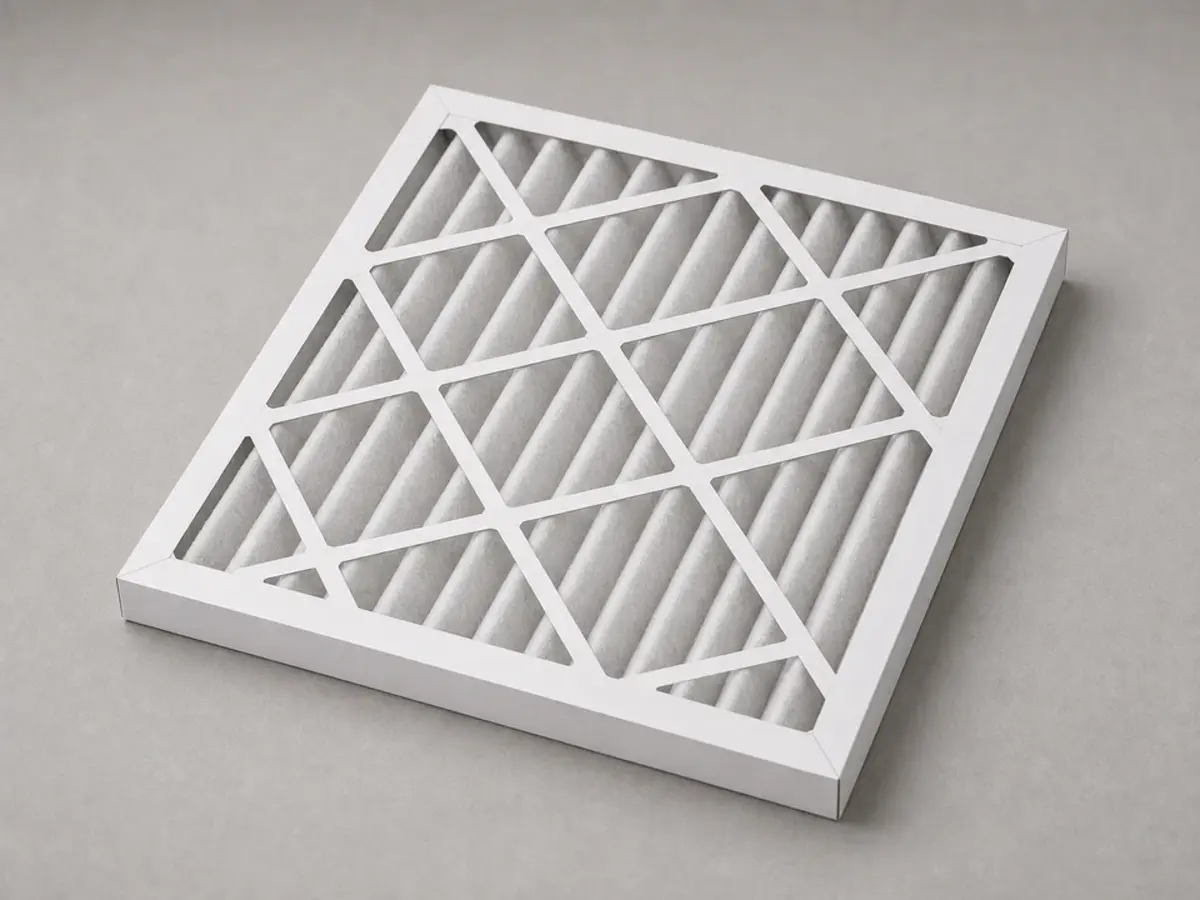
Helps when: Replace it when the installed filter is dirty, damp, collapsed, missing, or the wrong size and upstairs airflow is weak.
Skip it when: Skip filters that do not match the rack size, thickness, airflow arrow, and supported restriction range.
Compare air handler filters on Amazon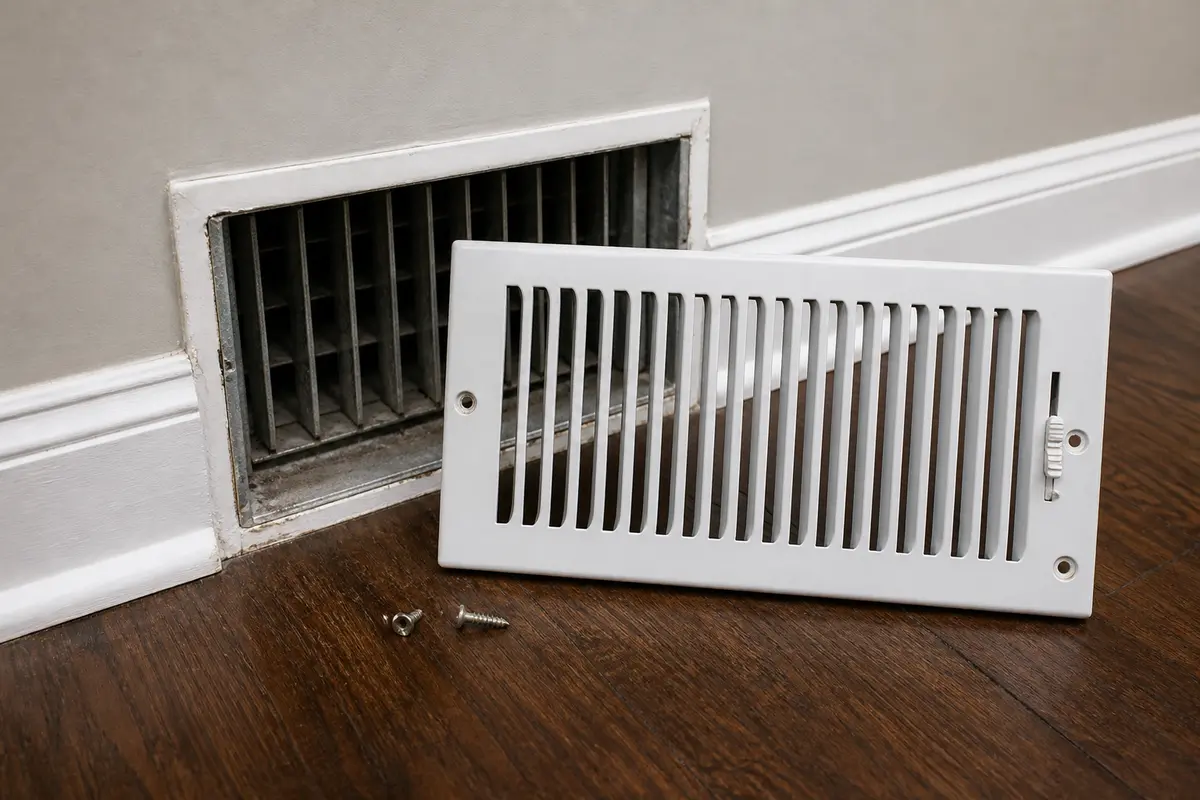
Helps when: Replace it only when a same-size upstairs register is damaged, stuck shut, or cannot open correctly.
Skip it when: Skip it when airflow is weak everywhere, the grille size does not match, or the current register opens and closes normally.
Compare adjustable supply registers on AmazonAs an Amazon Associate I earn from qualifying purchases. Repair Riot may earn a commission at no extra cost to you.
Common clues are a dirty filter, closed registers, blocked returns, duct balance, or a weak system airflow path.
Yes, but also check the air handler filter because a small system restriction often shows upstairs first.
Only accessible manual damper handles should be adjusted gently and marked first. Hidden ductwork needs service.
Not from this symptom alone. Booster fans can mask duct design or airflow problems and need diagnosis.
Yes, if the system cannot handle the restriction. Match the supported filter type and size.
A correct-size filter, a same-size damaged register, or a matching manual damper only when the visible evidence fits.
Call if airflow is weak everywhere, the blower sounds abnormal, ice appears, or accessible checks do not fix the upstairs split.
Not by itself. Room location, duct length, filter restriction, and returns must be checked first.
Repair Riot built this page around visible homeowner checks: thermostat command, filter condition, airflow path, water, ice, noise, breaker clues, and clear stop points before hidden blower, duct, refrigerant, or control work.