Whistle changes when door is pressed?
Check filter-door fit, gasket contact, and normal fasteners with power off.
If the air handler filter door whistles, air is squeezing through a narrow gap. Start with filter size, airflow arrow, door seating, gasket condition, return restriction, and loose normal access fasteners.
Good clue: if the whistle changes when you reseat the door, check gasket contact and filter size before touching blower parts.
A whistle is usually an air leak or restriction clue, not a failed motor clue.
Don’t start with: Do not replace blower motors or controls for a whistle until filter fit and door sealing are proven good.
Check filter-door fit, gasket contact, and normal fasteners with power off.
Replace the exact filter before adding gasket tape.
Use gasket tape only after filter fit and latch alignment are correct.
Check return restrictions and filter MERV before blower assumptions.
This is not a whistle-only issue; stop and call service.
Filter-door whistles come from fast air through a small opening or an over-restricted return path.
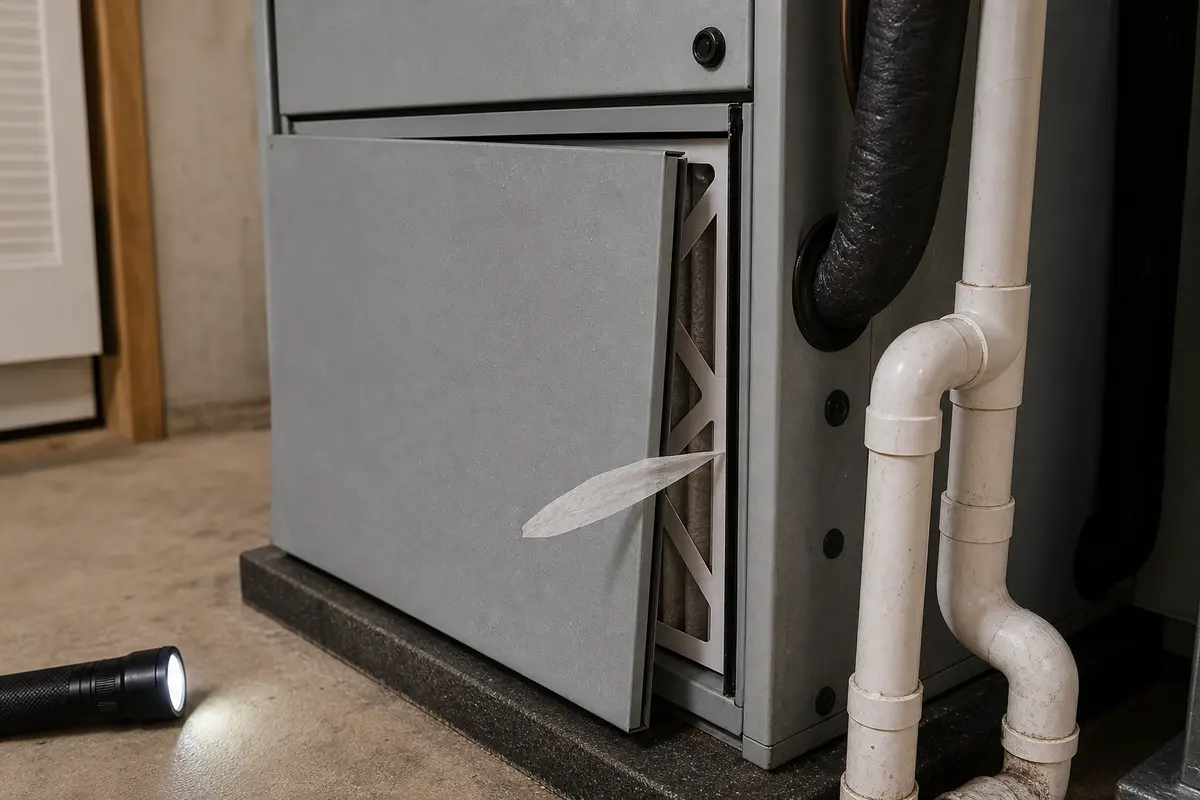
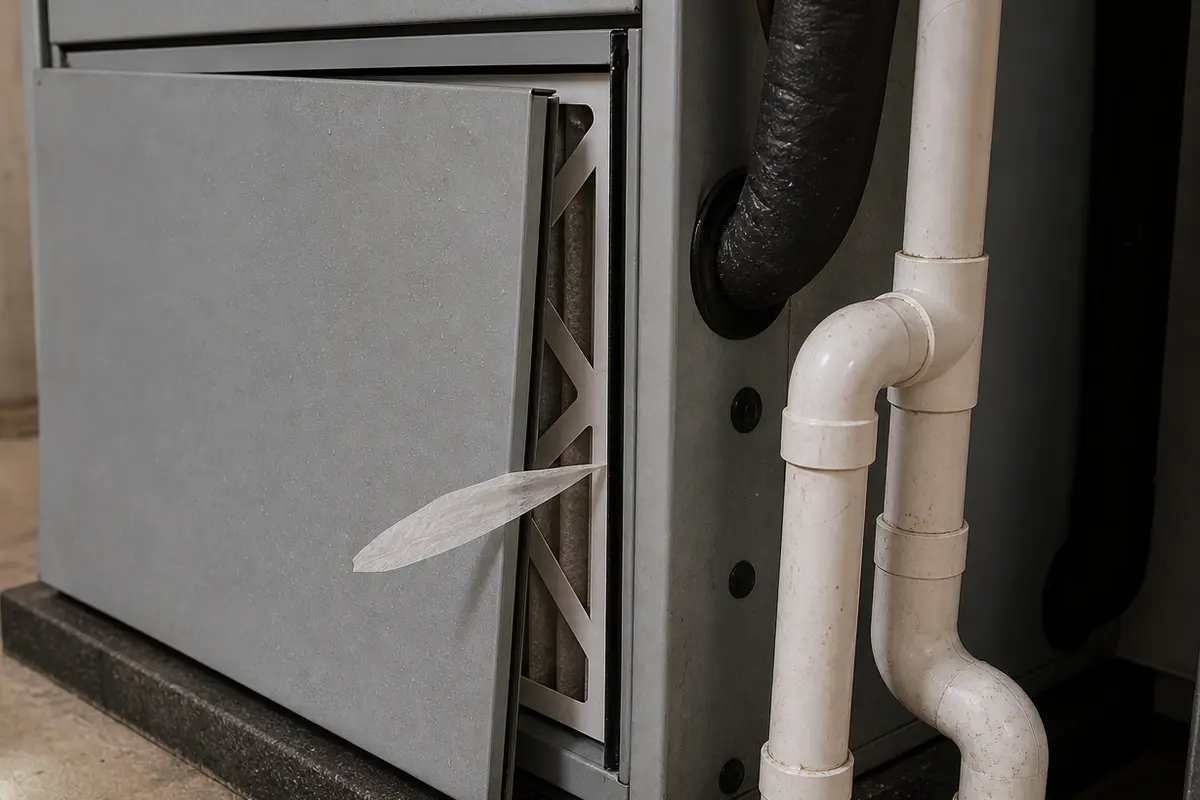
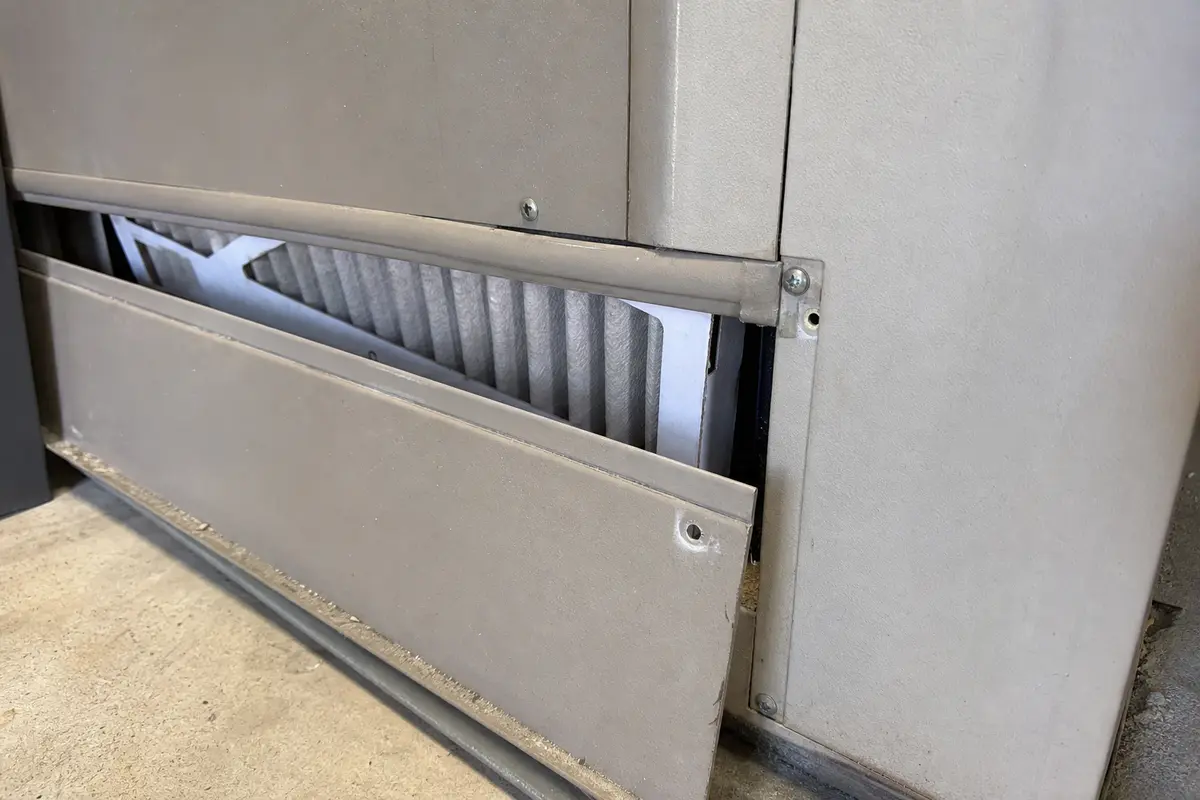
Buy only after the air leak is visible. A filter is reasonable when the current filter is dirty, bowed, loose, or the wrong size. Gasket tape is reasonable only when the filter and latch fit correctly but a small door-edge gap remains. Match the exact filter size, door material, gasket thickness, and confirmed gap before ordering anything.
Start with the gap: find the edge where air is being pulled in.
Avoid buying internal parts until the visible clues support it.
Use this table after one controlled check and any normal startup delay.
| Clue | Most likely cause | Next move |
|---|---|---|
| Whistle changes with door pressure | Door gap, gasket, latch, or fastener clue | Power off and inspect normal access fit. |
| Dirty or bowed filter | Restriction or poor rack fit | Install exact-size filter first. |
| Gap remains with good filter | Missing or compressed gasket | Use gasket tape only on the confirmed gap. |
| Weak airflow | Return restriction, filter MERV, or blower issue | Clear returns and check filter specs. |
| Buzz or breaker trip | Not a simple whistle | Keep off and call service. |
These checks keep the diagnosis tied to what you can see or safely test.
Keep the cart narrow and buy only when the evidence points to that exact item.
These support safe visible checks, cleanup, and documentation.
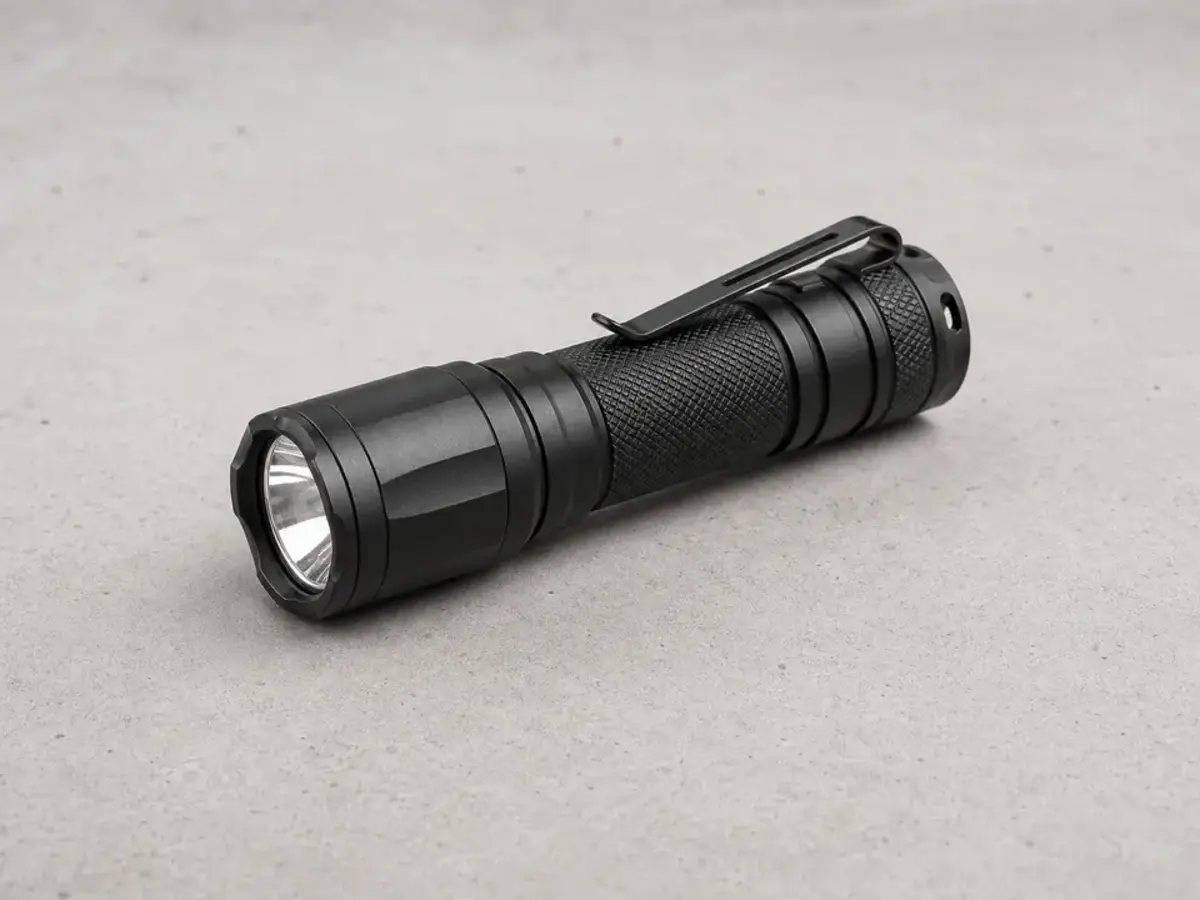
Helps when: Use it to inspect filter size, door edge gaps, gasket contact, latch fit, and return blockage.
Skip it when: Skip checks that require opening blower electrical compartments, reaching into the cabinet, or working near water and controls.
Compare inspection flashlights on Amazon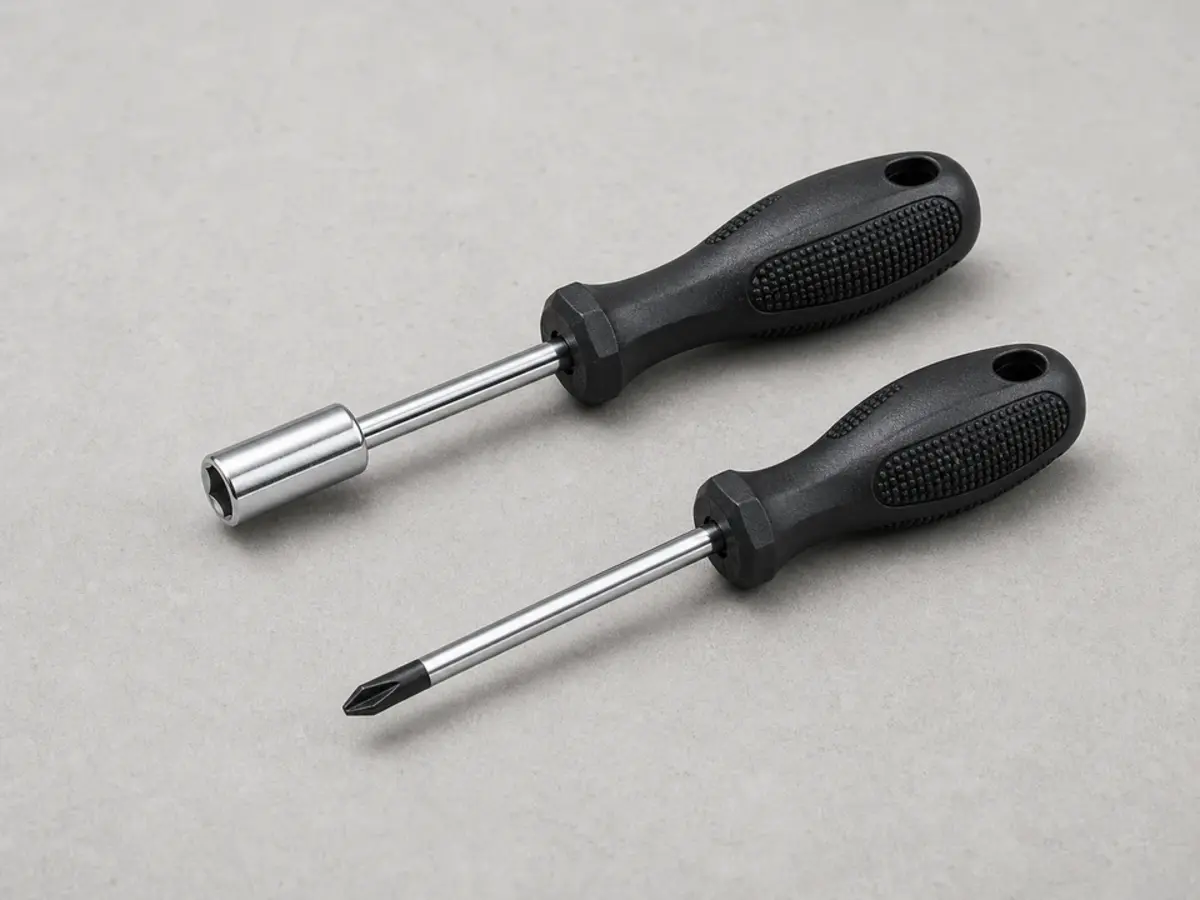
Helps when: Use it only on normal access-panel fasteners after air-handler power is off.
Skip it when: Skip electrical covers, sealed blower panels, damaged switches, or anything near exposed wiring.
Compare nut driver sets on Amazon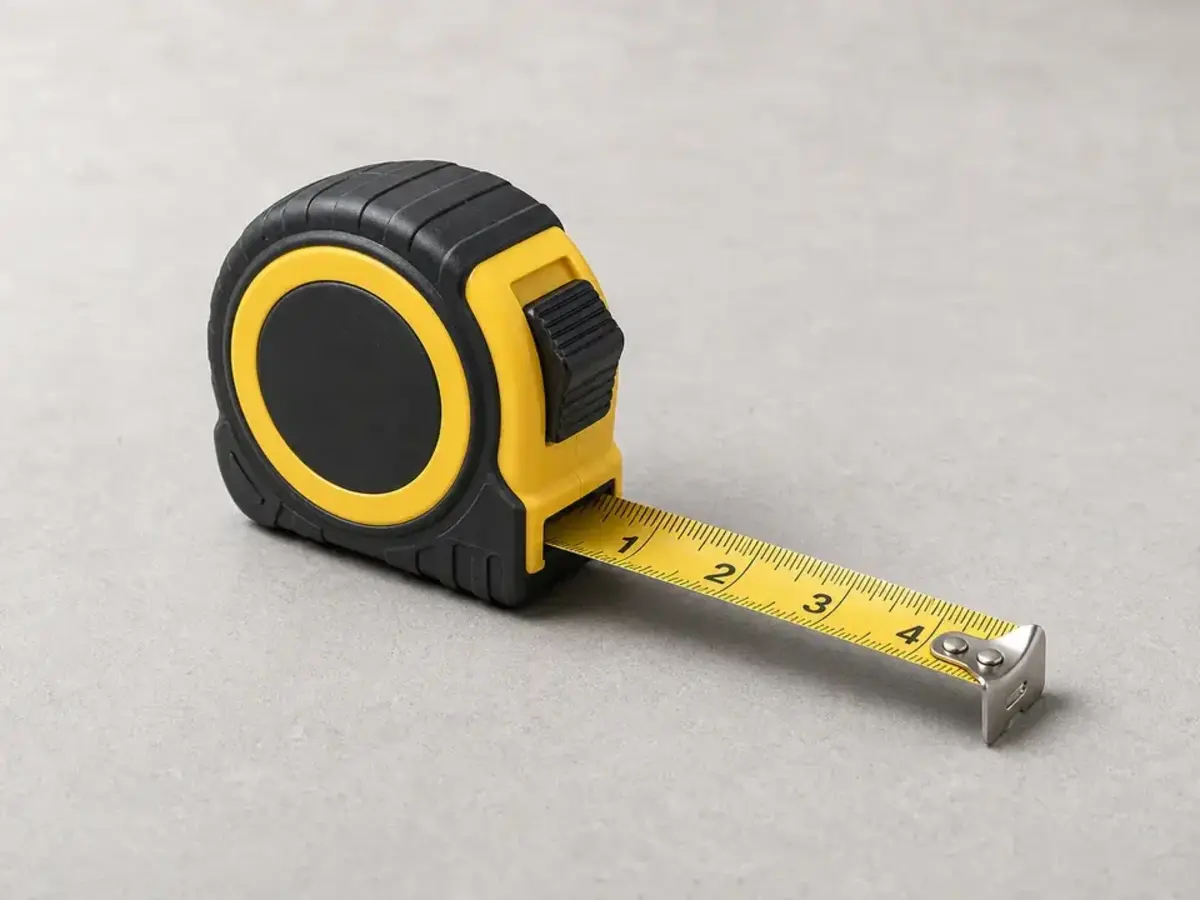
Helps when: Use it to confirm filter thickness, rack size, and door-gap location before buying parts.
Skip it when: Skip measuring after the blower has started if the loose door or filter could move.
Compare tape measures on AmazonAs an Amazon Associate I earn from qualifying purchases. Repair Riot may earn a commission at no extra cost to you.
These are the only buy-first parts that fit the visible homeowner clues.
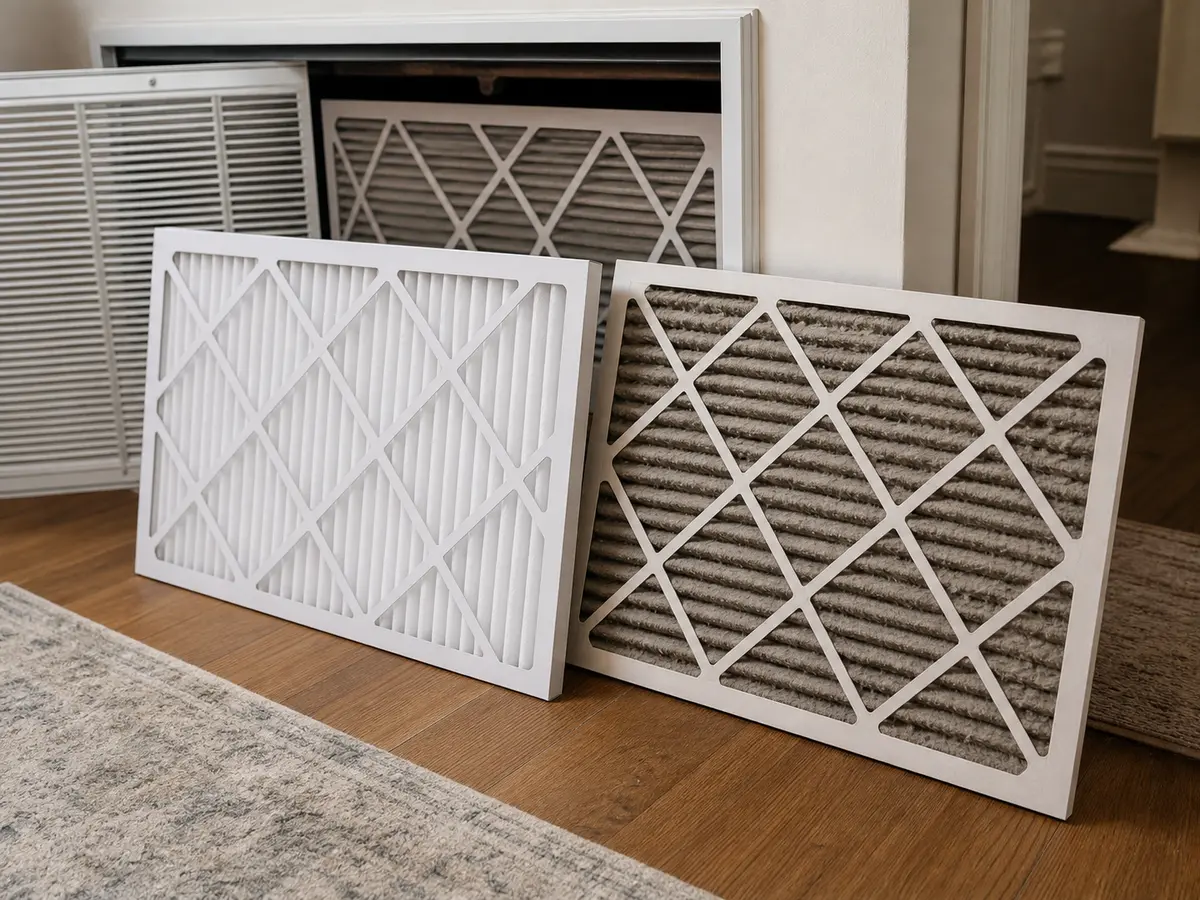
Helps when: Replace it when the installed filter is dirty, bowed, loose, missing, or the wrong size for the rack.
Skip it when: Skip filters that do not match the air-handler rack size, thickness, airflow arrow, and supported restriction range.
Compare air handler filters on Amazon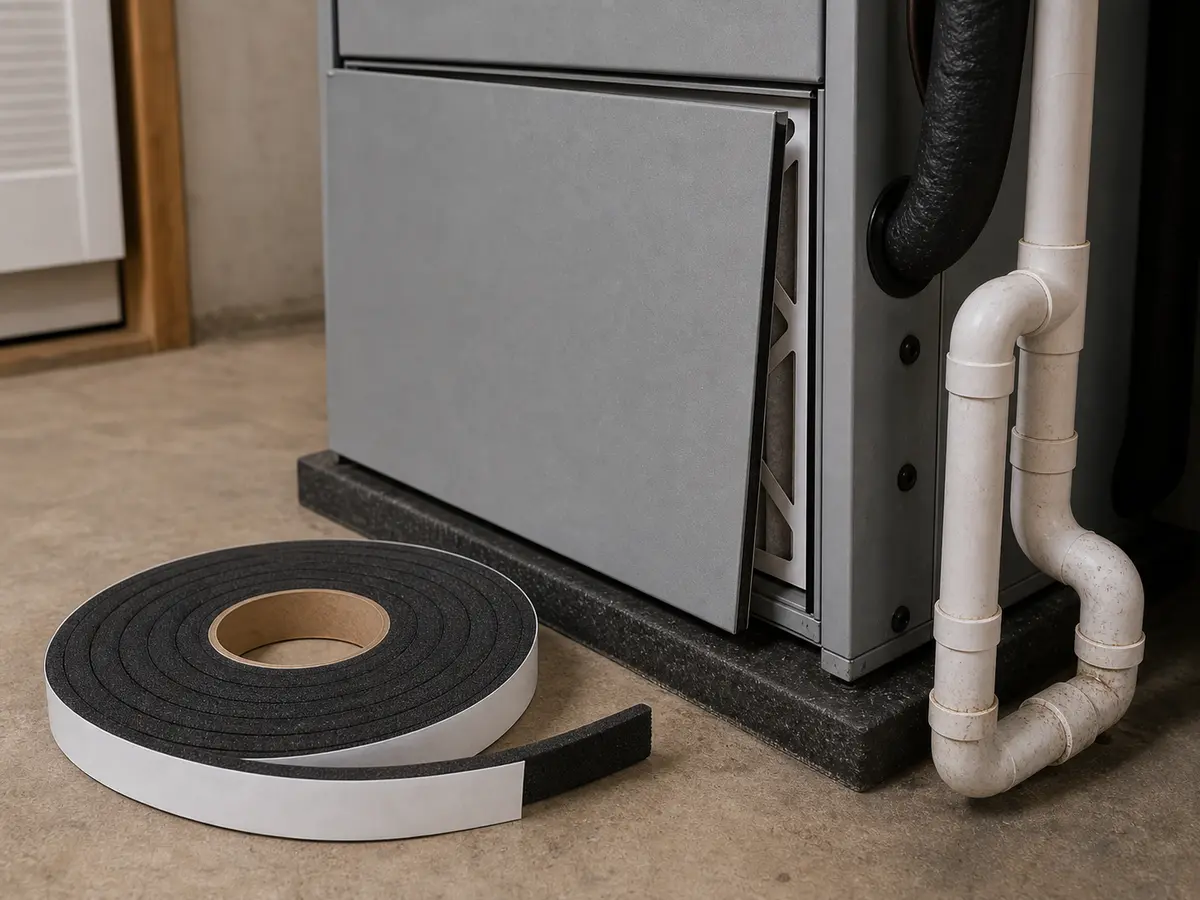
Helps when: Use it only when a small filter-door gap remains after the correct filter and normal latch fit are confirmed.
Skip it when: Skip it when the filter is wrong, the door is bent, or the gap disappears after normal panel fit is corrected.
Compare filter-door gasket tape on AmazonAs an Amazon Associate I earn from qualifying purchases. Repair Riot may earn a commission at no extra cost to you.
Start at the narrow gap: check filter size, door fit, gasket contact, and return grilles because those explain most whistling.
With the unit off, check the door gap first. If the sound came with buzzing, hot smell, or breaker trips, keep it off and call service.
Yes. A clogged or restrictive filter makes the blower pull harder through any gap.
Do not tape over required access. Fix filter fit and use gasket tape only on a confirmed small edge gap.
Yes. A loose, bowed, or wrong-thickness filter can create a whistling path.
No. A whistle at the filter door is not a motor diagnosis.
A correct-size filter, flashlight, tape measure, nut driver, and gasket tape are reasonable when the clues fit.
Call if the cabinet is bent, the door will not latch, airflow stays weak, or the noise is actually buzzing or grinding.
Repair Riot built this page around visible homeowner checks. That includes thermostat demand, airflow, filter condition, water, condensate safety, blower sounds, outdoor clues, and clear stop points before internal electrical or refrigerant work.