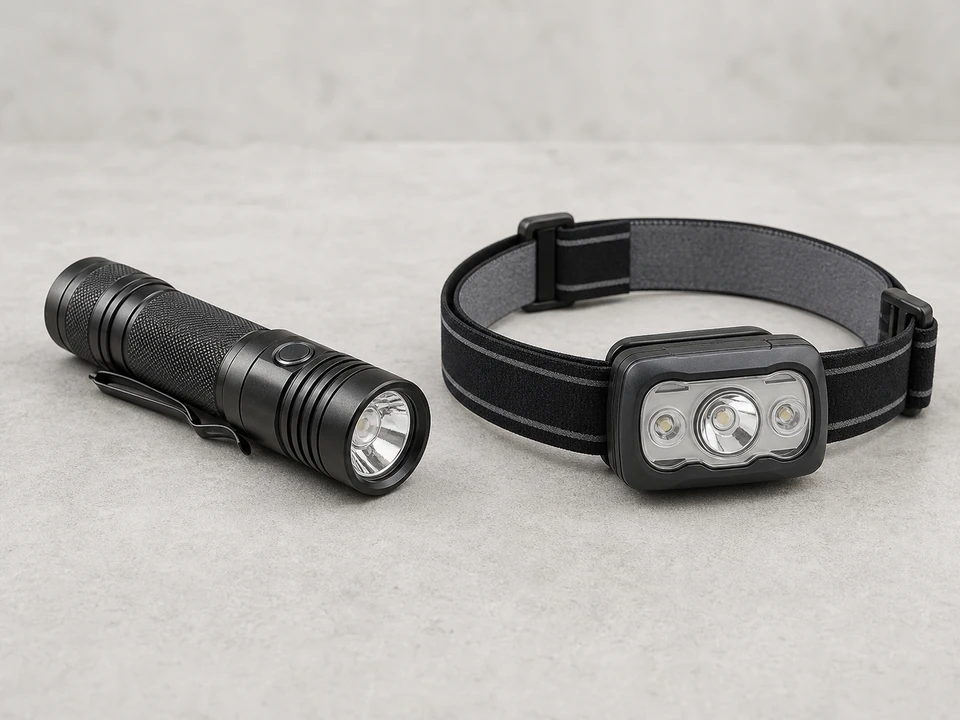
Flashlight
Use it for: Helps you see the outlet face, nearby sinks, and any signs of moisture or damage.
Find a flashlightTo reset a tripped GFCI, unplug anything connected to that outlet or downstream outlets, dry the area if needed, then press the RESET button firmly until it clicks and power returns.
A GFCI usually trips because it sensed moisture, a ground fault, or a problem with something plugged into the circuit. The safe fix is to remove the likely cause first, reset the device, and then test it under normal use.
Before you start: Match the outlet style, amperage, and wiring layout before ordering a replacement GFCI. Stop if the repair becomes unsafe or unclear.
Use it for: Helps you see the outlet face, nearby sinks, and any signs of moisture or damage.
Find a flashlight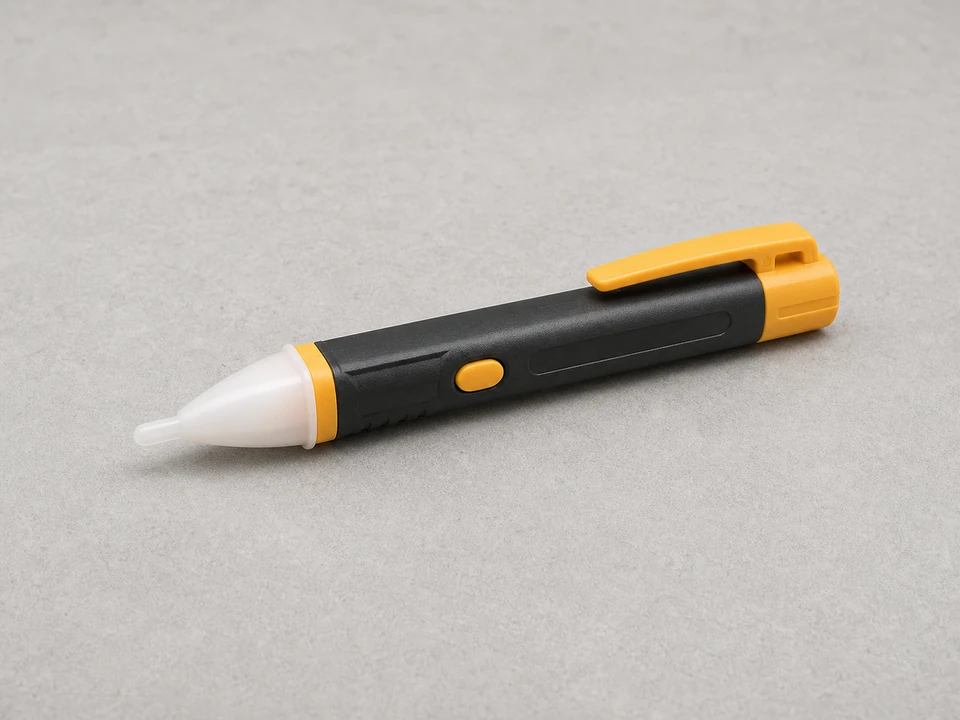
Use it for: Lets you check whether the outlet or nearby wiring is still energized without touching bare conductors.
Find a non-contact voltage tester
Use it for: Used to dry the outlet area, countertop, or floor if splashing or condensation may have caused the trip.
Find absorbent shop towels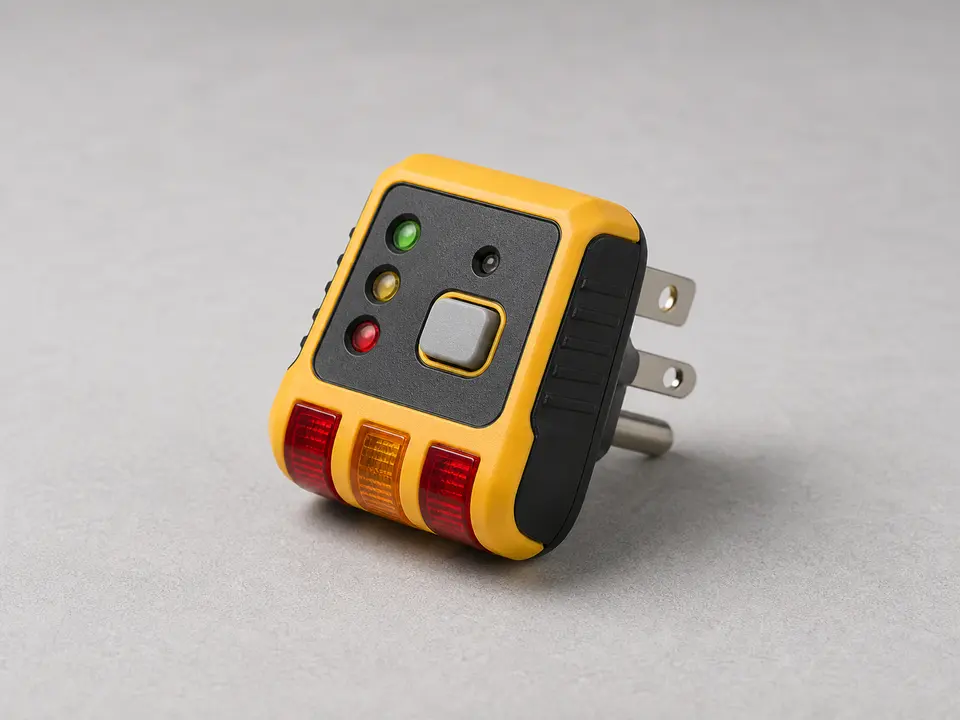
Use it for: Helps confirm the outlet reset properly and that downstream protection is working.
Find an outlet testerAs an Amazon Associate I earn from qualifying purchases. Repair Riot may earn a commission at no extra cost to you.
If it works: You found the tripped GFCI or confirmed that a nearby GFCI likely controls the dead outlet.
If it doesn’t: If no GFCI outlet is nearby and the dead outlet is not on a GFCI-protected circuit you can identify, check the breaker panel next or trace other nearby bathrooms, garage, exterior, or basement outlets for the reset device.
If it works: The outlet area is dry and the circuit is unloaded, which gives the reset the best chance to hold.
If it doesn’t: If you cannot identify what was plugged in or what got wet, still leave all loads unplugged and continue with the reset so you can isolate the cause afterward.
If it works: The RESET button stays in and the outlet has power again.
If it doesn’t: If the button will not stay in or the outlet still has no power, check the breaker panel for a tripped breaker, then return and try one more reset with everything unplugged.
If it works: The GFCI stays set with normal small loads, or you identified one device that causes the trip.
If it doesn’t: If the GFCI trips with multiple different loads or with no load at all, the outlet itself or the circuit wiring may need further diagnosis.
If it works: The GFCI trips on TEST and restores power on RESET, which shows the device is responding normally.
If it doesn’t: If TEST does nothing, RESET will not restore power, or downstream outlets behave inconsistently, the GFCI may be failed or miswired and should be inspected or replaced.
If it works: Power stays on during normal use and the GFCI still trips and resets correctly when tested.
If it doesn’t: If it trips again under normal dry conditions with known-good loads, plan on replacing the GFCI or having the circuit diagnosed for a wiring fault.
Usually because it sensed current leaking where it should not, often from moisture, a faulty appliance, or a wiring problem on the protected circuit.
Unplug everything on that circuit, dry the area, and check the breaker panel. If it still will not stay in, the GFCI may be failed or there may be a wiring fault downstream.
Yes. A single GFCI outlet can protect other outlets wired downstream, which is why several dead outlets may come back when one GFCI is reset.
If it trips repeatedly in dry conditions with nothing plugged in, replacement or further diagnosis is reasonable. Repeated tripping usually means the device is failing or the circuit has a real fault.
No. One or two careful attempts after unplugging loads and drying the area is enough. If it keeps tripping or will not reset, stop and diagnose the cause instead of forcing it.