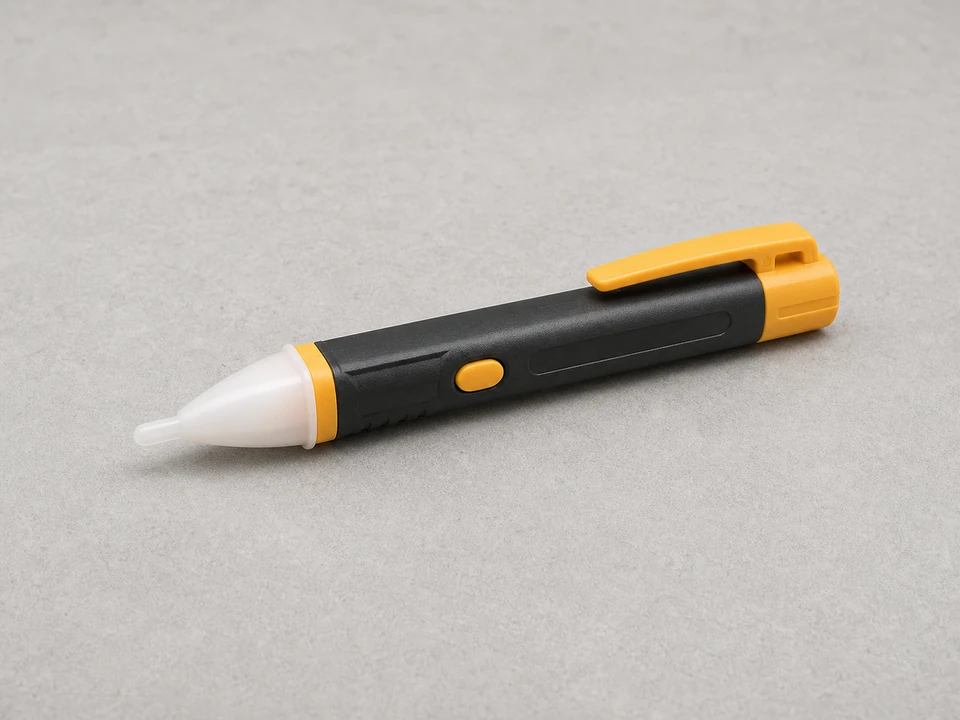
Non contact voltage tester
Use it for: To check that the outlet and box are de-energized before you touch wires.
Shop voltage testersTo replace a GFCI receptacle, first confirm the outlet itself has failed, turn off the correct breaker, verify the power is actually off, move the wires to the matching terminals on the new device, then restore power and test the reset and trip functions.
A bad GFCI receptacle can stop power to one outlet or several downstream outlets. The job is straightforward if the box is dry, the wiring is in good shape, and you copy the wire placement carefully. If anything looks burned, loose, or confusing, stop and bring in an electrician.
Before you start: Match the device style, amperage, GFCI type, and whether your wiring uses line only or line and load terminals before ordering.
Use it for: To check that the outlet and box are de-energized before you touch wires.
Shop voltage testers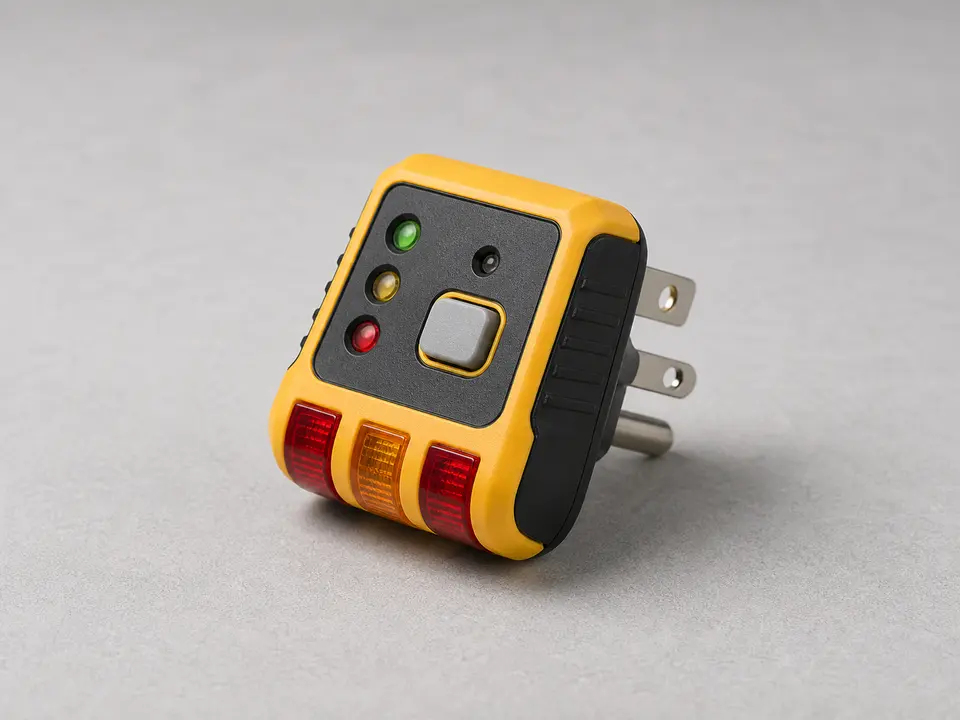
Use it for: To confirm the new receptacle powers up and trips properly after installation.
Shop GFCI testers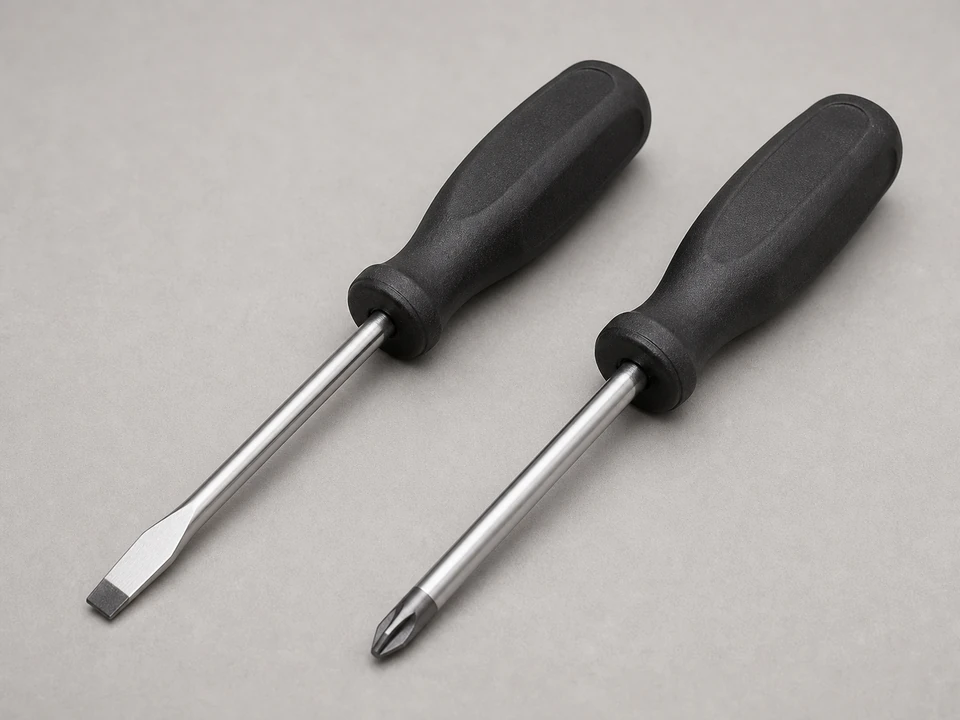
Use it for: To remove the cover plate, device screws, and terminal screws.
Shop screwdrivers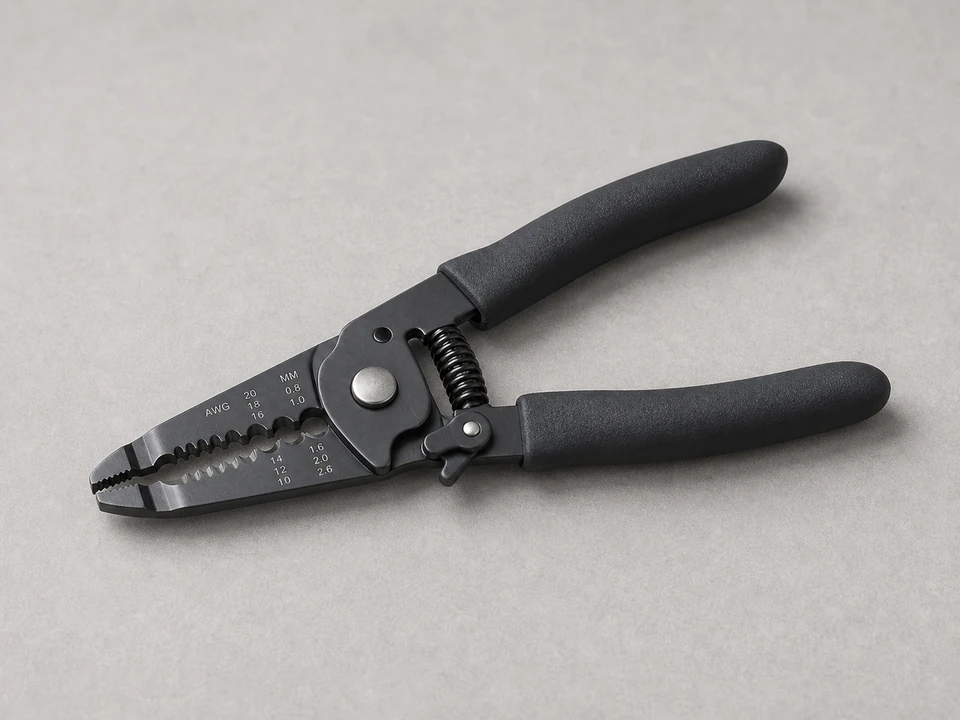
Use it for: To clean up wire ends if they are nicked, bent, or too short for the new terminals.
Shop wire strippers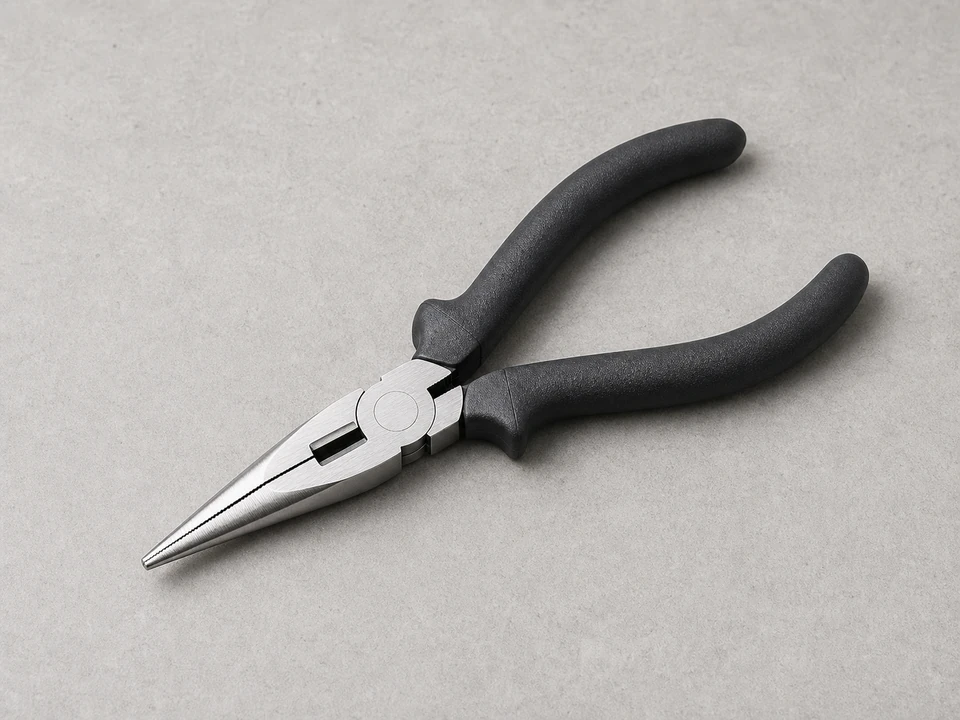
Use it for: To shape wire loops and guide wires back into the box neatly.
Shop needle-nose pliers
Use it for: To see terminal labels and wire colors clearly after the breaker is off.
Shop flashlightsAs an Amazon Associate I earn from qualifying purchases. Repair Riot may earn a commission at no extra cost to you.
If it works: You have a failed or unreliable GFCI receptacle and replacement makes sense.
If it doesn’t: If the receptacle resets normally and holds under use, the problem may be a tripped upstream device, a breaker issue, or something plugged into the circuit.
If it works: The receptacle and box test dead, and it is safe to remove the device.
If it doesn’t: If the tester still shows power, go back to the panel and identify the correct breaker before touching any wires.
If it works: The old receptacle is out and you know exactly how the circuit was connected.
If it doesn’t: If the terminal markings are unclear, use the photo and the labels molded into the new device before moving any wires.
If it works: The new GFCI receptacle is wired to the correct terminals and seated neatly in the box.
If it doesn’t: If the device will not fit back into the box cleanly, pull it out and refold the wires so they are not sharply kinked or pressing against the reset mechanism.
If it works: The new receptacle powers up and the reset button holds.
If it doesn’t: If the receptacle has no power, turn the breaker back off and recheck that the feed wires are on the LINE terminals, not the LOAD terminals.
If it works: The GFCI trips and resets properly, powers the outlet normally, and any downstream protection works as expected.
If it doesn’t: If the outlet still will not hold reset or downstream outlets do not behave correctly, the problem may be upstream wiring, reversed line/load connections, or another fault on the circuit.
Match the device style, amperage, GFCI type, and whether your wiring uses line only or line and load terminals before ordering.
As an Amazon Associate I earn from qualifying purchases. Repair Riot may earn a commission at no extra cost to you.
Only if the circuit no longer needs GFCI protection and the wiring method still makes sense, which is often not the case. In most homes, the simplest like-for-like repair is replacing it with another GFCI receptacle.
The receptacle may not reset, may not provide power correctly, or may fail to protect downstream outlets. That is why taking a photo before disconnecting wires matters.
A repeated trip usually points to a wiring problem, a ground fault on the circuit, moisture, or a line/load mix-up rather than a bad reset button.
Match the circuit and the old device. Check the breaker size and the receptacle style before buying. Do not guess on amperage.
Yes. If downstream outlets are connected to the load terminals, one GFCI receptacle can protect them too. That is why correct wire placement is important.