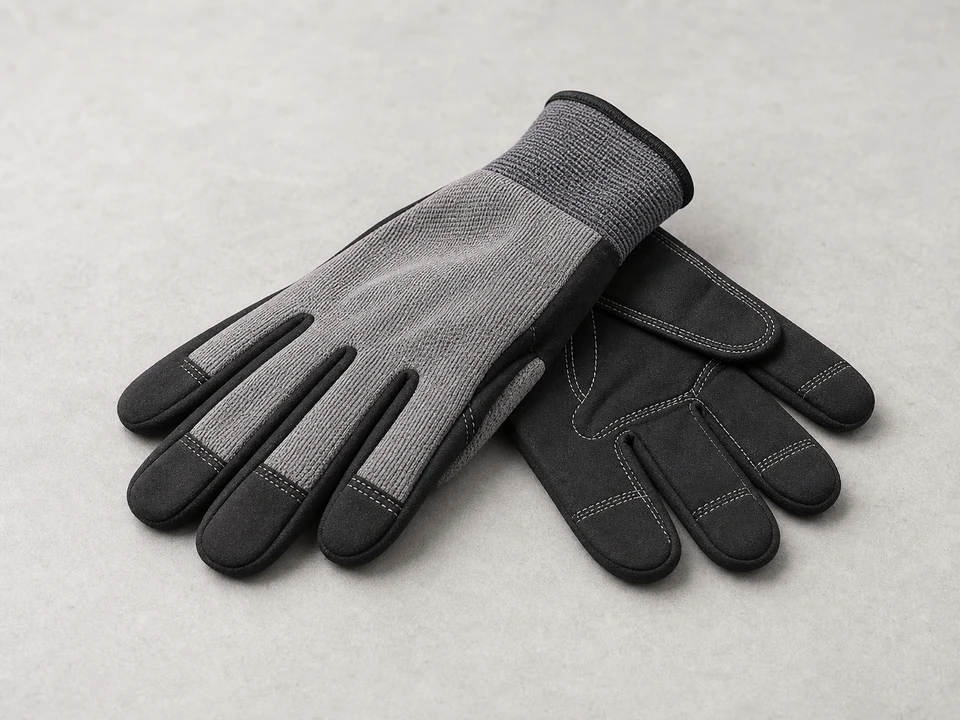
Work gloves
Use it for: Protects your hands from sharp plastic edges, grime, and detergent residue.
Shop work glovesTo replace a washer detergent drawer, pull the old drawer out, release its stop tab or latch, clean the housing, slide in the matching replacement, and test that it moves smoothly and dispenses without leaking.
A cracked, warped, sticky, or badly stained detergent drawer can cause poor dispensing and water drips at the front of the washer. This is usually a straightforward replacement as long as the new drawer matches your washer and the drawer housing itself is not damaged.
Before you start: Match the replacement part to your exact washer before ordering.
Use it for: Protects your hands from sharp plastic edges, grime, and detergent residue.
Shop work gloves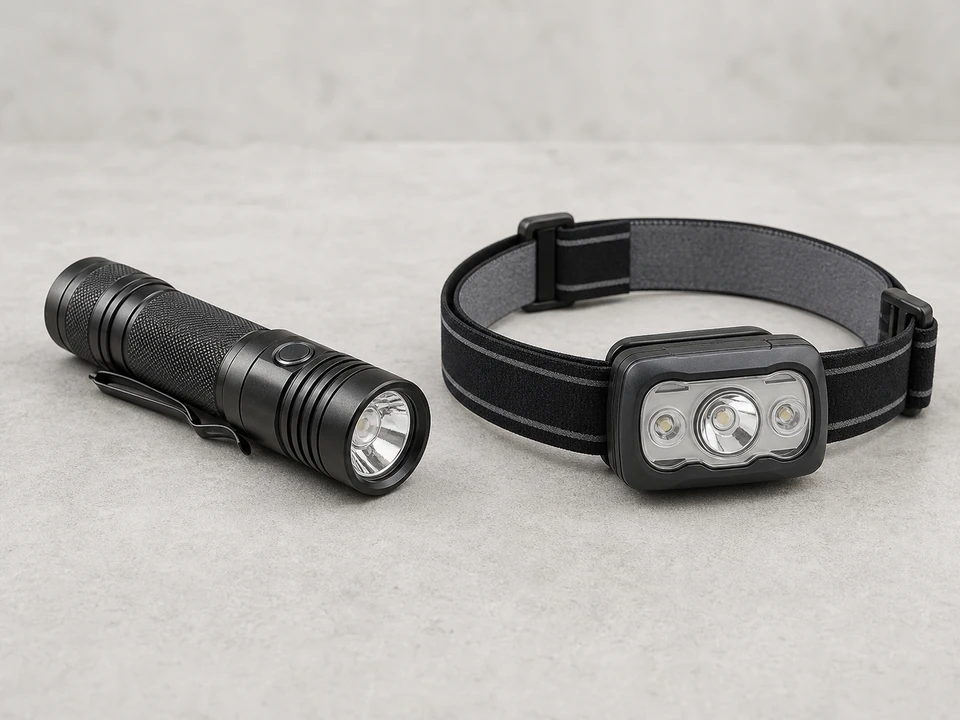
Use it for: Helps you see the release tab, rails, and buildup inside the drawer opening.
Shop flashlights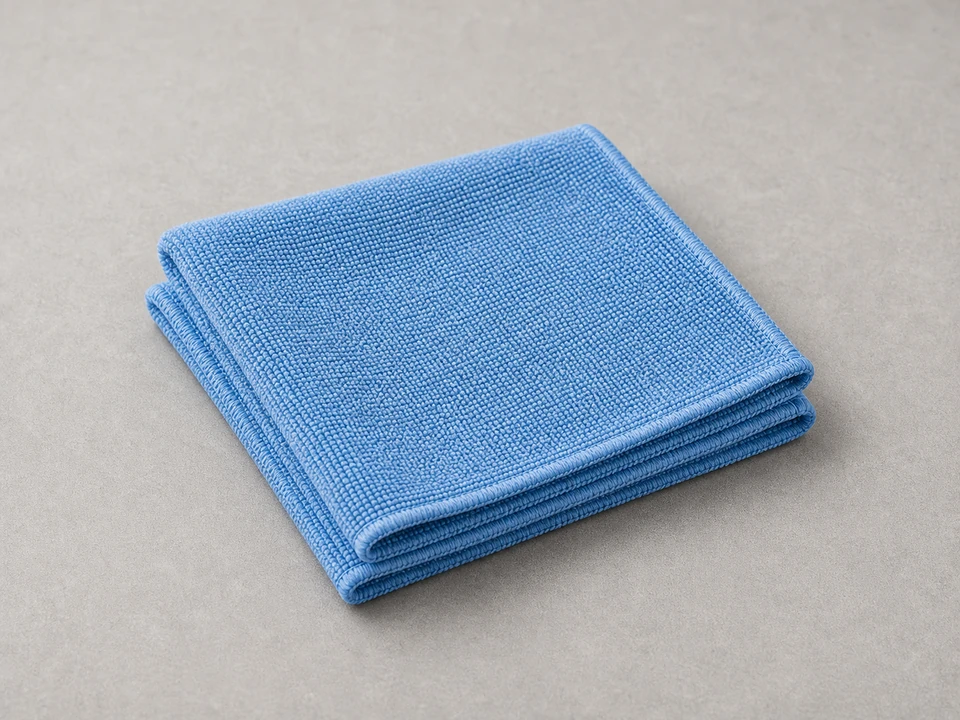
Use it for: Used to wipe detergent residue and dry the drawer cavity before installation.
Shop microfiber cloths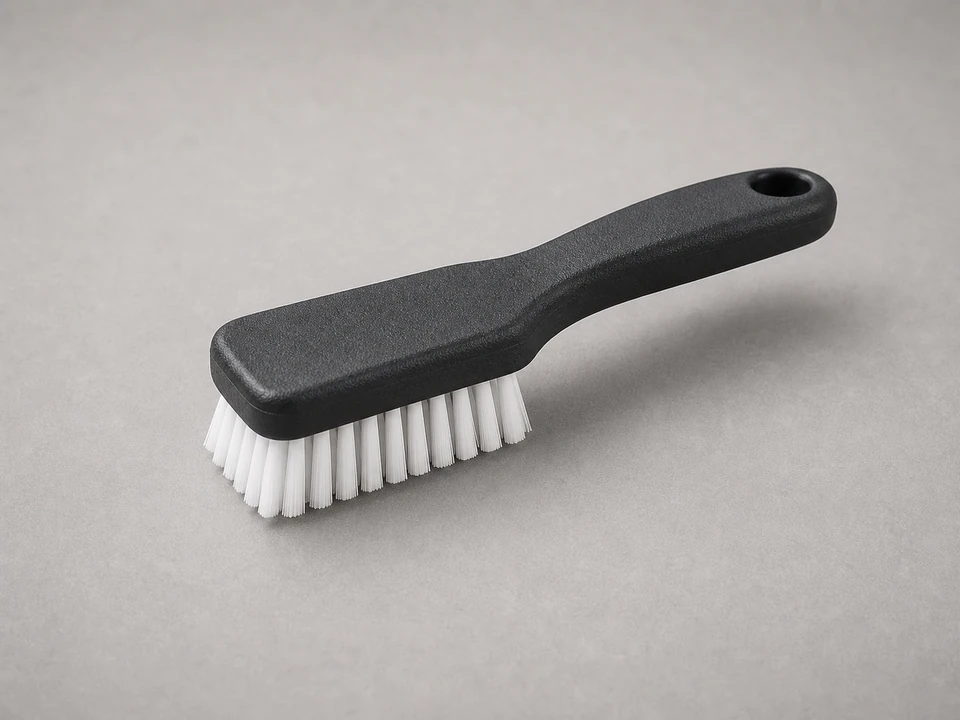
Use it for: Loosens caked detergent and softener residue from the drawer housing and rails.
Shop nylon cleaning brushes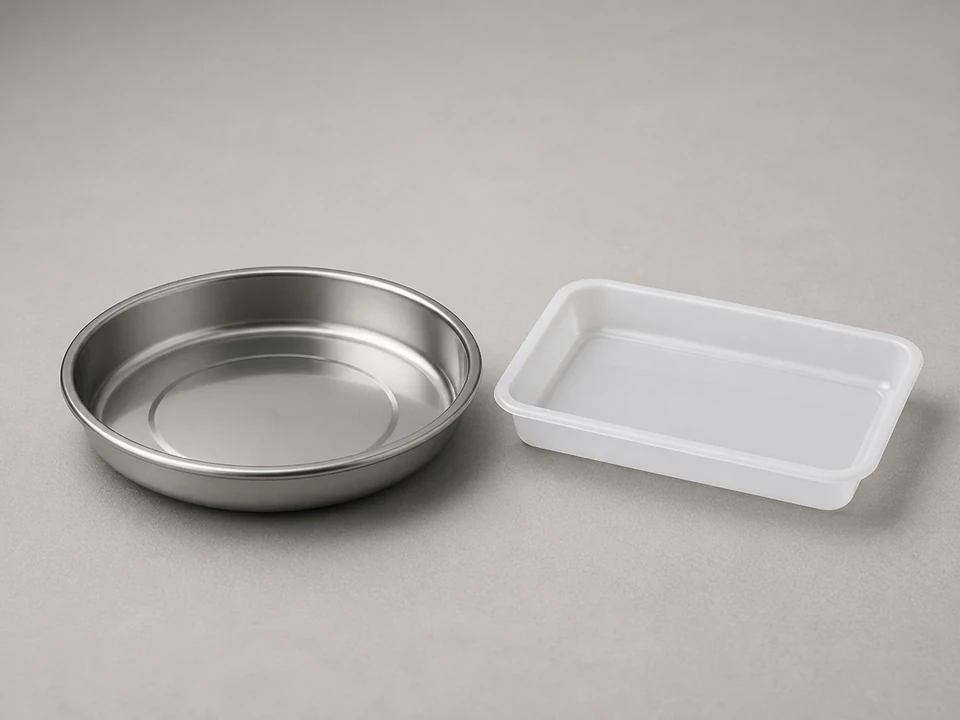
Use it for: Catches drips when you remove the old drawer.
Shop absorbent towelsAs an Amazon Associate I earn from qualifying purchases. Repair Riot may earn a commission at no extra cost to you.
If it works: You have a damaged or badly worn drawer and a matching replacement ready to install.
If it doesn’t: If the drawer looks intact and the main problem is soap buildup, odor, or slow flow, clean the drawer and housing first instead of replacing it.
If it works: The old detergent drawer is fully removed without forcing or cracking the housing.
If it doesn’t: If the drawer will not release, look for a center or rear tab inside the drawer and try again with gentle pressure instead of prying.
If it works: The drawer opening is clean, clear, and ready for the new part.
If it doesn’t: If residue is still heavy, repeat the brushing and wiping until the rails and guide surfaces are clear.
If it works: The new detergent drawer slides in and out smoothly and sits flush when closed.
If it doesn’t: If the drawer binds, remove it and check for misalignment, leftover debris, or inserts installed in the wrong position.
If it works: The drawer stays in place, fills normally, and does not leak during the initial test.
If it doesn’t: If water splashes or backs up, remove the drawer and recheck the inserts, compartment orientation, and cleanliness of the housing.
If it works: The new washer detergent drawer works smoothly through a full cycle and the leak or dispensing problem is gone.
If it doesn’t: If the problem returns, inspect the drawer housing, water inlet flow, and detergent use level because the root cause may be buildup or a damaged dispenser assembly rather than the drawer alone.
Match the replacement part to your exact washer before ordering.
As an Amazon Associate I earn from qualifying purchases. Repair Riot may earn a commission at no extra cost to you.
For a simple drawer swap, turning the washer off is usually enough because you are working at the front and not opening electrical panels. If your washer is in a tight spot or you may bump controls accidentally, unplugging it adds another layer of safety.
Most drawers have a release tab or latch that stops them from sliding out by accident. Pull the drawer out to its stop point, look inside for the tab, press it, and then pull evenly. If it still will not move, buildup or a broken piece may be jamming it.
Yes, if the inserts are clean, undamaged, and clearly fit the new drawer. If they are warped, cracked, or loose, replace them if possible instead of transferring a worn part into the new drawer.
Common causes include a cracked drawer, warped plastic, clogged passages, too much detergent, or buildup that redirects water toward the front. Replacing the drawer helps when the drawer itself is damaged, but it will not fix a cracked housing or internal dispenser problem.
Not always. A small amount of leftover water can be normal on some washers. Replace the drawer when it is physically damaged or no longer fits and seals correctly. If the drawer is intact, cleaning the drawer and housing is often the better first step.