What F8E4 usually looks like in the kitchen
Code appears with water on the floor
The dishwasher stops, may run the drain pump, and you find water at the front corners or under the toe kick.
Start here: Look for a real leak first: door seal, loose lower spray arm, split dishwasher drain hose, or water spilling from oversudsing.
Code appears but the floor is dry
The machine shows F8E4, may beep, and may not restart normally, but you do not see obvious water outside the unit.
Start here: Check for water in the base tray, a stuck dishwasher float, or leftover suds that pushed water where the sensor could see it.
Code shows up near the start of the cycle
It fills briefly, then stops early and throws the code.
Start here: Suspect a float problem, a fill issue causing splash-over, or water already sitting in the base from a previous leak.
Code shows up later in the cycle
The dishwasher runs for a while, then stops with the code after washing or draining.
Start here: Look hard at spray escaping past the door, a loading issue blocking the spray arm, or a slow leak that only shows up once pressure and heat build.
Most likely causes
1. Water in the dishwasher base drip tray
F8E4 is commonly triggered when the leak sensor sees water underneath the tub. A small amount is enough.
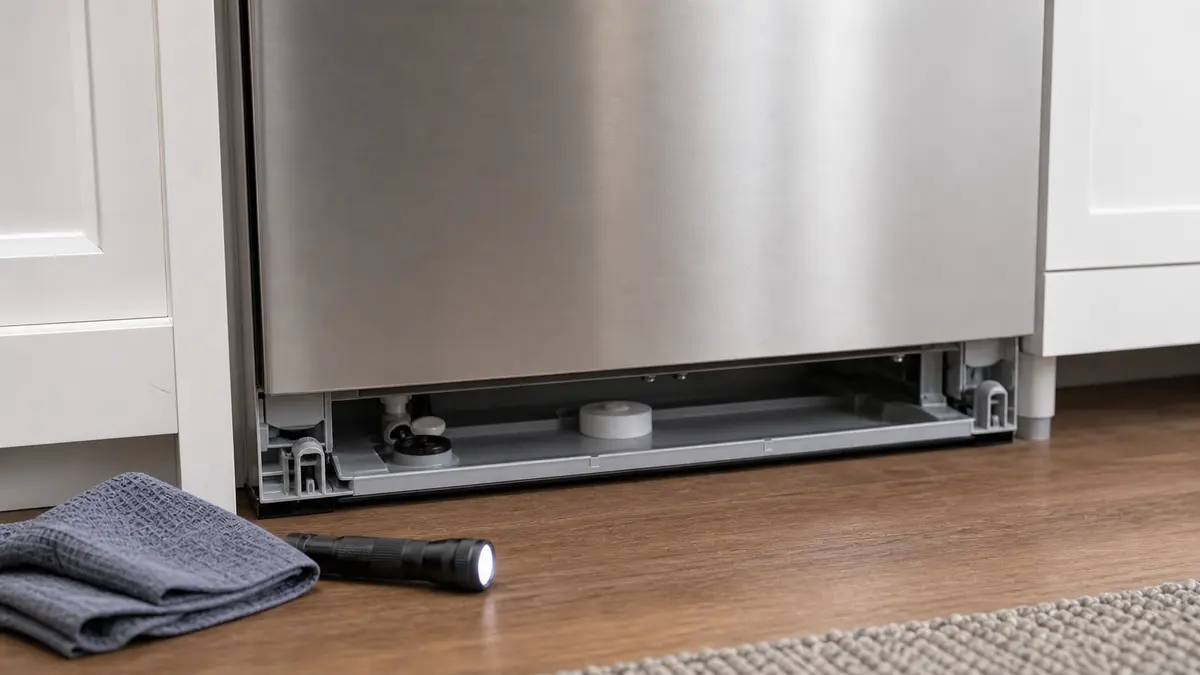
Quick check: Remove the toe kick if accessible and look for moisture, mineral tracks, or a damp insulation blanket under the dishwasher.
2. Oversudsing from the wrong soap or rinse buildup
Too many suds can push water out of normal paths, trip the leak sensor, and make the dishwasher act like it is overfilling.
Quick check: Open the door after the unit settles. If you see foam instead of just wash water, deal with the suds before chasing parts.
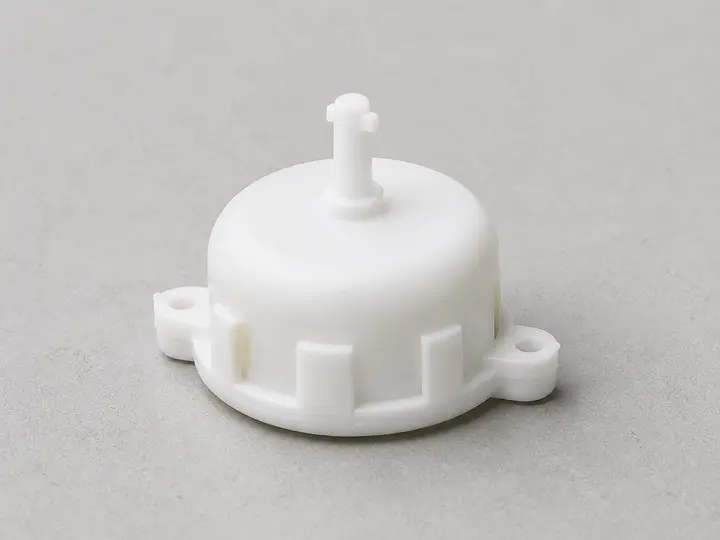
3. Dishwasher float stuck or obstructed
If the float cannot move freely, the dishwasher may misread water level or keep filling until water reaches the base area.
Quick check: Find the float in the tub bottom and lift it gently. It should move freely and drop back without grit or binding.
4. Spray forced past the door from loading or a damaged lower spray arm
A tall pan, utensil, or split spray arm can throw a hard stream at the door seam and create an intermittent leak.
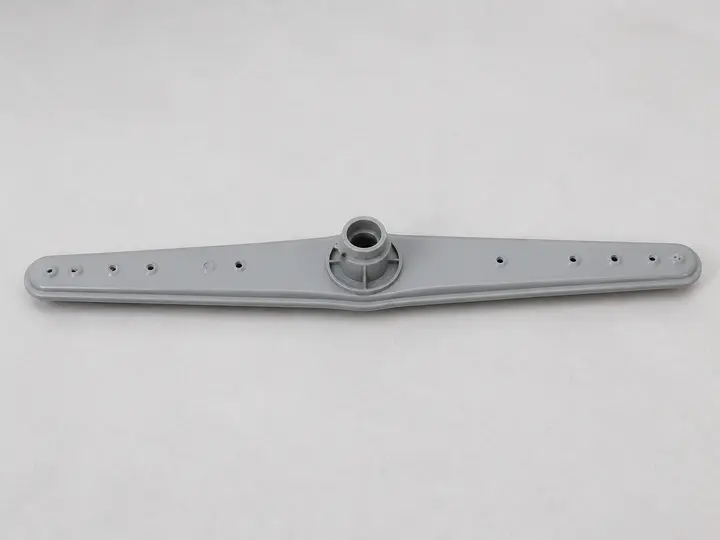
Quick check: Spin the lower spray arm by hand and check for cracks, separated seams, or dishes blocking its path.
Step-by-step fix
Step 1: Shut it down and confirm whether this is a suds problem or a real leak
You want to separate the two most common lookalikes right away. Suds can mimic an overfill, while a real leak leaves clues underneath.
- Press cancel and let the dishwasher stop.
- Turn off power at the breaker or unplug it if the plug is accessible.
- Open the door and look for thick foam or suds in the tub.
- Check the floor in front of the dishwasher and along both front corners.
- If you can safely remove the toe kick, look underneath with a flashlight for fresh water, damp insulation, or drip marks.
If you clearly find heavy suds and no obvious leak, clear the suds and move to the next checks before running another full cycle. If you find water underneath or cannot tell where it came from, keep the power off and continue with the leak-focused checks.
Suds point to a wash chemistry problem first. Water in the base points to an actual leak path or overflow event.
Stop if:- Water is actively dripping onto wiring or the junction box area.
- The floor under the dishwasher is soaked or cabinet materials are swelling.
- You smell burning, see damaged insulation, or find signs of a long-term hidden leak.
Step 2: Check the dishwasher float and clear the simple overfill causes
A stuck float or debris around it is a common, low-effort cause and does not require buying anything to confirm.
- Locate the dishwasher float in the tub bottom.
- Lift it gently and let it drop. It should move smoothly without scraping or hanging up.
- Wipe away food grit, labels, broken glass, or mineral buildup around the float base using a damp cloth.
- Look for anything inside the tub that could trap water or redirect spray, especially large trays, cutting boards, and tall pans near the front.
- If you recently changed detergent, used too much detergent, or accidentally used hand-washing soap, scoop out suds and run no new soap on the next short rinse only after the unit is dry.
If the float was stuck and now moves freely, or the suds were obvious and are gone, the code may clear after the base dries out. If the float moves normally and there were no suds, keep going and inspect the door and spray pattern.
A float that binds can create a false overfill situation. Suds or loading problems can send water into the base without any failed part.
Step 3: Inspect the door sealing surfaces and the lower spray arm
A lot of F8E4 calls come down to water being thrown past the door gasket, especially from the lower spray arm area.
- Wipe the dishwasher door gasket and the tub sealing surface with warm water and a little mild soap, then dry them.
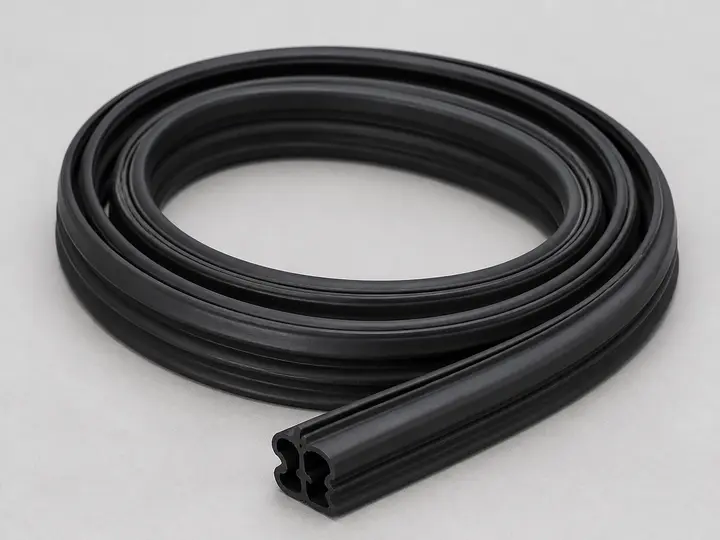
- Check the gasket for tears, flat spots, or sections pulled out of place.
- Inspect the bottom of the door and threshold area for baked-on debris that could hold the door slightly open.
- Spin the lower dishwasher spray arm by hand. It should turn freely without hitting dishes or racks.
- Look closely for split seams, melted spots, or clogged jets that could create a sideways stream.
- Reload anything tall or lightweight that could deflect spray toward the door.
If you find a blocked spray arm, bad loading pattern, or dirty sealing surface and correct it, run a short test cycle and watch closely. If the door area looks good and the spray arm is sound, the leak may be underneath or in the drain path.
Step 4: Look underneath for the actual leak path before buying parts
Once you know it is not just suds, the next job is finding where the water starts. That keeps you from guessing at parts.
- With power still off, inspect the underside for mineral trails, rust-colored drip marks, or a wet path on the insulation blanket.
- Check the dishwasher drain hose where it connects under the sink and where it attaches to the dishwasher for looseness, rubbing, or splits.
- Look at visible hose clamps and the sump area for signs of repeated dripping.
- If the base is wet, dry what you can reach with towels and leave the unit off long enough for the leak sensor area to dry.
- Restore power only when the area is dry, then run a short cycle while watching with a flashlight if you can do it safely from the front.
If you can see the leak starting at a hose, the lower spray arm splash pattern, or the door edge, you now have a usable repair path. If you still cannot see the source but the code returns, the leak may be from an internal seal or component better handled by a service tech.
Step 5: Make the repair that matches what you found, then verify with a short cycle
At this point you should have enough evidence to fix the simple cause or stop before turning a manageable leak into a bigger one.
- If the issue was suds, clear the tub, let the base dry fully, and run a short rinse with no added detergent to confirm normal operation.
- If the dishwasher float was sticking or damaged, replace the dishwasher float only if it no longer moves or sits correctly after cleaning.
- If the lower dishwasher spray arm is split or warped, replace it and retest with normal loading.
- If the dishwasher door gasket is torn, flattened, or pulled loose and cleaning did not help, replace the gasket.
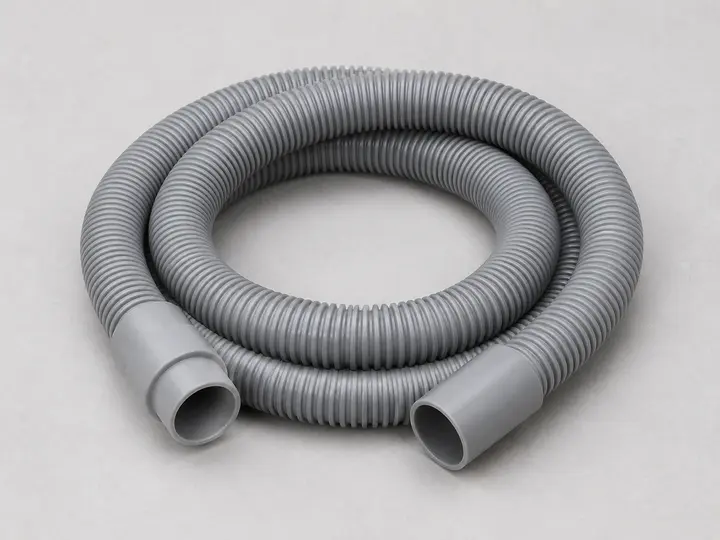
- If the dishwasher drain hose is visibly split or leaking at the hose body, replace the hose and secure routing so it does not rub.
- If you cannot confirm the source or the leak appears to come from the sump or pump area, stop and schedule service instead of guessing.
A good result: If the dishwasher completes a short cycle with no code, no fresh water in the base, and no drips at the front or underneath, the repair path was likely correct.
If not: If F8E4 returns after the base is dry and the obvious leak paths check out, professional diagnosis is the safer next move.
This code is usually solved by correcting the actual water path problem, not by replacing random electrical parts.
Replacement Parts
As an Amazon Associate I earn from qualifying purchases. Repair Riot may earn a commission at no extra cost to you.
FAQ
What does F8E4 mean on a Maytag dishwasher?
It usually means the dishwasher sensed water in the base drip tray or detected an overfill-type condition. In plain terms, water got where it should not be, either from a real leak, excess suds, or a water-level problem like a stuck float.
Can I just reset the dishwasher and keep using it?
You can power-cycle it after the base dries, but a reset alone usually does not fix the cause. If water is still getting into the base, the code will come back.
Will the F8E4 code clear by itself?
Sometimes it will clear after the water in the base dries out and the original cause is corrected. If the leak or sudsing problem is still there, it usually returns on the next cycle or two.
Can too much soap cause F8E4?
Yes. Wrong detergent or too much detergent can create heavy suds, and suds can push water into places that trip the leak sensor. If you see foam, deal with that first before replacing parts.
What part usually fixes F8E4?
There is not one universal part for this code. The most common fixes are correcting suds or loading issues, freeing or replacing a stuck dishwasher float, replacing a split lower dishwasher spray arm, replacing a damaged dishwasher door gasket, or replacing a leaking dishwasher drain hose.
Is it safe to run the dishwasher with F8E4 showing?
Not until you know whether water is leaking underneath. If the code came from a real leak, repeated runs can damage flooring, cabinets, and electrical connections.