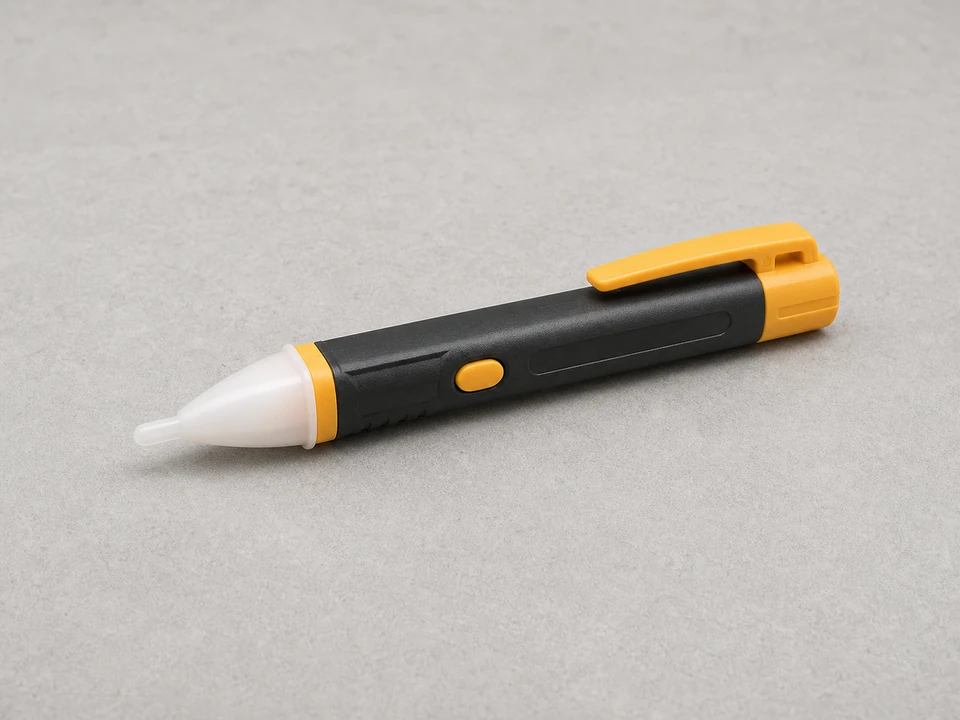
Non contact voltage tester
Use it for: To confirm the outlet is actually off before you touch the device or remove the cover.
Find a non-contact voltage testerIf an outdoor GFCI trips after rain, the usual fix is to shut off power, open the cover, dry the outlet and box completely, then reset and test it once everything is dry.
Rain can leave moisture inside the cover, around the face of the GFCI, or in the electrical box behind it. This how-to helps you dry it out and recheck it safely. If the outlet stays wet, shows damage, or keeps tripping after it is fully dry, the problem is usually a failed device, a bad cover seal, or water getting into the box or wiring.
Before you start: Match the device style, amperage, weather-resistant rating, and wiring layout before ordering a replacement. Stop if the repair becomes unsafe or unclear.
Use it for: To confirm the outlet is actually off before you touch the device or remove the cover.
Find a non-contact voltage tester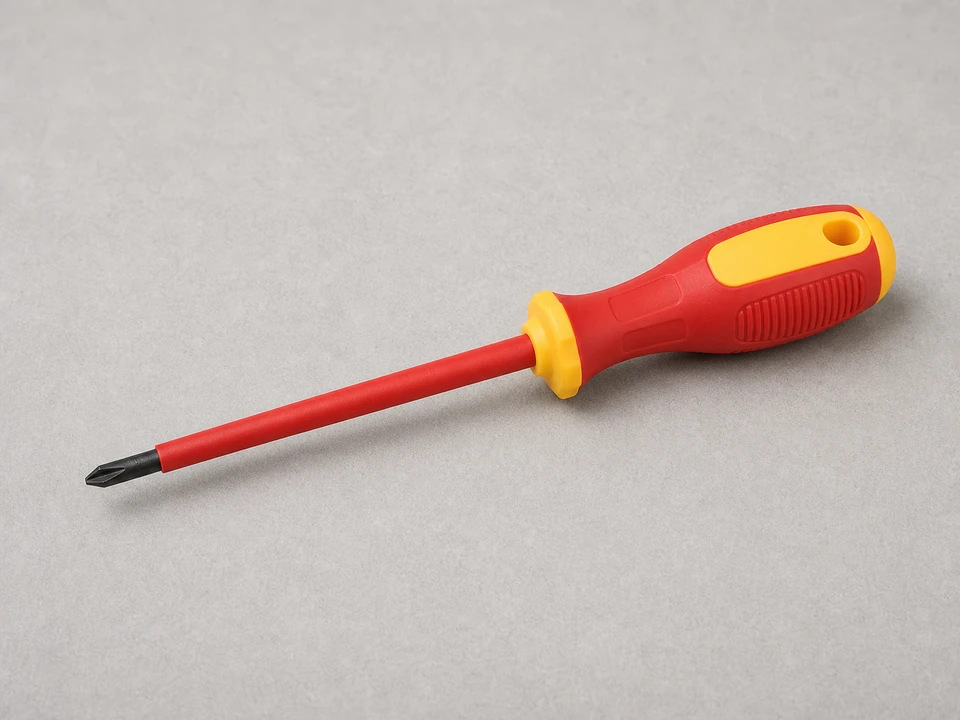
Use it for: To remove the cover or faceplate and snug parts back together.
Shop insulated screwdrivers
Use it for: To wipe off standing water and absorb moisture from the cover and outlet face.
Get microfiber cleaning cloths
Use it for: To move warm air across the outlet and help dry trapped moisture.
Shop a small utility fan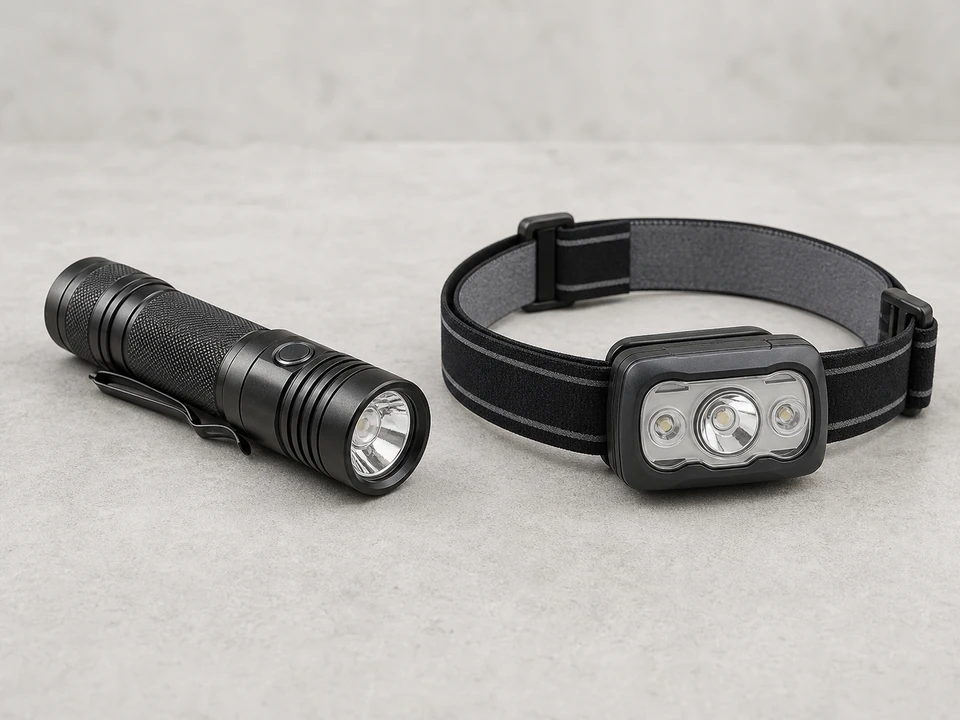
Use it for: To look for water, corrosion, cracked plastic, or a loose cover gasket.
Find an LED flashlightAs an Amazon Associate I earn from qualifying purchases. Repair Riot may earn a commission at no extra cost to you.
If it works: You have a rain-related trip or no-reset condition and no loads plugged in.
If it doesn’t: If the GFCI trips in dry weather too, or trips only when one specific tool or light is plugged in, the root cause may be a bad appliance or a different wiring fault.
If it works: The tester shows the outlet is de-energized and safe to handle.
If it doesn’t: If you cannot identify the correct breaker, stop and map the circuit before continuing.
If it works: Visible moisture on the cover, face, and box opening has been removed.
If it doesn’t: If everything looks dry at the surface, continue anyway because moisture often hides behind the cover or around the device body.
If it works: The outlet, cover, and box area feel dry and show no visible moisture.
If it doesn’t: If the box keeps looking damp, check for a failed cover seal, missing gasket, or water entering from the wall or conduit above.
If it works: The GFCI resets and stays on with nothing plugged in.
If it doesn’t: If it will not reset after the outlet is fully dry and unloaded, the device may have failed or there may still be moisture or wiring trouble upstream or downstream.
If it works: The outlet resets normally, powers a load, and does not nuisance-trip again after the area is dry.
If it doesn’t: If it trips again after rain, replace the weather cover or GFCI as needed and inspect for water entry into the box, conduit, or wall cavity.
Long enough that the cover, outlet face, and box area are fully dry. In warm, breezy weather that may be fairly quick. In cool or humid weather, it can take much longer. The key is complete drying, not a fixed number of minutes.
Yes, on a low warm setting with the breaker off. Keep the air moving and avoid high heat concentrated on one spot.
That usually means moisture is getting back in. Common causes are a bad cover seal, a cracked cover, water entering from above, or a worn GFCI that has become sensitive to damp conditions.
If it is fully dry, nothing is plugged in, and it still will not reset or trips again right away, replacement is a reasonable next step. If water is entering the box, fix that too or the new device may have the same problem.
It can happen if wind-driven rain gets into a poor cover or a damp cord connection, but it should not be routine. A properly protected outdoor outlet should resist normal weather exposure.