Does the apron gap move with weight?
Support or installation movement is likely.
A bathtub that moves when stepping in is usually losing support at the base, apron, floor, or wall connection. Mark the apron gap, check for cracks and wet areas, and do not caulk it as the fix until the movement source is corrected.
The useful clue is visible movement at the apron or floor line, not just a cracked caulk bead.
Movement can be a support issue, a loose installation, a damaged shell, or a wet subfloor problem.
Don’t start with: Do not fill the gap with caulk or shims before checking whether the tub shell or floor is soft.
Support or installation movement is likely.
Stop. The shell or support bed may be failing.
Trace leakage before movement repair.
Retest with tape marks before resealing.
Use access to confirm support and moisture clues.
Tape marks and gap checks show movement more clearly than a cracked caulk bead alone.
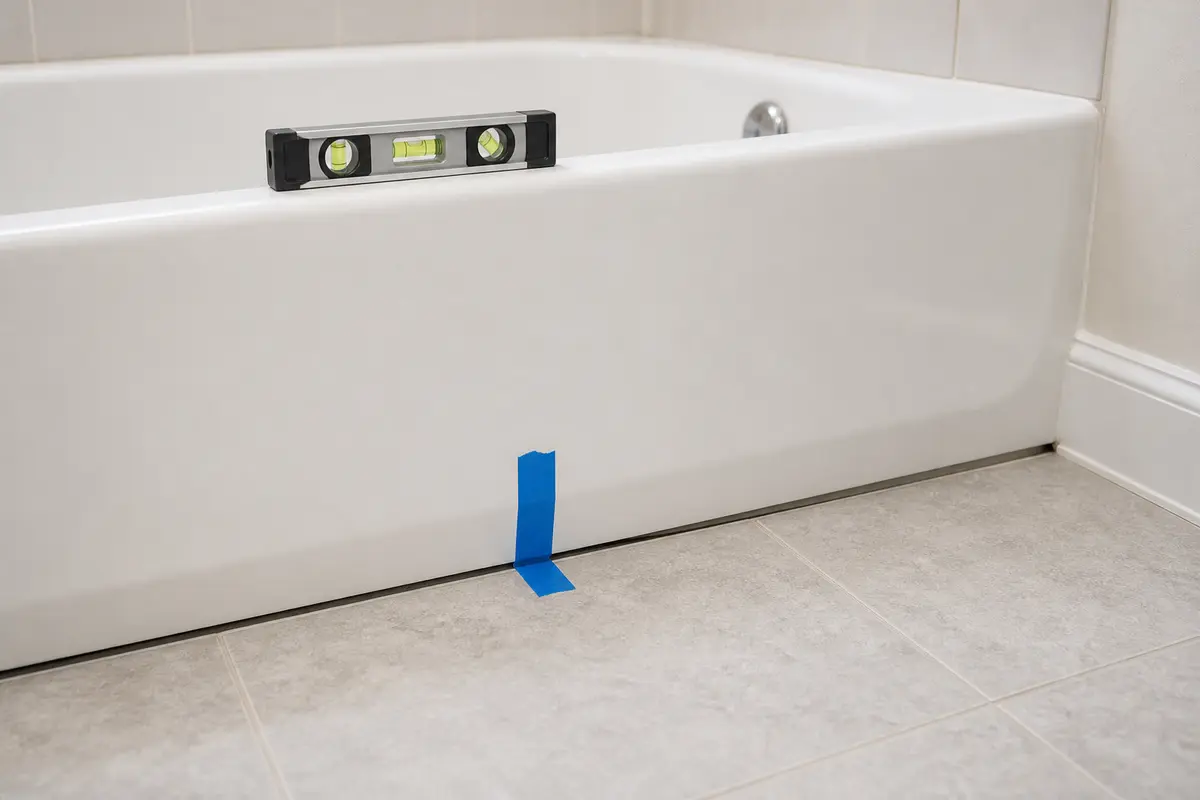
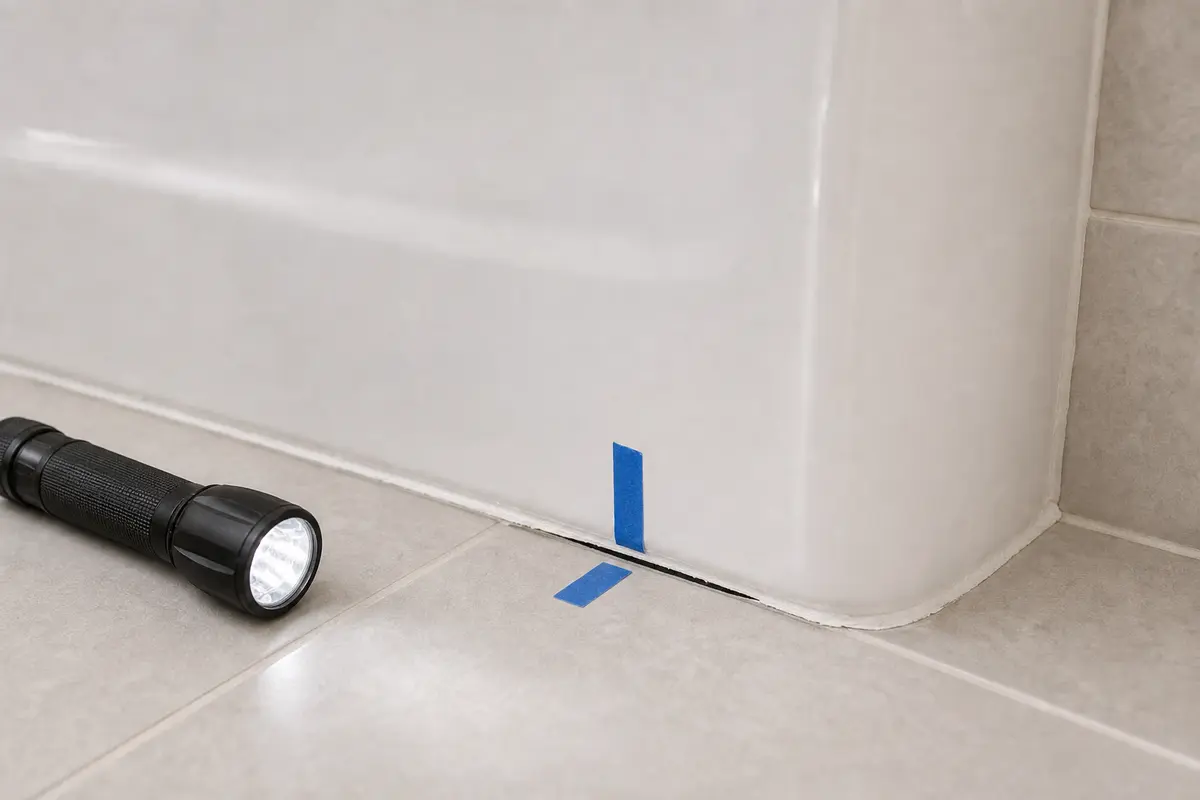
Prove whether the tub shell, floor, or apron actually moves before buying caulk or shims. Match the exact diagnosis, fixture style, and model or material before ordering.
A tub should feel solid under normal entry. If it shifts, the first check is whether the movement is at the apron, tub floor, wall flange, or bathroom floor.
Caulk and shims can hide a support problem if used too soon.
Use tape marks and a gentle controlled step test. Stop if the tub feels unsafe or wet clues appear.
| What changes | What it suggests | Next move |
|---|---|---|
| Apron gap opens | Tub base or installation movement | Inspect support and stop caulk-only fixes. |
| Tub floor feels soft | Shell/support failure | Stop use and get help. |
| Only old caulk is cracked | Possible finish issue | Retest with tape marks before resealing. |
| Wet ceiling or access panel | Leak plus movement | Trace leak before repair. |
The safest check is visual and gentle. A tub that moves under normal entry should not be stress-tested harder.
Reseal only after movement is gone and the joint is dry. Caulk is a finish seal, not structural support.
These tools help observe movement and measure gaps. Skip shims and caulk until the tub is proven stable.
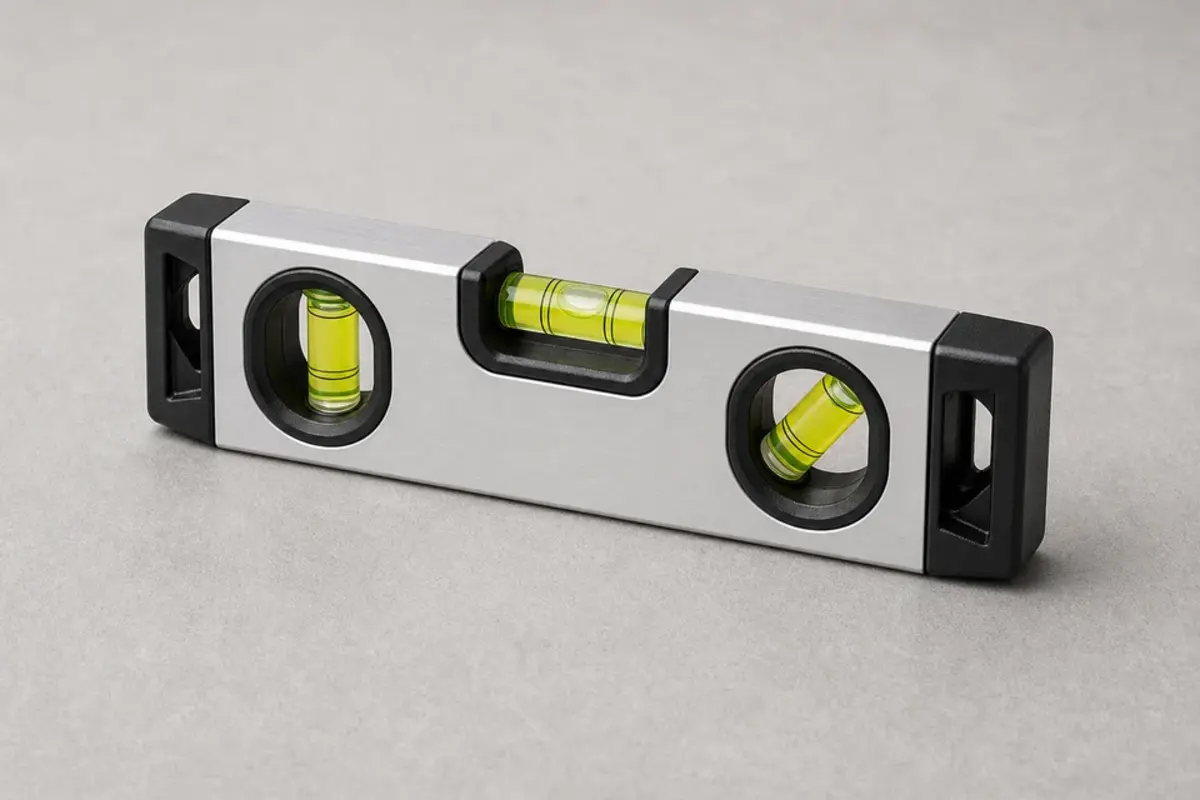
Helps when: Use it with tape marks to check whether the tub shifts or rocks at the apron line.
Skip it when: Skip standing and bouncing in the tub as a test.
Compare short level on Amazon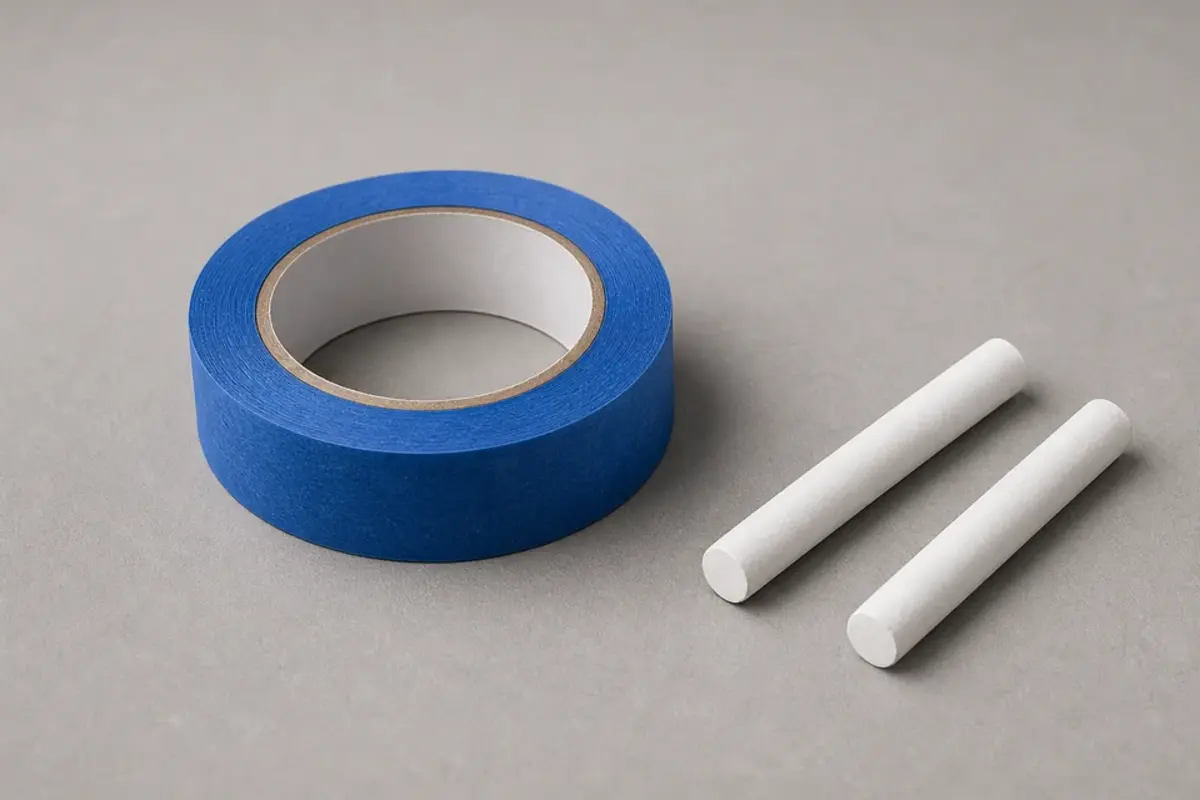
Helps when: Place tape marks across the apron and floor so movement is visible after a gentle step test.
Skip it when: Skip tape as proof of safety; it only shows movement.
Compare painter tape on Amazon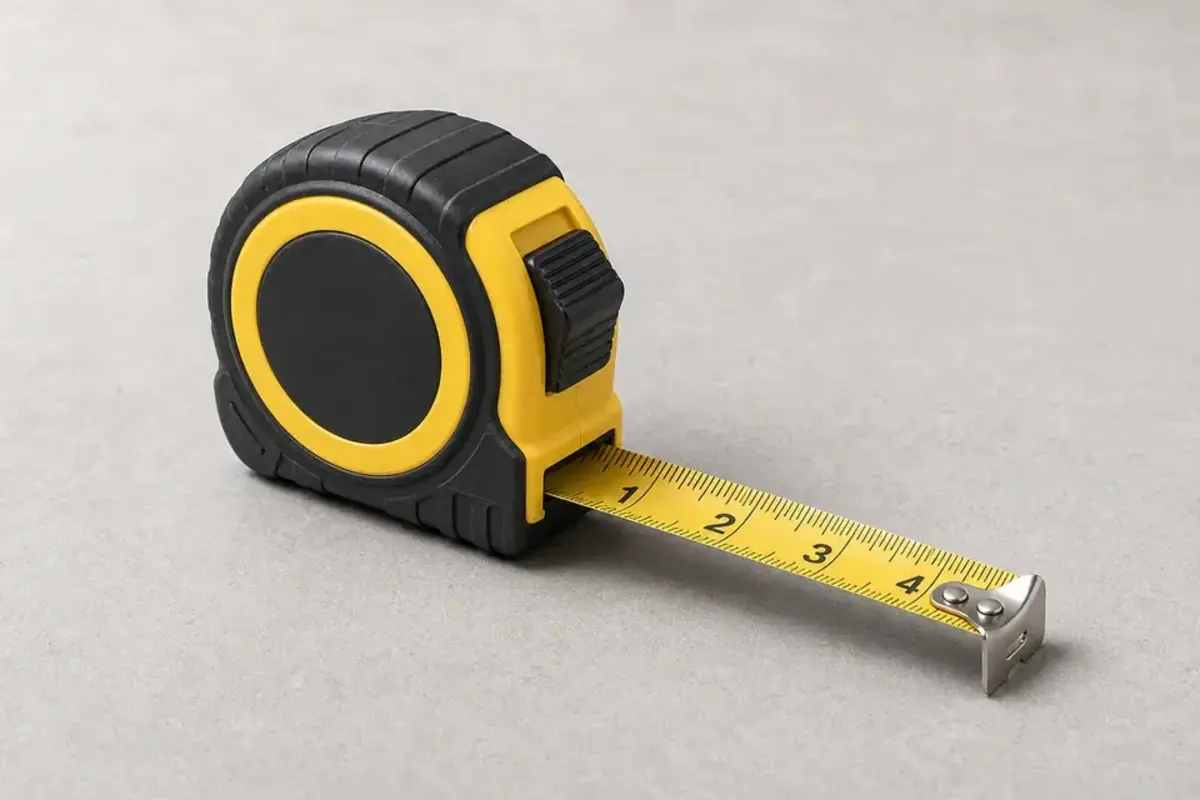
Helps when: Measure a visible gap at the floor, wall, or apron before and after a controlled test.
Skip it when: Skip measuring if the tub floor feels soft or a leak is active below.
Compare tape measure on Amazon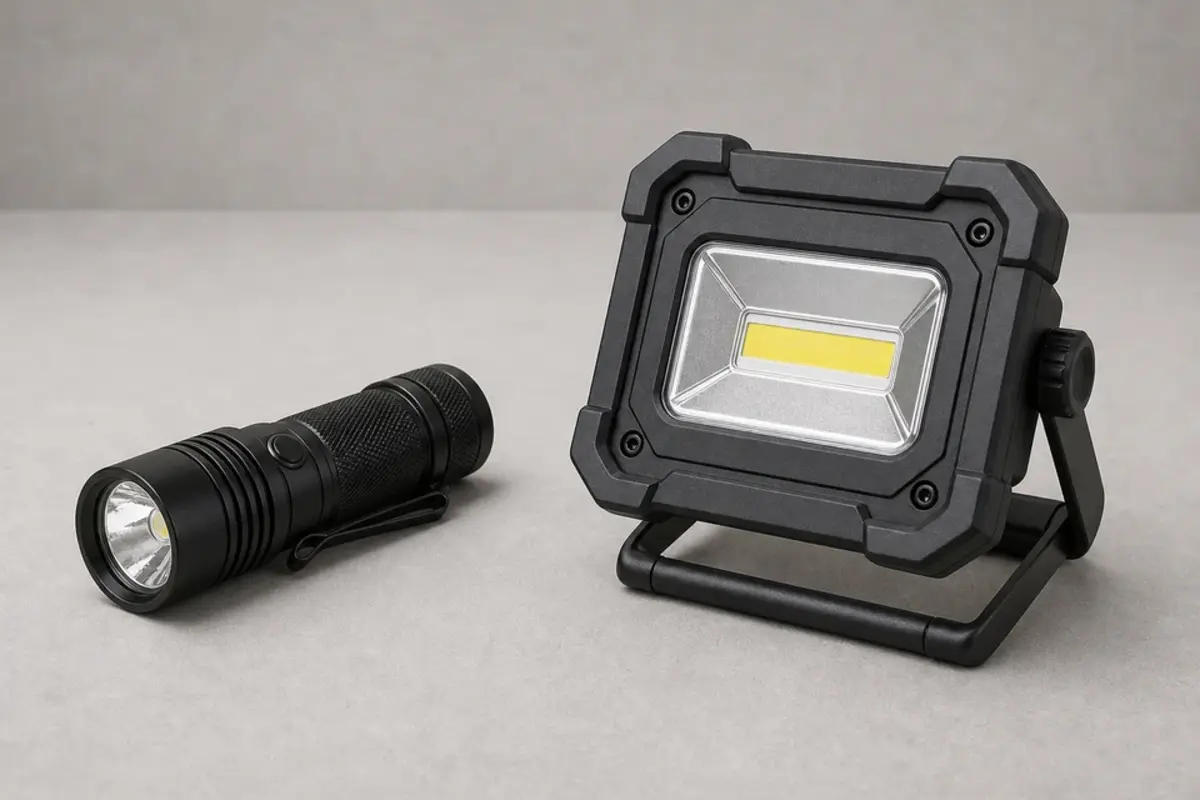
Helps when: Use light at the apron, access panel, and ceiling below to find movement and wet clues.
Skip it when: Skip relying on top-side caulk cracks alone when the floor gap changes or the ceiling below is wet.
Compare inspection flashlight on AmazonAs an Amazon Associate I earn from qualifying purchases. Repair Riot may earn a commission at no extra cost to you.
These products are limited-use. Shims and caulk come after support and leak problems are ruled out or fixed.
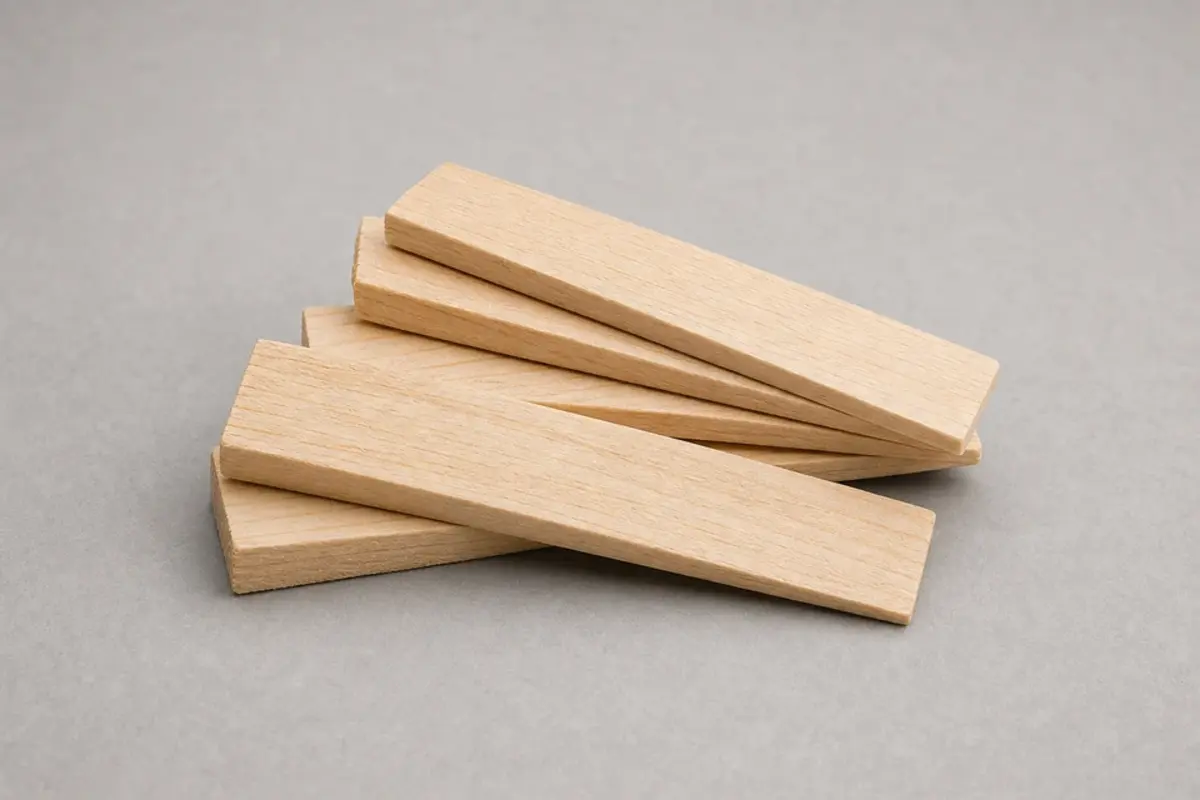
Helps when: Use only when an accessible trim or panel gap needs minor support after the tub structure is confirmed sound.
Skip it when: Skip shims for a soft tub floor, active leak, or cracked shell.
Compare composite or wood shims on Amazon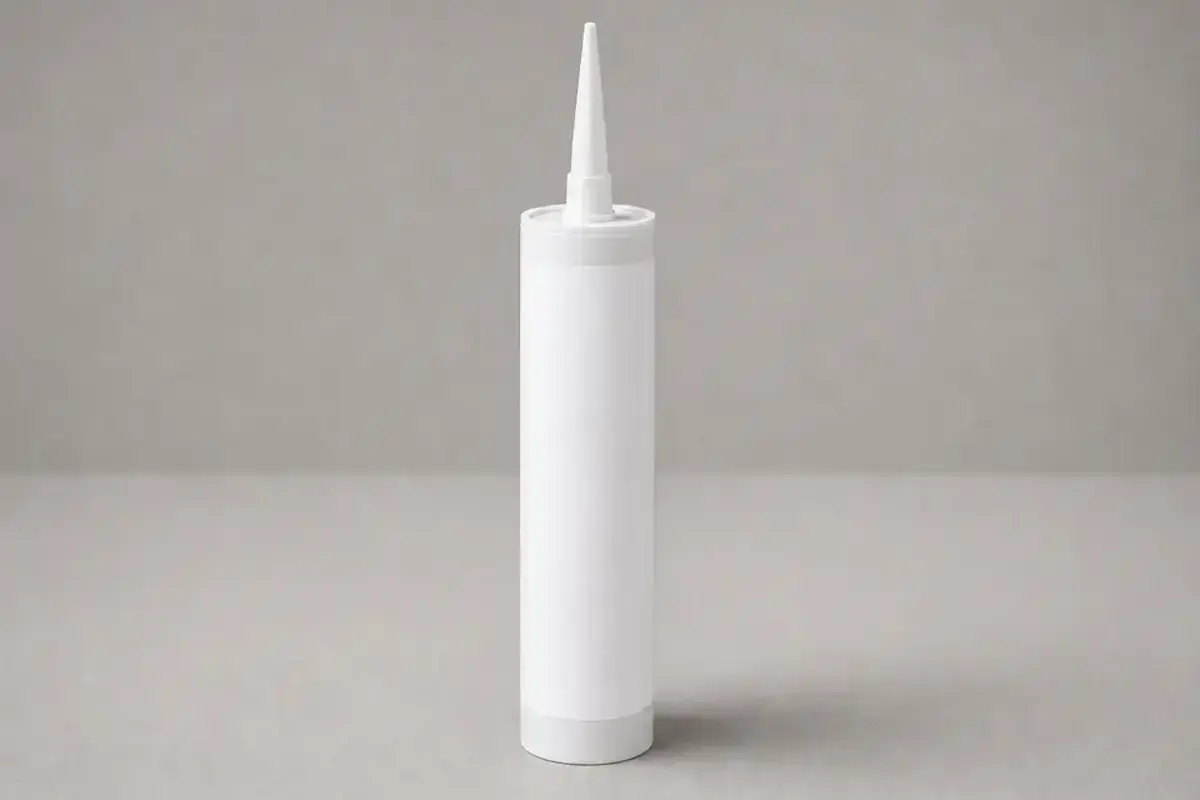
Helps when: Use after movement is fixed and the dry perimeter joint needs resealing.
Skip it when: Skip caulk as the fix for a tub that still moves.
Compare tub and tile silicone caulk on AmazonAs an Amazon Associate I earn from qualifying purchases. Repair Riot may earn a commission at no extra cost to you.
Common causes are poor support, a loose installation, a flexing shell, or floor damage below.
No. Caulk will fail again if the tub still moves.
Only for a confirmed accessible minor support gap, not a soft shell or wet subfloor.
Use tape marks and a gentle normal step, not bouncing or jumping.
Stop use and treat it as support or shell failure.
Trace and stop the leak before movement repair.
Yes. Movement at the tub flange or wall can break caulk, grout, or tile edges.
Call when the tub floor is soft, framing may be wet, or support work is hidden.
Repair Riot reviewed this page around apron gap movement, tape-mark checks, tub-floor softness, wet ceiling clues, and caulk/shim limits. Source links support moisture risk context; the diagnostic sequence is original guidance.