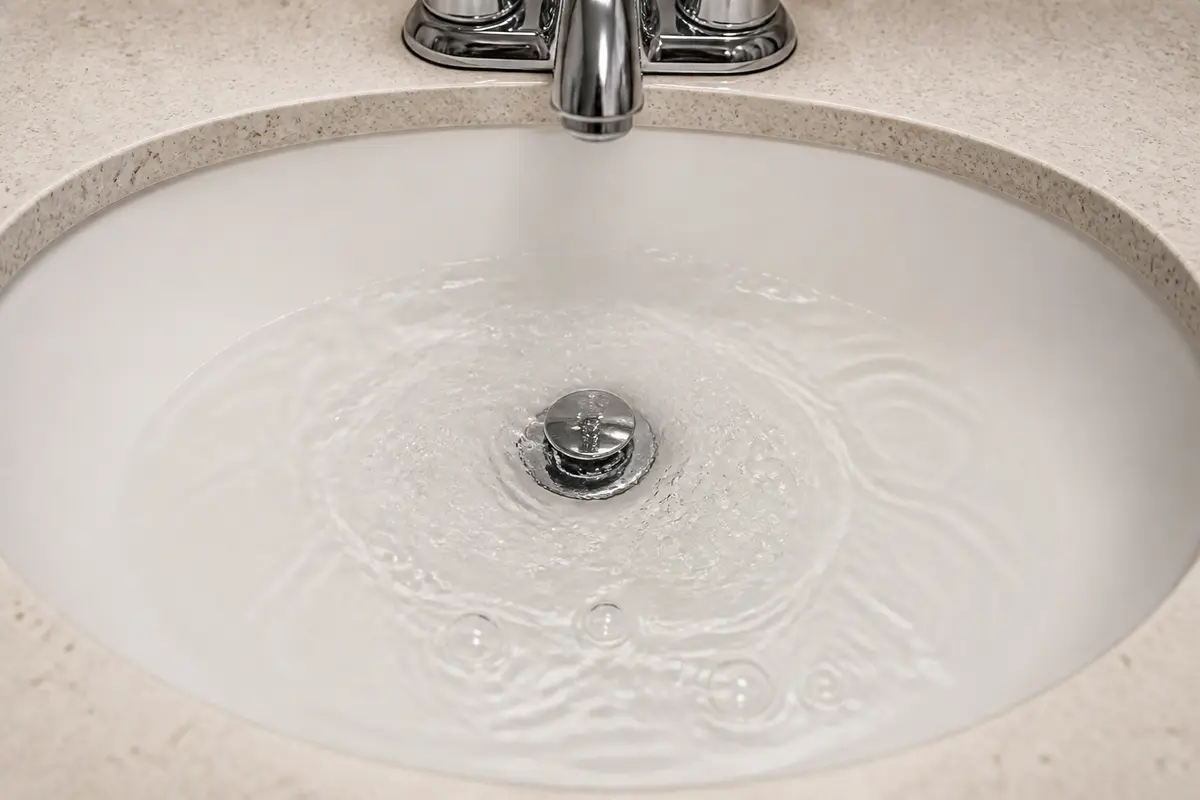
Does it gurgle only while this sink drains?
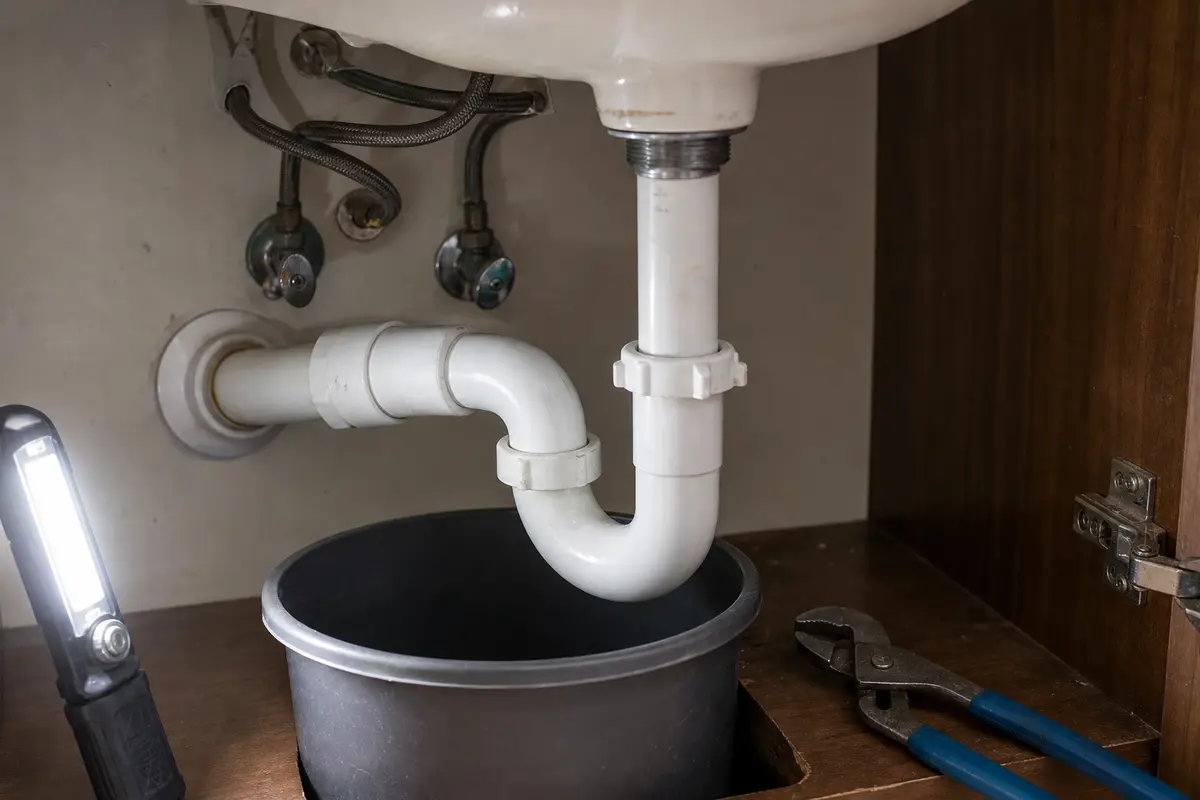
Start with the stopper, drain throat, and P-trap.
A bathroom sink gurgles when air is being pulled through water instead of moving cleanly through the drain and vent path. If the sink is slow too, start with the stopper and P-trap. If it gurgles when another fixture runs, look for branch drain or vent behavior.
Hair and paste around the pop-up stopper or sludge in the P-trap are the most common local causes. Shared-fixture gurgling points farther down the line.
Use the timing of the gurgle to choose the path. Gurgle while this sink drains is different from gurgle when the toilet flushes or tub drains.
Don’t start with: Do not replace the faucet or dump chemicals into the drain. The sound is almost always drain-side airflow, not a faucet problem.
Start with the stopper, drain throat, and P-trap.
Treat it like a local partial clog before thinking vent.
Look beyond the sink toward the branch drain or vent path.
Trap water may be moving or a line may be venting poorly.
Stop sink-only repairs and call a plumber.
The sound is a drain-air clue. Match the timing before choosing a tool.
Do not buy a drain assembly, trap kit, hand auger, pop-up stopper, or vent-related part until the gurgle timing map proves whether the issue is local to this sink or shared with another fixture. Match pipe size, trap layout, stopper style, washer size, and the exact failed point.
Gurgling is a pressure and airflow clue. The drain may still move water, but it is not venting or draining cleanly.
The wrong tool can splash dirty water or push the problem farther down the line.
The timing of the sound is more useful than the sound itself.
| When it gurgles | What it usually means | Next move |
|---|---|---|
| Only while this sink drains | Local restriction at stopper, drain throat, or trap. | Clean the stopper and trap path. |
| Sink is slow and gurgles | Partial clog close to the fixture. | Remove hair and trap sludge before augering. |
| When toilet flushes | Shared branch or vent disturbance. | Check other fixtures and stop sink-only guessing. |
| With sewer odor | Trap seal movement or vent/branch issue. | Refill trap, clean local buildup, then check nearby fixtures. |
| After trap is clean | Restriction is farther down the branch. | Use a small hand auger only if isolated. |
A vent problem is possible, but bathroom sinks clog locally often enough to check the easy path first.
Match the tool to the timing map. Most sink-only gurgles start with simple cleaning.
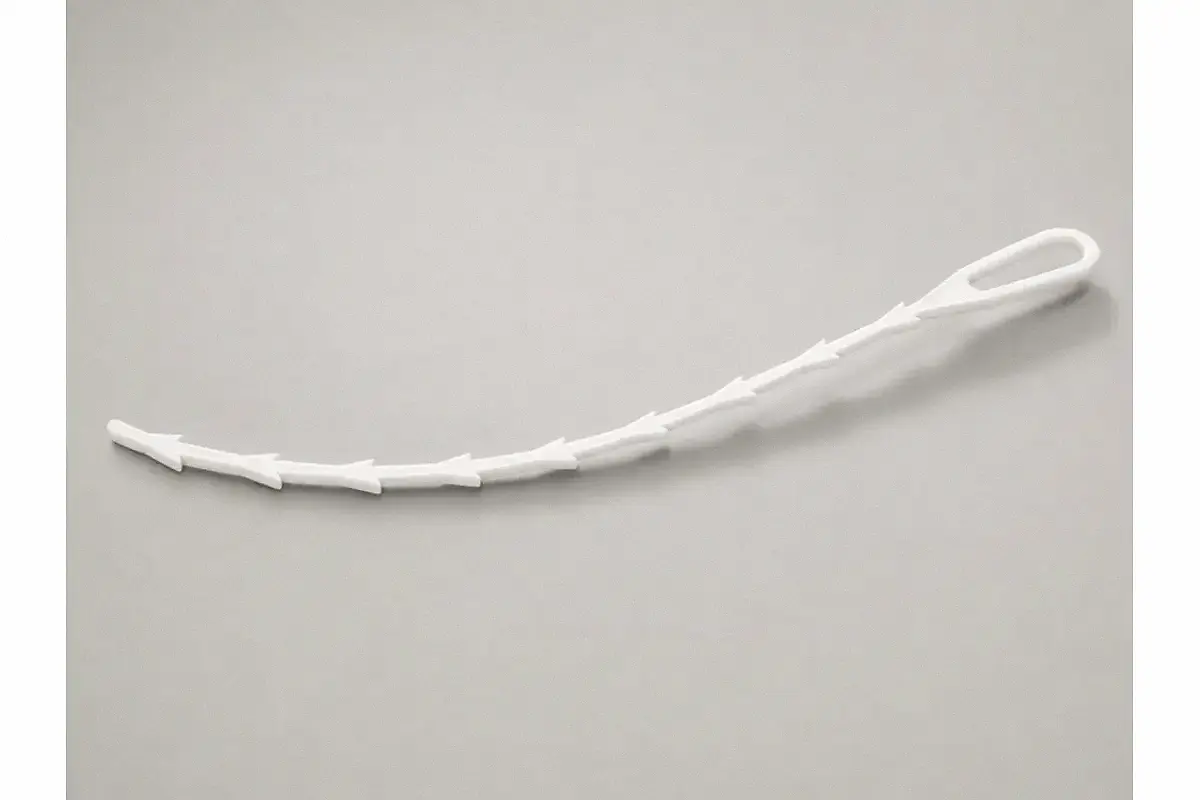
Helps when: Use first when gurgling points to hair and paste around the pop-up stopper.
Skip it when: Skip forcing it deep into a metal drain or past a hard obstruction.
Compare plastic drain cleaning tools on Amazon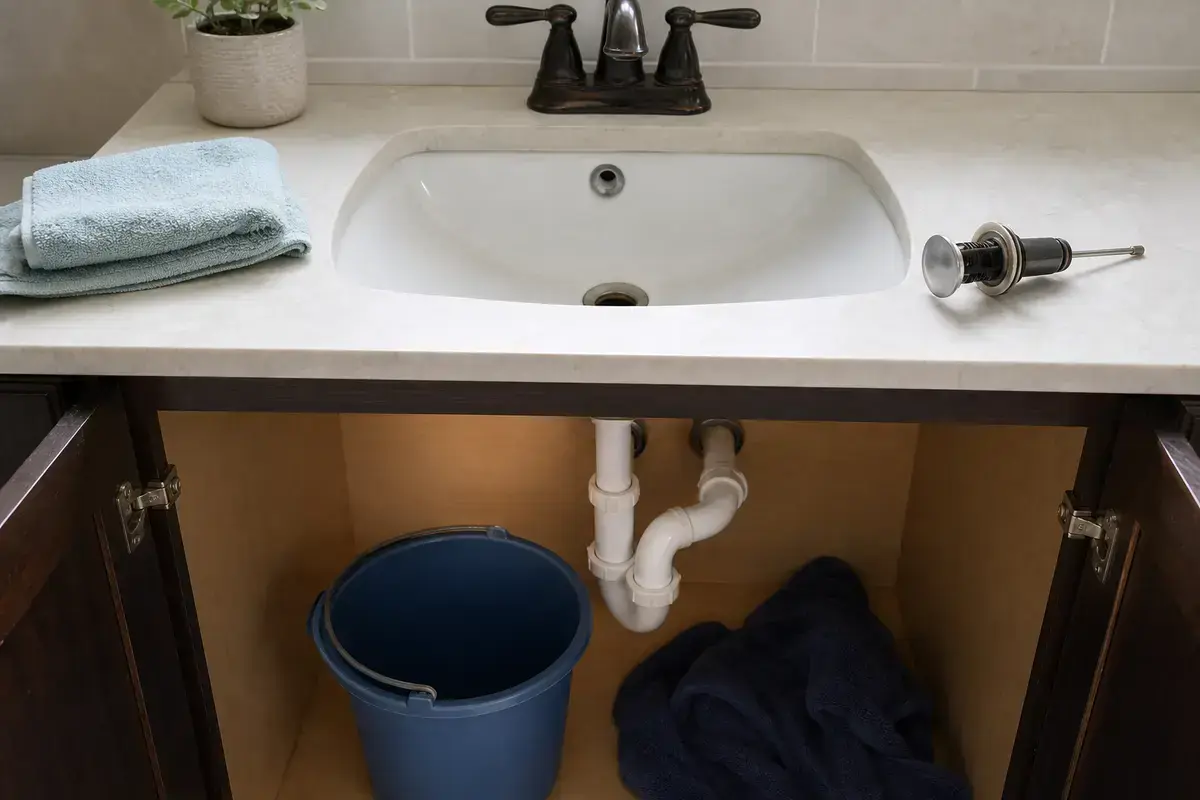
Helps when: Use under the vanity before opening the trap or testing the drain during trap checks.
Skip it when: Skip opening any drain fitting over an unprotected cabinet floor.
Compare small buckets and towels on Amazon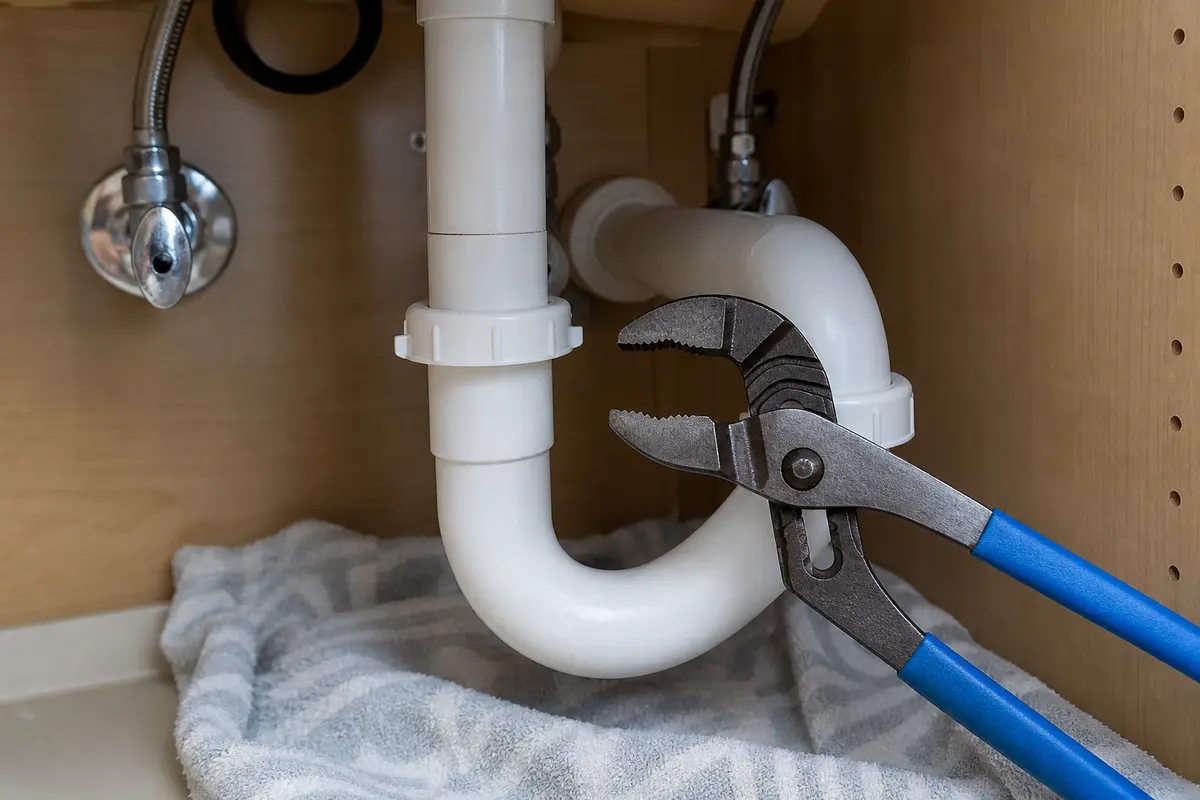
Helps when: Use only for stubborn trap nuts or larger slip joints after trap checks points under the sink.
Skip it when: Skip using extra force on plastic slip nuts; alignment and washer fit matter more than torque.
Compare tongue-and-groove pliers on Amazon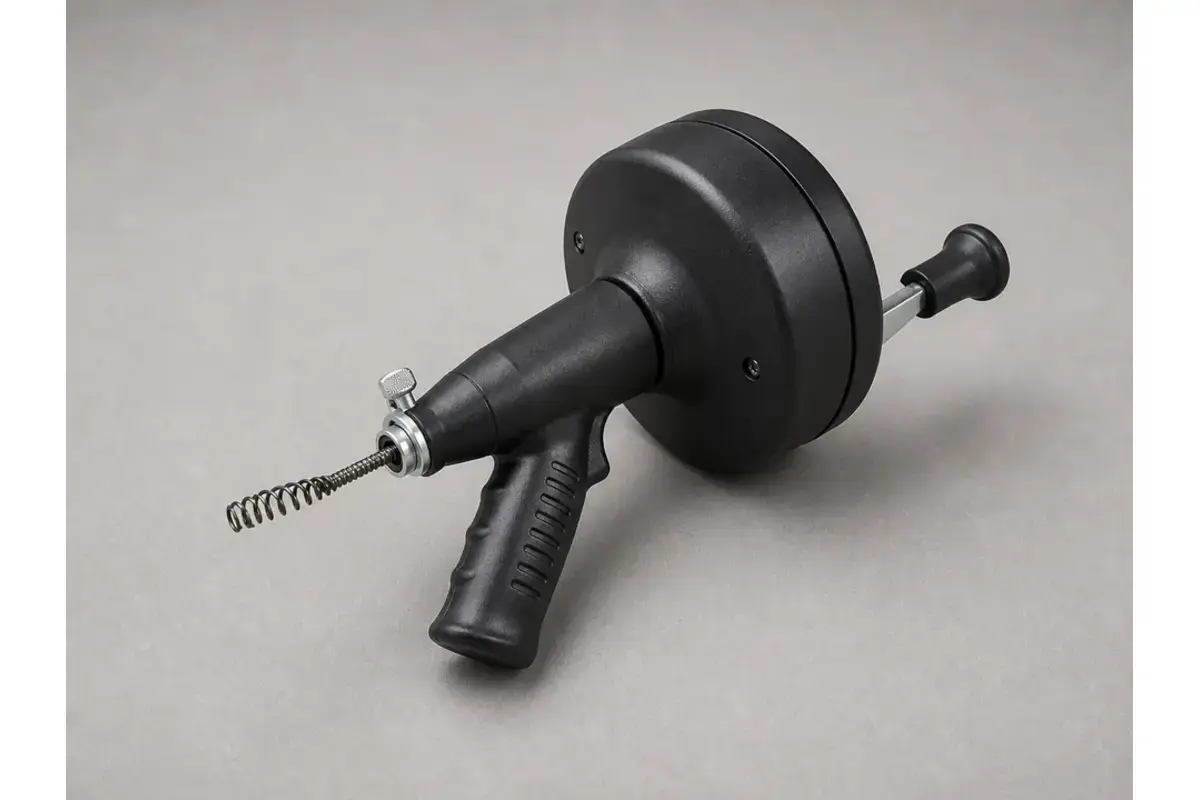
Helps when: Use only after the stopper and trap are clear and the gurgle timing map still points farther down the branch.
Skip it when: Skip augering when multiple fixtures are backing up or the cable binds hard.
Compare small hand drain augers on AmazonAs an Amazon Associate I earn from qualifying purchases. Repair Riot may earn a commission at no extra cost to you.
A gurgle alone does not justify parts. Replace only damaged or non-sealing pieces found during cleaning.
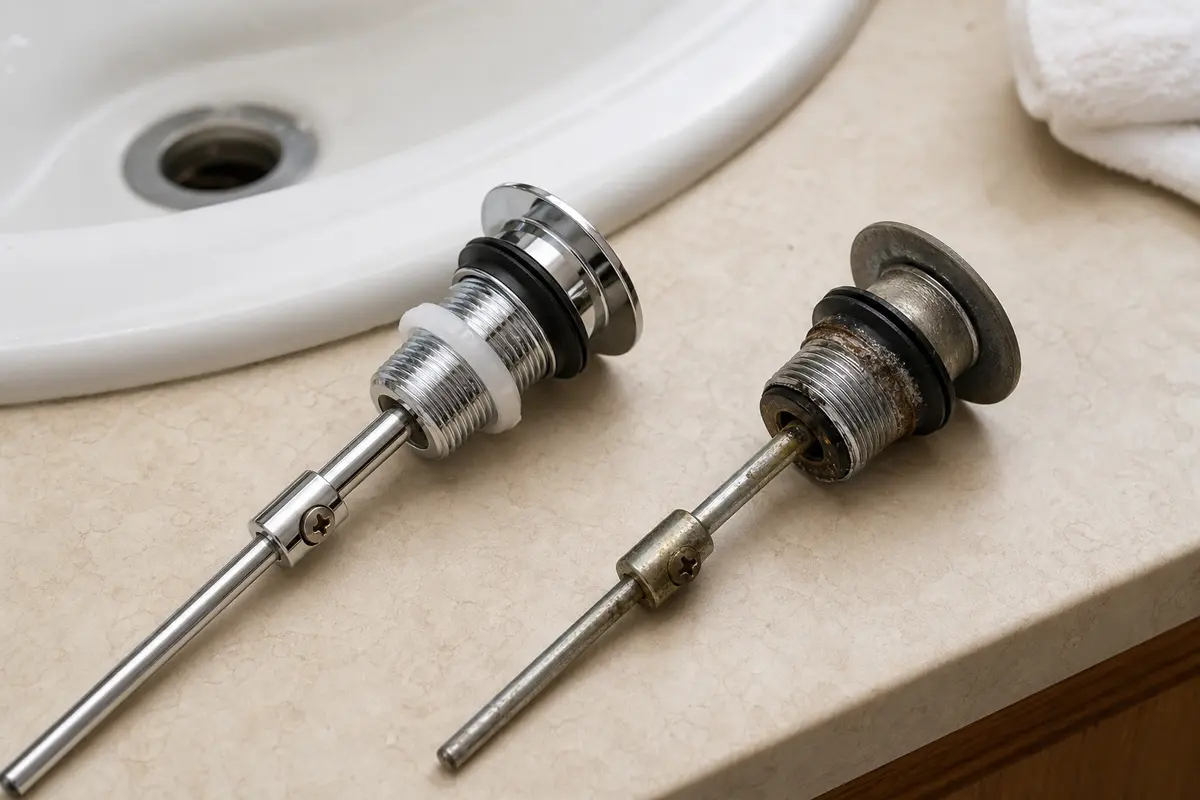
Helps when: Use when the stopper is corroded, missing pieces, jammed with buildup, or will not operate after gurgle checks.
Skip it when: Skip replacing it when cleaning restores movement and the drain body is sound.
Compare bathroom sink pop-up stoppers on Amazon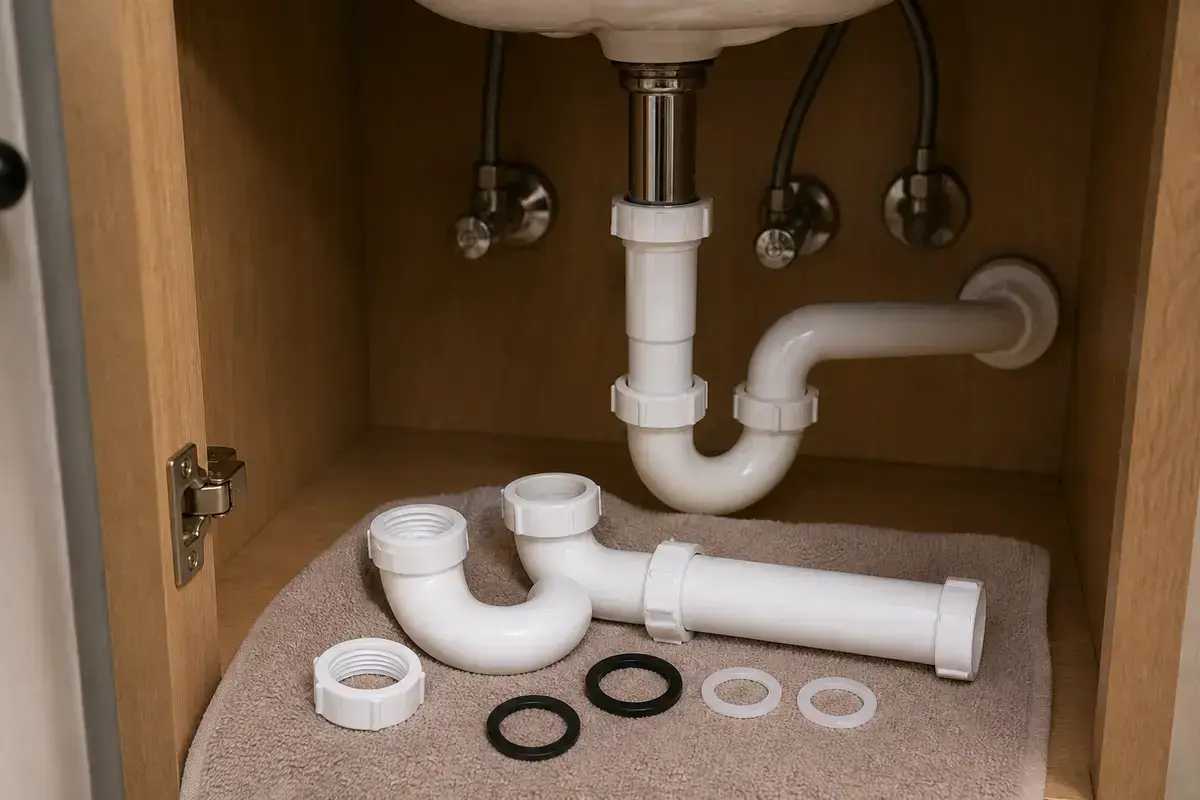
Helps when: Use when the trap is cracked, warped, corroded, leaking, or packed with buildup after trap inspection.
Skip it when: Skip replacing the trap if it cleans out, aligns squarely, and seals with the existing fittings.
Compare bathroom sink P-trap kits on Amazon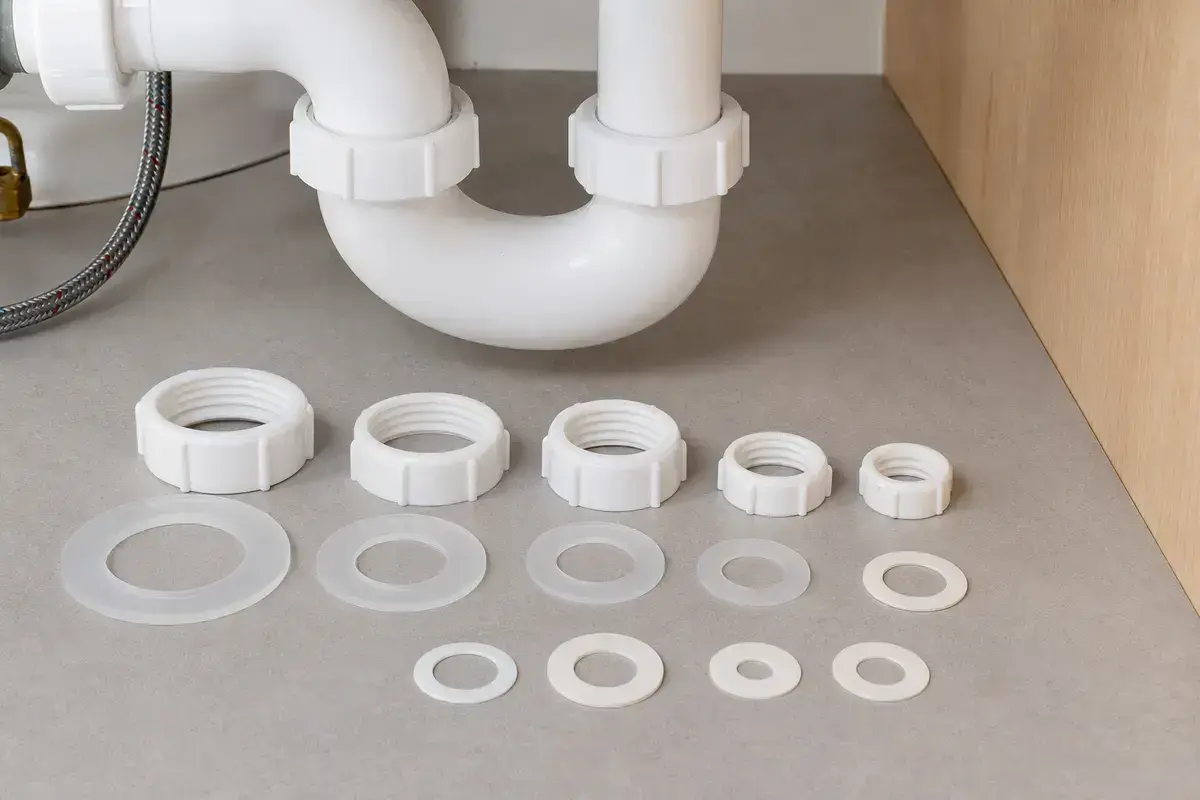
Helps when: Use when a trap or tailpiece joint leaks after trap reassembly and the old washer is flattened, split, or reversed.
Skip it when: Skip random washers that do not match the pipe size and bevel direction.
Compare slip-joint washer assortments on Amazon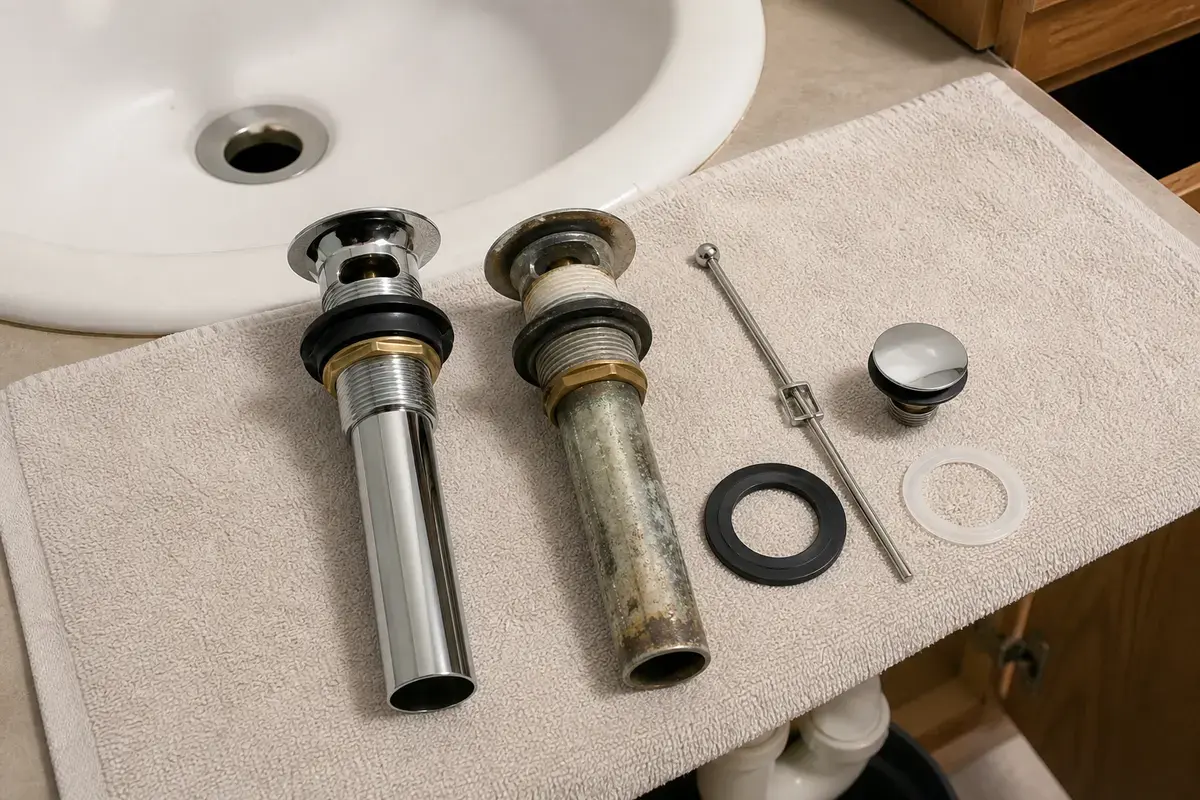
Helps when: Use only when local checks proves the drain body, flange, tailpiece, or pivot opening is damaged.
Skip it when: Skip a full drain assembly when the problem is only hair on the stopper or a trap washer.
Compare bathroom sink drain assemblies on AmazonAs an Amazon Associate I earn from qualifying purchases. Repair Riot may earn a commission at no extra cost to you.
A partial restriction can still pass water while pulling air through the drain. That air movement makes the gurgling sound.
Yes. Hair and paste around the stopper can narrow the drain enough to make air bubble through the water.
That points away from the sink alone and toward a shared branch drain or vent disturbance.
Usually no. Clean the stopper and trap first. Chemicals can leave hazardous water in the trap.
Use one only after the stopper and trap are clear and the issue still appears isolated to this sink.
Yes. Poor venting can pull water out of the trap and let odor come through.
Call if multiple fixtures gurgle or back up, sewage appears, the auger binds, or the symptom returns after local cleaning.
Match stopper linkage, pipe diameter, trap material, trap arm layout, washer size, and the exact failed part.
This guide uses gurgle timing as the primary clue because local clogs and shared drain or vent issues sound similar but require different next moves.