Indoor HVAC noise troubleshooting

Air Handler Rattling Noise? Check Filter and Panel Fit

Press the access panel lightly, then reseat the filter with power off. If either check changes the rattle, start with panel fit, filter fit, or tubing touching the cabinet.

Good clue: a rattle that changes when you press the panel or reseat the filter is usually panel, filter, screw, or line contact. Metallic blower-speed noise is a service clue.

Sort the sound by location first: cabinet skin, filter slot, line contact, or deep blower noise.

Don’t start with: Do not open electrical compartments or reach into the blower wheel. Do not buy a blower motor, blower wheel, or control part from noise alone; consider those parts only after safe checks or HVAC diagnosis points there.

Sound changes with hand pressureStart with panel screws, filter door fit, and a filter that may be sitting crooked in the track.
Sound stays deep inside the cabinetShut power off and limit yourself to visual checks. Blower wheel and motor work belongs with an HVAC tech.

Do this first

  • Turn the thermostat off before opening any air handler access panel.
  • Shut off power at the air handler disconnect or breaker before touching the filter door, access panel, or blower-area cover.
  • Stop for burning smell, smoke, sparks, hot wiring odor, or a breaker that trips again.
  • Do not reach into the blower wheel area, even when the unit is off.
  • Leave refrigerant lines, stored-charge electrical parts, motor wiring, and sealed-system work to an HVAC tech.
  • If water is around the cabinet, keep power off until the wet area and electrical risk are understood.
Last reviewed: 2026-06-28

One-minute rattle sorter

Does the sound change when you press the access panel or filter door?

Work on cabinet fit first. Reseat the filter, flatten the door, and snug normal panel screws with power off.

Is the filter loose, bowed, wet, or the wrong size?

Replace or reseat the filter before buying HVAC parts. A bad fit can chatter in the track and pull the door out of line.

Is tubing, conduit, or a stored item touching the cabinet?

Create safe clearance without kinking or disconnecting anything. External contact can sound like an internal blower fault.

Does the rattle stay metallic and follow blower speed?

Stop at visual checks. Rubbing marks, a crooked wheel, or motor-mount movement needs HVAC service.

Are there weak airflow, breaker trips, humming, smoke, or hot smells?

Shut the system off. Treat it as a service call, not a filter-door rattle.

Start where the cabinet can actually rattle

Use the visible parts first. A loose filter door, crooked filter, or tube tapping the cabinet is easier to prove than an internal blower problem.
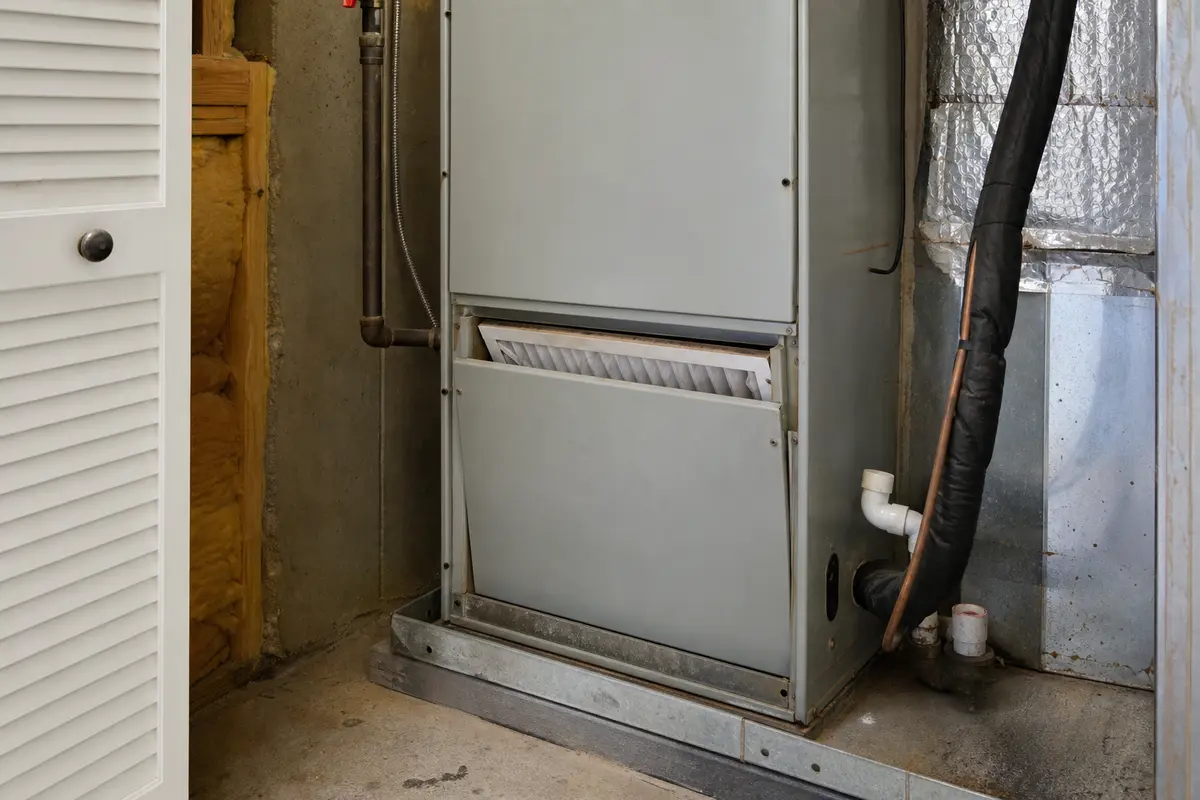
Air handler cabinet with filter slot and nearby lines used to trace a rattling noise
The first look should include the panel, filter slot, condensate drain, and nearby lines. A light rattle often starts outside the blower section.
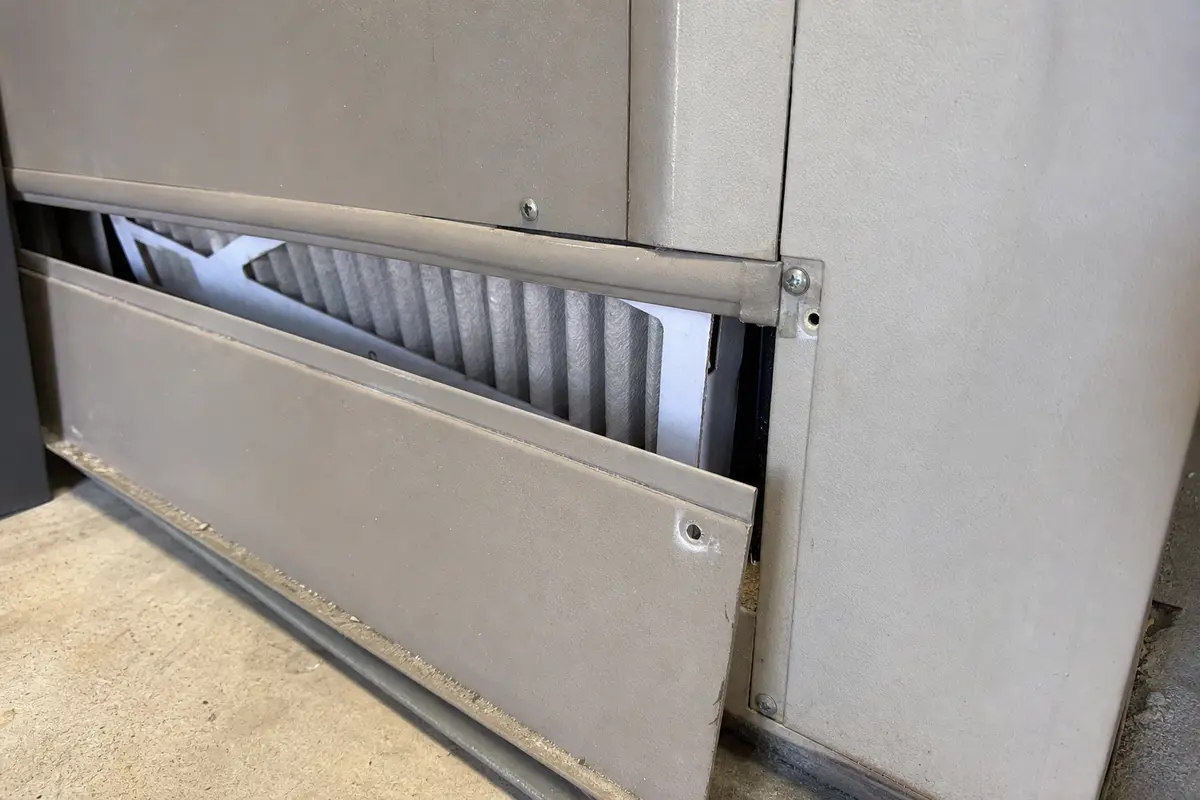
Crooked air handler filter and loose lower panel edge that can rattle in airflow
A filter sitting crooked in the track can chatter and make the door buzz. Reseat it before pricing internal HVAC parts.
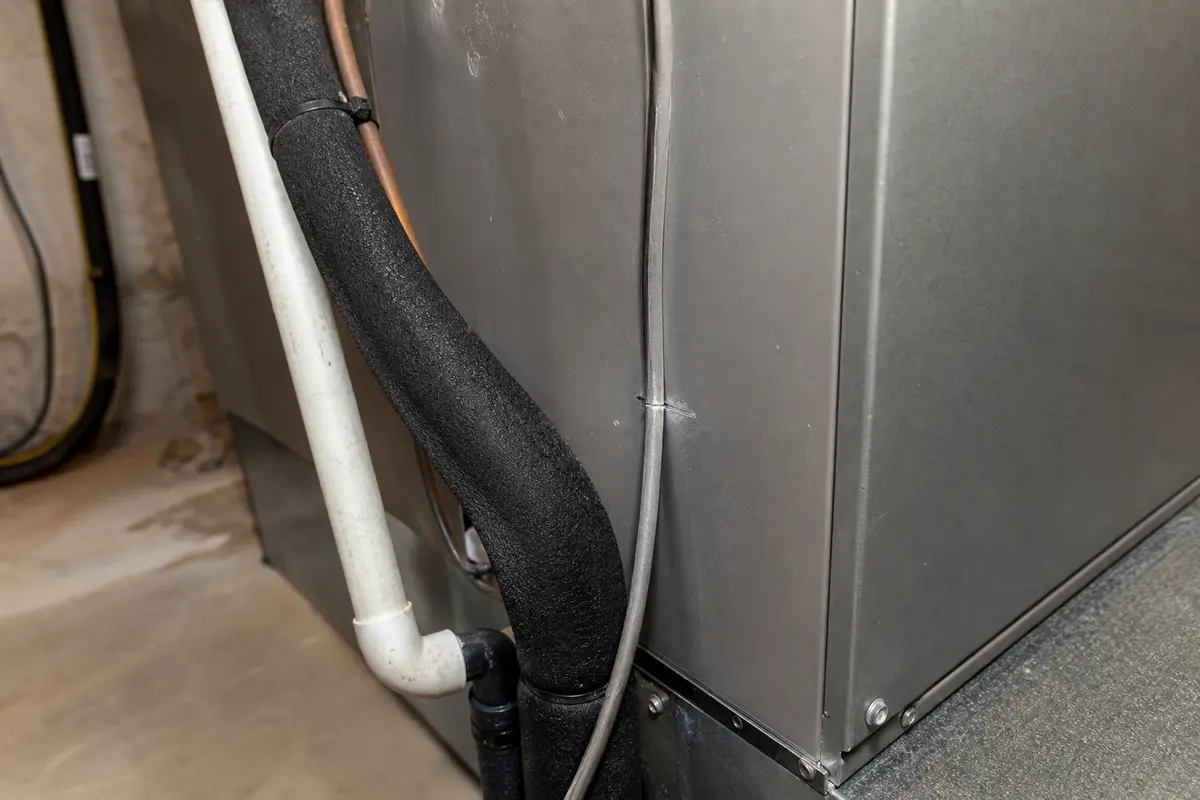
Condensate tubing and line insulation touching the air handler cabinet where vibration can transfer
Lines and tubing can tap the cabinet as the blower starts. Add clearance only where nothing is kinked, stressed, or disconnected.

Before you buy anything

Buy only after the clue points somewhere specific. Match the exact filter size and depth from the old filter or cabinet label, and do not order blower wheels, motors, or control parts from noise alone.

What the rattle is telling you

The sound pattern matters more than the volume. A light buzz at a door edge is a different job than a harsh clatter from the blower section.

Air handler cabinet overview showing the filter door and nearby lines to inspect for rattling
A wide look keeps the diagnosis honest. The cabinet, filter, drain tubing, and line contact points all matter before the blower is blamed.
  • Cabinet vibration is likely when the noise changes as you press the access panel, filter door, or nearby sheet metal. With power off, reseat that panel and check for a missing or loose screw.
  • Filter chatter is likely when the filter frame is bowed, too small for the slot, loaded with dust, or pulled sideways by airflow. Pull it with power off, compare the printed size to the slot, and seat it squarely before buying anything.
  • Contact noise is likely when drain tubing, line insulation, flexible conduit, low-voltage wire, shelving, or stored items touch the air handler. Look along the cabinet, move loose storage, and listen again. Add clearance only where the line or tube moves freely without stress.
  • Blower trouble moves up the list when the noise is metallic, follows fan speed, comes with weak airflow, or keeps getting louder after the outside checks.
  • A blower motor, wheel, or electrical part should not be the first part in the cart. Those repairs need the model, fit, wiring, and failure evidence to line up.

What not to do first

A rattle invites guessing because the noise travels through metal. Keep the first pass simple and powered down.

Loose air handler filter door and crooked filter showing a simple rattling noise cause
This is the kind of clue worth fixing first: filter fit and panel seating. It is visible, common, and safer than chasing the blower.
  • Do not open electrical compartments or remove covers that expose wiring.
  • Do not reach through the blower opening or try to spin the blower wheel by hand.
  • Do not tighten every screw you see while the unit is running.
  • Do not bend refrigerant lines, pull on insulation, or force condensate piping out of the way.
  • Do not keep running the system through a growing metallic clatter, breaker trip, burning smell, or weak airflow.
  • Do not buy a blower motor, blower wheel, or control board because a search result mentioned it. Those parts only belong in the conversation after safe checks point past the filter, cabinet, and line contact, or an HVAC tech confirms the failure.

Run the cabinet and filter check

Use one normal cycle to locate the sound, then shut power off before you touch panels or the filter door.

  • Listen at startup, steady airflow, and shutdown. Note whether the sound begins only as the blower ramps up or stays through the full run.
  • Press the access panel and filter door lightly from the outside. A sound change is a good cabinet clue.
  • Turn the thermostat off, shut off power at the disconnect or breaker, and remove only the normal filter or service door.
  • Slide the filter out and compare the printed size to the slot. Look for a collapsed frame, bowed pleats, a wet filter, or an airflow arrow pointing the wrong way.
  • Set the filter squarely in the track, close the door flat, and snug loose panel screws by hand. Thin sheet metal needs snug, not crushed.
What you see or hearWhat it usually meansNext move
Rattle changes when the panel is pressedPanel, latch, screw, or filter-door vibration is likely.Power down, reseat the panel, and snug normal screws without bending the metal.
Filter is cocked, bowed, wet, or too smallThe filter can chatter in the track or pull the door out of line.Install the correct size and depth, then listen through another cycle.
Noise comes from a tube or line touching the cabinetExternal contact is transferring blower vibration into the metal.Add gentle clearance only if the line moves freely and nothing is kinked.
Metallic clatter stays deep insideBlower wheel, mount, debris, or motor support is possible.Stop at visual checks and plan HVAC service if rubbing or looseness is visible.
Rattle comes with weak airflow, hum, breaker trip, or hot smellThis is no longer a simple cabinet rattle.Shut the system off and call for service.

Look for line contact and cabinet rubs

A cabinet can act like a speaker. Small contact points around the side of the air handler can make a light tap sound larger than it is.

Air handler side panel with tubing and line insulation close enough to transfer vibration
Contact noise is easy to miss. Lines and drain tubing should not be forced, but obvious cabinet rubs are worth finding before deeper service.
  • Look along the refrigerant line insulation, condensate drain, low-voltage wire, flexible conduit, and any shelving or stored items near the cabinet.
  • Move loose storage away from the housing and listen again.
  • For tubing or wire that is barely touching the cabinet, add a little clearance only if it moves easily and the connection is not stressed.
  • Leave refrigerant tubing alone when it is frosted, oily, kinked, or tight against framing.
  • A drain line that bounces, leaks, or sits with a full pan deserves service attention before it becomes a water problem.

Blower clues that mean stop

The blower area is where this changes from homeowner triage to service work. You are looking for evidence, not taking the assembly apart.

  • With power off, use a flashlight through the normal service opening if your unit gives safe access.
  • Loose insulation, a dropped screw, or a zip tie near the opening may explain a new rattle if it is fully reachable without touching the wheel or wiring.
  • Shiny scrape marks, metal dust, a wheel sitting off-center, or a sagging motor bracket are service clues.
  • A rattle that rises with blower speed and comes with weak airflow, humming, or breaker trips should stay off until an HVAC tech checks it.
  • Blower wheels, motors, mounts, and electrical parts are exact-fit repairs. Guessing there can create more noise, poor airflow, or an electrical hazard.

Tools You May Need

These tools are for outside-the-cabinet and normal service-door checks. Skip any tool path that would expose wiring or pull you into blower disassembly.
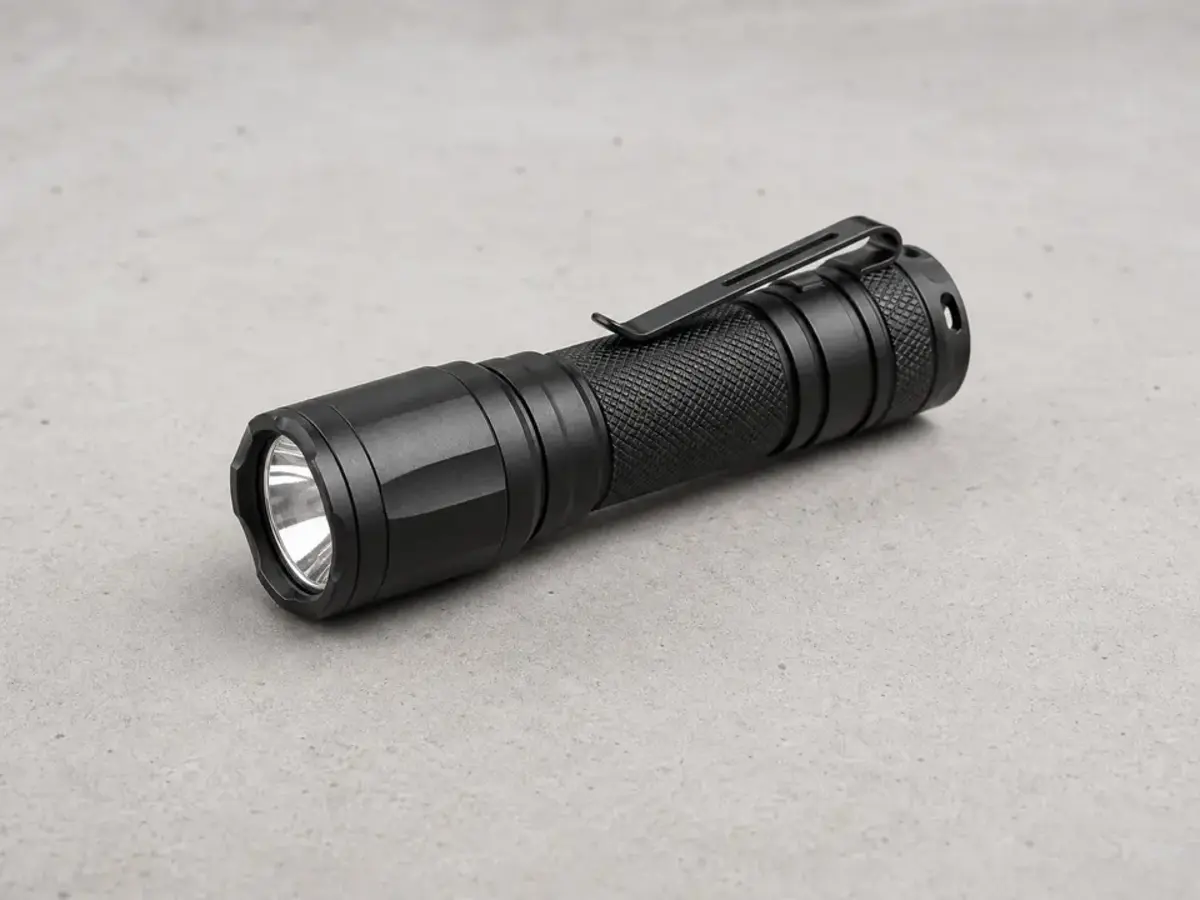
Inspection flashlight for viewing air handler filter tracks and cabinet rattle clues

Inspection flashlight

Helps when: You need to see the filter track, screw holes, cabinet rubs, and any loose debris near a safe service opening.

Skip it when: The only way to see the noise source is to reach into the blower, remove wiring covers, or work around water near electrical parts.

Compare inspection flashlights on Amazon
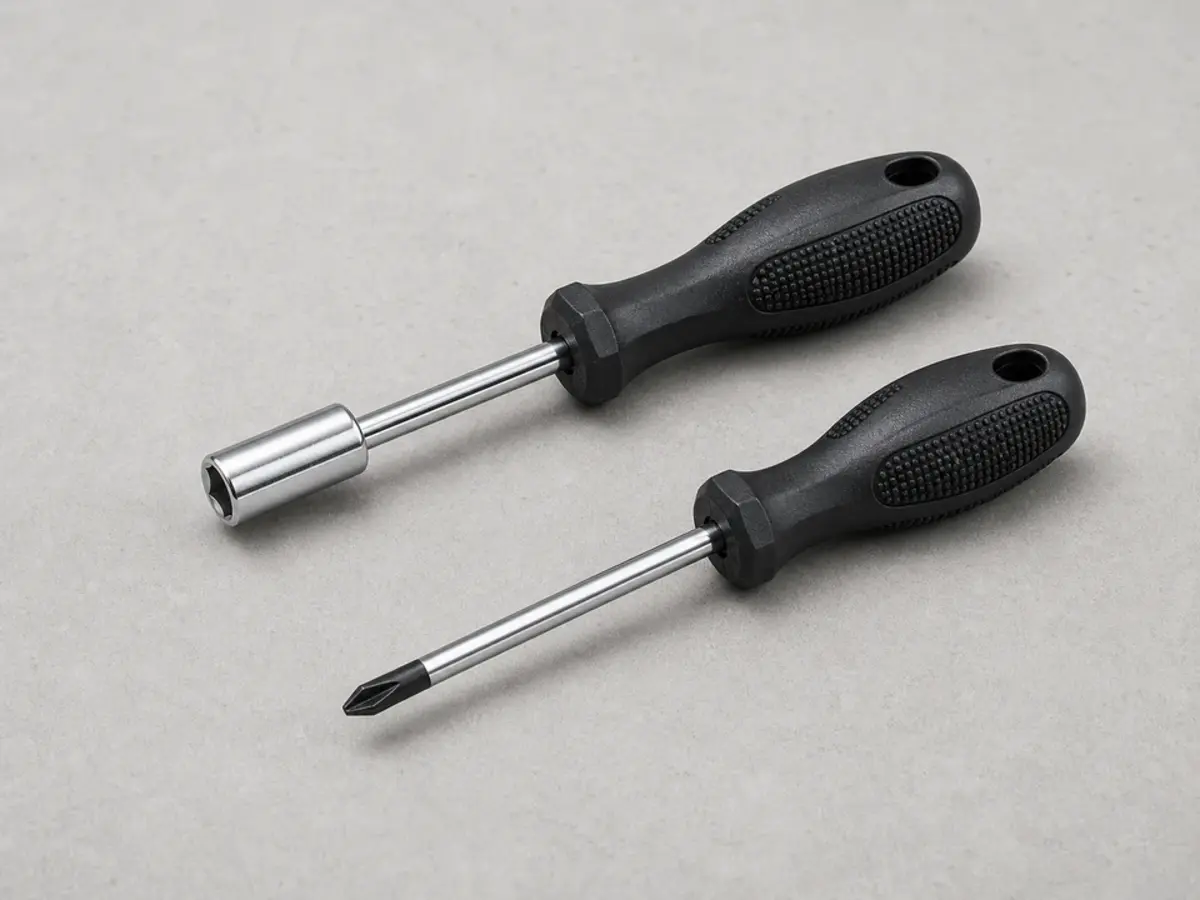
Nut driver and screwdriver for accessible air handler panel fasteners

Nut driver or screwdriver

Helps when: A normal access panel screw is loose or missing and the panel needs to be removed or reseated after power is off.

Skip it when: The screw is inside an electrical compartment, the panel is jammed, or tightening would bend the cabinet.

Compare nut driver sets on Amazon
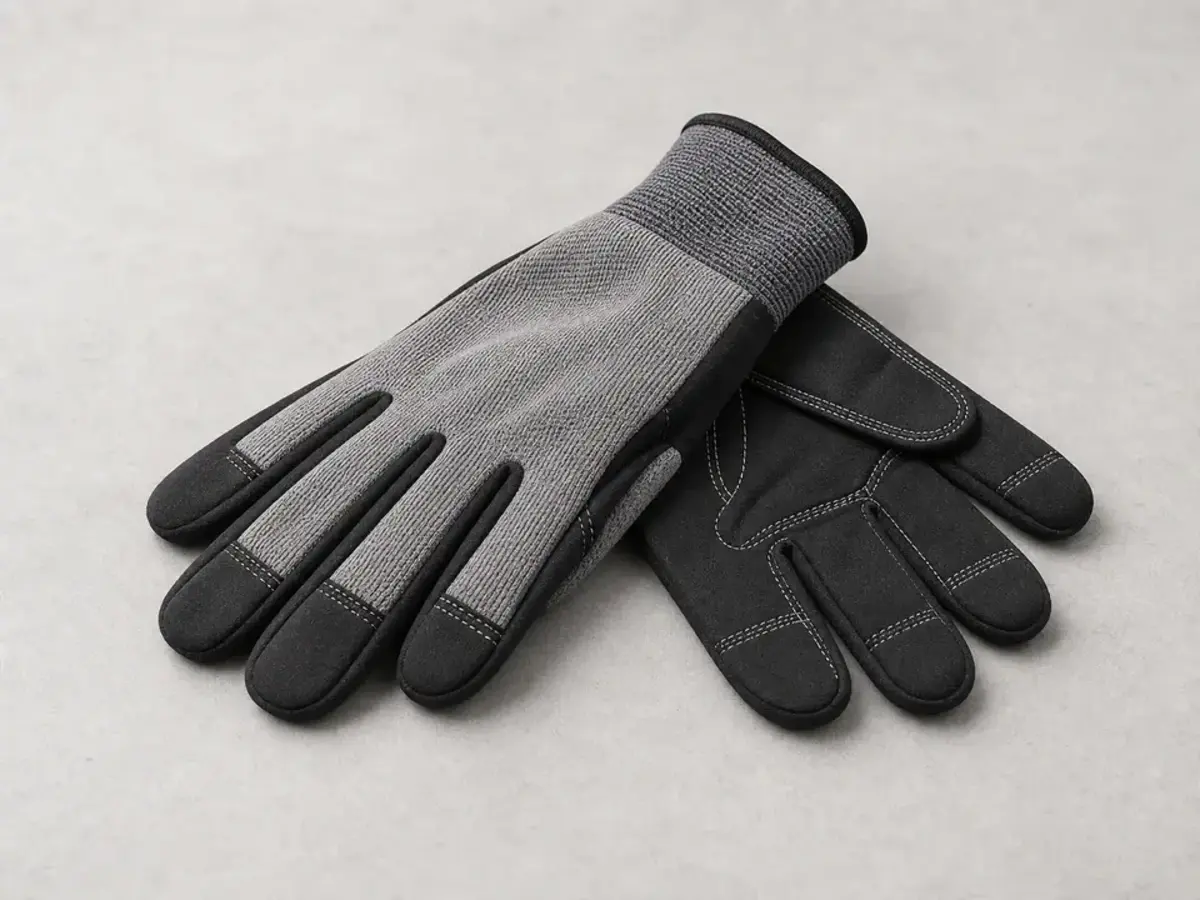
Work gloves for powered-off air handler panel checks

Work gloves

Helps when: You are handling a normal access panel or filter door with sharp sheet-metal edges after power is off.

Skip it when: Skip gloves if they tempt you to reach into the blower opening or around wiring. They belong only on normal access-panel or filter-door handling after power is off.

Compare work gloves on Amazon

As an Amazon Associate I earn from qualifying purchases. Repair Riot may earn a commission at no extra cost to you.

Replacement Parts

The filter is the only common homeowner part for this symptom. Check it first: wrong size, bowed frame, wet media, heavy dust, or a rattle that changes after reseating are the buying clues. Internal blower parts should wait for diagnosis and exact model fit.
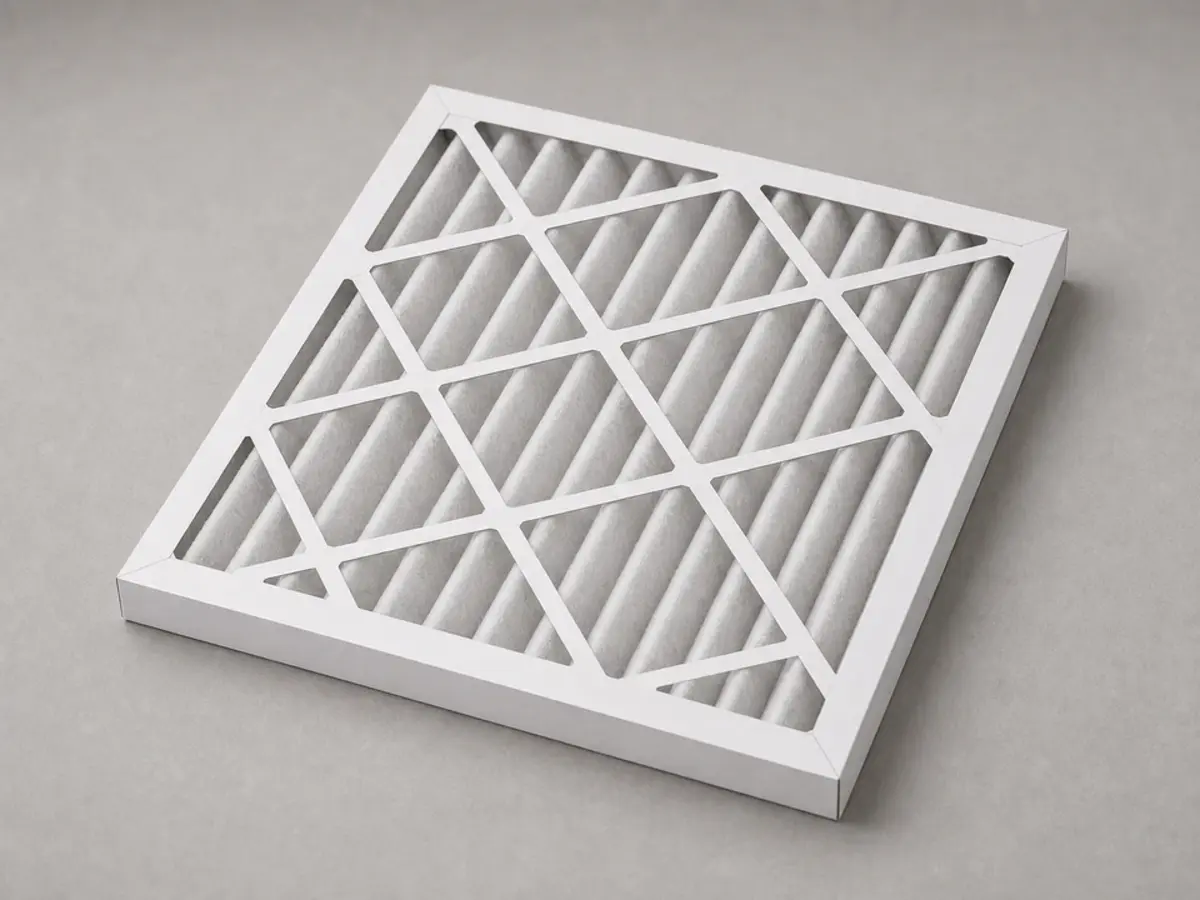
  • Buy an air handler filter when the old one is wrong size, collapsed, wet, heavily loaded, or the rattle stopped after you reseated it.
  • Match the printed size, depth, airflow direction, and any cabinet label. A filter that is almost the right size can still chatter.
  • Skip blower motors, blower wheels, and control parts unless an HVAC tech or a clear diagnostic result points there.
  • Panel screws are not universal. Replace missing cabinet hardware only when that panel is the rattle clue, and match the correct style and length because wrong length screws can hit hidden parts.
Correct-size air handler filter for rattling filter-slot checks

Air handler correct-size filter

Helps when: Replace it when the filter is collapsed, bowed, wet, too dirty to sit flat, or visibly loose in the track.

Skip it when: The filter fits cleanly and the rattle stays deep inside the blower section after cabinet and line checks.

Compare air handler filters on Amazon

As an Amazon Associate I earn from qualifying purchases. Repair Riot may earn a commission at no extra cost to you.

What to note before calling HVAC service

Good notes help a tech separate a cabinet rattle from a blower repair without starting from scratch.

  • Write down whether the rattle happens at startup, steady airflow, shutdown, or all three.
  • Note whether pressing the panel, reseating the filter, or moving nearby storage changed the sound.
  • Record any weak airflow, humming, breaker trip, burning smell, smoke, water around the unit, or short cycling.
  • Take a photo of the model label and the filter size before the appointment.
  • Leave the unit off if the noise is metallic, getting louder, or paired with airflow or electrical symptoms.

FAQ

Why does my air handler rattle only when it starts up?

Startup rattles often come from a loose access panel, filter door, or nearby tubing as blower pressure builds. Check from the outside first: press the panel, listen at the filter door, then shut off power before you reseat anything. If the sound stays as a hard metallic clatter deep inside the cabinet, treat it more carefully.

Can a dirty filter cause an air handler rattling noise?

Yes. A loaded, bowed, wet, or wrong-size filter can chatter in the track and make the filter door buzz. Replace it only when the condition supports it, and match the exact size and depth.

Is an air handler rattling noise dangerous?

A light panel buzz that changes when you press the door is usually not an emergency; power down and check panel and filter fit. Burning smell, smoke, breaker trips, weak airflow, or a metallic rattle that follows blower speed is a stop point for HVAC service.

Should I keep running the air handler if it is rattling?

Normal use is reasonable after a loose panel or filter fit issue is corrected and the unit runs quietly. Shut it off when the rattle stays internal, gets louder, or comes with airflow or electrical symptoms.

What part usually fixes an air handler rattling noise?

Most homeowner fixes are not internal parts. The usual wins are a correctly seated filter, a flat access panel, snug normal panel screws, or clearance around tubing touching the cabinet.

Can I tighten air handler panel screws while it is running?

No. Turn the thermostat off and shut off power before removing or reseating panels. Tightening moving sheet metal around a running blower is not worth the risk.

What does a metallic rattle from the blower area mean?

It can mean debris near the blower, rubbing, a loose wheel, a motor mount problem, or another mechanical issue. Look only as far as safe access allows, then stop if you see rubbing marks, metal dust, or loose hardware around the blower.

Can refrigerant lines or drain tubing make the air handler rattle?

Yes. A line, tube, wire, or conduit touching the cabinet can tap as the blower starts. Create clearance only when the part moves freely; do not bend refrigerant lines or disconnect drain piping.

Should I replace internal blower parts for a rattle?

Not from sound alone. Check cabinet fit, filter seating, contact noise, and fully visible debris first. Motor and control work involves electrical risk and exact-fit parts, and blower hardware should wait for diagnosis.

How this guide was built

Repair Riot built this page around visible HVAC noise clues: panel fit, filter seating, line contact, and blower stop points. The sources support filter airflow and maintenance context; the repair order is original guidance.