Thermostat just started calling?
Wait through the normal delay, then confirm Cool mode and a setpoint several degrees below room temperature.
Start with the safe interruptions: thermostat delay, AC breakers, outdoor disconnect, and condensate float switch. If the blower runs but the condenser stays silent, check power and safeties before parts.
A dead-silent condenser usually points to lost power, an open safety switch, or a missing low-voltage call before a bad compressor.
Separate total silence from a click or hum. Silence sends you to power and safeties; clicking or humming sends you to service.
Don’t start with: Do not push the contactor, open energized panels, or buy a capacitor, contactor, or thermostat from the no-start symptom alone.
Wait through the normal delay, then confirm Cool mode and a setpoint several degrees below room temperature.
Check AC breaker, indoor unit power, outdoor disconnect, and condensate float switch before parts.
Start with thermostat batteries, furnace or air-handler switch, and main HVAC breaker.
That is no longer a simple thermostat setting issue. Stop before energized electrical diagnosis.
Leave the system off until the electrical or water-safety problem is corrected.
The thermostat can be calling while a delay, breaker, disconnect, drain safety, or condenser fault keeps the outdoor unit off.
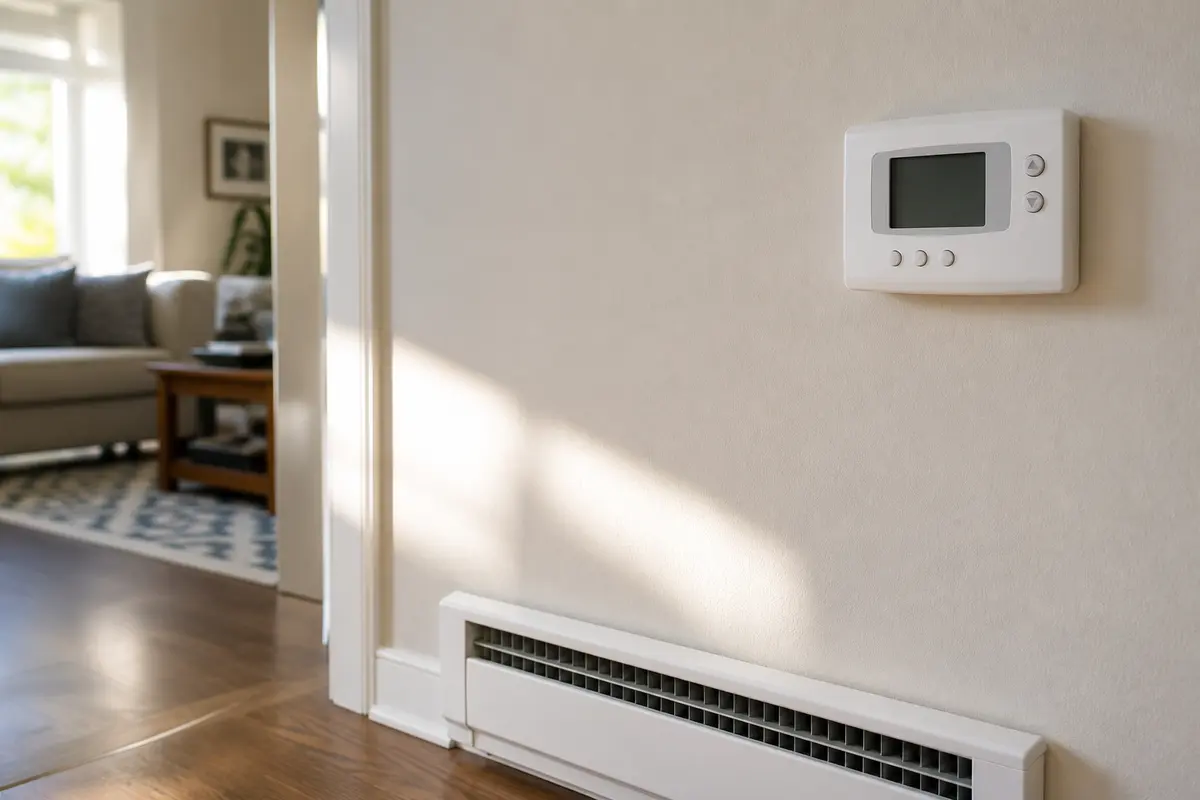
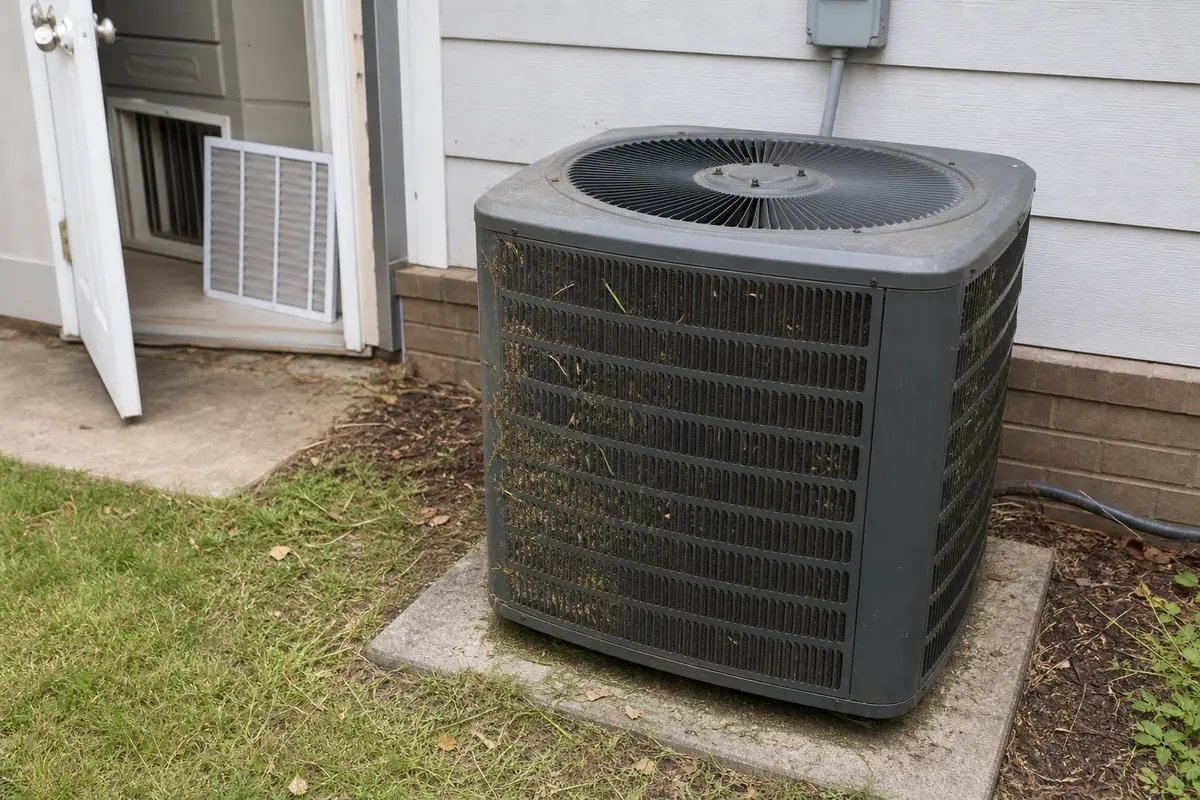
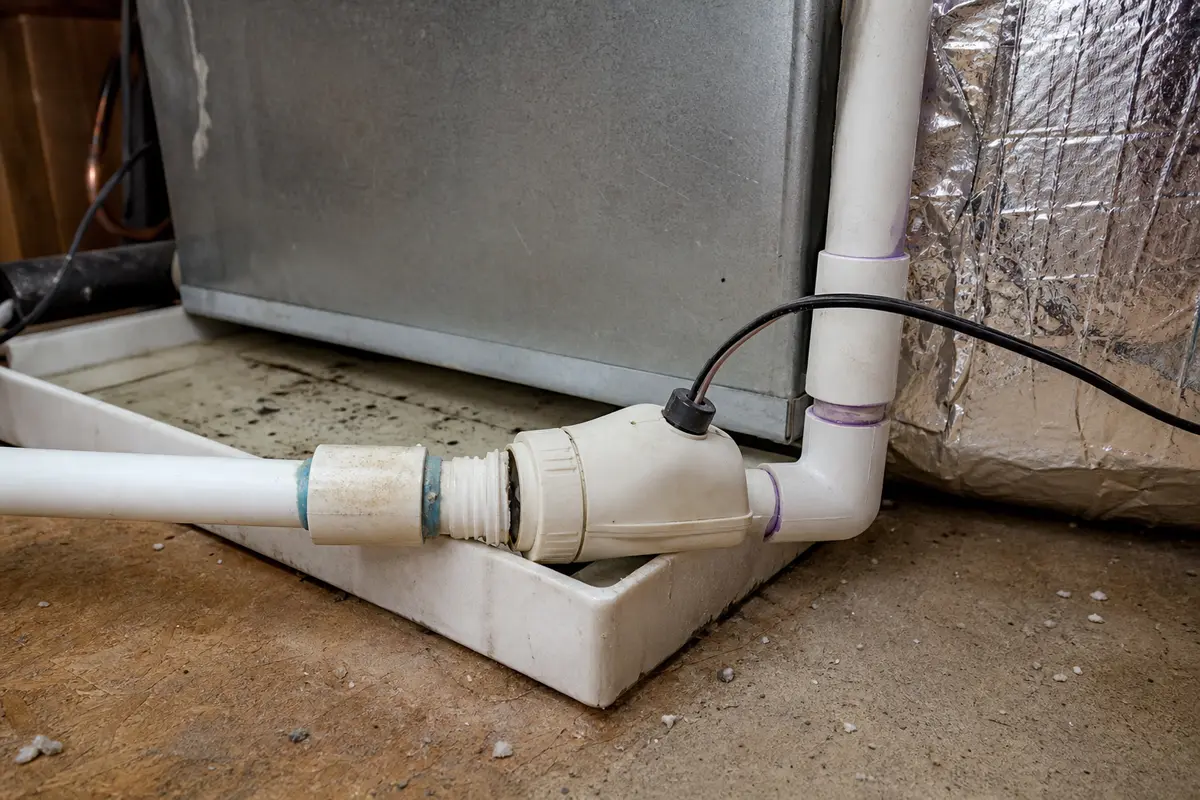
Match the part to the exact failure. A thermostat belongs in the cart only after mode, delay, batteries, power, location, and wire compatibility point there. A condensate float switch belongs in the cart only after the drain is clear and the visible switch style, mounting, and wiring match. Capacitors, contactors, compressor parts, and refrigerant parts need a tested diagnosis.
The thermostat can say cooling while the outdoor unit stays off because the call is delayed, blocked, or not safe to complete.
The risky mistakes all involve forcing the condenser or guessing at energized parts.
Use this table after one controlled call for cooling and the normal delay period.
| Pattern | What it usually means | Next move |
|---|---|---|
| Indoor blower runs, condenser silent | Power, disconnect, float switch, or low-voltage call interruption is likely. | Check breaker, disconnect, and condensate safety first. |
| Neither indoor nor outdoor starts | Thermostat, indoor unit switch, battery, or main power issue may be upstream. | Check thermostat basics and indoor unit power. |
| Outdoor unit clicks once | The call may reach the condenser, but the condenser cannot start. | Stop before internal electrical diagnosis. |
| Drain pan water or lifted float | The system may be shut down to prevent water damage. | Clear the drain and confirm the switch resets. |
| Breaker trips again | A real electrical fault is likely. | Leave it off and schedule service. |
A thermostat call is not always instant. Clear the simple control-side possibilities first.
A silent condenser needs power and safety checks before any part shopping.
A condensate safety switch can make the outdoor unit look dead even though it is protecting the house.
These tools support safe observation, breaker identification, thermostat battery checks, and drain cleanup. They do not make covered condenser electrical work DIY.
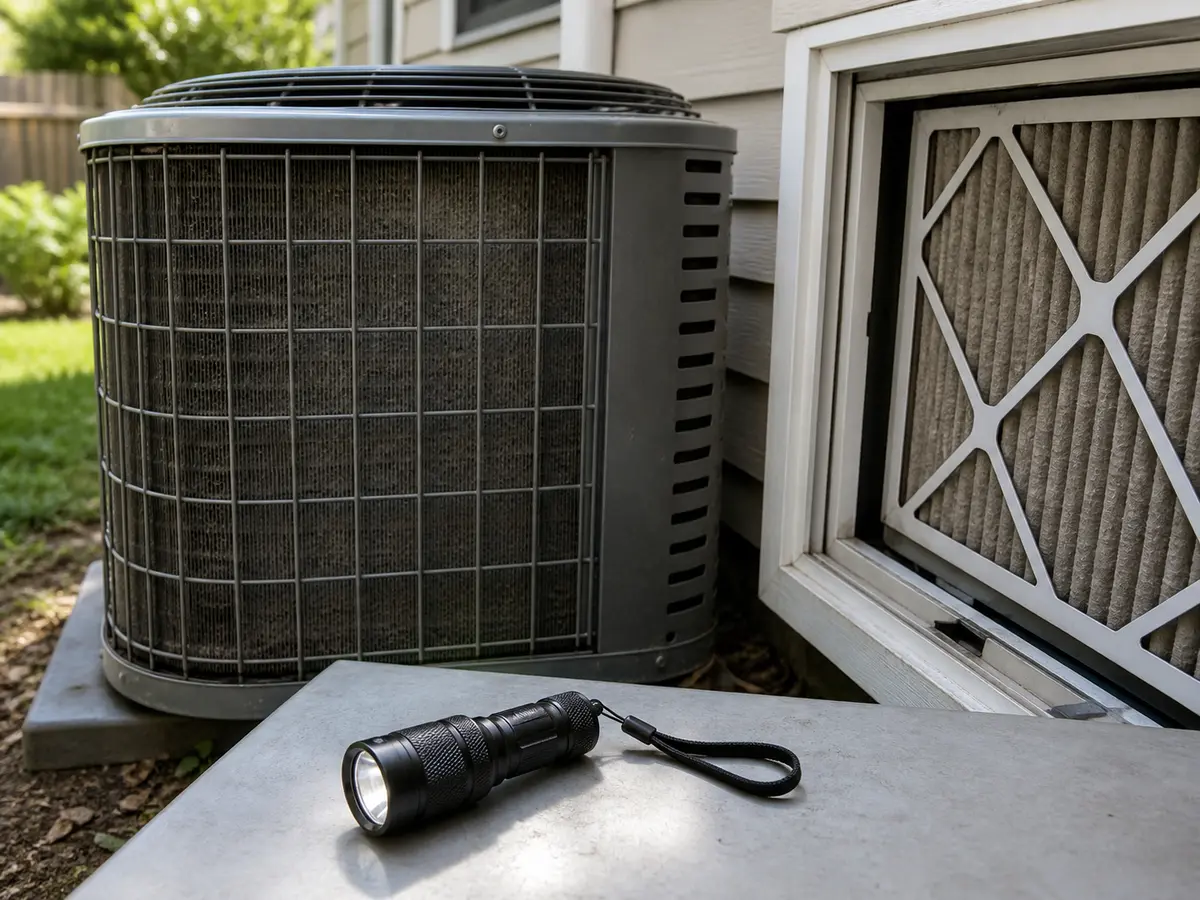
Helps when: Use it to inspect the disconnect area, drain pan, float switch, thermostat wall plate, and visible condenser clues.
Skip it when: Skip deeper inspection when the next step would expose wiring, capacitor terminals, or energized condenser components.
Compare inspection flashlights on Amazon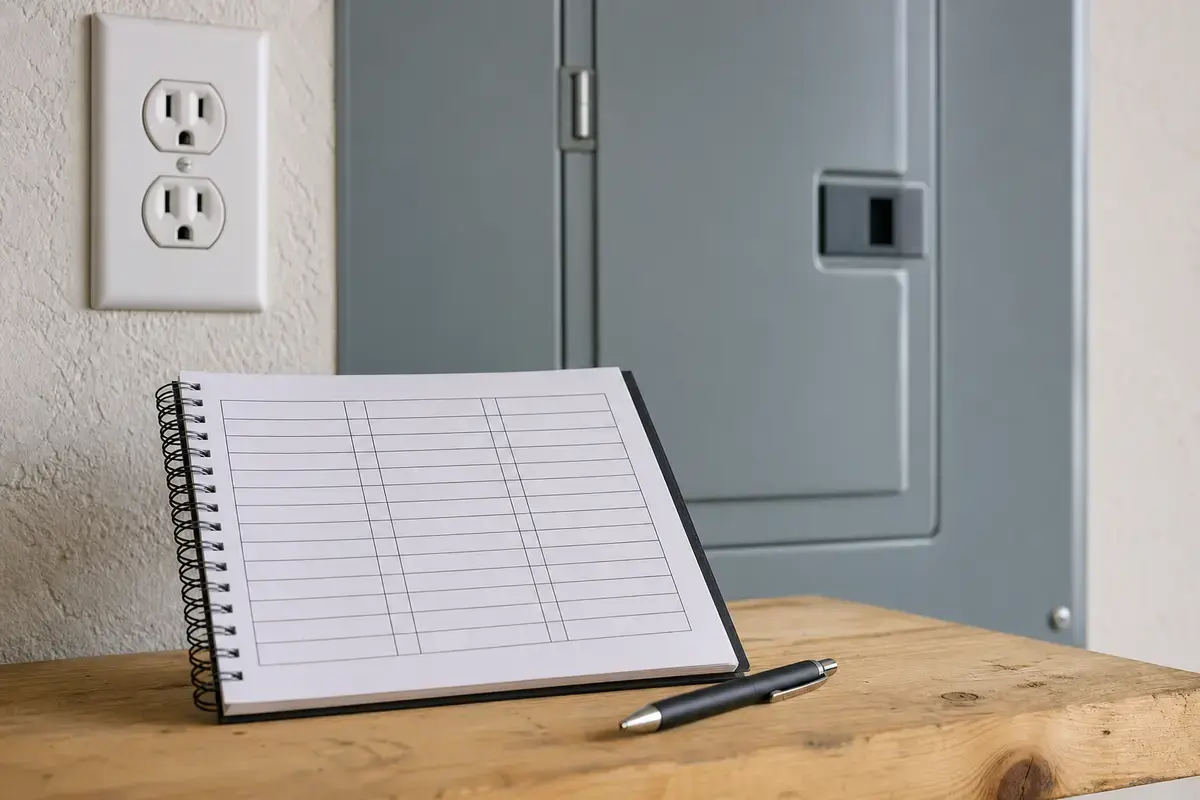
Helps when: Use it to identify the AC breaker and document one reset without guessing at panel circuits later.
Skip it when: Skip panel work when breakers are hot, wet, damaged, unlabeled beyond recognition, or trip again.
Compare breaker label kits on Amazon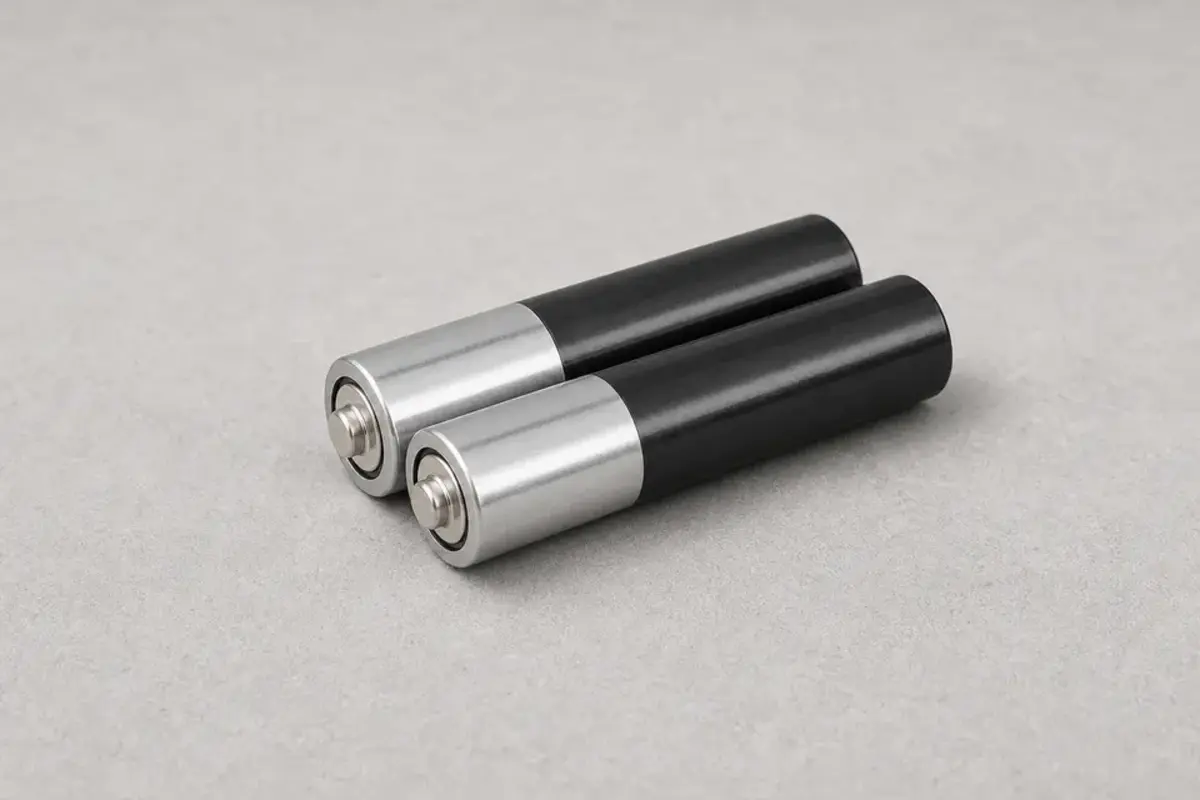
Helps when: Use fresh batteries when the thermostat display is dim, blank, flickering, or losing the cooling call.
Skip it when: Skip battery shopping when the thermostat is hardwired and stable or when the condenser clicks and hums outside.
Compare thermostat batteries on Amazon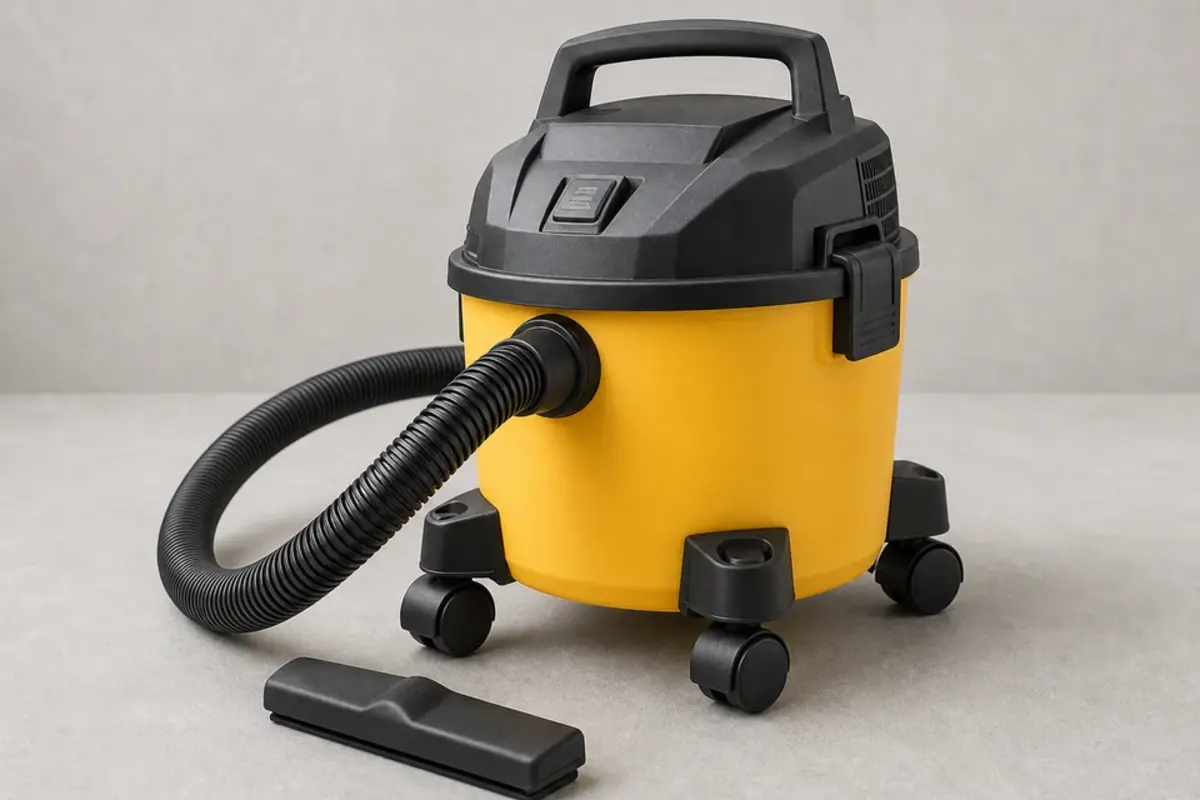
Helps when: Use it at an accessible condensate drain outlet when pan water and a known clog are stopping the cooling call.
Skip it when: Skip it when the drain route is hidden, water is near electrical parts, or you cannot identify the outlet safely.
Compare wet-dry vacuums on AmazonAs an Amazon Associate I earn from qualifying purchases. Repair Riot may earn a commission at no extra cost to you.
Parts come after the no-start path points somewhere specific. The visible buys are a float switch or thermostat only when their clues hold up.
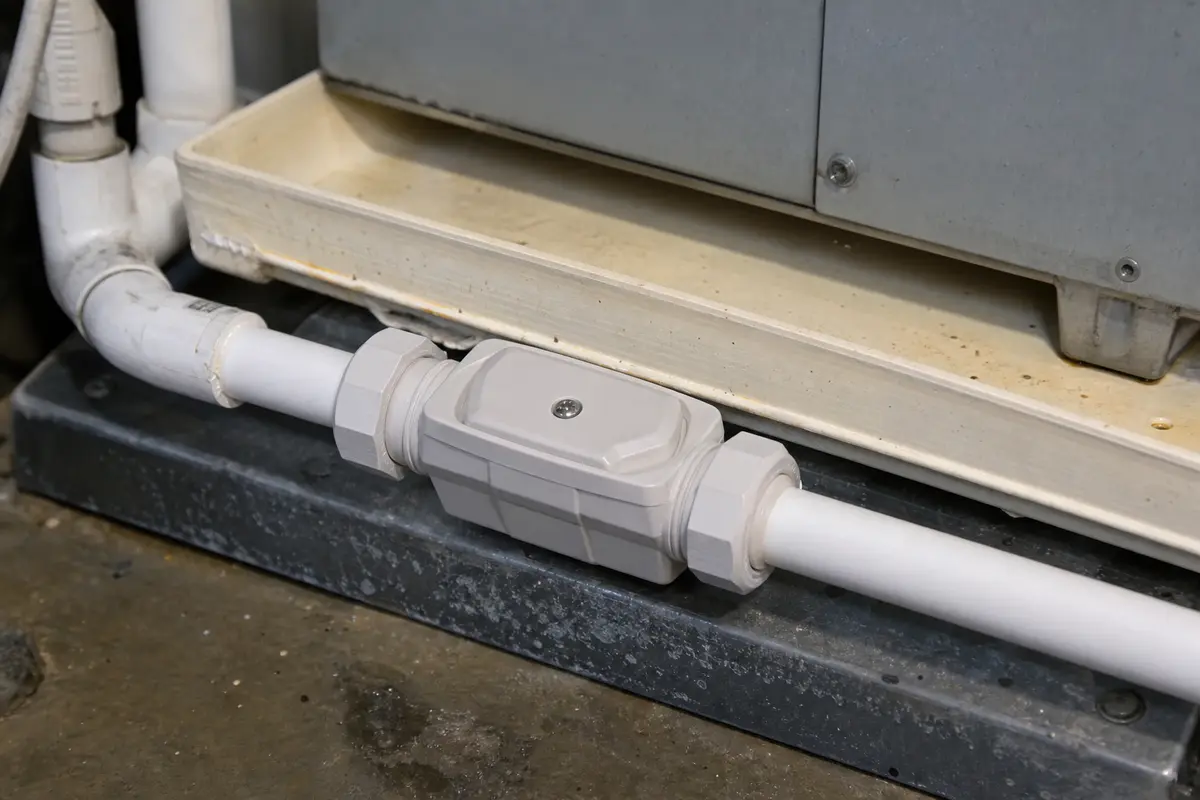
Helps when: Consider one only when the drain is clear, but the visible switch stays open, sticks, is cracked, or will not reset after water is removed.
Skip it when: Skip it when pan water or a clogged drain is still lifting a working switch.
Compare AC condensate float switches on Amazon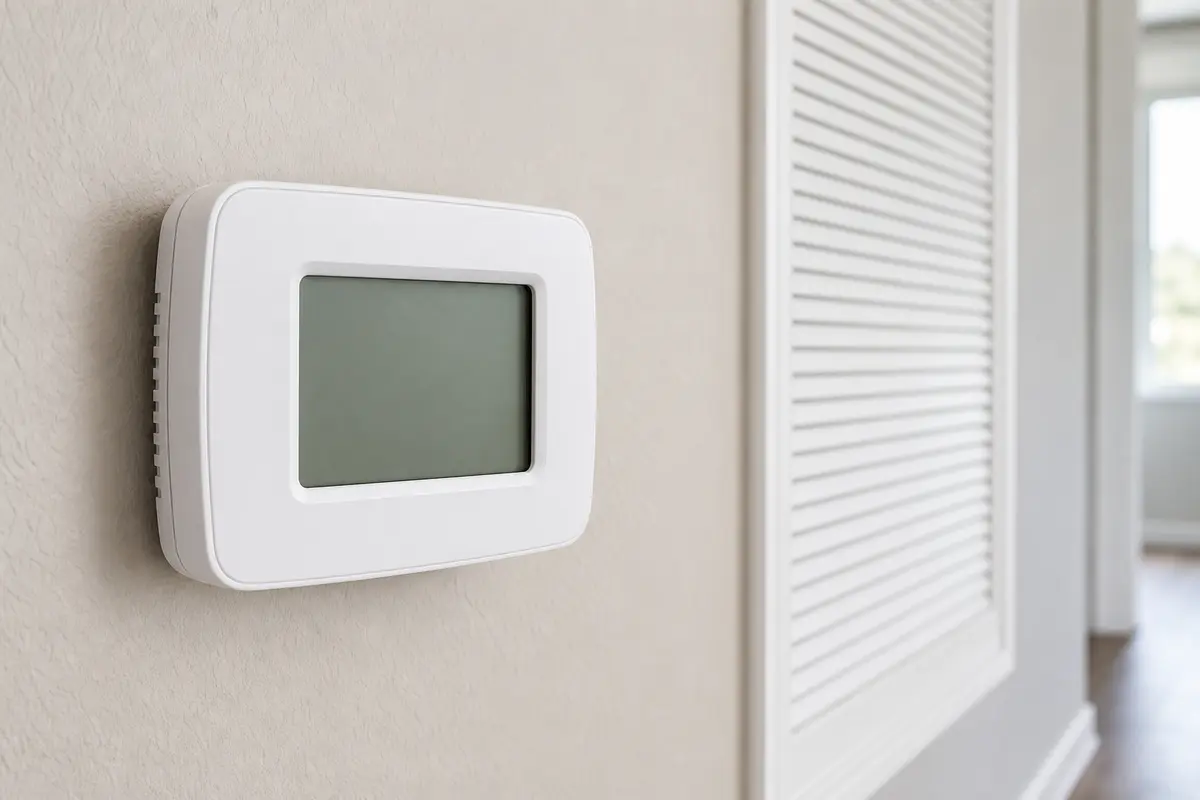
Helps when: Consider one when the thermostat display or cooling call stays unreliable after settings, delay, batteries, power, and compatibility are checked.
Skip it when: Skip it when the condenser clicks or hums outside, the breaker trips, or a float switch is open.
Compare compatible thermostats on AmazonAs an Amazon Associate I earn from qualifying purchases. Repair Riot may earn a commission at no extra cost to you.
Common causes are a built-in delay, lost condenser power, an outdoor disconnect that is off, a condensate float switch, or a missing low-voltage call. If the condenser clicks or hums, the cause may be inside the condenser and needs service testing.
Yes. A condensate float switch can open the cooling circuit when the drain backs up or the secondary pan fills. That can leave the thermostat calling while the outdoor unit stays off.
Reset a tripped breaker once only. If it trips again, leave it off and call for service because repeated trips usually mean a real electrical fault.
Not always. The indoor blower can run while the condenser call is interrupted by a safety, wiring issue, delay, or outdoor power problem.
Not from this symptom alone. A capacitor can be involved when the unit clicks or hums, but it should be tested before replacement, and handling capacitors is not a basic homeowner step.
That is a different path. Once the condenser runs, move to an AC blowing warm air or not cooling diagnosis instead of no-start parts.
Call if the condenser remains silent after thermostat, breaker, disconnect, and float-switch checks, or sooner if it clicks, hums, trips the breaker, smells hot, or shows damaged wiring.
Tell them whether the indoor blower ran, whether the outdoor unit was silent or clicked, breaker and disconnect status, whether the pan had water, and whether the thermostat display stayed in a cooling call.
Repair Riot built this page around safe homeowner checks: thermostat delay, indoor versus outdoor response, breaker and disconnect status, condensate safety, visible condenser clues, and clear stop points before energized electrical or refrigerant work.