Both indoor and outdoor units stop, then restart?
Check thermostat call, filter restriction, and condensate float switch or pan water first.
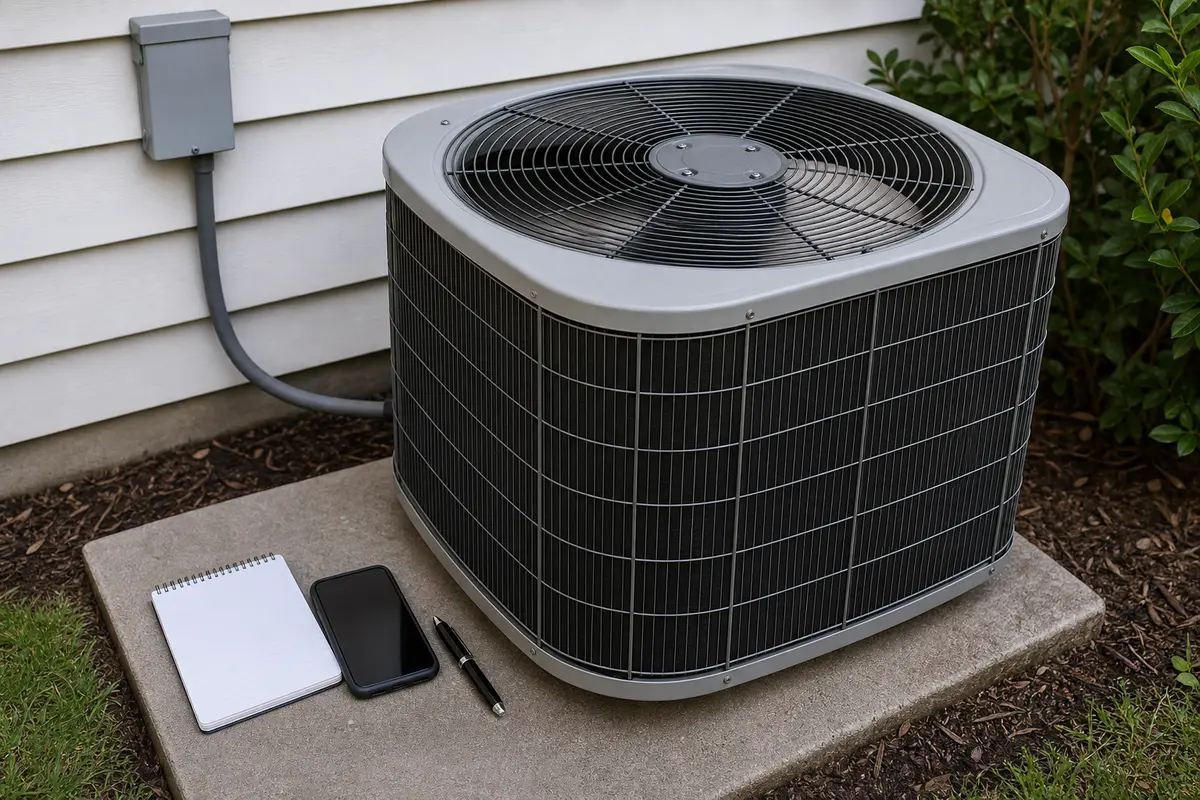
Start by timing the restart pattern. If the AC restarts every few minutes, check the filter, vents, condensate drain safety, thermostat call, and outdoor coil before parts.
The homeowner-fixable clues are a packed filter, blocked return, drain float switch, thermostat misread, or dirty condenser coil.
Write down run time, off time, and whether the indoor blower keeps running. That pattern points to the right branch.
Don’t start with: Do not lower the thermostat way down, repeatedly reset power, or buy capacitors and contactors from the restart symptom alone.
Check thermostat call, filter restriction, and condensate float switch or pan water first.
Shift to outdoor coil airflow, condenser heat, fan operation, and service-call electrical clues.
Look for airflow restriction, ice, condensate safety, thermostat misread, or a heat protection reset.
Confirm exact filter size, airflow direction, thermostat settings, batteries, and wire compatibility.
Stop after the safe checks. The next diagnosis is electrical or refrigerant-side service.
An AC that restarts every few minutes usually leaves a clue in the timing, the airflow path, or the condensate safety setup.
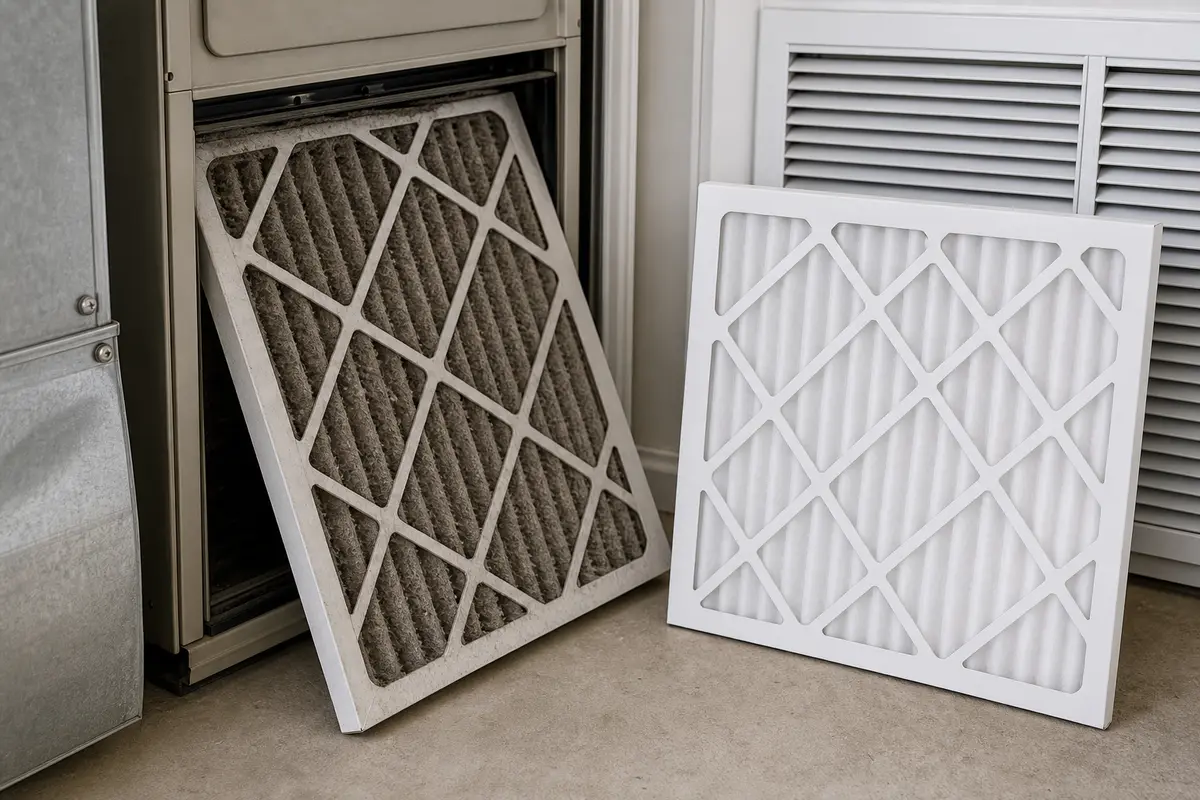
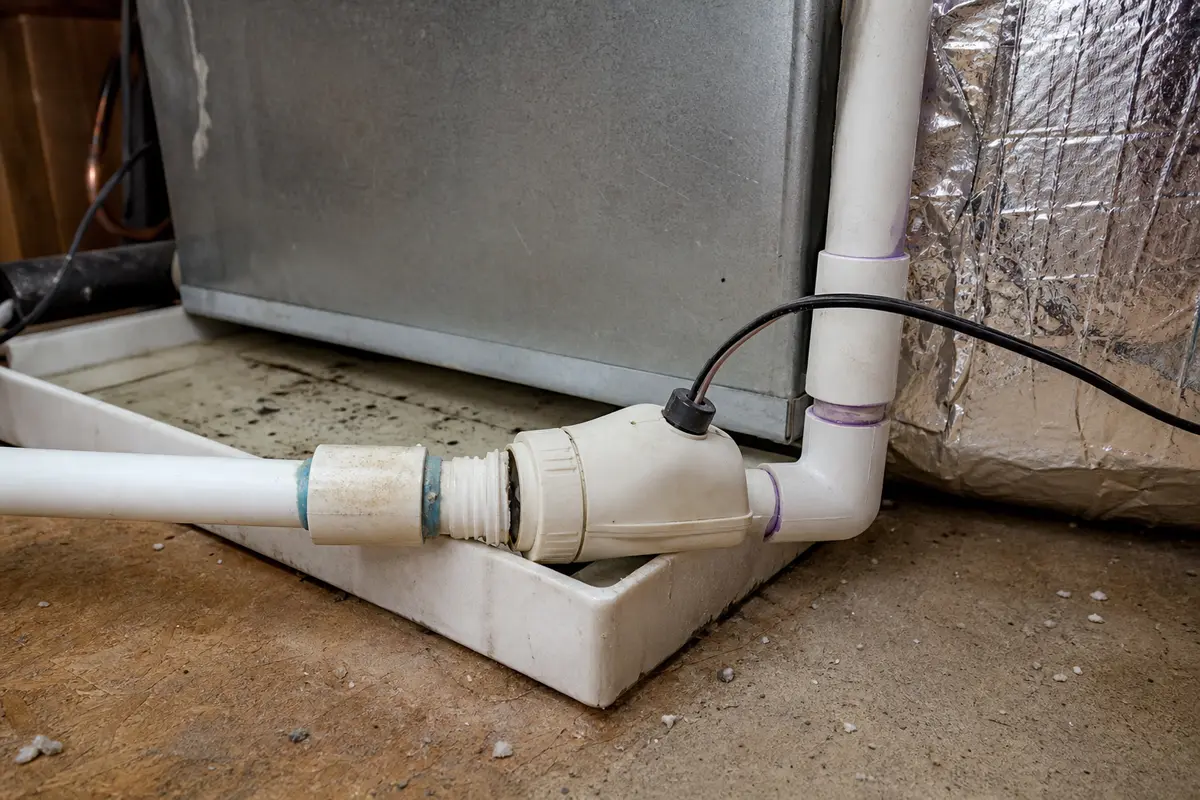
Match the part to the exact clue and fit. A filter buy fits when the old filter is dirty, wet, collapsed, missing, or the wrong size, and the printed size matches the rack. A condensate float switch buy fits only after the drain is clear and the visible switch style, wiring, and mounting match. Capacitors, contactors, refrigerant, and compressor parts should match a tested diagnosis, not a restart guess.
An AC that restarts every few minutes is usually being interrupted by a call, airflow, water safety, heat, or protection signal.
Repeated restarts tempt people into force-running the system. That is the wrong direction.
Use this table after one controlled cooling call. Keep the test short if the system sounds strained.
| Pattern | What it usually means | Next move |
|---|---|---|
| Indoor and outdoor both stop | Thermostat, float switch, or system safety may be interrupting the call. | Check filter, thermostat call, pan water, and float switch first. |
| Indoor blower runs but condenser stops | Outdoor unit may be overheating, losing fan/compressor operation, or tripping protection. | Clean condenser airflow, then stop if it hums, trips, or gets hot. |
| Restart follows visible pan water | Condensate safety may be doing its job. | Clear the drain before replacing the switch. |
| Restart follows thermostat display flicker or call loss | Thermostat batteries, setup, location, or wiring may be unstable. | Correct thermostat basics before condemning the condenser. |
| Restart continues after clean filter and dry drain | Remaining causes usually require electrical or refrigerant testing. | Call HVAC service with the timing notes. |
Airflow is the first branch because it is easy to confirm and can protect the compressor from unnecessary starts.
The restart may be a protective shutdown instead of a bad outdoor unit. The first check is simple: look for pan water, a lifted float, and whether the thermostat still shows a cooling call.
After filter, drain, and thermostat checks, the remaining restart causes move toward condenser operation and service testing.
These tools support inspection, airflow correction, condensate checks, and exterior coil cleaning. They do not replace electrical or refrigerant diagnosis.
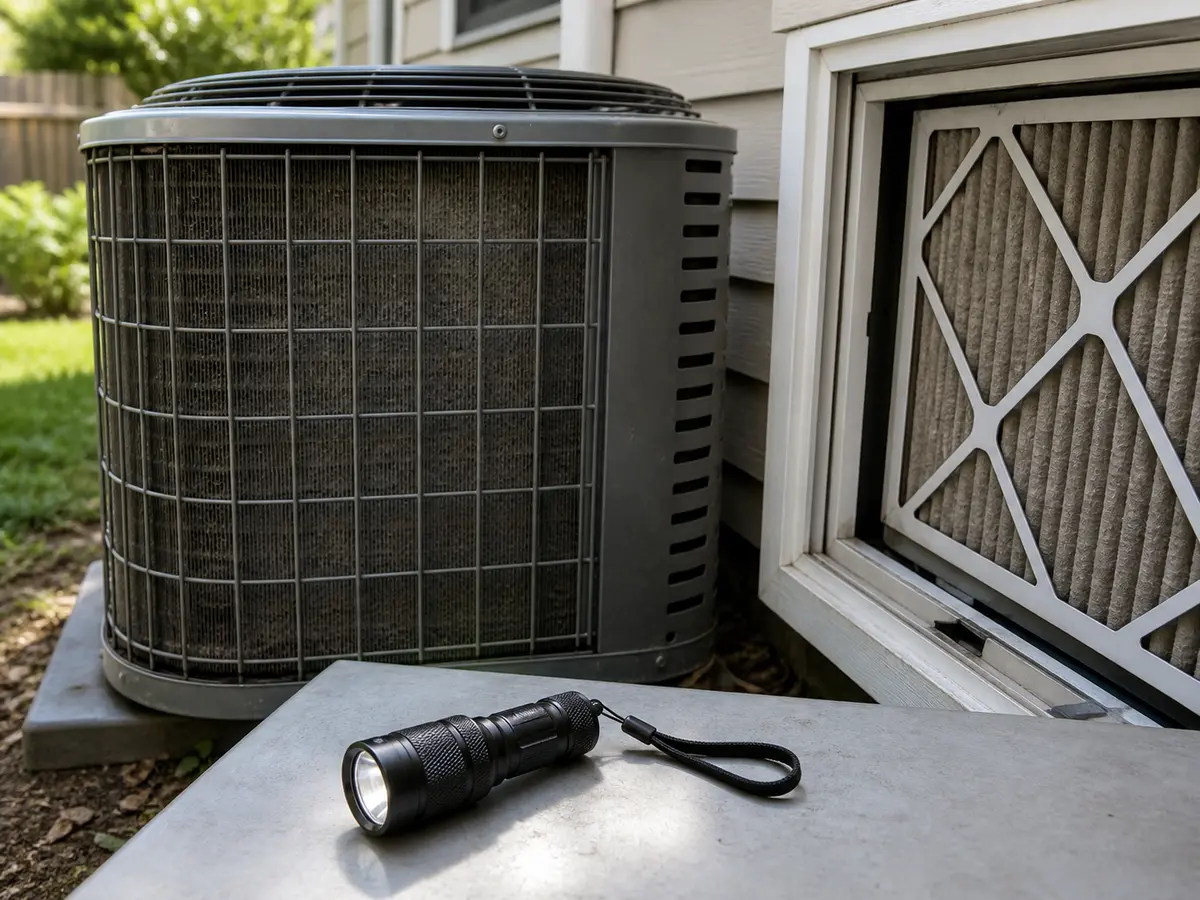
Helps when: Use it to see the filter slot, pan water, float switch position, refrigerant line ice, and condenser coil dirt.
Skip it when: Skip deeper inspection when the next step would expose wiring, capacitor terminals, or refrigerant components.
Compare inspection flashlights on Amazon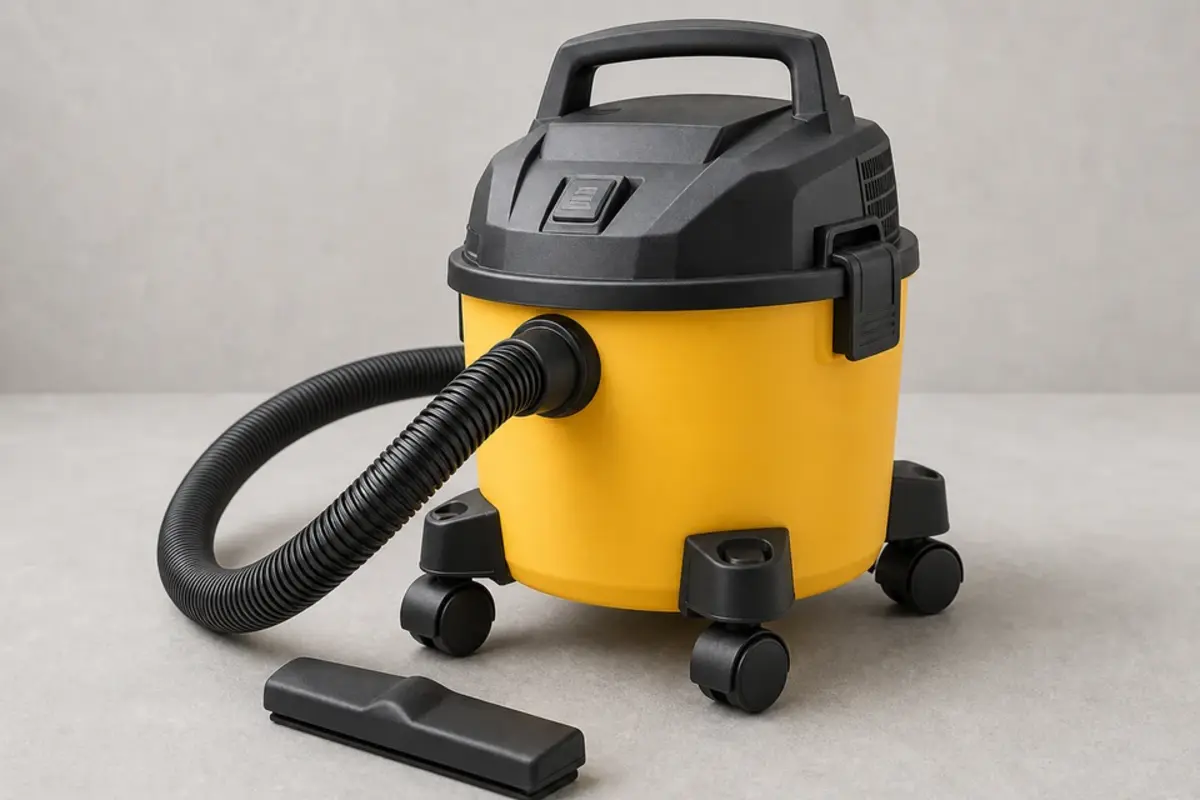
Helps when: Use it at an accessible condensate drain outlet when pan water and a known clog are part of the restart pattern.
Skip it when: Skip it when the drain route is hidden, the pan is near electrical parts, or you cannot identify the drain outlet safely.
Compare wet-dry vacuums on Amazon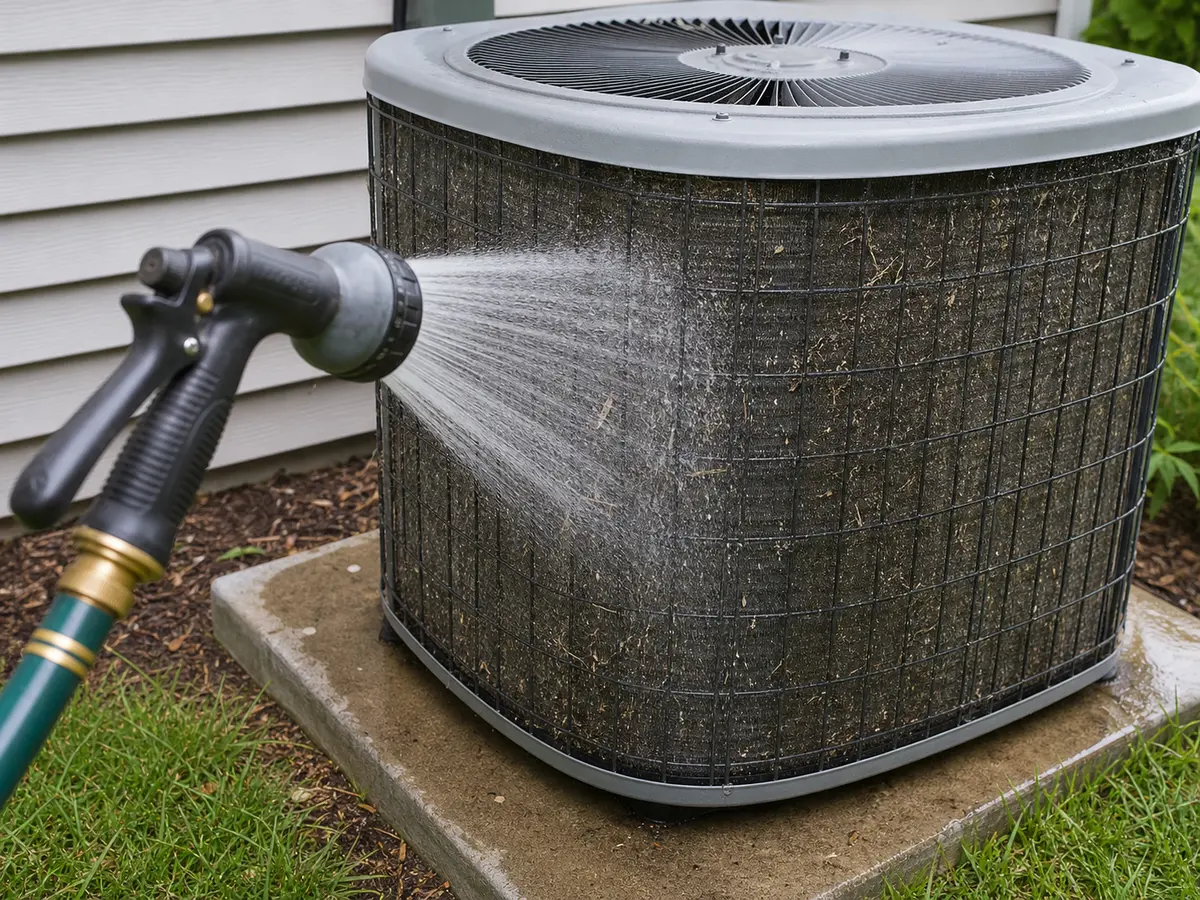
Helps when: Use light water pressure to rinse outdoor condenser coil dirt after power is off.
Skip it when: Skip water when the service compartment is open, wiring looks damaged, or only high pressure is available.
Compare hose spray nozzles on AmazonAs an Amazon Associate I earn from qualifying purchases. Repair Riot may earn a commission at no extra cost to you.
A restart pattern supports only narrow homeowner purchases. Do not use this page to shop hidden electrical parts.
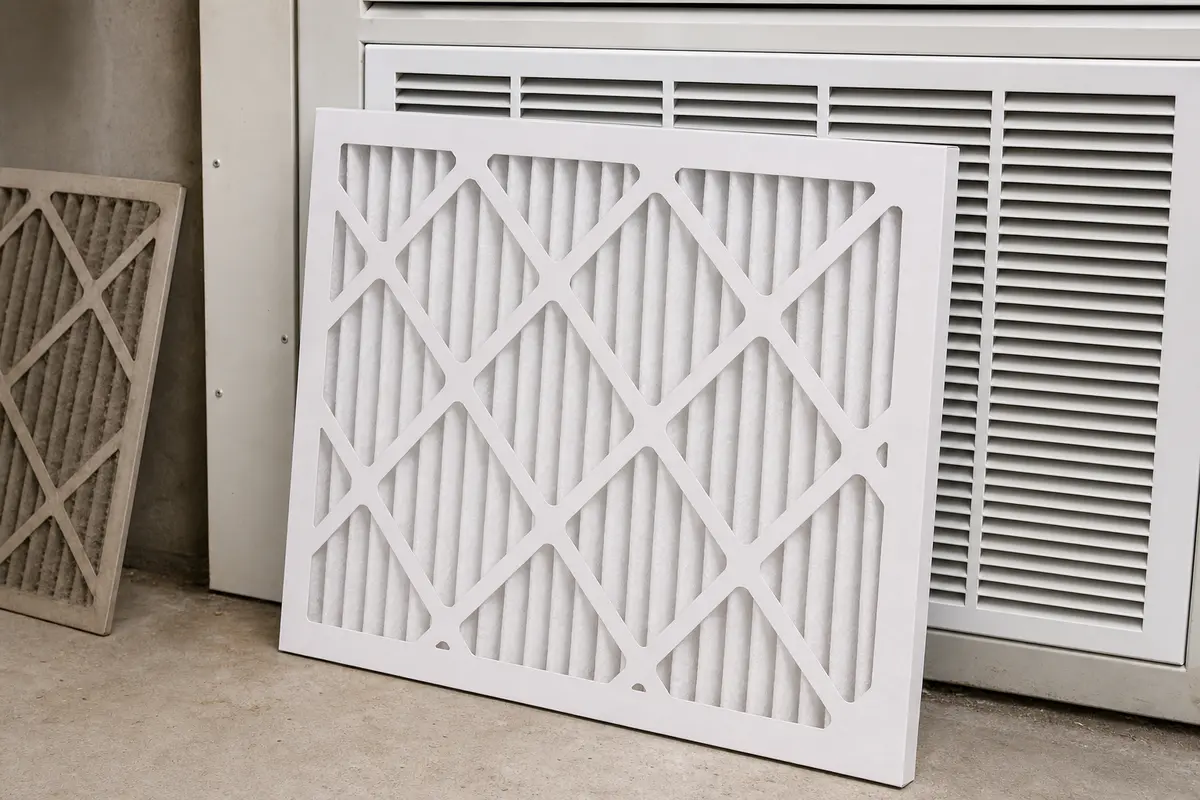
Helps when: Replace it when the current filter is dirty, bowed, wet, missing, or mismatched to the return rack.
Skip it when: Skip random filter upgrades when the thickness, airflow direction, or restriction rating is not right for the system.
Compare AC filters on Amazon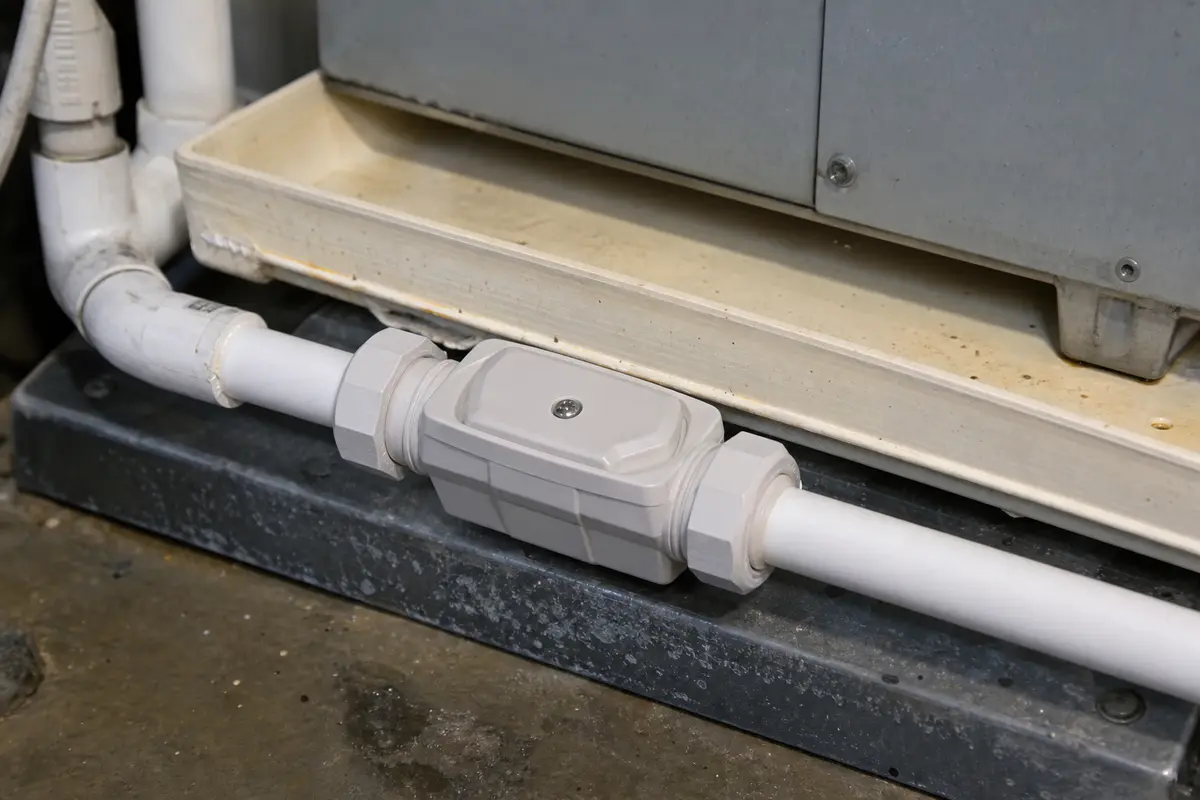
Helps when: Consider one only when the drain is clear, but the visible float switch sticks, stays tripped, is cracked, or will not reset reliably.
Skip it when: Skip it when pan water or a clogged drain is still lifting a working switch.
Compare AC condensate float switches on AmazonAs an Amazon Associate I earn from qualifying purchases. Repair Riot may earn a commission at no extra cost to you.
The system is usually being interrupted by airflow restriction, a thermostat call problem, a condensate safety switch, outdoor overheating, or a service-side electrical or refrigerant fault.
Yes. A dirty or wrong-size filter can choke airflow, cause icing, and make the system stop before it finishes a normal cooling cycle.
The float switch can shut cooling off when water backs up in the pan or drain. If water drops or shifts, the system may restart, then stop again when the switch lifts.
Not as a first move. A weak capacitor can cause startup problems, but repeated restarts can also come from airflow, water safety, thermostat, condenser heat, or refrigerant-side faults. Test before buying.
Yes. Bad location, weak batteries, unstable wiring, wrong settings, or a thermostat that loses the cooling call can make the system stop and restart too often.
No. Repeated starts are hard on the compressor and controls. Use one short diagnostic run, then shut it down if the pattern continues.
Call if filter, drain, thermostat, and condenser cleaning checks do not change the pattern, or sooner if the breaker trips, ice returns, the unit hums hard, or water is near electrical parts.
Give the run time, off time, whether the indoor blower kept running, filter condition, pan water or float-switch clues, thermostat behavior, and any outdoor hum, trip, ice, or hot-cabinet clue.
Repair Riot built this page around safe homeowner observations: restart timing, indoor versus outdoor behavior, filter restriction, condensate safety, thermostat call stability, condenser airflow, and clear stop points before electrical or refrigerant work.