No air from indoor vents?
Check thermostat fan setting, filter, return grilles, and indoor blower response.
If an air conditioner fan is not spinning, first identify which fan stopped: the indoor blower or the outdoor condenser fan. Thermostat setting, dirty filter, breaker or disconnect position, debris, and a stalled condenser fan all lead to different next moves.
Good clue: indoor airflow missing points to blower, filter, or thermostat checks; outdoor fan still with a hum or buzz points to service diagnosis.
This symptom gets expensive when the wrong fan is diagnosed. Separate indoor airflow from outdoor condenser fan movement before touching parts.
Don’t start with: Do not spin the fan blade with power available, buy a capacitor from a video, or keep running the compressor with the outdoor fan stopped.
Check thermostat fan setting, filter, return grilles, and indoor blower response.
Turn cooling off and schedule condenser fan or electrical diagnosis.
Restore once only if safe, then watch the next startup from a distance.
Turn cooling off and clear exterior debris without reaching into the unit.
Watch the full cycle and check condenser airflow; stop if noise or heat returns.
The right diagnosis starts with which fan stopped and whether the outdoor unit is humming, hot, or blocked.
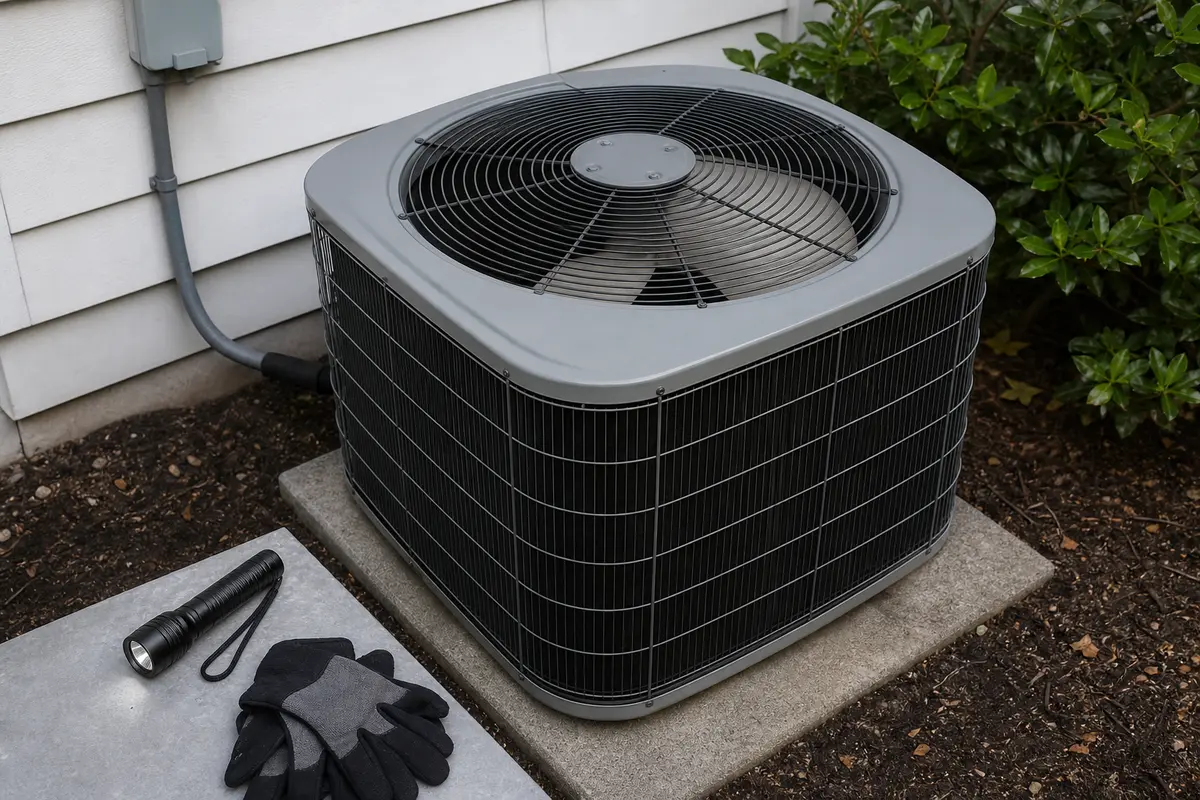
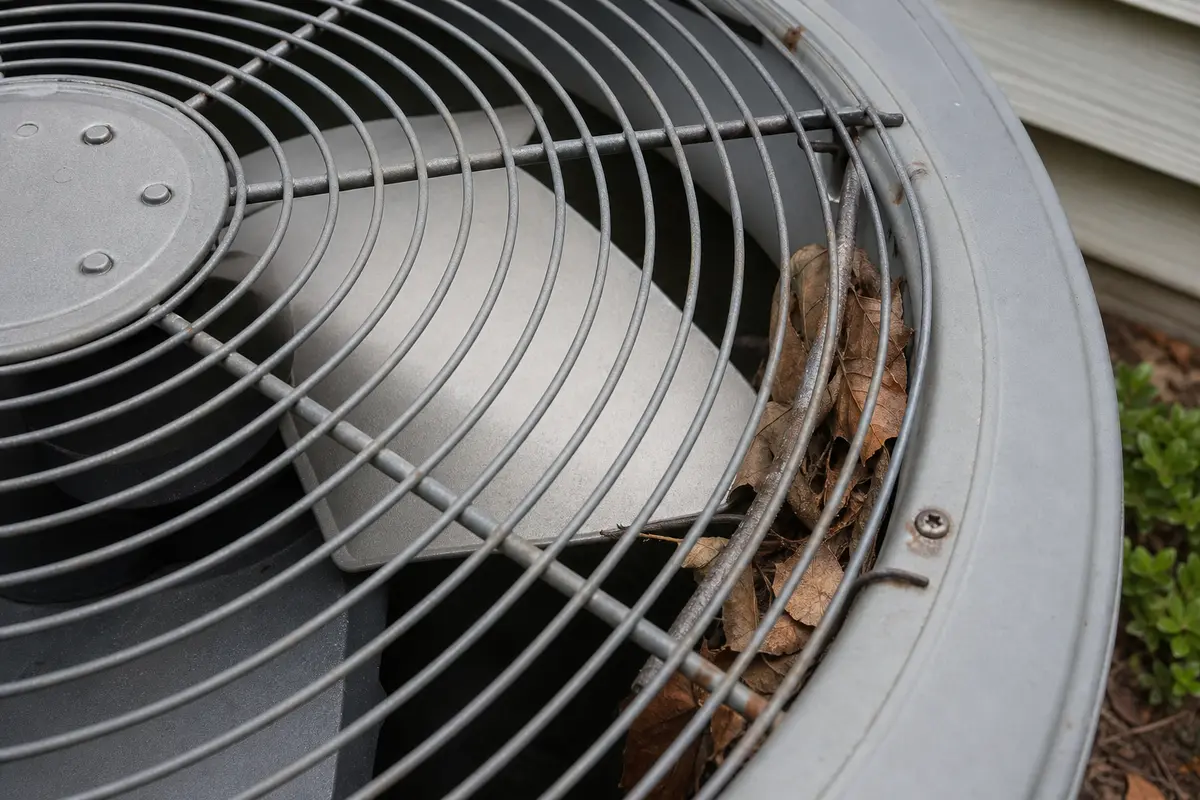
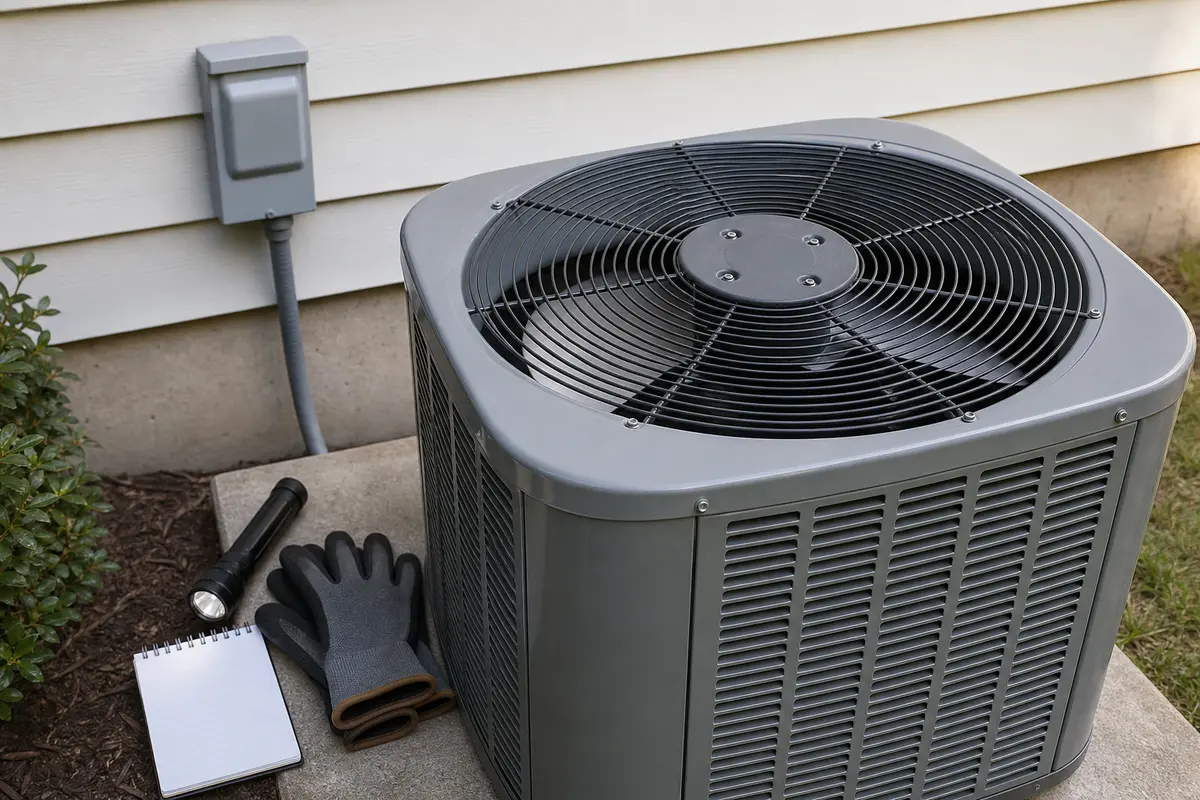
Buy only when the clue is homeowner-visible. A filter is reasonable when indoor airflow is weak and the filter is dirty or wrong. Do not order capacitors, motors, contactors, fan blades, or compressor parts from a no-spin symptom without tested diagnosis. Match the exact model, rating, wiring, and confirmed diagnosis before ordering anything.
Indoor blower and outdoor condenser fan problems can both sound like an AC fan failure.
Avoid the expensive shortcut until the visible clues support it.
Use this table after one controlled check and any normal startup delay.
| Clue | Most likely cause | Next move |
|---|---|---|
| No indoor airflow | Thermostat, filter, blower, or air-handler issue | Check fan mode, filter, returns, and blower response. |
| Outdoor fan still with hum | Fan motor, start component, or electrical issue | Turn cooling off and call service. |
| Breaker tripped once | Power interruption or fault | Reset once only if safe; stop on repeat trip. |
| Debris at fan guard | Blocked airflow or blade obstruction | Power off, clear exterior debris, and retest from a distance. |
| Fan starts then stops | Overheating, motor, capacitor, or control problem | Stop repeated cycling and schedule diagnosis. |
These checks keep the diagnosis tied to what you can see or safely test.
Keep the cart narrow and buy only when the evidence points to that exact item.
These support safe visible checks, cleanup, and documentation.
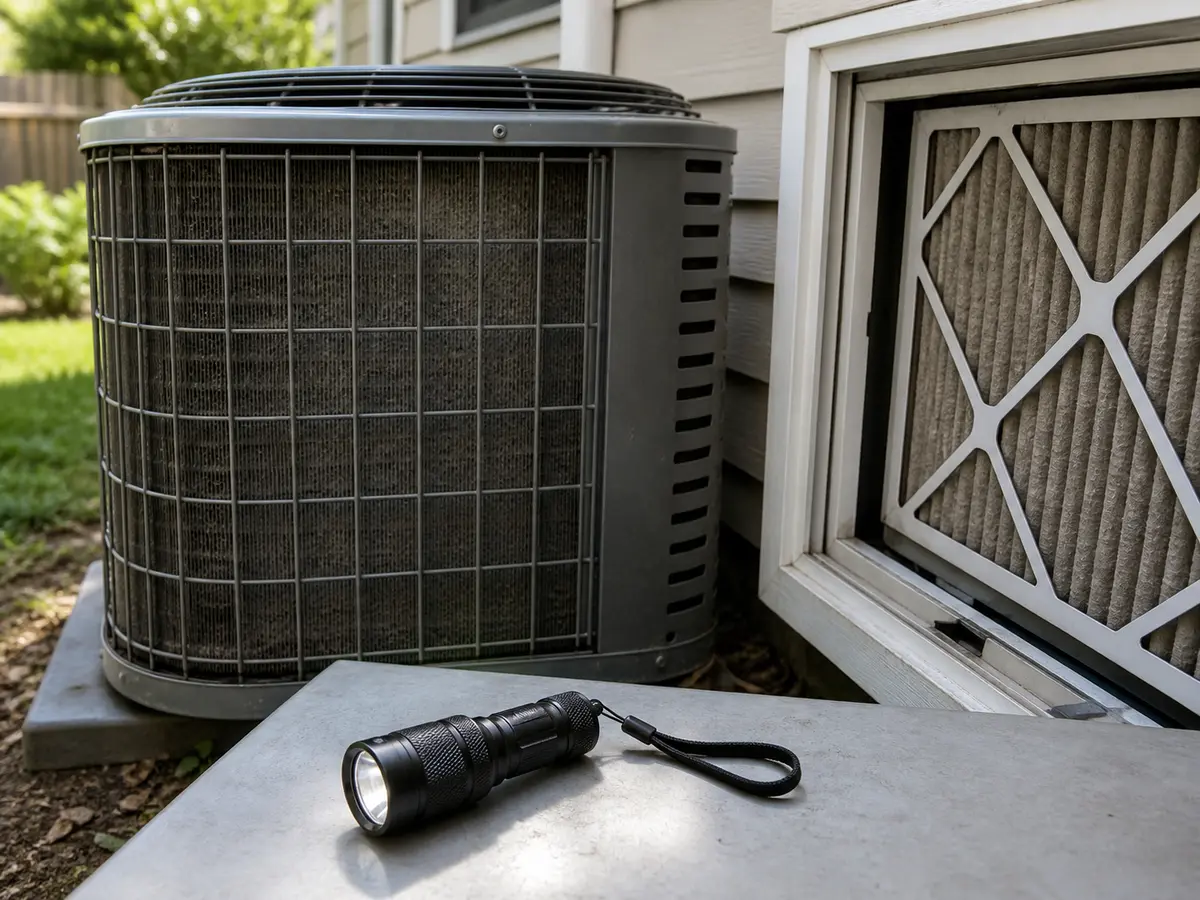
Helps when: Use it to check the thermostat display, filter slot, disconnect position, fan guard, and visible condenser debris.
Skip it when: Skip any inspection that requires reaching through the fan guard, removing service covers, or touching wiring.
Compare inspection flashlights on Amazon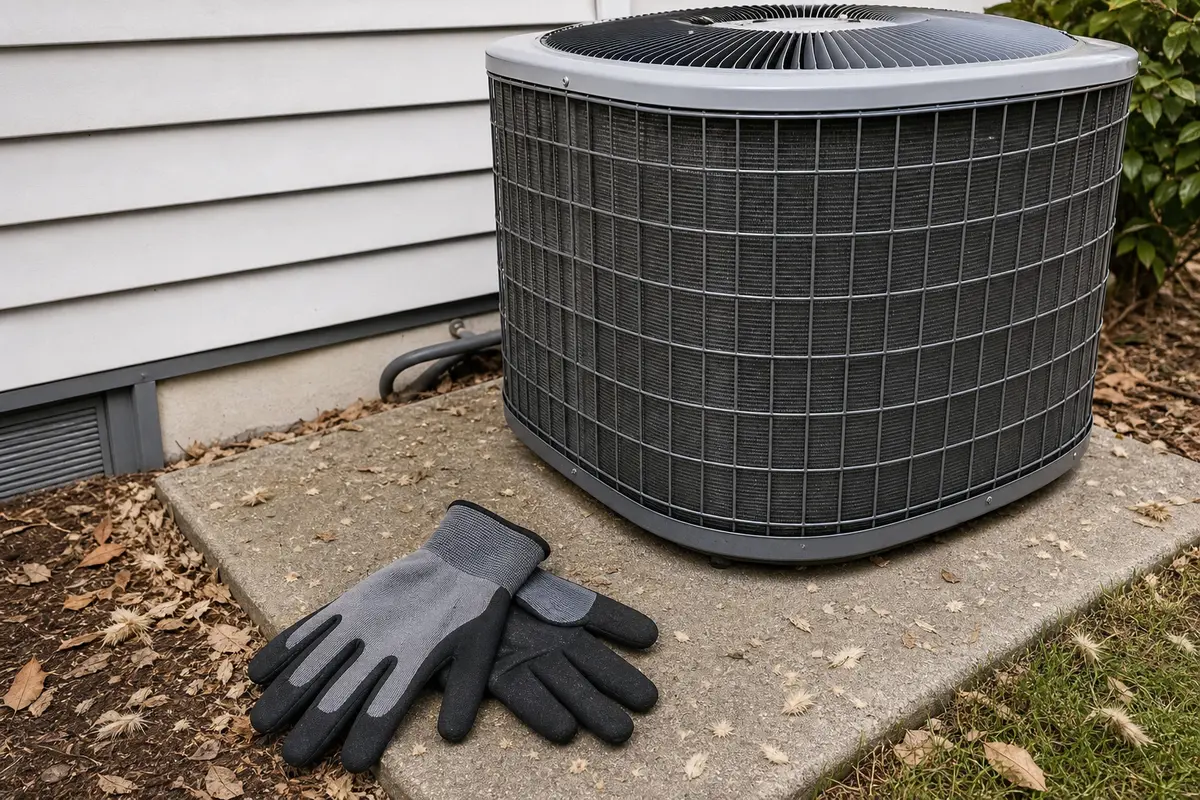
Helps when: Use them to clear leaves and loose exterior debris around the condenser after cooling is off.
Skip it when: Skip reaching into the fan guard, moving the blade, or handling sharp metal inside the cabinet.
Compare work gloves on Amazon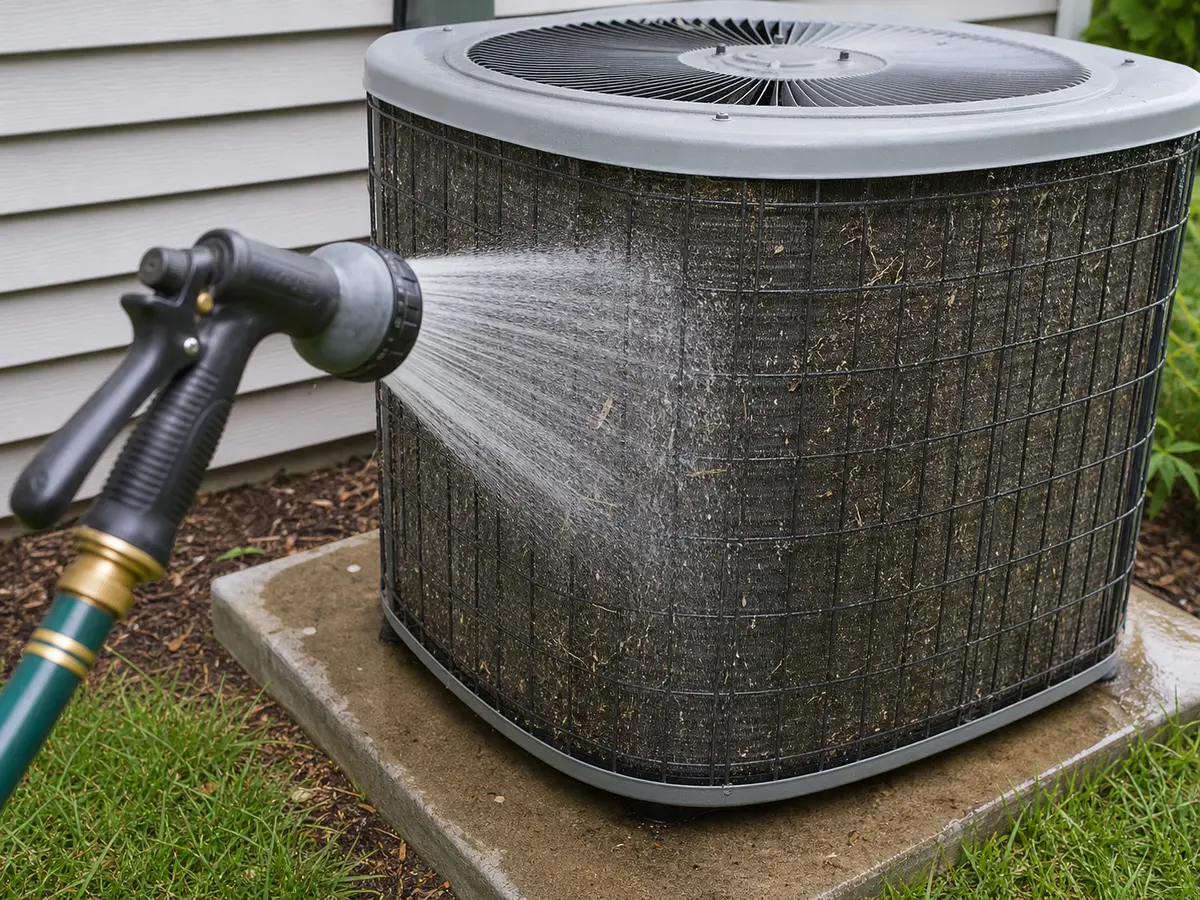
Helps when: Use it to rinse accessible condenser coil debris after power is off and loose exterior debris is cleared.
Skip it when: Skip pressure washers, electrical covers, and any cleaning that requires opening the condenser cabinet.
Compare gentle hose nozzles on AmazonAs an Amazon Associate I earn from qualifying purchases. Repair Riot may earn a commission at no extra cost to you.
These are the only buy-first parts that fit the visible homeowner clues.
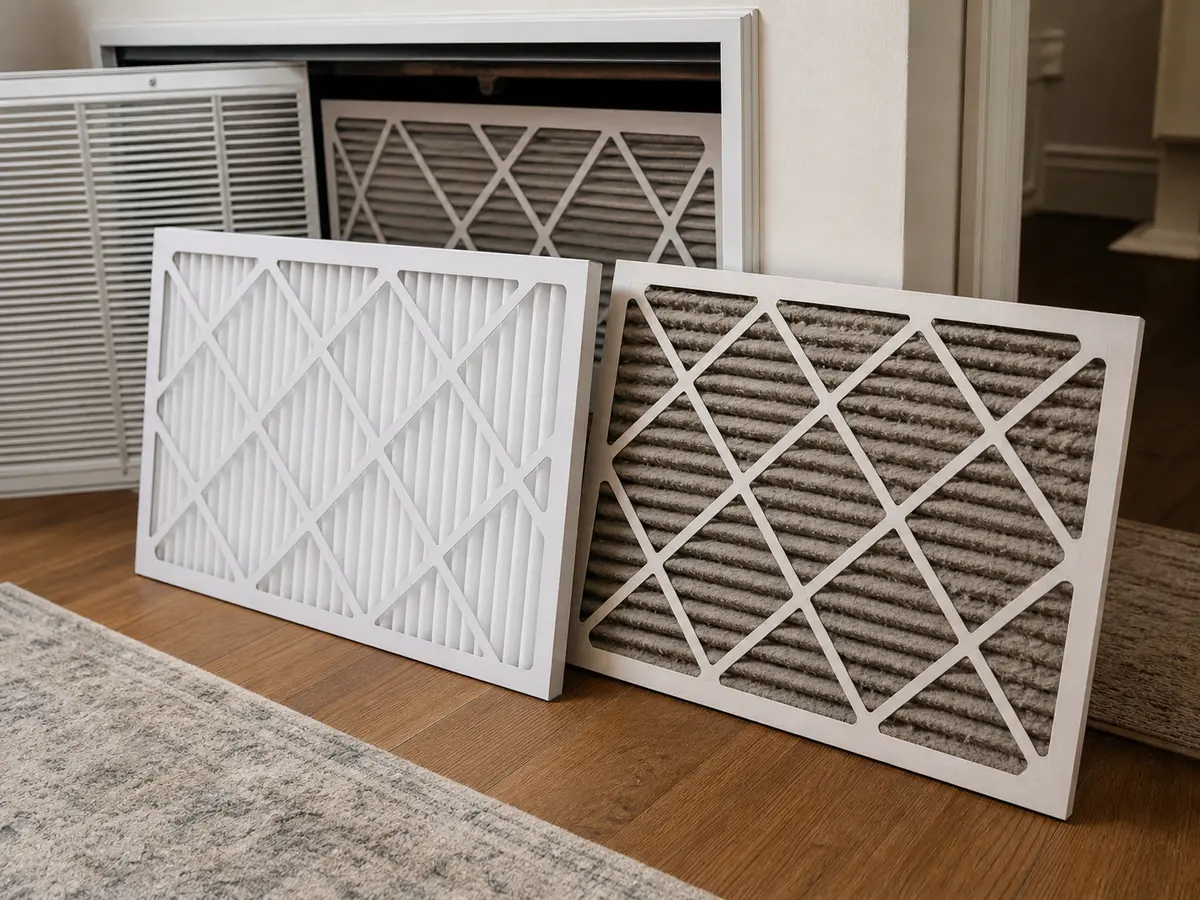
Helps when: Replace it only when indoor airflow is weak and the existing filter is dirty, wet, collapsed, missing, or the wrong size.
Skip it when: Skip filters that do not match the printed length, width, thickness, airflow arrow, and supported MERV range.
Compare AC filters on AmazonAs an Amazon Associate I earn from qualifying purchases. Repair Riot may earn a commission at no extra cost to you.
Check indoor supply airflow first, then look at the outdoor condenser fan from a safe distance.
Turn cooling off and call service. Do not keep cycling the system.
It can restrict indoor airflow and cause shutdown clues, but it does not repair an outdoor fan motor or electrical no-start.
No. Do not touch or spin the fan blade with power available.
Not from the symptom alone. Stored-charge electrical parts require testing and exact fitment.
Reset it once only if it is clearly tripped and safe to do so. Stop if it trips again.
You can clear exterior leaves and gently rinse accessible coil dirt with power off. Do not reach into the fan area.
Call when the fan hums, buzzes, trips a breaker, smells hot, starts then stops, or will not run after safe checks.
Repair Riot built this page around safe homeowner checks: thermostat demand, airflow, filter condition, visible water, condenser behavior, condensate safety, and clear stop points before internal electrical or refrigerant work.