Buzz changes when an exterior panel is touched?
Turn power off and check loose cabinet screws, grille edges, or tubing contact.
If an air conditioner is buzzing, locate the sound without removing electrical covers. A light cabinet buzz with normal cooling can be a loose panel, grille, or line contact. A sharp buzz with a stalled fan, warm air, hot smell, or breaker trip is a stop point.
Good clue: a buzz that changes when an exterior panel is pressed points to vibration; a buzz with a fan that will not start points to service diagnosis.
The safe job is to document where the buzz is loudest, whether the fan starts, and whether the house cools.
Don’t start with: Do not push contactors, buy capacitors, or remove condenser electrical covers from a noise guess.
Turn power off and check loose cabinet screws, grille edges, or tubing contact.
Turn cooling off and schedule service for fan, motor, or electrical testing.
Stop running it and use the warm-air diagnostic path.
Do not remove the cover; document the pattern for an HVAC technician.
Check filter fit, return restriction, and air-handler cabinet vibration.
Use exterior location, fan movement, and cooling result before anyone touches hidden electrical parts.
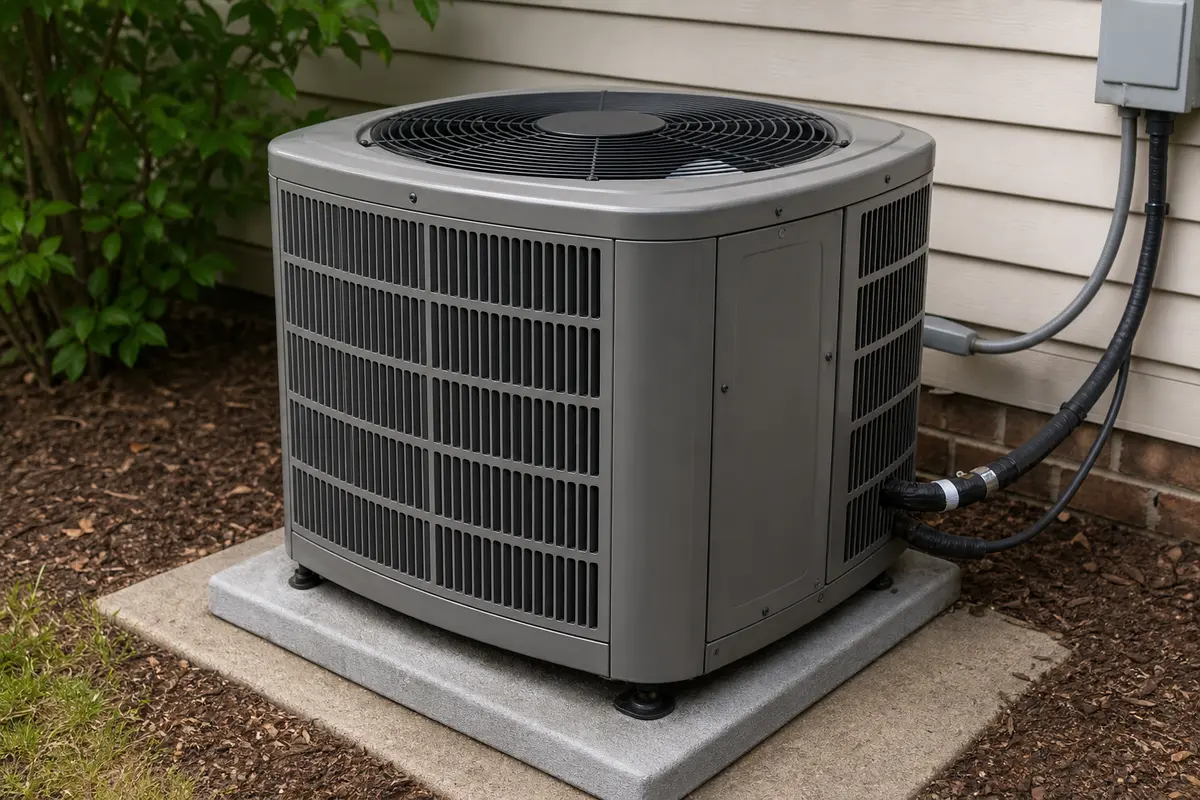
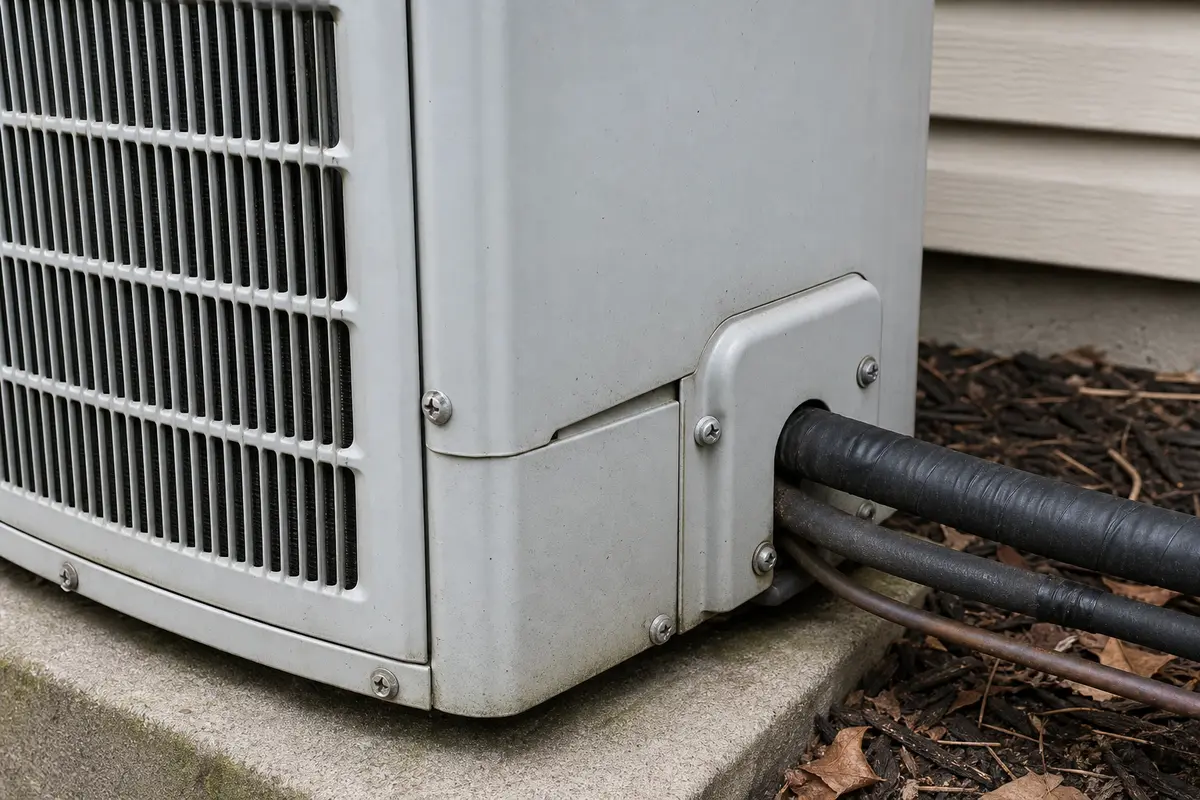
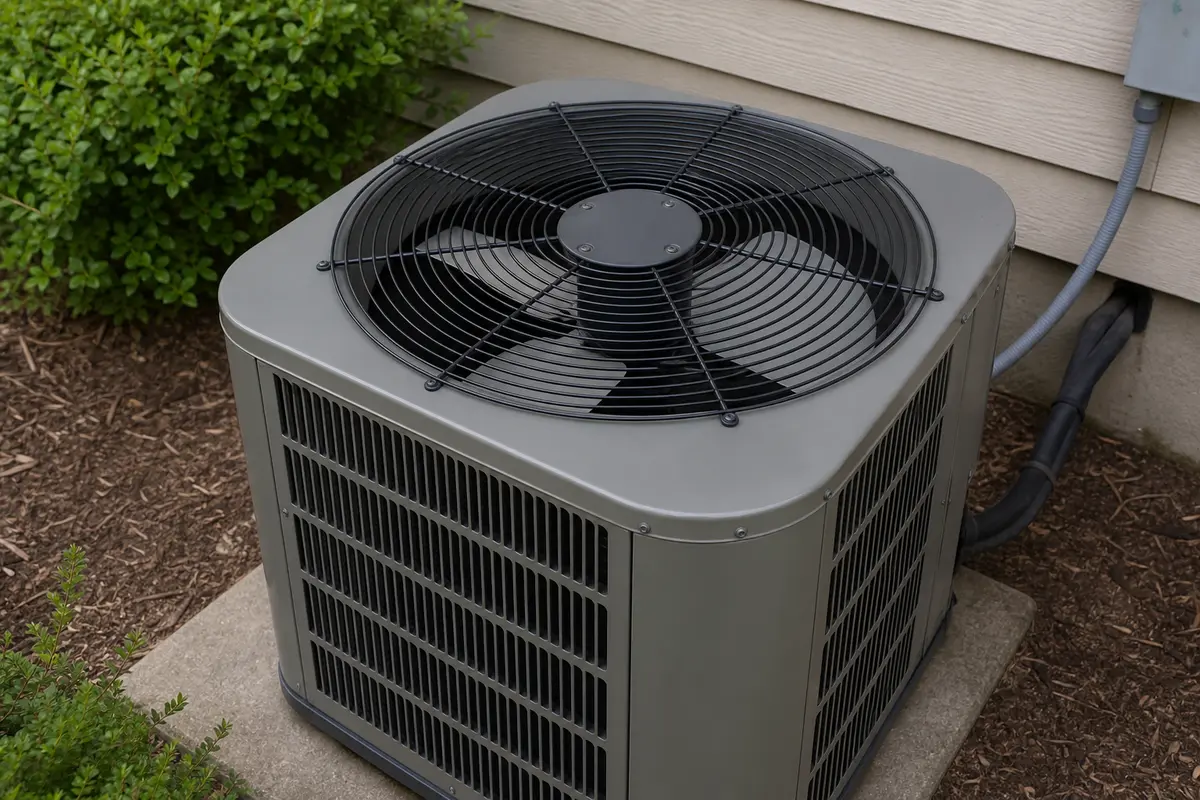
Buy only when the visible clue fits. A filter is reasonable only for indoor buzzing with weak airflow and a dirty, wet, bowed, or wrong-size filter. Hidden electrical parts, capacitors, contactors, motors, and compressor parts need tested diagnosis. Match the exact model, rating, wiring, and confirmed diagnosis before ordering anything.
A buzz is not a part diagnosis by itself.
Avoid the expensive shortcut until the visible clues support it.
Use this table after one controlled check and any normal startup delay.
| Clue | Most likely cause | Next move |
|---|---|---|
| Buzz changes with exterior panel pressure | Loose panel, grille edge, or line contact | Turn power off and correct accessible exterior vibration. |
| Buzzing and outdoor fan still | Fan motor, start component, or internal electrical issue | Turn the thermostat off and call service. |
| Fan runs but air stays warm | Compressor, refrigerant-side, or airflow issue | Stop the run and use warm-air checks. |
| Buzz strongest at service cover | Hidden electrical part may be struggling | Do not remove the cover; schedule service if new or loud. |
| Indoor buzz with dirty filter | Airflow restriction or cabinet vibration | Replace the exact filter and reseat normal access doors. |
These checks keep the diagnosis tied to what you can see or safely test.
Keep the cart narrow and buy only when the evidence points to that exact item.
These support safe visible checks, cleanup, and documentation.
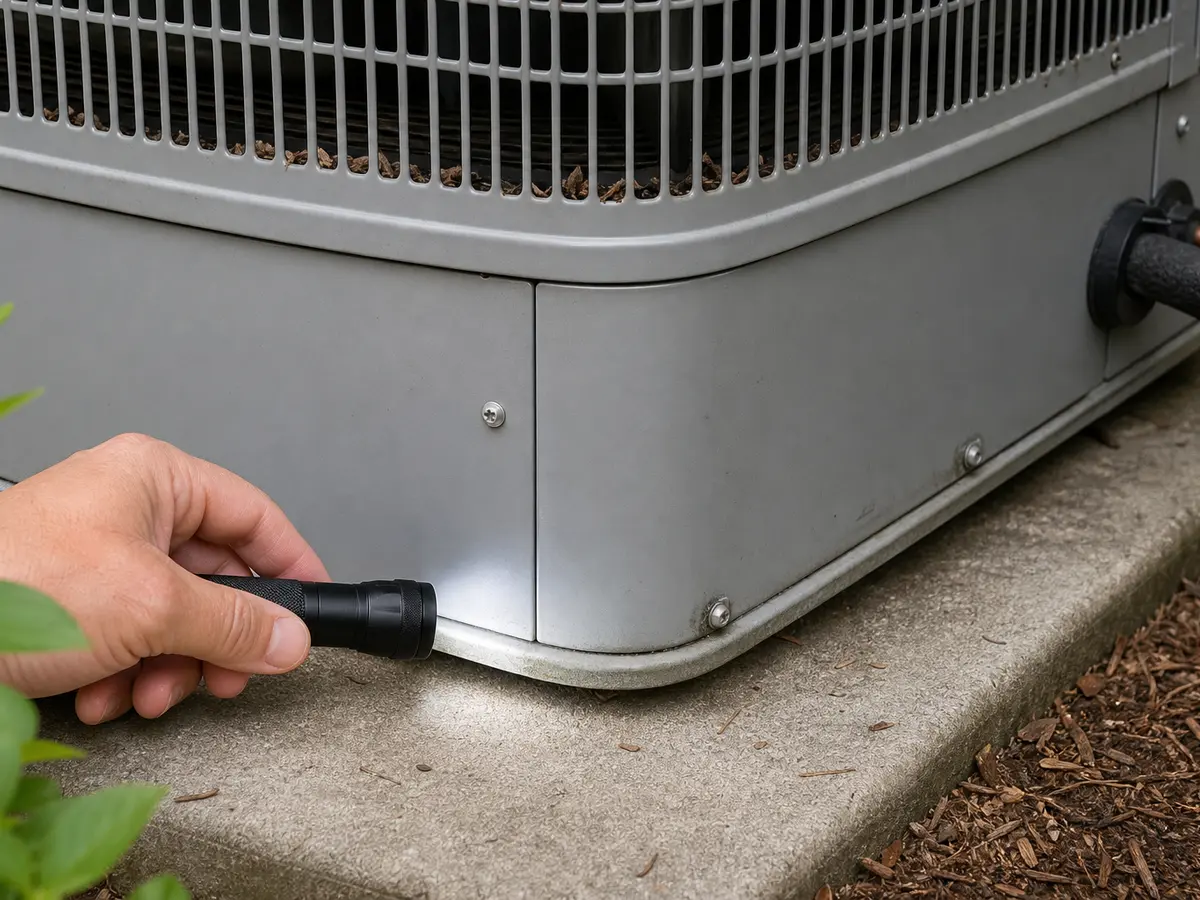
Helps when: Use it to see fan-guard debris, panel gaps, line contact, filter fit, and safe exterior vibration points.
Skip it when: Skip the inspection when the next step would remove service covers or reach through the fan guard.
Compare inspection flashlights on Amazon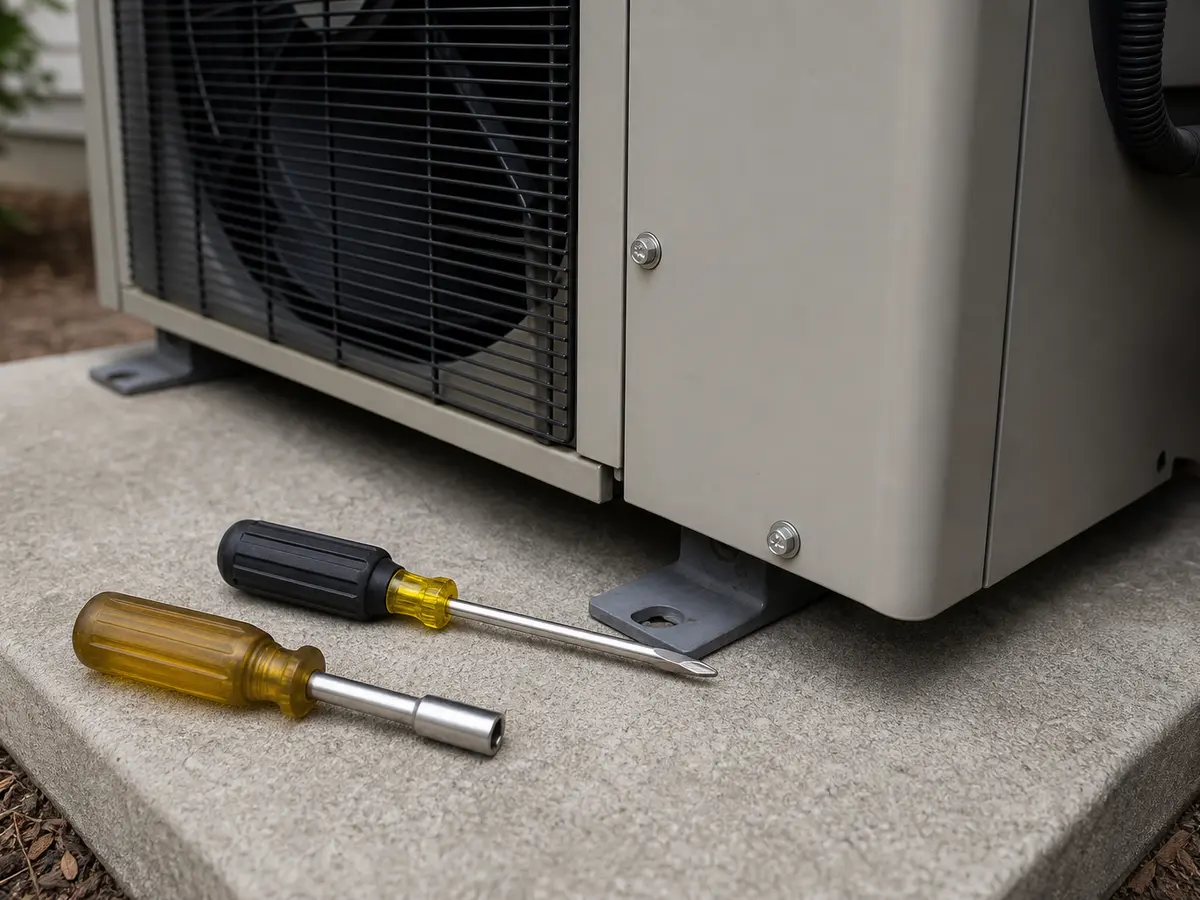
Helps when: Use it only for accessible exterior cabinet screws or a normal indoor filter door after power is off.
Skip it when: Skip electrical covers, sealed panels, damaged disconnects, and anything near exposed wiring.
Compare nut driver sets on AmazonAs an Amazon Associate I earn from qualifying purchases. Repair Riot may earn a commission at no extra cost to you.
These are the only buy-first parts that fit the visible homeowner clues.
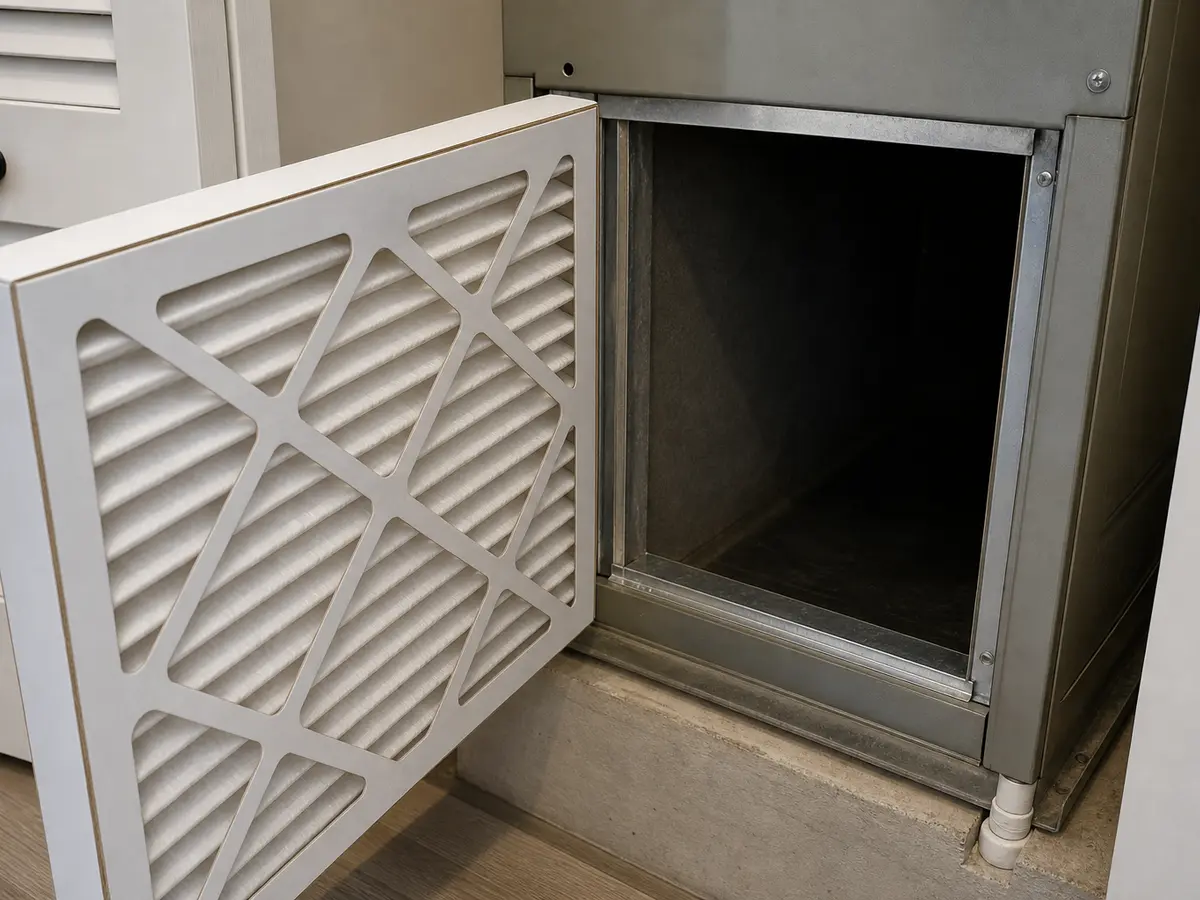
Helps when: Replace this only when the buzz is indoors, airflow is weak, and the existing filter is dirty, wet, bowed, loose, or the wrong size.
Skip it when: Skip filters that do not match the printed length, width, thickness, airflow arrow, and supported MERV range.
Compare AC filters on AmazonAs an Amazon Associate I earn from qualifying purchases. Repair Riot may earn a commission at no extra cost to you.
It can be. A light cabinet buzz can be minor, but buzzing with a stalled fan, hot smell, warm air, or breaker trip is a stop point.
Do not buy or handle stored-charge electrical parts from a sound guess. The fan result and electrical testing matter first.
Turn cooling off and call service. A buzzing no-start condenser can overheat or damage expensive parts.
With power off, check accessible exterior panel screws, grille edges, and tubing contact.
It can contribute to indoor blower strain or cabinet vibration, but it does not explain an outdoor condenser no-start buzz.
No. Repeated cycling after buzzing, breaker trips, or a stalled fan can make the fault worse.
A flashlight, nut driver, and exact filter are reasonable only when the clues fit. Hidden electrical parts need service diagnosis.
Tell them where the buzz is loudest, whether the fan starts, whether cooling works, and whether any breaker, odor, or hot cabinet clue appeared.
Repair Riot built this page around safe homeowner checks: thermostat demand, airflow, filter condition, visible water, condenser behavior, condensate safety, and clear stop points before internal electrical or refrigerant work.