One click at startup or shutdown?
That can be normal. Monitor whether cooling starts and stops normally.
A single click at startup or shutdown can be normal. Start by checking whether the click repeats, where it comes from, and whether the outdoor unit actually starts; repeated clicking with no fan or compressor points to a no-start branch.
Good clue: loose panels and fan-guard debris click mechanically, while rapid outdoor clicking with no cooling usually needs condenser service testing.
Find where the click comes from and whether cooling starts. That is more reliable than guessing at the loudest part name.
Don’t start with: Do not force the contactor, open condenser electrical covers, or buy a capacitor without a repeated no-start symptom and a tested diagnosis.
That can be normal. Monitor whether cooling starts and stops normally.
Check mode, batteries, schedule, and whether the cooling call reaches the equipment.
With power off, snug only exterior screws that are meant to be homeowner-accessible.
Look for leaves or debris contacting the guard; stop if the fan may start.
Stop after safe checks and schedule service for condenser diagnosis.
The same word can describe a normal relay click, loose panel noise, debris contact, or condenser no-start.
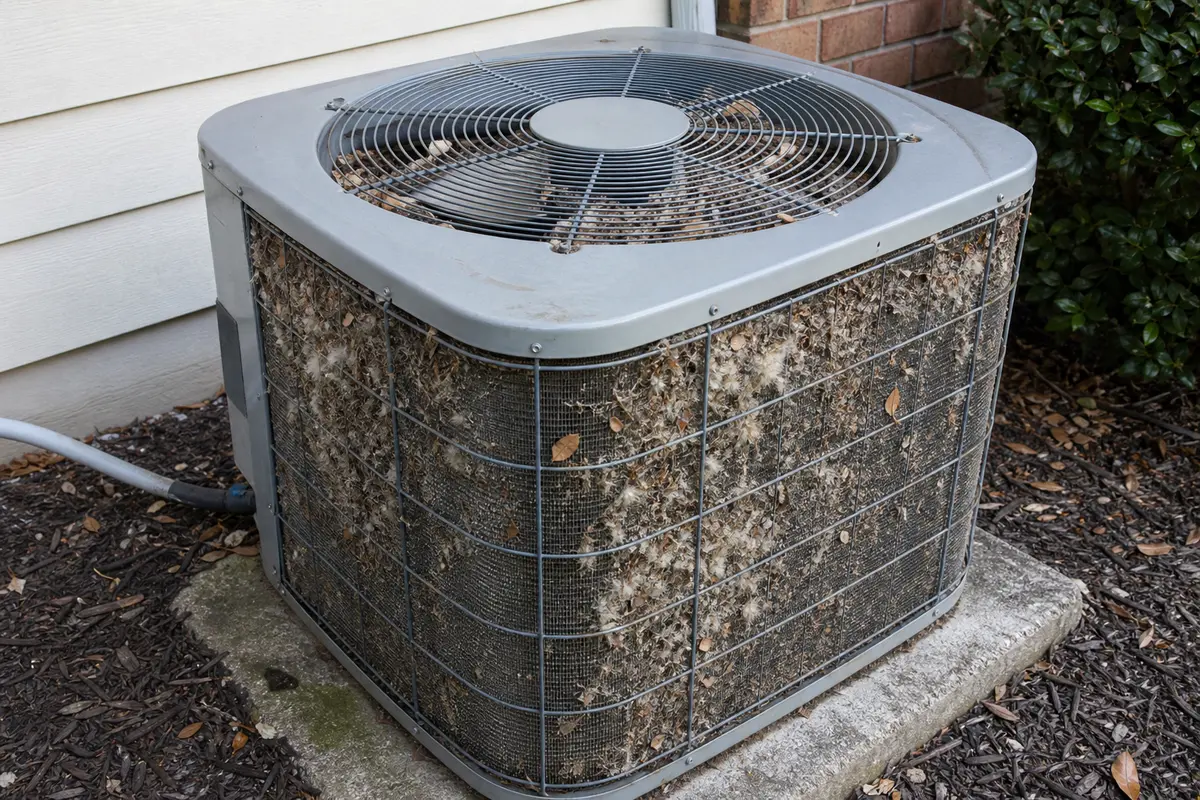
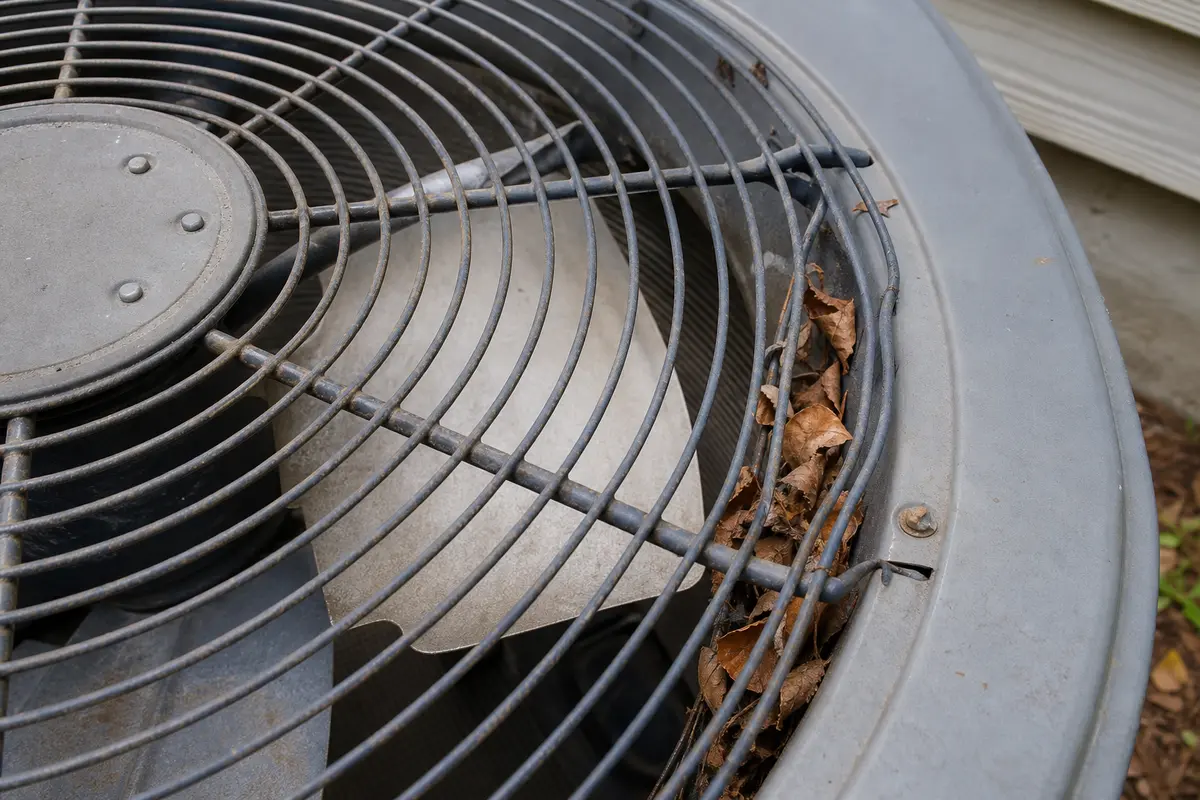
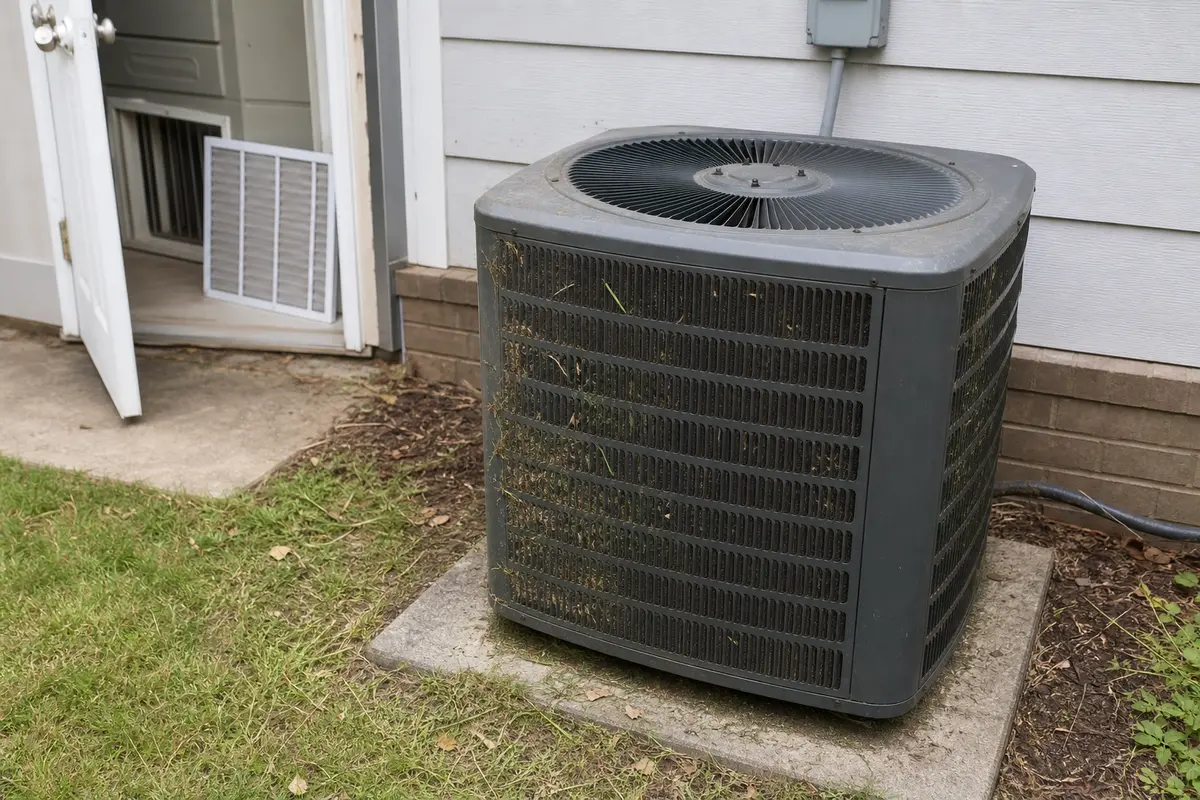
A filter buy is reasonable only when airflow evidence supports it. A brush or hose nozzle is useful only for visible exterior condenser debris. Match the exact model, filter size, visible debris clue, and diagnosis before ordering anything. Capacitors, contactors, relays, boards, and compressors are not sound-only purchases.
This split prevents overreacting to a normal sound and underreacting to a no-start pattern.
Clicking is not a reliable enough symptom for hidden-part shopping.
Use this after locating the sound as closely as you can from a safe distance.
| Click pattern | Most likely branch | Next move |
|---|---|---|
| Single click and normal cooling | Normal relay or expansion sound | Monitor; no part needed. |
| Thermostat clicks, AC does not start | Settings, batteries, schedule, or downstream control issue | Check thermostat basics and accessible power. |
| Outdoor clicks repeatedly | Condenser no-start path | Stop before internal electrical diagnosis. |
| Clicking near fan guard | Debris, loose guard, or panel vibration | Inspect only with power off. |
| Clicking with breaker trip | Electrical fault or overload | Reset once only, then call. |
Some clicks start indoors and are not outdoor component failures.
Loose or dirty exterior parts can sound electrical even when they are not.
The click pattern decides whether a purchase is reasonable.
These help locate and clear safe exterior causes. They are not for internal condenser repair.
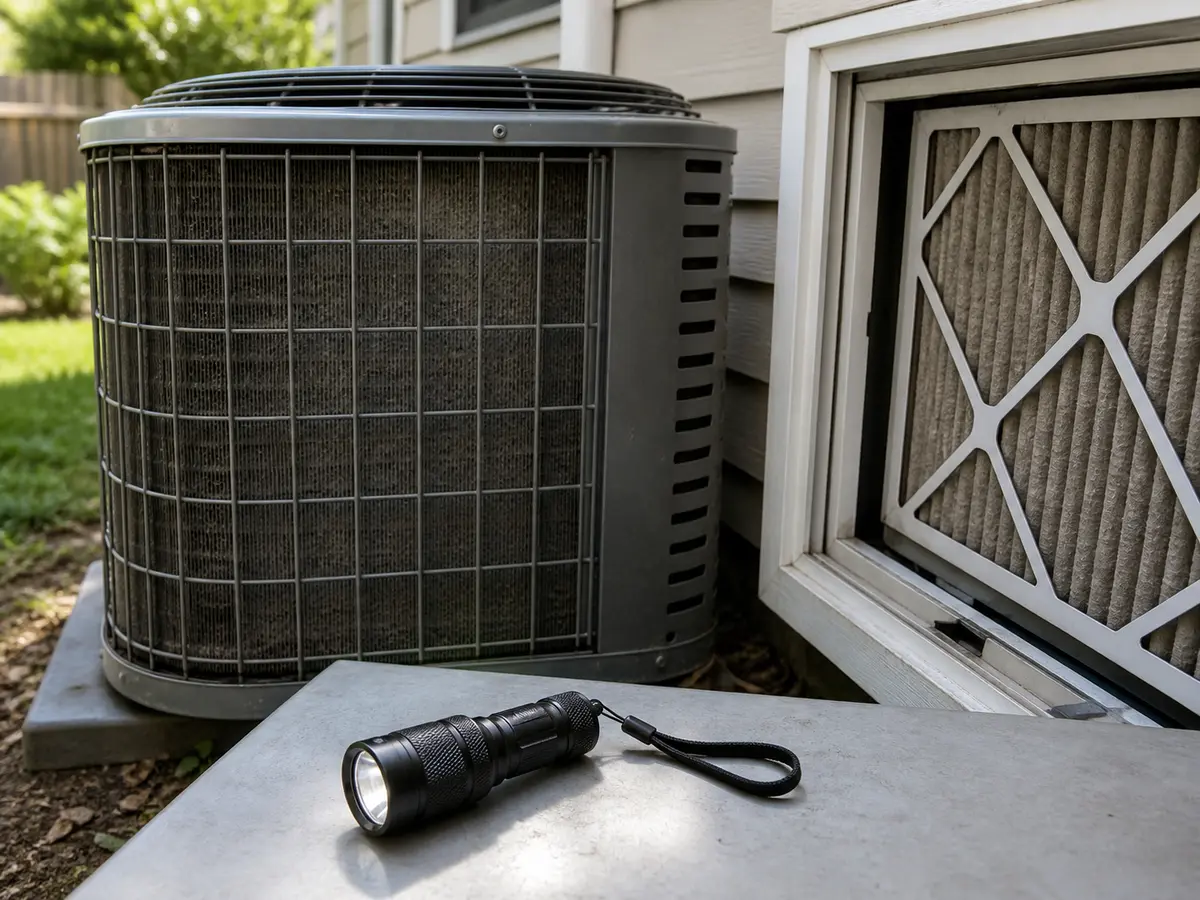
Helps when: Use it to locate whether clicking comes from the thermostat, cabinet, panel, fan guard, or outdoor unit.
Skip it when: Skip inspections that require reaching into a fan grille or opening electrical covers.
Compare inspection flashlights on Amazon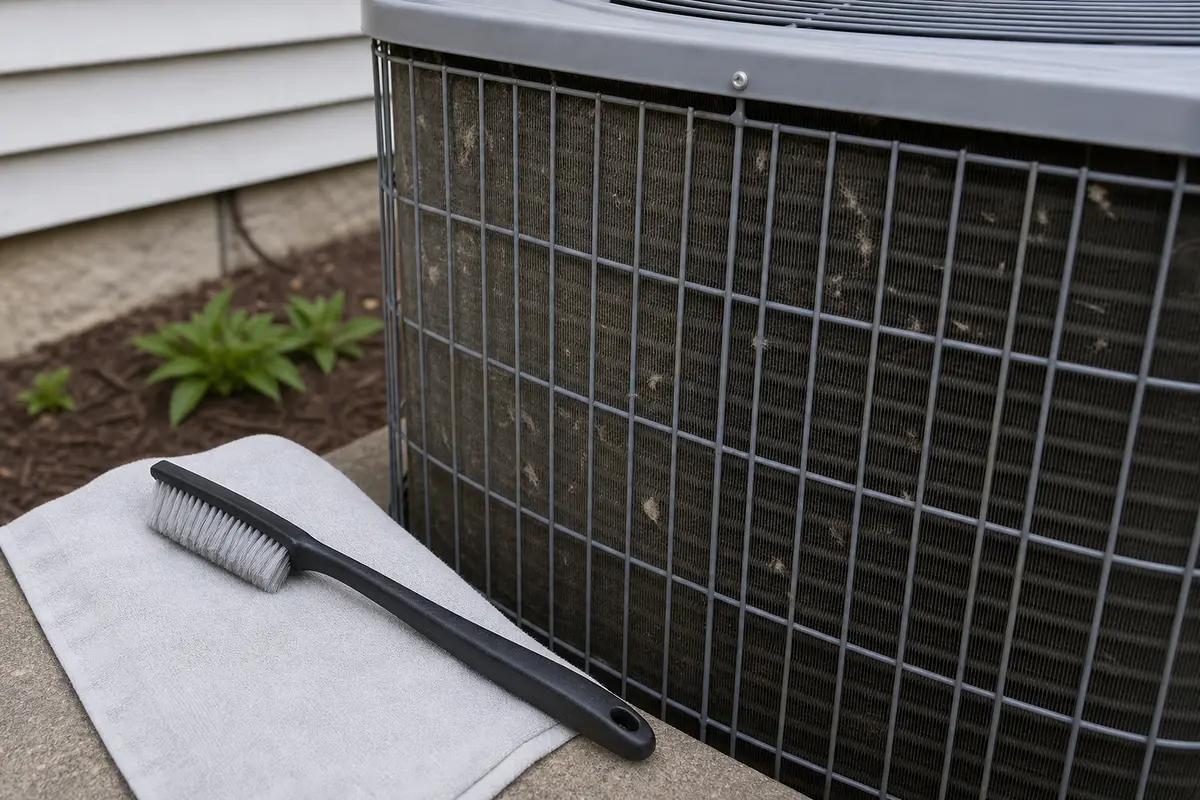
Helps when: Use it for light exterior debris that may rattle or restrict condenser airflow.
Skip it when: Skip brushing damaged fins or reaching inside the cabinet.
Compare soft condenser brushes on Amazon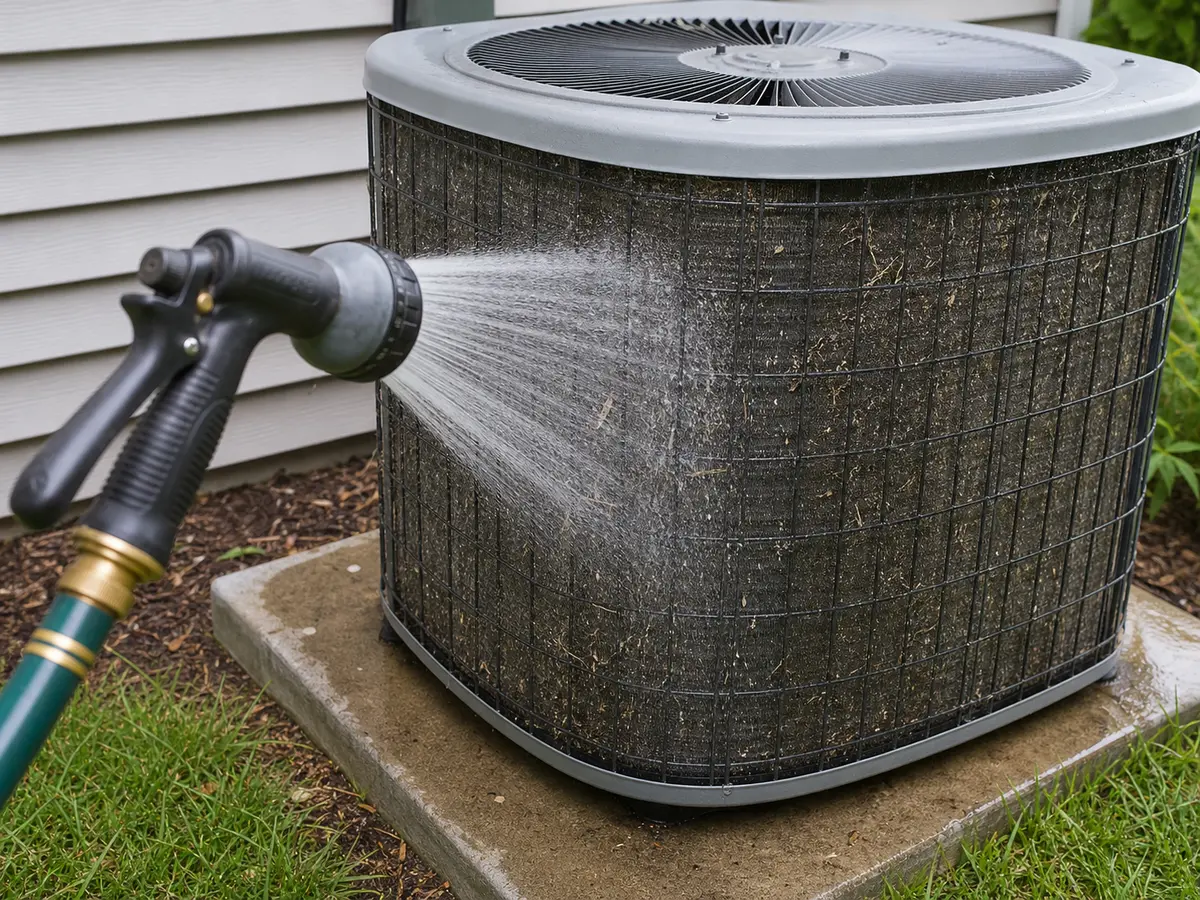
Helps when: Use it for gentle exterior coil rinsing after power is off.
Skip it when: Skip pressure washers and spraying near covers or wiring openings.
Compare gentle hose nozzles on AmazonAs an Amazon Associate I earn from qualifying purchases. Repair Riot may earn a commission at no extra cost to you.
The only common DIY replacement from this symptom is a filter when airflow evidence supports it.
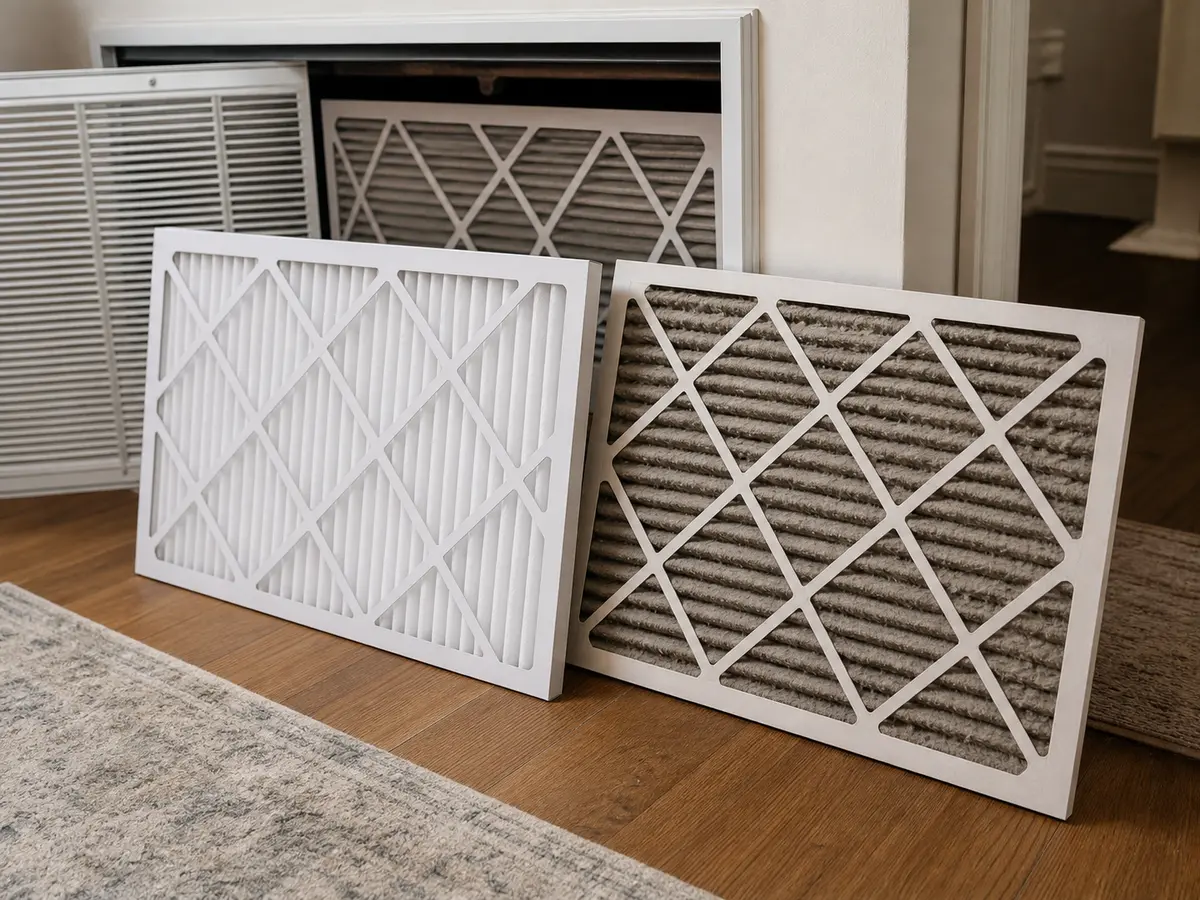
Helps when: Replace a dirty or wrong-size filter when clicking comes with airflow or cycling problems.
Skip it when: Skip filter shopping when the filter is clean and the outdoor unit is repeatedly clicking without starting.
Compare AC filters on AmazonAs an Amazon Associate I earn from qualifying purchases. Repair Riot may earn a commission at no extra cost to you.
Yes. One click at startup or shutdown can be normal if the system starts, cools, and shuts down normally.
Repeated outdoor clicking with no start often points to a condenser no-start path. Check only thermostat, breaker, disconnect, filter, and debris basics, then call for service.
A dirty filter can contribute to odd cycling or airflow strain, but it is not the only cause. Replace it when it is visibly dirty or wrong-size.
Yes. Leaves, loose guards, or rattling panels can click or tap near the fan area. Inspect only with power off.
Not from clicking alone. Capacitors must be matched and tested, and condenser electrical work is not a safe guess-and-buy repair.
Check mode, setpoint, batteries, and delay first. If the outdoor unit still does not start, the problem is downstream.
Turn the system off, reset once only if clearly tripped, and call service if it trips again.
Repeated rapid clicking, burning smell, breaker trips, humming without starting, or no cooling after safe checks are all service-call signs.
Repair Riot built this page around safe homeowner checks: thermostat demand, airflow, filter condition, outdoor condenser behavior, condensate safety, and clear stop points before internal electrical or refrigerant work.