Breaker trips immediately?
Stop and call for service; that is not an airflow cleanup problem.
An AC breaker that trips in the afternoon is often reacting to peak heat load, restricted airflow, a dirty condenser coil, or an outdoor unit working too hard. Reset once only, then use filter, coil, and load clues before assuming a failed compressor.
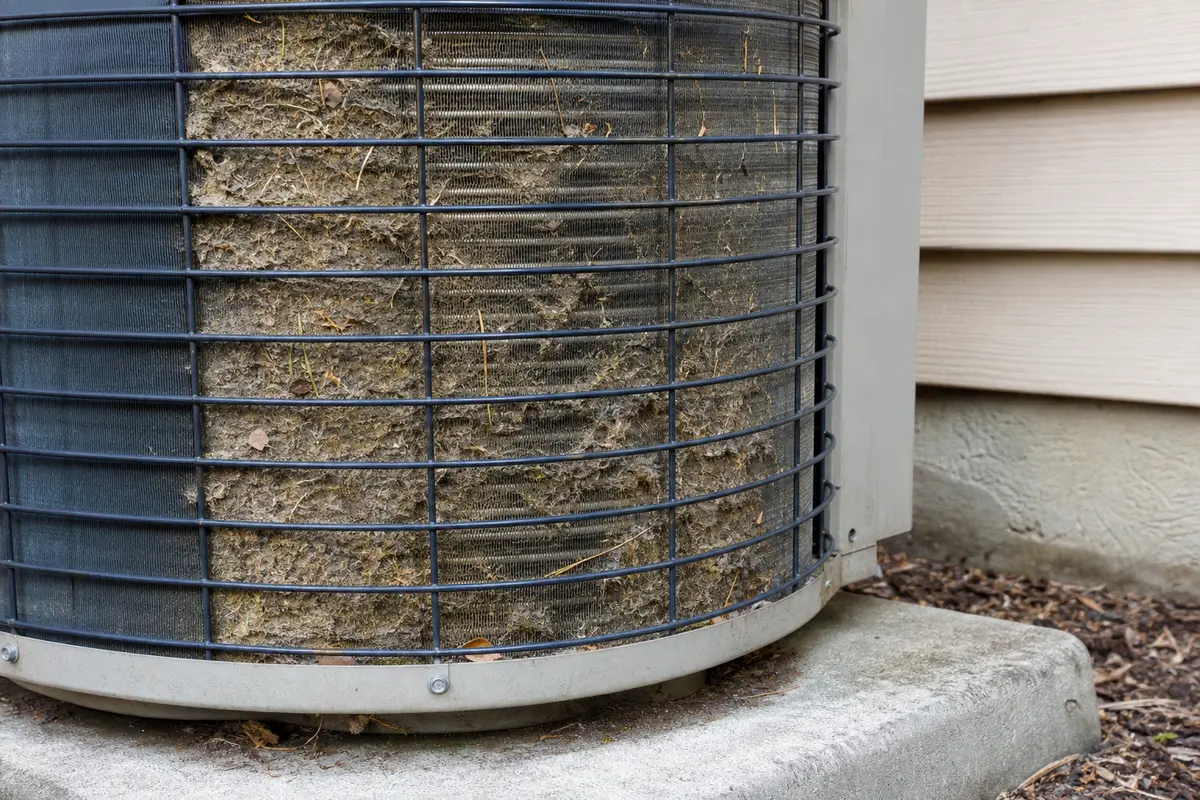
The safe homeowner clues are a packed filter, dirty outdoor coil, blocked condenser airflow, extreme sun load, or a breaker that trips again immediately after one reset.
Afternoon trips usually happen when the system is under maximum load. Treat a repeat trip as a stop sign, not an invitation to keep testing.
Don’t start with: Do not reset the breaker repeatedly or buy compressor parts from an afternoon trip pattern.
Stop and call for service; that is not an airflow cleanup problem.
Check filter, outdoor coil dirt, condenser clearance, and heat load.
Restore airflow before restarting the system.
Shut power off and clean only accessible coil surfaces gently.
Schedule HVAC service for electrical and compressor-load testing.
The afternoon pattern points to heat load, coil condition, and airflow restriction before hidden electrical parts.
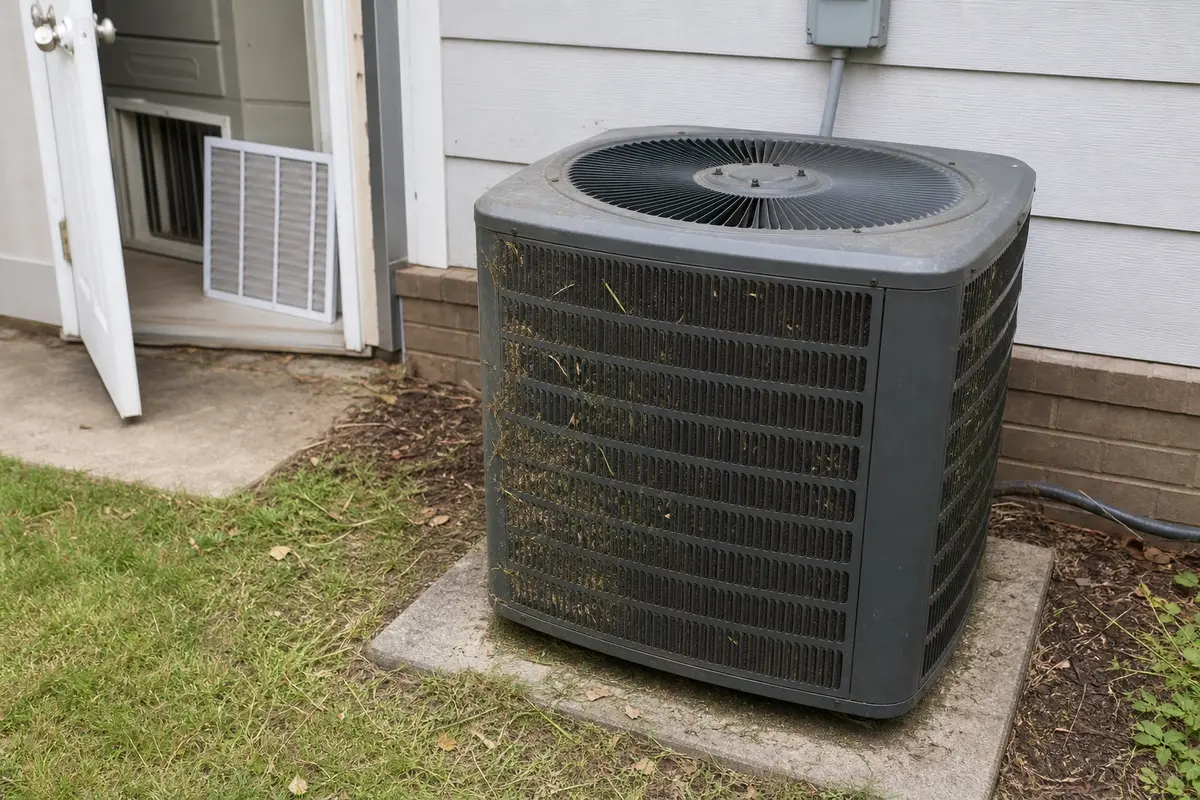
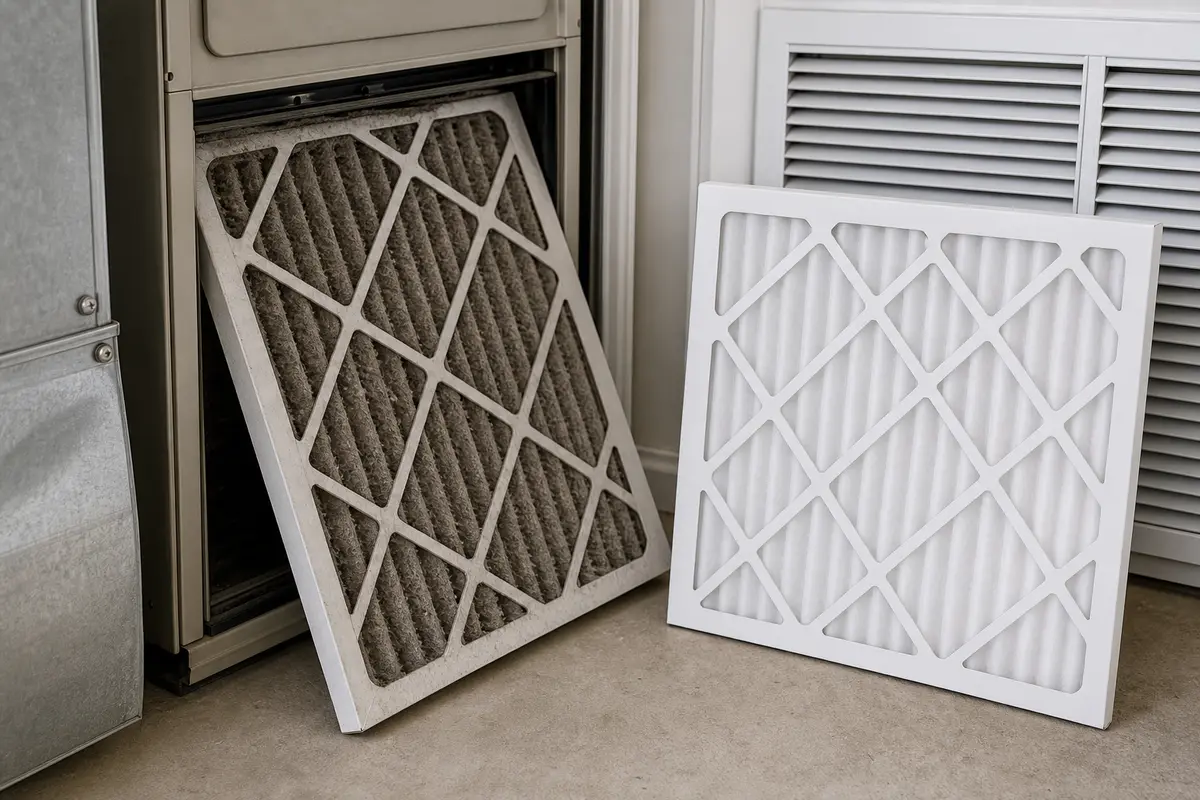
The only likely DIY part is a correct-size filter when airflow evidence supports it. Labeling supplies can help identify the circuit, and a tester belongs only to people staying outside panel internals. Match the exact model, breaker label, filter size, and diagnosis before ordering anything. Breakers, capacitors, contactors, compressor parts, and refrigerant work need a qualified diagnosis.
A trip during peak heat often appears after hours of load, not at the first call for cooling.
The breaker is a safety device. Treat it that way.
Use this after the system is off and the breaker has been reset once at most.
| Trip pattern | Most likely branch | Next move |
|---|---|---|
| Trips immediately | Short, grounded component, or serious electrical fault | Stop and call for service. |
| Trips after hours of heat | Load, airflow, dirty coil, or heat-related component fault | Check filter, returns, coil dirt, and clearance. |
| Trips after outdoor fan struggles | Condenser fan, capacitor, or coil airflow issue | Stop before internal testing. |
| Trips with dirty filter | Indoor airflow restriction | Replace filter and retest once. |
| Trips again after cleaning | Electrical or refrigerant-side diagnosis needed | Schedule HVAC service. |
Start indoors because a dirty filter is common and cheap to rule out.
The outdoor unit has the hardest job in the afternoon.
The trip pattern narrows what is safe to buy.
These support labeling and visual checks, not internal breaker or condenser repair.
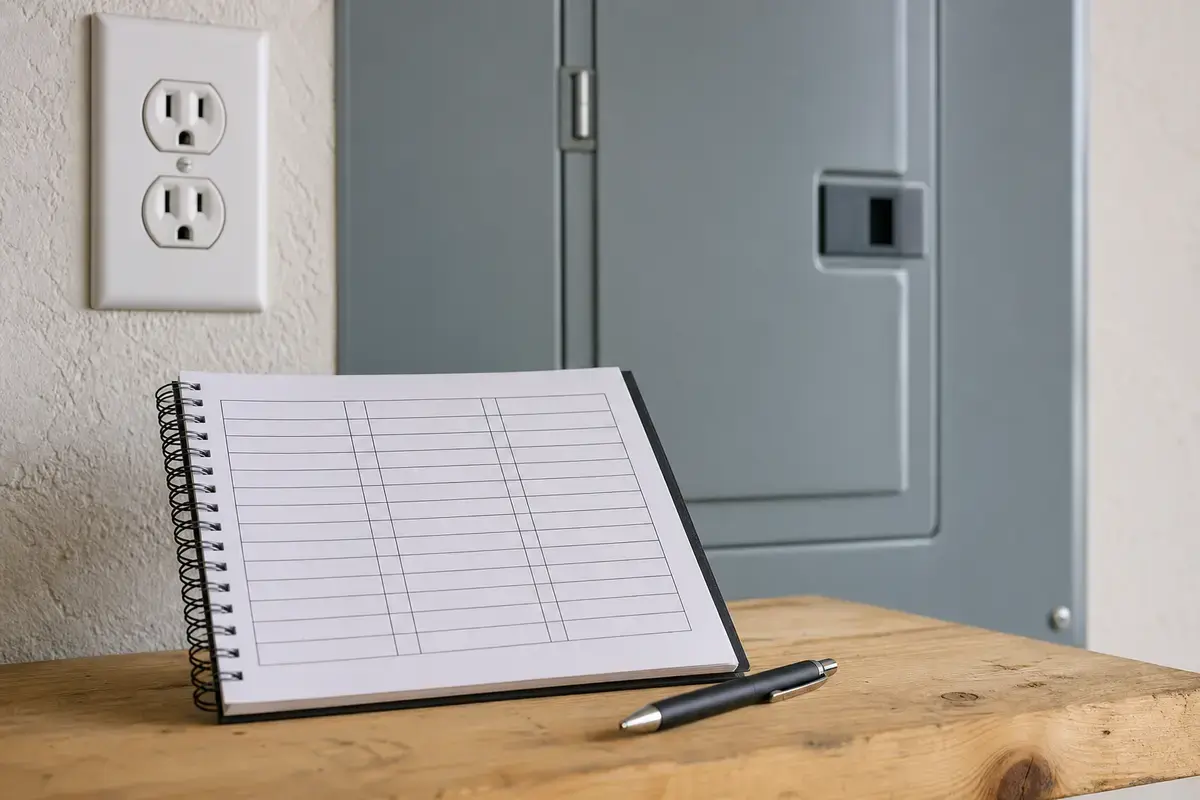
Helps when: Use it to clearly identify the AC circuit after you confirm the correct breaker.
Skip it when: Skip panel labeling if the panel is damaged, hot, buzzing, or unclear.
Compare breaker label kits on Amazon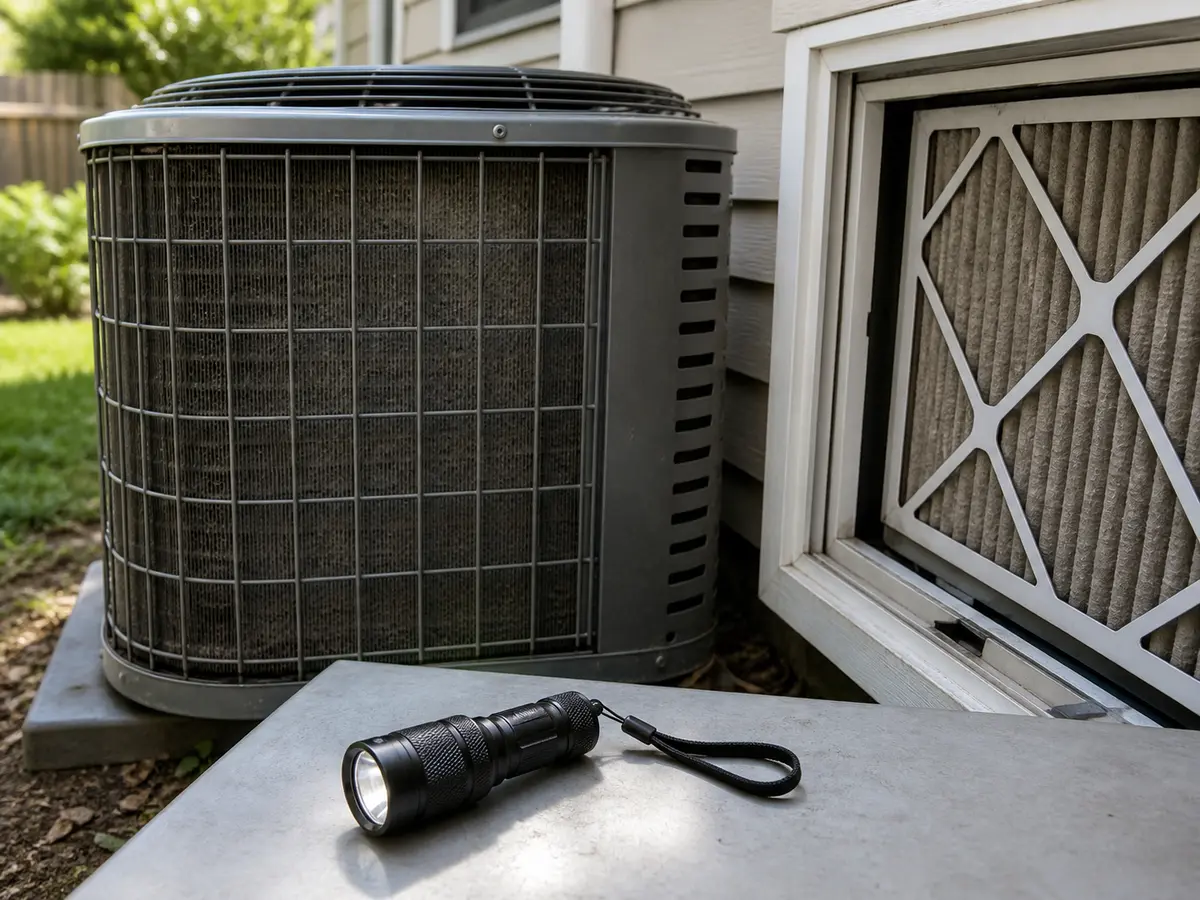
Helps when: Use it to inspect filter condition, condenser dirt, clearance, and readable breaker labels.
Skip it when: Skip opening electrical covers or reaching inside equipment.
Compare inspection flashlights on Amazon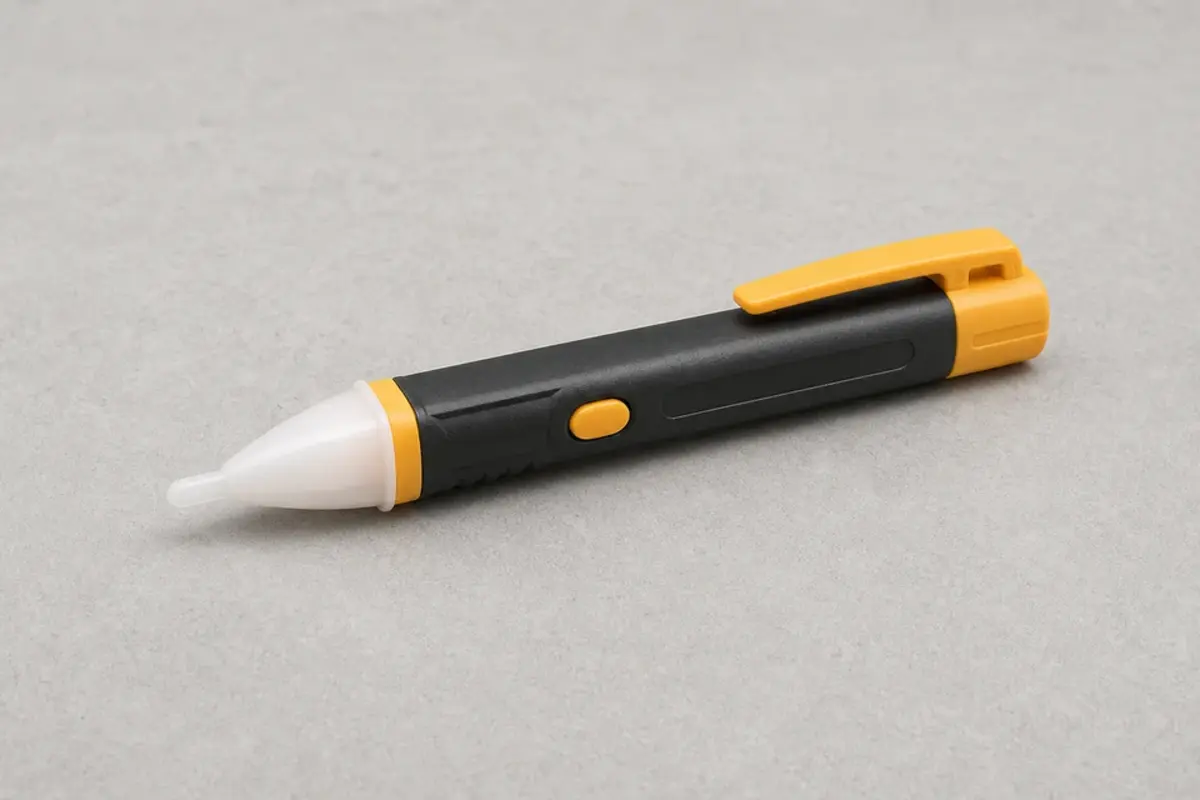
Helps when: Use it only for simple outside-the-panel awareness checks when you already know safe tester limits.
Skip it when: Skip it if you would need to open panel internals or condenser electrical covers.
Compare non-contact voltage testers on AmazonAs an Amazon Associate I earn from qualifying purchases. Repair Riot may earn a commission at no extra cost to you.
Do not treat a tripping breaker as a parts-shopping symptom. The filter is the only common DIY replacement here.
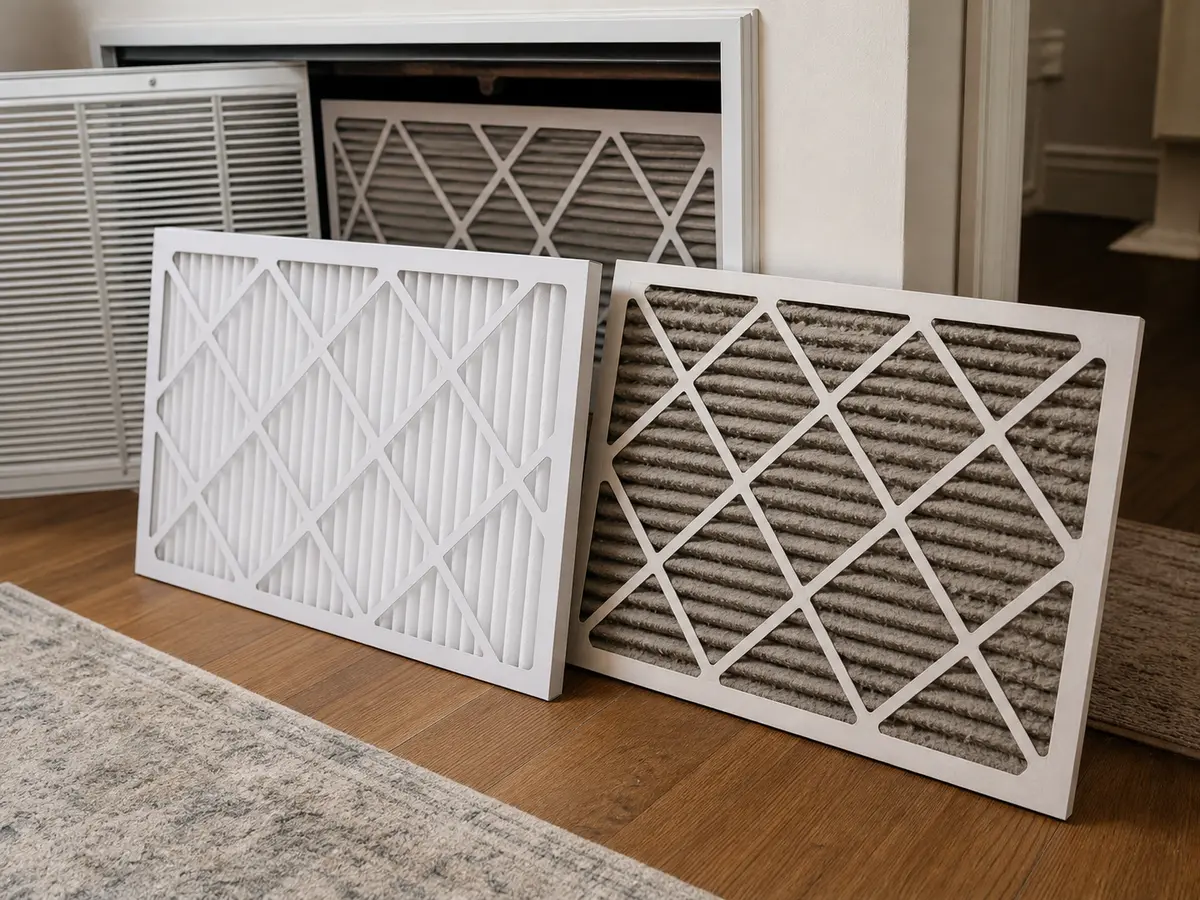
Helps when: Replace a restricted filter that can contribute to long run times and overheating symptoms.
Skip it when: Skip filters that do not match the exact size, thickness, and airflow direction.
Compare AC filters on AmazonAs an Amazon Associate I earn from qualifying purchases. Repair Riot may earn a commission at no extra cost to you.
Afternoon trips often happen under peak heat load. Dirty filters, dirty condenser coils, blocked airflow, weak condenser parts, and electrical faults can all show up when the system works hardest.
Reset it once if it is clearly tripped and the thermostat is off. If it trips again, stop and call for service.
It can contribute by restricting airflow, increasing run time, and causing the system to work harder. It is worth replacing before deeper diagnosis.
Yes. A matted outdoor coil can make the condenser run hotter and under higher load, especially during afternoon heat.
No. A tripping breaker is a symptom. Replacing it without finding the cause can be unsafe and may violate panel compatibility rules.
Not automatically. A compressor problem is possible, but airflow, condenser dirt, fan trouble, and electrical diagnosis come first.
An immediate trip is a stop point. Do not keep resetting it; schedule service.
A correct-size filter and labeling supplies are reasonable when evidence supports them. Hidden electrical and refrigerant parts should wait for a tested diagnosis.
Repair Riot built this page around safe homeowner checks: thermostat demand, airflow, filter condition, outdoor condenser behavior, condensate safety, and clear stop points before internal electrical or refrigerant work.