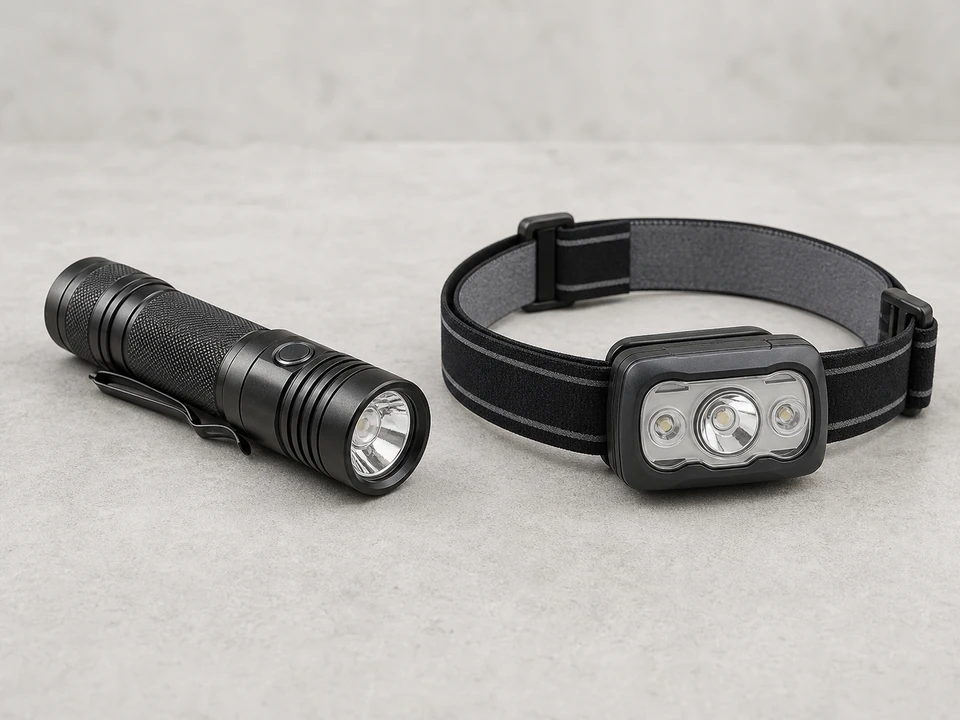
Flashlight
Use it for: Helps you see the outlet face, nearby bathroom or garage outlets, and the breaker labels clearly.
Shop flashlightsTo reset a GFCI outlet, unplug anything connected to it, press the RESET button firmly, and then test the outlet. If it will not reset, check for a tripped breaker, another upstream GFCI, or signs of moisture or damage before trying again.
A GFCI outlet trips when it senses a ground fault or power imbalance. Sometimes it is a simple nuisance trip. Other times it is warning you about moisture, a bad appliance, or a wiring problem. The goal is to reset it safely and make sure it stays on in real use.
Before you start: Match the device style, amperage, and wiring compatibility before ordering. Stop if the repair becomes unsafe or unclear.
Use it for: Helps you see the outlet face, nearby bathroom or garage outlets, and the breaker labels clearly.
Shop flashlights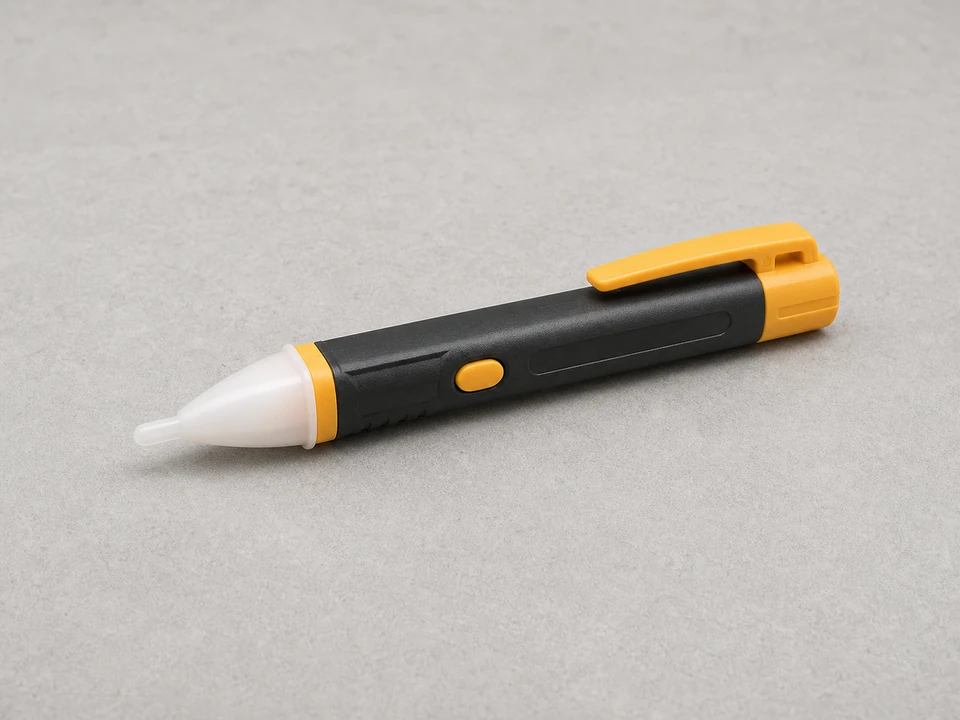
Use it for: Lets you check whether the outlet or nearby wiring appears energized without touching bare conductors.
Shop non-contact voltage testers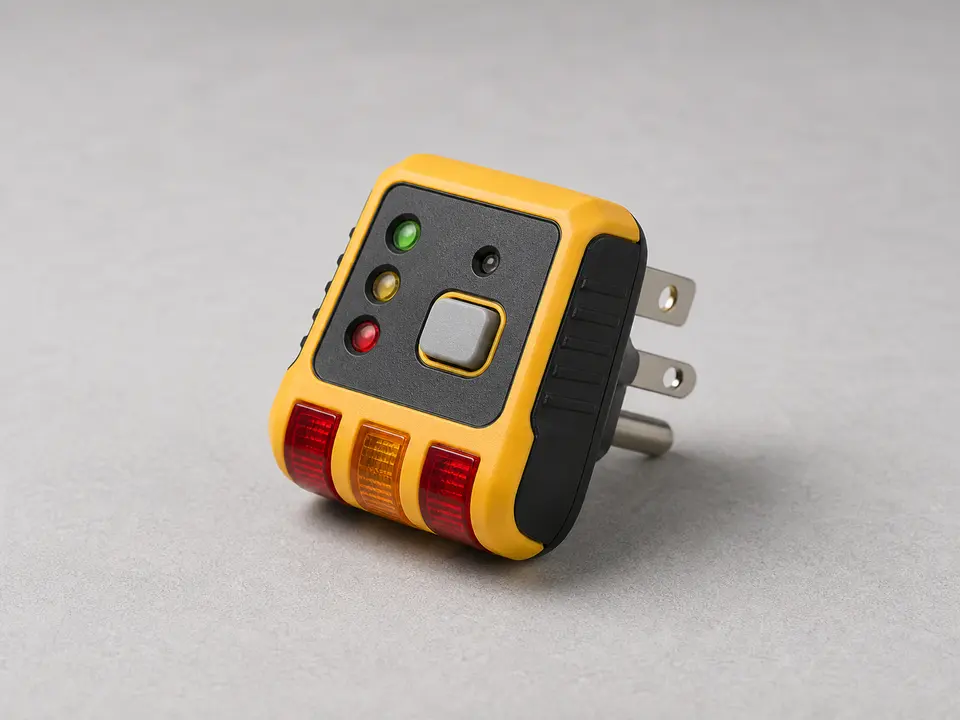
Use it for: Confirms the outlet has power and that the reset actually held.
Shop outlet testers
Use it for: Useful for drying the area if the outlet is near a sink, garage door, exterior wall, or other damp spot.
Shop absorbent towelsAs an Amazon Associate I earn from qualifying purchases. Repair Riot may earn a commission at no extra cost to you.
If it works: You have a tripped or dead GFCI outlet, the area is dry, and connected devices are unplugged.
If it doesn’t: If the outlet has no TEST and RESET buttons, this is not a GFCI reset procedure. Look for a different upstream GFCI outlet or a tripped breaker instead.
If it works: The RESET button stays in and the outlet appears to be back on.
If it doesn’t: If the button will not stay in, the outlet may have no incoming power, another GFCI upstream may be tripped, or the device may be faulty. Continue to the next step.
If it works: Power is restored to the circuit and the GFCI outlet now resets normally.
If it doesn’t: If the breaker trips again or the GFCI still will not reset, keep moving to isolate whether a plugged-in device or the outlet itself is causing the trip.
If it works: You have either restored the outlet with no load connected or identified a plugged-in device that was causing the trip.
If it doesn’t: If the GFCI still will not reset with nothing plugged in, the outlet may be failed or there may be a wiring or moisture issue on the circuit.
If it works: The outlet trips and resets as expected, which shows the reset held and the device responds normally.
If it doesn’t: If the outlet has power but will not trip and reset properly, or it will not restore power after testing, the GFCI outlet may need replacement.
If it works: The GFCI outlet stays reset and works normally under everyday use.
If it doesn’t: If it trips again under normal use, replace the GFCI outlet or have an electrician diagnose moisture intrusion, a damaged appliance, or a wiring fault on the circuit.
The most common reasons are no incoming power, a tripped breaker, another upstream GFCI that is tripped, moisture in the circuit, a bad appliance, or a failed GFCI outlet.
Not for a normal reset. If the outlet is dry and intact, you can usually unplug devices and press RESET directly. Turn off power only if you are replacing the outlet or investigating visible damage.
Yes. One GFCI outlet often protects downstream outlets on the same circuit. That is why a dead bathroom, garage, basement, or exterior outlet may trace back to one tripped GFCI somewhere else.
That usually points to a real cause, not a random glitch. Common causes are a failing appliance, moisture, an outdoor or bathroom issue, or a worn-out GFCI outlet.
If it will not reset with everything unplugged, will not trip and reset properly during testing, or trips repeatedly with no load and no moisture present, the device may be worn out and need replacement.