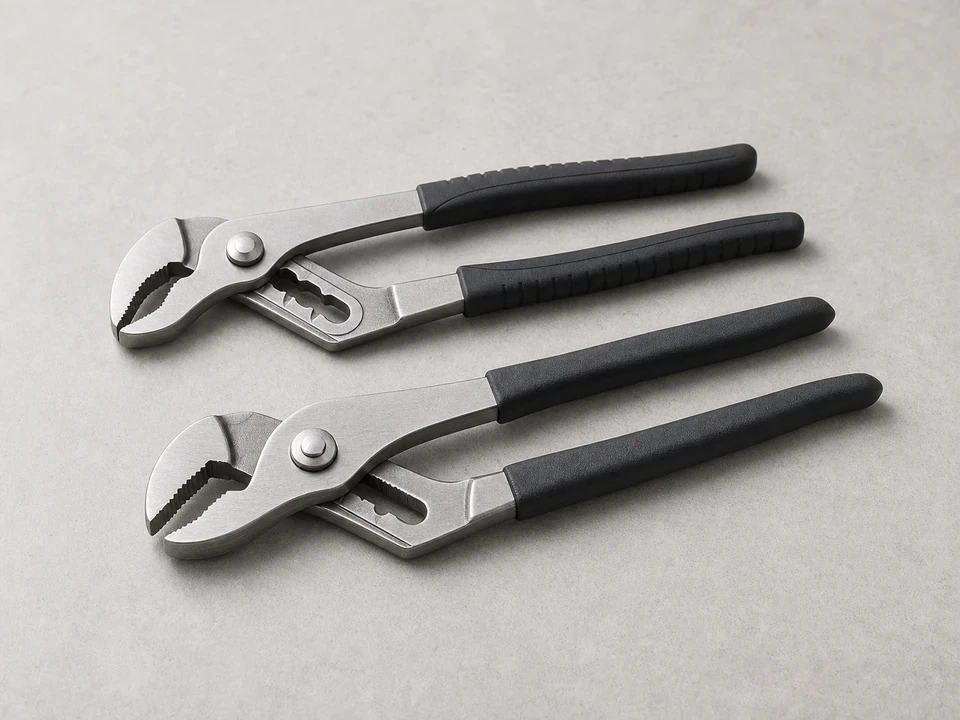
Adjustable pliers
Use it for: To loosen and snug compression nuts or hose-style fittings without over-tightening.
Shop adjustable pliersTo replace a water softener brine line, confirm the tubing is the source of the leak, clog, or air leak, put the softener in bypass, remove the old line, install matching tubing with secure connections, and then run a regeneration check to make sure the unit draws brine normally.
A damaged brine line can keep the softener from pulling salt water from the brine tank. This job is usually straightforward if the tubing is accessible and the fittings are in good shape. The key is using the right size tubing and making clean, snug connections without kinking the line.
Before you start: Match the tubing diameter, line length, connection style, and water softener compatibility before ordering.
Use it for: To loosen and snug compression nuts or hose-style fittings without over-tightening.
Shop adjustable pliers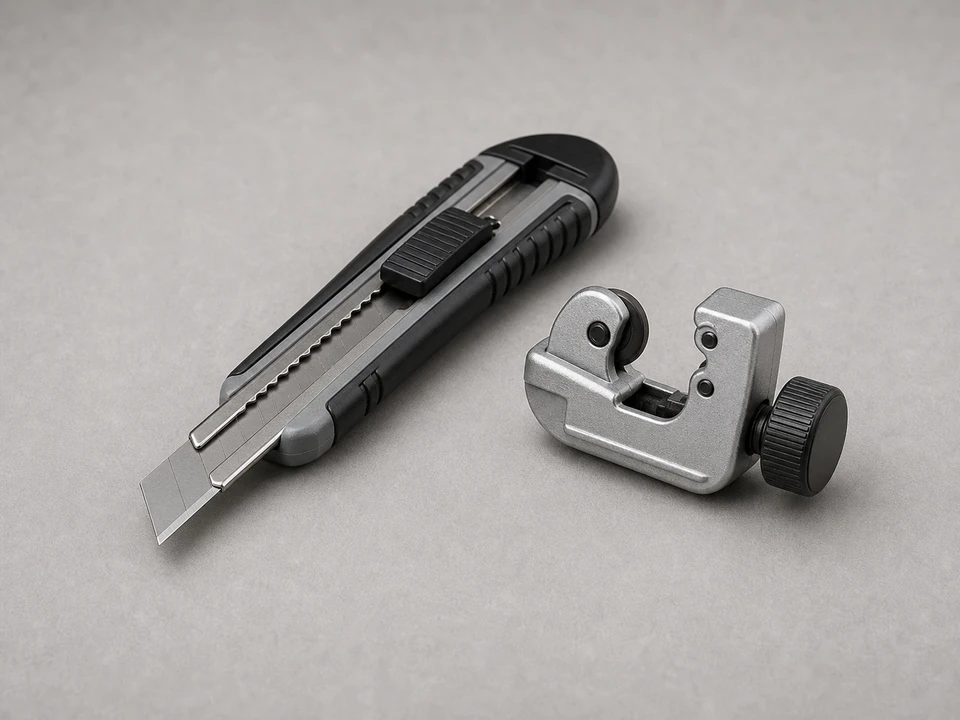
Use it for: To make a clean square cut on the new tubing.
Shop tubing cutters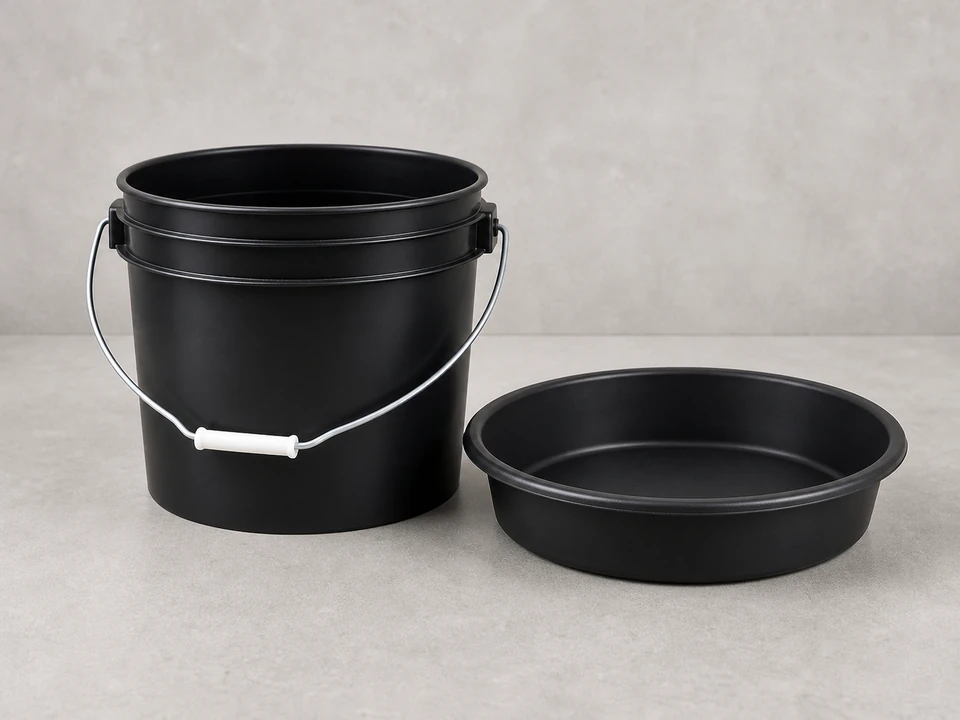
Use it for: To catch any brine or water left in the line when you disconnect it.
Shop drip pans and buckets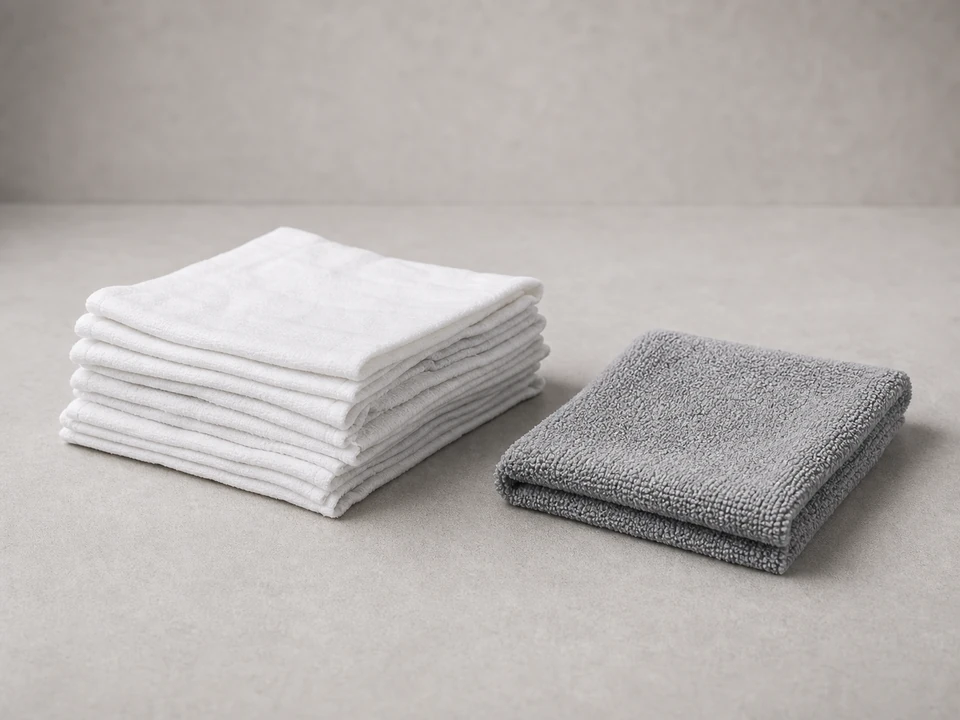
Use it for: To wipe up spills and dry fittings so you can spot fresh leaks.
Shop absorbent shop towels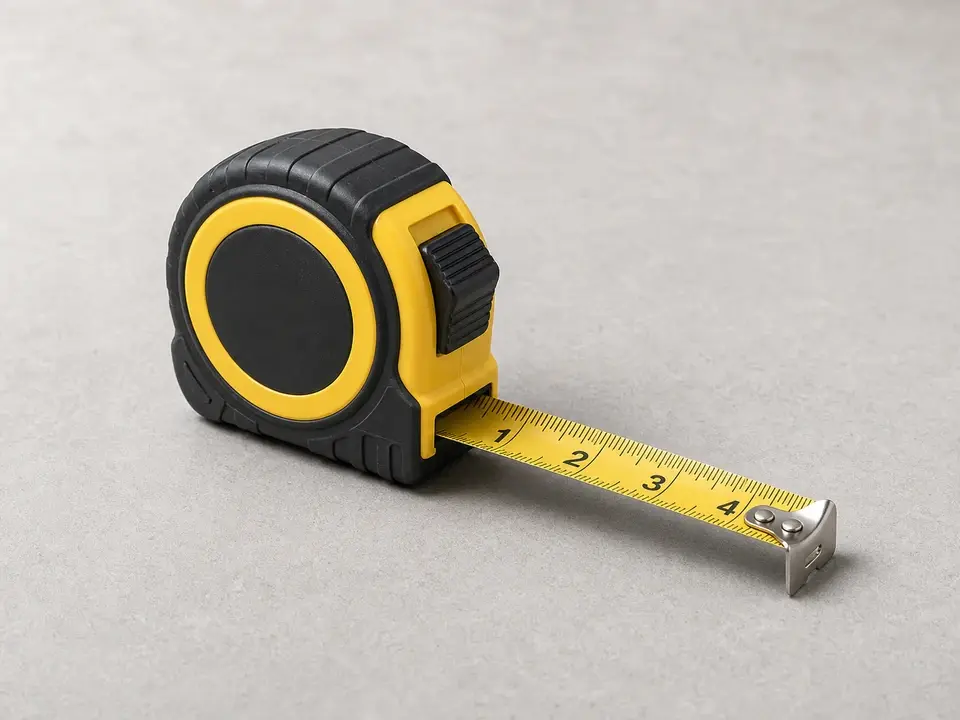
Use it for: To match the replacement line length and tubing size.
Shop tape measuresAs an Amazon Associate I earn from qualifying purchases. Repair Riot may earn a commission at no extra cost to you.
If it works: You have a clear reason to replace the brine line, such as visible damage, a persistent leak, or a line that is blocked or collapsing.
If it doesn’t: If the tubing looks sound and dry, check the brine tank float assembly, injector area, and nearby valve fittings before replacing the line.
If it doesn’t: If the tubing is stuck in a fitting, cut the exposed tubing close to the fitting and remove the remaining piece carefully so you do not damage the connector.
If it works: The softener draws brine normally, the new line stays dry, and the repair holds during real operation.
If it doesn’t: If the softener still does not draw brine, the problem may be in the injector, float assembly, or control valve rather than the line itself.
Match the tubing diameter, line length, connection style, and water softener compatibility before ordering.
As an Amazon Associate I earn from qualifying purchases. Repair Riot may earn a commission at no extra cost to you.
A leaking line usually leaves moisture, salt residue, or visible cracks. A clogged or air-leaking line may not drip much, but the softener may stop using salt properly or fail to draw brine during regeneration.
Yes. Cut it to the needed length with a clean square end. Leave enough slack for gentle bends, but avoid extra loops that can kink or get snagged.
Not always. If the fittings are intact and seal well, you may only need the tubing. Replace fittings or small inserts if they are cracked, worn, or no longer hold the line securely.
The most common causes are the wrong tubing size, a rough or angled cut, missing connection pieces, or overtightening that deforms the tubing. Disconnect it, inspect the end, and reconnect with a clean square cut.
The line may not have been the root problem. Check for issues in the injector, brine tank float assembly, or control valve if the new line is open, properly connected, and not leaking.