Shut the engine off, let it cool, and pull the spark plug wire. Open the air box, lift out the old paper or foam filter, clean the cover and sealing lip, then install a matching filter that sits flat around the full edge. Test the washer under spray load before you blame the carburetor.
A clogged pressure washer air filter can make the engine surge, smoke black, start hard, or bog when you pull the trigger. The fix is usually simple. The important part is matching the filter shape, thickness, and sealing edge so dust cannot sneak around the new filter and into the intake.
Before you start: Do not run the pressure washer with the air filter removed as a shortcut test. One dusty run can pull grit into the engine.
Last reviewed: 2026-06-15
Check the filter before taking the carburetor apart
A rough-running pressure washer can have an airflow problem, a fuel problem, or both. Pull the cover first and look at the filter, air-box lip, foam pre-filter, and intake opening before you buy carb parts.
Good filter-failure clues
This page fits when: The pleats or foam are packed with dust, oily, torn, soft, warped, or crumbling. The engine may run rich, smoke black, stumble on throttle, or bog when the pump loads.
Check something else when: Replace the filter, wipe the air-box lip clean, and retest before touching mixture screws or jets.
Paper versus foam
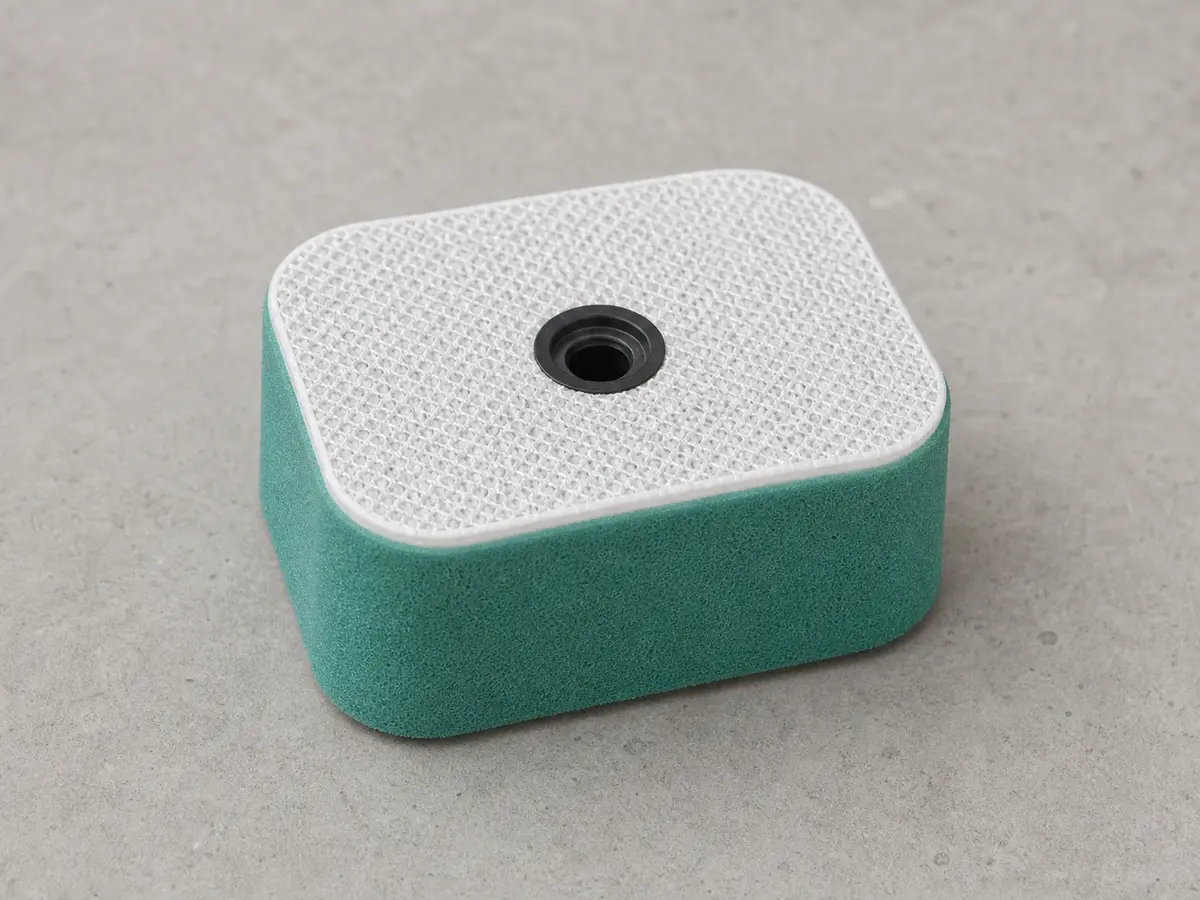
This page fits when: Paper elements are usually replaced. Foam elements are cleaned and re-oiled only when the engine maker calls for it and the foam still holds its shape.
Check something else when: Match the old filter style, thickness, corner shape, and sealing edge instead of switching materials because one is cheaper.
When the filter is not the whole problem
This page fits when: The filter is clean, dry, intact, and seated flat, but the engine still surges, hunts, or only runs with the choke partly on.
Check something else when: Move to fuel age, carburetor jets, choke linkage, spark, or pump load instead of buying a second filter.
Pressure washer air filter fit check
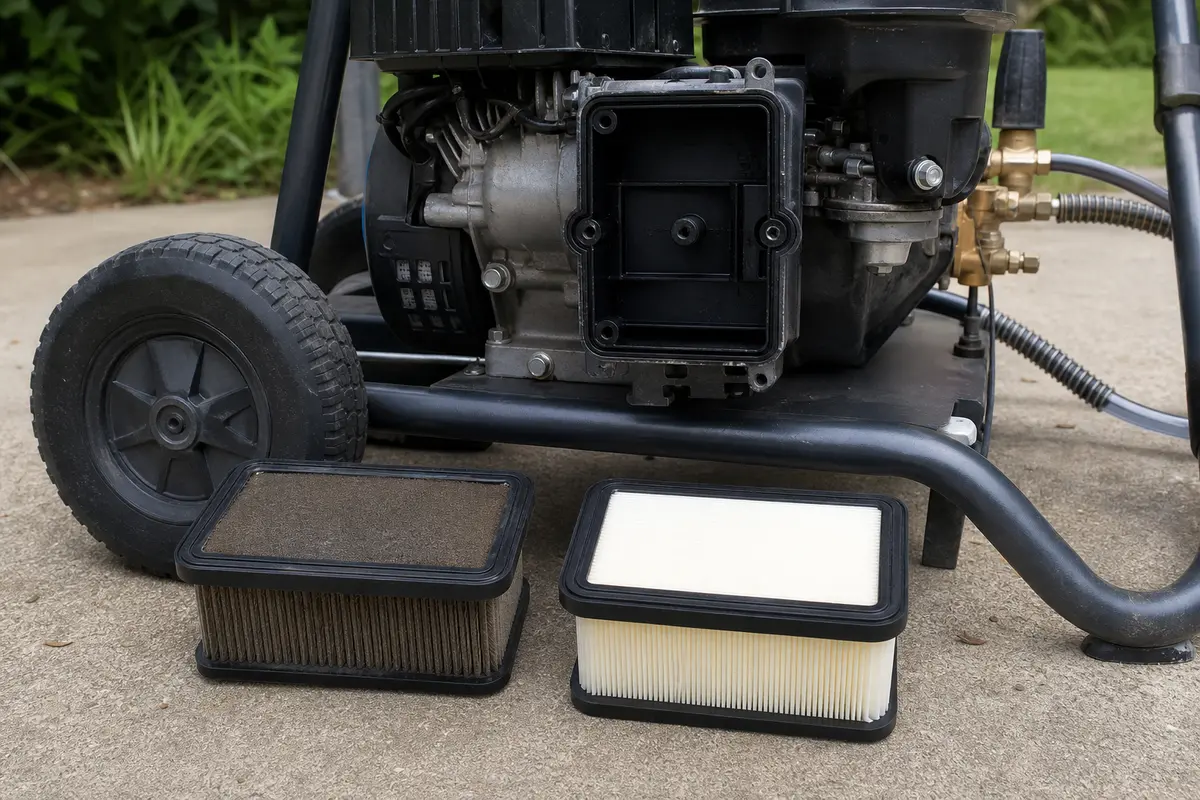
Before you tighten the cover, compare the old and new filters side by side. The shape, thickness, gasket face, and sealing edge matter more than a listing that only says it fits pressure washers.
Match the filter shape, thickness, and sealing edge before closing the cover.Use the engine model and the old filter as the match. A filter that is too thin, too thick, or the wrong corner shape may not seal.
Safety first
Work on the engine only when it is off and cool enough to touch.
Disconnect the spark plug wire before opening the air filter housing.
Keep dirt and hardware out of the intake opening while the filter is removed.
Do not run the engine with the air filter removed except for the briefest necessary check, if at all.
Tools you may need
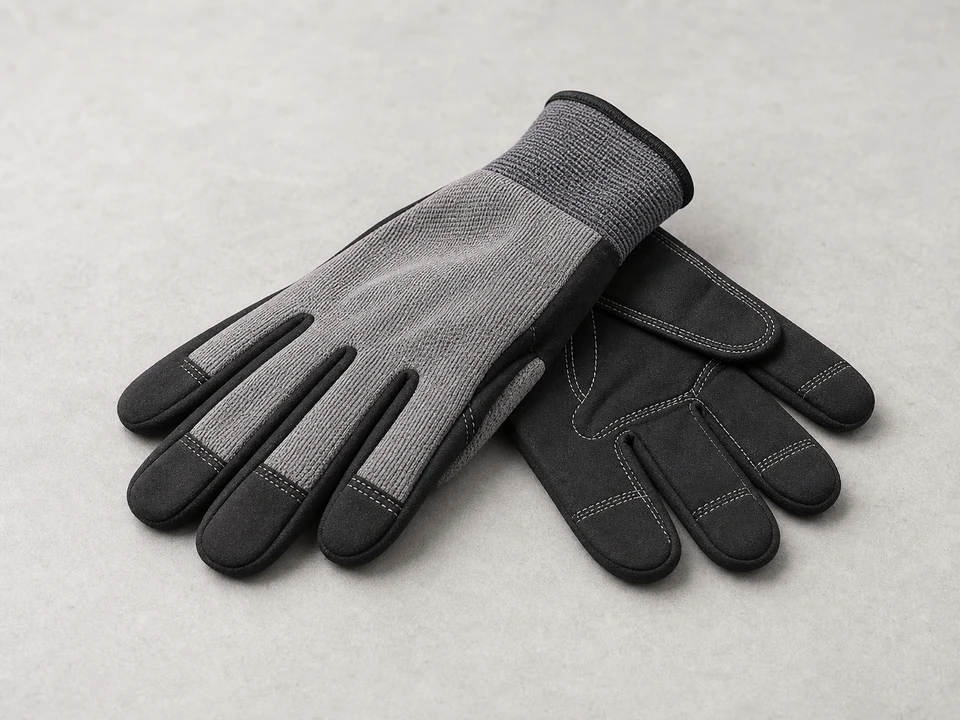
Work gloves
Use it for: Protects your hands around the engine shroud, air-box clips, dirty filter media, and sharp plastic edges after the engine has cooled.
As an Amazon Associate I earn from qualifying purchases. Repair Riot may earn a commission at no extra cost to you.
Step-by-step fix
Step 1: Make sure the air filter is the likely problem
Set the pressure washer on a flat driveway or shop floor with the engine off, cool, and away from open fuel or exhaust heat.
Look for air-filter symptoms: black exhaust smoke, rough idle, surging, weak throttle response, bogging when the trigger is pulled, or a filter face packed with dust.
Open the cover far enough to inspect the filter media, rubber seal, foam pre-filter, and the lip where the filter seats.
Replace the filter if the paper pleats are loaded, the foam is soft or crumbling, the seal is torn, or the filter no longer holds its shape.
If the filter is clean and the engine only runs with the choke partly on, put stale fuel, blocked carburetor passages, or choke linkage next on the list.
If it works: The old filter shows dirt, oil, damage, or poor seal fit, so replacement is a reasonable first repair.
If it doesn’t: If the filter face, seal, and air-box lip look clean and intact, the running problem is more likely fuel, carburetor, choke, spark, or pump load.
Stop if:
The air filter housing is cracked and cannot seal properly.
You find heavy oil inside the air box or signs of engine damage rather than normal dirt buildup.
Step 2: Shut the machine down and open the air filter housing
Turn the fuel valve off if your pressure washer has one, then let the muffler, cylinder shroud, and air-box area cool.
Before you touch the cover, move the spark plug wire off the plug so the engine cannot start accidentally near the intake area.
Check the cover seam and look for every screw, clip, tab, or wing nut before you pry on the plastic housing.
Remove the fasteners and place the hardware in a small tray so it cannot roll under the frame.
Lift the cover off slowly, then confirm loose grit is brushed away from the top edge before it falls into the intake opening.
Take a quick photo of the filter orientation, gasket side, foam pre-filter, and retainer plate before you pull anything apart.
If it works: The air filter housing is open, the cover hardware is accounted for, the intake is protected from loose dirt, and the old filter orientation is documented.
If it doesn’t: If the cover will not come off, check again for a hidden screw, clip, or retaining tab before forcing it.
Stop if:
The cover or base is broken badly enough that it will not hold the new filter in place or seal against dust.
Step 3: Remove the old filter and clean the housing
Pull the old filter straight out and keep track of which face pointed outward and which face pointed toward the carburetor.
Cover or guard the intake throat while you brush dry dirt from the cover groove, air-box corners, and filter seat.
Use a clean rag on the sealing ledge where the filter gasket rests. A dusty lip can hold the new filter up and create an air leak.
Inspect the old filter for crushed corners, missing foam, torn paper, oil saturation, or dirt trails around the edge that show bypass.
Do not wash a paper filter. Clean a foam filter only if the engine manual allows it and the foam is still springy, intact, and able to seal.
If it works: The old filter is out, the air-box lip is clean, and the intake has not been fed loose grit.
If it doesn’t: If dirt fell into the intake area, remove what you can carefully before installing the new filter.
Stop if:
You cannot clean the sealing surface well enough for the new filter to sit flat.
The intake area contains loose debris that may be pulled into the engine.
Step 4: Install the new pressure washer air filter
Set the old and new filters side by side and compare length, width, thickness, corner radius, paper-or-foam style, tabs, gasket face, and sealing edge.
Test-fit the new filter by hand. It should drop into the housing squarely without shaving foam, bending pleats, or rocking on the lip.
Place the filter in the same orientation as the old one and press lightly around the full perimeter to confirm the gasket sits flat.
Reinstall any pre-filter, retainer, cover, screws, clips, or wing nut, then tighten only until the cover holds the filter snugly.
Look around the cover seam. A gap, pinched gasket, or bowed plastic cover means the filter is wrong or sitting crooked.
If it works: The new filter matches the housing, seals flat around the edge, and the cover closes without forcing it.
If it doesn’t: If the cover will not close normally, remove the filter and confirm you have the correct replacement and orientation.
Stop if:
The replacement filter does not match the housing closely enough to seal.
The cover only closes by crushing or bending the filter.
Step 5: Reconnect and start the pressure washer
Reconnect the spark plug wire.
Turn the fuel valve back on if you shut it off earlier.
Start the engine and let it idle for a minute with the cover installed, not with the filter exposed.
Listen for steadier idle, cleaner throttle pickup, and less hunting compared with before the repair.
Watch for black smoke, fuel smell, loose cover movement, or a filter cover that rattles from a missing screw.
If it runs worse, shut it off and recheck that the filter is not backward, doubled up, pinched, or blocking the choke linkage.
If it works: The engine starts and runs with the new filter installed.
If it doesn’t: If the engine still runs poorly, check that the filter is seated correctly and that the cover is fully closed before moving on to fuel or carburetor troubleshooting.
Stop if:
The engine will not start and you smell strong fuel, see leaking fuel, or notice anything unsafe around the engine.
Step 6: Verify the repair under normal use
Connect water, purge air from the hose and pump, and run the washer with the trigger engaged so the engine sees a real pump load.
Use it for several minutes on a normal cleaning pass instead of judging the repair from idle alone.
Confirm the engine accelerates cleanly, holds speed under spray load, and does not smoke or bog the way it did with the old filter.
Shut it off, let vibration stop, and recheck the cover screws, clips, gasket edge, and filter seating.
If it works: The pressure washer runs cleaner under load, and the new filter stays sealed after a real spray test.
If it doesn’t: If the same symptoms return, the air filter was not the only cause and the next likely checks are fuel quality, carburetor condition, choke operation, or spark.
Stop if:
The engine still surges badly, smokes heavily, or loses power even with a clean correctly installed filter.
Match the engine model and filter shape before ordering.
As an Amazon Associate I earn from qualifying purchases. Repair Riot may earn a commission at no extra cost to you.
Verify the repair
The new filter matches the old one in shape and fits the housing without force.
The air filter cover closes fully and holds the filter snugly.
The engine starts and idles without obvious air leaks or loose cover movement.
Under normal spraying, the engine runs cleaner and more steadily than before.
FAQ
How do I know my pressure washer air filter needs replacement?
Replace it if it is visibly dirty, oil-soaked, torn, warped, crumbling, or packed with dust. A bad pressure washer air filter can also show up as black smoke, rough running, surging, poor power, or bogging when you pull the trigger.
Can I clean the old air filter instead of replacing it?
Sometimes a foam filter can be cleaned if it is still intact and the engine maker allows it. A paper filter usually should be replaced rather than washed. If the filter is damaged, oil-soaked, or heavily clogged, replacement is the better fix.
What happens if I use the wrong air filter?
A filter that is too small, too thin, too thick, or the wrong shape may not seal. That can let dirt into the engine or restrict airflow the wrong way, so match the engine model and air-box fit before installing it.
Can I run the pressure washer without the air filter to test it?
It is better not to. Even a short run without a filter can pull dust into the engine, especially outdoors where pressure washers are usually used.
Why is my pressure washer still surging after I replaced the air filter?
The air filter may have been only part of the problem. Surging often also points to stale fuel, a dirty carburetor, a sticking choke, or another engine issue.
Sources and reference notes
Repair Riot uses related field pages and source references to keep the fit, safety, and stop-condition guidance grounded in real repair situations.