Several registers sweat?
Check indoor humidity, dirty filter, blocked returns, closed supply registers, and fan Auto setting first.
If registers sweat when the air conditioner runs, dry the grille and watch where fresh water forms. Several wet vents point to indoor humidity or low airflow; one wet ceiling register puts the boot gap, cold metal boot, and missing insulation higher on the list.
Many damp vents usually mean humidity or airflow. One damp vent means inspect that opening, boot seal, nearby duct insulation, and local damper before buying a new register.
Fog on a muggy day can be harmless. Dripping, stained drywall, or repeat beading needs airflow, humidity, and boot checks.
Don’t start with: Don't replace the grille first. A new register will sweat if the metal behind it stays cold or humid air leaks around the opening.
Check indoor humidity, dirty filter, blocked returns, closed supply registers, and fan Auto setting first.
Look for a loose grille, boot gap, missing attic insulation, crushed duct, or stuck local damper.
Treat it as an airflow restriction before buying a grille: filter, returns, dampers, dust, or duct restriction.
Suspect humid air leaking around the boot or missing insulation above that opening.
Stop cooling and schedule HVAC service before opening equipment or guessing at parts.
Buy only after the exact diagnosis points to a damaged register, broken damper, or wrong-size grille.
The first wet spot separates surface condensation from a boot leak, weak airflow, or missing attic insulation.
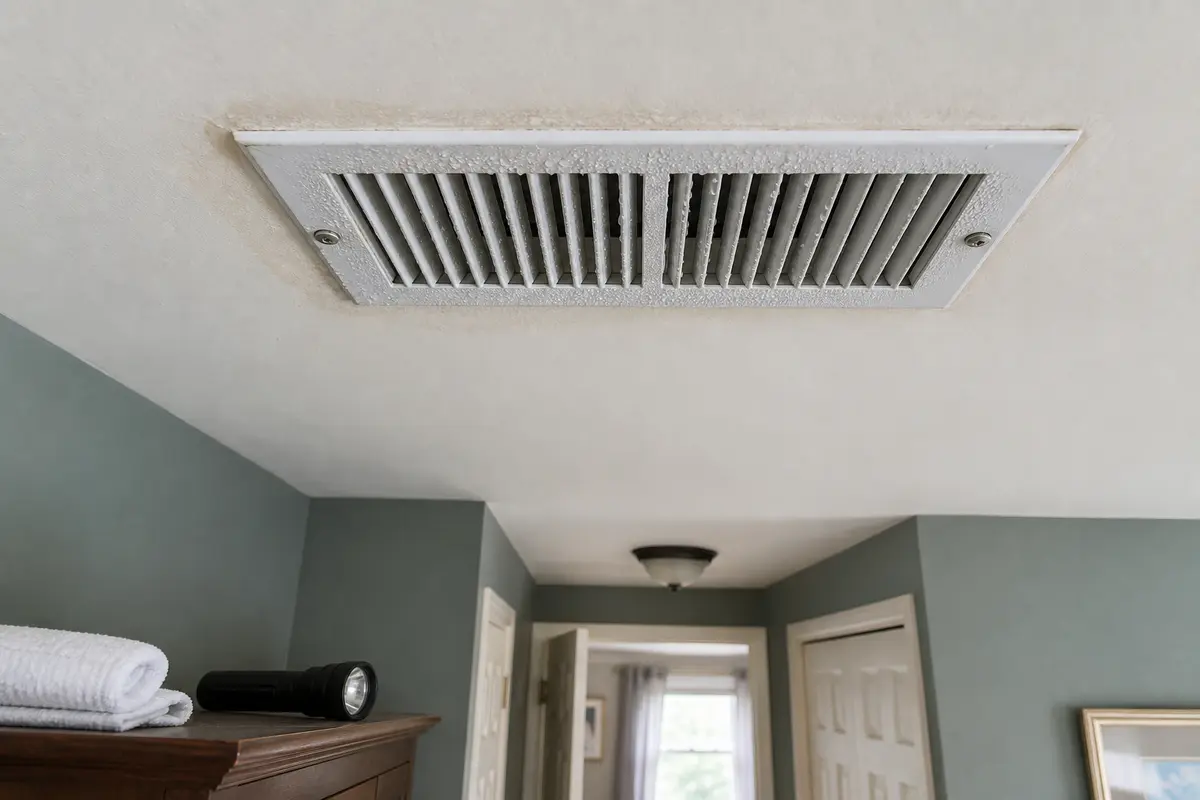
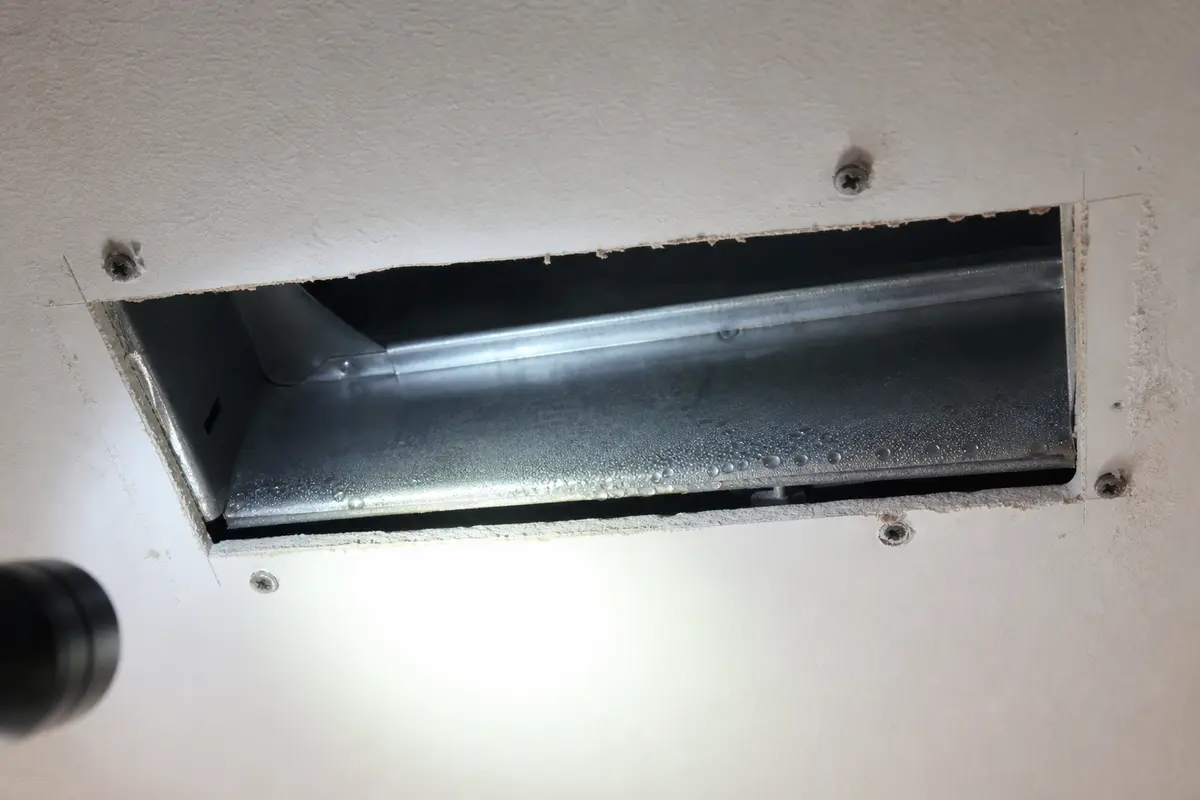
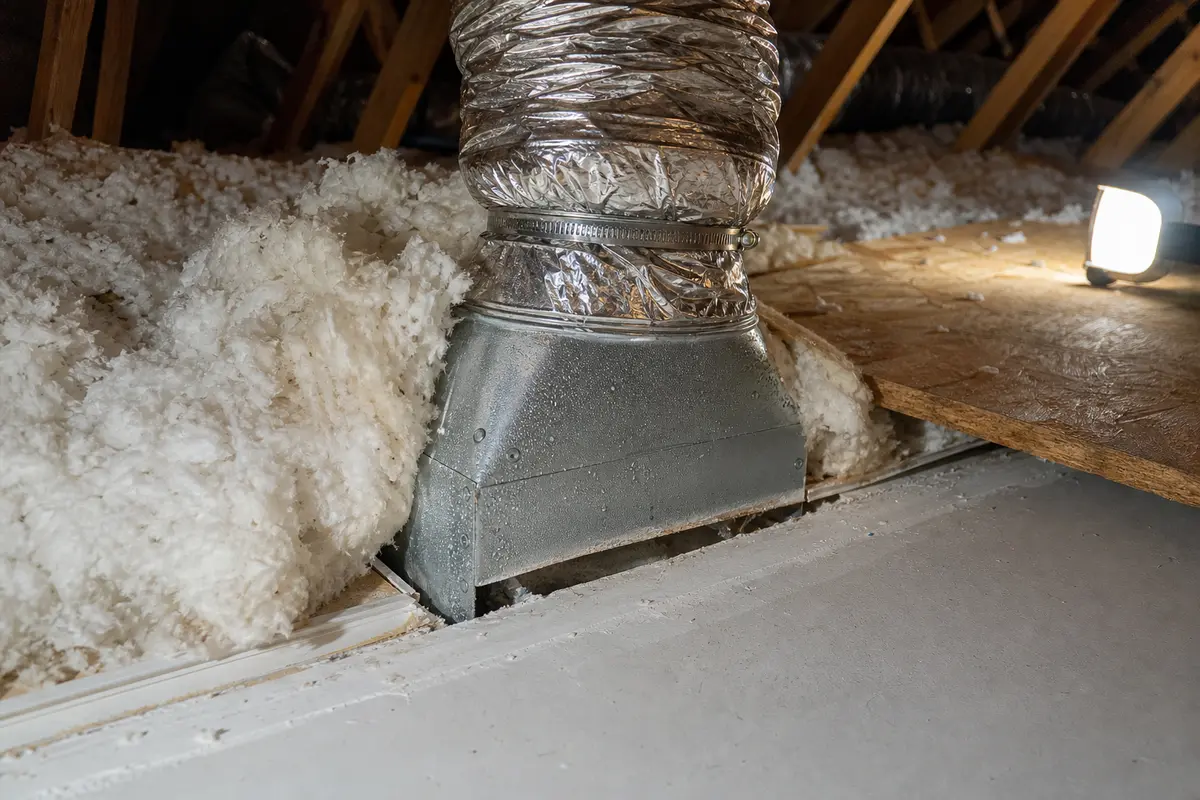
Treat a wet grille as a clue, not a failed part. Dry it, sort humidity versus airflow versus a boot gap or missing insulation, then buy only after the exact diagnosis points to a damaged register or local damper. Match the opening size, screw pattern, blade direction, and damper style before ordering.
Do not start with the wettest spot alone. Start with the pattern across the house.
A simple dry-and-watch check keeps you from chasing the wrong source.
Use this table after the grille is dry and the AC has run long enough for the symptom to return.
| Clue | Likely path | Next move |
|---|---|---|
| Many registers sweat | Humidity or airflow | Check filter, returns, open registers, fan Auto, and indoor humidity. |
| One ceiling register sweats | Local boot or duct run | Inspect grille fit, boot gap, attic insulation, duct kink, and local damper. |
| Vent is very cold with weak air | Airflow restriction | Clear safe restrictions first; call service if weak air is housewide. |
| Drywall edge wets first | Air leak or missing insulation | Look above the opening only if attic access is safe. |
| Ice or water at air handler | System service issue | Stop cooling and schedule HVAC diagnosis. |
When several registers sweat, leave the grille alone at first. Check the filter, returns, closed supply registers, fan Auto setting, and indoor humidity because house air or weak airflow is usually setting up the condensation.
A single sweating ceiling register often has a cold metal boot sitting in humid air above the ceiling.
Most wasted money on this problem comes from treating condensation like a broken grille.
These tools support safe visible checks. They do not turn hidden duct, electrical, blower, or refrigerant work into a DIY repair.
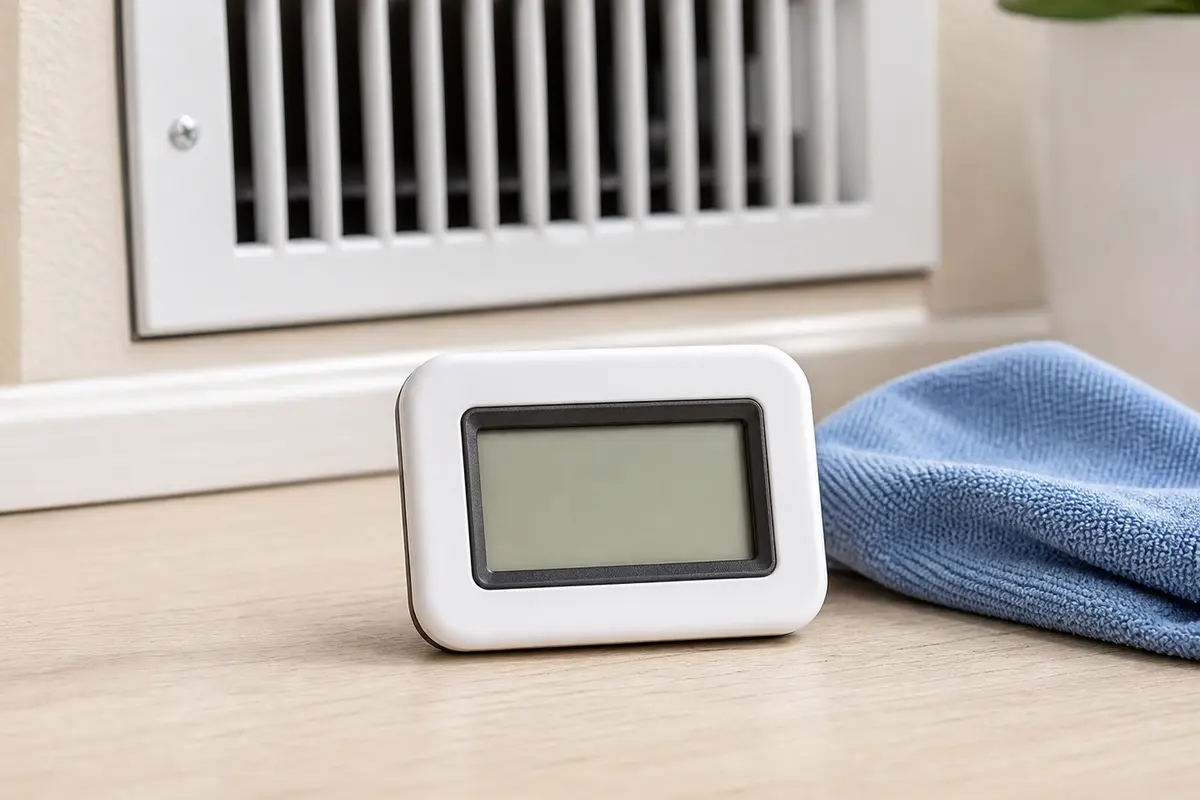
Helps when: Use it to see whether the room stays humid while the registers are cold. A high humidity reading moves moisture control ahead of grille replacement.
Skip it when: Skip it if you already have a reliable thermostat or monitor that shows room humidity.
Compare digital hygrometers on Amazon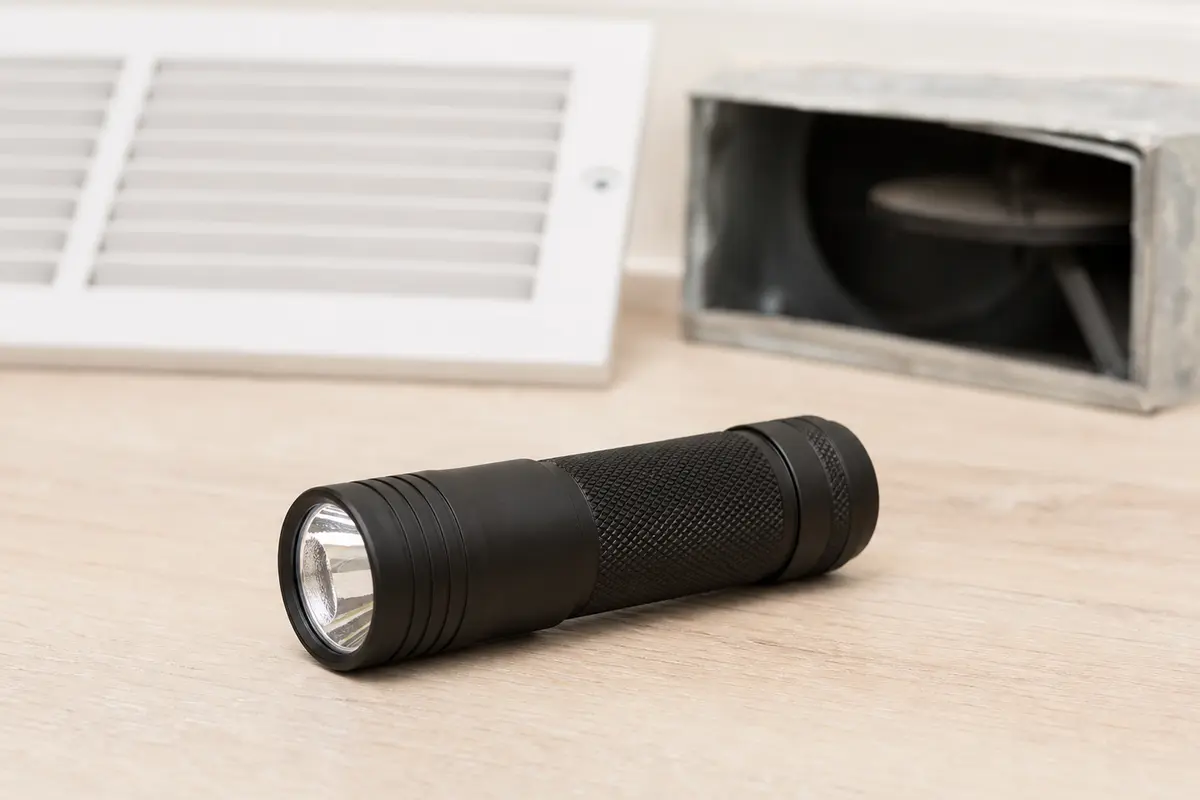
Helps when: Use it to look for boot gaps, stuck dampers, dust buildup, displaced insulation, and water marks without reaching into unsafe spaces.
Skip it when: Skip any inspection that requires unsafe attic footing, wet electrical areas, or opening HVAC equipment compartments.
Compare inspection flashlights on Amazon
Helps when: Use towels to dry the grille and ceiling so you can see where fresh moisture starts.
Skip it when: Skip bleach, harsh solvents, or mixed cleaners on painted registers, drywall, duct liner, or insulation.
Compare clean towels on AmazonAs an Amazon Associate I earn from qualifying purchases. Repair Riot may earn a commission at no extra cost to you.
Keep the parts list narrow. A sweating register needs diagnosis before shopping.
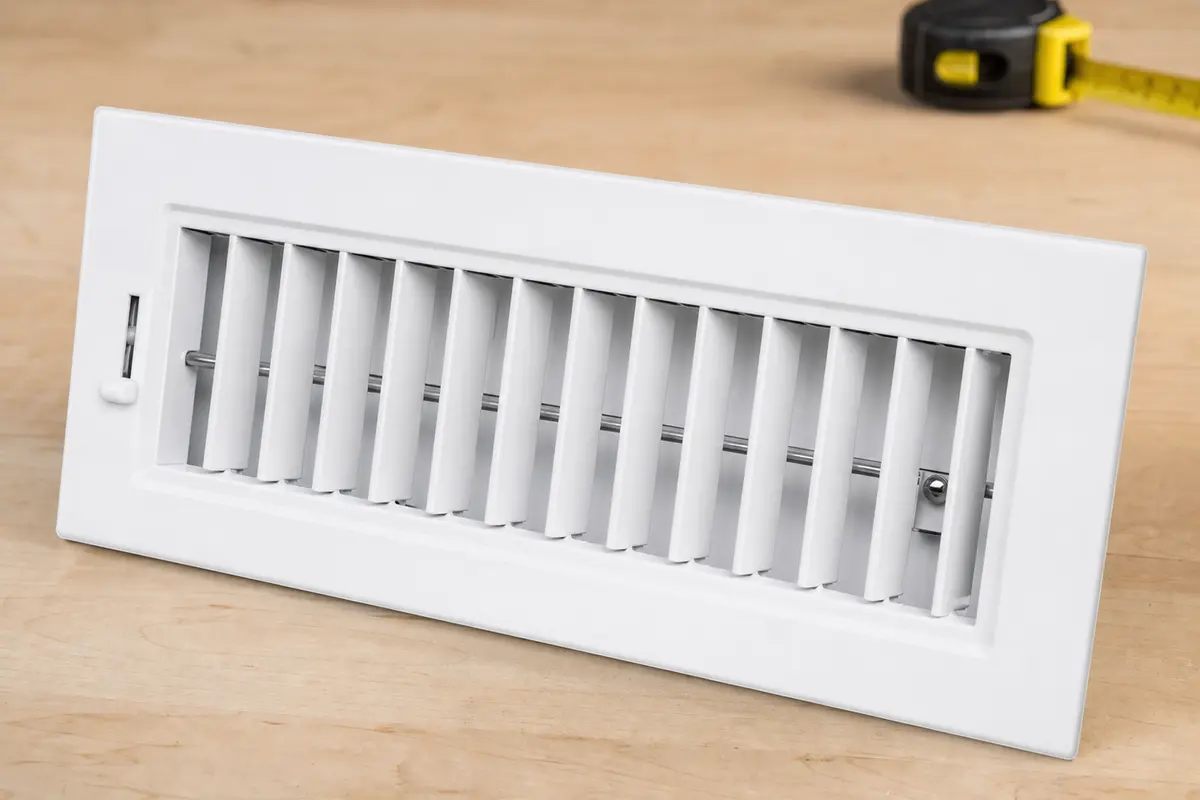
Helps when: Use it when the old ceiling grille is rusted, warped, will not sit flat, or its built-in damper is damaged after the moisture source is sorted.
Skip it when: Avoid this purchase when the grille is only wet; humidity, airflow, boot gaps, and insulation come first.
Compare ceiling supply registers on Amazon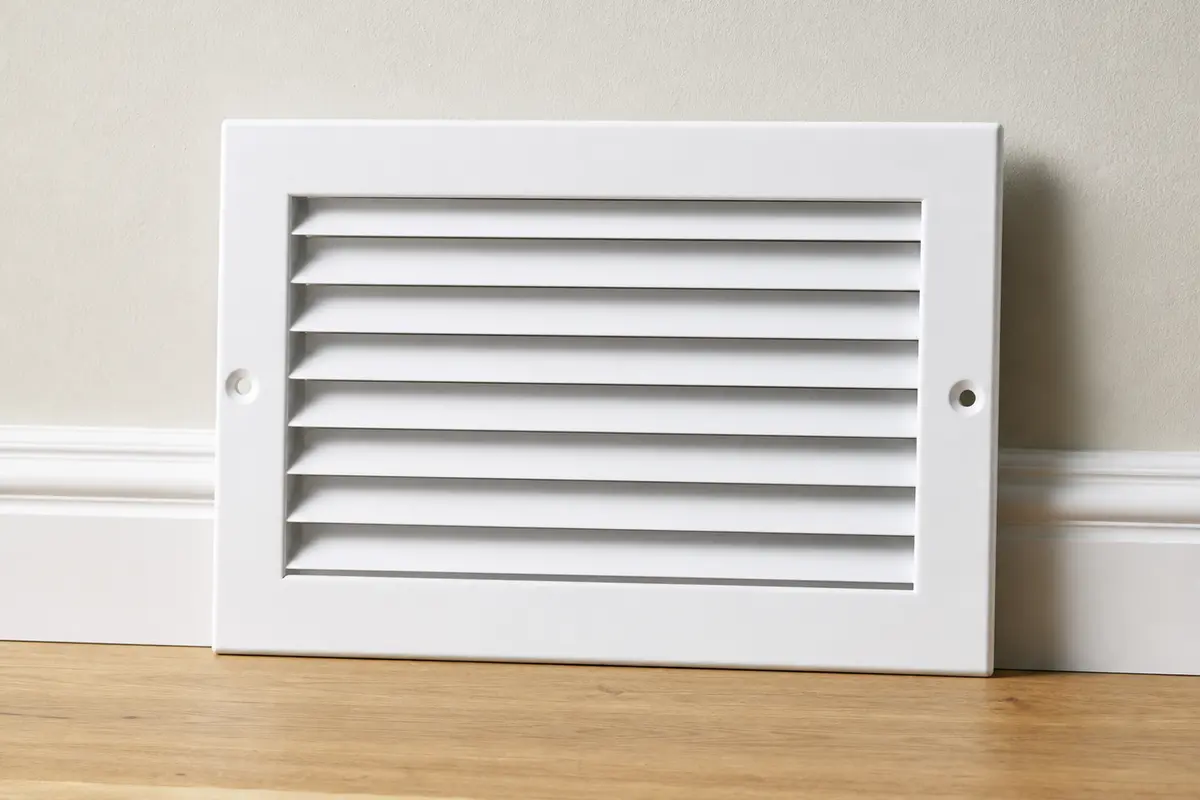
Helps when: Use it when a wall register is bent, will not sit flat, or has a damaged built-in damper at the affected vent.
Skip it when: Do not buy it for a ceiling boot, attic insulation, or weak-airflow problem elsewhere in the house.
Compare wall supply registers on Amazon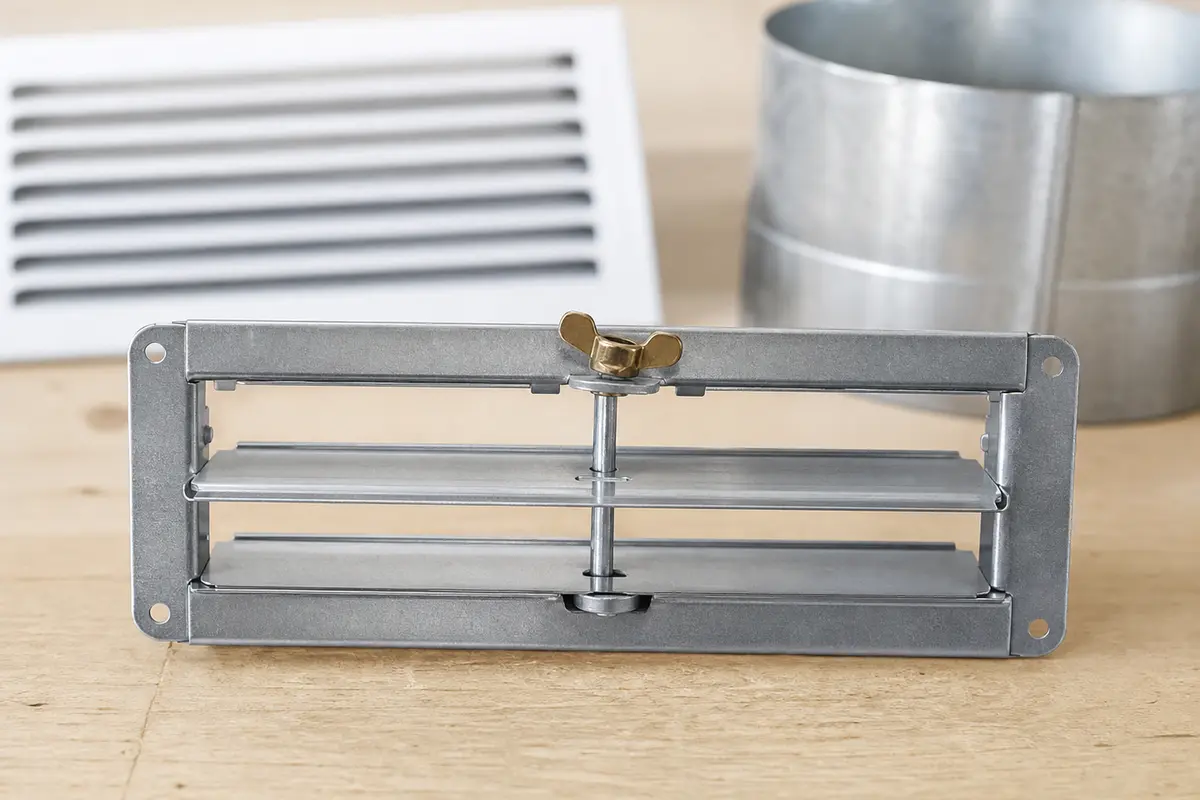
Helps when: Use it only after you confirm the affected vent has a replaceable damper that is stuck, broken, or missing.
Skip it when: Hold off if the duct run is crushed, the boot is uninsulated, or the system has low airflow in several rooms.
Compare register dampers on AmazonAs an Amazon Associate I earn from qualifying purchases. Repair Riot may earn a commission at no extra cost to you.
On muggy days, the room air carries more moisture. If several registers bead up only during humid weather, check indoor humidity and airflow before blaming one grille.
Yes. A dirty filter can cut airflow enough that the supply air and metal register get colder than they should. That makes condensation more likely, especially when indoor humidity is already high.
One wet ceiling register usually points to that run, not the whole house. Compare airflow with nearby vents, then look for missing boot insulation, an air leak at the ceiling opening, a crushed duct run, or a stuck local damper.
Caulk only after the wet edge at the vent proves moisture is coming through the boot opening. Check airflow and humidity first; if air is weak, the house is humid, or insulation is missing above the ceiling, a trim bead alone will not stop it.
Not usually. Beads that start on the cold register face are condensation, not liquid water leaking from AC equipment. If the drywall edge or ceiling cavity is wet, stop treating it as a grille problem and check for hidden duct issues or another water source.
Usually no. Fan On can move humid air across cool metal between cooling cycles and leave rooms clammy. Try Auto as the default, then watch whether the register stays dry; use a different fan setting only if a technician has told you to.
Yes. Closing several registers can reduce airflow and make the remaining metal surfaces colder. Open closed supply vents first, then watch whether the sweating eases before looking for a damaged grille.
Buy a register only if the old one is rusted, bent, will not sit flat, or has a damaged built-in damper. Measure the opening and screw pattern before ordering, and skip the grille if the only clue is moisture from humidity, low airflow, a boot gap, or missing insulation.
Repair Riot built this page around visible homeowner checks: where water starts, how many registers sweat, filter and return restrictions, safe attic clues, and stop points for wet drywall, electrical, refrigerant, or blower work.