Is it a brief click, pop, crack, or light gurgle while cooling is normal?
That can be normal refrigerator operation. Listen for a repeated harsh sound before taking panels apart.
Start by matching the noise to its location while it happens. Usually, the useful clue is whether it changes when you press the cabinet or open the freezer door; check leveling, loose items, frost, and the lower rear fan before buying parts.
The best first checks are loose items, leveling, tubing or drain-pan contact, frost on the freezer back panel, and debris near the lower rear condenser fan.
Use one short listen, one door-open check, and one safe visual inspection before removing covers.
Don’t start with: Do not buy a compressor, control board, or fan motor from noise alone. Press the cabinet, open the freezer door, and check the lower rear fan area first so the part matches a real symptom.
That can be normal refrigerator operation. Listen for a repeated harsh sound before taking panels apart.
Treat it as vibration first. Check leveling, loose bins, drain-pan fit, tubing contact, and wall clearance.
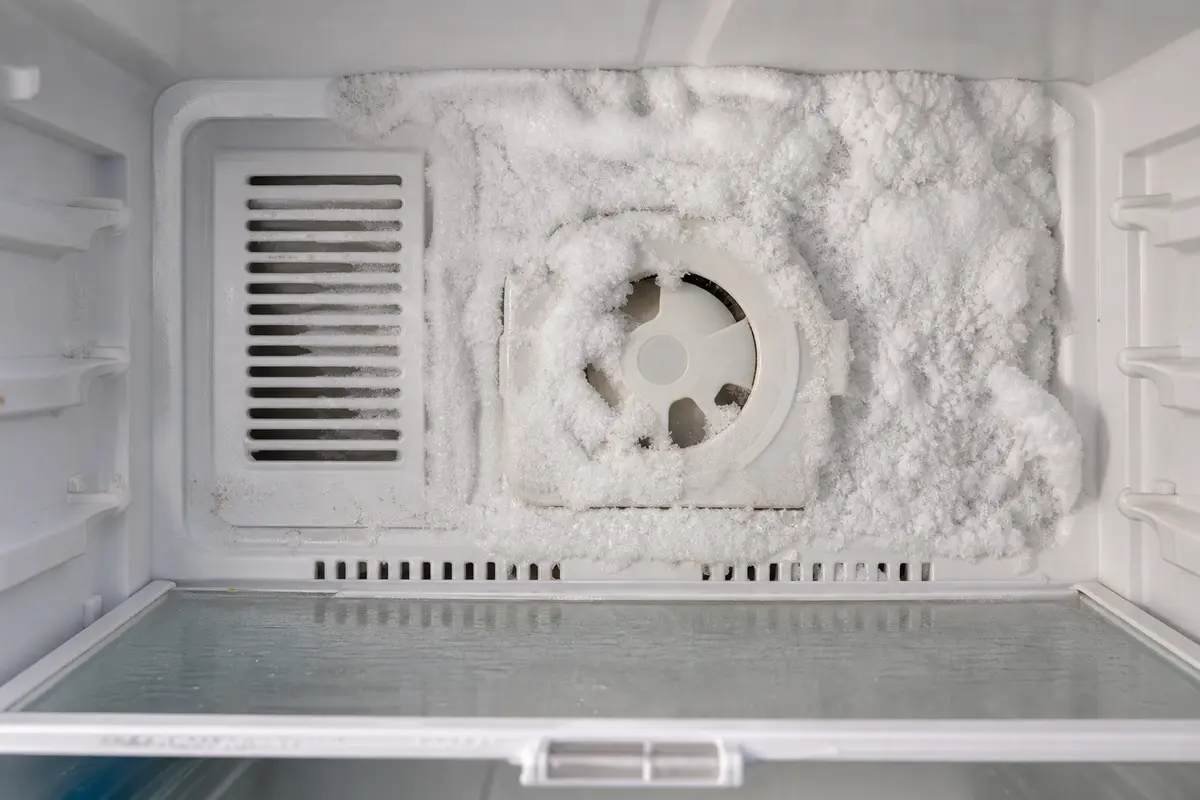
Start at the freezer fan area. Look for frost on the rear panel before assuming the evaporator fan motor is bad.
Thaw safely and check the door gasket, loading, and cooling behavior. A fan motor is not the only cause of ice contact.
Unplug the unit and check accessible condenser fan debris, dust, cover fit, and blade wobble before buying a motor.
Stop this noise path. That points toward cooling, electrical, or sealed-system service, not a simple rattle repair.
The useful clues are physical: cabinet stance, frost on the freezer back panel, and blocked airflow. Check those before treating the noise like a sealed-system failure.
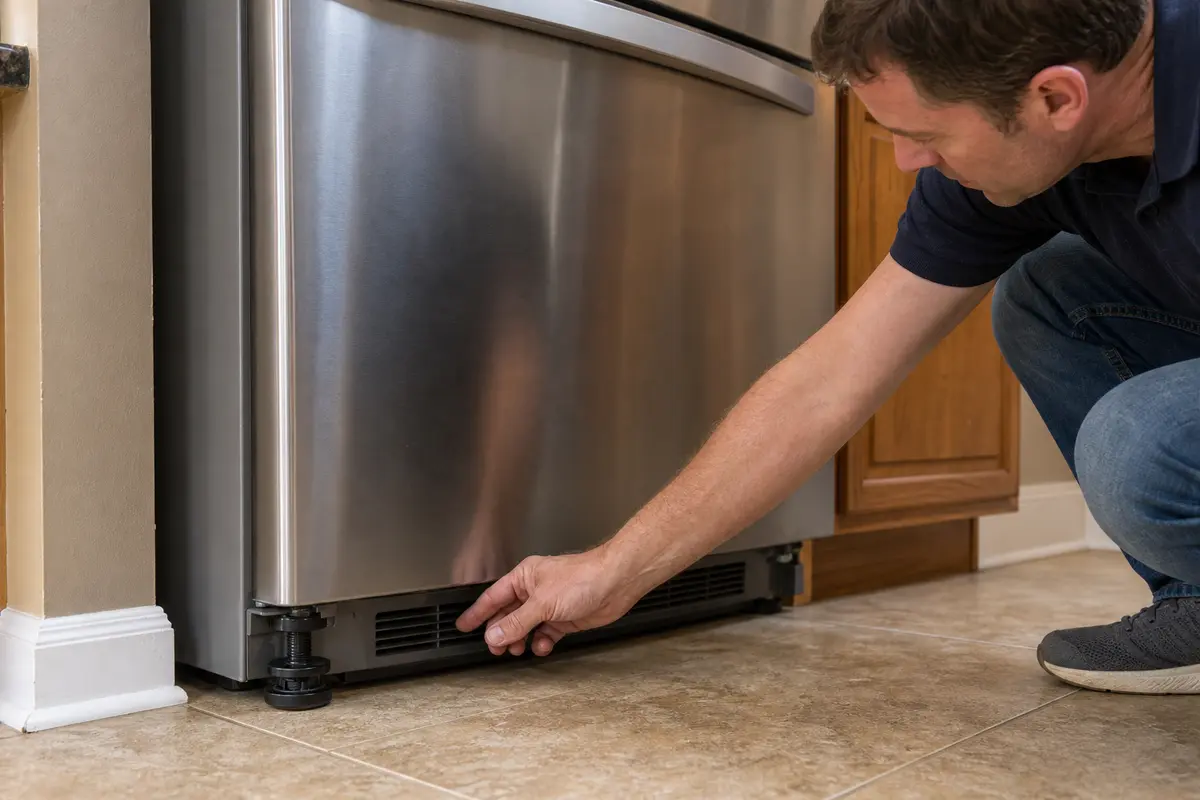
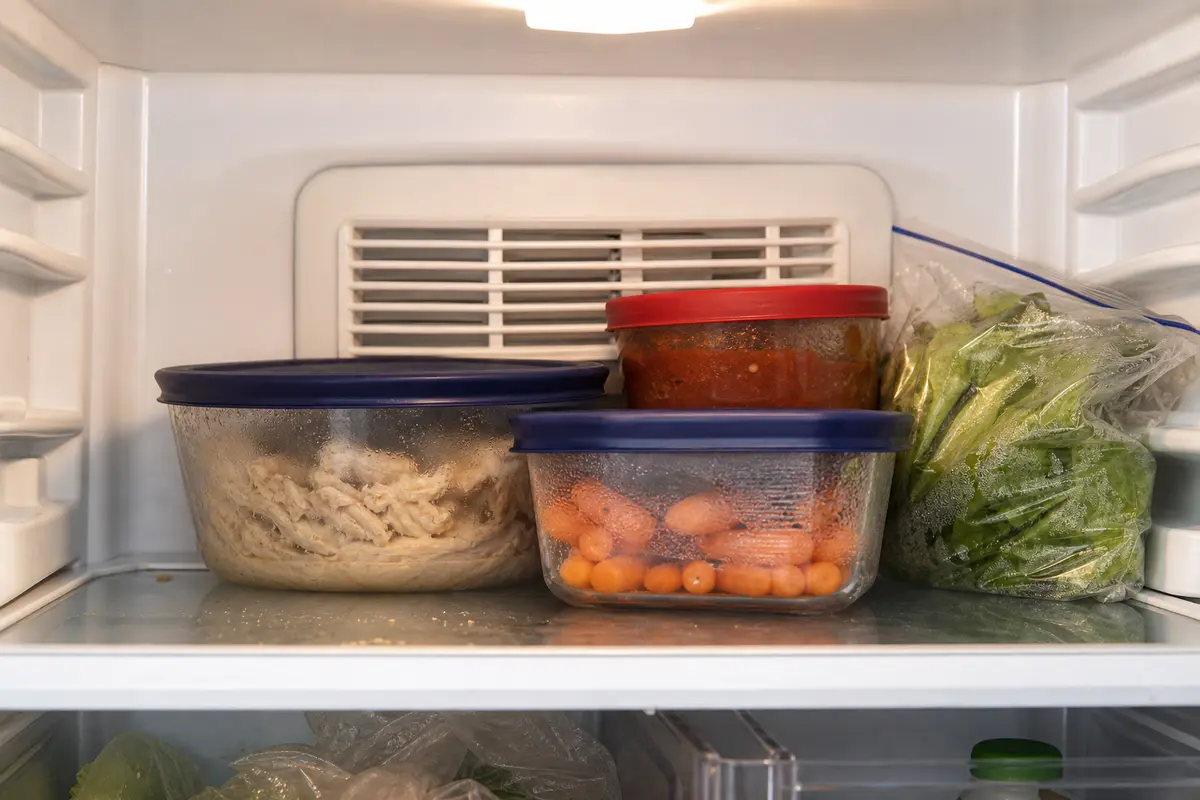
Buy a fan motor only after the sound follows that fan and the simple causes are clear. Match the exact refrigerator model, connector, blade, and mounting style before ordering.
Listen for one cooling cycle, then check the clue while the sound is happening. Open the freezer door, press a cabinet corner, and look at the freezer back panel before you touch a fan motor or price a compressor.
Noisy refrigerators push people toward expensive guesses. Keep the first checks visible, safe, and reversible.
Use one short listening round. Stand near the freezer, the lower front, and the lower rear, then match the clue instead of running the refrigerator through repeated tests.
| What you hear or see | What it usually means | Next move |
|---|---|---|
| Rattle changes when the cabinet is pressed | The refrigerator is vibrating against a shelf item, panel, drain pan, tubing, floor, wall, or cabinet. | Check leveling, clearance, loose bins, toe grille fit, and contact points before opening panels. |
| Scrape or tick from the freezer | Ice may be touching the evaporator fan blade, especially if frost is visible on the rear panel. | Unplug, thaw safely, dry the meltwater, and watch whether the noise or frost returns. |
| Noise stops when the freezer door opens | The evaporator fan area moves up the list because many models change fan operation when the door opens. | Look for frost first. Suspect the fan motor only after ice and airflow causes are ruled out. |
| Buzz or grind from the lower rear | The condenser fan area may have lint, paper, pet hair, a loose cover, or a rough fan motor. | Unplug before access. Clean visible debris and check the blade for wobble only with power off. |
| Brief clicks, pops, cracks, or gurgles | Normal temperature changes, defrost, refrigerant movement, or ice maker activity may be the sound. | If cooling is steady and the sound is short, keep watching instead of buying parts. |
| Loud hum, repeated hard click, and weak cooling | This is no longer just a noise problem. A compressor-area, airflow, or sealed-system issue may be involved. | Move to a refrigerator too warm diagnosis or call for service instead of guessing at noise parts. |
A normal compressor can sound rough when the cabinet rocks or something touches the refrigerator. A good clue is a sound that changes when you move or hold one contact point.
The freezer fan can sound bad when it is only hitting ice. Clear that clue carefully before deciding the motor itself failed.
A lower rear buzz or grind can be debris, a loose cover, a blocked airflow path, or a worn condenser fan motor. Keep hands out of powered fan areas.
These tools support the safe checks on this page. Skip any tool path that would put your hands near a powered fan or live wiring.
Paid links. As an Amazon Associate I earn from qualifying purchases. Repair Riot may earn a commission at no extra cost to you.
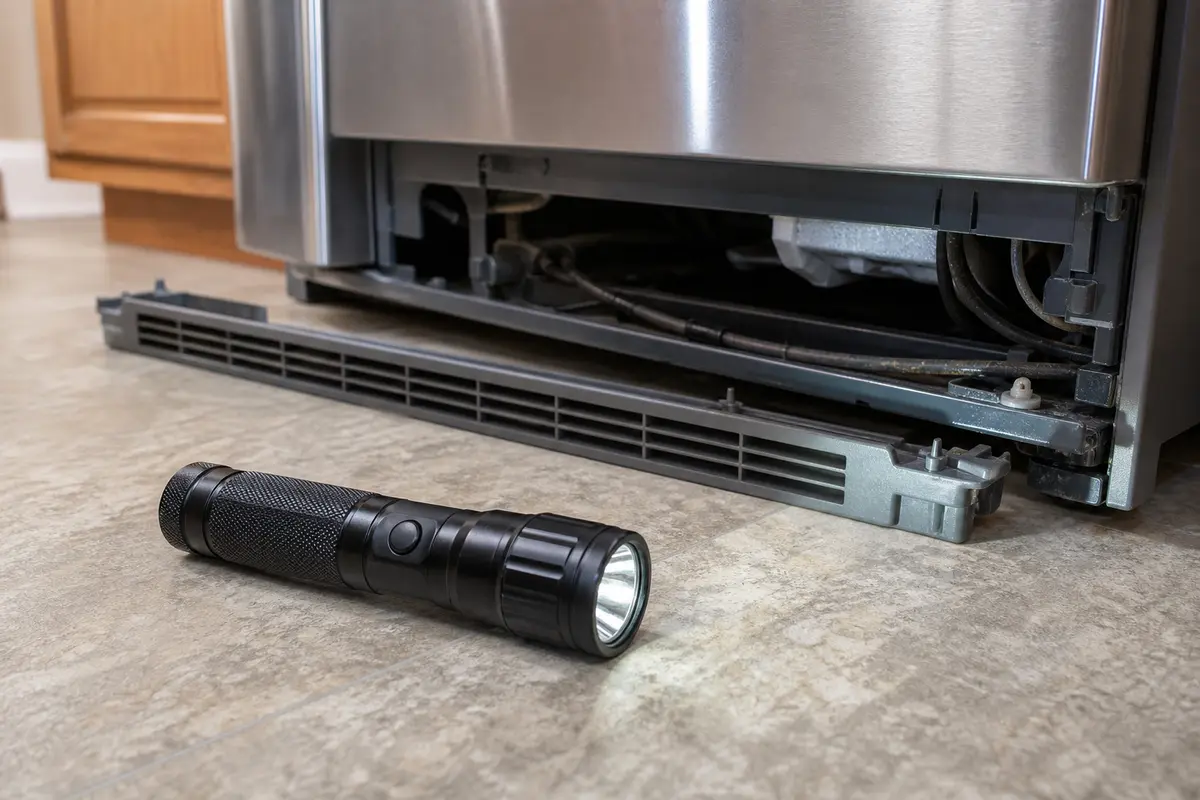
Helps when: Shows frost, loose panels, drain-pan contact, tubing contact, and lower rear fan debris without touching anything first.
Skip it when: Skip deeper access if you would need to work around live wiring or a fan that can start unexpectedly.
Compare inspection flashlights on Amazon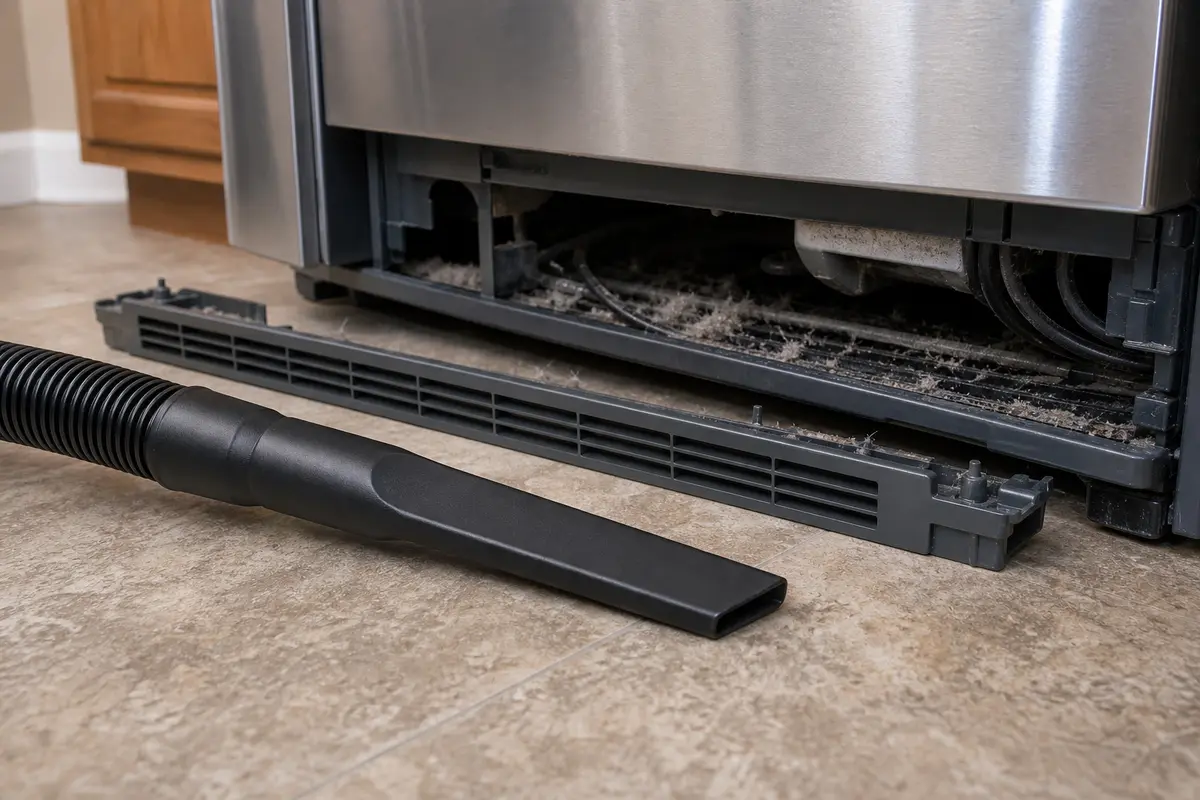
Helps when: Clears loose dust and lint from accessible lower vents and condenser areas after the refrigerator is unplugged.
Skip it when: Skip it if the area requires moving sealed tubing, bending fins hard, or removing covers that do not come off normally.
Compare vacuum attachments on Amazon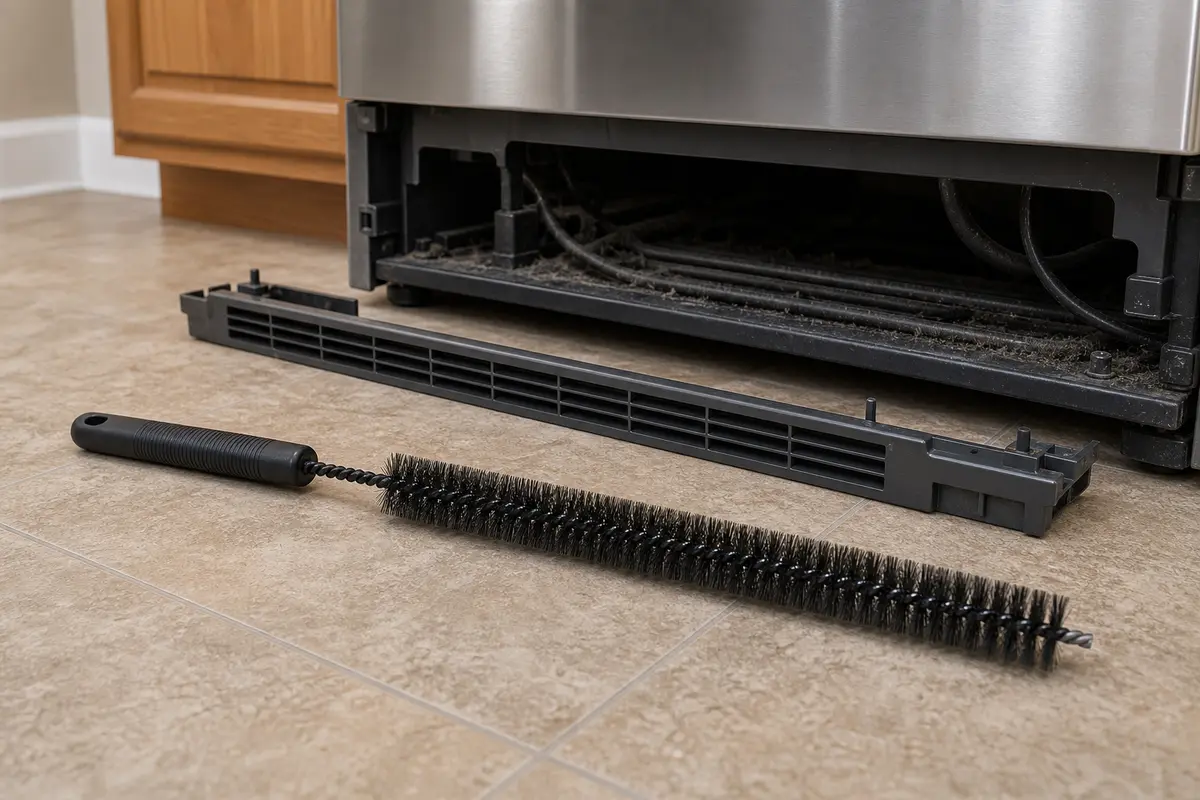
Helps when: Loosens dust around accessible condenser areas without scraping tubing or forcing parts out of place.
Skip it when: Skip stiff wire brushing near wiring, fragile fins, or any area you cannot see clearly.
Compare soft coil brushes on Amazon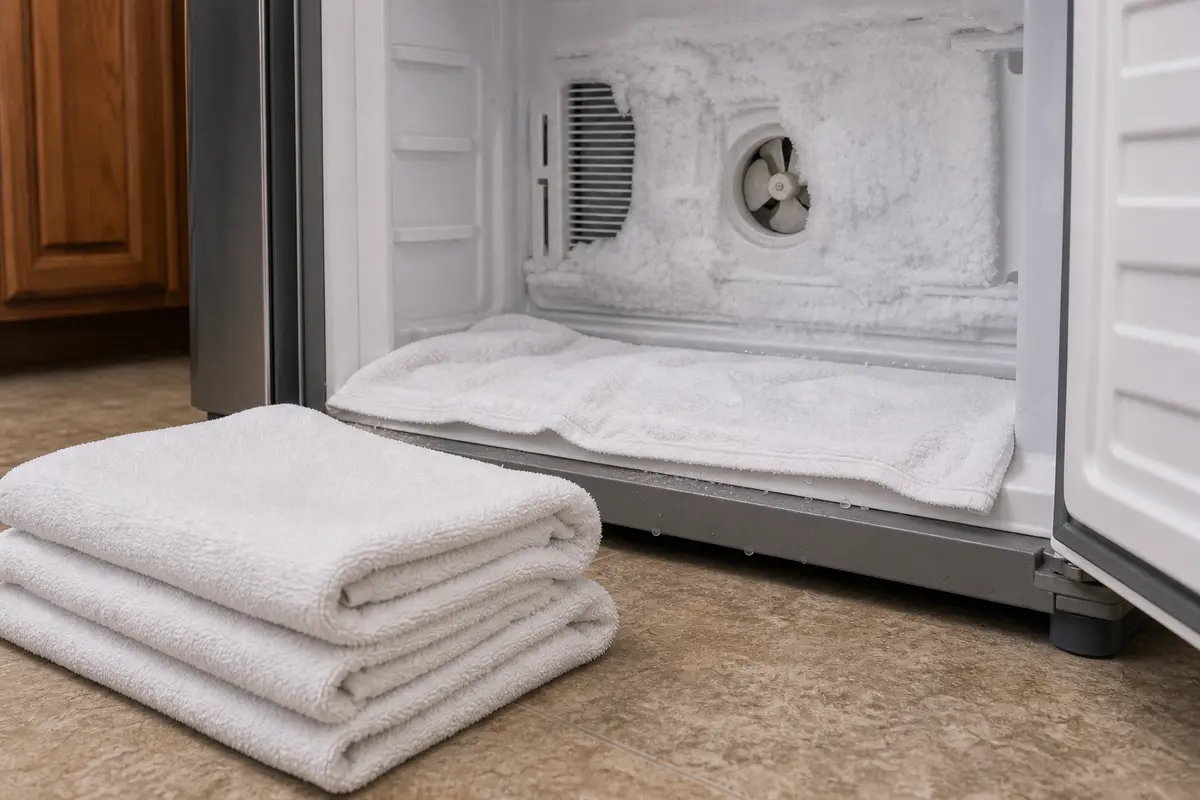
Helps when: Catch meltwater when light freezer frost has to thaw before the evaporator fan can be judged.
Skip it when: Skip the thaw and call for help if water is reaching electrical parts or ice has panels frozen in place.
Compare absorbent towels on AmazonParts come after the sound has a proven source. Refrigerator fan motors and gaskets vary by model, so use the full model number before ordering anything.
Paid links. As an Amazon Associate I earn from qualifying purchases. Repair Riot may earn a commission at no extra cost to you.
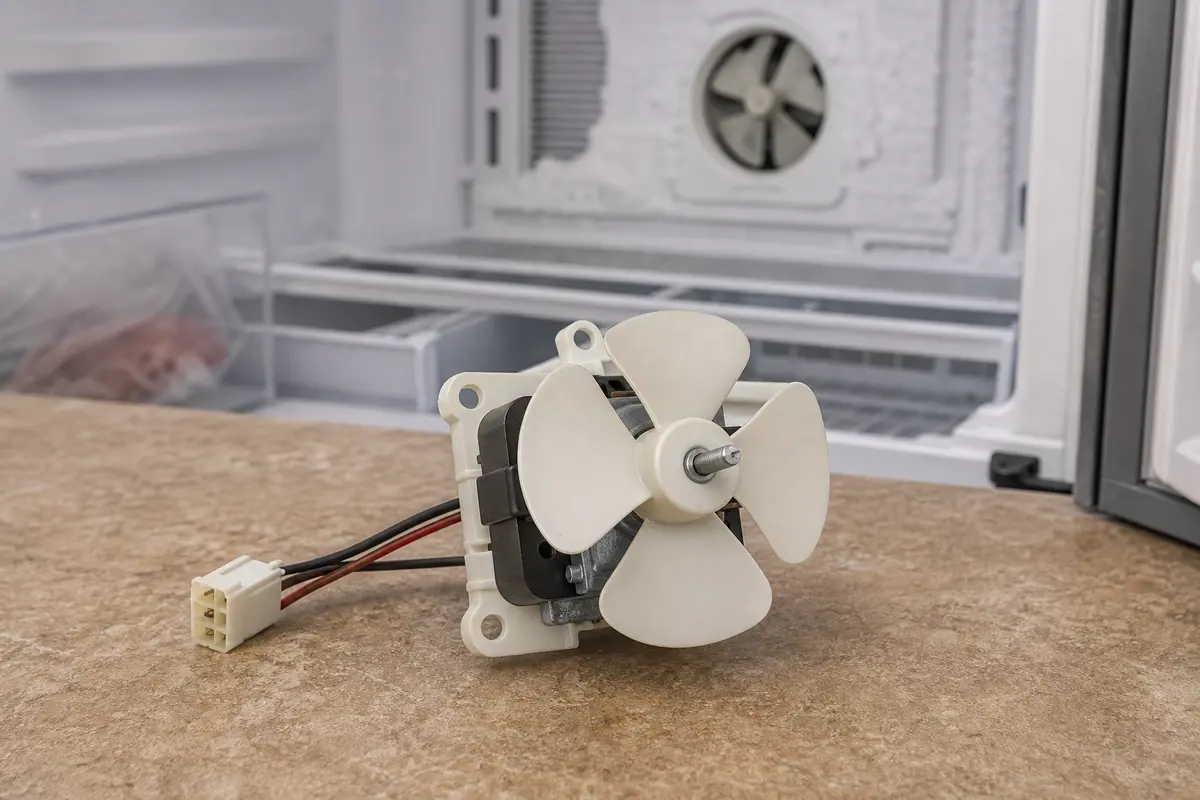
Helps when: The noise clearly comes from the freezer fan area and continues after frost is gone and airflow is open.
Skip it when: Skip it when ice is touching the fan, the door gasket is leaking, or the sound does not follow the freezer fan.
Compare evaporator fan motors on Amazon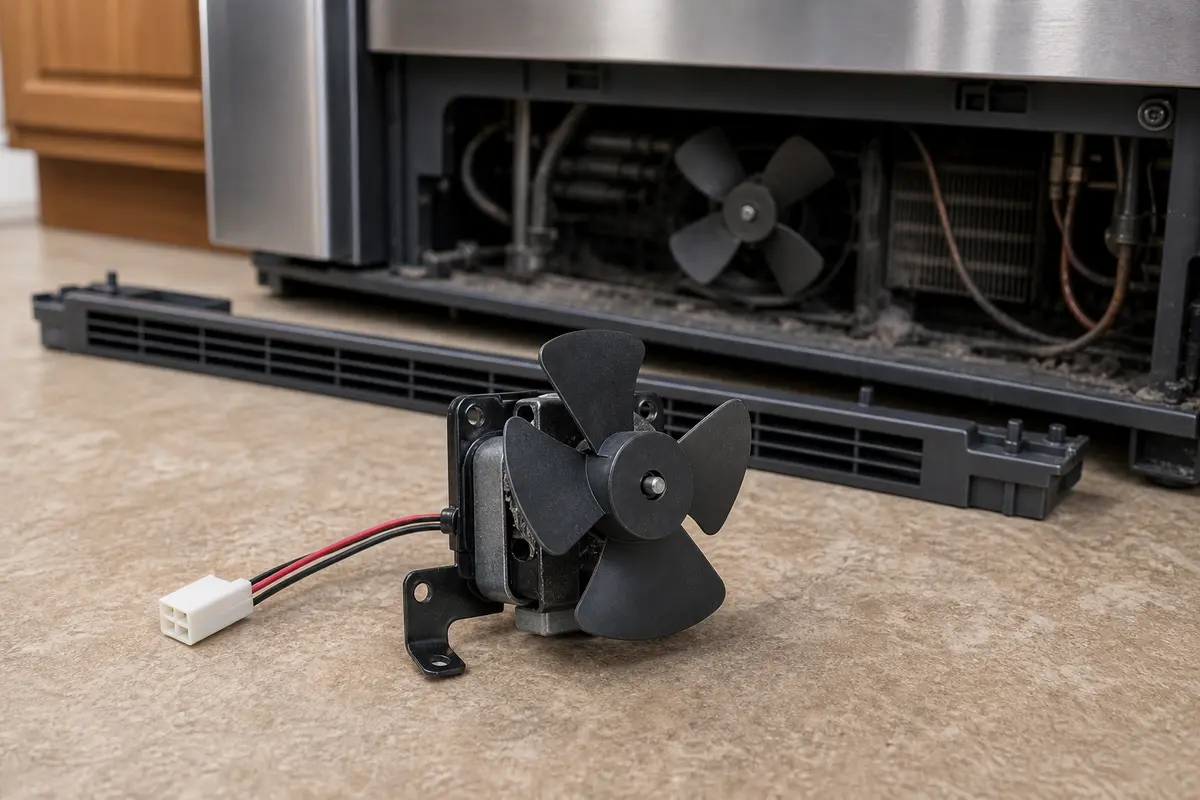
Helps when: The lower rear fan grinds, squeals, wobbles, or feels rough after debris, dust, and cover fit are corrected.
Skip it when: Skip it when the rattle changes with cabinet pressure or the sound seems deeper in the compressor area.
Compare condenser fan motors on Amazon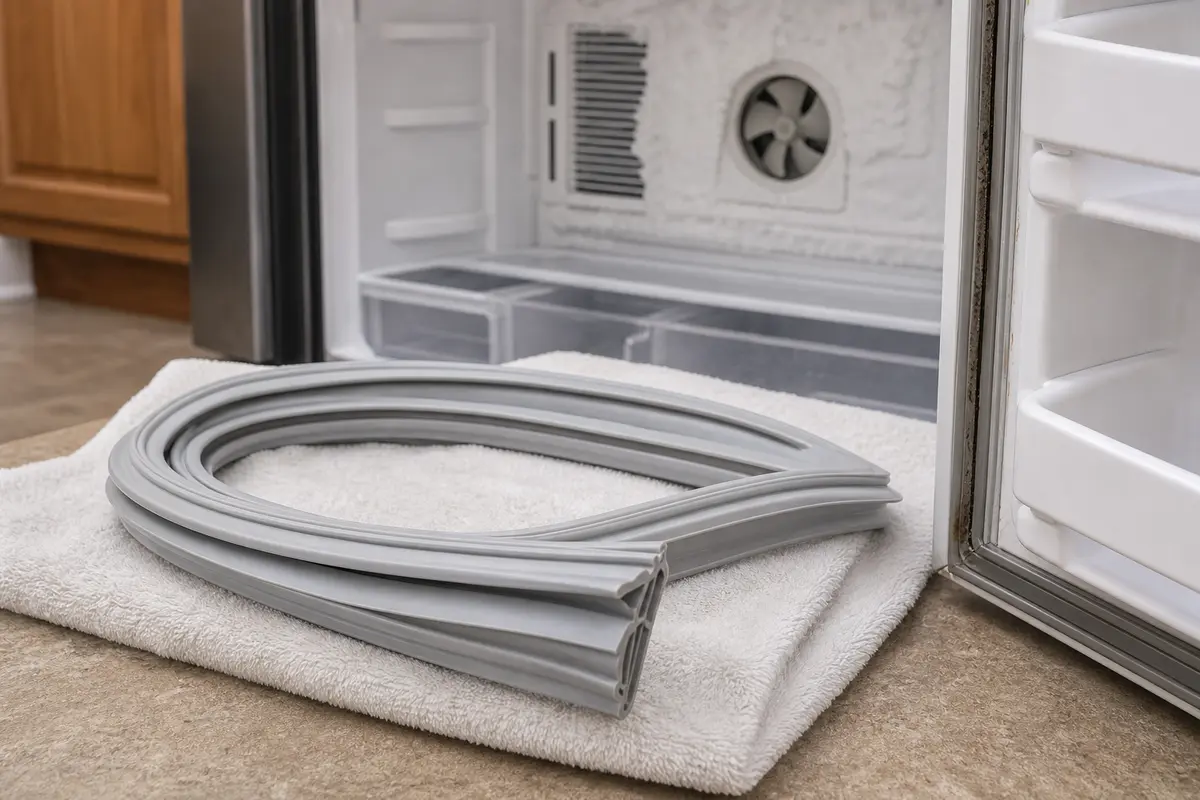
Helps when: Frost keeps returning near the freezer fan and the gasket is torn, loose, dirty, folded, or fails a paper test in the same spot.
Skip it when: Skip it when frost came from a door left open once or from food blocking vents, and the gasket seals evenly after cleaning.
Compare refrigerator door gaskets on AmazonYes. Brief clicks, pops, cracks, soft hums, and light gurgling can be normal during cooling, defrost, and ice maker activity. A new repeated scrape, grind, squeal, or loud rattle deserves diagnosis.
That often points to the evaporator fan area because many models change fan operation when the freezer door opens. Listen for the sound to stop, then check the rear freezer panel for frost before deciding the fan motor is bad.
Yes. Dust around accessible condenser areas can make the refrigerator run longer and can let the lower rear fan area collect lint or debris. Disconnect power before cleaning around covers, coils, or fans.
Repeated frost can come from a leaking gasket, a door left slightly open, blocked vents, overloaded shelves, or a defrost problem. If the scrape disappears after thawing but returns with frost, chase the frost cause first.
Usually. Fan noise is easier to pin down at the freezer interior or lower rear, and it often sounds like scraping, chirping, squealing, or rattling. If the freezer-door check changes the sound, look for frost on the rear freezer panel. A compressor-area hum, hard knock, or repeated click with poor cooling is a stop point for appliance service.
Only after the noise clearly follows that fan and you have ruled out ice, debris, loose covers, and cabinet vibration. Match the full model number before ordering because mounts and connectors vary.
Check loose bottles, shelves, bins, toe grille fit, drain-pan fit, tubing contact, wall clearance, and leveling. A rattle that changes when you press the cabinet usually points away from sealed-system parts.
Do not ignore a harsh scrape or grind. Check for frost or debris before the fan blade chews into ice or a loose object. Stop right away for burning smell, smoke, arcing, or breaker trips.
That is a different problem than a simple noise complaint. Check food temperature, protect perishables, and move to a refrigerator too warm diagnosis. Deep compressor-area noise with weak cooling is not a parts-guessing job.
Repair Riot built this page around homeowner-visible noise clues: timing, door-open fan behavior, frost, vibration, lower rear fan access, and the point where poor cooling changes the repair path. Manufacturer references support normal-sound context; FDA guidance supports food-temperature caution when a noisy refrigerator is also warming.