Is the freezer still keeping food solid?
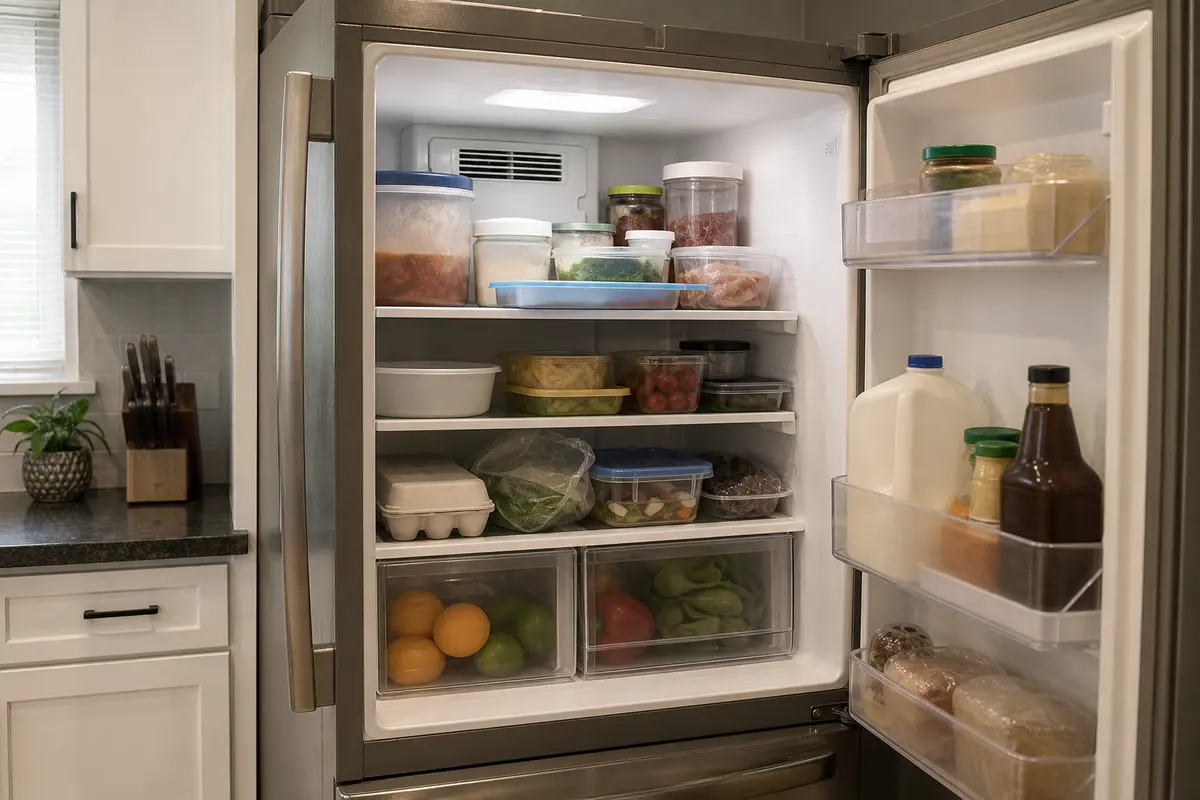
Treat the first pass as an airflow problem. Check blocked vents, overpacking, door gasket leaks, frost on the freezer back panel, and evaporator fan airflow.
When the fresh-food section is warm, compare it with the freezer first. If frozen food is still solid but drinks and leftovers are warming up, check covered vents and freezer-back-panel frost. Then test the door seal and listen for evaporator fan airflow.
If both sections are warming, look at settings, door closure, condenser coils, and whether the compressor area is running before you think about sealed-system work.
The useful split is simple: freezer still cold, or both sections warm. That answer keeps you from buying parts for the wrong half of the cooling system.
Don’t start with: Do not order a compressor, control board, defrost heater, or fan motor just because the refrigerator feels warm. First compare both sections with a thermometer, clear the vents, check the door seal, and look for freezer-panel frost so the part follows a proven clue.
Treat the first pass as an airflow problem. Check blocked vents, overpacking, door gasket leaks, frost on the freezer back panel, and evaporator fan airflow.
Check settings, door closure, condenser coil dust, lower/rear ventilation, and whether the compressor area is running before looking at parts.
Clear the vents, close the doors, return controls to normal, and give the refrigerator time to recover before assuming a failed part.
That points toward an iced-over evaporator area. A full manual defrost may restore cooling briefly, but returning frost means the defrost system needs diagnosis.
Stop there. Electrical, compressor, refrigerant, and sealed-system diagnosis is not a basic homeowner repair.
A warm refrigerator can look like one problem, but the visual clues split it into safer paths: air blocked inside, warm air leaking in, or frost stopping the air from moving.
Copy the full model number from the refrigerator tag and prove the failure first. Door gaskets, evaporator fan motors, defrost heaters, and many thermostats are model-specific. A part that looks close can still have the wrong profile, mounting holes, connector, or heater shape.
A refrigerator that feels warm is not automatically a bad compressor. First sort the pattern: cold freezer with warm fresh food, both sections warm, temperature swings, or a one-time recovery after the door was left open.
The expensive parts all become more tempting when food is warming up. Slow down just enough to keep the diagnosis tied to what the refrigerator is actually doing.
Work from the easy clues toward the harder ones. A warm refrigerator often gives enough evidence before you ever remove a panel.
Start with what the refrigerator is showing you: freezer condition, door-seal pull, frost on the freezer back panel, and dust at the coil area. Those clues decide whether to clear airflow, clean coils, defrost safely, or stop before parts.
| What you see | What it usually means | Next move |
|---|---|---|
| Freezer still cold, fresh-food section warm | Cold air may be blocked, leaked, or not moved into the refrigerator section. | Clear vents, check the gasket, look for frost, and listen for the evaporator fan. |
| Both sections slowly warming | The unit may not be shedding heat or may not be running/cooling correctly. | Check settings, door closure, condenser coils, ventilation, and compressor-area sounds. |
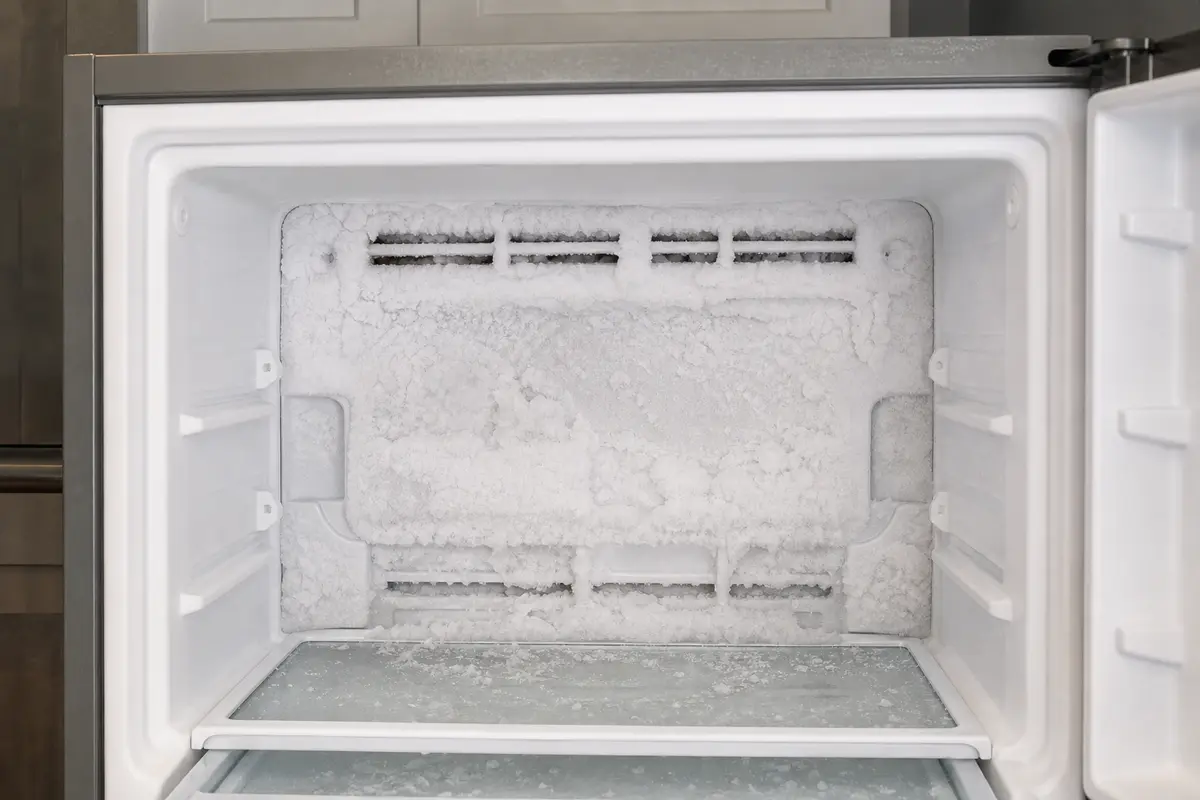
| Heavy frost on freezer back panel | The evaporator area may be iced over and blocking airflow. | Plan a safe manual defrost, then watch whether the frost returns. |
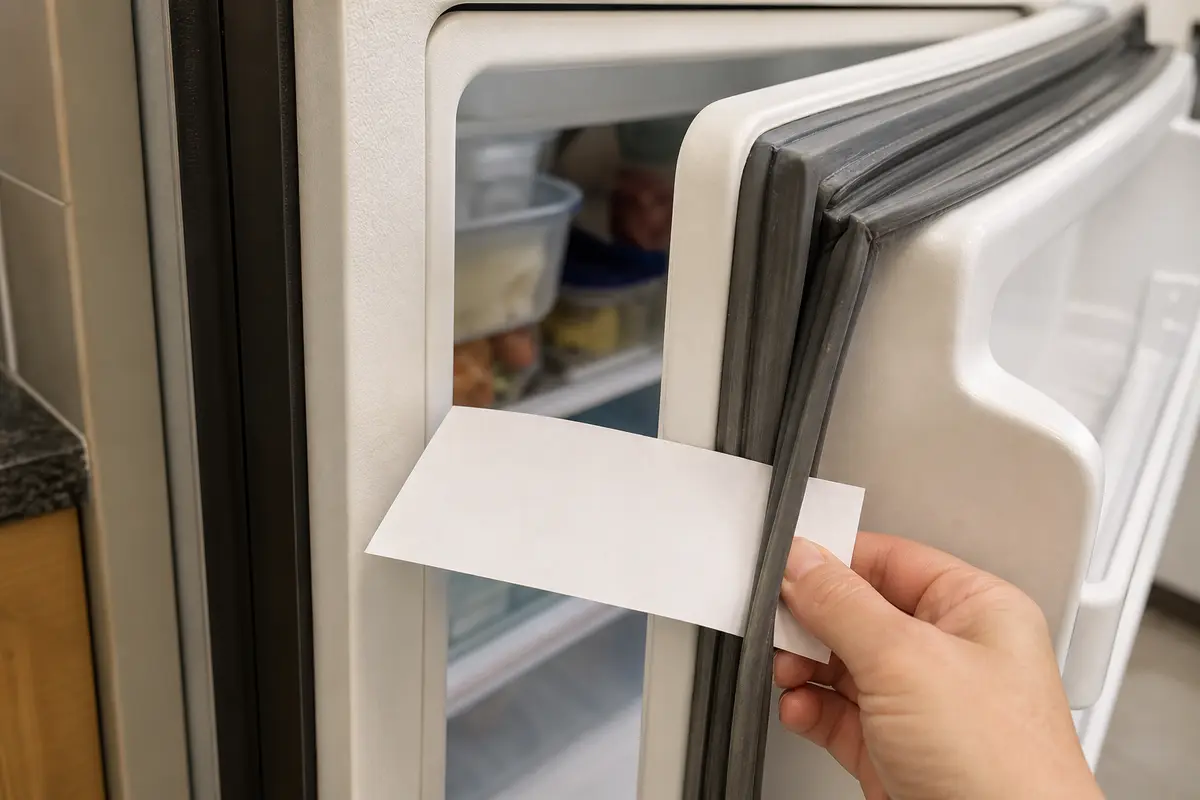
| Door gasket has gaps, tears, or weak pull | Warm, humid air can enter and raise temperature or create frost. | Clean and test the seal before ordering a model-specific gasket. |
| Burning smell, breaker trip, oily residue, or no cooling after basic checks | The repair may involve electrical, compressor, refrigerant, or sealed-system diagnosis. | Stop and call an appliance technician. |
A refrigerator repair is also a food-safety problem. Keep the troubleshooting practical, but do not let questionable food sit while you chase parts.
These tools help you confirm temperature, clean safely, and manage a defrost without opening electrical parts. Skip anything that would push you into live testing or sealed-system work.
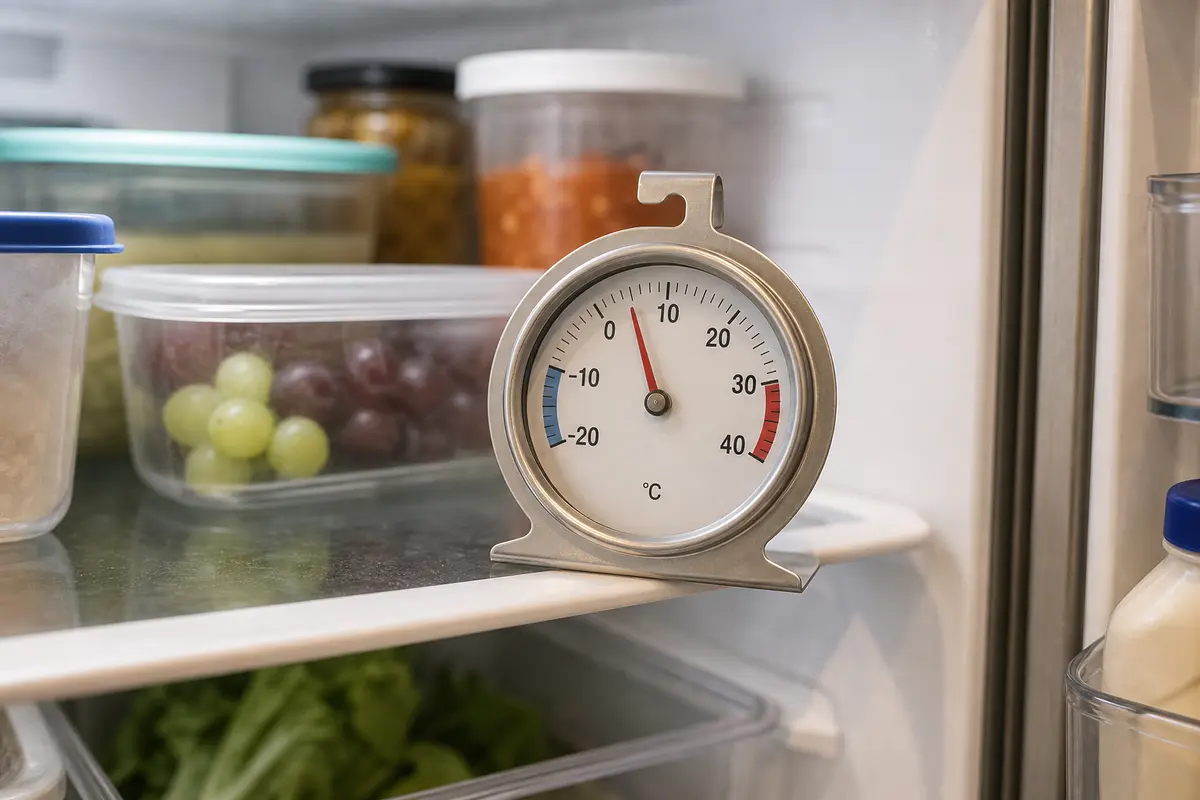
Helps when: Buy or use this when you need to confirm whether the fresh-food and freezer sections are actually outside the safe range.
Skip it when: You already have an accurate appliance thermometer in both sections and can track the recovery without guessing.
Compare refrigerator thermometers on Amazon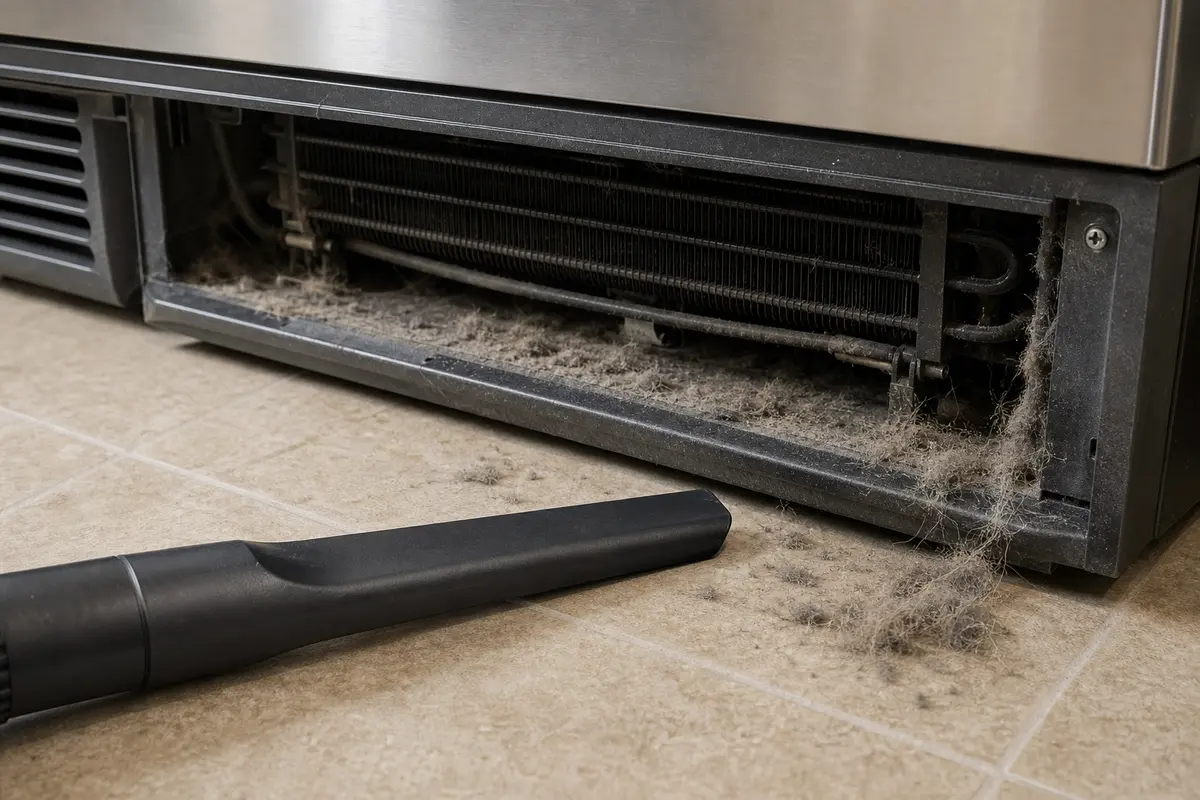
Helps when: Use this to remove loose dust and pet hair from lower vents and the condenser coil area after the refrigerator is unplugged.
Skip it when: The coil area has damaged wiring, oily residue, or a hot electrical smell.
Compare vacuum crevice attachments on Amazon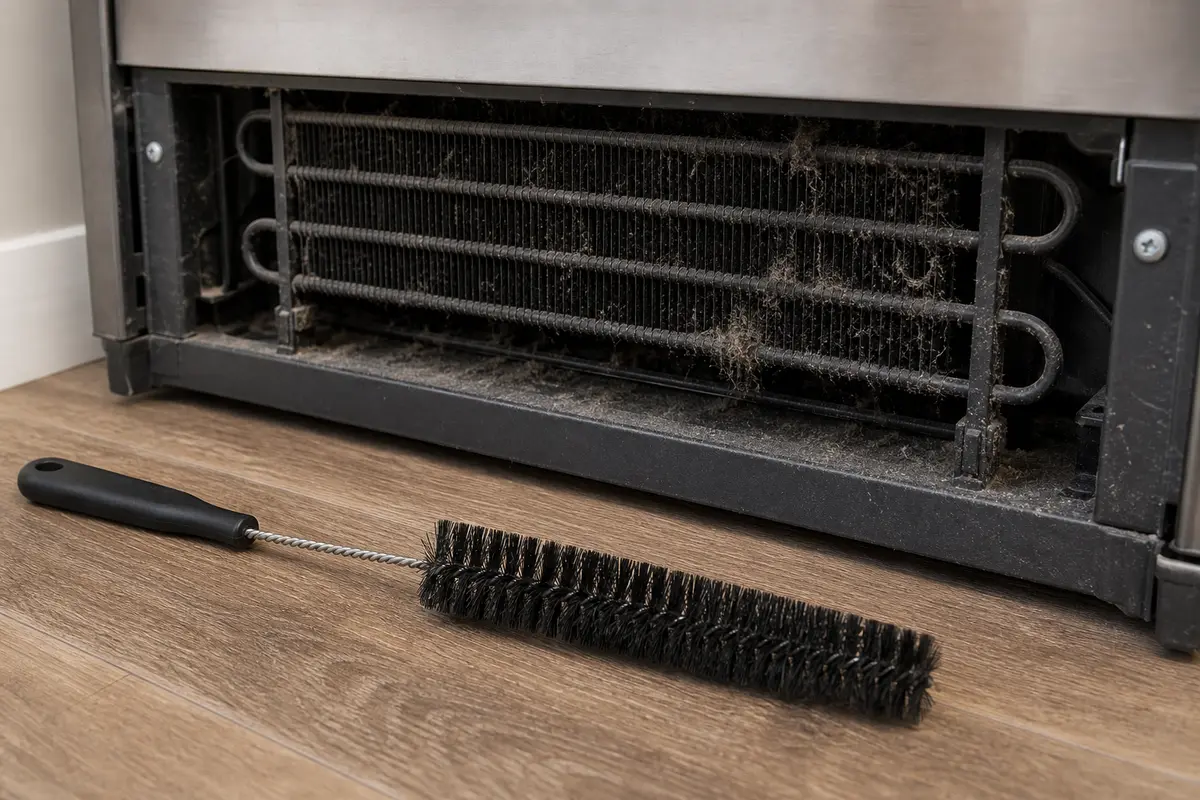
Helps when: Use this when dust is packed into the coil area and a vacuum alone cannot reach it without scraping.
Skip it when: You cannot reach the coils without forcing the refrigerator, damaging flooring, or working near exposed wiring.
Compare condenser coil brushes on Amazon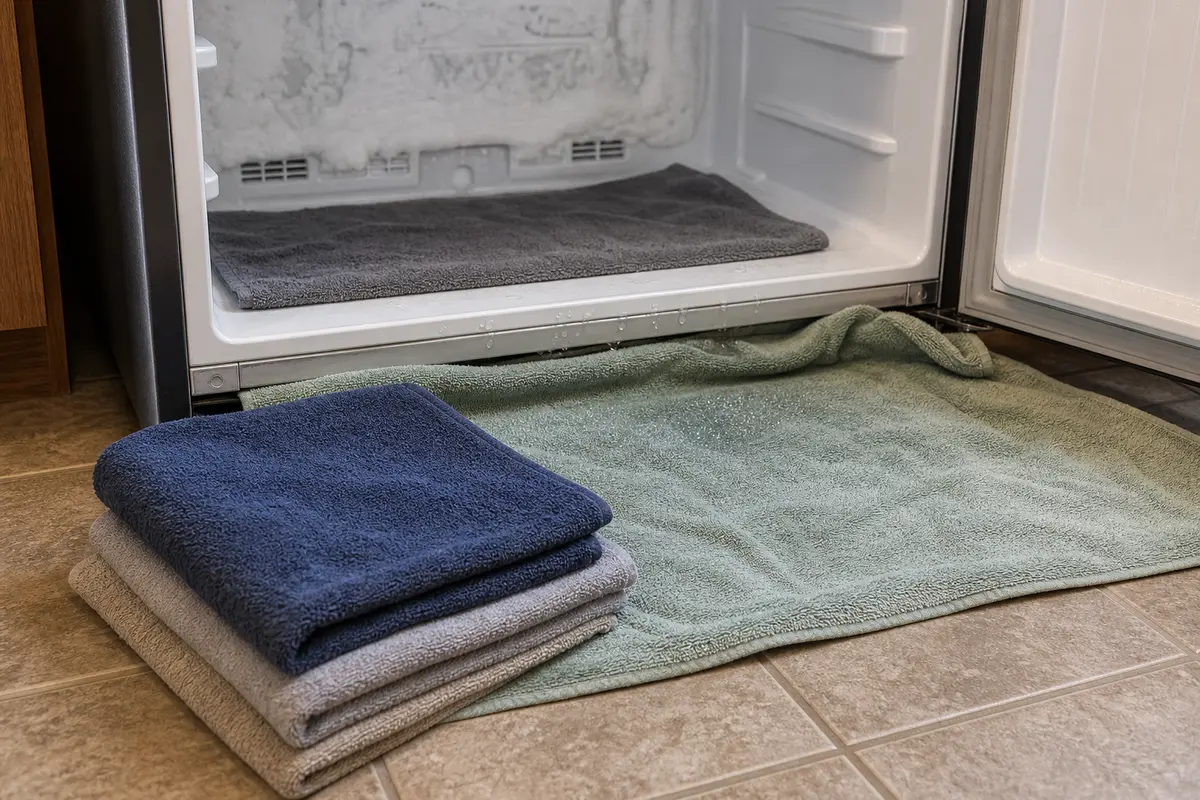
Helps when: Use towels to protect the floor and catch meltwater if you unplug the refrigerator for a safe manual defrost.
Skip it when: The ice is so heavy that panels would need force or sharp tools to remove.
Compare absorbent towels on AmazonAs an Amazon Associate I earn from qualifying purchases. Repair Riot may earn a commission at no extra cost to you.
Buy parts only after the symptom points there and the model number matches. Refrigerator parts are not universal, even when the picture looks similar.
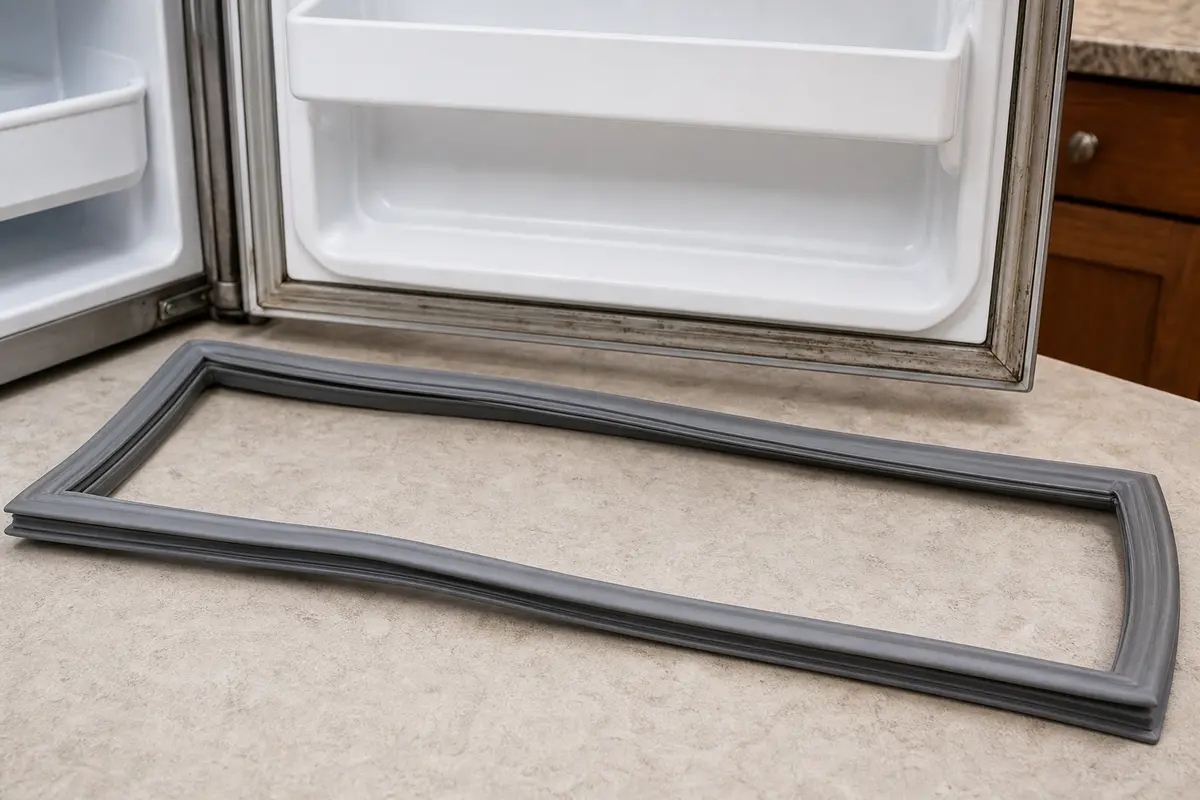
Helps when: Buy this only when the gasket is torn, hardened, deformed, or fails the paper test after the door and sealing surface are cleaned.
Skip it when: The door is held open by food, a shelf, a bin, or a hinge/alignment problem that a gasket will not fix.
Compare refrigerator door gaskets on Amazon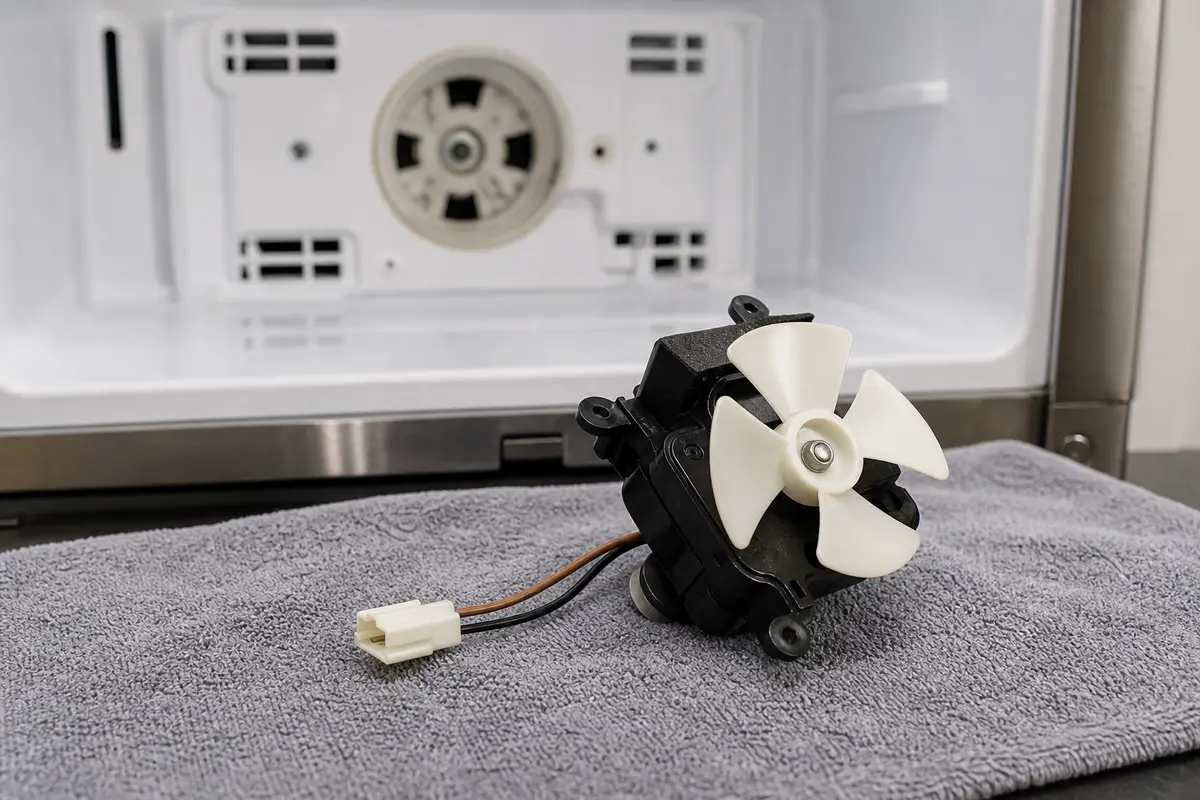
Helps when: Buy this only when the freezer can make cold air but the fan is confirmed not moving air when it should.
Skip it when: The vents are blocked, the door gasket leaks, or heavy frost is covering the evaporator area.
Compare refrigerator evaporator fan motors on Amazon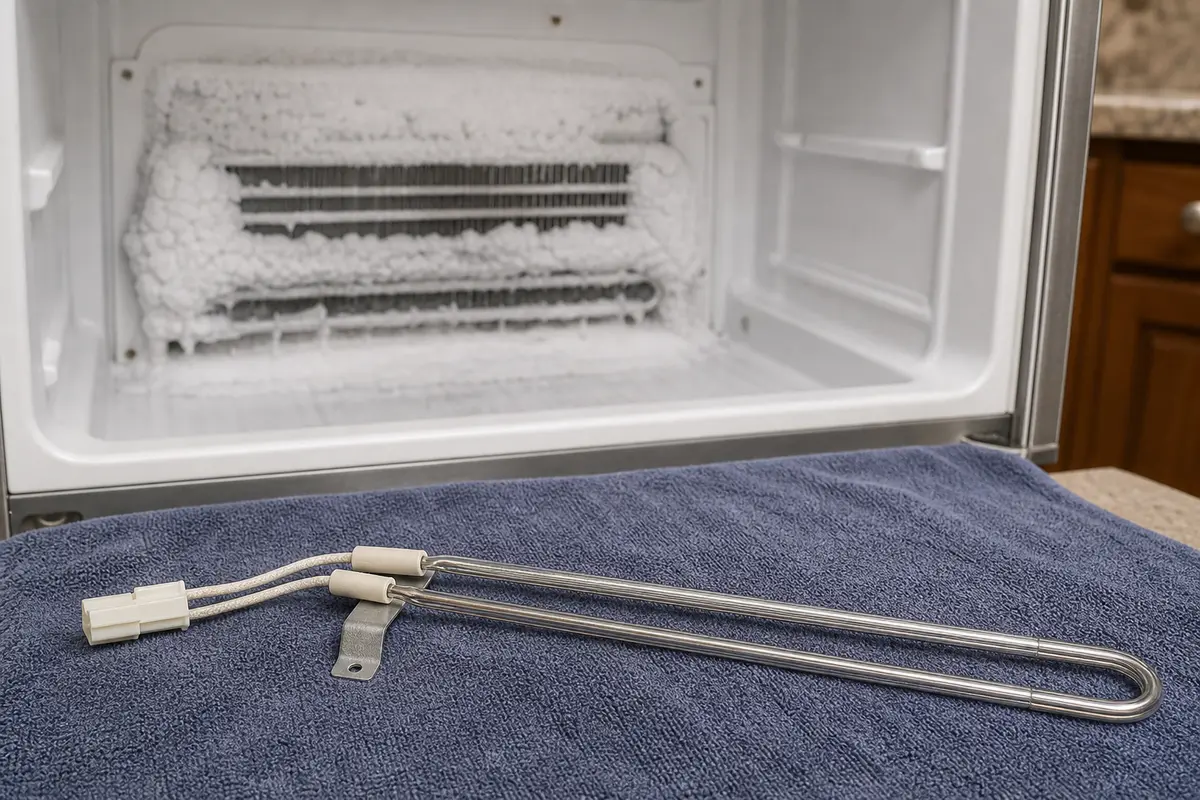
Helps when: Buy this only after you see heavy frost on the freezer back panel return after a full manual defrost. Match the model-specific diagnosis to the heater circuit.
Skip it when: The refrigerator has no heavy frost pattern, both sections are warm, or the problem is only a dirty coil or blocked interior vent.
Compare refrigerator defrost heaters on AmazonAs an Amazon Associate I earn from qualifying purchases. Repair Riot may earn a commission at no extra cost to you.
Basic cleaning, airflow checks, gasket inspection, and a controlled manual defrost are reasonable homeowner steps. The stop points are where the repair starts involving energized testing, refrigerant, sealed-system parts, or damaged wiring.
That pattern usually means the refrigerator is making cold air, but the air is not getting into the fresh-food section well. Check blocked vents, overpacking, a weak door gasket, heavy frost on the freezer back panel, and the evaporator fan before buying parts.
Yes. Dirty condenser coils make it harder for the refrigerator to release heat, so both sections may warm up or the unit may run longer than normal. Unplug the refrigerator before cleaning the coil area.
Put a thermometer in the fresh-food section. Keep the doors closed for several hours, longer after a large grocery load or long door-open period. Check the reading before touching the setting again.
Heavy frost on the freezer back panel is the clue that airflow may be blocked. Move food to a safe cold spot and do a full manual defrost. If cooling returns only briefly and frost comes back, the defrost heater, thermostat, sensor, wiring, or control path needs diagnosis.
Only if the gasket is torn, hardened, deformed, dirty beyond cleaning, or fails a simple paper-pull test. Before replacing it, confirm the door is not being held open by food, bins, shelves, or hinge alignment.
The clue is a freezer that still makes cold air while the fresh-food section stays warm, especially if you do not hear or feel fan airflow when the fan should be running. Stop before live electrical testing unless you are trained for it.
No. Do not use a hair dryer, heat gun, torch, boiling water, or a sharp tool inside the refrigerator. Unplug the refrigerator, move food to a safe cold spot, and lay towels for meltwater. Watch the ice melt on its own; do not pry at the liner or tubing.
A large load of warm groceries can raise cabinet temperature for a while, especially if containers cover supply or return vents. Clear the vents, close the doors, and keep the controls at a normal setting. Check both sections with a thermometer before buying parts.
Put a refrigerator thermometer in the fresh-food section and another in the freezer if you have one. Exact targets vary by food-safety guidance and model settings. Check and compare the trend after the doors stay closed; that beats opening the door and feeling for cold air.
Call an appliance tech for burning smell, damaged wiring, repeated breaker trips, oily residue, suspected refrigerant or sealed-system trouble, compressor diagnosis, or any repair that requires live electrical testing you cannot do safely.
If both sections stay warm after normal settings, sealed doors, clear vents, clean coils, and a frost check, the problem may involve controls, compressor starting components, refrigerant, or the sealed system. Stop there. Note whether the compressor area is running or smells hot, and get professional diagnosis instead of ordering parts.
Repair Riot built this page around homeowner-visible clues that change the next check: fresh-food temperature versus freezer condition, door-seal pull, interior airflow, condenser heat release, frost pattern, and fan airflow. Public food-safety and manufacturer troubleshooting resources informed the thermometer, airflow, coil-cleaning, and stop-point guidance; your model manual still controls exact access steps and part fit.