Does downstairs get warm, steady airflow?
Stay on the upstairs air path: supply registers, return grilles, balancing dampers, and accessible duct runs.
When downstairs heats but the upstairs stays cold, check airflow before parts. Confirm a steady heat call, replace a loaded filter, open upstairs supplies and returns, then look for a manual damper or weak blower clue.
Strong downstairs airflow with weak upstairs airflow points to registers, returns, balancing dampers, or duct runs. Compare one warm downstairs supply with two upstairs supplies during the same heat call; weak air everywhere sends you back to the filter, blower, and furnace overheating clues.
Second-floor runs are easier to starve. Work from thermostat call to filter, vents, returns, dampers, then blower behavior.
Don’t start with: Do not order ignition, gas valve, pressure switch, or control board parts from an upstairs-only comfort complaint. If downstairs is warm, stop at airflow checks and leave gas, burner, and control diagnosis to an HVAC tech.
Stay on the upstairs air path: supply registers, return grilles, balancing dampers, and accessible duct runs.
Start at the furnace filter and return path, then listen for blower trouble or high-limit cycling.
Set HEAT several degrees above room temperature and wait through one heat call. No response means this is broader than an upstairs problem.
Open the upstairs supply registers fully and clear return grilles before you touch dampers or parts.
Mark its starting position, adjust only the duct run that appears to feed upstairs, and move it in small steps.
Look at that room's register, door return path, and any accessible flex duct before blaming the whole furnace.
Stop the homeowner checks. Leave gas and combustion issues, live electrical diagnosis, and blower failures to qualified service.
Use the pictures as guardrails: confirm the furnace is making heat, then stop at normal filter and airflow access. Leave gas, burner, and live electrical sections to an HVAC tech.
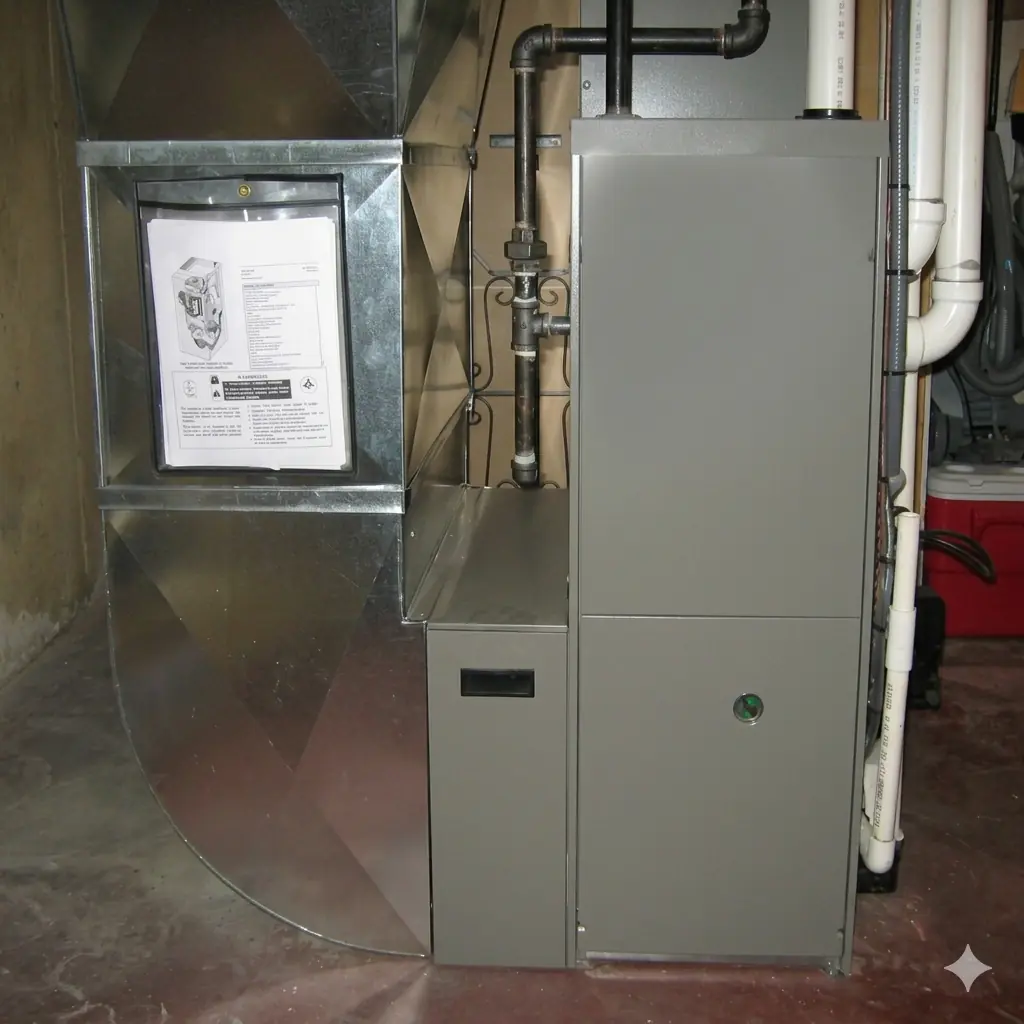
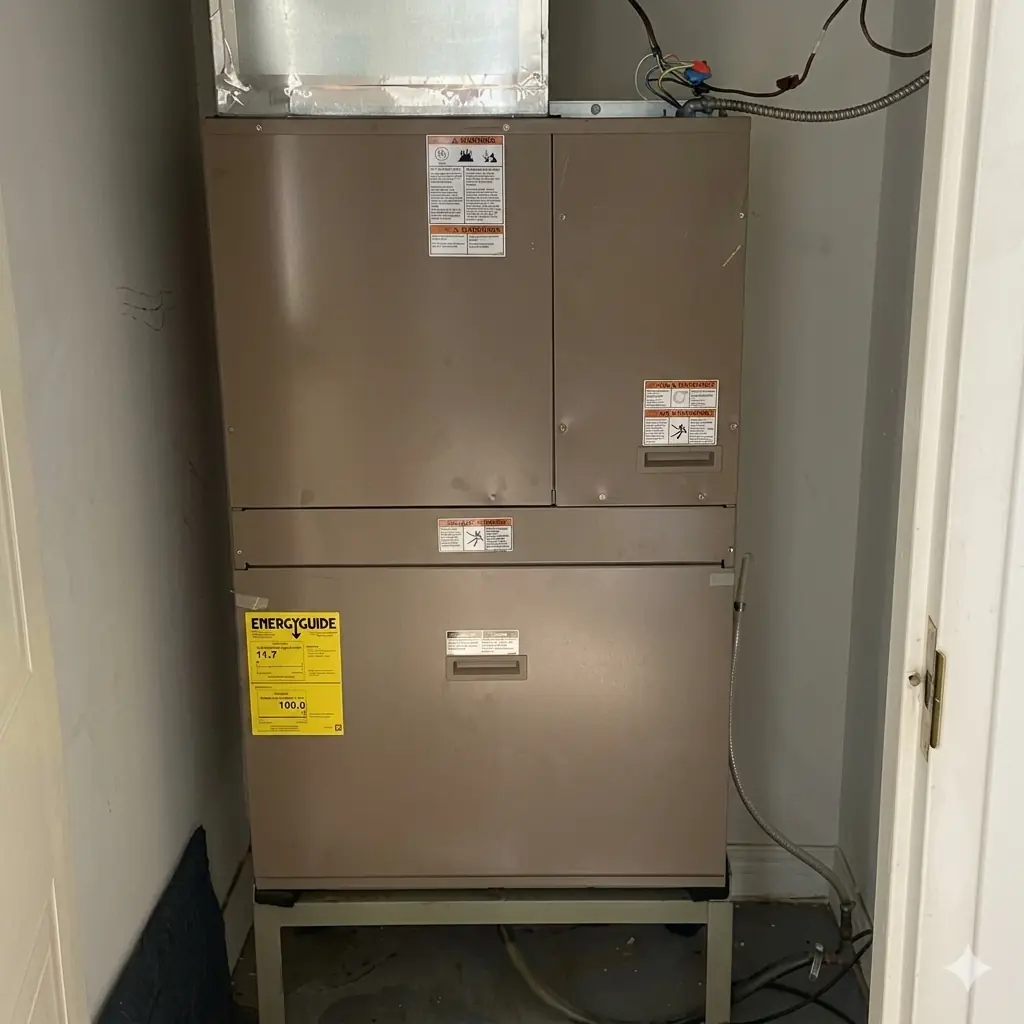
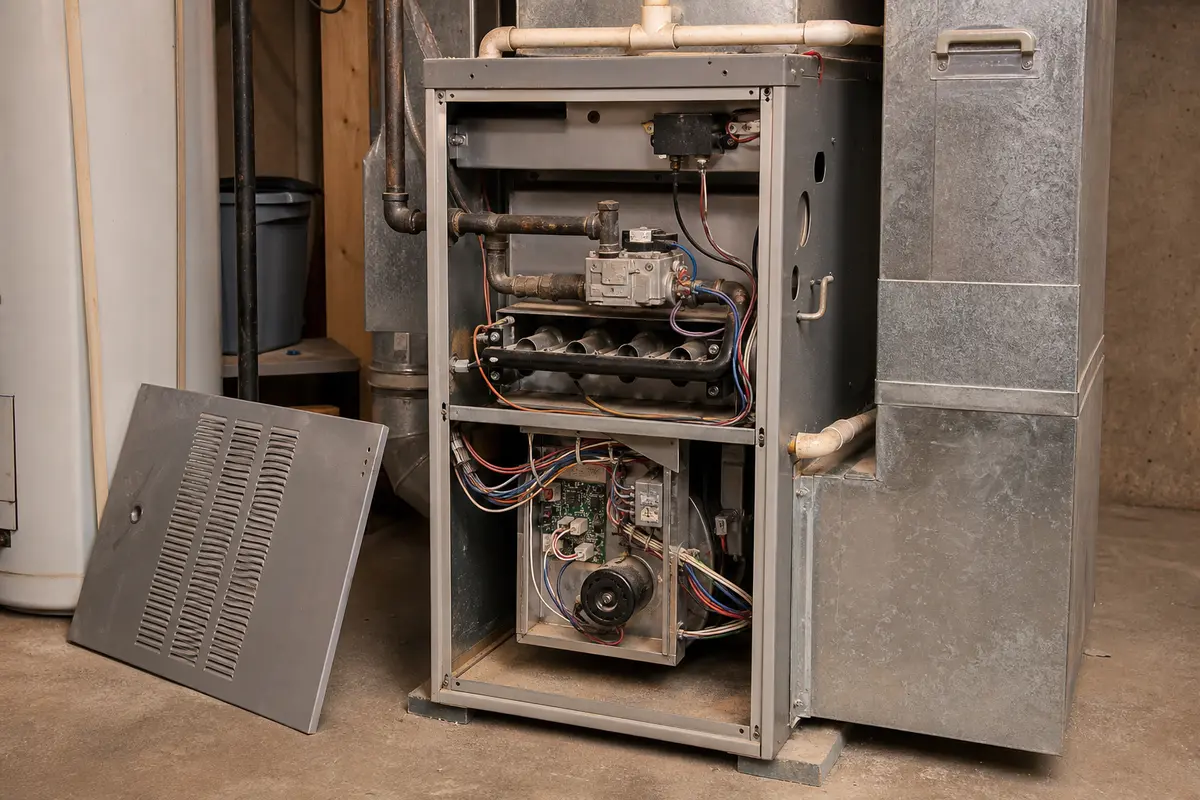
Do not buy ignition, gas valve, pressure switch, control board, or blower parts from the symptom alone. First prove the exact diagnosis: warm air downstairs, weaker airflow upstairs, a dirty filter, blocked return, stuck register, damper position, or failed thermostat call. Match the exact filter size, thermostat wiring, system type, or damper dimensions before ordering anything. If the clue leads toward gas, burner, live electrical, or blower service, stop and call an HVAC tech.
If downstairs warms and upstairs lags, the furnace is usually making heat. During the same heat call, compare one strong downstairs supply with two upstairs supplies before you move to the filter, returns, registers, and dampers.
Do not turn an airflow complaint into a furnace-parts shopping trip. Buy a part only after a visible clue or test result points to that part.
Work from the room back toward the furnace. These checks stay at the thermostat, filter, registers, returns, and any obvious manual damper you can reach safely.
Use the change in airflow as the clue. If a filter, return, register, or damper change makes the upstairs vents stronger, stay with that restriction; if nothing changes, stop buying furnace parts and schedule blower-side diagnosis.
| What you find | What it usually means | Next action |
|---|---|---|
| Upstairs airflow improves after a filter change | The blower was short on return air | Keep the correct filter size and recheck it during heavy heating use |
| Air improves after clearing returns or opening registers | The upstairs rooms were starved at the room openings | Leave the openings clear and let temperatures settle over several hours |
| A small damper move improves the second floor | The second-floor run was balanced too far closed | Mark the new position and make only small seasonal changes |
| One room stays cold while other upstairs rooms recover | That room's register, return path, or duct run needs attention | Inspect the accessible room run or schedule a duct check |
| Airflow is weak on both floors | This is no longer an upstairs-only balance issue | Stop at homeowner checks and schedule furnace airflow diagnosis |
| Gas smell, soot, breaker trips, or blower humming appears | The problem has crossed into safety or service work | Shut the system down if safe and call qualified help |
Parts make sense only after a check points to them. For this problem, the filter is the only common buy-before-service item; most blower, burner, and control parts need diagnosis first.
Paid links. As an Amazon Associate I earn from qualifying purchases. Repair Riot may earn a commission at no extra cost to you.
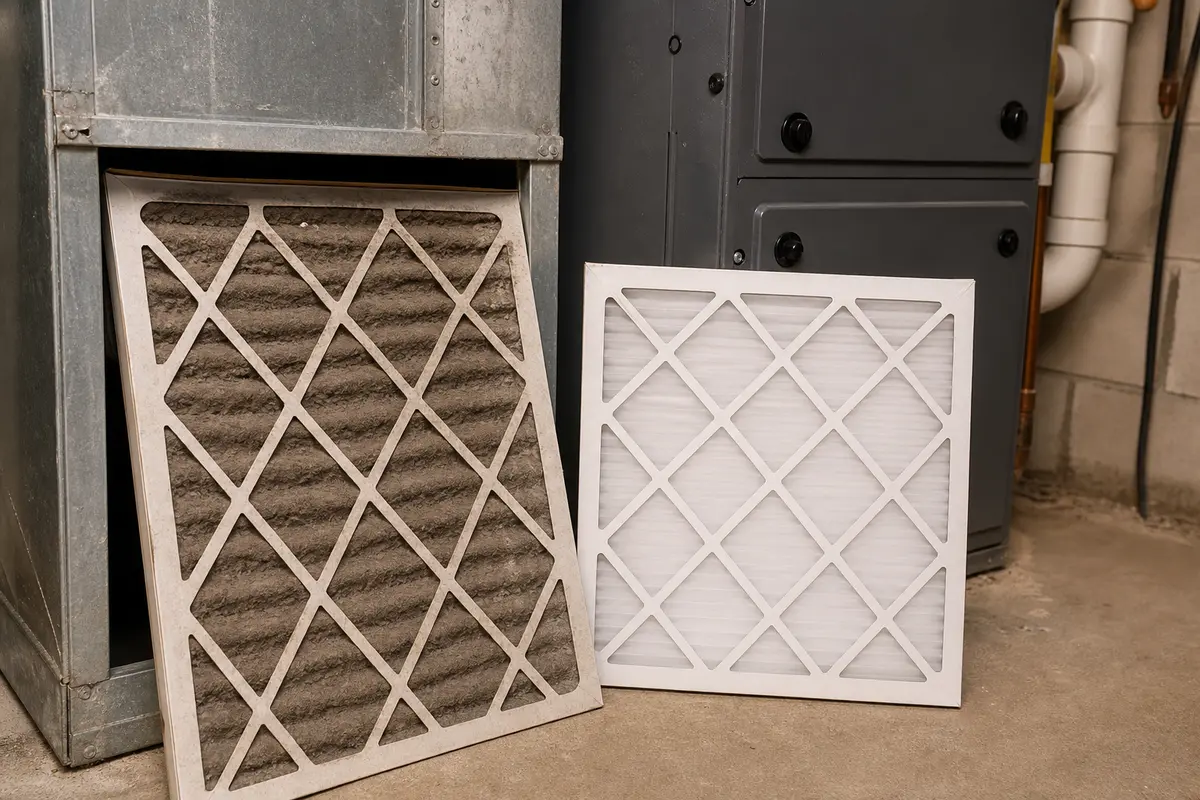
Helps when: The existing filter is dirty, bowed, damp, or the wrong size and upstairs airflow is the first place the restriction showed up.
Skip it when: The filter is clean, fitted correctly, and airflow is weak only on one upstairs run.
Compare furnace air filters on Amazon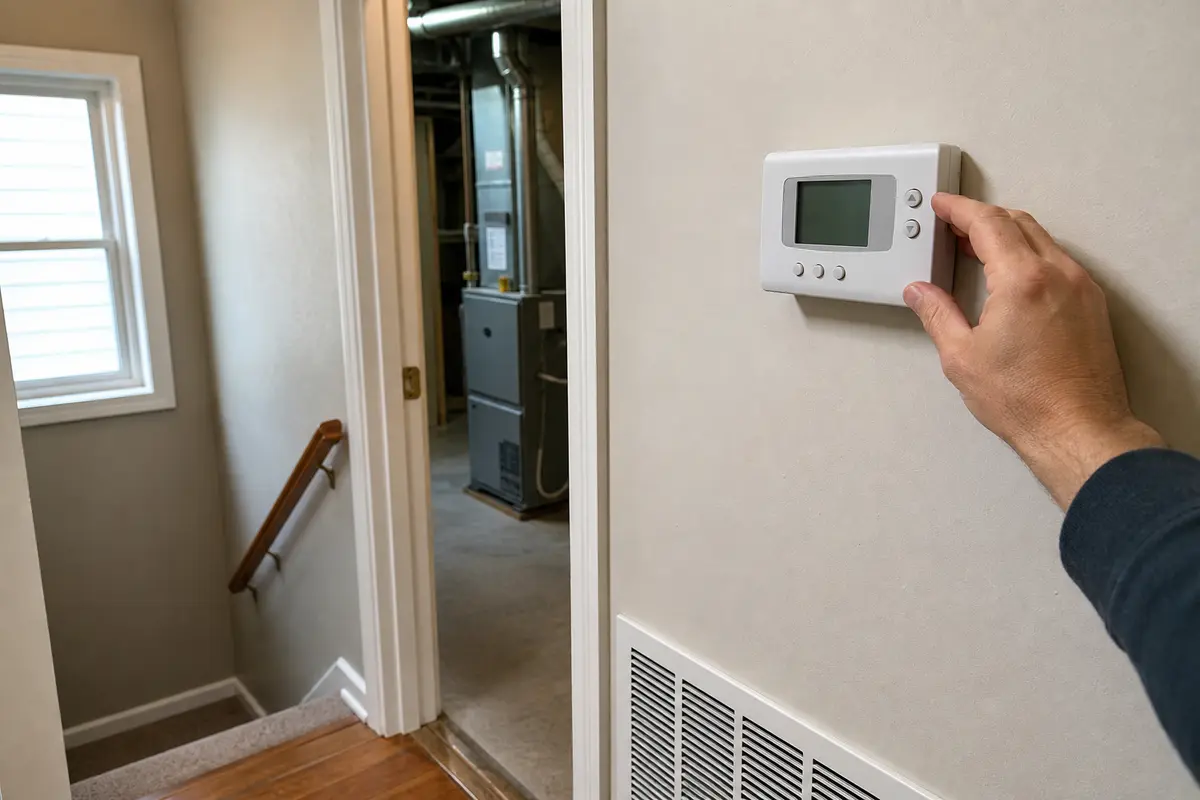
Helps when: The furnace does not get a steady heat call from the thermostat after you rule out schedule, mode, and wiring compatibility issues.
Skip it when: The furnace responds normally and downstairs heats while upstairs remains weak.
Compare furnace thermostats on Amazon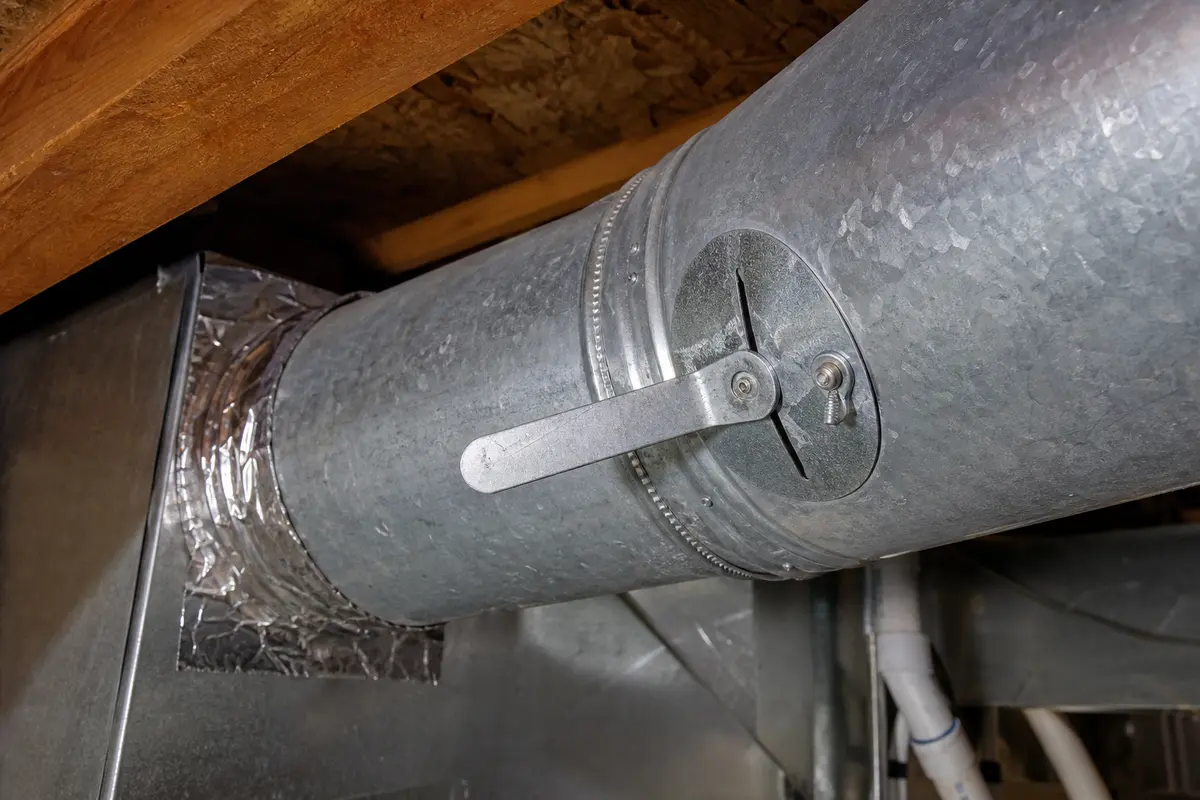
Helps when: An accessible damper serving the upstairs run is damaged, seized, or will not hold position.
Skip it when: You only need to adjust an existing working damper, or you cannot identify the duct run safely.
Compare manual duct dampers on AmazonUse these tools only for safe observation and simple airflow checks. Stop before energized furnace or gas components; call an HVAC tech for that work.
Paid links. As an Amazon Associate I earn from qualifying purchases. Repair Riot may earn a commission at no extra cost to you.
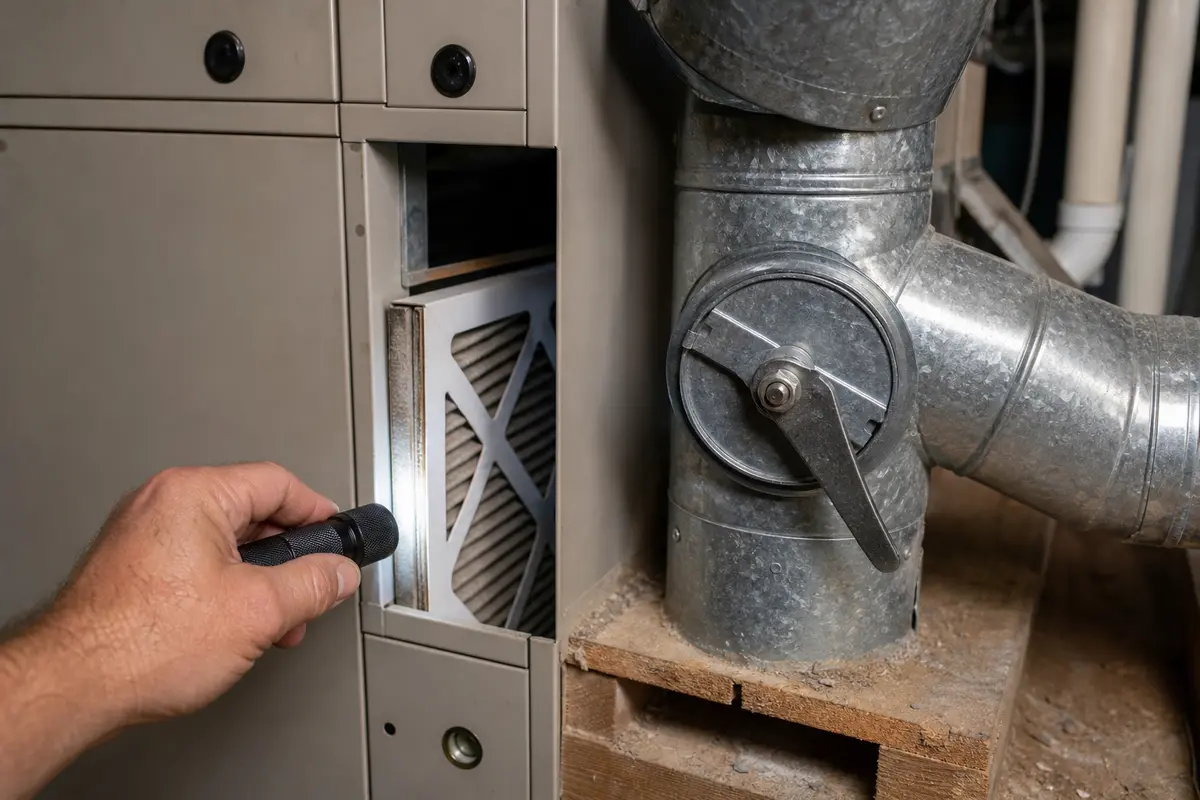
Helps when: You need to see damper handles, filter fit, return grilles, and accessible duct joints clearly.
Skip it when: The next step would require opening the burner area, electrical compartment, or hidden ductwork.
Compare inspection flashlights on Amazon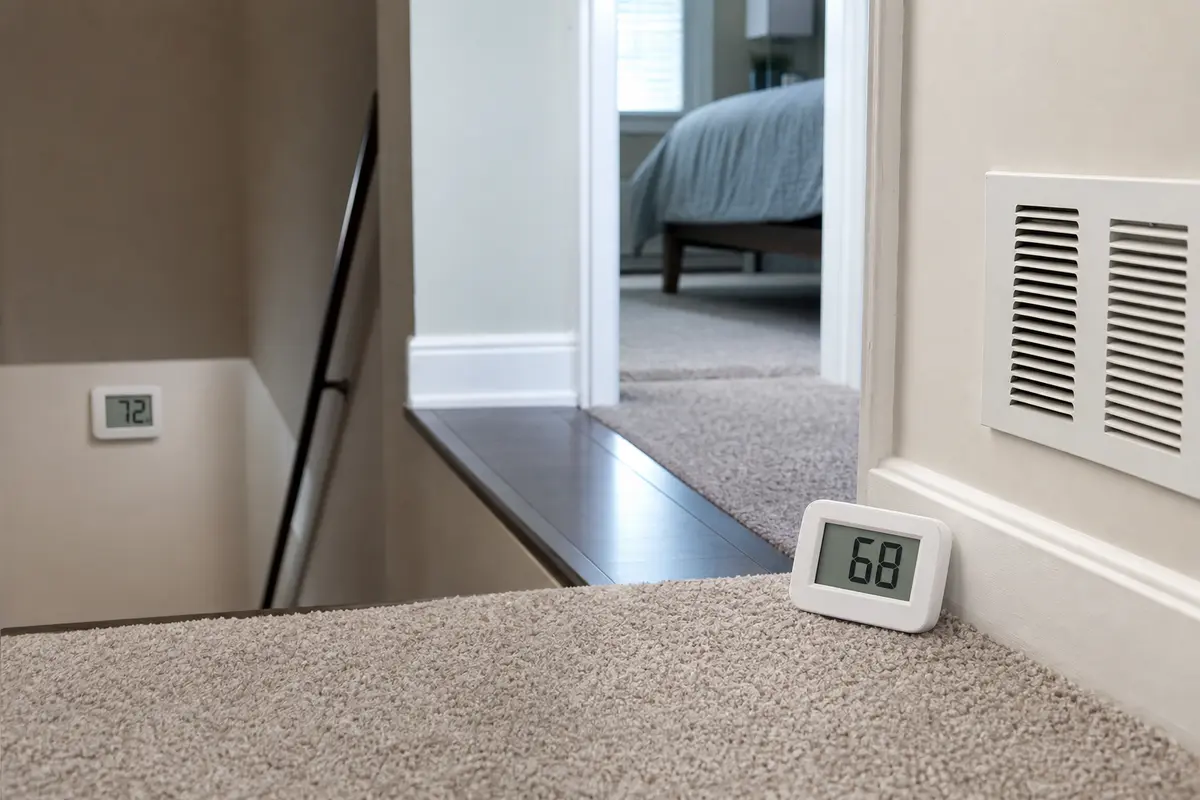
Helps when: You want an actual upstairs-downstairs temperature comparison instead of guessing by feel.
Skip it when: The furnace is not running safely or airflow is weak everywhere.
Compare room thermometers on Amazon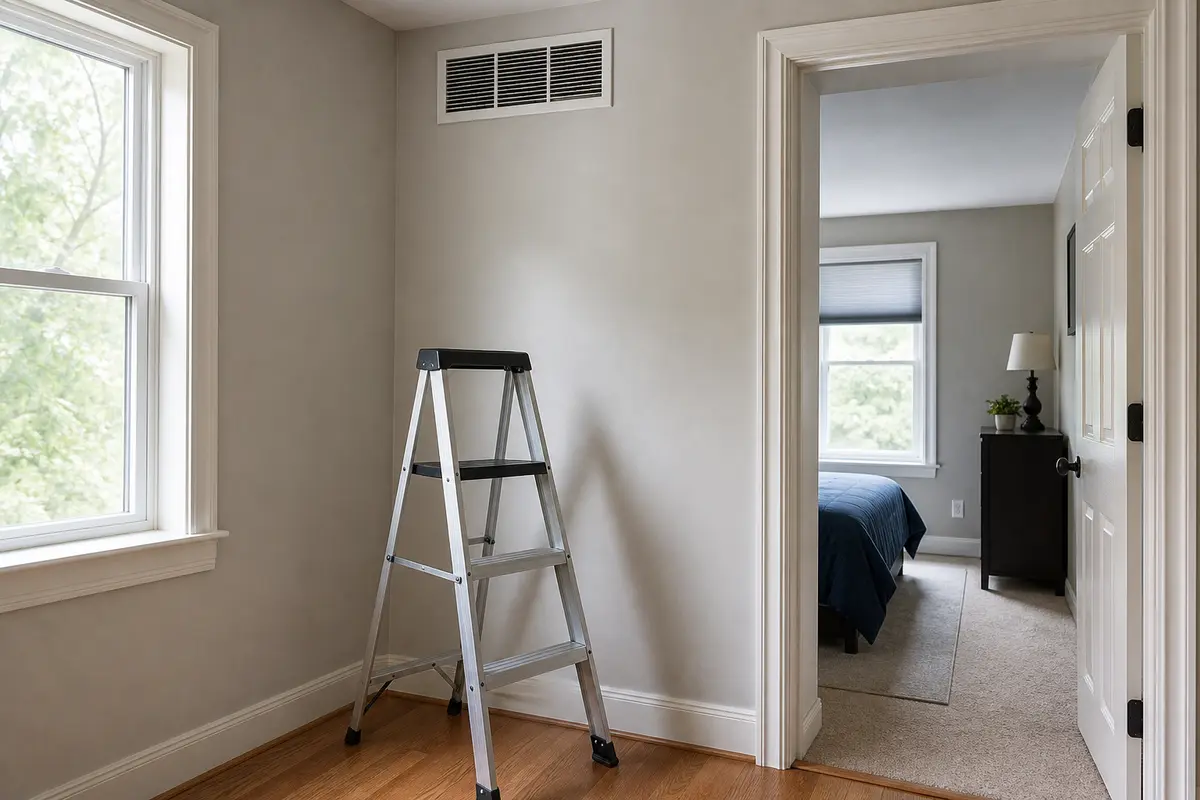
Helps when: You need to reach a high wall or ceiling register while keeping both feet supported.
Skip it when: The register is above stairs, the floor is uneven, or you would have to lean sideways.
Compare step ladders on AmazonA good service call starts with what you already observed. Tell the technician whether downstairs is warm, whether upstairs airflow is weak, and what changed after filter, register, return, and damper checks.
That pattern usually means the furnace is making heat but the upstairs air path is weak. During one heat call, compare a strong downstairs supply with the upstairs supplies, then check the filter, return grilles, and any visible balancing damper before buying furnace parts.
Yes. A restricted furnace filter cuts total airflow, and the longest or highest duct runs usually lose performance first. Pull the filter and look for heavy dust, bowing, dampness, or the wrong printed size before chasing dampers.
Not as a first move. Closing too many vents can raise static pressure and reduce total airflow. Open the upstairs path, clear returns, and adjust only real balancing dampers in small moves.
Look for a small handle on the duct run near the furnace or main supply trunk. Mark its starting position, move it only a little, and compare upstairs airflow after a full heating cycle.
One room points more toward that room's register, return path, closed door, or room duct. Check the room opening first, then inspect only accessible ductwork for a kink, crushed flex run, or loose connection.
It can be if the thermostat is not calling for heat, is in the wrong mode, or a zoned upstairs thermostat is not opening its damper. A responding furnace that heats downstairs is pointing away from thermostat replacement.
Usually no for this symptom. If the furnace lights and heats downstairs, ignition parts are not the first suspects. Compare airflow at upstairs and downstairs supplies, then follow the damper, return, and blower clues instead.
Suspect the blower side when airflow is weak at most vents after a clean filter and open returns. Listen for a blower that hums, starts late, runs unevenly, or stops before the thermostat is satisfied.
Give the furnace a full heating cycle for airflow, then several hours for room temperature. A cold upstairs room may not recover in five minutes even after the restriction is fixed.
Call for service if airflow is weak everywhere, the blower hums, burners shut off early, the breaker trips, you smell gas, a carbon monoxide alarm sounds, or you see soot or scorch marks.
Repair Riot built this page around the first clue that matters: the furnace makes heat downstairs, but the upstairs air path is weak. The checks move from thermostat call, filter, registers, returns, and damper position to blower warning signs, with a hard stop before gas, burner, live electrical, or unsafe attic work. The links below support the forced-air, filter-maintenance, and carbon monoxide boundaries; the troubleshooting sequence is original Repair Riot guidance.