Does the bowl rise only while the faucet is running?
Work the local path: stopper, drain throat, tailpiece, and P-trap.
A bathroom sink usually overflows because the drain is restricted and faucet flow is outrunning the drain. Start at the pop-up stopper and P-trap. If water backs up while the faucet is off, treat it as a shared drain problem instead.
Hair, toothpaste sludge, and soap film around the stopper or trap are the usual causes. A dirty overflow passage can make the mess look worse, but it rarely fixes the main clog by itself.
A good field clue is what the water does after the faucet stops. If the level drops slowly, stay at the stopper and trap. If dirty water returns later, stop using the sink.
Don’t start with: Do not pour harsh drain cleaner, replace the faucet, or keep running water to see what happens. First protect the cabinet, stop the flow, and find whether the water is rising from the basin or backing up from the wall.
Work the local path: stopper, drain throat, tailpiece, and P-trap.
Treat it as a shared-line backup. Do not keep opening the faucet.
Clean that passage, but keep looking for the main restriction below the drain.
Remove the buildup before opening the trap or buying parts.
The restriction is likely beyond the trap and may need a hand auger or plumber.
The water path tells you whether the fix belongs at the stopper, trap, overflow passage, or branch drain.
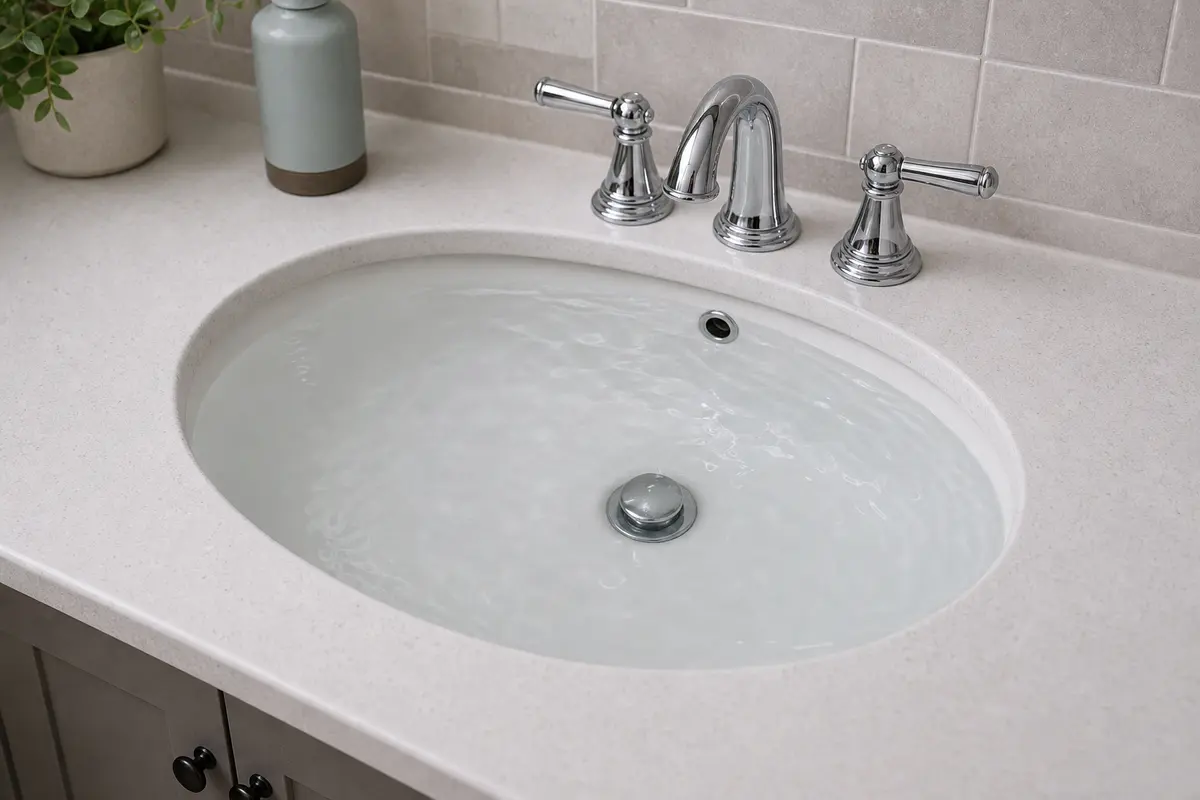
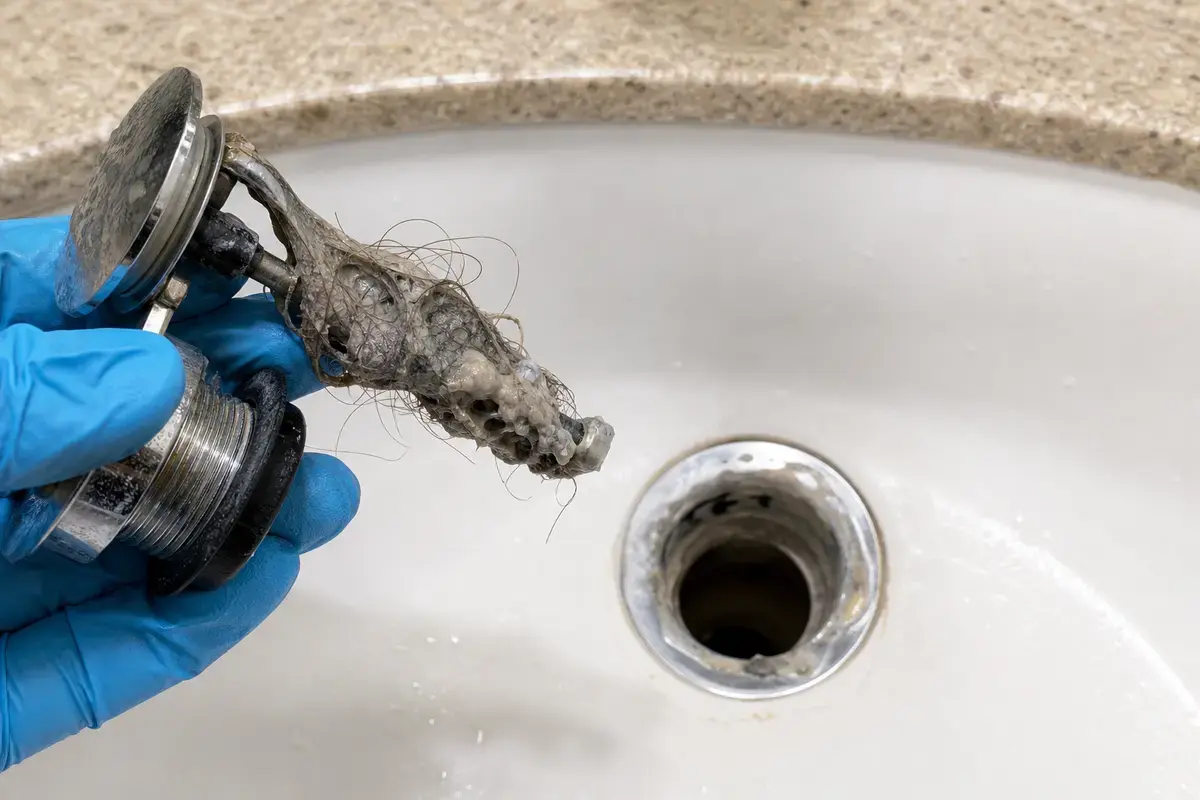
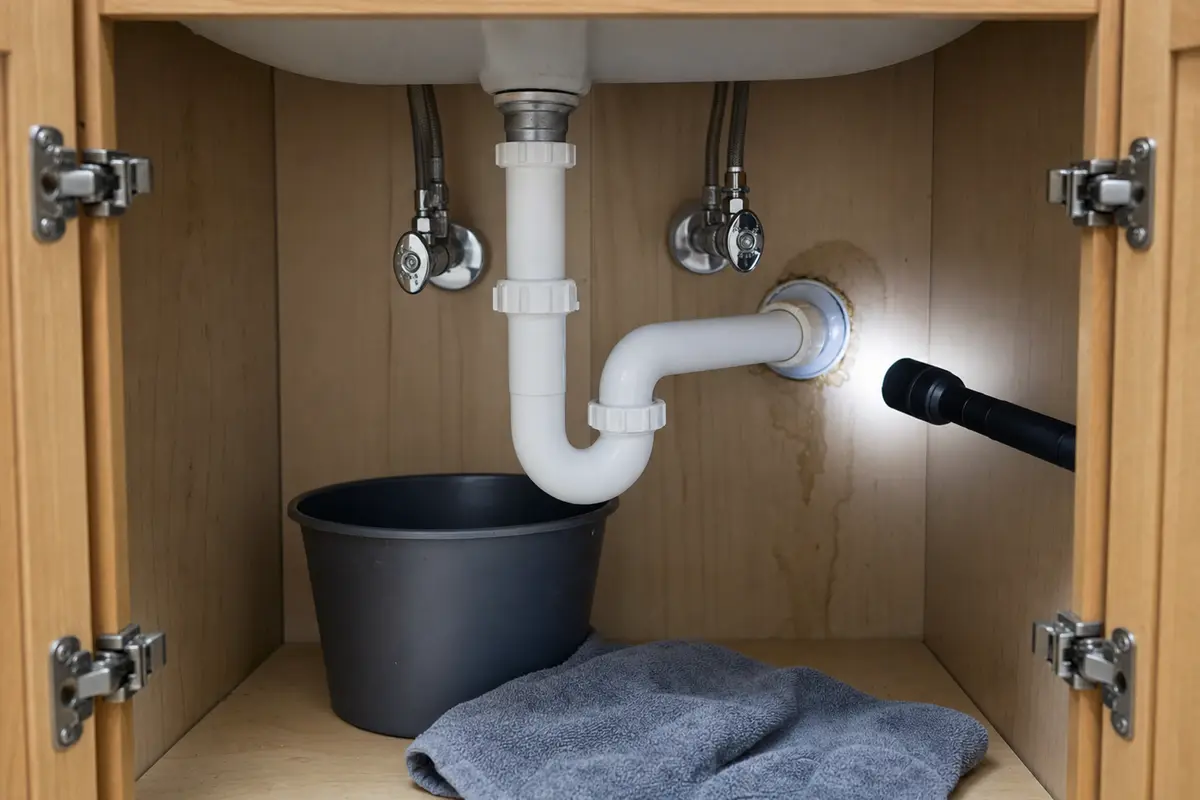
Do not buy a faucet, drain assembly, P-trap kit, slip-joint washers, or hand auger until the overflow result map proves the exact diagnosis. Match pipe size, trap layout, stopper style, drain finish, and washer bevel before ordering.
A bathroom sink can overflow with a partial clog. The drain only has to be slower than the faucet.
The wrong first move usually creates a cabinet leak or leaves chemical water in the trap.
Use the first visible water behavior to choose the next step.
| What you see | What it usually means | Next move |
|---|---|---|
| Water rises only during faucet use | Local restriction at stopper, drain throat, tailpiece, or trap. | Pull the stopper and clean the trap path. |
| Water spills from overflow hole | Main drain is slow and overflow channel may be dirty. | Clean the visible overflow and keep diagnosing the main drain. |
| Water returns when faucet is off | Shared drain backup or deeper restriction. | Stop using the sink and check nearby fixtures. |
| Trap is packed with sludge | Local clog was below the stopper. | Clean, reassemble squarely, then flow-test. |
| Trap is clear but sink still rises | Restriction is farther down the branch. | Use a small hand auger only if the issue is isolated. |
Most bathroom sink overflows start above the trap. A top-side cleanout is faster and safer.
Use these only after the water is stopped and the cabinet is protected.
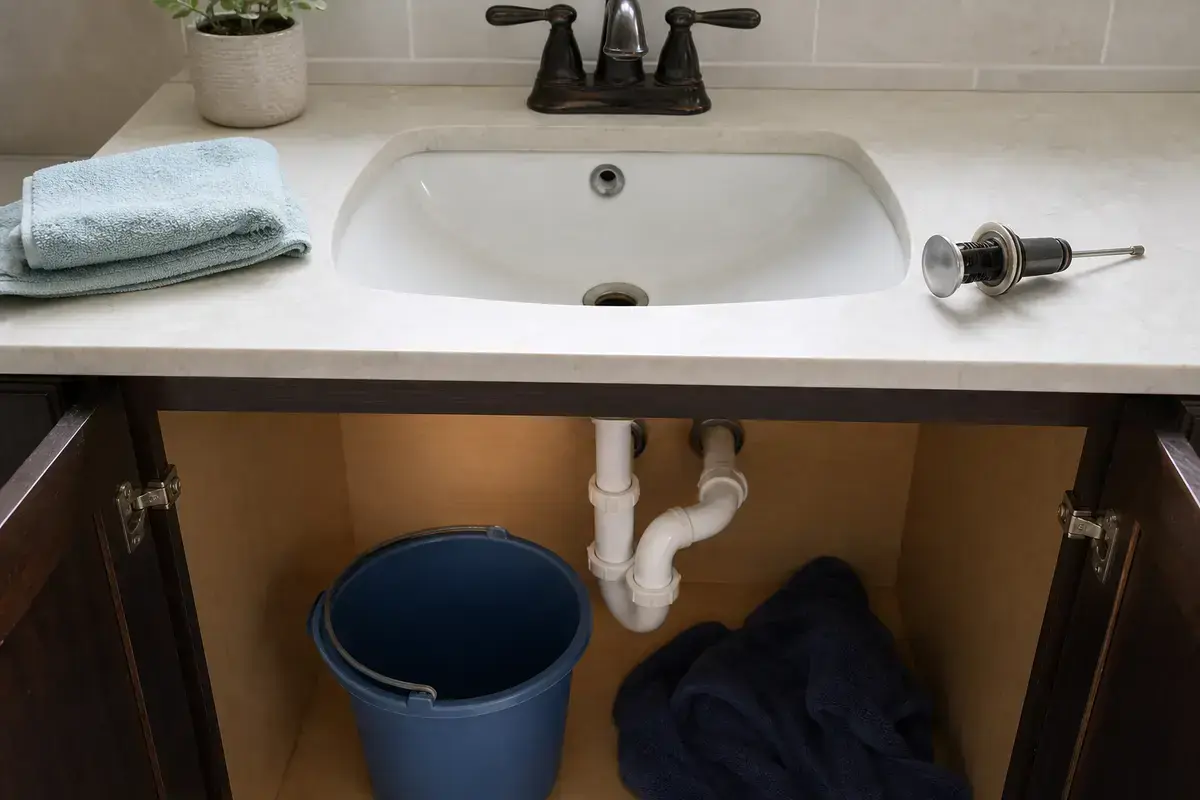
Helps when: Use under the vanity before opening the trap or testing the drain during overflow cleanup.
Skip it when: Skip opening any drain fitting over an unprotected cabinet floor.
Compare small buckets and towels on Amazon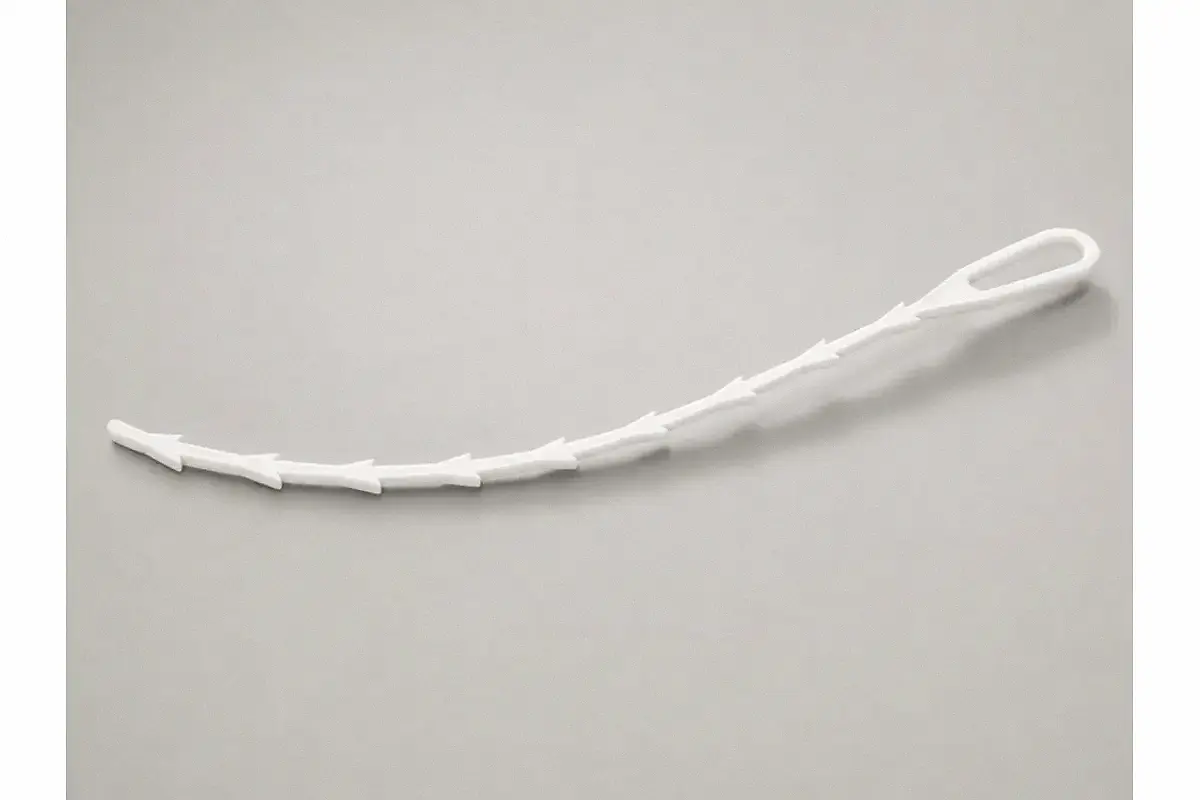
Helps when: Use first when an overflowing bathroom sink points to hair and paste around the pop-up stopper.
Skip it when: Skip forcing it deep into a metal drain or past a hard obstruction.
Compare plastic drain cleaning tools on Amazon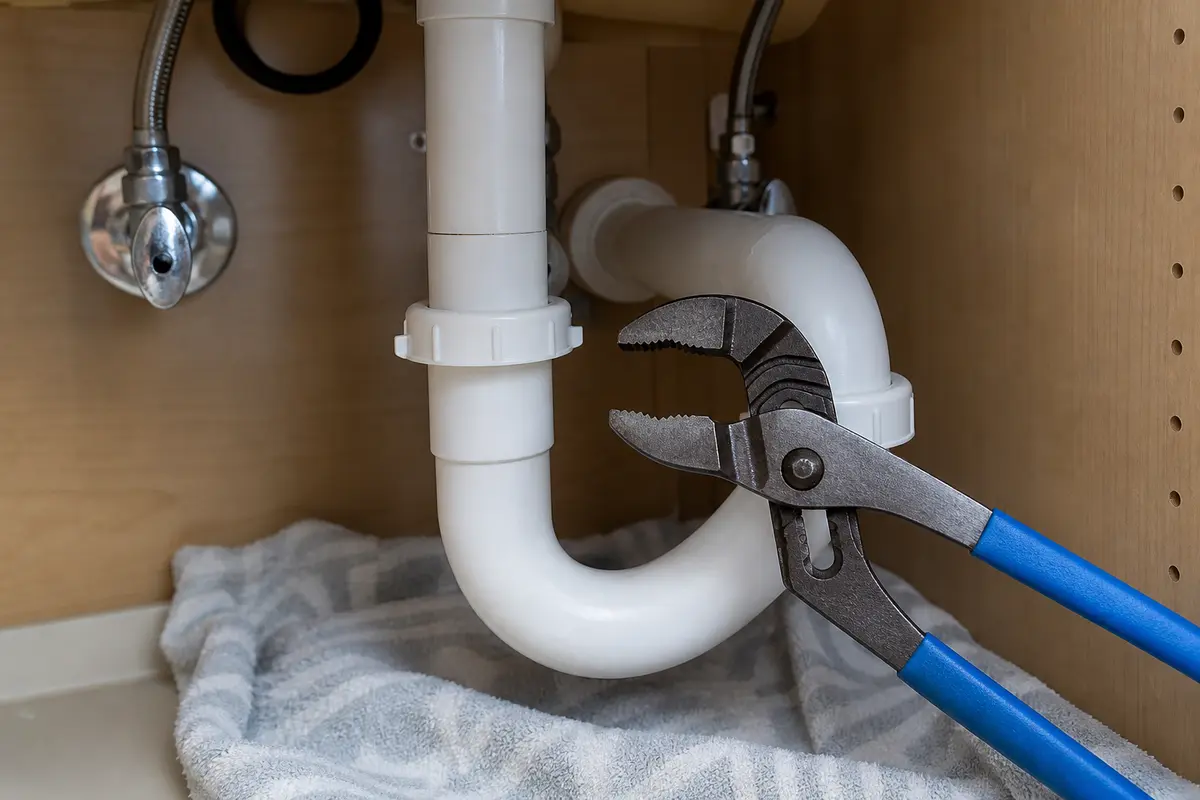
Helps when: Use only for stubborn trap nuts or larger slip joints after the overflow check points under the sink.
Skip it when: Skip using extra force on plastic slip nuts; alignment and washer fit matter more than torque.
Compare tongue-and-groove pliers on Amazon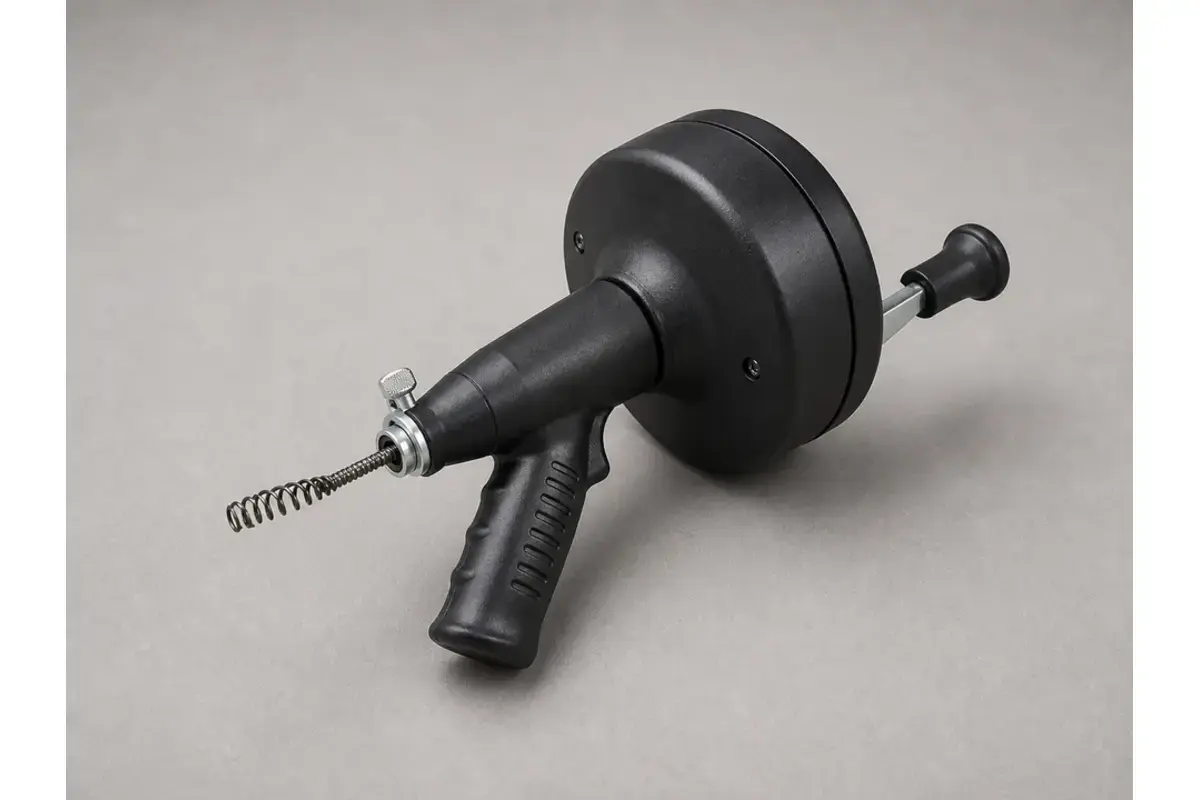
Helps when: Use only after the stopper and trap are clear and the trap check still points farther down the branch.
Skip it when: Skip augering when multiple fixtures are backing up or the cable binds hard.
Compare small hand drain augers on AmazonAs an Amazon Associate I earn from qualifying purchases. Repair Riot may earn a commission at no extra cost to you.
Buy parts only after cleaning proves a part is damaged, leaking, or unable to seal.
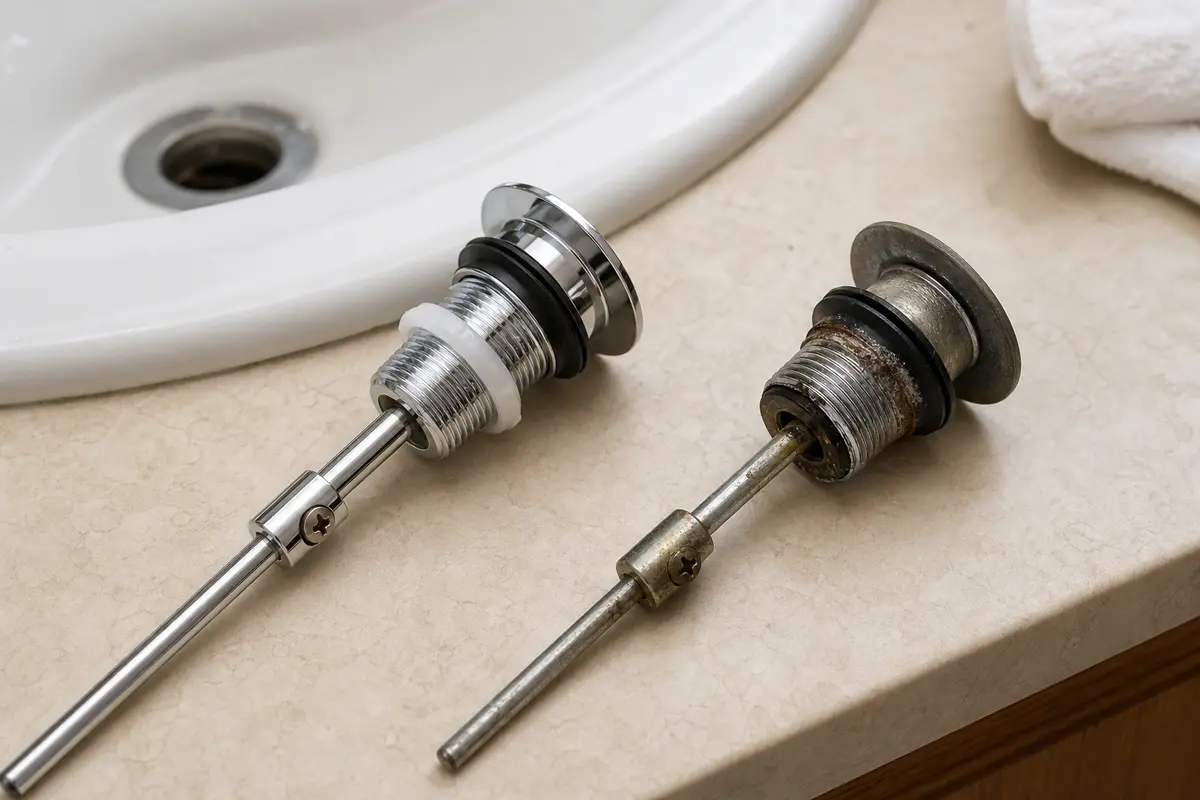
Helps when: Use when the stopper is corroded, missing pieces, jammed with buildup, or will not operate after cleaning.
Skip it when: Skip replacing it when cleaning restores movement and the drain body is sound.
Compare bathroom sink pop-up stoppers on Amazon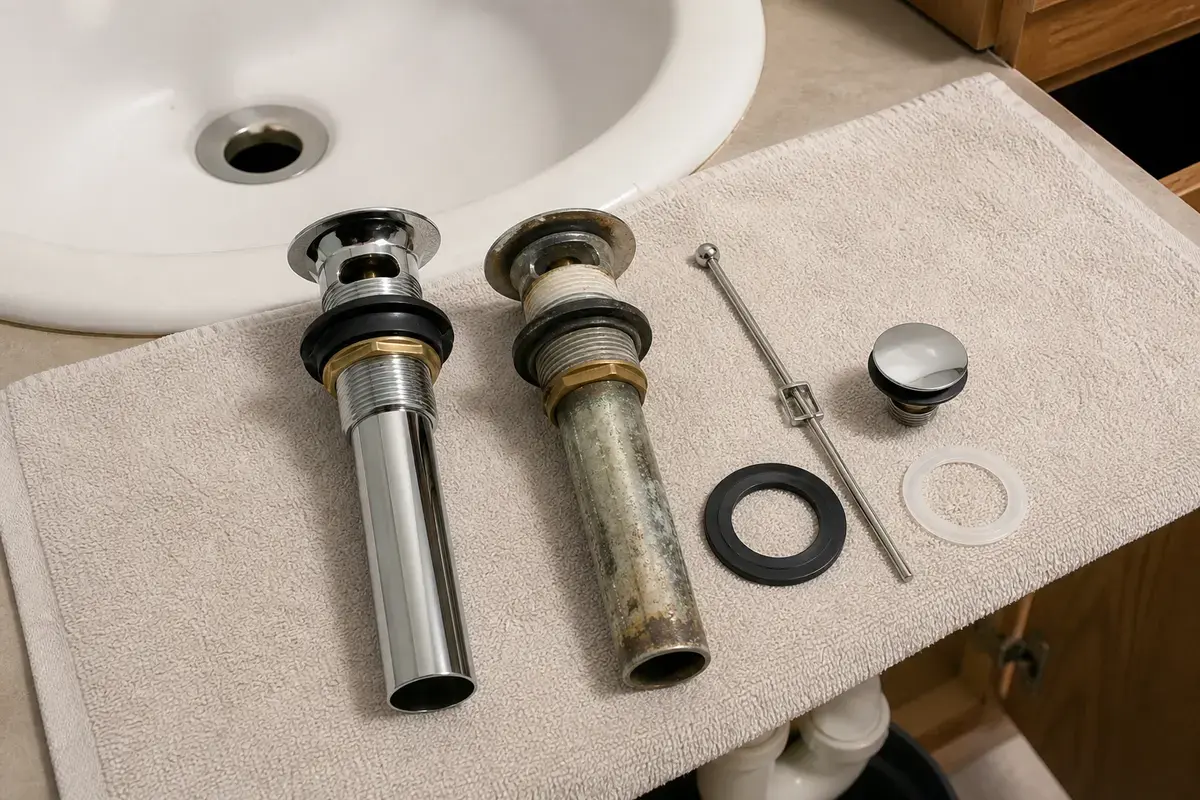
Helps when: Use only when the overflow test proves the drain body, flange, tailpiece, or pivot opening is damaged.
Skip it when: Skip a full drain assembly when the problem is only hair on the stopper or a trap washer.
Compare bathroom sink drain assemblies on Amazon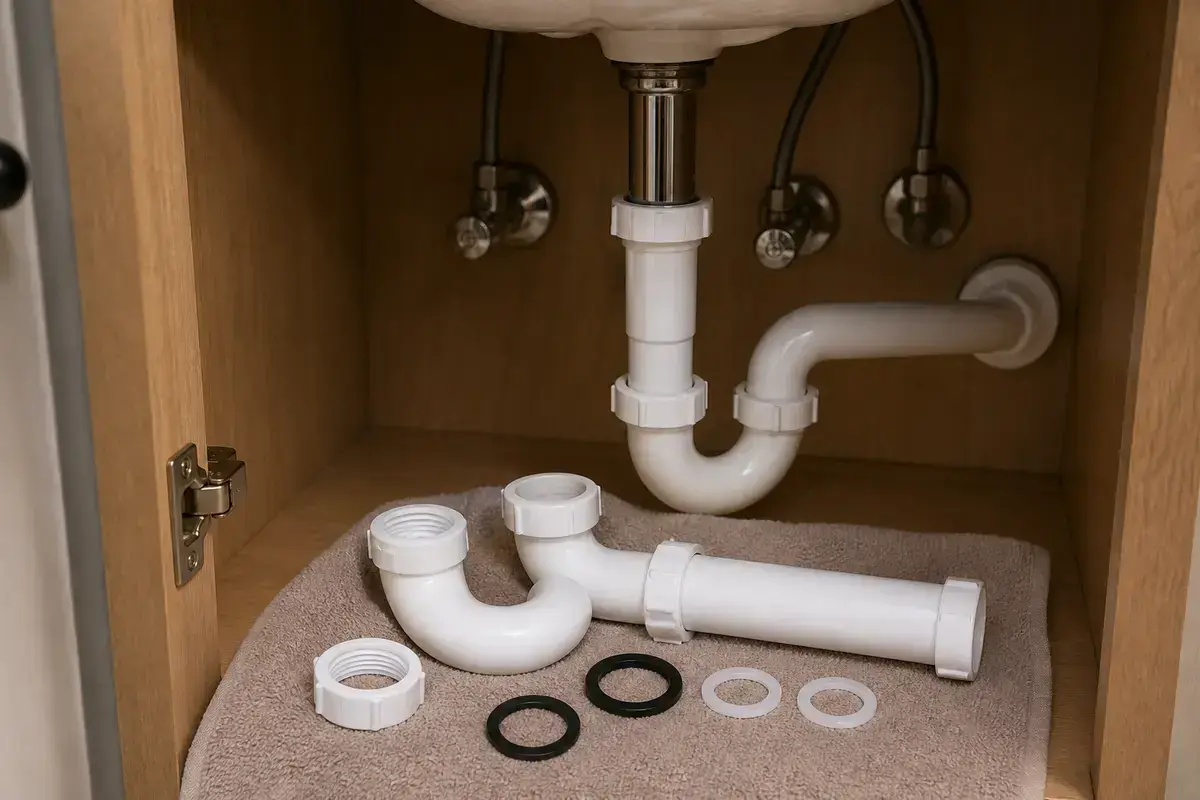
Helps when: Use when the trap is cracked, warped, corroded, leaking, or packed with buildup after cleanout.
Skip it when: Skip replacing the trap if it cleans out, aligns squarely, and seals with the existing fittings.
Compare bathroom sink P-trap kits on Amazon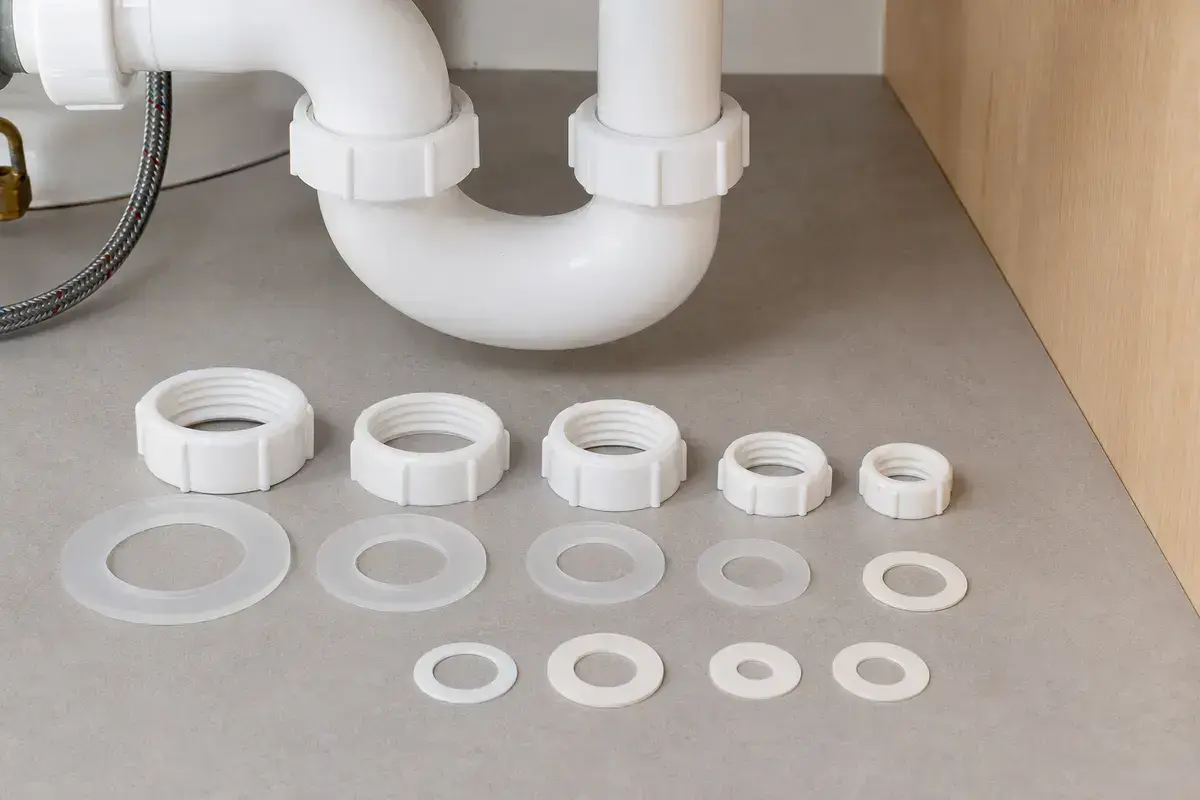
Helps when: Use when a trap or tailpiece joint leaks after trap reassembly and the old washer is flattened, split, or reversed.
Skip it when: Skip random washers that do not match the pipe size and bevel direction.
Compare slip-joint washer assortments on AmazonAs an Amazon Associate I earn from qualifying purchases. Repair Riot may earn a commission at no extra cost to you.
A partial clog can be enough. If the drain moves water slower than the faucet supplies it, the basin rises even though some water is still leaving.
The main drain is not keeping up and the overflow passage is being asked to carry water. Clean the overflow opening, but still clear the stopper and trap path.
Only after the bowl level is controlled and the overflow opening is blocked with a wet rag. Start with the stopper because bathroom sinks usually clog there first.
Rarely. A faucet can reveal a slow drain, but the repair is usually on the drain side, not the faucet.
When water returns with the faucet off, other fixtures are slow, or the sink still backs up after the stopper and trap are clear.
Only if it is cracked, warped, corroded, leaking, or will not align and seal. Many traps only need cleaning and careful reassembly.
Skip it if you may open the trap, plunge, or use a hand auger. Chemical water in the trap makes the repair more hazardous.
Match the drain finish, stopper type, trap material, pipe diameter, trap arm layout, and washer size before ordering.
This guide prioritizes visible water behavior because an overflowing bathroom sink can be a local stopper clog, a dirty overflow passage, or a shared-line backup. The buying guidance is tied to the tested failure point.