Thermostat just changed to cooling?
Wait through the normal delay, then confirm Cool mode, fan Auto, and a setpoint below room temperature.
Start by splitting the symptom. If the thermostat says cooling but the unit is off, check delay, thermostat batteries, indoor unit power, AC breaker, outdoor disconnect, filter, and condensate safety.
The common homeowner clues are a waiting delay, lost air-handler power, tripped breaker, full drain pan, or thermostat call that is not really reaching the system.
First decide whether nothing runs or only the outdoor unit is off. That split points the rest of the diagnosis.
Don’t start with: Do not replace the thermostat, capacitor, or contactor just because the screen says Cool On.
Wait through the normal delay, then confirm Cool mode, fan Auto, and a setpoint below room temperature.
Check thermostat batteries, indoor service switch, blower door, and HVAC breaker.
Check outdoor disconnect, condenser breaker, condensate float switch, and no-start service clues.
Clear the drain problem before replacing the switch or outdoor parts.
Stop after safe checks and schedule HVAC service.
The thermostat display is only one clue. The useful split is thermostat, indoor equipment, outdoor equipment, and drain safety.
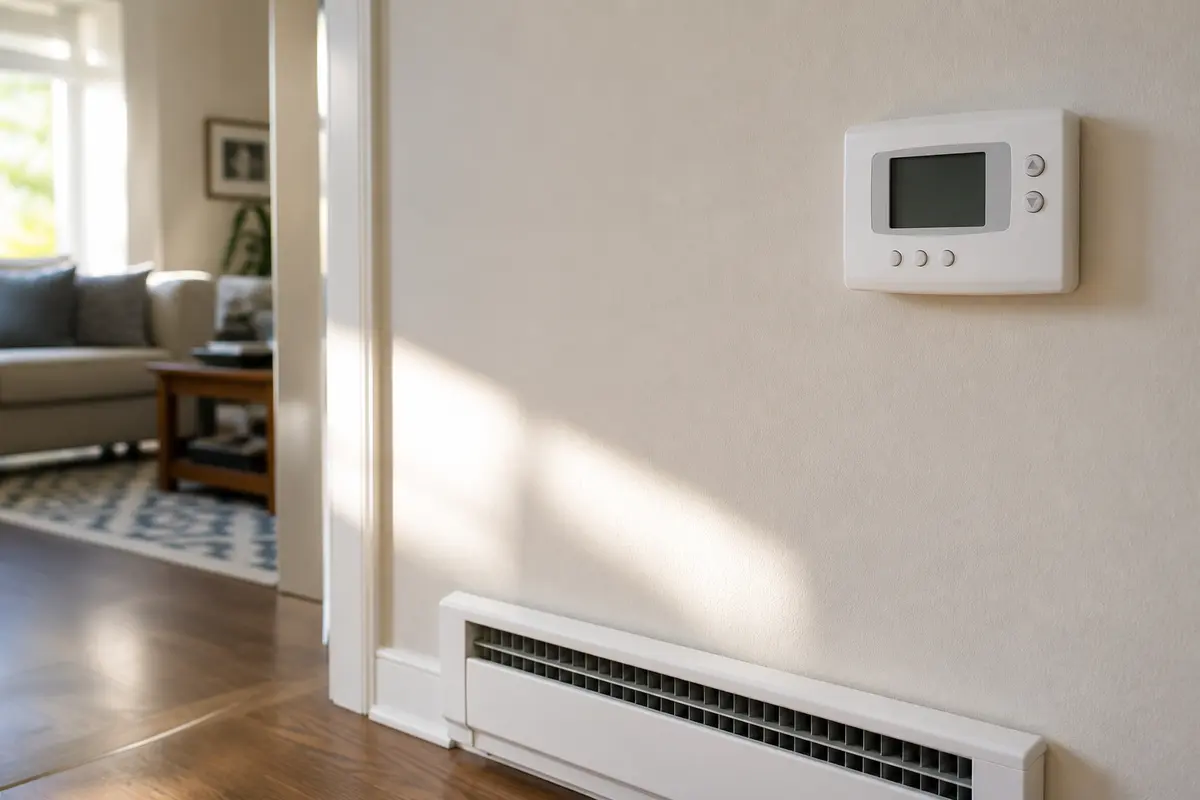
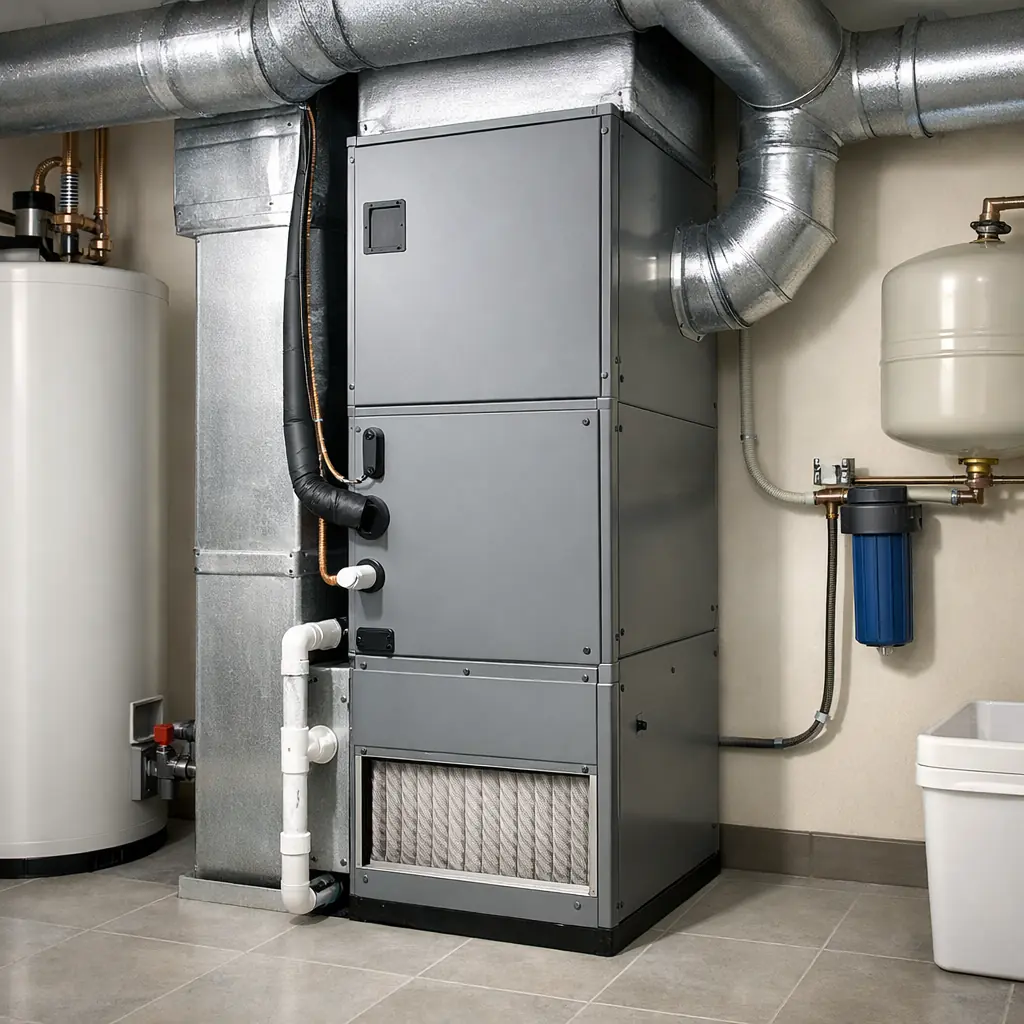
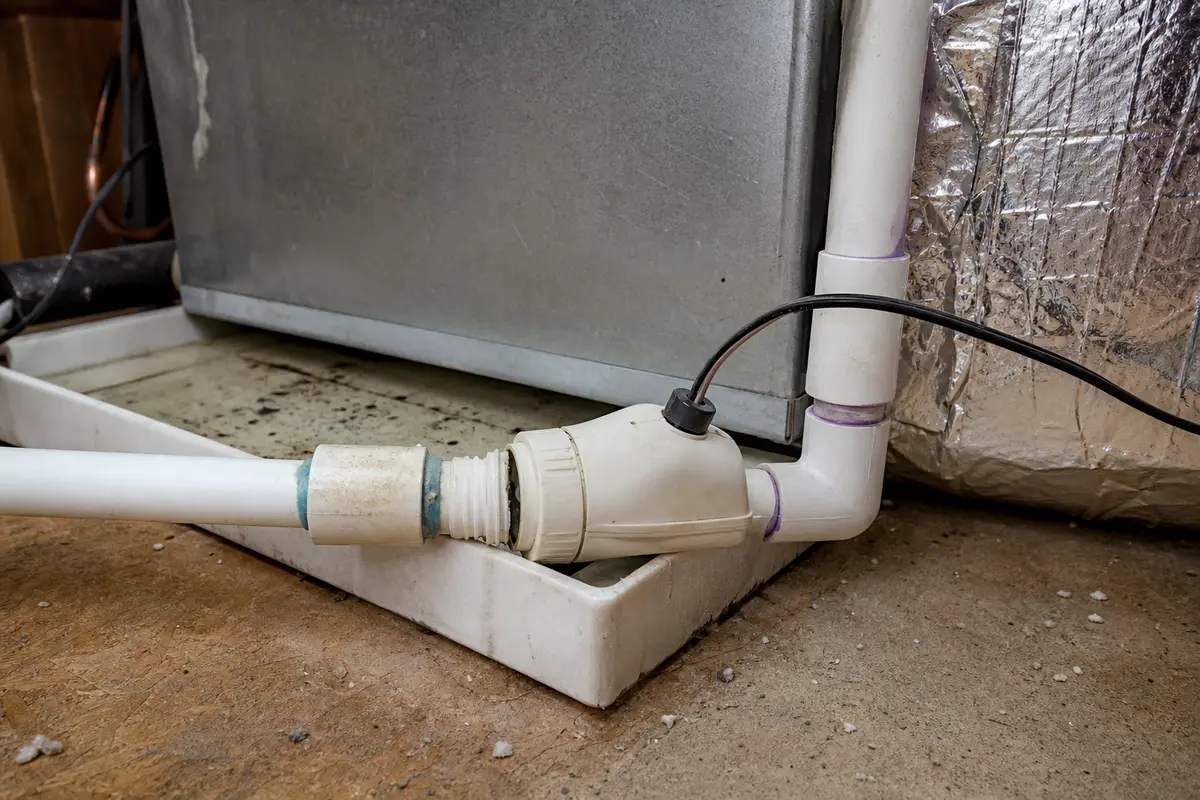
Match the part to the exact branch. A thermostat buy fits only after delay, batteries, indoor power, breaker, and wire compatibility point there. A filter buy fits when the installed filter is dirty, wet, collapsed, missing, or the wrong size. A float switch buy fits only after the drain is clear and the visible switch style, mounting, and wiring match. Capacitor, contactor, compressor, and refrigerant parts need a tested diagnosis.
A thermostat that says cooling proves the display sees a demand. It does not prove the air handler, condenser, or safety circuit is ready.
The display can make this look like a thermostat failure. Do not let that shortcut the basics.
Use this table after one controlled cooling call and the normal delay period.
| What is off | What it usually means | Next move |
|---|---|---|
| Nothing runs | Thermostat delay, batteries, indoor unit switch, blower door, or breaker may be upstream. | Check thermostat and indoor power path first. |
| Indoor blower runs, outdoor unit off | Outdoor power, disconnect, float switch, or condenser no-start path is likely. | Check disconnect, breaker, drain safety, and service-call clues. |
| Outdoor unit clicks or hums | The condenser may be receiving a call but cannot start. | Stop before internal electrical diagnosis. |
| Water in pan or raised float | Drain safety may be intentionally stopping cooling. | Clear water and drain issue before replacing the switch. |
| Filter packed or ice visible | Airflow restriction may have caused a freeze or safety stop. | Replace filter, thaw ice, and call service if ice returns. |
These checks explain many cases where the thermostat display looks right but the AC is off.
After the thermostat and indoor power path are clear, look for the common safety and airflow interruptions.
Buy parts only when the actual clue points there clearly.
These support safe inspection, thermostat battery checks, filter replacement, and drain cleanup. Stop before energized condenser work.
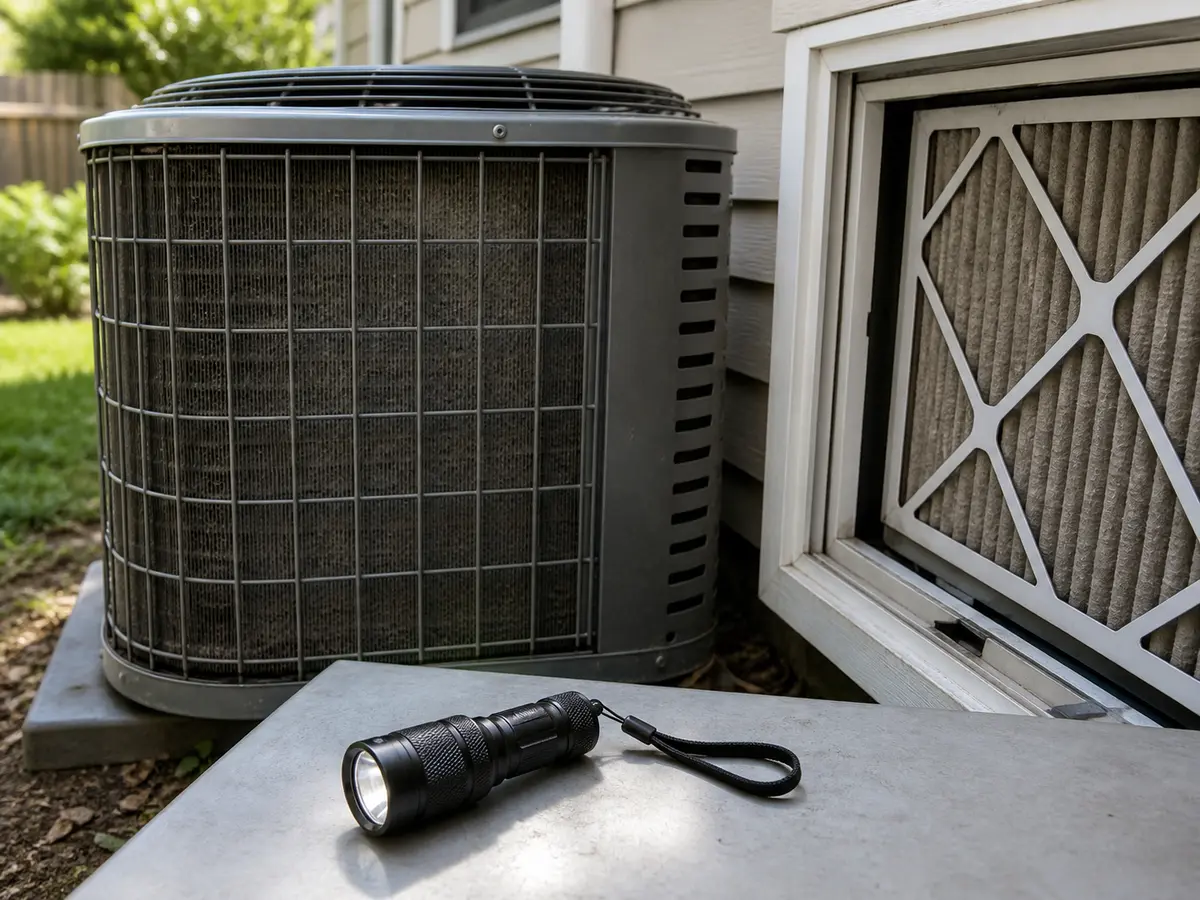
Helps when: Use it to check the air-handler switch area, blower door, filter slot, pan water, float switch, and outdoor disconnect.
Skip it when: Skip deeper inspection when the next step would expose wiring, capacitor terminals, or condenser electrical parts.
Compare inspection flashlights on Amazon
Helps when: Use fresh batteries when the thermostat display is dim, blank, flickering, or slow to respond.
Skip it when: Skip battery shopping when the thermostat is hardwired and stable or when the condenser clicks and hums.
Compare thermostat batteries on Amazon
Helps when: Replace it when the current filter is packed, wet, bowed, collapsed, overdue, or the wrong size for the rack.
Skip it when: Skip random filter upgrades when thickness, airflow direction, or restriction rating is not right for the system.
Compare AC filters on Amazon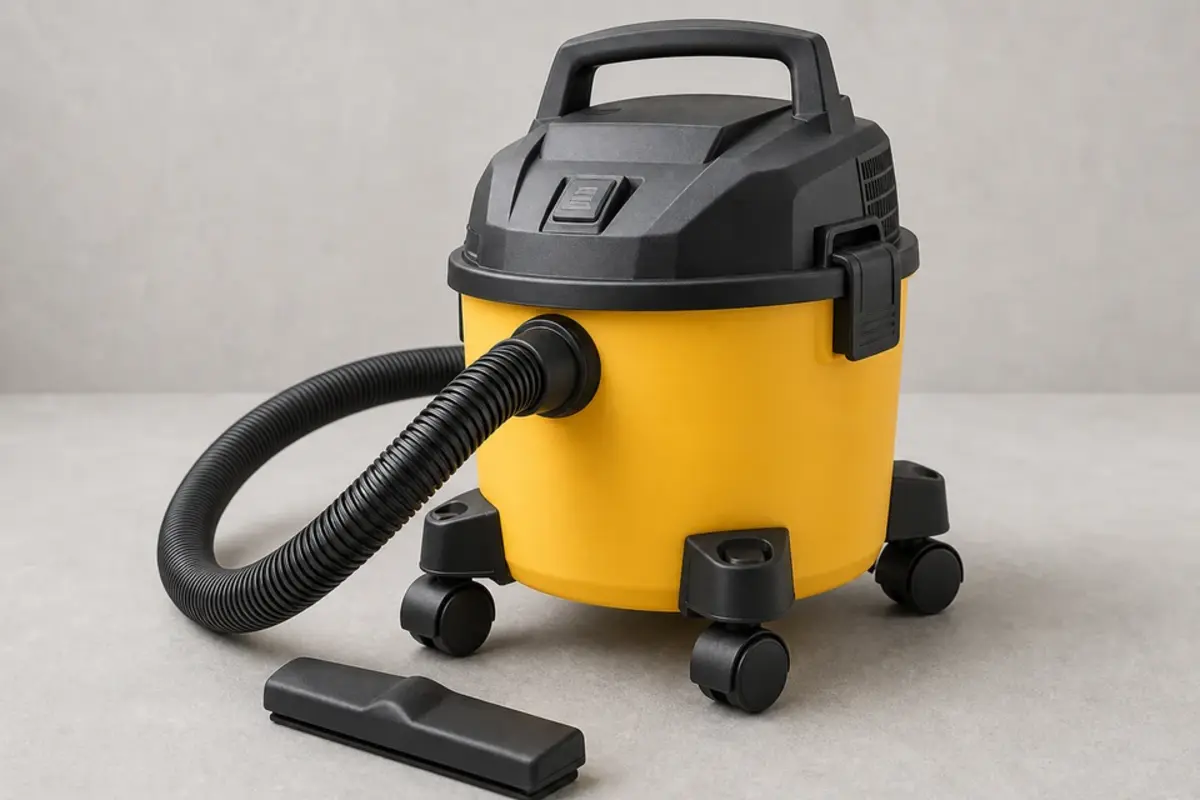
Helps when: Use it at an accessible condensate drain outlet when pan water and a known clog are blocking cooling.
Skip it when: Skip it when the drain route is hidden, water is near electrical parts, or the drain outlet is not identifiable.
Compare wet-dry vacuums on AmazonAs an Amazon Associate I earn from qualifying purchases. Repair Riot may earn a commission at no extra cost to you.
The reasonable parts are narrow: thermostat, float switch, and sometimes a filter. Hidden condenser electrical parts stay off the shopping list until tested.
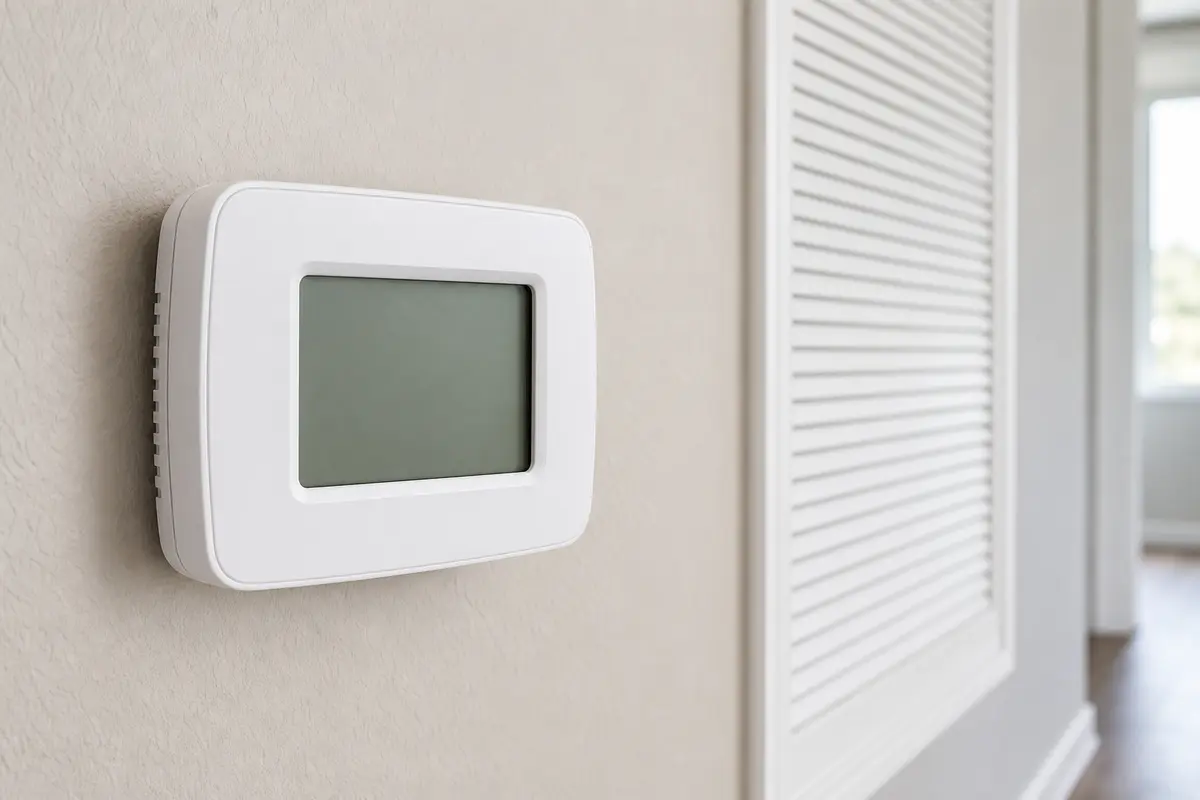
Helps when: Consider one when the thermostat cannot hold a reliable cooling call after settings, delay, batteries, indoor power, and compatibility checks.
Skip it when: Skip it when the outdoor unit clicks or hums, a breaker trips, or a float switch is open.
Compare compatible thermostats on Amazon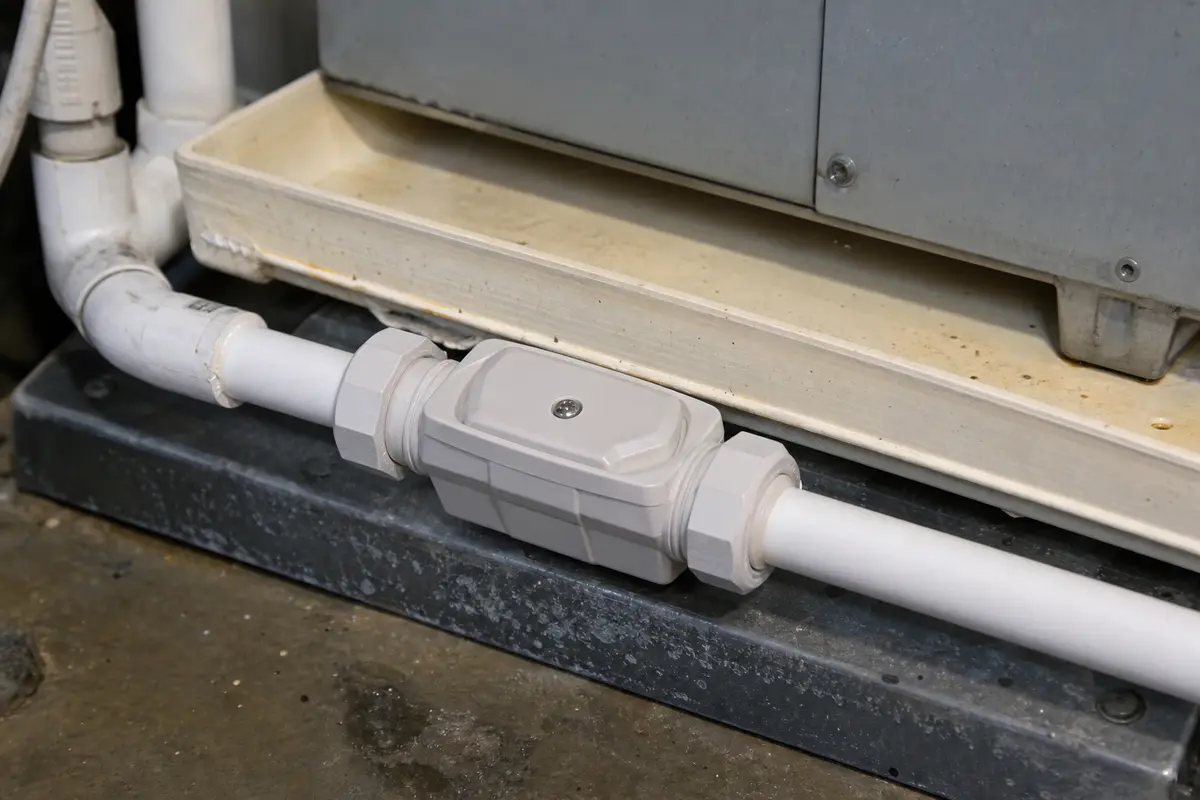
Helps when: Consider one only when the drain is clear, but the visible float switch stays open, sticks, is cracked, or will not reset reliably.
Skip it when: Skip it when pan water or a clogged drain is still lifting a working switch.
Compare AC condensate float switches on AmazonAs an Amazon Associate I earn from qualifying purchases. Repair Riot may earn a commission at no extra cost to you.
The thermostat may be calling, but the system can still be blocked by delay, lost indoor power, a tripped breaker, outdoor disconnect, condensate safety, filter and ice problems, or a condenser fault.
That usually means the indoor side has power but the outdoor condenser is blocked by power, disconnect, safety, or condenser no-start trouble. Check the outdoor disconnect and breaker, then stop if it clicks, hums, or still stays off.
Yes. A clogged filter can reduce airflow and contribute to freeze-up or shutdown behavior while the thermostat still says cooling.
On many systems, yes. A condensate float switch can stop cooling when the pan fills or the drain backs up. Clear the water problem before replacing parts.
Not first. Check mode, fan setting, delay, batteries, indoor power, breaker status, filter, and condensate safety first. Replace the thermostat only after those checks point there.
Wait up to five minutes. Many systems use an anti-short-cycle delay, so the display can say cooling before the equipment starts.
Call if breakers trip, the outdoor unit clicks or hums without starting, ice returns, water keeps filling the pan, or the system still stays off after thermostat, power, filter, and float-switch checks.
Treat it as a water-safety clue. The switch protects against damage, so clear the drain problem first and replace the switch only when the switch itself is confirmed bad.
Repair Riot built this page around safe homeowner checks: thermostat display state, compressor delay, indoor power, breaker and disconnect status, filter airflow, condensate safety, and clear stop points before condenser electrical or refrigerant work.