Water in pan or drain outlet clogged?
Clear the accessible condensate drain path first.
If your AC is dripping water inside, turn cooling off and check the condensate path first: drain pan water, drain outlet, clogged cleanout, dirty filter, and ice on the coil or large refrigerant line. A drain clog or thawing ice is more likely than a failed whole system.
Good clue: water near the air handler with normal cooling points to condensate drainage; weak airflow or ice points back to filter and coil trouble.
Indoor dripping can damage drywall, flooring, insulation, and furnace controls. Stop the water path before chasing parts.
Don’t start with: Do not keep running the AC while water is leaking, tape down the float switch, or pour harsh cleaner into the drain.
Clear the accessible condensate drain path first.
Turn cooling off, thaw, replace filter, and call if ice returns.
Replace the filter and retest after the coil is dry.
Treat it as a water-safety clue, not a part failure yet.
Check pan cracks, trap/tubing, pump, and service-only coil issues.
Indoor AC leaks usually start at the drain, pan, ice, or float-switch safety path.
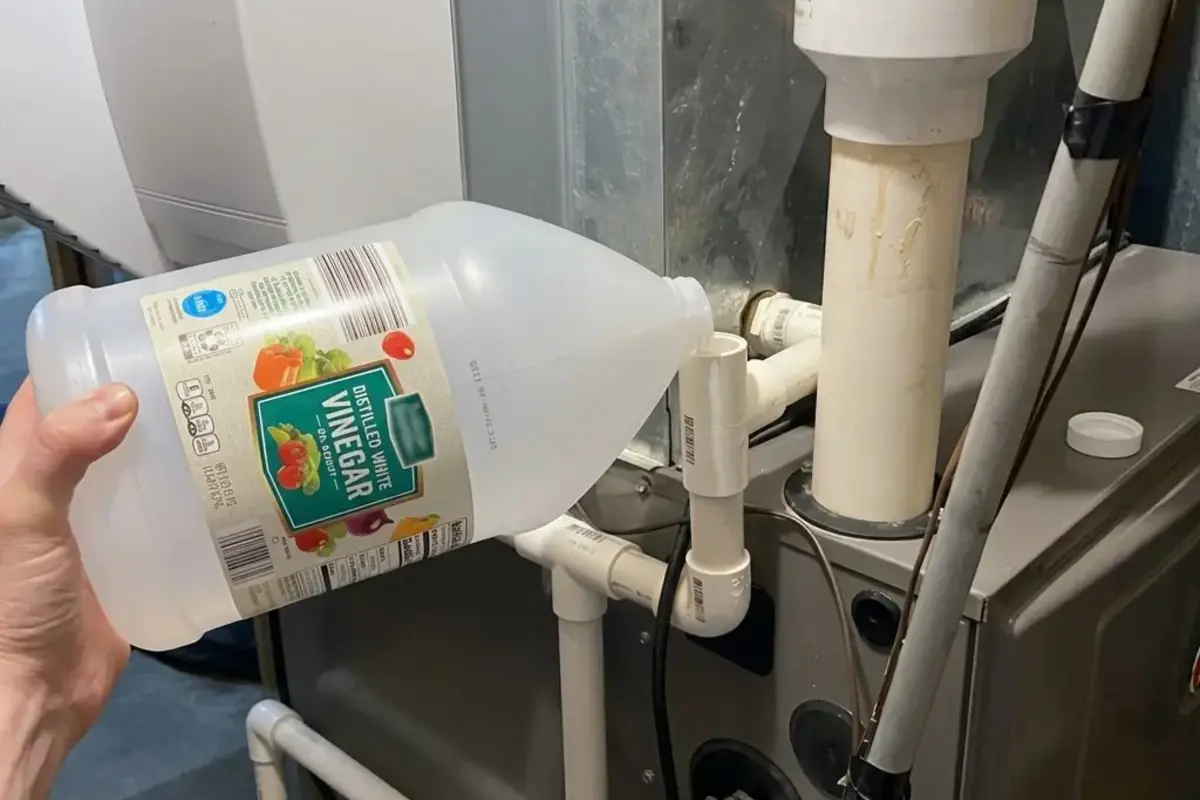
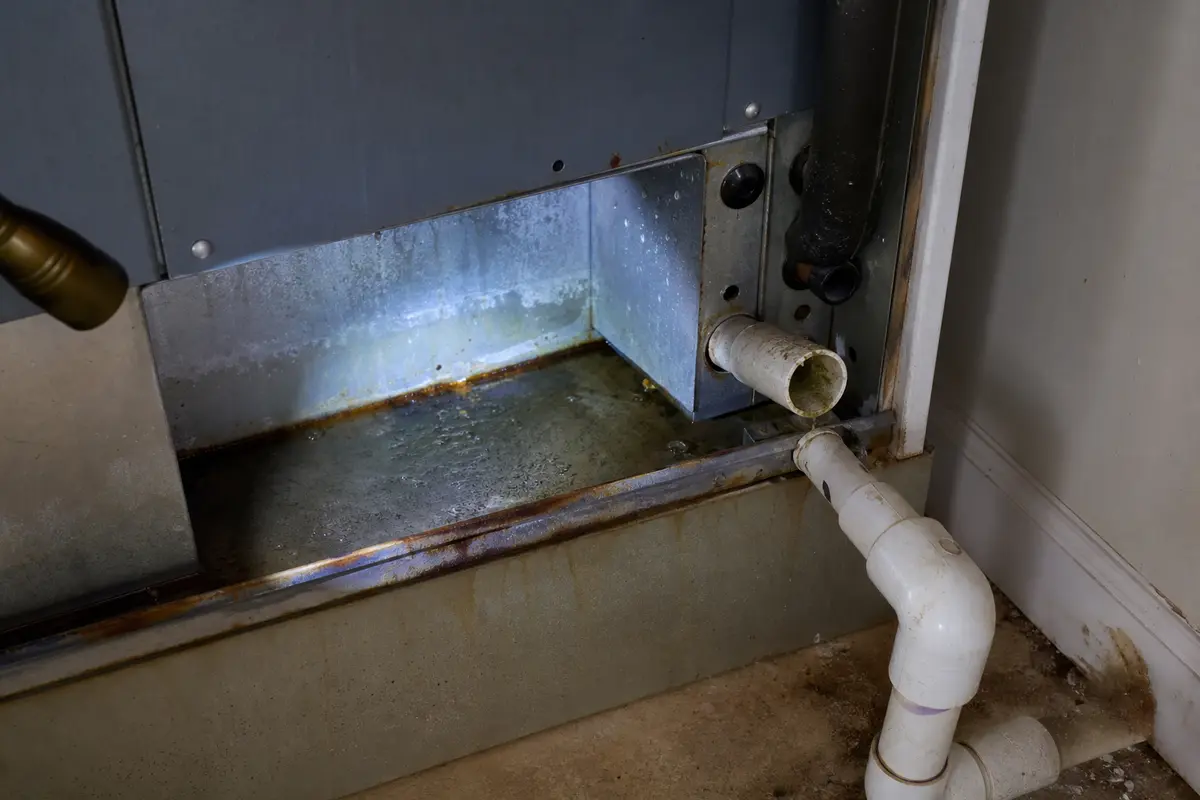
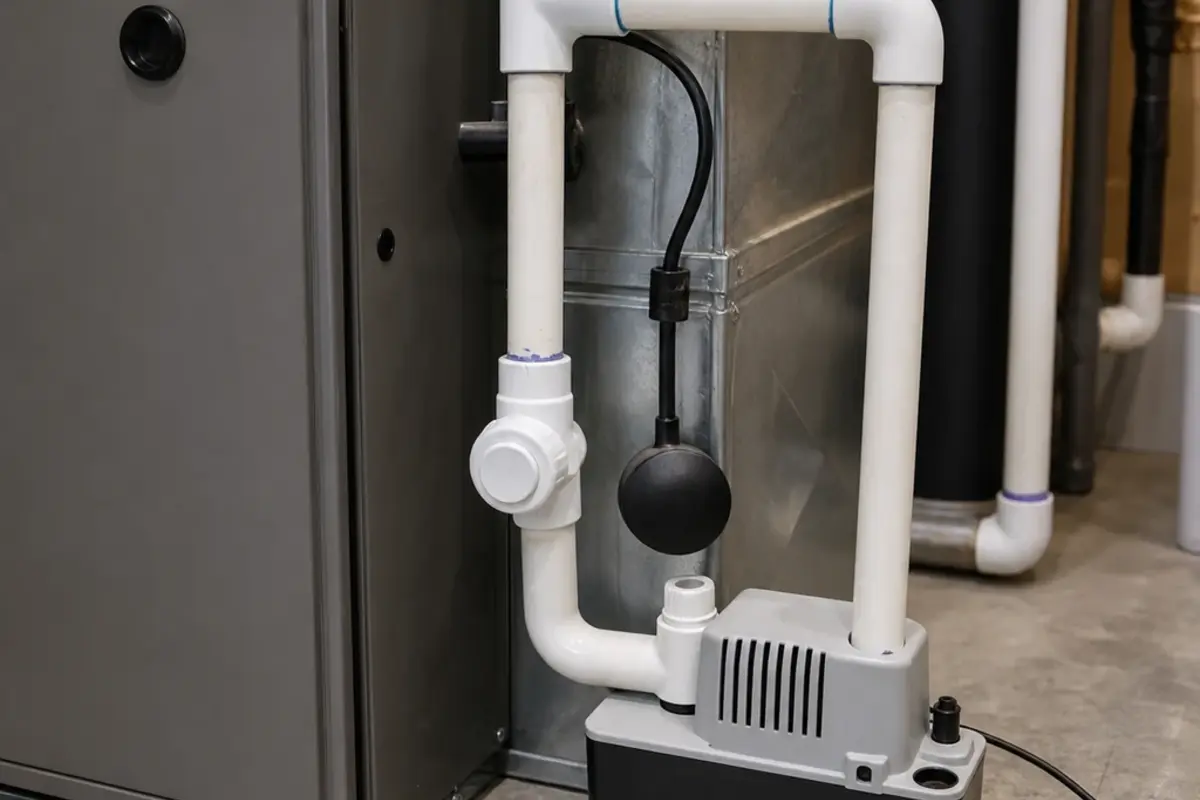
Buy only after the exact diagnosis fits: dirty filter and ice, a clogged drain outlet, a cracked or mismatched condensate trap, failed tubing, or a float switch that will not reset after the drain is clear. Match the exact model, drain size, switch style, and visible clue before ordering anything.
Water inside usually means the condensate path cannot carry water away.
Avoid the expensive shortcut until the visible clues support it.
Use this table after one controlled cooling call and the normal delay period.
| Clue | Most likely clue | Next move |
|---|---|---|
| Standing pan water | Clogged drain, trap, pump, or outlet | Clear accessible outlet and watch for refill. |
| Ice visible | Airflow or refrigerant-side problem | Turn cooling off and thaw before retesting. |
| Filter packed | Airflow restriction and possible freeze-up | Replace filter and watch first cycle. |
| Float switch raised | Water safety shutdown | Clear the water issue before replacing the switch. |
| Drain clear, leak continues | Cracked pan, tubing, pump, or coil issue | Schedule service. |
These checks keep the diagnosis tied to field clues.
Buy parts only when the evidence points to that exact visible clue.
These support safe visible checks and cleanup.
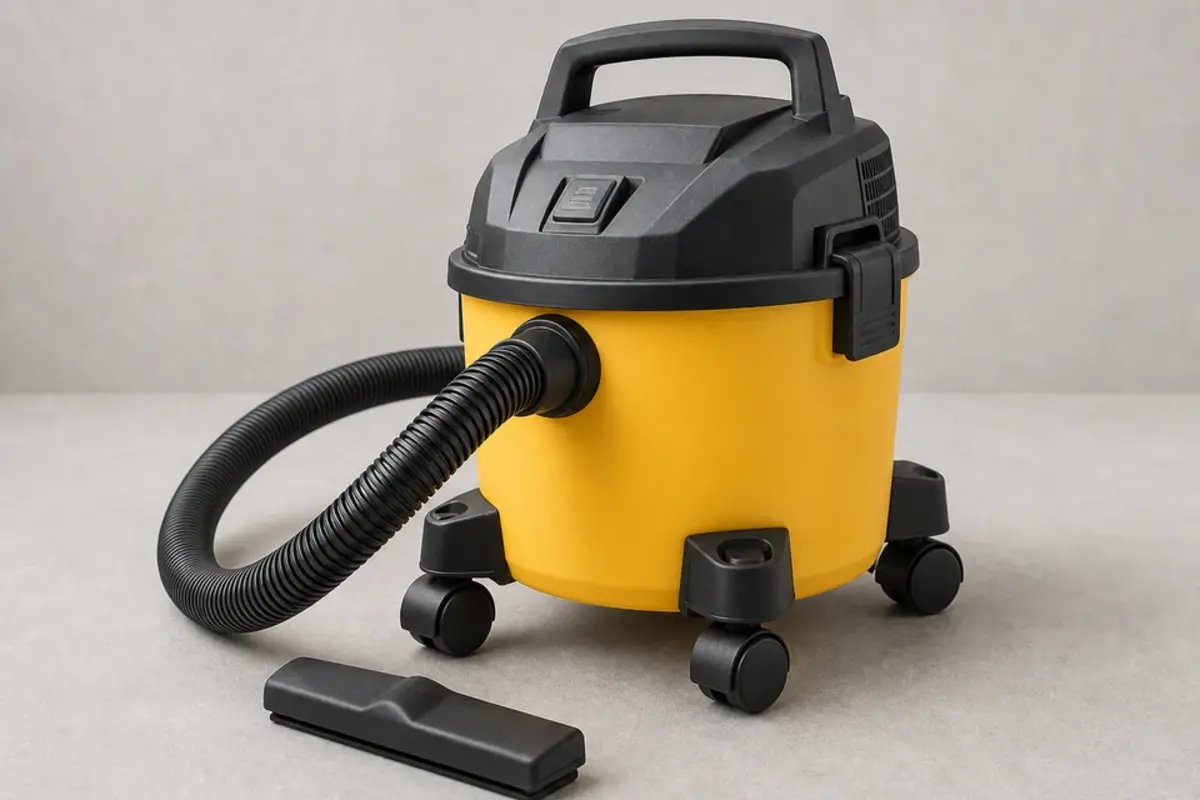
Helps when: Use it at an accessible condensate drain outlet when pan water suggests a clog.
Skip it when: Skip it when the outlet is hidden, water is near electrical parts, or the line is not identifiable.
Compare wet-dry vacuums on Amazon
Helps when: Use them to protect flooring, drywall, and equipment below the leak while you find the water path.
Skip it when: Skip paper towels for active leaks where a pan or wet-dry vacuum is needed.
Compare absorbent towels on Amazon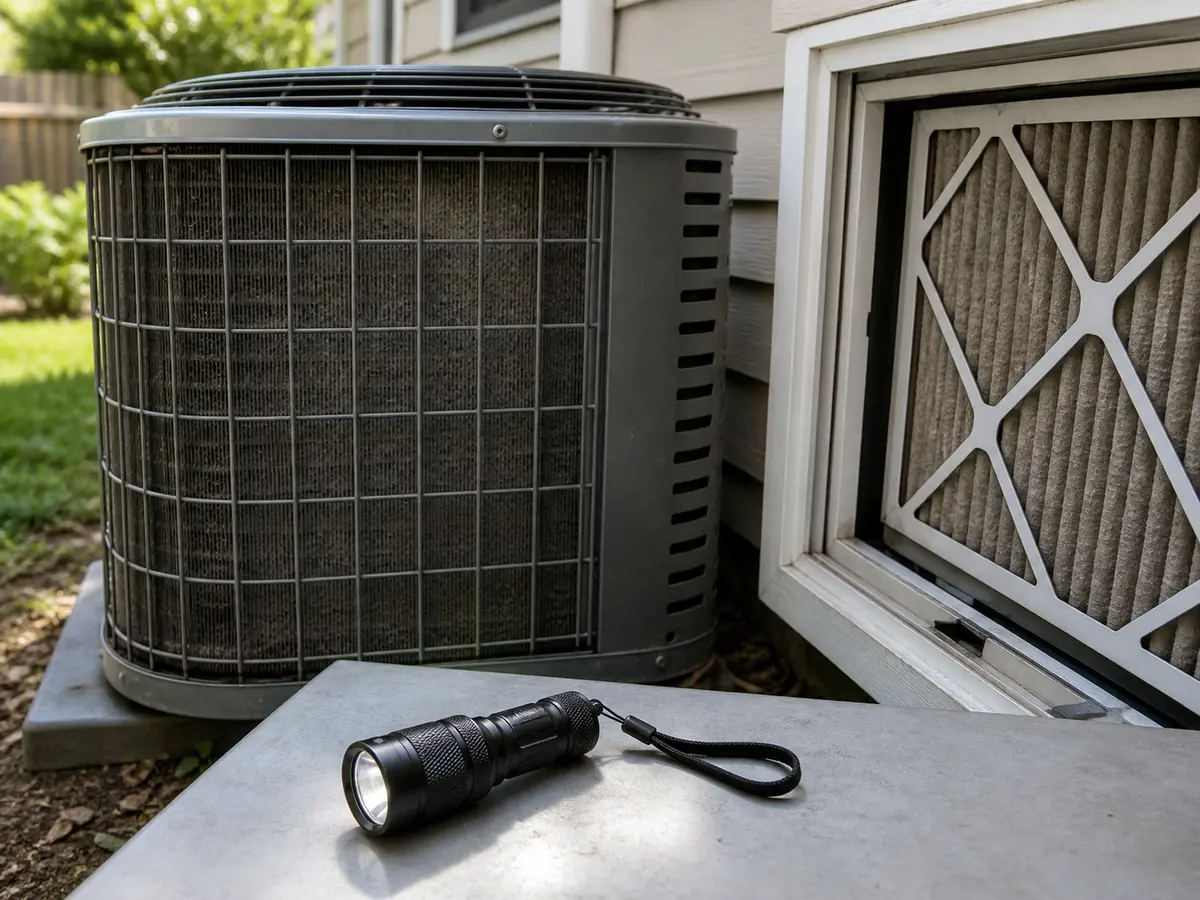
Helps when: Use it to inspect the drain pan, float switch, filter slot, and water tracks.
Skip it when: Skip it when the next step would open sealed coil panels, expose wiring, or put you under active dripping water.
Compare inspection flashlights on AmazonAs an Amazon Associate I earn from qualifying purchases. Repair Riot may earn a commission at no extra cost to you.
Keep the cart narrow and match the part to the actual diagnosis.

Helps when: Replace a dirty, wet, collapsed, or wrong-size filter when weak airflow or ice is part of the leak.
Skip it when: Skip filters that do not match the printed size, thickness, airflow arrow direction, and filter-rack limits.
Compare AC filters on Amazon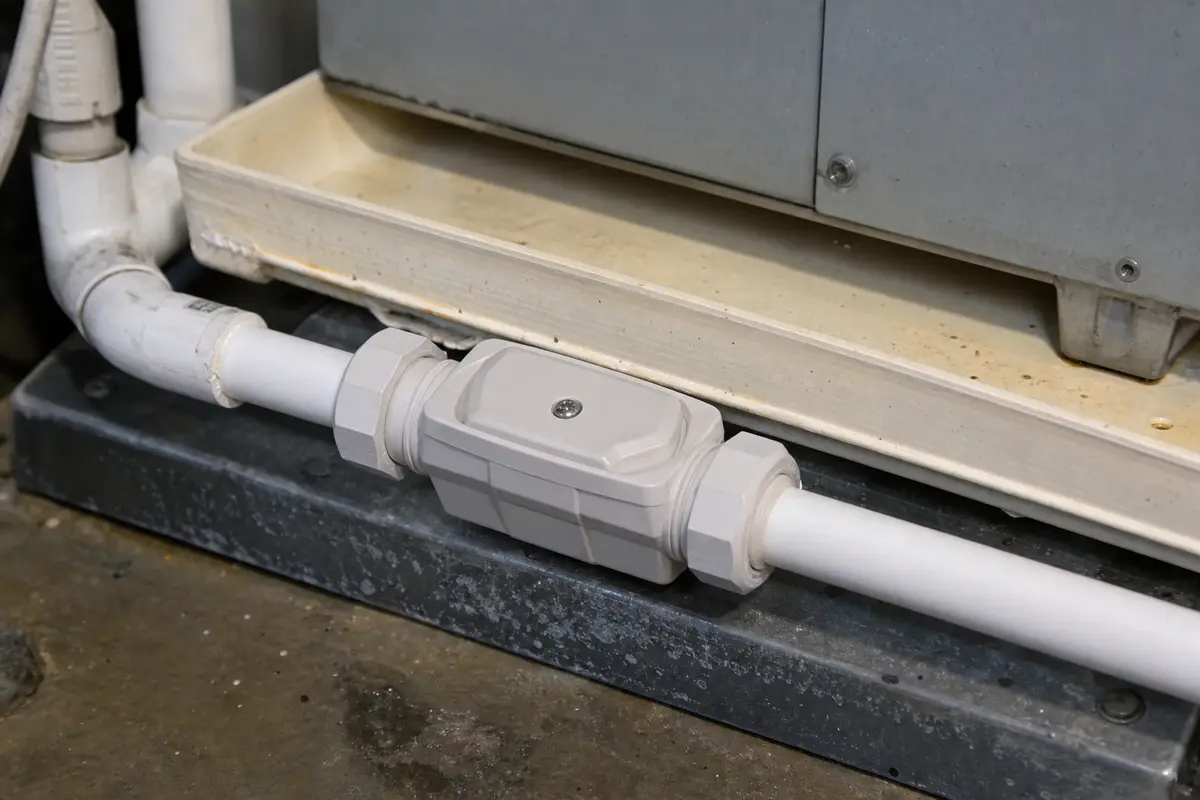
Helps when: Use this only when the drain is clear and the visible float switch sticks, cracks, or will not reset.
Skip it when: Skip it when pan water or a clogged drain is still lifting a working switch.
Compare AC condensate float switches on AmazonAs an Amazon Associate I earn from qualifying purchases. Repair Riot may earn a commission at no extra cost to you.
Most indoor AC leaks come from a clogged condensate drain, full pan, thawing ice, dirty filter, or float-switch safety path.
Yes, turn cooling off while water is actively leaking or ice is visible.
Yes. A restricted filter can freeze the coil, and thawing ice can overflow the drain pan.
Yes, only at an accessible condensate drain outlet where you can identify the line safely.
No. Avoid harsh cleaners and mixed chemicals. Use simple accessible clearing methods or call service.
Treat it as a water-safety clue. Clear the water issue before replacing the switch.
Look for ice, cracked pan, leaking tubing, trap trouble, pump failure, or service-only coil issues.
Call if water returns, ice returns, the pan is cracked, the drain is hidden, or water is near electrical equipment.
Repair Riot built this page around safe homeowner checks: thermostat demand, airflow, filter condition, condenser behavior, condensate safety, duct distribution, and clear stop points before internal electrical or refrigerant work.